Vancouver Island Fishing Guide
British Columbia's Vancouver Island is a dream destination for anglers, but the sheer vastness and incredible diversity of fishing opportunities can feel overwhelming, making it tough to know where to even begin. This comprehensive guide is designed to cut through the noise, providing you with detailed insights into the island's best fishing spots, target species, and the essential know-how to make your next angling adventure truly unforgettable.
The Allure of Vancouver Island Fishing
There's something truly magical about Vancouver Island when it comes to fishing. It's not just a place with abundant fish; it's an entire experience steeped in stunning natural beauty, from the rugged west coast to the tranquil eastern shores and the wild, untamed interior. This island offers a fishing adventure for every type of angler, whether you dream of wrestling a trophy salmon in the Pacific or casting a fly for a native trout in a pristine mountain lake.
A Biodiversity Hotspot
Vancouver Island isn't just a large landmass; it's a vibrant ecological hub where marine and freshwater ecosystems collide to create an incredible array of fishing opportunities. The island's unique position, nestled between the calm, sheltered waters of the Georgia Strait and the wild, open Pacific Ocean, means it's a transit point and home for countless fish species. This rich biodiversity is what truly sets it apart. From migratory salmon to resident bottomfish, and an impressive variety of freshwater species, the fishing here is dynamic and constantly evolving with the seasons. It's a place where you can target a different species every day of the week and still only scratch the surface of what's available.
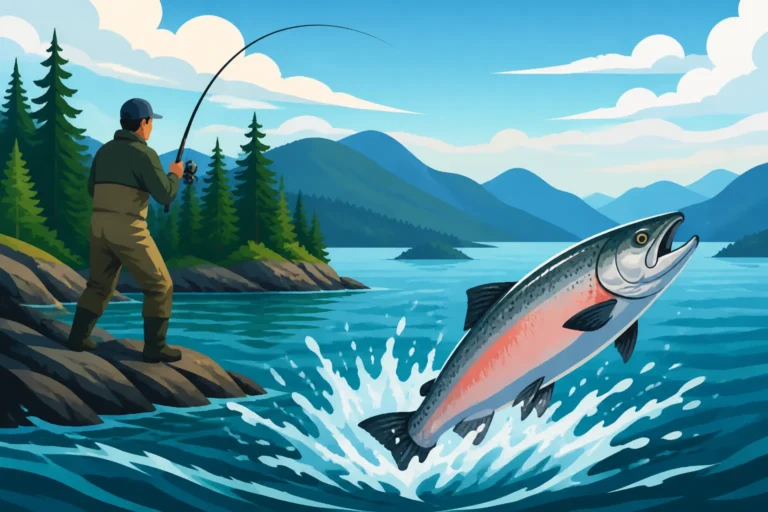
Beyond the sheer numbers of fish, the natural beauty that surrounds you while fishing is unparalleled. Imagine hooking into a powerful Chinook with snow-capped mountains as your backdrop, or fly fishing a quiet river with ancient old-growth forests towering above. This isn't just about catching fish; it's about connecting with one of the most stunning natural environments on the planet. The island's commitment to conservation also means that these ecosystems are actively protected, ensuring that the incredible fishing opportunities here can be enjoyed for generations to come, something every angler can appreciate deeply.
The Saltwater Playground
For many, Vancouver Island is synonymous with saltwater fishing, and for very good reason. The surrounding ocean is a vast playground teeming with life, offering everything from heart-pounding salmon battles to deep-water halibut expeditions. The coastal waters are a highway for all five species of Pacific salmon – Chinook, Coho, Sockeye, Pink, and Chum – as they migrate to their spawning grounds. This means that at various times of the year, you can intercept massive schools of salmon, making for some truly epic fishing days.
Beyond salmon, the offshore reefs and rocky bottom structures are home to a diverse population of groundfish. You'll find colossal halibut lurking in the depths, aggressive lingcod waiting to ambush prey, and a vibrant array of rockfish species. The opportunities are endless, whether you prefer trolling with downriggers in the open ocean, jigging over a productive reef, or even casting from shore in specific locations. The sheer scale and productivity of Vancouver Island's saltwater fishing make it a world-class destination, drawing anglers from across the globe eager to experience its bounty.
Freshwater Gems
While the saltwater fishing often steals the spotlight, Vancouver Island’s freshwater offerings are equally impressive and, in many cases, provide a more serene, intimate angling experience. The island is crisscrossed with countless rivers, streams, and lakes, each with its own unique character and fishing potential. These waterways are home to robust populations of resident trout, including various strains of rainbow trout, cutthroat trout, and the elusive Dolly Varden and bull trout.
For those who chase anadromous species, many of the island's rivers light up with impressive runs of steelhead and salmon as they return from the ocean to spawn. Rivers like the Cowichan, Stamp, and Campbell are legendary for their winter steelhead and fall salmon runs, offering challenging yet incredibly rewarding fishing. Lakes such as Sproat Lake or Comox Lake hold sizeable trout, while smaller, more remote lakes can offer fantastic dry fly action for wild trout. Whether you prefer wading a pristine river with a fly rod, still fishing a peaceful lake from a float tube, or exploring backcountry ponds, Vancouver Island's freshwater gems offer a tranquil escape and thrilling catches. You can find out more about the different types of fishing in our guide on BC Freshwater vs Tidal Waters License, Explained.
Understanding Vancouver Island's Diverse Fisheries
To truly make the most of your Vancouver Island fishing adventure, it's crucial to understand the diverse array of species you might encounter and their unique habits. Knowing what you're targeting, and when and where they're most likely to be found, is the foundation of a successful trip. The island's waters, both fresh and salt, host a rich tapestry of fish, each offering a distinct challenge and reward.
Pacific Salmon Species: Kings, Silvers, and More
Vancouver Island is at the heart of Pacific salmon country, a place where these magnificent fish complete their epic life cycles. All five species of Pacific salmon – Chinook, Coho, Sockeye, Pink, and Chum – migrate through or spawn in the waters surrounding the island. Each species has its own peak season, preferred habitat, and fighting style, making salmon fishing a year-round pursuit with varying targets.
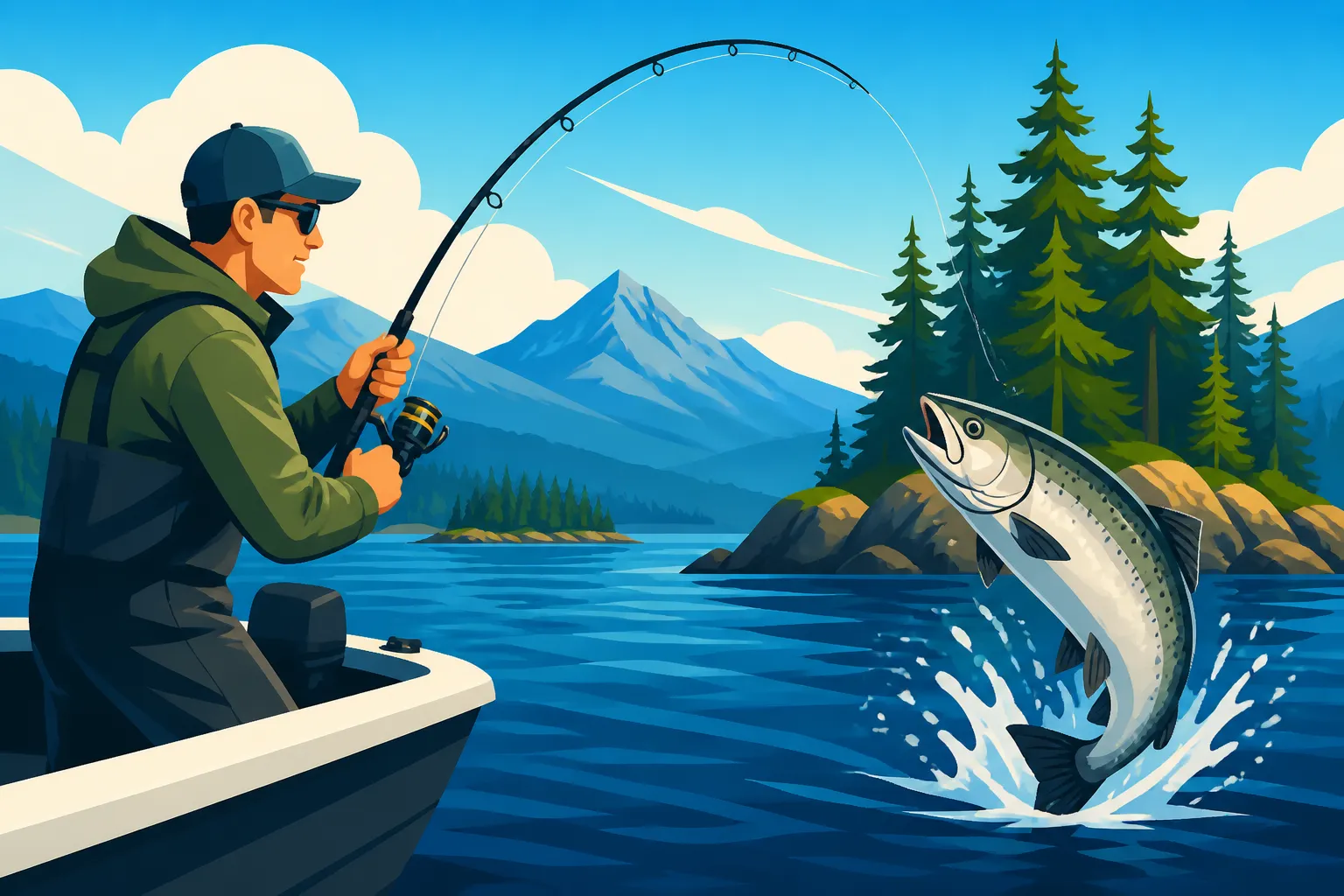
Chinook Salmon (King Salmon): These are the undisputed heavyweights of the salmon family, known for their immense size and powerful, stubborn fights. Often called "Kings" or "Springs" on the West Coast, Chinook can be found in both coastal feeding grounds and returning to rivers. They are present in varying numbers year-round, with peak seasons typically in spring and fall as they stage near river mouths or migrate. Popular spots include the waters off Campbell River, the Discovery Islands, and the West Coast near Tofino and Ucluelet. Anglers often troll with large spoons, hootchies, or natural bait like herring, often using downriggers to reach the depths where these big fish feed. Getting a Chinook on the line is an unforgettable experience, often involving long, drag-screaming runs and deep, powerful head shakes. Our detailed guide on Chinook Salmon Fishing in BC offers even more in-depth advice.
Coho Salmon (Silver Salmon): Fast, acrobatic, and incredibly aggressive, Coho salmon are a thrill to catch. They are known for their spectacular aerial displays and lightning-fast strikes. Coho typically arrive in large numbers in late summer and fall, moving into coastal waters and then into rivers. They are often found closer to the surface than Chinook, making them a popular target for bucktailing, mooching, or trolling with smaller spoons and flies. Rivers like the Stamp and Cowichan see fantastic Coho runs, while offshore, they provide exhilarating action. Their vibrant silver flanks and energetic fights make them a favorite among many anglers. For more on these amazing fish, check out our Coho Salmon Fishing in BC guide.
Sockeye, Pink, and Chum Salmon: While not always targeted with the same intensity by sport anglers as Chinook and Coho, these species provide incredible opportunities, especially during their massive migratory runs. Sockeye, famous for their rich red flesh, are primarily targeted in specific freshwater systems, like the Somass River system near Port Alberni, during their powerful summer runs. Pink salmon, the smallest and most numerous, arrive in incredible numbers every odd-numbered year (e.g., 2025, 2027), providing non-stop action, often close to shore or in river estuaries. They eagerly hit small pink lures and flies. Chum salmon, also known as Dog Salmon, are powerful fighters that arrive in late fall, primarily targeted in rivers and estuaries, often for their roe. While they can be less inclined to bite traditional lures, they provide an immense challenge on the right gear. Understanding Sockeye Salmon Fishing in BC can help you time your visit for these incredible runs.
Bottomfish Bonanza: Halibut, Lingcod, and Rockfish
Beyond the salmon, Vancouver Island's coastal waters are a haven for bottom-dwelling species that offer some of the most exciting and rewarding fishing experiences. These species provide excellent table fare and often require different techniques and heavier gear.
Pacific Halibut: The king of the bottomfish, Pacific Halibut are prized for their immense size, powerful fights, and delicious white meat. These flatfish can grow to incredible dimensions, with specimens over 100 pounds not uncommon. They typically inhabit sandy or gravelly bottoms, often near structure or drop-offs, in deeper coastal waters. Halibut fishing is a springtime obsession, peaking from May through July, though they can be caught earlier and later. Heavy gear is a must, with methods including deep-water jigging with large metal jigs or bait fishing with salmon heads, octopus, or large herring on a spreader bar rig. The West Coast of Vancouver Island, particularly around Tofino and Ucluelet, is world-renowned for its halibut fishery. Our guide on Halibut Fishing Techniques for BC's Coast provides extensive details on how to target these giants.
Lingcod: With their distinctive mottled appearance and formidable teeth, Lingcod are aggressive predators that inhabit rocky reefs, kelp beds, and underwater pinnacles. They offer a strong, powerful fight and are excellent eating. Lingcod season typically opens in May and runs through the fall, varying by management area. They are often caught by jigging large metal jigs, soft plastics, or by drifting natural baits along rocky structure. You'll find them around the Discovery Islands, the waters off Port Renfrew, and numerous rocky outcroppings along both the east and west coasts of the island. Targeting lingcod often means fishing near the bottom in areas of strong current where baitfish congregate. Check out our guide on How to Catch Lingcod off Vancouver Island for expert tips.
Rockfish Species: Vancouver Island's coast is home to a diverse array of rockfish species, including Yelloweye, Copper, Quillback, and China rockfish, among many others. These fish are generally smaller than halibut or lingcod but offer fun, consistent action and are excellent eating. However, many rockfish species are slow-growing and long-lived, making them vulnerable to overfishing. Consequently, strict retention limits and Rockfish Conservation Areas (RCAs) are in place to protect these populations. Anglers typically catch them while targeting lingcod or halibut, or by specifically jigging smaller lures or baited hooks over rocky reefs. It's crucial to identify your catch and understand the specific regulations for each species and area, as some species are entirely catch-and-release, and others have very low limits. Always be prepared to release rockfish carefully, especially those caught from deeper water, using a descending device to help them recover.
Freshwater Fighters: Trout, Steelhead, and Bass
Vancouver Island's inland waters offer a contrasting, yet equally thrilling, fishing experience for those who prefer the tranquility of rivers and lakes. The freshwater fishery is dominated by trout and steelhead, with a growing presence of warm-water species in specific regions.
Rainbow Trout: Found in nearly every lake and river system on the island, Rainbow Trout are the quintessential freshwater sportfish. They range from small, wild stream residents to larger, robust lake-dwelling specimens. Many lakes on Vancouver Island are regularly stocked by the Freshwater Fisheries Society of BC, providing excellent opportunities for anglers of all skill levels. Fly fishing, spin casting with small spinners or spoons, and bait fishing with worms or powerbait are all effective methods. Lake fishing can be particularly productive in spring and fall, while river fishing for rainbows often peaks during insect hatches in warmer months.
Cutthroat Trout: British Columbia's only native trout, the Coastal Cutthroat Trout, are a highly prized catch, especially the sea-run variety. These beautiful fish, identifiable by the orange or red slash under their jaw, migrate between rivers and estuaries, offering exciting fishing in both environments. They are particularly active in estuaries and lower river sections in spring and fall, feeding on baitfish and insects. Fly anglers often target them with streamers or dry flies, while spin anglers use small spoons or spinners. Rivers like the Cowichan, Gold, and many smaller coastal streams are known for their cutthroat populations.
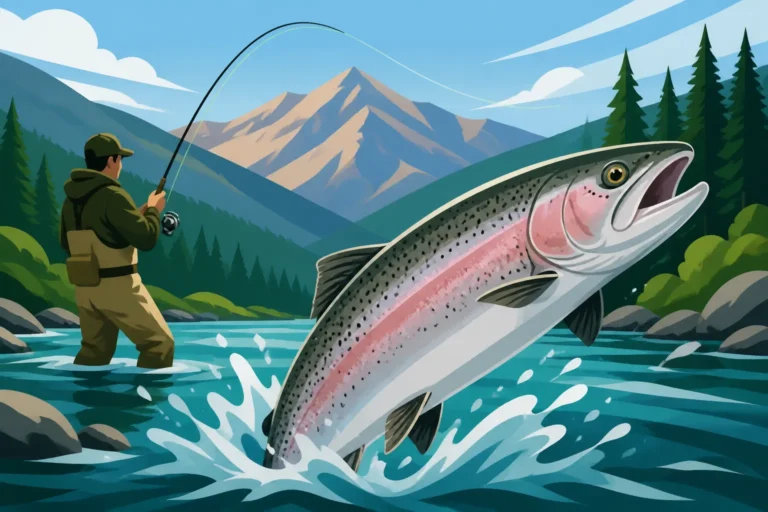
Steelhead: The anadromous form of rainbow trout, steelhead are legendary for their incredible strength, speed, and acrobatic fights. These magnificent fish return to their natal rivers in winter and spring, providing one of the most challenging and rewarding freshwater fishing experiences. Vancouver Island boasts some of BC's most famous steelhead rivers, including the Stamp, Cowichan, and Gold Rivers. Anglers pursue them using a variety of methods, including float fishing with roe or jigs, drift fishing with pink worms or small spoons, and fly fishing with Spey rods and intricate fly patterns. Steelhead fishing often means braving cold, wet conditions, but the reward of hooking one of these chrome beauties is unparalleled. Our guide on How to Catch Steelhead in BC delves into the best strategies.
Smallmouth Bass: While not native to BC, Smallmouth Bass have established populations in some of Vancouver Island's warmer lakes, particularly in the southern regions. These hard-fighting fish provide excellent sport during the warmer months, typically from late spring through early fall. They are aggressive predators, often found around rocky shorelines, submerged timber, and weed beds. Anglers target them with a wide array of lures, including crankbaits, spinnerbaits, plastic worms, and topwater lures. Lakes like Langford Lake and Shawnigan Lake are popular spots for bass fishing.
Best Saltwater Fishing Hotspots Around Vancouver Island
Vancouver Island's extensive coastline is dotted with world-renowned saltwater fishing destinations, each offering unique opportunities. From the sheltered waters of the Georgia Strait to the rugged open Pacific, here's a closer look at some of the prime locations.
Campbell River: The Salmon Capital
Often hailed as the "Salmon Capital of the World," Campbell River, located on the east coast of Vancouver Island, lives up to its name. The convergence of currents in the nearby Discovery Passage and the numerous salmon rivers flowing into the area create a natural funnel for migrating Pacific salmon, making it an incredibly productive fishery.
Chinook and Coho Paradise: Campbell River is arguably best known for its incredible Chinook salmon fishing. From late spring through fall, large numbers of mature Chinook stage in the waters around Quadra Island, Seymour Narrows, and the famous "Tyee Pool" in the river mouth, preparing for their journey upstream. These are often large, powerful fish that provide epic battles. Coho salmon also show up in strong numbers from late summer into fall, offering explosive topwater action and acrobatic fights. Anglers here often employ downrigger trolling with various spoons, hootchies, and bait (herring is a local favorite) to target these magnificent fish. The fishing can be incredibly consistent, drawing anglers year after year.
Charter Operations and Infrastructure: The popularity of Campbell River as a fishing destination means it has a robust infrastructure to support anglers. Numerous experienced fishing charters operate out of the city, offering everything from half-day trips to multi-day packages. These charters come equipped with top-of-the-line gear, expert guides, and the knowledge to put you on the fish. You can easily find a charter through platforms like FishingBooker, connecting you with local captains who know the intricate local waters. Beyond charters, there are ample boat launches, tackle shops, and accommodations, making it an easy place to base your fishing adventure. For those interested in guided trips, checking out the Best Salmon Charters in Campbell River is a must.
Tofino & Ucluelet: West Coast Halibut and Offshore Adventures
Venture to the rugged west coast of Vancouver Island, and you'll find the charming communities of Tofino and Ucluelet, which serve as gateways to some of the most spectacular and productive offshore fishing in BC. This wild, open ocean environment is famous for its halibut, but also offers incredible salmon and lingcod opportunities.
Halibut and Salmon Dreams: The offshore banks and reefs just a short boat ride from Tofino and Ucluelet are legendary for their Pacific Halibut. The deep, nutrient-rich waters support a massive baitfish population, attracting these giant flatfish. Anglers consistently land halibut well over 50 pounds, with trophy-sized fish over 100 pounds a real possibility. While halibut steal the show, the open ocean also provides fantastic salmon fishing, particularly for Chinook and Coho that are actively feeding. These fish are often caught by trolling in deeper water or even on the surface when baitfish are abundant. The feeling of being out on the open Pacific, surrounded by stunning scenery and abundant wildlife, adds to the thrill of the catch. Consider booking with a local outfit for the best chance at a trophy, and review our Best Halibut Fishing Charters out of Tofino to find reputable guides.
Challenging but Rewarding Waters: Fishing the west coast demands respect for the ocean. Conditions can change rapidly, and offshore trips require experienced boat handlers and proper safety equipment. This is where booking with a professional charter really shines. Local guides are intimately familiar with the weather patterns, tides, and fishing grounds, ensuring a safe and productive trip. Whether you're jigging for halibut in 300 feet of water, battling a chrome Chinook on light tackle, or exploring remote inlets for lingcod, the west coast offers a truly wild and unforgettable fishing experience.
Sooke & Victoria: Southern Island Charms
For anglers visiting the southern tip of Vancouver Island, the waters off Sooke and Victoria offer excellent and accessible fishing, often with a slightly more sheltered feel compared to the open Pacific. These areas are popular for resident salmon and a variety of bottomfish.
Resident Salmon Action: The waters off Sooke and Victoria are home to a strong population of "resident" Chinook salmon, often referred to as "winter Springs" or "blackmouths." These fish spend their entire lives in the Strait of Juan de Fuca, feeding on abundant baitfish, rather than migrating far offshore. This means consistent Chinook fishing is available year-round, even through the colder months. Coho salmon are also plentiful during their migratory season in late summer and fall. The relatively calmer waters of the Strait of Juan de Fuca make this an excellent option for anglers who prefer less exposed conditions. Anglers typically troll with spoons, hootchies, and bait, often targeting specific depths where baitfish schools are concentrated.
Crabbing and Bottom Fishing: Beyond salmon, the southern island waters offer fantastic opportunities for crabbing, especially for delicious Dungeness crab, and a good variety of bottomfish. Lingcod can be found around rocky structures, and various rockfish species inhabit the reefs. This makes for a diverse day on the water, where you might bring home a mixed bag of salmon, crab, and bottomfish. Many smaller, independent charter operations are available in Sooke and Victoria, often catering to families or smaller groups looking for a personalized fishing experience. These guides are often locals with generations of knowledge about the specific nuances of these waters.
The Discovery Islands & Northern Island Inlets
Moving north along the eastern side of Vancouver Island, the Discovery Islands (including Quadra, Cortes, and Read Islands) and the numerous deep inlets that indent the coastline offer a truly wild and remote fishing experience. This region is characterized by strong currents, dramatic underwater topography, and immense natural beauty.
Big Water, Big Fish: The confluence of Johnstone Strait and Queen Charlotte Strait in this northern region creates powerful currents that sweep through narrow passages, acting as superhighways for migrating salmon. These nutrient-rich waters are prime feeding grounds for large Chinook and Coho salmon, particularly from summer into fall. The remote nature of many of these areas means less pressure and often larger, more aggressive fish. Anglers here often employ heavy-duty trolling gear to contend with strong currents and large fish. Deep jigging for lingcod and various rockfish species is also highly productive around the numerous reefs and pinnacles.
Remote Wilderness Experience: Fishing in the northern inlets and Discovery Islands offers more than just the chance at a trophy fish; it’s an immersive wilderness experience. You’ll often be fishing in stunning fjords surrounded by towering mountains, with wildlife like whales, bears, and eagles frequently spotted. Many lodges and remote charters operate in this region, offering multi-day, all-inclusive packages that combine world-class fishing with a comfortable stay in a truly wild setting. This is an ideal destination for anglers looking to escape the crowds and experience BC's raw, untamed beauty.
Top Freshwater Fishing Destinations on Vancouver Island
While the saltwater scene often gets the most press, Vancouver Island's freshwater fishing is a true hidden gem, offering serene environments and exciting catches for those willing to explore its rivers and lakes.
River Systems for Steelhead and Salmon
Vancouver Island boasts a selection of legendary river systems that come alive with the seasonal migrations of steelhead and salmon. These rivers offer some of the most challenging and rewarding fly and gear fishing experiences.
The Stamp River: Located near Port Alberni, the Stamp River is arguably one of British Columbia's most famous steelhead rivers. It experiences powerful runs of winter steelhead from December through April, providing a challenging yet incredibly rewarding fishery. These strong, ocean-bright fish are known for their spectacular aerial displays and sustained runs. The Stamp also sees significant returns of Chinook, Coho, and Sockeye salmon, particularly in the fall, making it a multi-species destination. Anglers use a variety of techniques here, including float fishing with roe or jigs, drift fishing with worms, and Spey casting with various fly patterns. The river's accessible nature, with numerous access points within Stamp River Provincial Park, makes it popular, but the fishing can be exceptional. Many local guides specialize in the Stamp, offering float trips that cover prime water. You can learn more about Steelhead Runs on BC's North Coast Rivers and apply those principles here.
The Cowichan River: Often referred to as "The Big River," the Cowichan is a designated Heritage River and a jewel of Vancouver Island's freshwater system. It's renowned for its impressive runs of winter steelhead and sea-run cutthroat trout, as well as significant returns of Chinook and Coho salmon. The Cowichan is a diverse river, offering both large, open runs for Spey casting and intimate sections for single-hand fly fishing. It's also famous for its resident brown trout, some of which grow to impressive sizes, offering a unique target species for BC. The river's health is a testament to strong conservation efforts, and it's mostly catch-and-release for steelhead to protect these precious stocks. Access points are scattered along its length, particularly around Duncan and Lake Cowichan, making it relatively easy to explore.
Other Notable Rivers: Beyond the Stamp and Cowichan, many other rivers on Vancouver Island offer excellent steelhead and salmon fishing. The Gold River, for example, is another prime winter steelhead destination, offering a more remote experience. The Campbell River, while known for its salmon at the mouth, also has a productive freshwater section for salmon and resident trout. Smaller coastal streams, too numerous to name, can also hold surprising numbers of sea-run cutthroat and even small runs of salmon and steelhead, especially after good rains in the fall. Exploring these lesser-known systems can lead to incredible, uncrowded fishing.
Lake Fishing for Trout and Bass
Vancouver Island is dotted with hundreds of lakes, ranging from large, accessible bodies of water to small, remote alpine tarns. These lakes offer a different pace of fishing, primarily targeting trout and, in some cases, smallmouth bass.
Stocked Lakes for Easy Access: The Freshwater Fisheries Society of BC actively stocks many lakes on Vancouver Island with rainbow trout, and sometimes cutthroat, ensuring consistent fishing opportunities, especially for families and beginners. Lakes like Elk Lake and Beaver Lake near Victoria, or Westwood Lake in Nanaimo, are popular choices due to their easy access and reliable catches. These lakes are great for teaching kids how to fish, using simple bait setups or casting small spinners. They often feature public docks, boat launches, and picnic areas, making for a full day out. Check local regulations, but often these lakes have generous limits.
Wild Trout in Interior and Remote Lakes: For anglers seeking a more challenging and solitary experience, the island’s interior and higher elevation lakes offer excellent wild trout fishing. Lakes within provincial parks like Strathcona Provincial Park or those accessed via logging roads can hold robust populations of native rainbow and cutthroat trout. These fish are often harder to fool but are incredibly rewarding on a dry fly or small lure. Float tubes, canoes, or small car-toppers are ideal for accessing these waters. The thrill of exploring a pristine lake, surrounded by wilderness, and hooking a feisty wild trout is an unforgettable part of the Vancouver Island fishing experience.
Smallmouth Bass Opportunities: While not widespread, smallmouth bass have established themselves in some of the warmer, shallower lakes in the southern part of the island. Lakes such as Langford Lake, Shawnigan Lake, and Prospect Lake offer decent bass fishing during the summer months. These fish are aggressive and put up a strong fight on light tackle, often hitting a variety of soft plastics, crankbaits, and topwater lures. Targeting bass provides a fun change of pace from trout and salmon and can be a great option on a hot summer day.
Remote Backcountry Opportunities
For the truly adventurous angler, Vancouver Island's vast wilderness offers incredible remote backcountry fishing opportunities. These experiences require more planning, effort, and often a willingness to hike or paddle to pristine, less-fished waters.
Alpine Lakes and High-Elevation Streams: The mountain ranges that traverse Vancouver Island are home to countless alpine lakes and high-elevation streams. Many of these waters are only accessible by hiking trails, some requiring multi-day backpacking trips. The reward, however, is often spectacular fishing for wild, often eager, rainbow and cutthroat trout. These fish, while not always large, thrive in the cold, clear waters and are often incredibly responsive to dry flies. The scenery alone makes the effort worthwhile, with stunning views, absolute solitude, and the chance to truly disconnect. Always be prepared for variable weather conditions and carry appropriate safety gear when venturing into the backcountry.
Fly-in or Heli-Fishing Expeditions: For those seeking the ultimate remote fishing adventure without the strenuous hike, fly-in or heli-fishing expeditions are an option in some parts of northern Vancouver Island and adjacent coastal areas. These trips grant access to untouched lakes and rivers that see minimal fishing pressure, often harboring trophy-sized wild trout or even untouched salmon and steelhead runs in very remote river systems. These are typically multi-day, guided trips provided by specialized wilderness lodges, offering an unparalleled opportunity to experience truly pristine fishing in an untouched wilderness. This is the kind of trip that creates lifelong memories and stories.
Essential Gear and Techniques for Vancouver Island Anglers
To maximize your success and enjoyment while fishing on Vancouver Island, having the right gear and understanding effective techniques for different species and environments is crucial. The island's diverse fisheries mean that a one-size-fits-all approach simply won't cut it.
Saltwater Setups for Trolling and Jigging
Saltwater fishing on Vancouver Island, especially for salmon and bottomfish, typically involves either trolling from a boat or jigging over structure. Each method requires specialized gear and a nuanced approach.
Trolling for Salmon: Trolling is the most common and effective method for targeting salmon in the open ocean.
- Rods and Reels: You'll want medium-heavy to heavy conventional or baitcasting rods, typically 8-10 feet long, paired with robust level-wind reels capable of holding 200-300 yards of 30-50 lb braided line, backed by a monofilament leader. Brands like Scotty or Gibbs make excellent downriggers, which are indispensable for reaching the depths where salmon often feed.
- Downriggers: These mechanical devices are essential for getting your lures or bait down to the precise depth where salmon are holding. Electric downriggers are popular for their ease of use, allowing you to set and retrieve weights with the push of a button.
- Terminal Tackle: A variety of lures are effective when trolling. Popular choices include spoons (such as Silver Horde or Gibbs-Delta in various finishes like green splatter back, glow, or Irish cream), hootchies (squid imitations often used behind a flasher), and natural bait like whole or cut herring (often rigged in a brined state for durability and scent). Flashers, which are large, reflective plates, are used in conjunction with lures or bait to attract salmon from a distance. The choice of lure and color can depend heavily on water clarity, light conditions, and the specific baitfish the salmon are keying on.
- Technique: Trolling speed is critical; typically 2-4 knots, but often adjusted based on current and the action of your lure. Pay close attention to your sonar to identify baitfish schools and salmon marks, adjusting your downrigger depth accordingly. Varying depths and patterns, often in a zig-zag motion, helps cover more water and trigger strikes. Check out our detailed guide on Trolling Techniques for BC Lake Trout – while it focuses on lakes, many principles of depth control and lure action apply.
Jigging for Halibut and Lingcod: When targeting bottomfish, jigging is the primary technique, requiring a different setup.
- Rods and Reels: Heavy-duty conventional rods, typically 6-7 feet long with a fast action, are ideal for jigging. Pair these with large, powerful conventional reels with a high retrieve ratio, spooled with 60-100 lb braided line. The heavy braid is essential for detecting subtle bites in deep water and for pulling up heavy fish.
- Jigs: Large metal jigs (like Gibbs-Delta or P-Line jigs in weights from 8-24 ounces, depending on depth and current), large soft plastic swimbaits rigged on heavy jig heads, or natural bait rigs are effective. For halibut, a spreader bar rig with a large baited hook (using salmon heads, octopus, or large pieces of herring) is often employed, fished close to the bottom.
- Technique: For halibut, drop your jig or bait to the bottom, then lift it 1-2 feet and let it sit or perform a slow, rhythmic jigging motion. Bites can be subtle "thumps" or heavy pulls. For lingcod, a more aggressive jigging motion, vertically ripping the jig up and letting it flutter down, often triggers strikes. Always stay in contact with the bottom, as these fish are rarely far from it. Understanding Jigging for Halibut off Vancouver Island is key to success.
Freshwater Gear for Rivers and Lakes
Freshwater angling on Vancouver Island spans a wide range of techniques, from delicate fly fishing to more robust gear fishing for larger species.
River Fishing for Steelhead and Salmon:
- Fly Fishing (Spey and Single Hand): For steelhead, Spey casting with two-handed rods (12-15 feet, 7-10 wt) is popular, allowing anglers to cover large sections of water with minimal effort. Skagit or Scandi lines with various tips are used to present intruder flies, leeches, or weighted nymphs. Single-hand fly rods (9-10 feet, 6-8 wt) are effective for smaller rivers or specific techniques like nymphing or dry fly fishing for trout.
- Float Fishing: A highly effective method for steelhead and salmon, especially in colored or high water. This involves long, sensitive float rods (10-13 feet, medium-light to medium-heavy action), paired with centerpin reels or spinning reels. Baits like cured roe, worms, or jigs are suspended under a float, allowing them to drift naturally through runs and pools. The key is perfect drag-free drifts. Our guide on Float Fishing the Bulkley River offers excellent transferable knowledge.
- Drift Fishing: Similar to float fishing but without a float, using weighted baits or lures that tumble along the bottom with the current. Short, sensitive spinning or casting rods (7-9 feet) with braided line and a fluorocarbon leader are common. Effective for targeting fish holding tight to the bottom in faster currents.
Lake Fishing for Trout and Bass:
- Spin Fishing: Versatile for most lake fishing. Light to medium-light spinning rods (6-7 feet) paired with small to medium spinning reels spooled with 6-10 lb monofilament or braided line with a fluorocarbon leader. Small spoons, spinners, and soft plastic baits are effective.
- Fly Fishing (Lakes): Trout in lakes can be targeted with various fly fishing techniques. Stillwater fly fishing often involves using a sinking line to present leeches, minnow patterns, or chironomids at specific depths. Dry fly fishing can be explosive during insect hatches, especially on smaller, wild trout lakes. A 9-foot, 5 or 6 wt fly rod is a versatile choice.
- Bait Fishing: For stocked trout, simple bait setups can be incredibly effective. A light spinning rod with a bobber or bottom rig (sinker with a short leader to a hook) can be used to present worms, powerbait, or corn. This is especially popular for family fishing trips on easily accessible stocked lakes.
Seasonal Strategies and Bait Choices
Vancouver Island's fisheries are highly seasonal, dictated by fish migrations, water temperatures, and natural food sources. Adapting your strategy and bait choices to the time of year is paramount.
Spring (March-May):
- Saltwater: This is prime time for Pacific Halibut. Focus on deeper offshore banks with large jigs or bait. Resident Chinook salmon become more active as baitfish move into coastal waters. Lingcod season opens in May.
- Freshwater: Winter steelhead runs are winding down in early spring but can still be productive. Lake trout become very active as waters warm, especially after ice-off, making them susceptible to trolling or casting along shorelines. Early season insect hatches can kick off dry fly action on some rivers.
Summer (June-August):
- Saltwater: Excellent Chinook and Coho salmon fishing in coastal waters as migratory fish move through. Halibut fishing remains strong, especially in June and July. Pink salmon runs occur in odd-numbered years, offering fast action.
- Freshwater: Lake fishing is in full swing for trout, often requiring deeper presentations or early morning/late evening surface action. Smallmouth bass fishing is at its peak in warmer lakes. Lower river sections can hold early salmon runs. Be mindful of warmer water temperatures and consider conservation practices like catch-and-release to minimize stress on fish.
Fall (September-November):
- Saltwater: Peak season for Coho salmon, with large numbers entering coastal areas and rivers. Big Chinook salmon are also staging for spawning. Chum salmon runs provide another option.
- Freshwater: Major salmon runs (Chinook, Coho, Chum) enter the rivers, offering incredible fishing, though often requiring specific gear and techniques due to conservation rules. This is also when the first winter steelhead begin to show up in some systems. Lake trout become more active near the surface as waters cool.
Winter (December-February):
- Saltwater: Focused primarily on resident Chinook salmon in more sheltered waters. These "winter Springs" offer a consistent fishery, though conditions can be challenging. Bottom fishing for lingcod (when open) and rockfish can also be productive.
- Freshwater: Prime time for winter steelhead in rivers like the Stamp and Cowichan. Requires patience, specialized gear, and often involves battling cold, wet weather. Some lakes may offer ice fishing in colder, interior regions, though this is less common on the mild coast.
Planning Your Vancouver Island Fishing Trip
A successful and enjoyable fishing trip to Vancouver Island involves more than just knowing where the fish are; it also requires careful planning around regulations, guide services, and logistics.
Navigating Licenses and Regulations
British Columbia has specific and often complex fishing regulations designed to protect its diverse fish stocks. Ignorance of the rules is not an excuse, and penalties for violations can be severe.
Obtaining Your License: Everyone planning to fish in BC, regardless of age, needs a valid fishing license. This includes both freshwater and tidal (saltwater) licenses. You'll need to decide if you're a resident or non-resident, and whether you're fishing freshwater, tidal waters, or both. For saltwater fishing, additional stamps are often required for salmon. For freshwater, a basic license covers most trout, but specific stamps or surcharges might apply for steelhead. For comprehensive details, our British Columbia Fishing License Guide for 2026 is an indispensable resource.
- Freshwater License: Required for all freshwater angling. These can be purchased online through the BC government's angling licensing system or from authorized vendors like tackle shops and sporting goods stores.
- Tidal Waters License: Required for all saltwater angling. These are also available online via the DFO (Fisheries and Oceans Canada) licensing system or from authorized vendors. When buying a tidal license, you'll need to specify if you intend to retain salmon, as a Salmon Conservation Stamp is mandatory for keeping salmon.
- Conservation Stamps: Beyond the basic license, specific conservation stamps are often required for certain species. For example, a BC Freshwater Salmon Retention Rules stamp is often needed to keep salmon caught in freshwater, while a BC Tidal Waters Salmon Conservation Stamp Cost is needed for tidal waters. Steelhead fishing often requires a separate Steelhead Conservation Surcharge Stamp. Always check the current regulations synopsis before you fish.
Understanding Regulations and Fishery Notices: The rules regarding daily bag limits, possession limits, size restrictions, gear restrictions, and open/closed seasons vary significantly by region, species, and even specific body of water.
- Freshwater Fishing Regulations Synopsis: For freshwater, the annual BC Freshwater Fishing Regulations Synopsis is your bible. It outlines all the provincial rules, special regulations for specific waters (e.g., fly fishing only, catch-and-release), and provides detailed maps.
- Fishery Notices (Tidal Waters): For tidal waters, in addition to the annual guide, it's absolutely critical to check the Department of Fisheries and Oceans (DFO) Fishery Notices daily. These notices provide in-season updates, closures, and changes to limits that can happen very suddenly, sometimes overnight, due to conservation concerns or unexpected fish returns. You can easily find information on How to check BC fishery notices before a trip.
- Online Resources: Both provincial and federal governments maintain online portals where you can find the most up-to-date regulations. Make it a habit to check these resources immediately before your trip and even daily while you're fishing. Having a printout or digital copy of your license and the regulations on hand is always a good idea.
Hiring a Local Guide or Charter
For many anglers, especially those new to Vancouver Island or targeting specific species, hiring a local guide or charter is the best investment you can make. Their expertise is invaluable.
Benefits of a Guided Trip:
- Local Knowledge: Guides know the waters intimately – where the fish are biting, what depths they're at, what lures are working, and how the currents and tides influence the fishing. This saves you countless hours of searching and trial-and-error.
- Safety: Especially on the open ocean or larger rivers, guides are experienced boat operators and understand local hazards, weather patterns, and safety protocols.
- Proper Gear: Charters and guides provide all the necessary, high-quality gear, tackle, and often bait, saving you the expense and hassle of bringing your own. This is particularly beneficial for specialized fishing like halibut or steelhead.
- Regulations Expertise: Guides stay current with all the complex regulations, ensuring you fish legally and responsibly. They often handle the fish cleaning and processing too, following all legal requirements.
- Instruction and Techniques: A good guide will teach you effective techniques, helping you improve your angling skills. This is especially valuable for beginners or those trying a new type of fishing.
- Higher Success Rates: Ultimately, guides significantly increase your chances of finding and catching fish, making your trip more productive and enjoyable.
Choosing a Guide or Charter:
- Reputation and Reviews: Look for guides with strong reputations and positive reviews. Platforms like FishingBooker can be an excellent resource for finding reputable operations, showing available dates, prices, and direct feedback from past clients.
- Specialty: Some guides specialize in certain species (e.g., halibut, steelhead) or locations (e.g., Campbell River salmon). Choose a guide whose expertise matches your fishing goals.
- Boat and Equipment: Inquire about the boat (size, comfort, safety equipment) and the quality of the fishing gear provided.
- Cost and Inclusions: Understand what's included in the price (license, lunch, fish cleaning, etc.) and be aware of standard tipping etiquette for guides. A guide on BC Fishing Charter Cost Guide can help you set expectations.
- Communication: A good guide will communicate clearly before, during, and after your trip. Don't hesitate to ask questions during the booking process.
- Booking in Advance: Especially during peak seasons, popular guides and charters book up quickly, so plan and reserve your trip well in advance.
Accommodation and Logistics
Vancouver Island offers a wide range of accommodation options, from luxury resorts and charming B&Bs to rustic cabins and campgrounds. Your choice will depend on your budget, fishing location, and desired level of comfort.
Choosing Your Base Camp:
- Campbell River: Excellent choice for salmon fishing in the Georgia Strait and accessing northern freshwater rivers. Many hotels, motels, and fishing lodges cater to anglers.
- Port Alberni: Ideal for accessing the Stamp River steelhead and salmon, and the Somass River sockeye fishery. Good selection of accommodations.
- Tofino/Ucluelet: Best for west coast halibut and offshore salmon. Range from high-end resorts to budget-friendly cabins and camping. Book well in advance, especially in summer.
- Victoria/Sooke: Good for resident salmon and southern island freshwater lakes. Plenty of hotels, B&Bs, and close to urban amenities.
Transportation:
- Ferry Access: Most visitors arrive on Vancouver Island via BC Ferries from the mainland (Vancouver area) or the Gulf Islands. Book ferry reservations well in advance, especially if you're bringing a vehicle, during peak season.
- Driving: A car is essential for exploring the island and accessing various fishing spots. Roads are generally well-maintained, but be prepared for gravel roads, especially when accessing remote lakes or river sections.
- Air Travel: Smaller regional airports in Victoria (YYJ), Nanaimo (YCD), and Campbell River (YBL) offer flights from Vancouver International Airport (YVR) or other hubs, which can be a quicker option for shorter trips.
What to Pack:
- Weather Appropriate Clothing: Vancouver Island weather can be unpredictable. Layering is key. Bring waterproof outerwear (jacket and pants), warm fleece or wool layers, and quick-dry clothing.
- Footwear: Waterproof boots (knee-high for river wading) or sturdy hiking boots for shore access.
- Sun Protection: Sunscreen, sunglasses (polarized are a must for spotting fish and reducing glare), and a wide-brimmed hat.
- Personal Gear: Camera, binoculars, personal first-aid kit, insect repellent, and any personal medications.
- Cooler and Ice: Essential for transporting your catch home. Many charters offer fish cleaning and packaging services.
- Fishing Tackle (if not chartering): Bring appropriate rods, reels, lines, lures, and terminal tackle for the species and methods you plan to use.
Conservation and Sustainable Practices on Vancouver Island
The incredible fishing opportunities on Vancouver Island are not accidental; they are the result of dedicated conservation efforts and responsible management. As anglers, we have a crucial role to play in ensuring these fisheries remain healthy and vibrant for future generations.
Protecting Fragile Ecosystems
The ecosystems that support Vancouver Island's fish populations are delicate and interconnected. Every action we take, or don't take, can have an impact.
Respecting Habitat: Fish rely on clean water, healthy riparian zones, and intact spawning grounds.
- Minimize Footprint: When fishing rivers or lakes, stay on designated trails and access points to minimize erosion and disturbance to sensitive vegetation along the banks. Avoid trampling vegetation, especially in spawning areas.
- Waste Management: Pack out everything you pack in, including fishing line, lure packaging, and food wrappers. Even biodegradable items can take a long time to break down and can impact wildlife. Use designated garbage and recycling bins where available.
- Chemicals and Pollution: Be mindful of fuel, oil, and other chemicals around waterways. Ensure your boat is well-maintained to prevent leaks, and properly dispose of old fishing line and lead weights, which can be toxic to wildlife.
Understanding Ecosystem Health:
- Water Quality: Support initiatives that protect water quality in rivers and lakes. Pollutants from urban runoff, agriculture, and industrial activities can severely impact fish health and reproduction.
- Riparian Zones: Healthy vegetation along riverbanks provides shade, reduces erosion, filters pollutants, and contributes insects and organic matter to the aquatic food web. Support efforts to restore and protect these vital areas.
- Fish Passage: Obstacles like poorly designed culverts or dams can block fish migration, preventing them from reaching essential spawning and rearing habitats. Advocate for projects that improve fish passage.
Catch and Release Best Practices
While keeping a legal limit of fish for the table is part of the angling experience, practicing responsible catch and release, especially for vulnerable species or when limits are met, is a cornerstone of conservation.
Minimizing Stress and Injury: The goal of catch and release is to ensure the fish survives and thrives after being released.
- Use Barbless Hooks: Barbless hooks greatly reduce injury to fish and make hook removal much easier and quicker. Many special regulation waters in BC require barbless hooks. If your hook has a barb, pinch it down with pliers.
- Play Fish Quickly: Bring the fish in as quickly as possible to minimize exhaustion. A prolonged fight can deplete the fish's energy reserves, making it more susceptible to predators or disease after release.
- Handle Fish Gently with Wet Hands: Avoid touching fish with dry hands, as this removes their protective slime layer, leaving them vulnerable to infection. Keep the fish in the water as much as possible, especially larger species. If you must lift it, support its weight horizontally, ideally with one hand under the belly and another at the tail. Never lift a large fish by the jaw or gill plates only, as this can cause internal damage.
- Quick Hook Removal: Use hemostats or pliers to quickly remove the hook. If the fish is deeply hooked, especially in the gills, cut the line as close to the hook as possible rather than trying to rip it out. The hook will often rust away over time.
- Revive, Don't Just Release: For exhausted fish, especially in rivers, hold them gently facing upstream in the current. Move them slowly back and forth to force water over their gills until they regain their strength and can swim away on their own. Don't simply toss them back into the water. For more information, our guide on Sturgeon catch and release survival tips provides excellent general advice applicable to any large fish.
By adhering to regulations, protecting habitats, and practicing responsible catch and release, we can all contribute to the long-term health and abundance of Vancouver Island's incredible fisheries.
Disclaimer
Please remember that fishing regulations, seasons, and limits are subject to change at any time. It is the angler's responsibility to consult the most current regulations synopsis for freshwater fishing and the DFO Fishery Notices for tidal water fishing before heading out on the water. This guide is for informational purposes only and should not be considered legal advice. Always prioritize safety and practice ethical angling.