Coho Salmon Fishing in BC
For many anglers, the pursuit of coho salmon in British Columbia can feel like chasing a phantom. They're known for their acrobatic fights and brilliant silver scales, but figuring out when and where to intercept these elusive fish, let alone how to entice a bite, often leaves even seasoned veterans scratching their heads. This comprehensive guide is here to untangle the mysteries of BC coho salmon fishing, offering you the insights and strategies to make your next silver bullet adventure a resounding success.
The Silver Bullet: Understanding Coho Salmon in BC
Coho salmon, affectionately known as "silvers" due to their striking chrome appearance, are one of British Columbia's most celebrated sportfish. Their aggressive nature and incredible fighting prowess make them a bucket-list species for many anglers. But to consistently catch them, you first need to understand the fish itself – its life story, how to tell it apart from its salmon cousins, and its seasonal movements.
Coho Salmon Biology and Life Cycle
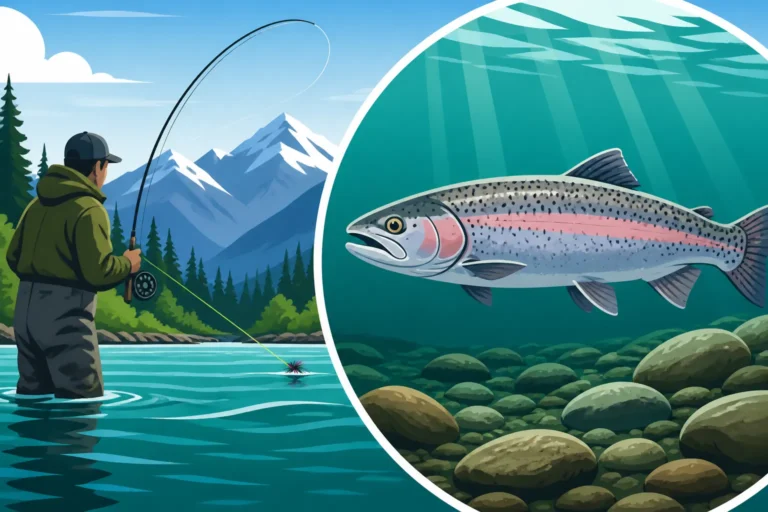
The life of a coho salmon is a remarkable journey of transformation and endurance. Born in the freshwater streams and rivers of British Columbia, these young salmon, called alevins, hatch from eggs laid in gravel nests, or "redds." After absorbing their yolk sacs, they emerge as fry, spending their first year or two in their natal streams, growing and feeding on insects and small invertebrates. During this freshwater residency, they're often mistaken for trout by less experienced eyes.
As they mature, these juvenile coho undergo a process called smoltification, transforming physically to adapt to saltwater. They head downstream to the Pacific Ocean, where they'll spend another 1 to 2.5 years, growing rapidly on a diet of baitfish like herring and sandlance. It's during this ocean phase that they pack on weight and develop their iconic silver coloration, becoming the powerful, athletic fish we all dream of catching. After their ocean adventure, usually in their third year, an irresistible urge calls them back to their birthplaces. They navigate hundreds, sometimes thousands, of kilometers, pushing against currents, leaping falls, and evading predators, all to return to the very gravel beds where their own lives began, to spawn and complete their incredible life cycle. This precise homing instinct is truly one of nature's marvels, ensuring the continuation of the species.
Identification: Spotting a Coho
Distinguishing a coho salmon from other Pacific salmon species can sometimes be tricky, especially when they're fresh from the ocean and still bright silver. However, there are a few key features that will help you confidently identify your catch. One of the most reliable indicators is the shape of their anal fin. Coho tend to have a long, somewhat slender anal fin with a relatively straight margin, unlike the deeply forked anal fin you might see on a pink salmon.
Look closely at their tails. Coho typically have spots only on the upper lobe of their caudal (tail) fin, whereas Chinook (King) salmon will have spots on both the upper and lower lobes. The inside of a coho's mouth is usually black, but with a white or grey gum line, a distinction that often separates them from Chinook, which have entirely black mouths and gum lines. Their body shape is generally more streamlined and torpedo-like compared to the deeper-bodied sockeye. As they approach their spawning grounds, their silver scales give way to a reddish-brown or darker bronze hue, and males often develop a pronounced hooked snout, or "kype." Knowing these distinctions is crucial not only for bragging rights but also for adhering to Pacific Salmon Species Identification Guide and specific regulations, as bag limits and retention rules can vary significantly between species.
Migration Patterns and Timing
Coho salmon are creatures of habit when it comes to their migrations, though exact timing can vary slightly from year to year based on environmental factors like water levels and ocean temperatures. Generally, the first waves of coho begin to appear in BC's coastal waters in late spring, with good numbers showing up by June and July. These early arrivals are often referred to as "feeders" or "silvers" and are still actively feeding in the ocean, making them aggressive biters and fantastic sport.
The main push of the spawning migration typically kicks off in late summer and early fall, from August through October, as the fish start their journey back to their natal rivers and streams. This is when river mouths and lower tidal reaches become prime fishing grounds. Rivers like the Chilliwack/Vedder, Squamish, and countless smaller coastal systems swell with returning coho. Understanding these Coho Salmon Habits in Coastal Streams and their predictable migration patterns is paramount to successful angling. Observing fishery notices for specific river systems is always a smart move, as in-season closures or changes to retention limits can occur based on stock assessments. The fall months, with their cooler temperatures and increased rainfall, often trigger larger pushes of fish into the freshwater, providing incredible opportunities for both boat and shore anglers.
Where to Find Coho: Top BC Hotspots
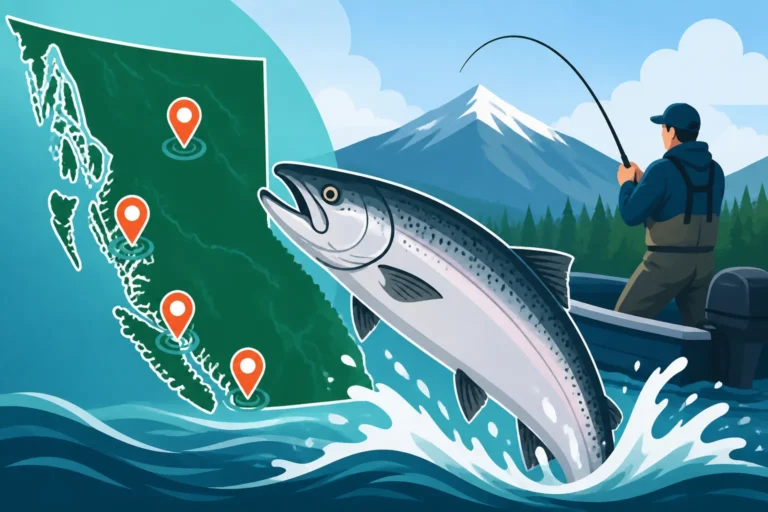
British Columbia is a coho salmon paradise, boasting an incredible array of fishing grounds from vast ocean expanses to intimate coastal rivers. Knowing where to focus your efforts can make all the difference in connecting with these exciting fish. Whether you prefer the open sea or the quiet solitude of a riverbank, there’s a coho hotspot waiting for you.
Coastal River Fisheries
When the fall rains arrive, BC's coastal rivers come alive with returning coho salmon. These rivers are often the final destination for coho completing their epic migration, offering fantastic opportunities for anglers fishing from shore or small boats. The lower Fraser River, particularly around its mouth and tributaries like the Harrison River, is a major highway for coho. You'll find many anglers practicing bar fishing or casting spoons and spinners from gravel bars. Further north, rivers like the Squamish and Mamquam, just a short drive from Vancouver, become popular destinations, especially in September and October. Their clear, often green waters can offer exciting sight-fishing opportunities.
The Vedder/Chilliwack River, famous for its incredible salmon runs, sees a strong coho return, with anglers using a variety of techniques from float fishing to spoon casting. Further up Vancouver Island, rivers such as the Cowichan, Gold, and Campbell Rivers are renowned for their coho runs, drawing anglers from around the world. These river systems are often easily accessible, with numerous public access points. Always remember to consult the local regulations for specific rivers, as some might have special restrictions, bait bans, or gear limitations to protect vulnerable stocks. Fishing these rivers in the early morning or late evening often yields the best results, as coho can be more active in lower light conditions, and there's often less pressure from other anglers.
Tidal Waters and Ocean Fishing
For many, the quintessential BC coho fishing experience takes place in the vast, nutrient-rich tidal waters of the Pacific Ocean. Here, coho are still in their prime feeding mode, aggressive and full of energy, providing explosive, drag-screaming fights. Iconic locations like the Strait of Georgia, the waters around the Gulf Islands, and the various sounds and inlets off Vancouver Island are prime hunting grounds. Areas near river mouths, where coho stage before entering freshwater, can be particularly productive.
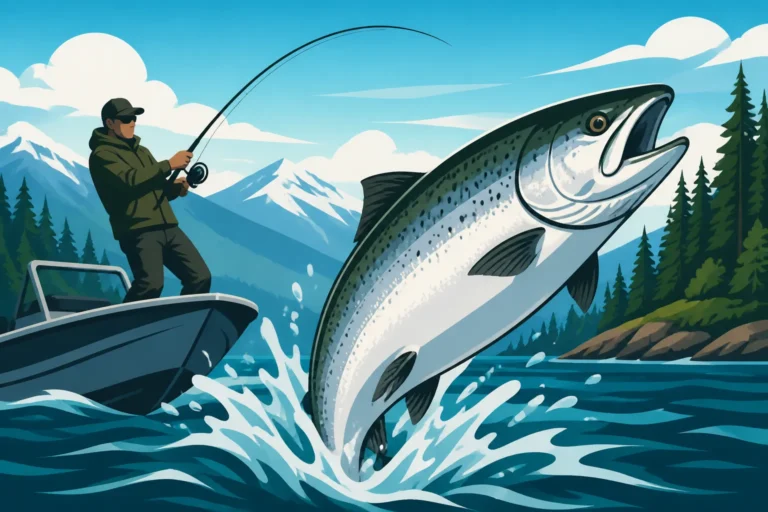
Popular ocean fishing hubs include Campbell River, often dubbed the "Salmon Capital of the World," where numerous charters depart daily to target coho in Discovery Passage and the surrounding waters. Best Charters Out of Campbell River can guide you to these productive spots. The waters off Victoria, Sooke, and Port Renfrew on the southern tip of Vancouver Island also offer phenomenal ocean coho opportunities, especially in the summer months. Anglers here often employ trolling techniques with downriggers to present lures and bait at specific depths where coho are feeding. Tofino and Ucluelet on the west coast of Vancouver Island also boast incredible ocean fishing for coho, often mixed in with Chinook and halibut catches. These offshore fisheries usually require a boat, and many anglers opt for guided charters to navigate the complex waters and benefit from local expertise.
Lake and Estuary Opportunities
While coho are primarily thought of as ocean and river dwellers, there are also some unique opportunities to target them in specific lakes and estuaries across British Columbia. Estuaries, the transitional zones where freshwater rivers meet the saltwater ocean, are critical staging areas for coho before they push upstream. These brackish waters can hold large numbers of coho, particularly during incoming tides, as the fish gather and adjust to the change in salinity. Anglers fishing estuaries often use small boats, kayaks, or even target them from shore, casting spoons, spinners, or bait. The key here is timing – fishing during the tide change, especially the flood tide, can be incredibly productive as it brings in fresh fish and often concentrates them in specific channels or deeper pockets.
In some rare instances, certain lakes that are part of river systems or have an anadromous connection might hold coho. These are less common than river or ocean fisheries but can offer a unique experience. For instance, the lower reaches of some lakes that are directly influenced by river inflows and outflows can see coho passing through. However, it's crucial to check local regulations carefully, as many lakes have specific rules for salmon retention, or may even be closed to salmon fishing entirely. Always consult the BC Freshwater Fishing Regulations Synopsis for the specific lake or system you intend to fish. These less-trafficked spots can sometimes offer a more peaceful fishing experience away from the crowds found in more popular river or ocean areas.
Gear Up: Essential Equipment for Coho
Getting your gear dialed in is half the battle when it comes to successful coho salmon fishing. Whether you're trolling in the ocean or casting in a river, having the right rod, reel, line, and terminal tackle makes a huge difference in your ability to detect bites, fight fish, and ultimately land them. Don't underestimate the importance of quality gear that's up to the task of battling these feisty silver bullets.
Rods, Reels, and Lines
For ocean coho fishing, especially trolling, a medium-heavy action rod, typically 8.5 to 10.5 feet long, is a popular choice. The extra length helps manage longer leads behind downriggers and absorbs the shock of a hard-hitting fish. Pairing this with a level-wind or small conventional reel, spooled with 20-30 lb braided line and a top shot of 20-25 lb monofilament or fluorocarbon leader, is a solid setup. The braid offers sensitivity and strength, while the mono/fluoro top shot provides stretch and invisibility. For river fishing, the approach changes. If you're float fishing or drift fishing, a longer, lighter action spinning or casting rod, around 9 to 11 feet, is ideal. This length allows for better line control, mending, and softer presentations. A good quality spinning reel in the 3000-4000 series or a low-profile baitcaster, spooled with 15-20 lb braided main line and a 10-15 lb fluorocarbon leader, is common. Fly anglers targeting coho in rivers will opt for a 7-9 weight fly rod, typically 9-10 feet, paired with a matching large arbor reel and a floating or intermediate sink-tip line. Investing in a good quality rod and reel that balances well in your hand will reduce fatigue over long days of fishing and give you the confidence to tackle any coho that bites. Many reputable brands offer excellent rods and reels that are durable and perform well in BC's demanding fishing conditions.
Lures, Flies, and Bait
Coho salmon are opportunistic feeders and can be enticed by a wide variety of offerings. In the ocean, common lures include spoons like Silver Horde, Coyote, or Gibbs Delta in sizes ranging from 3.0 to 5.0 inches. Popular colors often mimic baitfish, so greens, blues, chartreuses, and silver are excellent choices. Hootchies (squid imitations) behind a flasher are also incredibly effective. For bait, cut plug herring or anchovies trolled behind a flasher are irresistible to ocean coho. You can find pre-rigged herring setups or rig your own using good quality leaders and hooks, often available on platforms like Amazon if your local tackle shop doesn't have exactly what you need.
In rivers, different tactics come into play. Spinners such as the Gibbs Delta Croc or Mepps Aglia in sizes 3-5, often with a silver or brass blade and a colored body (pink, orange, chartreuse), can be very effective. Spoons, similar to those used in saltwater but often slightly smaller, are also productive. Float fishing with roe (salmon eggs), jigs, or small beads is a staple for river coho. For fly anglers, popular patterns include intruders, articulated streamers, Woolly Buggers, and various egg patterns in vibrant colors like chartreuse, pink, and orange. Don't be afraid to experiment with different sizes and colors until you find what the fish are keying in on that day. Sometimes, a subtle change can make all the difference.
Essential Angler Accessories
Beyond the core rod, reel, and terminal tackle, a few key accessories can significantly enhance your coho fishing experience. A good quality landing net with a rubberized mesh is essential for safely landing and releasing fish, minimizing harm to both you and the coho. Pliers or forceps are indispensable for removing hooks, especially when practicing catch and release. A fishing vest or tackle box to organize your lures, weights, leaders, and other small items keeps everything within easy reach. Sunscreen, a wide-brimmed hat, and polarized sunglasses are crucial for protecting yourself from the elements, and the sunglasses also help you spot fish in clear water.
For those venturing onto the water in a boat, a reliable depth sounder or fish finder is invaluable for locating structure and baitfish, which often hold coho. A good pair of waterproof boots or waders is a must for river anglers, allowing you to access prime fishing spots safely and comfortably. And, of course, a valid BC fishing license with the appropriate stamps (e.g., Salmon Conservation Stamp) is non-negotiable. You can usually purchase these online or from local vendors, and having them readily accessible, perhaps as a digital copy on your phone or a printed paper copy, is always a good idea. Consider a multitool for quick repairs or adjustments, and a small first-aid kit for any minor scrapes or cuts that might happen while out on the water. Many of these handy accessories, from specialized fishing tools to rain gear, can be conveniently purchased from online retailers like Amazon, ensuring you have everything you need before you hit the water.
Mastering the Techniques: How to Catch Coho
Coho salmon are known for their aggressive strikes and acrobatic fights, making them a thrilling target. However, their patterns and preferences can vary greatly depending on whether you're in the ocean or a river. Employing the right technique for the right conditions is key to consistent success.
Trolling in Saltwater
Trolling is arguably the most popular and effective method for targeting coho salmon in British Columbia's saltwater environments. This technique involves dragging lures or bait behind a moving boat, usually at speeds between 2.5 and 3.5 knots, to cover large areas and present your offering to actively feeding fish. The use of downriggers is almost universally employed to get your gear down to the precise depth where coho are schooling or feeding. These fish are often found anywhere from 20 to 80 feet deep, but they can be anywhere in the water column, so experimentation is key.
A typical trolling setup involves a flasher, which is a large, rotating blade designed to attract fish with its flash and vibration, followed by a short leader (typically 30-70 inches) to your lure or bait. Popular lures include spoons, hootchies, or even plugs. Cut plug herring or anchovies are also deadly when trolled behind a flasher. Color choice can be critical; on sunny days, chrome or natural baitfish patterns often work well, while on overcast days or in deeper water, brighter colors like chartreuse, pink, or glow-in-the-dark can be more effective. Keep an eye on your fish finder for bait balls or schools of salmon, and adjust your depth and speed accordingly. Often, a slight S-curve in your boat's path can cause your lures to speed up and slow down, triggering strikes.
River Fishing Strategies Drift, Float, Fly
When coho transition from saltwater to freshwater, their feeding habits change, and so must our approach. River fishing for coho offers a diverse range of techniques, each suited to different water conditions and angler preferences.
Drift Fishing: This involves presenting a weighted bait or lure that tumbles along the bottom with the current. Popular choices include roe bags, jigs, or small worms, often paired with a "slinky" or hollow lead weight that minimizes snagging. The key is to achieve a natural, drag-free drift that mimics something naturally drifting downstream. You'll cast upstream and allow your gear to float down through known holding water like seams, pools, and current breaks. Detecting the often subtle bite requires keen attention to your line and rod tip.
Float Fishing: Also known as "drift bobber" fishing, this technique uses a buoyant float to suspend your bait or lure at a specific depth, usually just off the bottom. It's incredibly effective for covering runs and pools, especially in varying depths. Jigs, roe, or beads are common under a float. The float provides excellent strike detection, as any dip or sudden movement indicates a fish has taken your offering. Salmon Fishing Techniques for BC Rivers details this further. This method is particularly popular on rivers with moderate current and consistent depth.
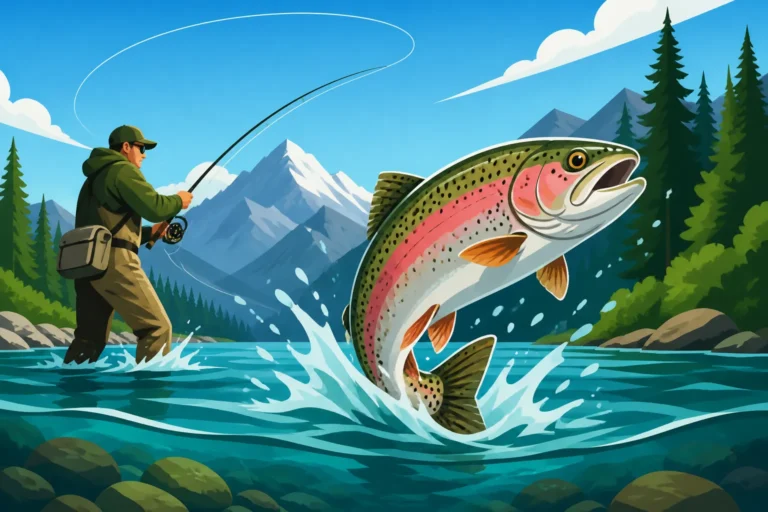
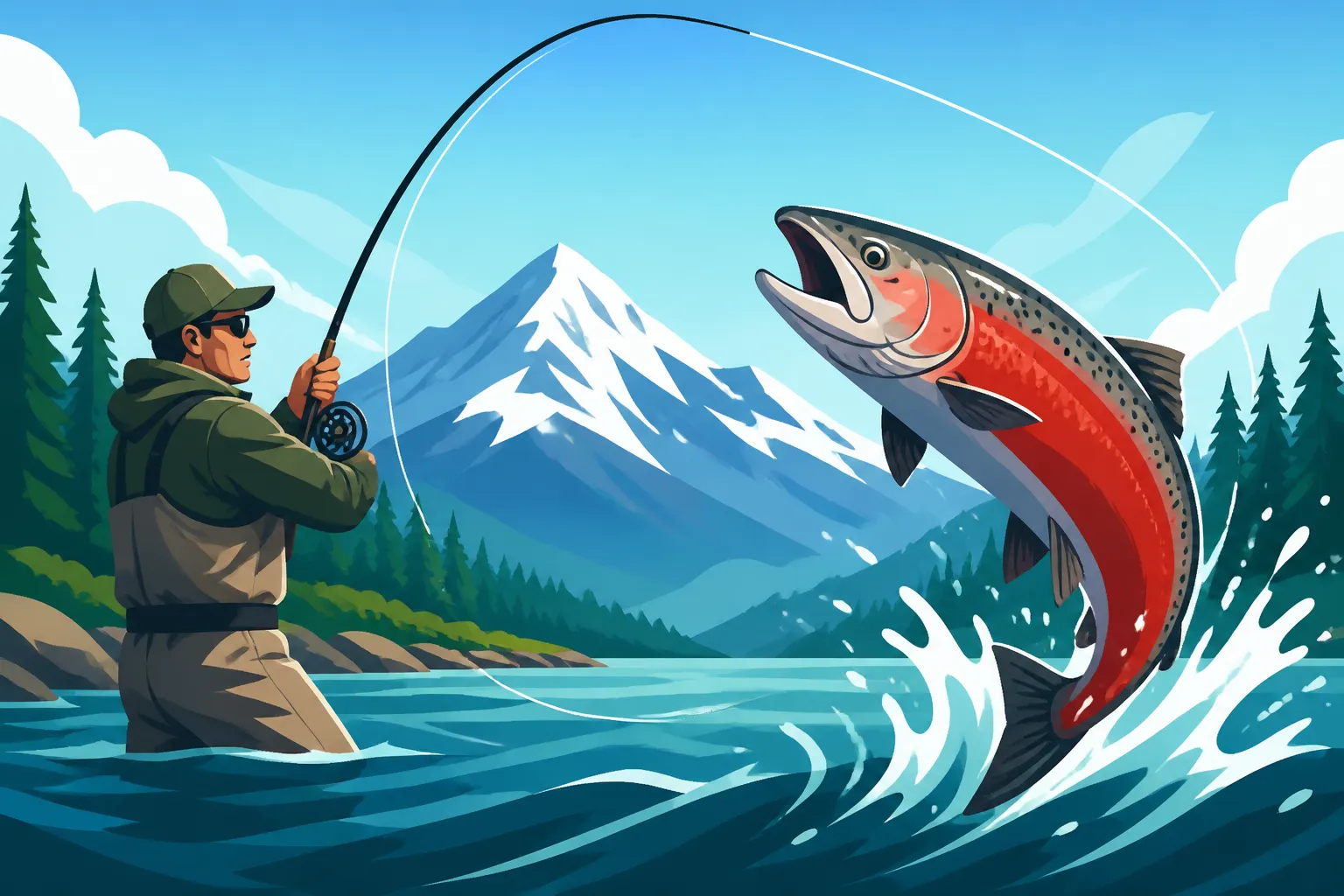
Fly Fishing: For the purist, fly fishing for coho in rivers can be an incredibly rewarding experience. Coho, especially early in their freshwater migration, can be very aggressive towards a properly presented fly. Streamers, like Woolly Buggers, Sculpin patterns, or various "intruder" style flies in chartreuse, pink, or black, are effective. Swinging flies downstream and across the current, or stripping them back through a pool, can elicit powerful strikes. In clearer, shallower water, you might even sight fish to individual coho, watching them chase and then engulf your fly – a truly exhilarating experience. Remember to use sturdy tippet, as these fish fight hard!
Shore and Estuary Tactics
Fishing for coho from shore or in estuaries can be a highly accessible and productive way to target these salmon, especially if you don't have access to a boat. Estuaries, where freshwater meets saltwater, are natural staging areas for coho before they push upriver. During incoming tides, coho often stack up in these areas, making them prime targets. Casting spoons, spinners, or even small buzz bombs into these waters can be very effective. Look for areas where currents create seams, eddies, or deeper channels, as coho will often hold in these spots.
For shore anglers along riverbanks, identifying key holding water is crucial. Coho often pause in deeper pools, behind log jams, or in slower current seams, especially after navigating faster water. Casting spoons or spinners across and down current, allowing them to swing through these holding lies, can provoke a strike. Float fishing with jigs or roe is also a staple for shore anglers on rivers, allowing you to cover water effectively without getting snagged on the bottom. Early mornings and late evenings often offer the best opportunities, as coho can be more active in lower light conditions and fishing pressure might be lighter. Always ensure you have good footing, especially on slippery river rocks, and be mindful of other anglers.
Best Times to Fish: Seasons and Conditions
Timing is everything when it comes to coho salmon fishing in British Columbia. Understanding the peak seasons, how tides and weather influence fish behavior, and how to read the water conditions will significantly increase your chances of a successful outing.
Peak Seasons for Coho Runs
The prime time for coho salmon fishing in British Columbia varies slightly depending on whether you're targeting them in the ocean or their natal rivers. In the open ocean, particularly along the coast of Vancouver Island and in the Strait of Georgia, the "feeder" coho start showing up in late spring, around May and June. These are often smaller, but incredibly feisty, actively feeding fish. The main ocean coho season generally peaks through July and August, offering consistent action as the fish grow rapidly before their spawning migration. This is a fantastic time for ocean trolling.
As late summer transitions into fall, typically from late August through October, the focus shifts to the river systems. This is when the mature coho begin their epic journey upstream to spawn. Rivers across the Lower Mainland, Vancouver Island, and the North Coast see strong coho runs. September and October are often considered the sweet spot for river coho, especially after the first significant fall rains, which typically encourage the fish to push further inland. However, some rivers can see coho as late as November, particularly in milder years. For a general overview of when different species are active, consulting BC Fishing Seasons by Month can be helpful.
Tides and Weather Considerations
Tides play an absolutely critical role in saltwater and estuarial coho fishing. An incoming (flood) tide often brings fresh schools of coho closer to shore and into river mouths, as they follow baitfish or prepare to enter freshwater. The slack tide, both high and low, can also be productive as currents slow, often concentrating bait and salmon. Conversely, strong outgoing (ebb) tides can push fish offshore or out of estuaries. Paying attention to tide charts is a fundamental part of planning any coastal or estuarial coho trip.
Weather conditions also heavily influence coho behavior. In the ocean, calm days are generally preferred for comfort and ease of fishing, but overcast skies can sometimes encourage coho to feed closer to the surface. Heavy rains can make river fishing challenging due to increased flow and turbidity, but a fresh rise in water levels after a dry spell can trigger new pushes of fish into the river, making fishing very productive a day or two after the peak of the rain. Conversely, prolonged periods of low, clear water in rivers can make coho spooky and harder to catch, requiring a more stealthy approach and finer tackle. Understanding how these factors interact is part of the art of fishing, allowing you to make informed decisions about when and where to cast your line.
Reading Water Conditions
Being able to "read the water" is a skill that comes with experience, but it's invaluable for locating coho, especially in rivers. Coho salmon, like most fish, are creatures of efficiency; they want to expend as little energy as possible while migrating or waiting for food. This means they will often hold in specific types of water. Look for seams where fast current meets slower water, as these provide a resting lane and often funnel food. Deeper pools, especially those with structure like submerged logs or boulders, are classic holding lies. Behind large rocks or fallen trees, you'll often find eddies or current breaks where fish can rest without fighting the main current.
In estuaries, look for channels, drop-offs, or areas where the river flow is distinct from the tidal influence. These transition zones often concentrate baitfish and, consequently, hungry coho. On the ocean, using a fish finder to locate bait balls (schools of herring or anchovies) is key, as coho will rarely be far from their food source. Also, pay attention to current lines, temperature breaks, and changes in bottom structure. Observing other anglers' success (or lack thereof) can also offer clues, but ultimately, developing your own eye for productive water will make you a much more effective coho angler. Patience and observation will always be your best allies.
Regulations and Conservation: Fishing Responsibly
Fishing for coho salmon in British Columbia isn't just about catching fish; it's also about doing so responsibly and sustainably. Adhering to regulations and practicing conservation methods ensures that these magnificent fish continue to thrive for future generations of anglers.
Understanding BC Coho Regulations
Navigating the labyrinth of BC fishing regulations can sometimes feel overwhelming, but it's absolutely essential for any angler. Coho salmon, like all Pacific salmon species, are subject to complex rules that can vary by region, specific water body, time of year, and even method of fishing. You'll need a valid BC freshwater or tidal waters fishing license, and if you intend to retain any salmon, a current Salmon Conservation Stamp is mandatory. This stamp helps fund vital salmon enhancement and habitat restoration projects.
Regulations dictate everything from daily bag limits (how many fish you can keep in a day) and possession limits (how many fish you can have in your possession, including at home) to minimum and maximum size limits. BC Bag and Possession Limits by Species are frequently updated. There are often specific regulations for individual rivers or management areas, including gear restrictions (e.g., bait bans, single barbless hook rules, specific lure types), and even closures during sensitive spawning periods or when stocks are low. Always consult the most current BC Freshwater Fishing Regulations Synopsis or the Marine Tidal Waters Sport Fishing Guide, typically available online through government websites, before you head out. Ignorance of the rules is not an excuse, and penalties for non-compliance can be severe, including hefty fines and loss of fishing privileges.
Catch and Release Best Practices
While many anglers enjoy retaining a coho or two for the dinner table, practicing responsible catch and release is vital for sustaining healthy fish populations, especially for those wild stocks that are under pressure. If you intend to release a coho, minimize the fight time as much as possible; use appropriate tackle that allows you to subdue the fish quickly. Keep the fish in the water whenever possible. Landing nets with rubberized, knotless mesh are excellent for cradling the fish without damaging its slime coat or fins.
When handling, wet your hands thoroughly before touching the fish to protect its protective slime layer, which acts as a barrier against disease. Avoid squeezing the fish, especially around the gills or belly. Use forceps or pliers to quickly remove hooks, preferably single barbless hooks, which cause less damage and are easier to remove. If the hook is deeply embedded and cannot be easily removed, consider cutting the leader as close to the hook as possible. Revive the fish by holding it gently upright in the current, allowing water to flow over its gills, until it swims away under its own power. A healthy release ensures that fish can continue their journey to spawn, contributing to the next generation of coho.
Protecting Coho for Future Generations
The future of coho salmon fishing in British Columbia hinges on our collective commitment to conservation. Beyond following regulations, there are many ways anglers can contribute to protecting these precious resources. This includes participating in volunteer stream cleanups, supporting local conservation groups, and educating fellow anglers about sustainable practices. Being a responsible steward means understanding the broader ecological picture, not just focusing on your own catch.
Supporting initiatives that protect and restore salmon habitat, such as riparian planting projects that stabilize stream banks and provide shade, is crucial. Advocating for responsible land use and development practices that minimize impact on salmon-bearing streams is another important step. The health of coho populations is directly tied to the health of their freshwater and marine environments. By making conscious choices, from the gear we use to how we interact with the fish and their habitat, we play a significant role in ensuring that the thrill of catching a BC coho salmon remains a possibility for generations to come.
Beyond the Catch: Preparing and Enjoying Coho
Successfully landing a beautiful BC coho salmon is a fantastic achievement, but the experience doesn't end there. Proper handling, storage, and preparation are key to enjoying the rich flavors of your catch. Coho, with their firm, reddish-orange flesh and moderate fat content, are a culinary delight.
Handling and Storage for Freshness
The quality of your coho on the plate starts the moment it's caught. If you intend to keep your fish, the first step is to humanely dispatch it as quickly as possible. This minimizes stress and ensures the best flavor and texture. Many anglers use a "priest" (a short, heavy club) to stun the fish with a blow to the head, followed by a quick bleed by cutting the gills. Bleeding the fish immediately helps to remove blood from the flesh, resulting in a cleaner, milder flavor and better appearance.
Once bled, cool your coho down quickly. Get it on ice, ideally in an insulated cooler, as soon as possible. Never let a fish sit in the sun or at room temperature. When you get home, clean the fish promptly – remove the guts, rinse thoroughly with cold water, and pat dry. For short-term storage (1-2 days), wrap the whole fish or fillets in plastic wrap and then in butcher paper or foil, and store in the coldest part of your refrigerator over ice. For longer-term storage, vacuum sealing and freezing is the best method. This prevents freezer burn and can preserve the quality of your coho for several months. Always label your packages with the date to keep track of freshness.
Simple and Delicious Coho Recipes
Coho salmon is incredibly versatile in the kitchen, lending itself to a wide range of cooking methods and flavor profiles. Its firm flesh holds up well to grilling, baking, pan-searing, and even smoking. For a classic BC preparation, try a simple grilled coho fillet. Season the fillet with salt, pepper, a squeeze of fresh lemon juice, and a sprinkle of dill. Grill skin-side down first over medium-high heat until the skin is crispy, then flip and cook until the fish flakes easily with a fork, typically 12-15 minutes per inch of thickness. The natural oils in coho make it flavorful and moist.
Another popular method is baking or roasting. Place fillets on a baking sheet, brush with olive oil or melted butter, and top with your favorite herbs – think rosemary, thyme, or parsley. A simple glaze of maple syrup and Dijon mustard also works wonders. Bake at 375°F (190°C) for about 15-20 minutes, depending on thickness. For a quick weeknight meal, pan-searing coho with a little garlic and butter, served with roasted vegetables or a fresh salad, is both healthy and delicious. Don't be afraid to experiment! Coho's robust flavor stands up to bold seasonings, but it's also delicate enough to shine with just a little enhancement.
The Joy of a BC Coho Catch
There's a special kind of satisfaction that comes from catching a coho salmon in British Columbia. It’s more than just the fish itself; it's the entire experience. It’s the crisp morning air on the ocean, the anticipation as your lure disappears into the depths, or the quiet solitude of a riverbank as you watch your float drift downstream. It's the sudden, electrifying strike that sends your reel screaming, followed by the heart-pounding fight as a silver bullet leaps and dives, testing your skill and your gear. The biggest steelhead ever caught in BC stories might get headlines, but the consistent, vibrant fight of a coho is a thrill in itself.
Beyond the fight, it's the joy of sharing the experience with friends or family, teaching a child to cast, or simply taking in the breathtaking natural beauty of BC's landscapes. And finally, it's the pleasure of bringing home a wild, healthy meal to share, knowing exactly where it came from and the effort it took to acquire it. The taste of freshly caught, perfectly prepared coho is a reward in itself, a testament to the adventure and a connection to the incredible bounty of British Columbia's waters. Each coho caught is not just a fish; it's a memory, a story, and a deeper appreciation for the wild places we're so fortunate to explore.
| Coho Fishing Technique | Location | Best Season | Typical Gear | Key Advantages |
|---|---|---|---|---|
| Trolling (Ocean) | Saltwater | Summer | Downriggers, Flashers, Spoons, Hootchies, Cut Plug Herring | Covers large areas, targets actively feeding fish |
| Float Fishing (River) | Freshwater | Fall | Long Rod, Spinning/Baitcasting Reel, Floats, Jigs, Roe | Excellent strike detection, good for varying depths |
| Drift Fishing (River) | Freshwater | Fall | Medium-Heavy Rod, Spinning/Baitcasting Reel, Slinky Weights, Roe, Beads | Natural presentation, targets bottom-holding fish |
| Fly Fishing (River) | Freshwater | Fall | Fly Rod (7-9wt), Large Arbor Reel, Streamers, Intruders | Engaging, sight-fishing opportunities, specialized thrill |
| Shore Casting (Estuary) | Estuary | Late Summer/Fall | Spinning Rod, Spoons, Spinners, Buzz Bombs | Accessible, great during tide changes |
Disclaimer
This article is for general informational purposes only and does not constitute professional advice. Laws, prices and regulations vary by location and change over time. Consult a qualified professional for guidance on your specific situation.