Best Salmon Charters in Campbell River
You're finally planning that dream fishing trip to British Columbia, perhaps even specifically targeting the legendary waters around Campbell River for salmon, only to find yourself swimming in a sea of charter options, each promising the "best" experience. It can be incredibly overwhelming trying to discern which guide or boat will truly deliver, especially when you're investing your hard-earned money and precious vacation time. This comprehensive guide is designed to cut through the noise, helping you understand what makes a salmon charter in Campbell River truly exceptional, how to identify the right one for your adventure, and what you can do to ensure an unforgettable time chasing those magnificent Pacific salmon.
Why Campbell River is the Salmon Capital of the World
Campbell River isn't just a catchy nickname; it's a reputation earned over decades, if not centuries, of incredible salmon runs. Nestled on the east coast of Vancouver Island, this vibrant community truly lives and breathes fishing. It's not just a claim; it's a testament to the sheer abundance and accessibility of prime salmon fishing grounds right on its doorstep. For anyone serious about landing a Pacific salmon, this place is often at the top of their list, and for good reason.
The Phenomenal Salmon Runs
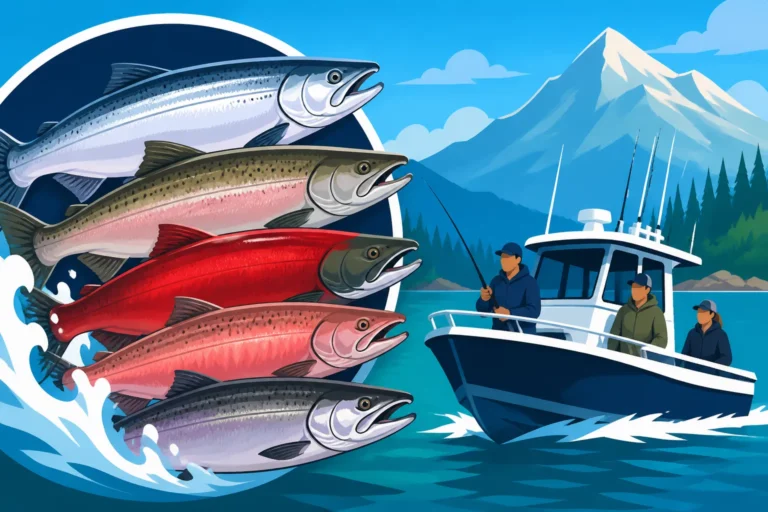
The sheer volume and variety of salmon that pass through the waters surrounding Campbell River are nothing short of spectacular. This region sees all five species of Pacific salmon – Chinook, Coho, Sockeye, Pink, and Chum – making their way to spawn in the many rivers and streams that feed into the Discovery Passage and the Strait of Georgia. These migratory pathways bring a constant flow of fish, often in incredible numbers, providing opportunities for anglers throughout much of the year. Imagine casting your line into waters where thousands upon thousands of powerful salmon are actively moving, feeding, and preparing for their journey upstream. It's an energy you can feel, a constant hum of life under the surface that makes every trip feel like you're right in the thick of the action.
These runs aren't just about quantity; they're about quality. The Chinook salmon, in particular, grow to impressive sizes here, earning their moniker "King Salmon." Anglers regularly hook into powerful fish that test their tackle and their resolve, offering battles that become lifelong memories. The sustained nature of these runs, with different species peaking at various times, means that Campbell River truly offers a diverse salmon fishing calendar, catering to different preferences and seasonal travel plans. For example, knowing the prime windows for certain species is key, and you can learn more about these in BC Fishing Seasons by Month.
Geography and Habitat Advantages
The geographical layout of Campbell River plays a pivotal role in its fishing prowess. The city sits at the northern end of the Strait of Georgia, a major migratory highway for salmon heading to rivers both on Vancouver Island and the mainland. Immediately offshore is the famous Discovery Passage, a narrow, current-swept channel that acts as a funnel for these migrating fish. The strong tidal currents in the Discovery Passage concentrate baitfish, which in turn attracts hungry salmon looking for a last meal before they enter freshwater. This natural funnel effect makes the fishing incredibly productive, as salmon are often actively feeding and stacked up in predictable locations.
Furthermore, the surrounding islands and protected waters, such as the nearby Quadra Island and the various passes and inlets, offer shelter from rougher seas. This means that even on days when the open ocean might be too choppy, there are often calm, fishable waters nearby where charters can still operate safely and effectively. This combination of rich feeding grounds, natural migratory bottlenecks, and sheltered waters creates an ideal environment for consistent and exciting salmon fishing experiences. It’s not just luck; it’s a perfect storm of natural features that few other places can match.
Rich Fishing Heritage
Beyond the biology and geography, Campbell River's identity is deeply intertwined with its fishing heritage. For generations, both Indigenous peoples and settlers have depended on and celebrated the salmon runs here. This long history has fostered a deep understanding of the local waters, fish behaviour, and the most effective fishing techniques. Many charter captains operating today are multi-generational fishermen, having learned the ropes from their fathers and grandfathers. They possess an intimate knowledge of every reef, drop-off, and current seam, knowing precisely where the fish will be holding based on tides, time of year, and even atmospheric conditions.
This isn't just about knowing where to find fish; it's about a reverence for the resource and a commitment to preserving it. The local community has a strong conservation ethic, understanding that the future of their "Salmon Capital" status depends on sustainable practices. When you book a charter here, you're not just getting a boat ride; you're tapping into a living legacy of fishing knowledge and stewardship, ensuring that your experience is both productive and respectful of the environment.
What Makes a Salmon Charter "The Best"?
When you're looking for the "best" salmon charter in Campbell River, it's not always about the flashiest boat or the lowest price. True quality comes down to a blend of factors that contribute to safety, success, and overall enjoyment. Think of it like choosing a highly skilled chef for an important dinner; you want someone with a proven track record, excellent ingredients, and a passion for their craft. The same applies to fishing charters.
Expertise and Experience of the Skipper
This is arguably the most critical factor. A truly great salmon charter begins and ends with an experienced and knowledgeable skipper. These individuals are more than just boat drivers; they are marine biologists, meteorologists, navigators, and expert anglers all rolled into one. They know the local waters like the back of their hand – every rock pile, current line, and depth change that holds fish. They understand the intricacies of salmon behaviour, from their feeding patterns to their migratory routes. They can read the ocean, predict weather changes, and quickly adapt their strategy when conditions shift.
An expert skipper doesn't just put you on fish; they teach you. They'll show you how to read your rod tip, explain the subtle strike of a Chinook, and guide you through the fight. They'll share stories, local lore, and insights into the ecosystem. Their experience ensures not only a higher chance of success but also a safer, more educational, and enjoyable trip. Look for captains with many years of experience specifically in Campbell River waters, and don't hesitate to ask about their background and fishing philosophy when you're making inquiries.
Quality of Boats and Equipment
The vessel and its gear are the tools of the trade, and top-tier charters invest in them. A good charter boat will be clean, well-maintained, and equipped with all necessary safety gear, from life jackets for every passenger to modern navigation and communication systems. Beyond safety, a quality boat will be comfortable, offering ample space for anglers to move around, fish, and relax. Many offer heated cabins for cooler mornings, comfortable seating, and proper storage for personal items.
The fishing equipment itself is also paramount. You want high-quality rods and reels that are well-maintained, sharp hooks, fresh bait, and an array of proven lures. Bargain-bin tackle can lead to lost fish and frustration, which is the last thing you want on a premium fishing trip. A reputable charter will provide everything you need, from the right rods and reels for targeting powerful Chinook Salmon Fishing in BC to the specific weights and lines needed for the local currents. They'll have a variety of options to match different fishing techniques and conditions. Always confirm what gear is included and if there's any specialized equipment you might need or want to bring yourself.
Customer Service and Overall Experience
Beyond catching fish, a truly "best" charter provides an exceptional overall experience. This encompasses everything from the moment you first contact them to when you depart the dock. Good customer service means clear communication, prompt responses to inquiries, and a friendly, accommodating attitude. The crew should be patient, encouraging, and attentive to your needs, whether you're a seasoned angler or a complete novice.
The best charters prioritize creating a memorable day on the water, regardless of the catch. This might include preparing your catch for you, sharing local knowledge, or simply ensuring a fun and relaxed atmosphere. Think about what kind of experience you're looking for – a serious angling expedition, a relaxed family outing, or something in between – and seek out charters that align with your preferences. Reviews and testimonials can be incredibly helpful here, as they often highlight aspects of the overall experience that go beyond just fish caught. Sites like FishingBooker can be an excellent resource for comparing charters, reading real angler reviews, and getting a sense of the kind of experience each operator offers, making it easier to filter for those known for outstanding customer service.
Key Salmon Species to Target with Campbell River Charters
Campbell River's reputation as the "Salmon Capital" is built on its remarkable runs of all five Pacific salmon species. Each species offers a unique challenge and experience for anglers. Understanding what you're targeting can help you plan your trip for the best success and match your expectations to the season.
Chinook Salmon: The Kings of the Coast
Ah, the Chinook, or King salmon – these are the heavyweights, the ultimate prize for many anglers coming to Campbell River. Known for their massive size and incredible fighting power, Chinooks are a bucket-list fish for good reason. They can grow to over 50 pounds, though fish in the 20-30 pound range are more common and still offer an epic battle. When a big Chinook hits, it's an unmistakable, drag-screaming run that will get your heart pounding. Their flesh is rich, oily, and highly prized for its flavour.
Chinook salmon are present in Campbell River waters for much of the year, with peak migratory runs typically occurring from late spring through late summer. However, there are also resident "feeder" Chinooks that spend more time in the Strait of Georgia, offering opportunities even outside the main runs. Charters often target them by trolling with large spoons, hootchies, or natural bait like herring, often using downriggers to get the presentation to the right depth. A good skipper will know the specific depths and locations where these majestic fish are feeding, increasing your chances of hooking into a true king. Chinook Salmon Fishing in BC will give you more specific details on where and when to find them.
Coho Salmon: The Silvery Fighters
While not reaching the gargantuan sizes of Chinooks, Coho salmon, also known as Silver salmon, are absolute dynamos on the end of a line. Averaging 5-15 pounds, they are incredibly acrobatic, known for their spectacular jumps and aggressive strikes. They're fast, powerful, and will put on a show that can rival any fish. For many, a Coho hooked on light tackle is one of the most exciting experiences in salmon fishing.
Coho typically make their strong migratory push through the Campbell River area from late summer into early fall. During this time, the fishing can be absolutely phenomenal, with multiple hook-ups possible in a single outing. Charters target Coho by trolling spoons or hootchies, often higher in the water column than Chinooks, or by casting lures in specific areas. Their aggressive nature makes them a fantastic target for both experienced and novice anglers, as they are often more willing to chase and strike a lure. If you're looking for non-stop action and an exhilarating fight, targeting Coho is an excellent choice for your Campbell River adventure.
Sockeye and Pink Salmon: Seasonal Opportunities
Beyond the kings and silvers, Campbell River also sees significant runs of Sockeye and Pink salmon, offering unique seasonal opportunities. Sockeye, renowned for their deep red, firm flesh, pass through the area in massive numbers during mid-summer. While they are a challenge to catch on hook and line due to their preference for plankton, experienced charter captains know specific techniques and times to target them successfully. Often, this involves specific flasher-and-hoochie combinations trolled through dense schools. Sockeye Salmon Fishing in BC details these techniques further.
Pink salmon, the smallest and most numerous of the Pacific salmon, arrive in incredible abundance during odd-numbered years, typically in late summer. They are a blast to catch on light tackle, offering spirited fights and making for excellent eating when fresh. They readily hit small spoons and jigs, making them a great option for families or beginners. While not the primary target for all charters, a good guide will certainly take advantage of a strong Pink run, providing an action-packed day when these fish are present. These seasonal runs add another layer of excitement and variety to the Campbell River fishing experience, showcasing the diverse bounty of these waters.
Types of Salmon Charters Available
Just as there are different types of salmon, there are also various styles of charters to suit different preferences, group sizes, and budgets. Understanding these options will help you select the perfect trip for your Campbell River adventure. It's not a one-size-fits-all situation, and what's "best" for one person might not be for another.
Private vs. Shared Charters
One of the first decisions you'll make is whether to book a private or a shared charter.
- Private Charters: This means you book the entire boat for your group, whether it's just you, a couple, or a larger family/friend group (up to the boat's capacity, typically 4-6 anglers). The major advantage here is exclusivity and flexibility. You have the captain's undivided attention, can customize the trip itinerary (within reason and safety limits), and dictate the pace. If you want to spend more time targeting a specific species, practice a certain technique, or simply enjoy the privacy of your own group, a private charter is the way to go. This is often ideal for families with young children or those celebrating a special occasion. While the upfront cost per boat is higher, divided among a group, it can be quite reasonable.
- Shared Charters: Also known as "open boat" or "head boat" charters, these involve booking individual spots on a boat with other anglers you don't know. The main benefit is cost-effectiveness, as you're only paying for your seat. This is a great option for solo anglers or small groups who don't mind fishing alongside strangers and are happy to follow the captain's lead. While you might not have the same level of customization, you still get a full fishing experience with a professional guide. It can also be a fun way to meet other passionate anglers! When considering a shared charter, confirm the maximum number of anglers to ensure comfortable fishing space.
Half-Day, Full-Day, and Multi-Day Trips
The duration of your trip will significantly impact your experience, the ground you can cover, and your chances of success.
- Half-Day Trips (4-5 hours): These are fantastic for beginners, families with young children, or those with limited time or budget. They offer a taste of salmon fishing without committing to a full day on the water. While less time means potentially fewer opportunities, a good captain can still put you on fish, especially during peak runs. It's a great way to experience the thrill of the catch without getting fatigued. They often depart in the morning or afternoon.
- Full-Day Trips (8-10 hours): This is the most popular option for serious anglers and those looking to maximize their chances of success. A full day allows the captain to explore a wider range of fishing grounds, adjust tactics as conditions change, and gives you more time on the line. It offers a more immersive experience, providing ample opportunity to target multiple species or truly dial into a specific run. If your goal is to land a trophy or just get as much fishing in as possible, a full-day trip is highly recommended.
- Multi-Day Trips: For the ultimate Campbell River fishing adventure, some lodges and operators offer multi-day packages. These can range from two-day trips with overnight stays in local accommodations to all-inclusive packages at remote fishing lodges that include multiple days of guided fishing, meals, and lodging. These are perfect for dedicated anglers seeking an intensive fishing experience, often allowing you to explore different areas or fish multiple tides over several days. They provide a deeper immersion into the local fishing culture and dramatically increase your chances of hitting prime conditions.
Family-Friendly and Specialty Charters
Not all fishing trips are solely about the biggest fish; some are about the experience itself.
- Family-Friendly Charters: Many Campbell River charters cater specifically to families, understanding the need for patience, engaging explanations, and a focus on fun for all ages. They often have stable, comfortable boats, kid-sized gear, and patient crew members who can help young anglers cast, reel, and learn about the marine environment. These trips prioritize creating lasting memories for the whole family, perhaps even getting that first fish on the line for a youngster. When inquiring, specifically ask about their approach to family trips and if they have special amenities or activities for kids. Best Guided Kids Fishing Trips in BC might have more details.
- Specialty Charters: Beyond standard salmon trips, some operators offer niche experiences. This could include photography-focused trips (catch-and-release only, with an emphasis on getting great shots), combination fishing and wildlife viewing tours (where you might spot whales, eagles, or bears), or even specific targeting of other species like bottom fish once salmon limits are met. If you have a particular interest beyond just salmon, ask if your chosen charter can accommodate it. This can add another layer of excitement and variety to your trip.
| Charter Type | Ideal For | Key Benefits | Potential Drawbacks |
|---|---|---|---|
| Private | Groups, families, serious anglers | Exclusive boat, customized trip, captain's full attention, privacy | Higher cost per boat |
| Shared | Solo anglers, small groups, budget-aware | Cost-effective, meet new people, still get guided experience | Less flexibility, sharing space |
| Half-Day | Beginners, kids, limited time/budget | Shorter commitment, good introduction, less fatigue | Fewer fish opportunities, limited exploration |
| Full-Day | Serious anglers, maximize chances | More fishing time, wider exploration, higher success rate, immersive experience | Longer commitment, can be tiring |
| Multi-Day | Dedicated anglers, intensive experience | Deep immersion, increased success potential, diverse fishing grounds | Most expensive, requires more time |
| Family-Friendly | Families with kids | Patient crew, kid-sized gear, focus on fun, memorable experience for all ages | May be less focused on trophy hunting |
| Specialty | Specific interests (photo, wildlife) | Tailored experiences beyond just fishing, unique memories | Might not be suitable for pure high-volume fishing focus |
Planning Your Campbell River Salmon Charter Trip
Careful planning is key to a successful and enjoyable salmon fishing adventure in Campbell River. It's not just about showing up at the dock; a little foresight can make a big difference in your experience. From knowing when to go to understanding what to pack, these steps will help you prepare.
When to Book for Peak Salmon Seasons
Timing is everything in salmon fishing. While Campbell River offers salmon fishing opportunities throughout much of the year, specific species have peak seasons when they are most abundant and accessible.
- Spring (April-May): Generally good for resident "feeder" Chinook salmon. These are often actively feeding and can be strong fighters. Coho can also start to show up in late spring. It’s a great time for uncrowded waters.
- Summer (June-August): This is prime time for migratory Chinook and Coho salmon. July and August often see the biggest pushes of Chinook, while Coho fishing really heats up in August. Sockeye salmon also pass through in large numbers mid-summer, offering a unique challenge. This is the busiest time, so booking well in advance is crucial.
- Fall (September-October): Coho fishing remains strong, often peaking in early fall. Chum salmon also arrive in good numbers, offering another exciting target, especially for those looking for a different kind of fight. Some of the last, large Chinook can also be present.
- Winter (November-March): While not the "glamour" season, winter offers opportunities for resident Chinook salmon, especially in the more sheltered waters. These fish are often bright and aggressive. It's a quieter time on the water, appealing to those who prefer solitude.
To ensure you get the charter and dates you desire, especially for the popular summer months, it's highly recommended to book several months in advance. Reputable charters fill up quickly. Knowing the Best Time of Year to Fish in BC can help you align your trip with your target species.
What to Ask Your Charter Operator
Before finalizing your booking, have a list of questions ready for your potential charter operator. This helps clarify expectations and ensures there are no surprises.
- What's included? Confirm what the price covers: fishing gear, bait, fuel, rain gear, snacks/drinks, fish cleaning/bagging? Some charters are all-inclusive, while others have add-ons.
- What's not included? Specifically ask about items like fishing licenses, salmon stamps, and gratuities. You'll definitely need a British Columbia Fishing License Guide for 2026 and potentially a BC Salmon Conservation Stamp Rules depending on what you're targeting.
- Boat capacity and amenities? How many anglers can they comfortably take? Does the boat have a heated cabin, restroom, or covered area?
- What species will we target? Discuss your preferences and what's realistic for your chosen dates.
- What's your cancellation policy? Understand their policy regarding weather, mechanical issues, or personal cancellations.
- What safety equipment do you have? Reputable charters will gladly explain their safety measures and certifications.
- Do you offer fish cleaning/processing? Most do, often as part of the service, but it's good to confirm.
- What should we bring? Get a specific list for your trip length and time of year.
Asking these questions upfront ensures transparency and helps you feel confident in your choice.
Essential Gear and What to Bring
While most good charters provide all necessary fishing gear, there are personal items you should definitely bring to ensure your comfort and enjoyment.
- Fishing License and Stamps: This is non-negotiable. You must have a valid BC tidal waters fishing license and any required salmon stamps before you step on the boat. You can usually purchase these online beforehand. Where and How to Buy a BC Fishing License has all the details.
- Appropriate Clothing: Dress in layers! Even on a warm day, it can be cool on the water, especially in the morning or evening. Bring waterproof outerwear (jacket and pants) regardless of the forecast – BC weather can change quickly. Comfortable, non-slip footwear is also crucial.
- Sun Protection: Sunglasses (polarized are a bonus for seeing fish!), a wide-brimmed hat, and high-SPF sunscreen are essential, even on cloudy days. The sun's reflection off the water can be intense.
- Food and Drinks: While some charters provide snacks or water, it's wise to bring your own, especially for full-day trips. Pack items that are easy to eat on a rocking boat.
- Cooler (for your catch): If you plan to keep fish, bring a cooler with ice to transport your fillets home. The charter will typically clean and bag your fish.
- Camera: You'll want to capture those memories, especially that trophy shot! Make sure it's waterproof or in a protective case.
- Seasickness Medication: If you're prone to seasickness, take preventative medication well before the trip starts. Even in relatively calm waters, some people are sensitive to the boat's motion.
A little preparation goes a long way in ensuring you're comfortable, compliant with regulations, and ready for whatever the ocean throws your way.
Navigating the Booking Process and Avoiding Pitfalls
Booking a fishing charter should be an exciting part of your trip planning, not a source of stress. However, without knowing what to look for, it's easy to fall into traps. Being informed will help you make a solid choice and set you up for success.
Researching and Comparing Options
The first step is thorough research. Don't just pick the first charter you find online. Campbell River has many excellent operators, but their styles, boats, and pricing can vary.
- Online Search: Start with general searches for "Campbell River salmon charters" or "fishing guides Campbell River." This will give you a broad overview of available operators.
- Review Sites: Look at popular review platforms (including Google Reviews, TripAdvisor, and specialized fishing booking sites) for testimonials and ratings. Pay attention to consistent feedback, both positive and negative, regarding customer service, fish caught, boat condition, and guide personality. One bad review isn't a red flag, but a pattern of complaints definitely is.
- Direct Websites: Visit the websites of charters that catch your eye. Look for detailed information about their boats, gear, experience, and what's included in their packages. Good websites often showcase photos of recent catches and their vessels.
- Booking Platforms: This is where a resource like FishingBooker really shines. Platforms like this aggregate multiple charter operators in one place, allowing you to easily compare prices, available dates, boat specs, and customer reviews side-by-side. You can often filter by trip duration, target species, and even amenities. It streamlines the research process significantly and provides a level of transparency that can be harder to achieve by contacting individual operators one by one. Using such a platform can save you a lot of time and help you feel confident in your comparison.
Understanding Pricing and Inclusions
Charter pricing can sometimes seem opaque, but clarifying what's included (and what's not) is crucial to avoid unexpected costs.
- Base Price: This is the core cost for the trip duration and group size.
- Fuel Surcharges: Some charters include fuel, while others may add a surcharge, especially if they travel long distances. Clarify this upfront.
- Bait and Tackle: Most reputable charters include all bait, lures, and tackle in their price. Be wary of those who charge extra for essential items.
- Fish Cleaning/Processing: Confirm if this service is included. Most will clean and bag your fish, but some might offer more extensive processing (e.g., vacuum sealing, freezing) for an additional fee.
- Gratuities: Tipping the captain and deckhand (if applicable) is customary and expected. This is typically not included in the base price. Discussing Tipping Etiquette for BC Fishing Charters before your trip can help you budget appropriately.
- Taxes and Fees: Ensure the quoted price is the final price, including any applicable taxes or booking fees.
Always get a clear, itemized quote in writing if possible, especially for larger or multi-day trips.
Cancellation Policies and Weather Contingencies
Fishing is an outdoor activity, and plans can change due to weather or unforeseen circumstances. Understanding the charter's policies will save you a headache later.
- Deposits: Most charters require a deposit to secure your booking. Understand if this deposit is refundable and under what conditions.
- Cancellation Window: What is the deadline for you to cancel without losing your deposit? This can vary from 24 hours to several weeks.
- Weather Cancellations: This is perhaps the most important. If the weather is deemed unsafe by the captain (high winds, heavy seas, etc.), a reputable charter will cancel or reschedule the trip. What is their policy then? Do they offer a full refund, a reschedule, or a credit for a future trip? NEVER pressure a captain to go out in unsafe conditions. Their judgment is paramount for your safety.
- Mechanical Issues: While rare with well-maintained boats, mechanical breakdowns can happen. What is the charter's contingency plan? Do they have a backup boat, offer a full refund, or reschedule?
A transparent and fair cancellation policy is a sign of a professional operation. Read the fine print carefully before you commit. You can also explore What happens if weather cancels a BC charter for more insights.
Maximizing Your Salmon Charter Experience
You've done your research, booked your trip, and now the day is here! To truly make the most of your Campbell River salmon charter, there are a few things you can do to enhance the experience, both for yourself and for the crew.
Tipping Etiquette and Professionalism
Showing appreciation for a job well done is a key part of the charter experience, and it's something often overlooked by first-timers.
- Standard Gratuity: Tipping is customary in the charter industry, similar to dining out. A common guideline is 15-20% of the total trip cost. If there's a deckhand in addition to the captain, you can typically give the tip to the captain, who will then share it, or offer it directly to the deckhand as well.
- When to Tip: It's usually given at the end of the trip, after the fish are cleaned and you're back on the dock.
- Consideration Factors: While it's called a "tip," it's also a reflection of the hard work and professionalism of the crew. Consider factors beyond just how many fish you caught. Did the captain work hard to find fish, even if the bite was slow? Was the boat clean and well-maintained? Was the crew friendly, helpful, and attentive? Did they teach you new techniques or patiently assist kids? Even on a slow day, a good crew is still working tirelessly to make your trip enjoyable and safe.
- Cash vs. Digital: Cash is always appreciated, as it avoids processing fees and is immediately accessible to the crew. If paying digitally is the only option, confirm with the charter beforehand.
A generous tip for excellent service not only acknowledges their effort but also helps ensure the continued livelihood of these hard-working professionals who make our angling dreams come true.
Photography and Catch Handling
You'll definitely want to capture the excitement of your catch, but doing so responsibly is important for the fish and for safety.
- Ask Before You Grab: Always wait for the captain or crew to advise on how to handle a fish for a photo. They'll instruct you on the safest way to hold it for both yourself and the fish. For larger fish like Chinooks, a quick photo while the fish is still in the water or just briefly out is best.
- Quick Photos for Released Fish: If you're practicing catch and release, or if the fish is undersized or out of season, minimize its time out of the water. Get your shot quickly and efficiently to maximize the fish's survival chances. Wet your hands before handling to protect the fish's slime coat.
- Safe Handling: Never hold a fish by the gills if you intend to release it. Support its body horizontally, especially larger fish, to avoid organ damage. The crew will demonstrate the proper technique.
- Camera Safety: Ensure your camera (especially a phone) is secure when taking pictures near a struggling fish or on a moving boat. Accidents happen quickly!
Remember, the priority is always the fish's well-being, especially for protected species or those you intend to release. Your guide will be an expert in Sturgeon catch and release survival tips or how to safely handle any fish you encounter.
Making the Most of Your Catch
So, you've landed some beautiful Campbell River salmon – now what?
- Fish Cleaning and Filleting: Most charters include basic fish cleaning and filleting as part of their service. The crew will typically clean your fish on the boat or at the dock, bagging the fillets for you to take home.
- Transportation: Bring a cooler with ice (or purchase ice locally) to keep your fillets fresh on the journey home. Proper chilling is crucial for maintaining quality.
- Storage and Preparation: Once home, store your fillets in the coldest part of your refrigerator if consuming within a day or two, or vacuum seal and freeze them for longer storage. Salmon freezes exceptionally well.
- Cooking Ideas: British Columbia salmon is renowned worldwide. Whether you prefer grilling, baking, pan-frying, or smoking, there are countless delicious ways to prepare your catch. Enjoying your freshly caught salmon with friends and family is a fantastic way to extend the memories of your trip. Don't be shy about asking your captain for their favorite simple salmon recipes – many have some fantastic ones!
From the moment it's landed to the dinner table, your Campbell River salmon is a true gourmet experience, a delicious reward for your angling efforts.
Responsible Angling and Conservation
As anglers who cherish the incredible fishing opportunities in British Columbia, we all share a responsibility to protect these resources for future generations. Choosing a charter that prioritizes conservation and practicing ethical angling are crucial parts of any successful fishing trip in Campbell River.
Understanding Bag Limits and Regulations
The waters around Campbell River, like all of BC, are subject to specific fishing regulations designed to manage fish populations sustainably. These rules can be complex and change frequently, often with in-season updates for specific areas or species.
- Current Regulations are Key: Always familiarize yourself with the most current BC Fishing Regulations Explained, including daily bag and possession limits, size restrictions, and gear restrictions for the specific area and species you are targeting. Your charter captain will be intimately familiar with these, but it's good practice for you to be aware as well.
- Catch Limits: There are strict BC Bag and Possession Limits by Species for each salmon species, and these can vary based on the time of year, location, and even whether you are a resident or non-resident. These limits are in place to ensure enough fish return to spawn.
- Conservation Surcharge Stamps: Depending on the species you intend to keep (especially salmon), you will likely need to purchase a Salmon Conservation Stamp in addition to your basic tidal fishing license. BC Salmon Conservation Stamp Rules are important to review. Your charter operator will guide you through this, but it's your responsibility to have the correct licenses and stamps.
- Fishery Notices: The Department of Fisheries and Oceans (DFO) issues regular fishery notices that can change regulations on short notice, sometimes closing areas or restricting retention. Professional charters stay on top of these, but knowing How to check BC fishery notices before a trip yourself adds an extra layer of preparedness.
Respecting these regulations is not just about avoiding fines; it's about contributing to the long-term health of the salmon stocks we all love to fish.
Practicing Ethical Catch and Release
Even if you intend to keep your limit, you'll likely encounter fish you need or choose to release. Practicing proper catch and release techniques is vital for the survival of those fish.
- Minimize Fight Time: Use appropriate tackle that allows you to land the fish as quickly as possible without over-stressing it. A prolonged fight can exhaust a fish, making it less likely to survive release.
- Wet Hands Only: If you must handle the fish, wet your hands thoroughly beforehand. Dry hands can remove the protective slime layer, making the fish susceptible to disease.
- Keep Fish in Water: For fish you intend to release, try to keep them in the water as much as possible. If a photo is desired, a quick lift for a few seconds is usually acceptable, but never drag a large fish onto the boat's deck.
- Use Barbless Hooks: Many areas in BC mandate barbless hooks, especially for salmon. Even where not mandated, using them makes hook removal much easier and causes less damage to the fish. Your charter will supply these if required.
- Proper Hook Removal: Use pliers or a dehooking tool to gently and quickly remove the hook. Avoid tearing flesh. If the hook is deeply swallowed, cut the line as close to the hook as possible rather than attempting to retrieve it.
- Revive the Fish: Hold the fish gently in the water, facing into the current, until it can swim away under its own power. Do not throw it back. Watch for strong tail kicks before letting go. Your guide will be a master at this.
By following these practices, you give released fish the best possible chance of survival, ensuring they can continue their journey and contribute to future generations.
Supporting Sustainable Fishing Practices
Beyond individual actions, supporting charters and organizations committed to sustainability is important.
- Choose Responsible Charters: When researching, look for charters that openly discuss their commitment to conservation, adhere strictly to regulations, and educate their clients on responsible angling. Many reputable charters are members of local fishing associations that advocate for sustainable practices.
- Reduce Waste: Be mindful of your environmental footprint on the boat. Properly dispose of all trash, including discarded fishing line, which can be harmful to marine life.
- Advocate for Conservation: Stay informed about local conservation efforts and support organizations working to protect salmon habitats and ensure healthy fish populations.
By choosing Campbell River, you're tapping into a legacy of incredible salmon fishing. By being a responsible angler and supporting those who champion the resource, you help ensure that legacy continues for years to come.
Disclaimer
This article is for general informational purposes only and does not constitute professional advice. Laws, prices and regulations vary by location and change over time. Consult a qualified professional for guidance on your specific situation.