Best Halibut Charters out of Tofino
There’s something truly special about the rugged coastline of British Columbia, and for many anglers, the ultimate prize swimming beneath those Pacific waves is the mighty halibut. If you've ever dreamt of battling a barn-door flatfish, Tofino, nestled on the west coast of Vancouver Island, often stands out as a premier destination. This guide will walk you through everything you need to know about finding and choosing the best halibut charters in Tofino, ensuring your fishing adventure is both successful and unforgettable.
Why Tofino is the Ultimate Halibut Destination
Tofino isn't just a picturesque surf town; it's a gateway to some of the richest fishing grounds on the West Coast, especially when it comes to Pacific halibut. The unique geography and marine ecosystem here create an environment where these bottom-dwelling giants thrive, making it a magnet for anglers from all over the world.
The Abundance of Halibut in Tofino Waters
The waters off Tofino, particularly the deep, nutrient-rich channels and banks that extend out into the Pacific, are prime real estate for halibut. These large, flatfish prefer cooler, deeper waters with sandy or gravelly bottoms, where they can ambush their prey. Tofino's proximity to the continental shelf and the countless underwater structures found within Barkley Sound and offshore create an ideal habitat. This isn't just a handful of fish; we're talking about a healthy, vibrant population that makes a halibut encounter a very real possibility, not just a distant dream. Many experienced skippers know the secret spots where these fish congregate, often far from the bustling harbour, in areas accessible only by boat.
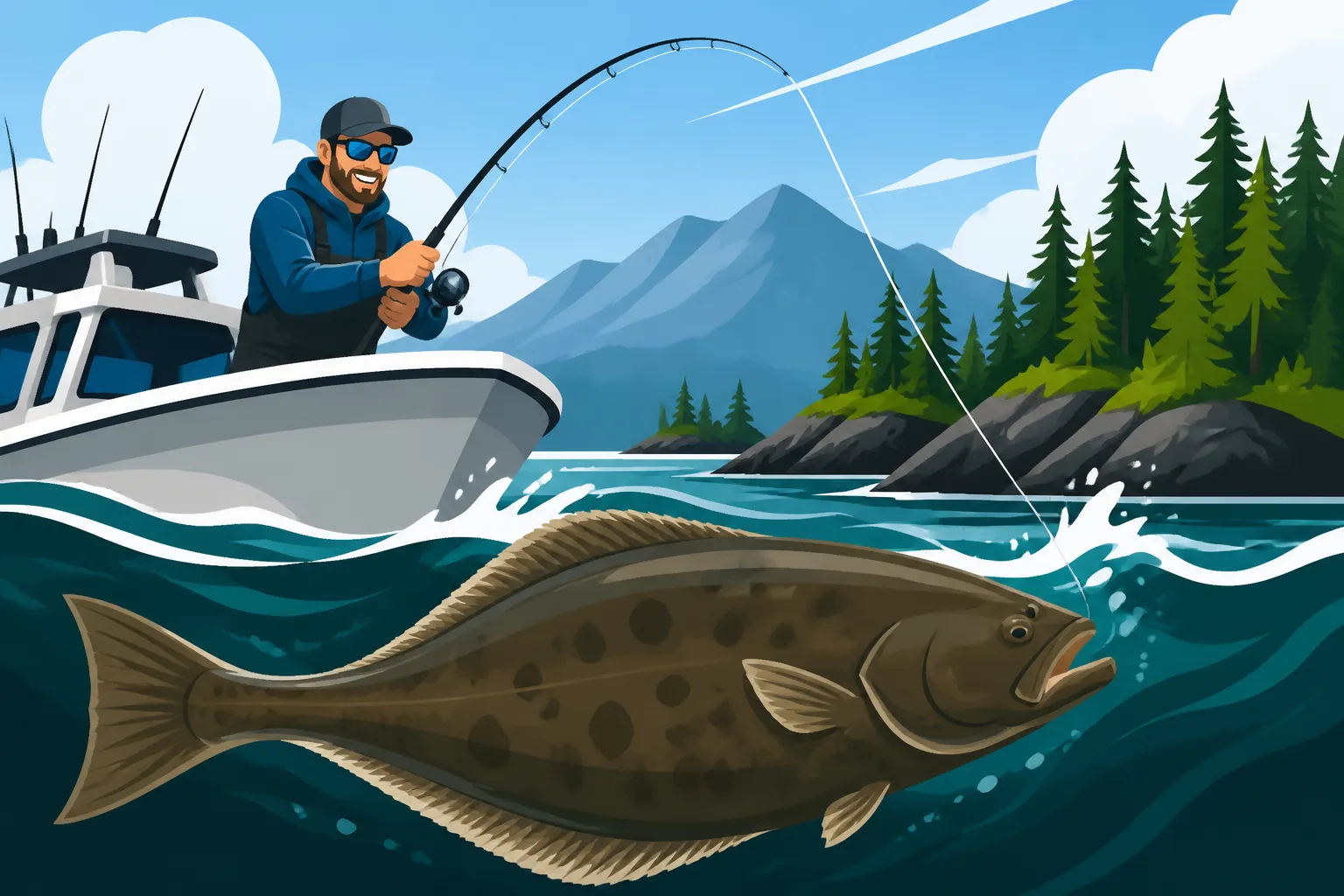
The abundance isn't just about sheer numbers, but also about the size. Tofino consistently produces some truly impressive halibut, often referred to by local anglers as "barn doors" due to their massive, flat bodies. While catching a fish over 100 pounds is a feat anywhere, the chances feel distinctly higher in these fertile grounds. This reputation for big fish draws dedicated halibut enthusiasts year after year, all hoping to land their personal best. It's a challenging fight, a true test of strength and endurance, and Tofino's waters deliver.
The Tofino Fishing Experience: Beyond Just the Catch
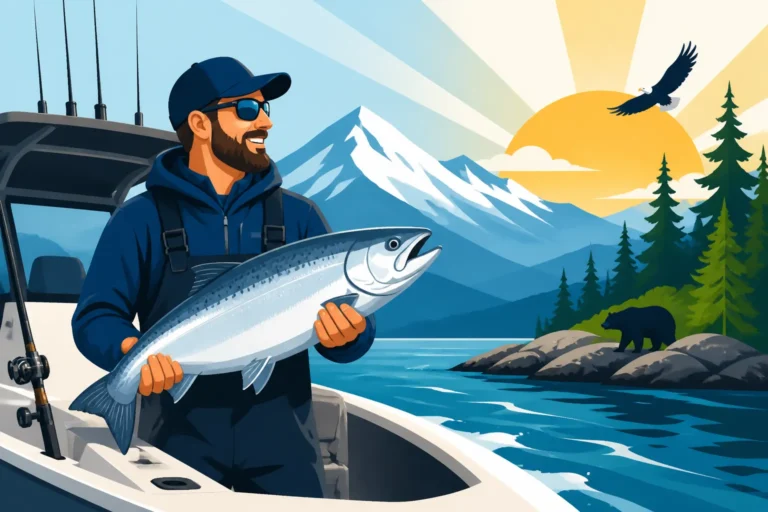
While landing a trophy halibut is undoubtedly the main draw, the Tofino fishing experience is so much more than just the fish itself. It's an immersive journey into British Columbia's raw, untamed wilderness. As you head out from the harbour, often at dawn, the coastal scenery is breathtaking – ancient forests cloaked in mist, dramatic cliffs, and the endless expanse of the Pacific. It's a feast for the senses before you even drop a line.
Keep your eyes peeled, because the wildlife viewing opportunities are incredible. It’s not uncommon to spot grey whales migrating, playful pods of dolphins cutting through the waves, curious sea lions basking on buoys, and majestic eagles soaring overhead. For many, these encounters are just as memorable as the fish they catch. The crisp, clean ocean air, the gentle (or sometimes not-so-gentle) rock of the boat, and the sheer remoteness of it all contribute to an experience that rejuvenates the soul. You're not just fishing; you're connecting with nature in its grandest form.
Ideal Seasons for Halibut Fishing
Timing is everything when it comes to maximizing your chances of a successful halibut trip out of Tofino. While halibut can be caught year-round in BC waters, certain seasons offer better opportunities for targeting these specific fish. Generally, the prime halibut season in Tofino kicks off in late spring and runs through the summer months, often extending into early fall.
Specifically, May, June, July, and August are widely considered the sweet spot. During these months, the halibut are more active, feeding aggressively, and often found in their preferred depths. The weather tends to be more stable, though the Pacific can always throw a curveball, so coming prepared for all conditions is wise. It's also worth noting that early season (May/June) often sees a good mix of halibut and hungry salmon moving into the area, offering a fantastic multi-species opportunity. Later in the summer, the halibut are typically well-established on their feeding grounds, making them more predictable targets for experienced captains. Always check current BC Fishing Season Dates and Closures before planning your trip, as regulations can change.
Understanding What Makes a "Best" Halibut Charter
Defining the "best" halibut charter can feel subjective, as different anglers prioritize different aspects of a trip. However, there are fundamental qualities that consistently elevate a charter from good to truly exceptional. These aspects relate directly to safety, success, and the overall enjoyment of your time on the water.
Experience and Expertise of the Captain and Crew
This is arguably the most critical factor. A truly excellent halibut charter is led by a captain with deep, local knowledge of Tofino's waters. This isn't just about knowing where the fish might be; it's about understanding the tides, currents, weather patterns, and underwater topography specific to the region. They know the secret honey holes, the migration routes, and the subtle signs that indicate where halibut are feeding. An experienced captain can adapt quickly to changing conditions, move to a new spot if necessary, and use their instincts honed over years on the water to put you on fish.
Beyond simply finding fish, the captain and crew's expertise extends to safely operating the vessel, handling all the gear efficiently, and providing clear, patient instruction to anglers of all skill levels. They should be able to teach you the best techniques for halibut fishing, assist with baiting and rigging, and expertly gaff or net your catch. A great crew also contributes significantly to the atmosphere of the trip – they are friendly, professional, and genuinely invested in ensuring you have a memorable and productive day. Their ability to manage expectations, share stories, and simply be good company makes a huge difference.
Quality and Safety of the Vessel and Equipment
When you're heading out into the open Pacific for big game fish like halibut, the quality and safety of your vessel are paramount. The best charters operate well-maintained, purpose-built fishing boats that are comfortable, stable, and equipped for offshore conditions. Look for vessels that are Coast Guard certified and equipped with all necessary safety gear, including life jackets for everyone on board, emergency radios, first-aid kits, and navigation systems. A comfortable cabin can also be a huge bonus, especially on cooler or wetter days, providing a welcome respite from the elements.
The fishing equipment itself also needs to be top-notch. Halibut fishing involves heavy gear to handle powerful fish, often in deep water. This means strong rods and reels, fresh line, and a good selection of terminal tackle like heavy sinkers, strong leaders, and sharp hooks. You want confidence that your gear won't fail when that fish of a lifetime bites. High-quality fish finders and GPS systems are also crucial for locating structure and marking productive fishing spots. Don't be shy about asking a charter about their vessel and gear; a reputable operation will be proud to share details about their commitment to safety and quality.
Reputable Charters and Customer Reviews
In today's interconnected world, one of the best ways to gauge a charter's quality is through its reputation and the experiences of past clients. The "best" charters consistently receive glowing reviews and recommendations. Look for charters with a strong online presence and positive feedback on various platforms. Websites like FishingBooker are excellent resources for finding Tofino halibut charters, as they compile reviews, photos, and detailed descriptions, allowing you to compare options side-by-side. Pay attention to comments about the captain's demeanor, the crew's helpfulness, the condition of the boat, and, of course, fishing success.
Word-of-mouth is also incredibly powerful. If you know anyone who has fished in Tofino, ask for their recommendations. Local tackle shops and marina staff can also often provide valuable insights into which charters consistently deliver. A charter that has been operating for many years and has a loyal client base is usually a strong indicator of reliability and quality. While one or two less-than-stellar reviews might be an anomaly, a pattern of negative feedback is a clear red flag. Do your homework, read between the lines, and seek out operations that consistently demonstrate professionalism and a commitment to customer satisfaction.
Key Factors to Consider When Choosing Your Tofino Halibut Charter
Once you have an understanding of what defines a top-tier charter, it's time to refine your search based on your personal preferences and fishing goals. Not all trips are created equal, and what works for one angler might not be ideal for another. Thinking through these factors will help you narrow down the field and pick the perfect Tofino halibut adventure.
Trip Duration and What's Included
Charter trips typically come in a few common durations: half-day, full-day, and sometimes extended multi-day options. For serious halibut fishing, a full-day trip is almost always recommended. Halibut grounds can be a fair distance from Tofino harbour, and travel time cuts into your fishing hours. A full day allows for ample time to reach productive spots, set up, and move if necessary, significantly increasing your chances of success. Half-day trips are often better suited for targeting more accessible salmon or trout species closer to shore.
Beyond duration, it's crucial to understand what is included in the charter price. Most reputable charters will provide all necessary fishing gear, bait, and tackle. However, some might charge extra for specific items. Crucially, your British Columbia Fishing License Guide for 2026 and any required stamps, like a Tidal Waters Salmon Conservation Stamp, are almost always your responsibility to purchase in advance. Clarify whether fish cleaning and bagging services are included, as this can be a welcome bonus after a long day. Some premium charters might even offer snacks, drinks, or lunch, so always ask for a detailed breakdown of what's provided versus what you need to bring yourself.
Group Size and Charter Type
The size of your group and your preference for a private versus a shared experience will heavily influence your charter choice. Private charters offer exclusivity; you'll have the boat and captain to yourselves, allowing for complete flexibility in terms of target species (within regulations), fishing spots, and schedule. This is ideal for families, corporate groups, or dedicated anglers who want personalized attention and a tailored experience. The downside, of course, is a higher per-person cost unless you have a larger group to split it.
Shared or "open" charters are a more budget-friendly option, where individual anglers or small groups join others to fill the boat. While you'll share the space and the captain's attention, it's a great way to meet fellow fishing enthusiasts and reduce costs. The trade-off is less flexibility, as the captain will usually prioritize the general consensus of the group or focus on the most likely productive species for the day. If halibut is your sole focus, ensure the shared trip explicitly targets them. Consider how comfortable you are sharing a boat with strangers and whether the potential for a larger boat offers more stability in offshore conditions.
Target Species and Fishing Techniques
While this guide focuses on halibut, many Tofino charters offer multi-species trips. It’s important to clarify whether the charter you're considering is dedicated to halibut or if it's a more general salmon and halibut combo trip. While catching a variety of fish is exciting, if your heart is set on halibut, a specialized charter might be more effective. These captains often spend more time on halibut-specific grounds, using heavier gear and techniques specifically tailored for these bottom dwellers.
Halibut fishing generally involves deep-water jigging or bait fishing. Charters will have specific setups for these methods. Some might employ large spreader bars with heavy weights and baited hooks, while others prefer large jigs tipped with bait. If you have a preference for a particular technique or want to try something new, discuss it with the charter operator beforehand. A good charter will be happy to explain their approach and ensure it aligns with your expectations. Don't forget to check out Halibut Fishing Techniques for BC's Coast for more insights into the methods used.
Tofino's Top Halibut Charter Operators (General Descriptors)
Tofino boasts a vibrant charter fishing scene, with numerous operators catering to a wide range of preferences and budgets. While I can't name specific companies or individuals, I can describe the types of excellent charters you'll find, helping you identify what suits your style. When you're ready to look for specific operators, platforms like FishingBooker are fantastic for browsing real options with detailed listings and customer reviews, helping you connect with the right experience.
Charters Specializing in Offshore Halibut
These are the operations for the dedicated halibut enthusiast. Often, these charters run larger, more robust offshore vessels, built to handle the deeper waters and longer runs required to reach prime halibut grounds. Their captains have typically logged thousands of hours specifically targeting halibut and possess an intimate knowledge of the offshore banks, pinnacles, and shelves where these giants reside. They'll likely be equipped with high-end sonar and GPS to pinpoint the most productive structure, and they'll have heavy-duty rods, reels, and tackle specifically chosen to battle large halibut in deep water.
A trip with an offshore halibut specialist will likely involve an early start and a significant run to the fishing grounds, sometimes taking an hour or more to reach the best spots far out in the Pacific. The focus will be almost entirely on halibut, with minimal deviation to other species unless conditions dictate a change. These captains are often masters of deep-water jigging and heavy bait fishing techniques, providing expert instruction. They understand the nuances of drift and current, and how to position the boat to keep your bait in the strike zone. If you're serious about landing a substantial halibut and don't mind the longer journey, this type of charter is your best bet.
Multi-Species Charters with Strong Halibut Offerings
Many Tofino charters offer a broader "combo" trip, giving you the opportunity to target both salmon and halibut in the same outing. These are often an excellent choice for groups with mixed interests or for anglers who want a diverse fishing experience. While they might not spend the entire day solely focused on halibut, they usually allocate significant time to prime halibut areas, especially during peak season. Their captains are proficient in a range of techniques, moving from trolling for salmon closer to shore or in protected inlets, to heading offshore to drop baits for halibut.
These charters often operate mid-sized vessels that are versatile enough for both inshore and offshore conditions. They'll have a good selection of gear to cater to different species, ensuring you're well-equipped for whatever bites. The advantage here is the variety; if the halibut bite is slow, you might pivot to chasing a feisty coho or chinook salmon, keeping the rods bent and the excitement high. It’s a great option for those who want a taste of everything Tofino’s rich waters have to offer, or for families where some members might prefer a less intense battle than a massive halibut. Just be sure to communicate your preference for halibut before booking to ensure they plan to target them seriously.
Boutique Charters for Personalized Experiences
For those seeking a more intimate and tailored fishing adventure, Tofino also hosts smaller, boutique charter operations. These are often run by owner-operators who pride themselves on providing a highly personalized service. With a smaller boat, fewer passengers, and a dedicated captain, you can often customize your trip more extensively, focusing on specific techniques or areas, or combining fishing with other activities like wildlife viewing or exploring secluded coves. This type of charter can be particularly appealing for couples, small families, or solo anglers who value a one-on-one guiding experience.
While these charters might not always have the largest offshore vessels, they often excel in their attention to detail, the quality of their gear, and the deep passion their captains have for the local waters. They can be incredibly flexible, adapting to your pace and preferences, and providing in-depth instruction. For instance, if you're keen to learn more about Jigging for Halibut off Vancouver Island, a boutique charter might be able to dedicate more time to teaching and demonstrating that specific technique. While they might focus on halibut, they can also easily switch gears to target other species if that's what the group desires. They offer a unique blend of adventure and personalized hospitality, making for a truly memorable day on the water.
| Charter Style | Ideal For | Key Characteristics | Pros | Cons |
|---|---|---|---|---|
| Offshore Halibut Specialist | Serious halibut anglers, trophy hunters | Larger vessels, long runs to deep offshore banks, heavy-duty gear, captains with extensive halibut expertise | Highest chance of landing large halibut, dedicated focus | Longer travel time, less species variety, potentially higher cost |
| Multi-Species Combo | Mixed groups, diverse interests, families | Mid-sized, versatile boats, split time between salmon and halibut grounds, captains skilled in multiple techniques | Offers variety, good for different preferences, often more accessible grounds | Less dedicated halibut time, may not always hit the "trophy" spots |
| Boutique/Private | Couples, small families, solo anglers | Smaller boats, owner-operated, highly personalized service, flexible itineraries, intimate experience | Customizable, one-on-one instruction, unique experiences beyond fishing | Fewer passengers possible, can be pricier for large groups, potentially smaller offshore range |
Preparing for Your Tofino Halibut Adventure
A successful and enjoyable fishing trip starts long before you step onto the boat. Being well-prepared for the unique conditions of Tofino's offshore environment can make all the difference, ensuring you're comfortable, safe, and ready for whatever the ocean throws your way.
Essential Gear and Clothing
Even on a sunny summer day, conditions on the open Pacific can change rapidly. Layering is key. Start with a moisture-wicking base layer, add an insulating fleece or wool layer, and top it off with waterproof and windproof outerwear. A good quality fishing jacket and pants are invaluable for staying dry and warm against ocean spray and sudden squalls. Comfortable, waterproof deck boots with good grip are also essential, as boat decks can be wet and slippery. Don't forget a warm hat, gloves (even in summer, for handling fish or cold lines), sunglasses to reduce glare, and plenty of sunscreen – even on cloudy days, UV rays can be intense on the water.
Beyond clothing, a small waterproof bag or backpack to keep your personal items safe and dry is a good idea. This can hold your camera, phone, wallet, and any medications. Most charters provide all fishing gear, but if you have a favorite lucky hat or a specific pair of pliers you like, feel free to bring them. It's always best to err on the side of bringing too many layers than too few; you can always shed clothing if you get warm, but you can't conjure up extra warmth when you're shivering.
Understanding Licenses and Regulations
This is absolutely crucial. Before you even think about dropping a line, you must have the correct fishing licenses and any necessary stamps. For fishing in Tofino's saltwater (tidal) waters, you'll need a British Columbia Tidal Waters Sport Fishing License. If you plan to retain salmon, you'll also need to purchase an annual Tidal Waters Salmon Conservation Stamp, which must be affixed to your license. Even if you're primarily targeting halibut, having the salmon stamp is often a good idea, as salmon are frequently caught incidentally, and it allows you to retain them if they are within regulations.
You can purchase your tidal waters license and stamps online through the Fisheries and Oceans Canada (DFO) website. It's often recommended to do this a few days before your trip to avoid any last-minute stress or technical glitches. Remember, each angler needs their own license, regardless of age (though youth under 16 often have special exemptions or requirements for salmon stamps, so check the latest BC Youth Fishing License Exemption Under 16 details). Your charter captain will expect you to have these in order, as they are legally required to verify them. Always carry a physical or digital copy of your license with you on the boat. Additionally, familiarize yourself with the current BC Halibut Bag Limit Rules and other specific regulations for the area, which can be found in the DFO Tidal Waters Sport Fishing Guide.
Managing Seasickness and Safety Precautions
For some, the excitement of an ocean fishing trip can be overshadowed by the dread of seasickness. If you're prone to it, or even if you're unsure, it's wise to take precautions. Over-the-counter medications like Dramamine or Bonine can be very effective, but remember to take them before you board the boat, as they work best proactively. Accupressure wristbands are another popular option for some. Avoiding heavy, greasy meals and alcohol the night before, and staying well-hydrated, can also help. Once on board, try to stay on deck in the fresh air, focus on the horizon, and avoid reading or looking at your phone excessively.
Beyond seasickness, safety is paramount. Listen carefully to your captain's safety briefing at the start of the trip. Pay attention to the location of life jackets, emergency exits, and any specific instructions for moving around the boat, especially in rougher seas. Always let the crew know if you feel unwell or have any concerns. A reputable charter will prioritize safety above all else, but your cooperation and awareness are also vital. Life Jacket Requirements for BC Boaters are strict, and your charter will comply, but knowing how to use them is essential.
Booking Your Halibut Charter with Confidence
Booking a charter shouldn't be a source of stress. With a little planning and knowing what questions to ask, you can secure your ideal Tofino halibut trip with complete peace of mind, leaving you free to anticipate the adventure ahead.
When and How to Book
Tofino is a popular destination, especially during the prime fishing season from late spring to early fall. The best halibut charters often book up months in advance, particularly for peak weekend dates or during popular holidays. To avoid disappointment, it's highly recommended to book your charter as far in advance as possible – think 3 to 6 months ahead, especially if you have specific dates in mind or are travelling with a large group. Booking last minute might leave you with fewer choices, or worse, no availability at all.
Many charters now offer convenient online booking through their own websites or via platforms like FishingBooker. This allows you to browse available dates, compare different operators, and secure your spot with a deposit. When booking, be clear about your primary target species (halibut!) and any specific preferences you have, such as trip duration or whether you prefer a private or shared boat. Don't hesitate to call the charter directly if you have detailed questions or specific needs, as a direct conversation can often clarify things quickly.
Understanding Costs and Deposits
The cost of a Tofino halibut charter can vary significantly based on factors like the duration of the trip (half-day vs. full-day), whether it's a private or shared charter, the size and amenities of the boat, and the experience level of the captain. While I can't provide specific figures, understand that a full-day private halibut charter will generally be a significant investment, reflecting the specialized boat, gear, fuel, and expertise of the crew. Shared trips will, of course, be less per person.
Most charters require a deposit to confirm your booking, with the remaining balance due on the day of the trip. Clarify the deposit amount and whether it's refundable under certain conditions. It's also customary to tip the captain and crew, especially if they've provided excellent service and put you on fish. A general guideline for tipping is usually 15-20% of the total charter cost, but check with your specific operator for their recommendations. Always ask for a clear breakdown of costs before you commit, so there are no surprises on the day of your trip. You can also research "BC Fishing Charter Cost Guide" for more general information on pricing structures.
Cancellation Policies and Weather Contingencies
The Pacific Ocean is a powerful and unpredictable force, and weather conditions can change quickly in Tofino. Reputable charters will always prioritize client safety. This means that if the weather forecast is genuinely unsafe (e.g., strong winds, heavy seas), the captain will likely cancel or reschedule the trip. It's crucial to understand their cancellation policy beforehand.
Most charters offer a full refund or the option to reschedule if they cancel due to weather. However, if you need to cancel for personal reasons, there might be a cutoff period (e.g., 72 hours in advance) after which your deposit becomes non-refundable. Make sure you read and understand these terms thoroughly before booking. Having a flexible travel schedule can be a huge asset in Tofino, allowing you to shift your fishing day if the weather dictates. Always communicate openly with your charter operator about any concerns or potential changes.
Maximizing Your Halibut Fishing Success and Enjoyment
You’ve booked your charter, arrived in Tofino, and you're ready to hit the water! Now it’s about making the most of every moment. While a good captain is your primary asset, understanding a few things about the fishing itself and how to handle your catch can significantly enhance your overall experience.
Techniques and Strategies for Halibut
Halibut are powerful, bottom-dwelling predators, and catching them requires specific techniques. Your charter captain will guide you, but generally, you'll be using heavy conventional tackle to drop baits or large jigs to the ocean floor. Common baits include large pieces of herring, salmon bellies, octopus, or even whole squid. These are typically presented on a large circle hook rig, often with a spreader bar to keep the bait away from the heavy sinker.
When the captain says to drop your line, you’ll typically free-spool your bait or jig down to the bottom, then reel up a few feet to keep it just off the seabed. Halibut bites can range from a subtle tap to a rod-wrenching strike. When you feel a bite, it's often best to let the fish take the bait for a few seconds before setting the hook firmly. The fight itself can be epic – halibut use their broad, flat bodies to create immense drag, often making powerful runs or shaking their heads violently. Stamina is key, so listen to your captain's advice on how to pump and reel effectively. For more detail, consider reviewing Halibut Fishing Techniques for BC's Coast.
What to Do with Your Catch
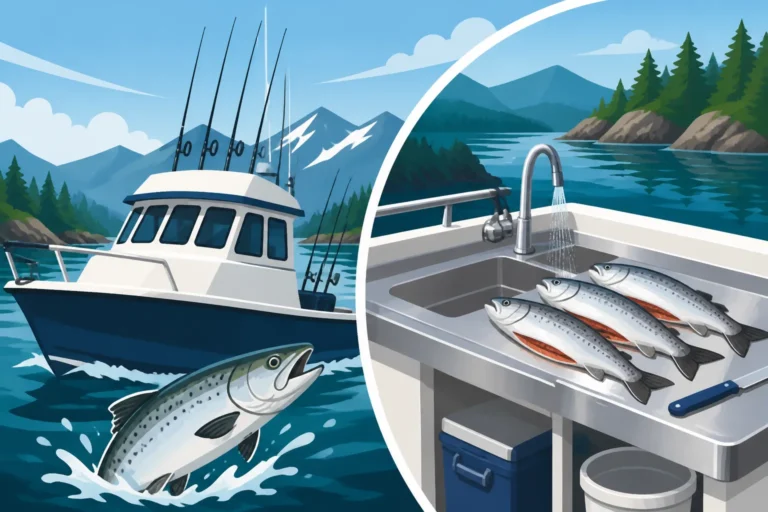
If you're fortunate enough to land a legal-sized halibut and choose to keep it (within your BC Halibut Bag Limit Rules), the next step is processing your catch. Most reputable charters will have the necessary equipment to safely bring the fish aboard and dispatch it humanely. Many will also provide basic filleting and bagging services on the boat or back at the dock, which is incredibly convenient. Always clarify this before your trip.
For larger halibut, proper bleeding and icing immediately after the catch are crucial for preserving meat quality. Your captain and crew are experts at this. Once filleted, the meat can be packed in ice for transport. If you're traveling a long distance, consider bringing a cooler or making arrangements with a local fish processor in Tofino or Ucluelet, many of whom offer vacuum-sealing and freezing services, and sometimes even shipping. This ensures your delicious halibut makes it home in perfect condition, ready for the grill or freezer.
Respecting the Environment and Sustainable Fishing
As anglers, we have a responsibility to be stewards of the incredible marine resources British Columbia offers. Reputable Tofino halibut charters are deeply committed to sustainable fishing practices. This includes adhering strictly to all DFO regulations regarding bag limits, size restrictions, and fishing seasons. Many captains also practice selective harvesting, encouraging catch and release for smaller fish or those that are not intended for consumption, ensuring healthy populations for future generations.
If you choose to release a halibut, your captain and crew will demonstrate best practices for catch and release to maximize the fish's survival chances. This often involves minimizing handling, supporting the fish properly in the water, and ensuring it's revived before release. Discuss these practices with your captain. By supporting charters that prioritize conservation and fishing responsibly, we all contribute to the long-term health of Tofino’s halibut fishery and the pristine beauty of its marine environment.
Disclaimer
This article is for general informational purposes only and does not constitute professional advice. Laws, prices and regulations vary by location and change over time. Consult a qualified professional for guidance on your specific situation.