BC Fishing Charter Cost Guide
One of the biggest questions on every angler's mind when planning a fishing adventure in British Columbia is, "How much is this actually going to cost me?" It's a completely fair question, and honestly, the answer can feel as murky as a glacial river after a spring rain. There’s no simple flat rate for a BC fishing charter, and the sticker shock can sometimes be real if you're not prepared. This comprehensive guide is here to demystify the various costs associated with booking a fishing charter or guide service in British Columbia, helping you understand what you're paying for and how to budget effectively for your dream trip.
Understanding the Factors Influencing Charter Costs
When you start looking into BC fishing charters, you'll quickly realize that prices aren't one-size-fits-all. Several key elements play a significant role in determining the final cost of your trip. Understanding these factors will help you make an informed decision and find a charter that fits both your fishing goals and your wallet.
Trip Duration Half-Day vs. Full-Day vs. Multi-Day
The length of your fishing excursion is, perhaps, the most straightforward factor impacting the price. Just like any service, the longer you engage a charter, the more you'll typically pay.
A half-day charter usually runs about 4 to 5 hours. These are fantastic for a quick outing, perhaps if you're on a family vacation and want to get the kids on some fish without committing to an entire day, or if you just want a taste of the local action. They're generally the most budget-friendly option, making them accessible for many. However, the shorter duration means less time on the water, potentially limiting how far your captain can travel to find the best spots or how many different techniques you can try. If you're targeting specific, more elusive species, a half-day might feel a bit rushed.
Full-day charters typically span 8 to 10 hours and offer a much more comprehensive experience. This is where most serious anglers find their sweet spot. With a full day, your guide has ample time to take you to various fishing grounds, adapt to changing conditions, and truly dial in on productive patterns. You might have the chance to target multiple species or dedicate significant time to trophy hunting. Naturally, these come at a higher price point than half-day trips, but they often provide a much more fulfilling and memorable experience, especially if you're travelling a long distance to fish. It's the difference between a quick snack and a full, satisfying meal.
Then there are the multi-day charters or lodge packages. These are truly immersive experiences, often combining several days of guided fishing with accommodation, meals, and sometimes even transportation. If you're dreaming of a remote fly-in lodge experience in Northern BC for steelhead or a multi-day offshore halibut expedition, this is what you're looking at. These represent the premium end of the spectrum and are a significant investment, but they offer unparalleled access to pristine waters and often involve highly specialized guides and equipment. These longer trips allow you to settle in, explore vast areas, and truly disconnect from the everyday grind.
Type of Fishing Salmon, Halibut, Sturgeon, Steelhead
The species you're targeting can also dramatically influence the cost, as different types of fishing require specialized gear, boats, and sometimes even a different class of guide.
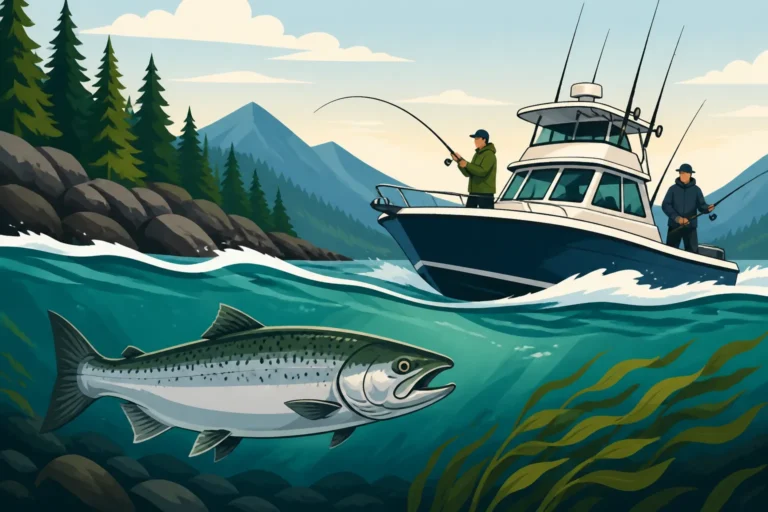
Salmon and Halibut charters on the coast are incredibly popular. These usually involve larger, offshore-capable vessels with advanced electronics, downriggers, and heavy-duty tackle. Targeting Pacific salmon (Chinook, Coho, Sockeye, Pink, Chum) might involve trolling vast areas of the ocean, while halibut fishing often means deep-water jigging or bait fishing in specific known banks. The cost reflects the maintenance of these larger boats, the amount of fuel consumed, and the expertise required to navigate coastal waters and find these migratory species. Guides specializing in these species often have decades of experience reading tides, currents, and fish behaviour in complex marine environments.
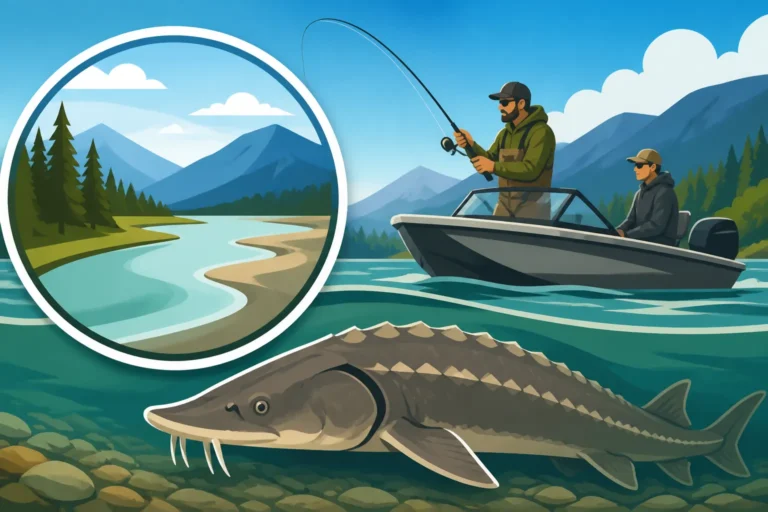
Sturgeon fishing on the Fraser River, particularly for the magnificent White Sturgeon, is a unique experience. These trips often use custom-built jet boats designed to navigate the powerful currents and shallower sections of the river. The tackle is extremely heavy-duty to handle fish that can weigh hundreds of pounds. The guides are highly specialized in locating sturgeon in deep holes and sloughs, and they have the knowledge to safely handle and release these ancient giants. The specialized equipment, boat maintenance, and specific knowledge base contribute to a particular pricing structure for these exhilarating freshwater adventures. White Sturgeon Fishing on the Fraser River is an experience unlike any other.
Steelhead fishing on famous rivers like the Skeena, Bulkley, or Thompson often involves specialized fly fishing or drift fishing techniques. Many of these trips are "walk and wade" or involve drift boats, which are smaller, oar-powered vessels designed for navigating rivers. The cost for steelhead guides can vary widely. A basic walk-and-wade day might be more affordable than a drift boat trip, which requires a specialized boat and the logistical challenge of shuttling vehicles. High-demand rivers during peak seasons, especially for trophy steelhead, will command premium prices due to the limited access, intense competition for guide spots, and the incredible skill required to consistently put clients on these elusive fish. Best Steelhead Rivers in BC are often remote and require significant effort to access.
Boat Size and Amenities
The vessel itself is a major cost driver. Think about it: a small, basic aluminum boat requires less upkeep, fuel, and initial investment than a luxurious, fully-equipped yacht.
Smaller, more basic boats might be used for lake fishing for trout or kokanee, or for some river guiding. They offer a no-frills experience, focusing purely on getting you to the fish. These are often the most economical options. They're perfectly adequate for many types of fishing and are common for guided trips on smaller lakes and rivers where comfort isn't the primary concern but fishability is.
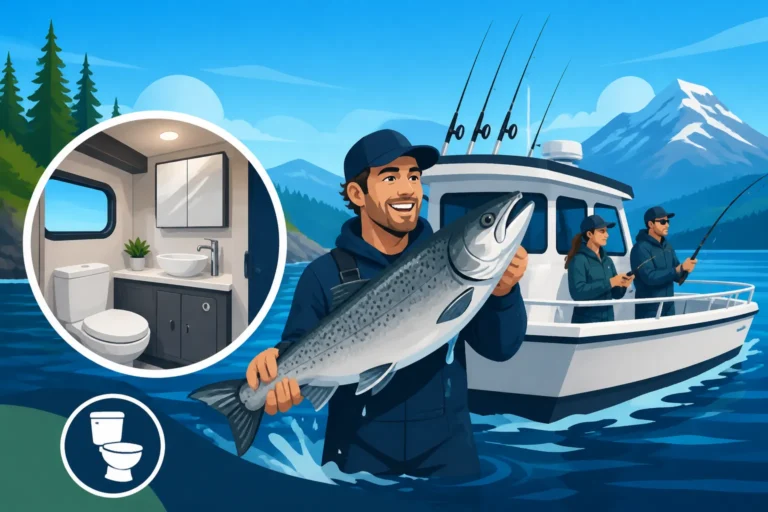
On the other hand, larger, well-appointed vessels for saltwater trips, particularly for offshore salmon and halibut, come with a higher price tag. These boats often feature enclosed heated cabins, marine heads (toilets), advanced sonar and navigation systems, comfortable seating, and sometimes even galley facilities. The extra comfort, safety features, and technology all add to the operational costs, which are then reflected in the charter price. If you're prone to seasickness, an enclosed cabin can be a real game-changer! These boats are built to handle the often unpredictable coastal conditions and ensure a more pleasant experience regardless of the weather.
Consider also that some top-tier lodges or private charters might offer truly luxury experiences with larger yachts, gourmet meals, and dedicated crew members. While these come with a hefty price, they cater to a clientele looking for an all-inclusive, high-end adventure where every detail is taken care of. It's about combining world-class fishing with world-class hospitality.
Average Costs for Popular BC Fishing Charters
Now that we've covered the influencing factors, let's dive into some general price ranges you might encounter for different types of fishing charters across British Columbia. Keep in mind these are averages, and actual prices will vary based on the specific operator, time of year, and inclusions.
Saltwater Salmon and Halibut Charters
When you think of BC saltwater fishing, salmon and halibut immediately come to mind. These offshore adventures are incredibly popular and offer some of the most exciting fishing in the province.
For a half-day saltwater salmon or halibut charter, you can generally expect to pay in the range of several hundred dollars per person, sometimes slightly less for larger group bookings. These shorter trips are great for getting a taste of the action without a full-day commitment. You'll typically be out for 4-5 hours, targeting resident salmon or hitting a nearby halibut ground.
Full-day charters for salmon and halibut are more common and will cost significantly more per person. These 8-10 hour trips allow your captain to travel further to prime fishing locations, giving you a better chance at larger fish or multiple species. The value here is in the extended time on the water, increased opportunities, and the flexibility to adjust to conditions. Often, charter companies, like those you might find listed on platforms such as FishingBooker, will offer a per-boat rate rather than a per-person rate, especially for private charters, which can make it more economical if you fill the boat with your own group. Best Salmon Charters in Campbell River or Best Halibut Charters out of Tofino often fall into these categories.
For the ultimate experience, multi-day lodge packages that combine accommodation, meals, and multiple days of guided saltwater fishing can easily reach into the thousands per person, depending on the remoteness, luxury level, and duration. These are often all-inclusive and designed for anglers seeking a complete, hassle-free fishing vacation in some of BC's most stunning coastal locations. They represent a significant investment but offer an unforgettable, immersive experience.
Freshwater Sturgeon and Steelhead Guides
Moving inland, freshwater fishing offers a different set of experiences and price points, driven by the unique demands of river fishing.
Sturgeon guiding on the Fraser River is a highly specialized pursuit. For a full-day trip targeting these magnificent giants, you can expect costs to be comparable to or even slightly higher than full-day saltwater charters. The specialized jet boats, heavy-duty gear, and the deep knowledge required to navigate the Fraser and handle these massive fish safely contribute to the cost. Often, sturgeon guides operate with a set boat rate for a group of 1-4 anglers, making it more cost-effective if you go with friends. Best Sturgeon Guides on the Fraser River are true experts in their field, and their pricing reflects that. Half-day options might be available but are less common for sturgeon due to the effort involved in setting up and the time it can take to find and fight these powerful fish.
Steelhead guides on BC's iconic rivers (like the Skeena, Thompson, or Bulkley) also have a premium attached, particularly during peak seasons. A full-day guided steelhead trip, whether it's a walk-and-wade or a drift boat experience, can range significantly. Drift boat trips are generally more expensive than walk-and-wade due to the logistics of boat launching, retrieval, and shuttling. Fly fishing for steelhead is a highly skilled art, and the best guides are in high demand. These trips also often involve traveling to more remote locations, adding to the logistical costs. Best Steelhead Guides in BC are often booked months, if not a year, in advance, highlighting the value anglers place on their expertise.
| Trip Type | Duration | Typical Cost Range (Per Person) | Common Inclusions | Notes |
|---|---|---|---|---|
| Saltwater Salmon/Halibut | Half-Day | $250 – $450+ | Gear, bait, safety equipment | Shorter trips, less travel time, often target resident fish |
| Saltwater Salmon/Halibut | Full-Day | $450 – $800+ | Gear, bait, safety equipment, fish cleaning | More extensive coverage, better chance at trophies |
| Sturgeon (Fraser River) | Full-Day | $350 – $700+ (per angler, based on boat share) | Specialized heavy tackle, bait, boat, guide | Per-boat rates common, critical for safe handling |
| Steelhead (River) | Full-Day | $400 – $900+ | Guide, specialized gear (fly rods), drift boat (if applicable) | Cost varies greatly by river, method (wade vs. drift), demand |
| Multi-Day Lodge | 2-7+ Days | $1,500 – $5,000+ (Per person per day) | Accommodation, meals, multiple guided trips, transfers | All-inclusive, remote, premium experience |
Note: These are illustrative ranges and can vary widely. Always confirm exact pricing and inclusions directly with the charter operator.
Comparing Group vs. Private Charters
This is a crucial distinction that heavily impacts your per-person cost.
Private charters mean you and your chosen group have the entire boat and guide to yourselves. This offers maximum flexibility, personalization, and often, a more intimate fishing experience. You can decide where to go (within reason), what species to target, and the pace of the trip. However, because you're covering the full cost of the boat and guide, the per-person price will be higher unless you have a larger group to split it with. Many charters will advertise a "per boat" rate for a private trip, which then becomes more economical if you bring more people, up to the boat's capacity.
Shared or "open boat" charters are where you book a spot on a boat with other individuals or small groups you don't know. The charter operator fills the remaining spots. This is a fantastic option for solo travelers or pairs who want to experience a full-day trip without the full private charter price tag. The per-person cost is significantly lower, as you're sharing the expenses. The trade-off is less flexibility in terms of target species or fishing spots, as the guide will cater to the group's general consensus or the most productive fishing at that moment. It's also a great way to meet fellow anglers! When looking for options, especially if you're traveling alone, platforms like FishingBooker can often help you find shared trips where you pay for just your seat.
For example, a full-day private salmon charter might be $2000 for the boat (up to 4 people), making it $500 per person if you fill it. An open boat charter, however, might be $450 per person, but you're joining other individuals. The total cost for the operator is the same, but how it's distributed among anglers changes.
What's Typically Included (and Not Included) in Your Charter Price
Understanding what you're actually paying for is vital to avoid unexpected costs. While most reputable charters are transparent, it's always wise to ask for a detailed breakdown.
Gear, Bait, and Licensing Basics
Most fishing charters in British Columbia operate on an "all-inclusive" basis when it comes to the core fishing necessities.
You can generally expect the fishing gear (rods, reels, tackle, lures, flies) to be provided by the charter. This is a huge benefit, as bringing your own specialized equipment for different BC fisheries can be a logistical nightmare and an added expense. The charter will have high-quality, properly maintained gear suitable for the target species and conditions. They'll also supply the bait (e.g., herring, anchovies for salmon; roe or dead fish for sturgeon; worms or power bait for trout), which can be a significant daily cost if you had to buy it yourself.
Safety equipment is always included and legally mandated. This means life jackets for everyone on board, emergency flares, first-aid kits, and communication devices. Your captain or guide will also provide instruction on safety procedures before and during the trip.
However, a critical omission for many first-time anglers is the fishing license and associated stamps. While the charter provides the means to fish, you, the individual angler, are responsible for purchasing your own British Columbia Fishing License Guide for 2026 before your trip. This is not typically included in the charter price. You'll need to decide if you need a BC Freshwater vs Tidal Waters License, Explained and if you plan to keep certain species like salmon, you'll also need to purchase the appropriate BC Salmon Conservation Stamp Rules. Always clarify with your charter what specific licenses and stamps you'll need. This is a separate cost that you absolutely cannot overlook. How Much Does a BC Fishing License Cost can vary depending on residency and duration.
Hidden Costs and Unexpected Expenses
Even with a detailed quote, some costs might not be immediately obvious or can catch you off guard. Being aware of these can help you budget more accurately.
Gratuities (tips) for your guide or deckhand are a significant part of the cost, especially if you had a great day. While not mandatory, tipping is customary and highly appreciated in the guiding industry, typically ranging from 15-20% of the charter fee. If your guide worked hard, provided excellent service, and helped you land fish, showing your appreciation through a tip is standard practice. We'll delve more into Tipping Etiquette for BC Fishing Charters later.
Fish cleaning and packaging can sometimes be an additional service with a small fee, especially on larger boats or for processing substantial catches. While many guides will clean your fish as part of the service, some might charge extra for vacuum packing or freezing if you're planning to take your catch home. Always ask about their policy.
Food and beverages are usually not included unless you've booked a premium, all-inclusive multi-day package. You'll be responsible for bringing your own snacks, lunch, and drinks for the day. While some charters might offer bottled water or a light snack, don't count on a full meal unless specified.
Rain gear and appropriate clothing are also your responsibility. While the charter provides safety equipment, they won't typically provide rain suits, warm layers, or waterproof footwear. BC weather can be notoriously unpredictable, so being prepared is essential. What to Bring on a BC Fishing Charter covers this in detail.
Finally, consider transportation to and from the departure point. If your charter leaves from a remote marina or a town that's a drive from your accommodation, factor in fuel costs, taxi fares, or shuttle services. Some high-end lodge packages might include transfers from a major airport, but this is rare for single-day charters.
Value-Added Services and Lodge Packages
Beyond the basic fishing trip, many operators offer additional services that can enhance your experience and, naturally, add to the cost.
Lodge packages are the epitome of value-added services. These often include luxurious accommodation, gourmet meals, daily guided fishing, fish processing and packaging, and sometimes even transfers from major airports. They consolidate many elements of a fishing vacation into one price, simplifying your planning. While the upfront cost is higher, the convenience, quality of service, and immersive experience often justify the investment for many anglers seeking a truly pampered trip. These are particularly popular in remote coastal areas or for destination steelhead trips where infrastructure is limited.
Some charters might offer photography or videography services, especially for trophy catches like sturgeon or large salmon. Imagine having professional photos or a video montage of you battling a Fraser River giant! This is a specialized service that would come with an extra fee.
For those interested in extending their adventure, some coastal charters offer combo trips that include fishing alongside whale watching or wildlife viewing. These can be a fantastic way to experience the broader natural beauty of British Columbia, though they will typically cost more than a pure fishing trip.
When you book through platforms like FishingBooker, you can often filter for charters that offer specific amenities or services, making it easier to compare and understand what "value" means to different operators. Always read the fine print and confirm exactly what's bundled into the price.
Navigating Different Charter Regions in BC and Their Pricing
British Columbia is a vast province with diverse fishing opportunities, and the regional differences in geography, target species, and infrastructure significantly influence charter pricing.
Vancouver Island Campbell River, Tofino, Ucluelet
Vancouver Island is a world-renowned fishing destination, famous for its abundant salmon runs and excellent halibut grounds. The costs here reflect the popularity, the quality of the fishing, and the established tourism infrastructure.
Campbell River, often dubbed the "Salmon Capital of the World," is home to numerous charters. Prices here for salmon and bottom fishing are generally competitive due to the sheer number of operators. A full-day private charter might be similar to the provincial averages discussed earlier, with half-day options offering a slightly lower entry point. The close proximity to major salmon migration routes means less travel time to fishing grounds, which can sometimes keep costs slightly more manageable than truly remote areas. You'll find many reputable operators here, ranging from smaller, fast boats to larger, more comfortable vessels. Many Best Fishing Charters in British Columbia operate out of this area.
On the west coast of Vancouver Island, Tofino and Ucluelet are prime locations for offshore halibut, Chinook salmon, and groundfish. Charters here often involve longer runs to fishing grounds, which means more fuel and time commitment, often translating to slightly higher prices than areas like Campbell River. The boats tend to be robust, offshore-capable vessels designed for the Pacific swells. The experience of fishing the rugged west coast, with its dramatic scenery and abundant wildlife, adds to the allure and can justify the investment for many. Tofino Halibut Fishing or Ucluelet Halibut Fishing are premium experiences.
Overall, Vancouver Island offers a wide range of pricing depending on the specific location and the level of luxury, but it generally represents a mid-to-high price point for BC fishing charters due to its reputation and quality of fishing.
Lower Mainland and Fraser Valley Vancouver, Steveston, Mission
This region, encompassing the bustling metropolitan area of Vancouver and the fertile Fraser Valley, offers unique fishing opportunities, primarily focused on the Fraser River.
For those based in or visiting Vancouver, saltwater charters often depart from marinas in Steveston or Horseshoe Bay, targeting salmon in the Georgia Strait or Howe Sound. These charters typically focus on Chinook and Coho salmon. Pricing is often influenced by proximity to the city, with convenience being a factor. Half-day and full-day options are readily available, often at a slightly more accessible price point than the more distant Vancouver Island charters, though this can vary. These are excellent options for locals or tourists looking for a quick and convenient fishing escape from the city.
The Fraser River, particularly the stretches near Mission and upriver, is world-famous for its incredible White Sturgeon fishing. Guided sturgeon trips from this area are a major draw. As mentioned, these are specialized trips with costs reflecting the unique boats and guide expertise required. Because these trips focus on a single, powerful species, the pricing is fairly consistent across the reputable operators in the region. You're paying for a truly unique angling experience that often yields encounters with truly massive fish. Lower Fraser River Sturgeon Fishing is often centered around this area.
The convenience of accessing these locations from a major population center can sometimes mean less travel cost for anglers, though the charter fees themselves are competitive within their specific niches.
Northern BC and Interior Rivers Skeena, Bulkley, Kootenays
Venturing into Northern BC and the Interior rivers takes you into some of the province's most wild and pristine fishing grounds, but also some of its most remote, which impacts pricing significantly.
The Skeena River system (including the Bulkley, Kispiox, and other tributaries) is legendary for its wild steelhead and incredible salmon runs. Fishing here is often a destination trip, requiring flights into regional airports like Terrace or Smithers, followed by ground transportation to lodges or guide meeting points. Due to the remoteness, the specialized nature of steelhead guiding, and the high demand for prime dates, these trips command some of the highest prices in BC. Many operations are multi-day, all-inclusive lodge packages, making the per-day cost appear higher, but they cover everything from accommodation and meals to daily guided trips, often with specialized drift boats. Booking a Best Guided Steelhead Trips on the Skeena or Best Bulkley River Guide Services is a serious investment, but it offers a truly world-class, wilderness fishing experience that many anglers consider priceless.
In the Kootenay region, large lakes like Kootenay Lake are famous for Gerrard Rainbow Trout. While not as high-priced as the Skeena system, guided trips on these large interior lakes still involve specialized boats and local expertise. Prices for these lake charters tend to be more in line with full-day saltwater charters from the lower mainland, reflecting the need for quality boats and experienced guides to navigate vast waters and find specific deep-water structure where these trophy trout reside. Kootenay Lake Fishing Guide covers specific details about this area.
The common thread in these northern and interior regions is often the remoteness and the specialized nature of the fishing, leading to higher overall costs, especially for multi-day, all-inclusive packages. You're paying for access to pristine, less-pressured waters and the highly specialized knowledge of guides who operate in challenging environments.
Tips for Budgeting and Finding the Best Value Charter
Finding the right BC fishing charter isn't just about the biggest fish; it's also about finding the best experience for your budget. A little planning and savvy can go a long way.
Booking Strategies and Off-Season Savings
Timing and how you book can significantly impact the final price of your charter. Being flexible and proactive can save you money.
Book in advance, especially for peak seasons. The best guides and charters, particularly for popular species like Fraser River sturgeon or Skeena River steelhead, get booked up quickly. Booking well in advance (6-12 months out is not uncommon for prime dates) not only secures your spot but also often locks in the current year's rates, potentially saving you from future price increases. Procrastination might leave you with fewer options or only premium-priced last-minute openings. Using platforms like FishingBooker early can help you compare availability and prices across many operators.
Consider off-season or shoulder-season trips. While peak summer months are popular, fishing can still be fantastic in the spring or fall, and sometimes even in winter, depending on the species. For example, some incredible steelhead runs happen in the spring or late fall, and these dates might be slightly less expensive or have more availability than prime summer salmon dates. Always inquire with charter operators about their "shoulder season" rates. You might sacrifice a bit of guaranteed sunshine, but the fishing can be just as good, if not better, and you'll often avoid the crowds. Best Time of Year to Fish in BC can vary greatly by species.
Look for package deals or multi-day discounts. If you're planning a longer trip or want to combine fishing with accommodation, many lodges and charter companies offer package deals that can be more economical than booking each component separately. This is particularly true for destination fishing in more remote areas.
Tipping Etiquette and Recommended Amounts
As mentioned earlier, tipping is a customary and expected part of the charter experience, yet it’s often overlooked in initial budget planning.
Why tip? Guides and deckhands work incredibly hard. They're up before you, prepare the boat and gear, often spend hours cleaning your fish after you leave, and maintain their expensive equipment. They're your personal concierge, teacher, and safety officer all rolled into one. A tip acknowledges their effort, expertise, and dedication to ensuring you have a great day on the water.
The general guideline for tipping a BC fishing guide or deckhand is 15-20% of the total charter cost. If you had an absolutely phenomenal trip, the service was exceptional, and you landed your dream fish, don't hesitate to go higher. Conversely, if the service was just adequate, you can adjust accordingly, but remember that some factors (like the fish not biting) are often beyond their control. Always tip based on the effort and service, not solely on the catch.
How to tip: It's best to give the tip directly to the guide or captain at the end of the trip, preferably in cash. This ensures they receive it immediately and directly. If there's a deckhand, the captain will usually split the tip with them. If you're part of a group, designate one person to collect contributions and present the tip to the guide. Tipping Etiquette for BC Fishing Charters covers this in more detail, ensuring you're prepared.
Reading Reviews and Understanding Inclusions
Your due diligence before booking can prevent disappointment and ensure you're getting what you pay for.
Read recent reviews on platforms like Google, TripAdvisor, or fishing-specific booking sites like FishingBooker. Pay attention to comments about the guide's professionalism, the quality of the boat and gear, communication, and transparency regarding costs. Look for patterns – consistent positive feedback on certain aspects or recurring complaints are strong indicators. While one bad review might be an anomaly, several similar complaints should raise a red flag.
Ask specific questions about inclusions and exclusions. Don't assume anything. Before you finalize your booking, get a clear, written understanding of what is covered in the price.
- Is the fishing license included? (Almost certainly not, but ask anyway).
- Is all tackle and bait provided?
- Are soft drinks or water on board?
- Is fish cleaning and bagging included, or is there an extra charge?
- What is their cancellation policy for bad weather or unforeseen circumstances?
- Are there any fuel surcharges or other hidden fees?
A reputable charter will be happy to answer all your questions thoroughly and clearly. Transparency is a hallmark of a good business, and any reluctance to provide clear answers should be a warning sign. By clarifying these points upfront, you can avoid any awkward surprises at the end of your trip.
Making the Most of Your BC Fishing Charter Experience
Booking a fishing charter in BC is an investment in an experience. To ensure you get the absolute best out of your trip, a little preparation on your part goes a long way.
Preparing for Your Trip What to Bring
While your charter will provide the heavy lifting in terms of gear and expertise, what you bring personally can significantly impact your comfort and enjoyment.
First and foremost, bring your valid BC fishing license and any required stamps (e.g., Salmon Conservation Stamp) in physical or digital form, ready to be presented. Failure to do so could mean you can't fish, or worse, face fines. This is a non-negotiable item. If you forget to buy it, many small tackle shops near marinas can assist, or you can purchase it online. Where and How to Buy a BC Fishing License is a great resource.
Dress in layers! British Columbia's weather is famously unpredictable. A sunny morning can quickly turn into a cool, windy, or rainy afternoon. Start with a moisture-wicking base layer, add a warm fleece or synthetic mid-layer, and top it off with a waterproof and windproof outer shell (jacket and pants). Even on a clear day, the wind on the water can be chilly. Don't forget a warm hat, gloves, and sunglasses (polarized are best for seeing into the water). What to Wear on a BC Fishing Charter is always a good read before heading out.
Sun protection is crucial, even on cloudy days. Bring sunscreen, a wide-brimmed hat, and polarized sunglasses to protect your eyes from glare and help spot fish or structure. The sun's reflection off the water can be intense.
Food and drinks are usually your responsibility. Pack enough snacks, lunch, and beverages to keep you energized throughout the day. A small cooler can be handy.
Consider bringing a camera to capture memories, especially if you land a trophy fish or encounter some of BC's stunning wildlife. Ensure it's waterproof or in a protective case.
Finally, if you're prone to seasickness, take preventative measures well before the trip. Over-the-counter medications, patches, or wristbands can make a huge difference, especially on offshore trips. It's much better to be safe than sorry, as a sick angler isn't a happy angler.
Communication with Your Guide or Captain
Your guide is there to help you have the best possible trip, and clear communication is key to achieving that.
Be upfront about your expectations and preferences. Before or at the start of the trip, let your guide know what you're hoping for. Are you focused on catching a specific species, or are you happy to catch anything? Are you a beginner looking for instruction, or an experienced angler wanting to hone your skills? Do you want to keep fish for dinner, or is it strictly catch and release? This helps the guide tailor the experience to you.
Ask questions! If you're unsure about a technique, want to learn more about the local fishery, or just curious about something, don't hesitate to ask. Guides are passionate about what they do and usually love sharing their knowledge. This is a great opportunity to learn from a local expert.
Provide feedback during the trip. If you're too cold, need a break, or want to try a different spot, let your guide know. They can't read your mind, and they want you to be comfortable and happy. If you're not having fun for any reason, speak up respectfully.
Conversely, listen carefully to their instructions. Your guide's advice on casting, retrieving, fish fighting, and especially safety is based on years of experience and knowledge of the local waters. Following their guidance will maximize your chances of success and ensure a safe trip. They know the currents, the depths, and where the snags are.
Safety Considerations on the Water
Safety should always be the top priority on any fishing trip. BC waters, whether coastal or riverine, can be challenging, and your guide is primarily responsible for your well-being.
Your charter captain is a certified professional, licensed and trained in marine safety and first aid. They operate vessels that undergo regular safety inspections and carry all the legally required safety equipment, including life jackets for everyone on board. BC Boating Laws for Anglers and Life Jacket Requirements for BC Boaters are strict for a good reason. Trust their judgment, especially concerning weather conditions. They will make the call on whether it's safe to go out or to return to shore if conditions deteriorate.
Always wear your life jacket when instructed, especially on smaller boats, during rough conditions, or when moving around the boat. It's not just a suggestion; it's a critical piece of safety equipment.
Pay attention to the safety briefing at the start of the trip. This will cover important information like the location of safety equipment, emergency procedures, and how to move safely around the boat.
Be aware of your surroundings. On a boat, especially one with sharp hooks, heavy weights, and powerful fish, accidents can happen quickly. Be mindful of casting lines, gaffs, and other equipment. If you're on a river, be aware of the currents and slippery banks.
Communicate any medical conditions to your guide before departure, especially if they are severe or could become an issue on the water (e.g., heart conditions, severe allergies). This allows them to be prepared in case of an emergency.
By engaging openly with your guide and prioritizing safety, you'll not only have a more enjoyable experience but also a much safer one. Your guide wants to get you on fish, but they want to get you home safely even more. What to Expect on a BC Fishing Charter further details what you can anticipate on your outing.
Deciding on a BC fishing charter and managing the costs can seem like a lot to navigate, but with a clear understanding of the factors at play, you're well on your way to planning an incredible adventure. From the duration of your trip and the species you target to the specific region and the amenities you desire, each choice contributes to the overall price. Remember to budget for those often-forgotten elements like licenses and tips, and always prioritize open communication with your chosen guide. By doing your homework and planning ahead, you can ensure your British Columbia fishing experience is not only successful but also perfectly tailored to your expectations and budget. The waters of BC are waiting for you!
Disclaimer
This article is for general informational purposes only and does not constitute professional advice. Laws, prices and regulations vary by location and change over time. Consult a qualified professional for guidance on your specific situation.