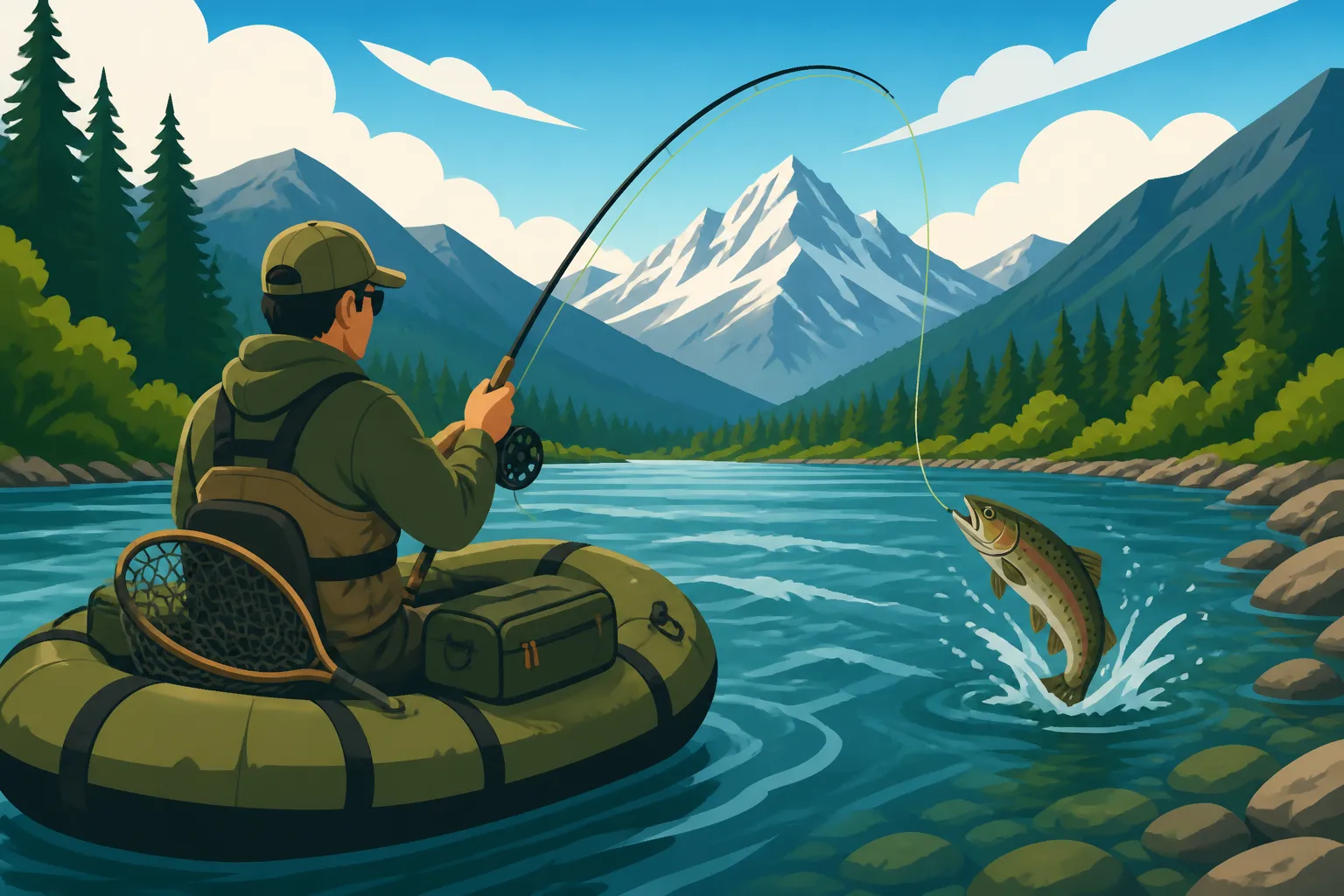
Float Fishing the Bulkley River
Float fishing the Bulkley River is an art form, a dance with nature that many anglers dream of mastering. This isn't just about casting a line; it's about understanding the subtle currents, the elusive steelhead, and the ever-changing conditions of one of British Columbia's most revered steelhead rivers. If you've found yourself frustrated by missed drifts or confused by the sheer volume of gear options, this comprehensive guide will break down everything you need to know to confidently and effectively float fish the Bulkley, turning those elusive dreams into unforgettable memories.
Understanding the Bulkley River's Unique Character for Float Fishing
The Bulkley River, carving its way through the stunning landscape of Northern British Columbia, is legendary among steelhead anglers. It's a river with a distinct personality, constantly shifting and presenting new challenges and rewards. Successful float fishing here begins with a deep appreciation for its unique hydrological features and how these influence where steelhead choose to hold. Ignoring these nuances is like trying to solve a puzzle without looking at all the pieces – you might get lucky, but consistent success will elude you.
River Dynamics and Steelhead Lies
The Bulkley is a dynamic system, a mix of fast runs, deep pools, riffles, and intricate current seams. Steelhead, being migratory fish, are constantly on the move but will hold in specific "lies" where they can rest, conserve energy, and ambush food. When float fishing, your primary goal is to present your bait or lure naturally into these lies. Look for areas where the main current meets slower water, creating seams and eddies. These are prime resting spots. Undercut banks provide overhead cover and a reprieve from the current, offering another classic steelhead lie. Deep troughs or depressions in the riverbed can also hold fish, especially during periods of lower light or when fish are seeking deeper sanctuary. Gravel bars and ledges that break the flow create current breaks on their downstream side, often hiding fish.
Understanding the river bottom is also critical. The Bulkley features a mix of gravel, rock, and silt. Steelhead prefer clean, oxygenated gravel, especially as they get closer to spawning. Large boulders or submerged logs act as current breaks and offer ideal ambush points. Pay close attention to subtle changes in water surface texture—swirls, boils, or smoother patches can indicate changes in depth or structure below. This isn't about blind casting; it's about actively "reading the water," a skill that develops with time and observation. Each bend, each change in gradient, and every submerged obstacle creates a new set of conditions that can either hold a steelhead or simply be unproductive water.
Seasonal Water Conditions and Their Impact
The Bulkley River's water levels and clarity are in a constant state of flux, heavily influenced by seasonal rainfall, snowmelt, and air temperatures. These factors directly impact steelhead behavior and your fishing strategy. In early spring, after the ice breaks up, snowmelt often leads to higher, colder, and sometimes murky water. Fish tend to hold closer to the banks in slower water, making a subtle, slower drift essential. As summer progresses and water levels drop and warm, fish might move to deeper, faster oxygenated runs. Fall, the peak steelhead season, often brings a balance of good water levels and clarity, making fish more active and spread out through various holding lies. However, sudden rain events can quickly blow out the river, turning it off-color and making fishing challenging until it drops and clears.
Being prepared for these variations is paramount. Before heading out, always check the latest BC Fishery Notices and in-season closures, especially regarding water levels and clarity. Higher water often means fish are hugging the banks, requiring shorter casts and targeting the edges. Lower, clearer water calls for longer leaders, lighter line, and a more stealthy approach, as fish can be spooked more easily. The depth you fish and the amount of weight you use for your float rig will also directly correlate with water conditions. Adaptability is your best friend on the Bulkley, and understanding how these changes affect where and how steelhead hold will dramatically increase your chances of success.
Essential Gear for Successful Bulkley River Float Fishing
Float fishing for steelhead on the Bulkley River isn't something you can just do with any old rod and reel. It requires specialized gear designed for precise presentations, powerful hooksets, and the ability to tame chrome-bright, acrobatic steelhead. Investing in the right tools makes a monumental difference, not just in your success rate but in your overall enjoyment and confidence on the water.
Rod, Reel, and Line Setups
For float fishing on the Bulkley, a purpose-built float rod, often referred to as a "noodle rod" or "drift rod," is essential. These rods are typically long, ranging from 10 to 13 feet, with a medium-light to medium action. The extra length allows for superior line control, longer drifts, and the ability to mend your line effectively over turbulent water, ensuring your float setup maintains a natural presentation. Look for rods specifically designed for float fishing from brands like Raven, Lamiglas, or Fenwick. A good quality float rod will have a sensitive tip to detect subtle bites but enough backbone to fight strong steelhead.
When it comes to reels, a high-quality centerpin reel is the traditional choice for float fishing, and for good reason. A centerpin allows your line to flow off the spool with virtually no resistance, enabling incredibly long, drag-free drifts. This is crucial for presenting your bait naturally in the Bulkley's varied currents. While centerpins have a learning curve, the control and finesse they offer are unmatched. For those who prefer a more familiar setup, a high-quality spinning reel with a smooth drag system can also be effective, particularly with longer float rods. Whichever reel you choose, pair it with a strong main line—10-15 lb monofilament or braided line is common, often with a 20-30 lb braided backing if using a centerpin. You can find a fantastic selection of these specialized rods and reels on Amazon, making it convenient to compare different models and read reviews before making a significant investment.
Floats, Weights, and Terminal Tackle
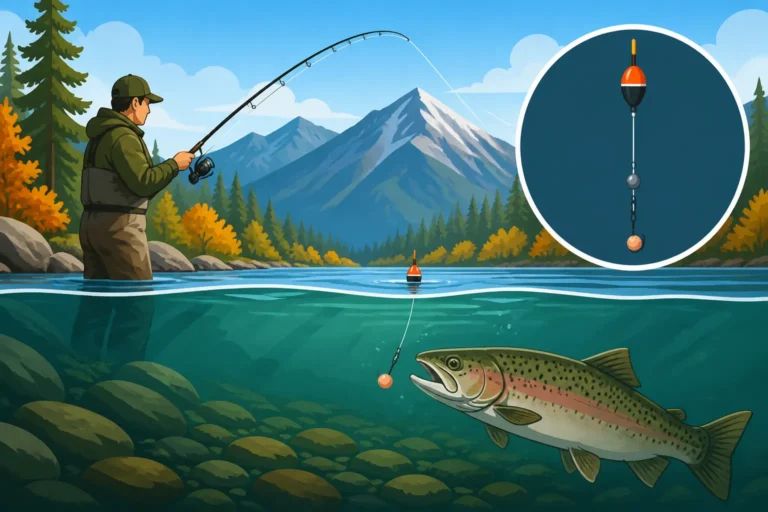
The "float" in float fishing is, of course, the heart of your presentation. On the Bulkley, you'll encounter various types, but the most common are slip floats and fixed floats. Slip floats are ideal for fishing deeper water, as they allow your line to run freely through them, stopping at a bobber stop set at your desired depth. Fixed floats, which are crimped onto the line, are better for shallower water where precise depth control is less critical. The size and shape of your float should match the water conditions and the amount of weight you're using. Larger, higher-visibility floats are good for turbulent or murky water, while smaller, more subtle floats excel in clear, calm conditions. Thill, Drennan, and Raven are popular float brands that offer reliable options.
Beneath your float, you'll need to carefully balance your weights. The goal is to get your bait down to the fish zone quickly and keep it there throughout the drift, without inhibiting a natural presentation. Split shot are the most common weights, and you'll typically use a "shotting pattern" that distributes the weight along your leader. A common setup involves placing the heaviest shot closer to the float and progressively smaller shot closer to the bait, creating a natural "sag" in the line that helps your bait tumble along the bottom. Your leader material should be fluorocarbon, known for its invisibility underwater and abrasion resistance. A 6-10 lb fluorocarbon leader is standard, connected to your main line with a small swivel to prevent line twist. Finally, you'll need sharp, strong hooks appropriate for steelhead, typically sizes #1 to #4, depending on your bait. When stocking up on these crucial terminal tackle items like split shot, bobber stops, swivels, and various hooks, many anglers find a wide array of options and competitive pricing on Amazon.
| Component | Description | Common Specifications |
|---|---|---|
| Float Rod | Long, sensitive rod for line control and long drifts. | 10-13 ft, medium-light to medium action |
| Reel | Centerpin for drag-free drifts, or smooth spinning reel. | Centerpin: large arbor; Spinning: 2500-4000 series |
| Main Line | Strong, visible line for casting and mending. | 10-15 lb mono or braid (with 20-30 lb backing for 'pins) |
| Leader | Invisible, abrasion-resistant line for stealth and strength. | 6-10 lb fluorocarbon |
| Floats | Indicating strike, varying sizes/shapes for water conditions. | Slip or fixed, 1/4 oz to 1 oz buoyancy |
| Weights | Split shot for achieving desired depth and drift. | Non-toxic split shot (sizes BB to 7) |
| Swivels | Prevents line twist, connects main line to leader. | Size 10-14 barrel or three-way swivels |
| Hooks | Sharp, strong hooks appropriate for steelhead size and bait type. | #1 to #4 single barbless hooks |
Mastering Float Fishing Techniques on the Bulkley
Float fishing on the Bulkley River is more than just letting your bait drift downstream. It's a nuanced technique that requires keen observation, precise casting, expert line management, and the right approach to fighting and releasing these magnificent fish. Mastering these techniques will elevate your success and respect for this incredible fishery.
Reading the Water and Identifying Holding Water
The true art of float fishing lies in your ability to "read the water" and anticipate where steelhead are likely to be holding. It’s a skill that takes years to refine but begins with understanding basic river hydrology. Look for "seams" where fast water meets slow water – these are transition zones where steelhead often rest. Deeper pools, especially those with structure like submerged logs or large boulders, are classic holding lies. Riffles and the tailouts of pools (where the water speeds up before transitioning to a shallower section) can also be productive, particularly in lower light or when fish are actively migrating. Also, pay attention to current breaks created by large rocks or bank irregularities; fish will often position themselves just downstream of these, out of the main current.
A critical aspect of reading the water on the Bulkley is understanding how gradient and structure dictate flow. A smooth, glassy surface might indicate a deep, slow pool, while choppy, broken water could mean a shallower, faster riffle. Look for darker patches, which often suggest deeper water, and lighter areas where the bottom is closer to the surface. Observing other anglers, if present, can also offer clues, but always remember that steelhead move, and what worked for one person might not work for you in the next run. This constant observation and interpretation of the river's moods are what make float fishing such an engaging and challenging pursuit. Remember that understanding the specific BC Fishing Regulations Explained for the Bulkley can also help you identify areas where certain techniques or gear might be restricted, further refining your approach.
Achieving the Perfect Drift
Once you've identified a promising piece of water, the next challenge is to achieve a "perfect drift"—a presentation where your bait or lure moves at the same speed as the surrounding current, completely drag-free, as if it were a natural food item. This is crucial because steelhead are highly sensitive to unnatural presentations. Start by casting slightly upstream of your target zone, aiming to land your float and bait gently. Immediately after the cast, begin "mending" your line. Mending involves lifting your rod tip and flipping a loop of line upstream, effectively repositioning your line so that the current isn't pulling your float faster or slower than your bait. This is where the long float rod truly shines, allowing you to control meters of line effortlessly.
The goal is to keep your main line off the water as much as possible, minimizing drag. As your float drifts downstream, continue to mend as needed, always keeping a slight belly in your line to absorb any sudden pulls from a fish. Your eyes should be glued to your float; any hesitation, sudden dip, or unnatural movement could indicate a bite. If you're using a centerpin, you can slightly feather the rim of the spool with your thumb to control the speed of the drift in tricky currents. Practice is key here; the more you float fish, the more intuitive mending and line control become. It’s an ongoing conversation between you, your gear, and the river.
Hooking, Fighting, and Releasing Steelhead
When that float disappears or takes an unnatural dive, resist the urge for an immediate, violent hookset. Instead, take up any slack and set the hook with a firm, smooth, upward sweep of your rod. Steelhead often "mouth" the bait before fully committing, and a premature set can pull the hook away. Once hooked, get ready for a battle! Bulkley River steelhead are renowned for their power, speed, and aerial acrobatics. Keep your rod tip high, letting the flexible action of your float rod absorb the shocks and protect your leader. Let the fish run when it wants to, utilizing your reel's smooth drag system. Never try to stop a powerful run by clamping down on the spool; this will likely result in a broken line or a pulled hook.
Work the fish steadily but deliberately, always maintaining tension. Try to keep the fish's head pointed upstream to minimize its leverage against the current. As you bring the fish close, use a long-handled net specifically designed for steelhead or, even better, gently tail the fish with wet hands if you're experienced. The most important step, especially on a conservation-focused river like the Bulkley, is a quick and careful release. Minimize the fish's time out of the water. Hold it gently in the current, facing upstream, until it regains its strength and swims away on its own. Avoid squeezing or handling the fish excessively. For more detailed insights into ensuring the survival of your catch, you might find valuable information in guides focusing on Steelhead Catch and Release Survival Tips.
Key Baits and Lures for Bulkley River Steelhead
When float fishing the Bulkley River, the choice of what you present to a steelhead is as important as how you present it. Steelhead can be finicky eaters, influenced by water conditions, light levels, and their own migratory phase. Having a versatile tackle box with a range of options will keep you prepared for whatever the river throws your way.
Natural Baits and Their Presentation
Natural baits are often incredibly effective for Bulkley River steelhead, especially when water levels are slightly elevated or off-color, making scent an important attractant. Cured salmon roe is perhaps the most iconic and successful bait. You can buy commercially cured roe or prepare your own using roe from salmon caught in other regulated fisheries. Present roe in small, dime-sized bags made from nylon mesh, secured tightly to your hook. The goal is a subtle, natural presentation that slowly oozes scent downstream. Ensure your roe bag is buoyant enough to drift naturally without sinking too quickly, and that it's just large enough to cover your hook point.
Other effective natural baits include garden worms, often presented on a small worm hook or snelled rig, allowing them to wriggle enticingly. Some anglers also have success with small clusters of ghost shrimp or various types of salmon eggs, though roe is generally king. The key to presenting any natural bait is to ensure it drifts naturally with the current, mimicking something that has dislodged from the riverbed. This often requires careful balancing of float, weight, and leader length. Avoid using overly large or heavy baits that will create unnatural drag or prevent a perfect drift. The more natural your presentation, the higher your chances of enticing a wary steelhead.
Artificial Lures and Fly Patterns
While natural baits excel, artificial lures and fly patterns can be equally, if not more, productive, especially in clearer water or when targeting more aggressive fish. Small jigs are incredibly versatile for float fishing. Lead-head jigs tied with marabou, rabbit fur, or chenille in various colors (pink, chartreuse, black, white, orange) are deadly. The jig's weight helps you achieve depth, and the pulsing materials provide an irresistible action. Tip your jig with a small piece of prawn, a worm, or even a plastic bead for added attraction. Beads, mimicking single salmon eggs, are another staple. They come in an array of sizes and colors, with translucent and mottled patterns often being most effective. A single bead, pegged a few inches above a small hook, drifting naturally, can fool even the wariest steelhead.
For fly anglers who enjoy float fishing, weighted nymphs, stoneflies, and small egg patterns can be highly effective under a float. Large profile flies like an Intruder or Skagit-style fly, typically swung, can also be presented effectively with a float in specific scenarios. You might find some excellent patterns for the Bulkley by exploring resources like Fly Patterns for BC Steelhead Rivers. Local tackle shops along Highway 16 near the Bulkley are fantastic resources for regionally effective patterns, but for a broad selection of jigs, beads, and even fly-tying materials to craft your own, checking out what's available on Amazon can offer a convenient way to expand your arsenal. Experimentation with different colors and sizes is often the key to unlocking a bite on any given day.
Navigating the Bulkley: Access Points and Drift Considerations
The Bulkley River offers a stunning backdrop for float fishing, but its remote nature and specific regulations require careful planning for successful and safe navigation. Understanding the best access points and key considerations for your drift is essential for an enjoyable and productive day on the water.
Popular Launch and Take-Out Spots
The Bulkley River boasts several well-known launch and take-out points that cater to drift boat and raft anglers, allowing for various float durations and access to different sections of the river. One of the most common stretches begins near Telkwa, where public access points allow for launching. From here, you can float downstream towards Smithers, with multiple opportunities to take out along the way, including near the town itself. The stretch below Smithers offers further excellent water, with take-out options like the Trout Creek area or further downstream towards the confluence with the Skeena River. Each section of the river presents different characteristics, from more accessible, meandering sections to faster, more technical runs.
It's crucial to scout your chosen launch and take-out spots beforehand, especially if you're unfamiliar with the area. Access roads can be rough, and launching/retrieving a boat requires careful maneuvering. Remember that private property borders much of the river, so always ensure you're using designated public access points. Information on specific access can often be found through local guide services or fishing forums. For a comprehensive overview of some of the best fishing locations in the region, including rivers like the Bulkley, you might want to consult a guide on the Best Steelhead Rivers in BC. Always have a plan for shuttling vehicles between your launch and take-out to avoid any logistical headaches at the end of a long day.
Safety and River Etiquette
Safety on the Bulkley River cannot be overstated. Water temperatures can be extremely cold, especially during the spring and fall steelhead runs, and currents can be swift and powerful. Always wear a Coast Guard-approved personal flotation device (PFD) when on the water, regardless of your swimming ability. Be mindful of submerged hazards like log jams and sweepers, which can be difficult to spot until you're close. Carry essential safety gear, including a first-aid kit, signaling device, throw bag, and a repair kit for your raft or pontoon boat. It's always advisable to float with a partner or at least inform someone of your float plan, including your expected launch and take-out times. Given the remote nature of some sections, cell service can be spotty, so don't rely on it for emergencies.
Beyond personal safety, river etiquette is paramount, especially on a popular fishery like the Bulkley. Respect other anglers, whether they are floating or wading. Give waders plenty of space and avoid drifting directly through their fishing lines. If you encounter another boat, communicate politely about your intentions to avoid conflicts. Pack out everything you pack in—leave no trace. This includes all trash, broken fishing line, and any other debris. The Bulkley is a precious resource, and it's our collective responsibility to keep it pristine. Being courteous and environmentally conscious ensures everyone can enjoy this incredible river for generations to come.
Timing Your Trip: Best Seasons for Bulkley River Float Fishing
The Bulkley River is a year-round fishery for some species, but for steelhead, timing is everything. Understanding the nuances of the seasons and how they influence steelhead migration and behavior is crucial for planning a successful float fishing adventure. It’s not just about when the fish are in the river, but also about when conditions are optimal for catching them.
Spring and Fall Steelhead Runs
The Bulkley River experiences two distinct steelhead runs: a smaller, earlier spring run and the much larger, more celebrated fall run. The spring run, typically occurring from March through May, consists of "winter" steelhead that have overwintered in the river or are just beginning to push in from the Skeena. These fish can be incredibly strong and aggressive as they prepare to spawn. However, spring conditions on the Bulkley can be challenging, with higher, colder water from snowmelt often making fishing difficult. Success during this period often requires patience, persistence, and a willingness to brave the elements. When the water starts to drop and clear, though, the fishing can be exceptional.
The fall run, from September through November, is what truly puts the Bulkley on the map for steelhead anglers. This is when the main push of fresh, chrome-bright steelhead enters the river system, migrating upstream from the Skeena River. Early fall (September) often sees a mix of summer-run steelhead and the first push of winter-runs. As October and November progress, more and more fish arrive, and they tend to be aggressive and eager to strike as they continue their journey. This is often considered the prime time for float fishing the Bulkley, with stable water levels (barring heavy rain) and cooler temperatures making for ideal conditions. For those dreaming of a trophy, these are the months to target. To help fine-tune your timing, a general guide like BC Fishing Seasons by Month can provide a broader context for various species across the province, but for the Bulkley specifically, fall is prime steelhead time.
Weather and Water Level Influences
Beyond the general seasonal runs, daily and weekly weather patterns, coupled with their impact on water levels and clarity, play a massive role in float fishing success on the Bulkley. A sudden, heavy rainstorm can quickly turn the river into a muddy torrent, shutting down the bite for several days until the water drops and clears. Conversely, a prolonged dry spell can lead to very low, clear water, making steelhead incredibly spooky and difficult to approach. Ideal conditions usually involve stable weather with consistent water flows—neither too high nor too low—and good visibility. Overcast days with a light drizzle can often be fantastic, as they can encourage steelhead to be more active and less wary.
Paying close attention to river gauges and weather forecasts is non-negotiable for planning a Bulkley trip. Websites like the Water Survey of Canada provide real-time water level data for the Bulkley and Skeena rivers, allowing you to track conditions. Many local tackle shops and guide services also offer up-to-the-minute reports, which can be invaluable. Remember that cold fronts can often make fish lethargic, while stable, mild weather usually improves fishing. Being flexible with your travel dates, if possible, allows you to pick a window with the most favorable conditions, significantly increasing your chances of an epic day on the Bulkley. Consider contacting local outfitters or reviewing specific information on Best Bulkley River Guide Services for expert insights into current conditions and optimal timing.
Disclaimer
Fishing involves inherent risks, and conditions on the Bulkley River can change rapidly. Always exercise caution, prioritize safety, and ensure you have the necessary skills and equipment for the conditions. This guide provides general information and recommendations; however, it is your responsibility to familiarize yourself with and strictly adhere to all current British Columbia fishing regulations, licensing requirements, and local advisories. Always practice responsible catch-and-release techniques to preserve this precious resource.