Sockeye Salmon Fishing in BC
For many anglers in British Columbia, the mere mention of "sockeye salmon" conjures images of vibrant red fish, epic battles, and the promise of a freezer full of delicious fillets. Yet, despite their iconic status, actually catching these powerful fish can be incredibly frustrating due to their complex migratory patterns, ever-changing regulations, and unique feeding habits. This comprehensive guide is designed to cut through the confusion, helping you understand the intricacies of sockeye salmon fishing in BC so you can approach the season with confidence and knowledge.
Understanding British Columbia's Sockeye Salmon
Sockeye salmon, scientifically known as Oncorhynchus nerka, are a jewel in British Columbia's diverse aquatic ecosystems. Renowned for their brilliant red flesh and distinctive flavour, they represent a significant portion of the province's salmon runs, drawing anglers and wildlife enthusiasts alike. However, their journey from freshwater birth to ocean maturity and back again is a marvel of nature, influencing everything from their size to their availability.
Sockeye Life Cycle and Migration
The life cycle of a sockeye salmon is a truly epic journey, beginning in the freshwater rivers and lakes of British Columbia. Unlike other salmon species, sockeye typically spend one to three years in freshwater lakes after hatching, feeding on zooplankton and growing before migrating to the Pacific Ocean. This freshwater rearing period is crucial for their survival, and the health of these nursery lakes directly impacts the strength of future runs. Once they transition to saltwater, they spend another one to three years fattening up in the nutrient-rich waters of the North Pacific, travelling thousands of kilometres. This extensive ocean phase is where they acquire the rich oils and deep red flesh that make them so prized.
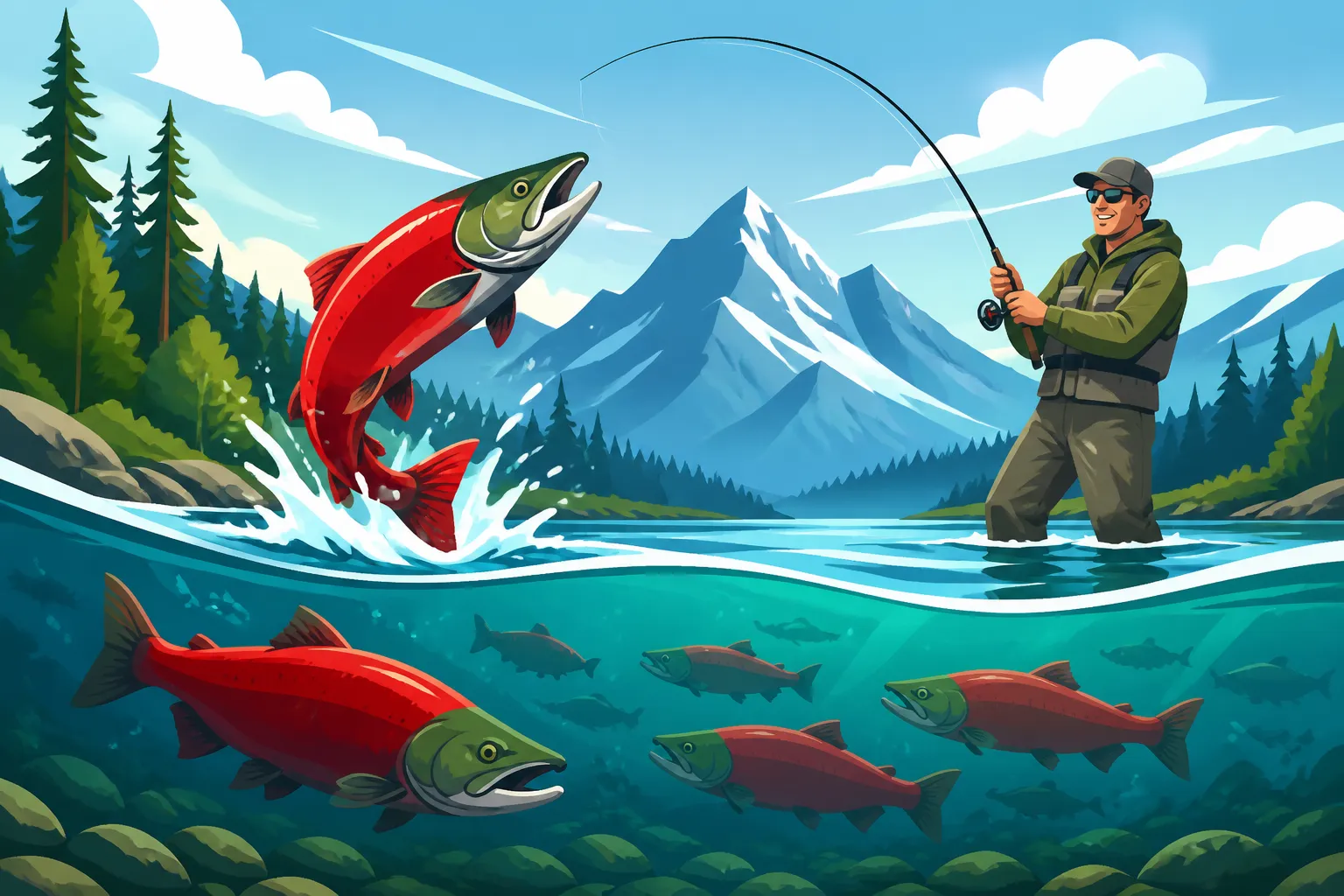
When their time in the ocean is complete, driven by an ancient instinct, adult sockeye begin their incredible return migration back to the exact freshwater systems where they were born. This upstream journey is arduous, often covering hundreds, if not thousands, of kilometres against strong currents. During this migration, their bodies undergo a dramatic transformation; their silvery ocean phase gives way to a vibrant red body with a green head, and the males develop a pronounced hump on their backs. It's during this homeward push that they become accessible to anglers, though their focus shifts entirely from feeding to spawning. Understanding this journey, as detailed in our guide on Sockeye Salmon Life Cycle in the Fraser System, is key to anticipating their presence and behaviour.
Unique Characteristics and Identification
Sockeye salmon are perhaps the most visually striking of the Pacific salmon species when they enter their spawning phase. While in the ocean, they are sleek and silver with fine scales and dark backs, similar to other salmon. However, upon entering freshwater to spawn, they transform. Their bodies turn a brilliant, almost shocking, crimson red, and their heads become a distinct olive green. Males develop a noticeable humped back and hooked jaw (kype), making them easily identifiable. Their eyes are also relatively large compared to other salmon species.
Distinguishing sockeye from other salmon is crucial for anglers, especially given varying regulations for different species. For instance, while a Chinook might be a powerful fighter, a sockeye's aerial acrobatics are often what define the battle. Their mouths are generally smaller than those of Chinook or Coho, which impacts the type of tackle and techniques that are most effective. Knowing these physical traits not only helps with identification but also informs your fishing strategy. Their smaller size compared to trophy Chinook or Sturgeon means your gear choices will need to be appropriate, focusing on sensitivity and sport rather than brute strength.
Key Sockeye Runs in BC
British Columbia is blessed with several significant sockeye salmon runs, but none are quite as famous or as critical as the Fraser River run. The Fraser River system supports the largest sockeye population in the world, with millions of fish returning in peak years. These runs typically begin in late July and can extend through September, with specific timing varying greatly year to year based on environmental conditions and stock strength. The sheer volume of fish can be astounding, creating an electrifying atmosphere for anglers when the fishery is open.
Beyond the Fraser, other notable sockeye runs occur in various coastal rivers and inlets, particularly on Vancouver Island and along the North Coast. Rivers like the Stamp, Sproat, and Somass on Vancouver Island can see strong sockeye returns, offering incredible opportunities for anglers. Interior lakes such as Okanagan Lake also host resident sockeye populations (sometimes referred to as kokanee, which are landlocked sockeye), providing unique freshwater fishing experiences. However, the scale and management complexities of these smaller runs differ significantly from the immense Fraser River run, meaning local knowledge and close attention to How to Check BC Fishery Notices Before a Trip are absolutely essential.
Prime Sockeye Fishing Locations in BC
When it comes to sockeye fishing in British Columbia, location is everything. These fish are creatures of habit during their spawning migration, following ancestral paths with remarkable precision. Knowing where and when to find them can make all the difference between a memorable trip and a quiet day on the water.
The Mighty Fraser River System
The Fraser River is undeniably the epicentre of sockeye salmon fishing in British Columbia. This colossal river, stretching from the Rocky Mountains to the Pacific Ocean, serves as the migration highway for millions of sockeye. Anglers typically target sockeye in the lower and middle sections of the Fraser, particularly from Chilliwack upstream to Hope and beyond into the Fraser Canyon. Access points along the river are numerous, from established provincial parks with boat launches to lesser-known riverbanks favoured by local bar fishers.
Fishing the Fraser is a unique experience. Its vastness means that even with millions of fish, they can seem like needles in a haystack. Many anglers choose to fish from anchored boats, deploying multiple rods, or try their luck from shore, often using specialized bar fishing techniques. The sheer power of the current requires robust gear and a deep understanding of river dynamics. Conditions on the Fraser can change rapidly, with water levels and clarity fluctuating, directly impacting fishing success. You'll find more insights into tackling this legendary river in our dedicated Fraser River Fishing Guide.
Coastal Inlets and Tributaries
While the Fraser steals much of the sockeye spotlight, BC's intricate coastline offers other fantastic opportunities. Many smaller rivers and coastal inlets, particularly those feeding into larger lakes, host their own distinct sockeye runs. Places like Barkley Sound and the inlets around the Discovery Islands can offer tidal water opportunities before the sockeye enter the rivers, or specific rivers on Vancouver Island, like the Somass or Stamp River, can be incredibly productive. These coastal runs are often smaller in scale but can provide intensely rewarding fishing in a more intimate setting.
Fishing these coastal areas can involve different techniques, from trolling in saltwater bays to targeting fish as they stage at river mouths or enter the lower reaches of tributaries. The scenery alone in many of these coastal spots is breathtaking, adding to the overall experience. However, these fisheries are often subject to highly specific and sometimes brief opening windows, making it critical to monitor local fishery notices closely. A day spent chasing coastal sockeye can offer a stark contrast to the Fraser, with different challenges and rewards.
Interior Lakes with Resident Sockeye
It's a common misconception that all sockeye salmon must return to the ocean. In British Columbia, several interior lakes are home to landlocked sockeye, commonly known as kokanee. These fish complete their entire life cycle within freshwater, never migrating to the ocean. Lakes like Okanagan Lake, Kootenay Lake, and Shuswap Lake are renowned kokanee fisheries, offering a different kind of sockeye experience. Kokanee are typically smaller than their ocean-going cousins but are incredibly feisty and delicious.
Fishing for kokanee often involves trolling with specialized gear, focusing on specific depths where these schooling fish feed on zooplankton. They are vibrant, active fish, and catching a limit can be a fast-paced and exciting endeavour. While not the iconic "red fish" of the Fraser, kokanee provide consistent angling opportunities and are a fantastic introduction to the sockeye family. They offer a more predictable fishery in many ways, less susceptible to the large-scale closures that can affect the ocean-migrating sockeye, though their size is generally smaller.
Timing Your Sockeye Salmon Adventure
Timing is arguably the single most critical factor in successful sockeye salmon fishing in British Columbia. These fish adhere to strict biological clocks, returning to their spawning grounds within relatively narrow windows. Miss the window, and you might miss the run entirely. Moreover, regulatory bodies closely monitor these runs, often opening and closing fisheries with short notice based on conservation needs, leading to significant angler frustrations if not followed closely.
Peak Season for Fraser River Sockeye
The Fraser River sockeye run is the most anticipated and closely watched fishery in BC. While sockeye can start entering the river system in late July, the peak of the run typically occurs from mid-August through early September. This is when the largest numbers of fish are migrating upstream, and if the fishery is open, it can provide some of the most phenomenal salmon fishing experiences anywhere. Anglers often start preparing months in advance, scouting locations and getting their gear ready for what could be a short but intense season.
However, it's crucial to understand that the Fraser River sockeye run is not an annual guarantee. Some years see massive returns, while others are alarmingly low due to a complex interplay of ocean conditions, predation, and climate change. Due to these fluctuations, the Department of Fisheries and Oceans (DFO) makes in-season decisions about openings and closures. What might be a wide-open fishery one week could be shut down the next. This unpredictability makes staying informed through official DFO fishery notices absolutely vital. For example, a major component of conservation efforts involves BC Fraser River Sockeye Closure Windows that are predetermined to protect critical stocks.
Coastal Sockeye Run Windows
Coastal sockeye runs, particularly those associated with Vancouver Island rivers, often have slightly different timing than the Fraser. These runs can sometimes begin earlier, with fish staging in tidal waters in July before pushing into rivers in August. Rivers like the Stamp or Somass may see their sockeye returns peaking in late summer or early fall, depending on the specific stock and environmental conditions, such as rainfall which can trigger fish to move upstream.
These coastal opportunities can be less crowded than the Fraser, offering a more serene fishing experience. However, like all sockeye fisheries, they are managed with extreme caution. Local conditions, such as water levels, water temperatures, and the specific health of individual stocks, all play a role in determining if and when a fishery opens. Anglers keen on these coastal adventures must be diligent in checking localized DFO notices for specific areas, as rules can vary greatly from one river system to another. This hyper-local approach to timing is essential for success.
Understanding Fishery Notices and Openings
Perhaps the biggest hurdle for sockeye anglers is navigating the ever-changing landscape of fishery regulations. Unlike some other salmon species or resident trout, sockeye fisheries, especially on the Fraser River, are often managed in-season, with openings and closures sometimes announced with only a day or two's notice. This is due to the DFO's mandate to ensure conservation first, reacting in real-time to run size assessments and migratory behaviour. These quick changes can be a source of frustration, leading anglers to spend hours preparing for a trip only to find the fishery closed.
To stay on top of these dynamic regulations, there are several key resources. The DFO website is the official source for all fishery notices and updates. Many local tackle shops and fishing forums also provide invaluable real-time information and community insights. It's not enough to check once; savvy sockeye anglers check daily, sometimes multiple times a day, particularly during peak season. Understanding the BC Fishing Regulations Explained is a fundamental step, but staying current with BC Fishery Notices and In-Season Closures, Explained is what really allows you to hit the water when the opportunity arises. It's a testament to the commitment of BC's sockeye anglers that they remain so dedicated despite these regulatory challenges.
Essential Gear for Sockeye Salmon Fishing
Sockeye salmon, though smaller than Chinook, are powerful, acrobatic fighters. Having the right gear isn't just about comfort; it's about maximizing your chances of success while minimizing stress on the fish. Specialized equipment can make a significant difference, especially when you're dealing with the unique habits of sockeye in diverse fishing environments.
Rods, Reels, and Line Selection
For sockeye fishing, particularly on the Fraser River, you'll want gear that can handle strong currents and powerful runs, yet still offer enough sensitivity to detect subtle bites. A medium-heavy to heavy action casting or spinning rod, typically 9 to 10.5 feet long, is a popular choice for bar fishing or boat anchoring. The extra length helps with casting heavier weights and provides leverage when fighting fish in strong currents. For reels, a levelwind baitcasting reel with a good drag system or a robust spinning reel in the 4000-6000 size range is ideal. You'll need capacity for plenty of line.
When it comes to line, braid is often preferred for its no-stretch sensitivity and strength, typically in the 30-50 lb test range for the main line. A leader of 20-30 lb monofilament or fluorocarbon is then tied to the braid. The stretch in mono/fluoro can act as a shock absorber during violent head shakes, and its invisibility underwater can be an advantage. For those targeting sockeye in smaller coastal rivers or lakes, a lighter setup might be more appropriate, perhaps a medium action rod and a 2500-4000 series spinning reel with 15-20 lb braid. Investing in quality gear pays off, ensuring you have the strength and finesse needed. You can often find a wide range of options, from entry-level combos to high-performance setups, by browsing dedicated fishing retailers or platforms like Amazon.
Terminal Tackle and Lure Choices
Sockeye salmon, during their spawning migration, famously stop feeding once they enter freshwater. This means they aren't striking out of hunger but rather out of aggression, curiosity, or instinct. As a result, specific lure choices are paramount. Small, brightly coloured hootchies (squid skirts), often in pink, red, or orange, are incredibly effective. They are typically fished behind a flasher or dodger to attract attention and create an erratic swimming motion. Bare hooks adorned with a bit of bright yarn, beads, or small floats in similar colours also work wonders.
Weight is another crucial component, especially in strong river currents. Slinky weights (a mesh tube filled with lead shot) or conventional lead weights from 2 to 10 ounces (or even heavier in the Fraser Canyon) are common, depending on the current speed and depth. Swivels, beads, and strong single hooks (often sized #1 or #2) complete the terminal setup. The goal is to present your offering directly in the sockeye's path, at the correct depth, allowing the current to impart action. Carrying a variety of colours and weights allows you to adapt to changing conditions. You might find specialty tackle kits containing these unique sockeye lures available on Amazon, making it convenient to stock up.
Boating and Safety Equipment
For many sockeye anglers, especially on the vast Fraser River, a boat is indispensable. Jet boats are particularly popular for their ability to navigate shallow waters and strong currents, providing access to prime fishing locations that are otherwise unreachable. However, any sturdy boat capable of handling river conditions, equipped with a reliable engine, can work. Make sure your boat meets all BC Boating Laws for Anglers requirements, including proper registration and safety gear.
Safety on the water cannot be overstated. Beyond your fishing tackle, essential safety equipment includes properly sized life jackets for everyone on board (easily found on Amazon), a first-aid kit, signaling devices (whistle, flares), a bailing device, and a fully charged cell phone. If you're on the Fraser, especially in its lower reaches where commercial traffic is present, a VHF radio is highly recommended. Always check the weather forecast before heading out, and let someone know your float plan. The Fraser can be unforgiving, so prioritize safety above all else.
| Item | Recommendation | Why it's Important |
|---|---|---|
| Rod | 9-10.5 ft, Medium-Heavy/Heavy Action | Provides casting distance, leverage, and power for strong currents and big fish. |
| Reel | Levelwind Baitcaster or 4000-6000 Spinning | High line capacity, robust drag for fighting powerful sockeye. |
| Main Line | 30-50 lb Braided Line | Low stretch for sensitivity, high strength for currents and snags. |
| Leader | 20-30 lb Monofilament/Fluorocarbon | Shock absorption for head shakes, less visible in water. |
| Lures | Small Hootchies (pink/red/orange) | Mimics prey or triggers aggression, highly effective during spawning migration. |
| Attractors | Flashers or Dodgers | Creates vibration and visual attraction, drawing sockeye to your lure. |
| Weights | Slinky or Lead Weights (2-10+ oz) | Gets your lure to the correct depth in strong currents. |
| Hooks | #1 or #2 Single Hooks | Strong, sharp, and the correct size for sockeye's mouth, meets regulations. |
| Life Jackets | Transport Canada Approved for everyone | Essential safety gear, legally required, saves lives. |
| First-Aid Kit | Comprehensive kit | Prepared for minor injuries or emergencies on the water. |
Effective Sockeye Salmon Fishing Techniques
Sockeye salmon fishing is a game of presentation and precision, particularly because these fish aren't actively feeding. The techniques you employ need to account for their aggressive, instinctual strikes rather than hunger-driven bites. Mastering these methods will significantly increase your odds of success.
Bar Fishing and Anchoring Strategies
Bar fishing is a classic and highly effective method for targeting sockeye on large rivers like the Fraser. This technique involves anchoring a boat (or setting up from shore on a gravel bar) in a prime travel lane where sockeye are likely to migrate upstream. Multiple rods are then set up in rod holders, casting out heavy weights to hold the line in the strong current. The idea is to present your lure or bait directly in the fish's path, hoping they'll strike out of aggression or curiosity.
Key to bar fishing success is finding the right spot. Look for seams where faster current meets slower water, or deeper channels that sockeye prefer for their upstream journey. Tides can also play a huge role in the lower Fraser, with incoming tides often concentrating fish. Once anchored, it's a waiting game. The goal is to keep your offering stationary or slowly tumbling near the bottom where sockeye are moving. Regular checks for snags and maintaining line tension are crucial. This method allows for a more relaxed social fishing experience, but it requires patience and a good understanding of river currents.
Boat Trolling and Downrigger Setups
While bar fishing is prominent in rivers, trolling is a highly effective method for sockeye in lakes (like for kokanee) and some tidal waters before they enter the rivers. Trolling involves moving your boat at a slow, consistent speed while dragging lures behind, often at specific depths. For sockeye, especially kokanee, specialized trolling gear is often used. This includes downriggers to precisely control lure depth, small dodgers or flashers to create attraction, and brightly coloured hootchies or wedding rings.
When trolling for sockeye, paying attention to your depth sounder is critical. Sockeye often school at specific depths, which can vary throughout the day or depending on light conditions and water temperature (which is very important, as explained in What water temperature salmon prefer). Experiment with different depths, lure colours, and trolling speeds until you find what the fish are keying in on. The subtle flutter of a hootchie behind a flasher is often irresistible. This method demands active participation, constantly adjusting your spread and speed to cover different water columns and locate active fish.
Float Fishing and Spey Casting
For those who enjoy a more active and intimate fishing experience, float fishing or even spey casting can be effective in certain sockeye-bearing rivers, particularly those with more moderate currents or distinct holding pools. Float fishing, similar to how one might target steelhead, involves using a large float (or "bobber") to suspend a weighted lure or bait (often a bare hook with yarn or a small jig) at a precise depth, allowing it to drift naturally downstream in the current.
The key to successful float fishing for sockeye is identifying runs and seams where fish are likely to travel or hold. A natural, drag-free drift is paramount. The float acts as your strike indicator, dipping or disappearing when a sockeye takes the offering. Spey casting, a specialized fly-fishing technique, can also be employed in suitable waters, swinging bright, flashy flies through known travel lanes. While perhaps less common for the main Fraser River sockeye run due to sheer current and depth, these methods offer a hands-on, sporting challenge in smaller tributaries or calmer sections.
Sockeye Conservation and Regulations
Fishing for sockeye salmon in British Columbia isn't just about catching fish; it's about being a responsible steward of a precious and often vulnerable resource. Sockeye populations can fluctuate wildly, making conservation efforts and adherence to regulations absolutely paramount. Failing to understand and follow these rules can lead to severe penalties and jeopardize future fishing opportunities.
Bag Limits and Possession Rules
One of the most immediate aspects of sockeye salmon regulations that anglers face are bag limits and possession limits. Bag limits dictate how many sockeye you can catch and keep in a single day, while possession limits specify the total number of sockeye you can have in your possession, including those at home, in your cooler, or frozen. These numbers can vary significantly depending on the specific run, the river system, and the year. For instance, the Fraser River sockeye run may have a bag limit of two or four fish per day when open, but these numbers are highly dynamic.
It's absolutely critical to consult the most current BC Bag and Possession Limits by Species for the specific area and time you are fishing. These limits are in place to ensure a sustainable harvest, allowing enough fish to reach their spawning grounds to perpetuate the run. Miscounting, confusion between species, or simply not knowing the current limits can lead to hefty fines and confiscation of gear and catch. Always err on the side of caution and if in doubt, release the fish.
Catch and Release Best Practices
Even when a sockeye fishery is open, some anglers may choose to practice catch and release, or it may be required if you catch a sockeye outside of an open window or species-specific regulation. Implementing proper catch and release techniques is vital for the survival of the fish, especially considering their arduous migration. The goal is to minimize stress and physical harm to the salmon.
Here are some best practices:
- Use Barbless Hooks: This is often a legal requirement in BC and makes hook removal much easier, reducing tissue damage.
- Minimize Fight Time: Use appropriate gear to land the fish quickly, reducing exhaustion.
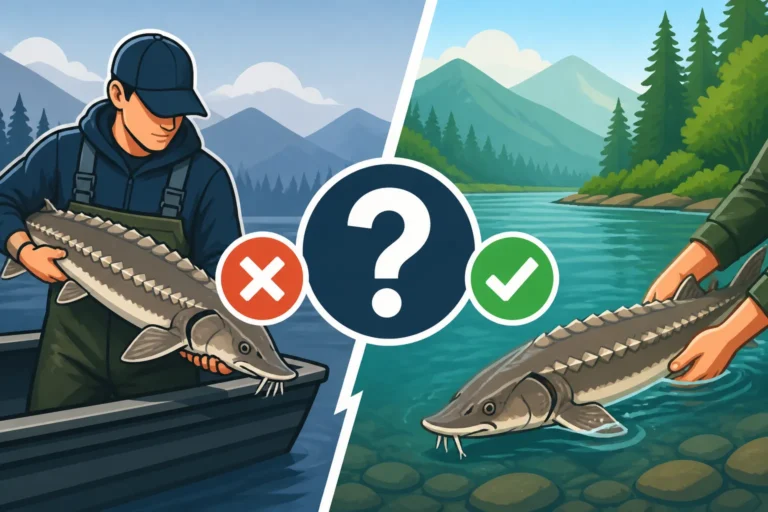
- Keep Fish in Water: Avoid removing the fish from the water if possible. This protects their delicate slime coat and gills. If you must lift it for a photo, do so quickly and support its body horizontally.
- Wet Hands: Always wet your hands before handling a fish to protect its slime coat.
- Gentle Hook Removal: Use needle-nose pliers or a dehooker to gently remove the hook. If the fish is deeply hooked, cut the line as close to the hook as possible.
- Revive Fish: Hold the fish upright in the current, allowing water to flow over its gills, until it regains its strength and swims away on its own.
These practices, though simple, have a profound impact on the survival rates of released fish, contributing to the overall health of the sockeye population.
Understanding Fraser River Sockeye Closures
The Fraser River sockeye run is perhaps the most heavily managed fishery in BC, characterized by frequent and often sudden openings and closures. These closures are not arbitrary; they are critical conservation measures implemented by DFO based on real-time assessments of run size, timing, and marine survival. Anglers often face the frustration of planning a trip, only to find the fishery closed due to conservation concerns or to protect specific, weaker sockeye stocks.
For example, there may be specific BC Fraser River Sockeye Closure Windows designed to protect certain runs that are more vulnerable. These closures can be for entire areas, specific species, or even certain fishing methods. Staying informed is your biggest ally here. Always check the DFO fishery notices immediately before heading out. Local tackle shops are also invaluable resources for the latest information. Failure to abide by a closure, even inadvertently, is a serious offense that carries significant fines and may result in the loss of your fishing license and gear. Respecting these closures is a collective responsibility for all anglers to ensure that these magnificent fish continue their journey for generations to come.
Preparing and Enjoying Your Sockeye Catch
After successfully navigating the regulations, braving the elements, and outwitting one of BC's most sought-after salmon species, the reward is a beautiful sockeye salmon. How you handle, clean, and prepare your catch can significantly impact its quality and taste. Taking the time to do it right ensures you get the most out of your hard-earned meal.
Handling Your Sockeye Onboard
The moment you land a sockeye, the clock starts ticking to preserve its quality. The first step is humane dispatch. A swift, firm blow to the head will quickly stun the fish, minimizing stress and preventing the release of cortisol, which can negatively affect meat quality. Once dispatched, it's crucial to bleed the fish immediately. This is done by cutting the gills or severing the artery under the throat. Bleeding allows excess blood to drain from the flesh, resulting in cleaner, better-tasting fillets.
After bleeding, immerse the fish in a cooler filled with ice slurry (a mix of ice and water). This rapid cooling slows down spoilage and bacterial growth. Simply tossing fish onto dry ice or into a warm cooler will compromise its quality. The ice slurry should completely surround the fish. Keeping the fish cold and wet is paramount from the moment it leaves the water until it's ready for cleaning. Proper handling immediately after the catch ensures the vibrant colour and rich flavour of the sockeye are maintained.
Cleaning and Filleting Tips
Cleaning and filleting a sockeye salmon is a skill that improves with practice, but a sharp knife and a clean workspace are essential.
Here’s a basic approach:
- Scaling (Optional): Some prefer to scale the fish if leaving the skin on. If filleting, this step can be skipped.
- Gutting: Make a shallow cut from the vent to the gills, being careful not to puncture the intestines. Remove all organs and rinse the cavity thoroughly. Scrape out the bloodline along the backbone with a spoon or your thumbnail.
- Filleting:
- Lay the fish on its side. Make a cut behind the pectoral fin, down to the backbone.
- Turn your knife flat and run it along the backbone towards the tail, separating the fillet.
- Flip the fillet over and carefully remove the rib cage bones.
- Run your finger along the centre of the fillet to find any remaining pin bones; remove them with pliers.
- Repeat on the other side.
- If desired, separate the skin from the flesh by holding the tail end and sliding a sharp knife between the skin and meat, angled slightly towards the skin.
Keep all surfaces and your hands clean throughout the process to prevent cross-contamination. Work quickly to keep the fillets cold.
Best Culinary Uses for Sockeye
Sockeye salmon is prized worldwide for its firm texture, rich red colour, and distinct flavour. It's often considered the "king" of flavour among the Pacific salmon species. Its high oil content makes it incredibly versatile in the kitchen.
Some of the best ways to enjoy your sockeye include:
- Grilling: A simple preparation with a little olive oil, salt, and pepper on the grill is fantastic. The skin crisps up beautifully.
- Baking: Baked sockeye with lemon, dill, and butter or a glaze of maple syrup and soy sauce is always a crowd-pleaser.
- Smoking: Sockeye takes to smoking exceptionally well, yielding tender, flavourful flakes perfect for dips, salads, or just eating straight.
- Pan-Searing: For a quick meal, pan-searing skin-side down results in crispy skin and moist, flaky flesh.
- Sushi/Sashimi: If handled with extreme care and kept impeccably fresh and cold from catch, sockeye can be enjoyed raw, showcasing its pristine texture and flavour. Always ensure it's fish-grade quality if consuming raw.
Beyond the main fillets, don't discard the collars, bellies, or even the head and bones. Salmon collars are incredibly flavourful when grilled, and the bones make excellent stock for soups and sauces. Every part of a sockeye can be utilized, making it an incredibly rewarding catch both on the water and in the kitchen.
Disclaimer
This article is for general informational purposes only and does not constitute professional advice. Laws, prices and regulations vary by location and change over time. Consult a qualified professional for guidance on your specific situation.