Sturgeon catch and release survival tips
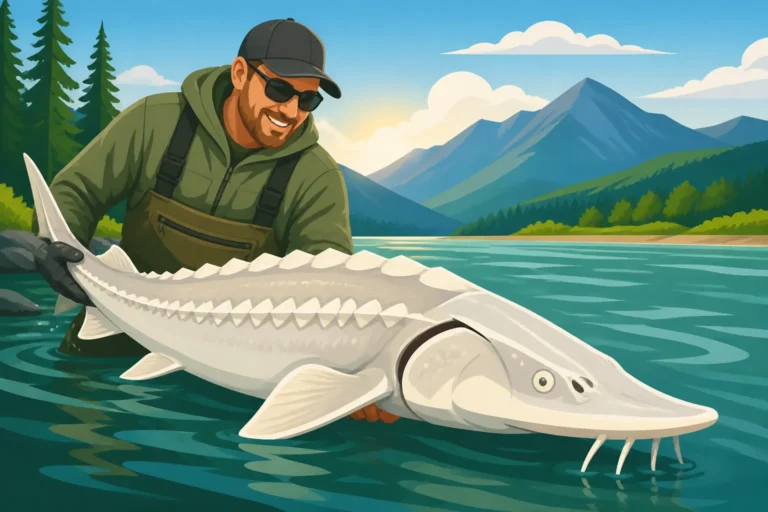
Catching a magnificent White Sturgeon on British Columbia's Fraser River is an experience many anglers dream of, a true battle with a prehistoric giant. But the immense power and incredible size of these fish also come with a huge responsibility: ensuring their survival after release. It can be daunting to handle such a large, powerful creature, especially knowing how precious they are. This guide will walk you through essential sturgeon catch and release survival tips, helping you protect these amazing fish for generations to come.
Understanding Why Sturgeon Need Our Extra Care
When you hook into a White Sturgeon, you're not just fighting a fish; you're connecting with an ancient lineage, some individuals of which are well over a hundred years old and incredibly large. Unlike most fish, sturgeon have a cartilaginous skeleton, not bone, and lack scales, making them particularly vulnerable to injury and stress. This unique physiology means that careful handling isn't just a recommendation—it's absolutely critical for their survival.
The Sturgeon's Delicate Physiology
Imagine a creature that can live for over 150 years, grow to an incredible length, and weigh more than a small car. That's the White Sturgeon. Their long, slender bodies are protected by rows of bony plates called scutes, but between these plates, their skin is relatively soft and prone to abrasions. Their internal organs are also quite delicate, and improper handling can cause serious, often fatal, internal damage. Furthermore, their gills, essential for oxygen exchange, are fragile. Prolonged air exposure, common with improper handling, can cause severe respiratory distress, similar to a human holding their breath for too long. These giants are built for life underwater, and every moment spent out of their element increases their stress and reduces their chances of survival. This is why practices like supporting their entire body weight when lifted, or ideally, keeping them in the water, are non-negotiable for responsible anglers.
The Weight of Responsibility: Why Every Release Matters
When you’re fishing for White Sturgeon on the Fraser River or other BC waters, you’re engaging in a strictly catch-and-release fishery. It's not just a polite suggestion; it's the law. The species is listed as provincially vulnerable, and population recovery efforts are ongoing. This means every single sturgeon you encounter, from a small "schoolie" to a record-breaker, holds immense value for the future of the species. Think about it: a fish that might be older than your grandparents is now in your hands. The decision to fish for sturgeon comes with a profound ethical obligation to minimize any potential harm. A successful release isn't just about watching the fish swim away; it's about ensuring it swims away with the best possible chance of long-term survival, able to feed, grow, and eventually spawn. Ignoring proper handling techniques can lead to delayed mortality, where a sturgeon might appear to swim away fine, but succumbs to stress or injury hours or even days later. That’s why understanding and practicing these Sturgeon catch and release survival tips is paramount. For more on the rules, check out BC Fraser River Sturgeon Catch and Release Requirement.
Essential Gear and Setup for Responsible Sturgeon Fishing
Having the right gear isn't just about landing the fish; it's fundamentally about protecting it. Trying to land a massive sturgeon with inadequate tackle is a recipe for disaster, prolonging the fight, exhausting the fish, and increasing the risk of injury during handling. You need gear that allows you to subdue the fish efficiently and safely, minimizing stress and maximizing the chances of a strong release.
Rods, Reels, and Line: Power with Finesse
When targeting White Sturgeon, especially the larger specimens found in the Fraser River, your gear needs to be robust. Think heavy-duty.
- Rods: You'll want a strong, medium-heavy to heavy action rod, typically 7.5 to 9 feet long. The backbone of the rod needs to be substantial enough to apply serious pressure without breaking, but still have enough flex in the tip to absorb the powerful runs and head shakes of a large sturgeon. Many dedicated sturgeon anglers opt for specialized "sturgeon rods" which are designed for this exact purpose.
- Reels: A high-quality, heavy-duty conventional baitcasting reel is essential. It needs a smooth, powerful drag system and a high line capacity. The drag is your primary tool for managing the fight; a sticky or weak drag will lead to drawn-out battles that exhaust both you and the fish. Brands known for their robust saltwater or catfish reels often cross over well into sturgeon fishing.
- Line: Your main line should be braided, with a breaking strength of at least 80-150 pounds, depending on the average size of fish in your target area. Braided line offers incredible strength, minimal stretch, and excellent abrasion resistance, which is crucial when fishing in snag-filled rivers like the Fraser. Avoid monofilament as a main line for sturgeon; its stretch can prolong the fight and reduce your ability to feel subtle bites or adjust to the fish's movements. You can often find a great selection of these specialized items on platforms like Amazon, ensuring you have the right tools for the job.
The goal is to bring the fish to the boat or shore as quickly and efficiently as possible without overstressing it. A prolonged fight, especially in warmer water, can be fatal.
Hooks, Leaders, and Landing Nets: Minimizing Harm
These components are your direct contact with the fish and are paramount in preventing injury.
- Hooks: Circle hooks are non-negotiable for sturgeon fishing. They are designed to hook fish in the corner of the mouth, significantly reducing the chance of gut-hooking, which is almost always fatal for sturgeon. The hook size will vary, but typically ranges from 7/0 to 12/0, chosen to match your bait and target fish size. Always use strong, sharp, high-quality circle hooks. Never use J-hooks when targeting sturgeon. Even a slight risk of gut-hooking is too much for this protected species.
- Leaders: Your leader material should be strong and abrasion-resistant. Heavy monofilament or fluorocarbon (100-200 lb test) is common, designed to withstand the sturgeon's rough mouth and powerful thrashes. Some anglers even use cable leaders if allowed by local regulations, especially when fishing areas known for snags. The length of your leader should be appropriate to prevent the main braided line from rubbing against the fish's scutes or mouth.
- Landing Gear: This is where many anglers make mistakes. Traditional nets are generally inadequate for sturgeon. You need a specialized sturgeon cradle or a large, robust landing net specifically designed for large fish. The cradle is ideal as it allows the fish to be lifted and handled entirely within the water, minimizing stress and preventing internal injuries from its own weight. If using a net, ensure it's knotless and large enough to safely contain the sturgeon's entire body. Never lift a large sturgeon by its head or tail, or by holding it vertically, as this can cause severe spinal damage. For smaller sturgeon, a very large, knotless rubberized net can work, but for anything over 4-5 feet, a cradle is the safest option. Many reputable fishing stores and online retailers like Amazon carry these specialized sturgeon cradles.
| Gear Item | Key Features for Sturgeon C&R | Why It Matters |
|---|---|---|
| Rod | Heavy action, 7.5-9 ft, strong backbone | Efficiently subdues fish, minimizes fight time and exhaustion |
| Reel | Heavy-duty baitcaster, smooth/powerful drag, high line capacity | Controls powerful runs, prevents excessive stress on fish and gear |
| Main Line | Braided, 80-150 lb test, low stretch, abrasion resistant | Strong, sensitive, reduces fight duration, withstands river hazards |
| Hooks | Circle hooks (7/0 – 12/0), strong, sharp | Drastically reduces gut-hooking, promotes mouth hooks for easy removal |
| Leaders | Heavy mono/fluoro (100-200 lb), abrasion resistant | Prevents line breaks, withstands rough sturgeon mouths and scutes |
| Landing Net | Specialized sturgeon cradle or very large, knotless rubberized net | Safely lands and handles fish in the water, prevents internal damage and stress |
The Catch and Release Process: Step-by-Step for Success
The moment you feel that unmistakable pull, your focus shifts to the battle—but also to the eventual release. Every action from hook-up to swim-away impacts the sturgeon's survival. This isn't just about getting it to the boat; it's about getting it back into the river in the best possible shape.
The Fight: A Balancing Act
When a sturgeon takes your bait, resist the urge to immediately set the hook like you would a bass. With circle hooks, let the fish take the bait and swim away, allowing the hook to roll into the corner of its mouth. Then, simply apply steady pressure by lifting the rod.
- Minimize Fight Time: Once hooked, apply as much pressure as your tackle and skill allow to bring the fish in quickly. Prolonged fights, especially in warm water or strong currents, can deplete a sturgeon's energy reserves and lactic acid buildup to dangerous levels, leading to post-release mortality. Pump and reel, rather than just cranking, to gain line efficiently. Don't horse the fish, but don't coddle it either.
- Keep the Fish in Deep Water: Try to keep the fight in deeper water where the sturgeon has access to cooler, oxygen-rich conditions. If you're fishing from a boat, follow the fish to keep it in deeper water and away from shallow, obstacle-filled areas. For more tips on finding these giants, you might want to read Best sturgeon spots on the Lower Fraser River.
Handling at the Boat or Shore: Keeping Them Wet
This is perhaps the most critical stage for sturgeon survival. The less time a sturgeon spends out of water, the better.
- In-Water Release is Key: For smaller sturgeon (under 5 feet), it's often possible to unhook them without removing them from the water entirely. If you're on shore, lead them into shallow water but ensure their gills remain submerged.
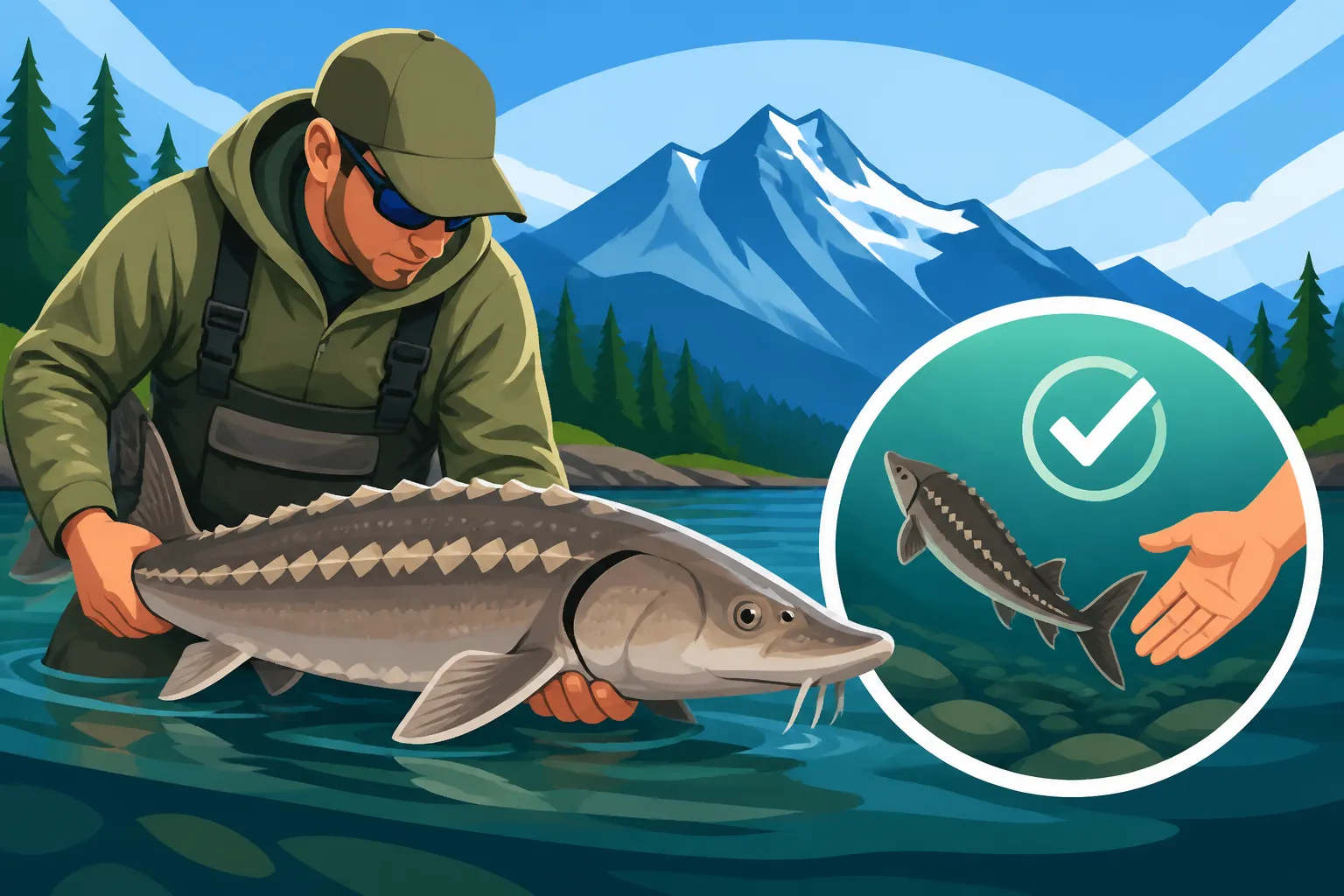
- Using a Sturgeon Cradle: For larger fish, a specialized sturgeon cradle is invaluable. Once the fish is alongside the boat or in shallow water, gently guide it into the cradle. This allows you to safely lift and support its entire body while keeping it partially submerged. This minimizes stress and prevents potential injury to internal organs or damage from its own weight.
- Quick Unhooking: With the sturgeon secured and calm in the cradle or alongside the boat/shore, quickly remove the hook. Circle hooks typically make this easy, as they're usually in the corner of the mouth. Use long-nosed pliers or a de-hooking tool. If the hook is deeply embedded or difficult to remove, cut the leader as close to the hook as possible. A hook left in the mouth is often less detrimental than prolonged handling and extensive trauma from forced removal.
- Minimal Air Exposure: If you must take the fish partially out of the water for a quick measurement or photo, ensure it's only for a matter of seconds. Keep its head covered with a wet cloth and support its body fully horizontally. Never lift a sturgeon vertically by the head or tail, as this can dislocate its spine or cause internal damage from gravity pulling on its organs. Always have a measuring tape ready and pre-set on the boat or shore to get a quick measurement of its Sturgeon growth rate to trophy size.
The Release: Ensuring a Strong Swim Away
The release isn't finished until the sturgeon is actively swimming away under its own power.
- Support and Revive: Gently release the fish from the cradle or net. For larger fish, especially if the fight was long, support the sturgeon upright in the water, facing into a gentle current (if available). Hold it by the tail and under the belly, allowing water to flow over its gills. You'll feel it regain strength, often with powerful tail beats.
- Wait for a Strong Departure: Don't let go until the fish gives a strong kick and attempts to swim away on its own. If it seems sluggish, continue to support and revive it. This can sometimes take several minutes, but it's crucial for ensuring survival.
- Document and Report: Many areas have citizen science programs where you can report your catch, including measurements and any tag numbers. This data is vital for tracking the health and population of these incredible fish. Always remember, the survival of these fish is paramount, and your responsible actions contribute directly to their future.
Post-Release Monitoring and What to Do If Things Go Wrong
Even after a seemingly perfect release, the work isn't quite done. A responsible angler takes a moment to observe, ensuring the sturgeon truly recovers and swims away strong. Sometimes, despite our best efforts, a fish might need a little extra help.
Observing Their Departure
Once you've released a sturgeon, don't just immediately turn your attention to casting again. Take a moment, even a few minutes, to watch how it swims away.
- Look for Strong, Deliberate Movement: A healthy, recovering sturgeon should swim away with powerful, deliberate tail strokes, moving into deeper water. It should orient itself correctly, not float on its side or upside down. If it lingers near the surface or drifts listlessly, it might need more revival time. This is especially true for the truly massive individuals, which can take a bit longer to recover their equilibrium.
- Note Any Unusual Behavior: If the sturgeon struggles to maintain its balance, thrashes erratically without moving forward, or keeps returning to the surface, these are signs of distress. It could be overly exhausted, stressed, or have sustained an injury. Such observations are critical for understanding how your handling methods impact fish. If you're fishing with a guide, they often have refined techniques for this stage, providing a crucial learning experience. You can find excellent advice from pros in Best Sturgeon Guides on the Fraser River.
When a Sturgeon Needs Extra Help
Sometimes, a sturgeon just isn't ready to go, and it's our responsibility to assist it further.
- Continue Revival Efforts: If the fish shows signs of distress, gently guide it back into an upright position and continue supporting it in the current. Ensure water is flowing over its gills. You might need to gently "walk" the boat forward or move the fish to a slightly stronger current to aid in this process. This can be time-consuming, sometimes 10, 15, or even 20 minutes for very large or stressed fish, but it's vital.
- Consider a 'Buddy System': If you're fishing with others, having a buddy to take over supporting the fish while you rest your arms can be really helpful, especially with very large sturgeon. This ensures consistent support until the fish is ready.
- Never Give Up Prematurely: Do not abandon a distressed fish simply because it's taking too long to revive. Your dedication at this stage can be the difference between life and death for an ancient creature. Only when the sturgeon displays consistent, strong tail beats and swims away under its own power can you consider the release truly successful. In extremely rare cases, if a fish is clearly not going to make it despite prolonged efforts, it's often best to contact the local fisheries authorities, as they may want to examine the fish or provide further instructions. However, with proper technique, most sturgeon recover beautifully.
Remember, every sturgeon encounter is a privilege. By following these catch and release survival tips, you're not just ensuring the survival of an individual fish, but contributing to the health and future of this magnificent species in British Columbia's waters. It's a commitment that defines true conservation-minded anglers.
Disclaimer
This article is for general informational purposes only and does not constitute professional advice. Laws, prices and regulations vary by location and change over time. Consult a qualified professional for guidance on your specific situation.