Chinook Salmon Fishing in BC
There’s nothing quite like the thrill of hooking into a powerful Chinook salmon in British Columbia, but let's be real, figuring out when and where these magnificent fish are, what gear you actually need, and how to navigate the ever-changing regulations can feel like trying to solve a puzzle with half the pieces missing. This comprehensive guide is here to cut through the confusion, helping you understand the king salmon of BC, find your next legendary fishing spot, and equip you with the knowledge to make your next Chinook fishing adventure a resounding success.
Understanding the King of Salmon: What Makes Chinook Special in BC?
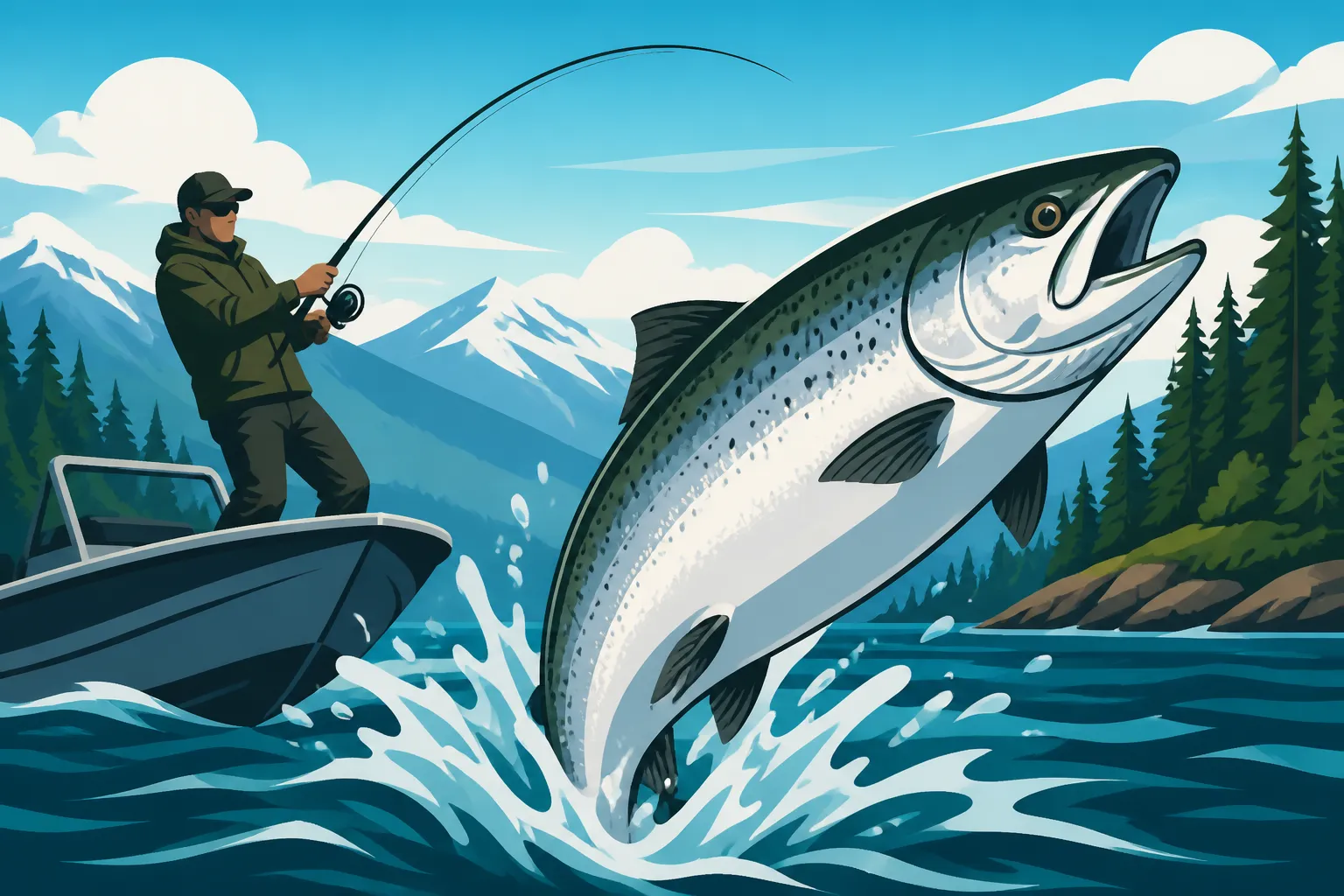
Chinook salmon, often reverently called "King Salmon" or "Spring Salmon" in British Columbia, aren't just another fish. They are an icon of the Pacific Northwest, renowned for their incredible size, brute strength, and delicious, rich flesh. For many anglers, catching a large Chinook is the ultimate BC fishing achievement, representing a true test of skill and endurance against one of nature's most formidable freshwater and saltwater adversaries. Their sheer power and willingness to put up a fight make every encounter a memorable one, often leaving anglers with sore arms and unforgettable stories.
These majestic fish have a profound cultural and ecological significance in British Columbia, deeply intertwined with Indigenous traditions and the natural health of our coastal and interior river systems. Their migrations are a spectacle of nature, drawing wildlife and people alike to witness their incredible journey. Understanding the Chinook isn't just about catching them; it's about appreciating their place in the ecosystem and the efforts made to conserve these vital populations for future generations of anglers and wildlife.
Chinook Life Cycle and Migration in BC Waters
The life story of a Chinook salmon is one of epic journeys and incredible transformations. It begins in the gravel beds of BC's freshwater rivers and streams, often far upstream from the ocean. Here, eggs are laid and eventually hatch into tiny alevin, which remain hidden in the gravel, feeding on their yolk sacs. Once they grow into fry, they emerge and begin to feed on small insects and crustaceans, spending anywhere from a few months to over a year in their natal freshwater environment. This early river life is crucial, shaping their instincts and preparing them for the vast ocean.
After their freshwater upbringing, juvenile Chinook, now called smolts, undergo a remarkable physiological change to adapt from fresh to saltwater, a process known as smoltification. They then embark on their incredible migration to the Pacific Ocean. These migrations can take them hundreds, even thousands, of kilometers from their birthplace, as they range widely across the North Pacific, feeding voraciously and growing rapidly. During this oceanic phase, they mature, building the incredible size and strength they are famous for. They spend an average of two to five years at sea, though some can stay longer, before the irresistible call of their home river draws them back.
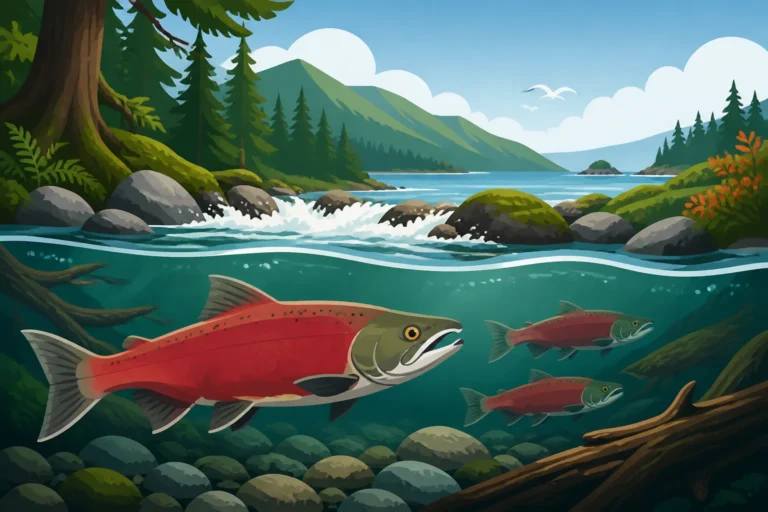
The return journey to their spawning grounds is perhaps the most famous part of their life cycle. Driven by an innate sense of smell and navigation, adult Chinook battle currents, overcome obstacles, and evade predators to reach the very same streams where they were born. This upstream migration is where most recreational angling for Chinook takes place, both in saltwater estuaries and up the major river systems. Once they spawn, their life cycle concludes, with their bodies contributing vital nutrients back to the ecosystem. Chinook Salmon Migration Patterns in BC are truly a marvel of nature, and understanding them is key to successful fishing.
Identifying Chinook Salmon: Key Characteristics
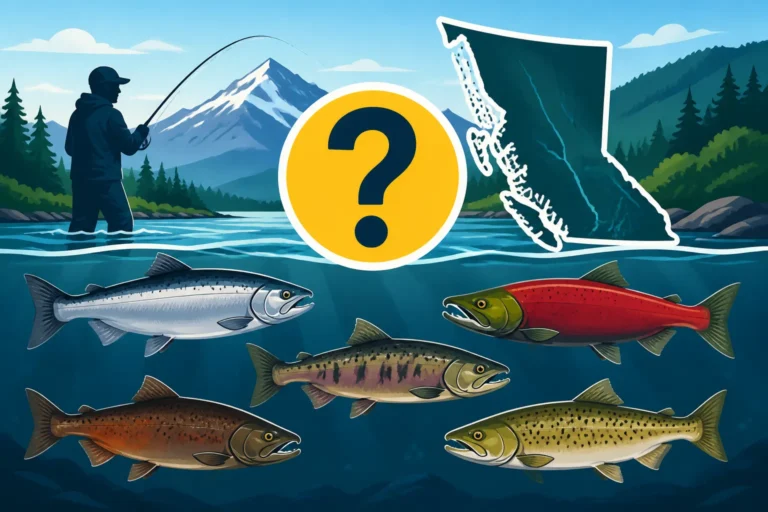
While all five species of Pacific salmon found in British Columbia are magnificent, Chinook have distinct features that help anglers identify them, even when they're fresh out of the ocean or changing colours for their spawning run. Knowing these characteristics is not just about bragging rights, it's essential for adhering to fishing regulations, which often have different limits and rules for different salmon species.
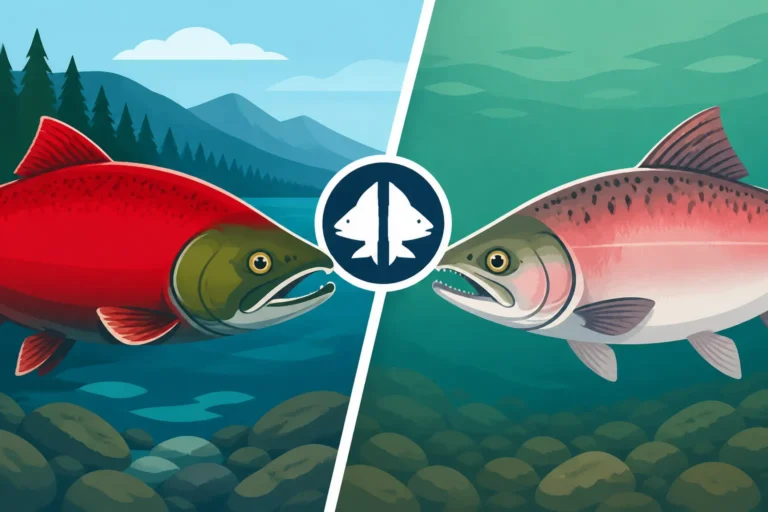
One of the most reliable identifiers for Chinook is their black gumline. If you gently lift the lip of a salmon you've caught, you'll see that the gums, both upper and lower, are entirely black. This contrasts with Coho salmon, which typically have white gums on the lower jaw, and other salmon species that lack this distinct feature. Additionally, Chinook often have irregularly shaped black spots on both lobes of their tail fin and across their back, though the spotting can vary in intensity. Their body shape is generally robust and deep-bodied, reflecting their powerful nature.
Their colouration also changes significantly from their pristine ocean phase to their spawning phase. In saltwater, Chinook are typically a brilliant iridescent blue-green on their backs, fading to silvery sides and a white belly. As they enter freshwater and prepare to spawn, their skin darkens and can develop a reddish-brown or olive-green hue, with males often developing a more pronounced kype (hooked jaw) and a noticeable dorsal hump. When you're out on the water, observing these details carefully can save you from misidentification and potential regulatory issues.
Why Chinook Are Prized by BC Anglers
Chinook salmon hold a special place in the hearts of BC anglers for a multitude of reasons, making them one of the most sought-after game fish in the province. The primary draw is undoubtedly their impressive size and strength. These fish grow larger than any other Pacific salmon, with individuals regularly exceeding 30 pounds, and true trophy fish pushing 50, 60, or even 70 pounds are not unheard of. Landing one of these giants is a battle of wills, requiring sturdy tackle, quick reflexes, and often, considerable physical effort. The sheer power of a big Chinook on the end of the line, peeling off hundreds of feet of line in a blistering run, is an experience that keeps anglers coming back year after year. How big chinook salmon get in BC is a common question, and the answer is always impressive.
Beyond their fighting prowess, Chinook are also highly valued for their culinary quality. Their flesh is rich, firm, and notoriously delicious, with a high oil content that makes them excellent for grilling, smoking, or baking. Many anglers consider Chinook to be the pinnacle of eating salmon, and a fresh fillet is a true gourmet treat. This combination of exhilarating sport and a rewarding meal makes Chinook fishing a holistic and incredibly satisfying experience.
Finally, the challenge and prestige associated with catching Chinook contribute to their allure. They can be elusive, requiring skill, patience, and a deep understanding of their habits and the local waters. Successfully targeting and landing a Chinook, especially a large one, is a badge of honour among BC anglers, representing a significant accomplishment in a region known worldwide for its exceptional salmon fishing.
Prime Time and Places: When and Where to Find BC Chinook
Timing and location are everything when it comes to Chinook salmon fishing in British Columbia. These fish undertake predictable migrations, but understanding the nuances of their seasonal movements and preferred habitats is what separates a hopeful angler from a consistently successful one. BC offers a vast and diverse landscape for Chinook, from deep coastal fjords to mighty inland rivers, each presenting unique opportunities at different times of the year.
Successfully targeting Chinook means staying informed about local conditions and fishery notices. Water levels, temperatures, and baitfish availability can all influence where and when Chinook congregate. Speaking with local tackle shops or experienced guides can provide invaluable, up-to-the-minute information that isn't always found in general guides. The dynamic nature of BC's fisheries means that flexibility and a willingness to adapt your plans are often key to a great day on the water.
Seasonal Runs: When Chinook Hit BC Rivers and Coastlines
British Columbia is blessed with Chinook salmon runs throughout much of the year, though the peak seasons and specific locations vary considerably. Generally, the fishing starts to pick up in the spring, with "Spring Salmon" (often immature Chinook that have overwintered in coastal waters or early returning mature fish) providing exciting opportunities in many nearshore marine areas. These early season fish are known for their feisty fights and bright, chrome-plated appearance. As spring progresses into early summer, more mature Chinook begin to gather, staging in coastal feeding grounds and estuaries, preparing for their river migrations.
The summer months (July and August) are often considered prime time for many of BC's major Chinook runs, particularly as they stage in large numbers along the coast before entering major river systems like the Fraser River, Skeena River, and Vancouver Island rivers. This is when some of the biggest fish of the year can be encountered in both saltwater and the lower reaches of rivers. As fall approaches (September and October), the focus shifts more heavily to river fisheries, as Chinook push further upstream towards their spawning grounds. While the fish might begin to show spawning colours, their power in the river current remains formidable. BC Fishing Seasons by Month gives a broader overview of opportunities across the province.
It's important to remember that specific run timings can fluctuate annually based on ocean conditions, water levels, and conservation efforts, so always check the latest regulations and fishery notices.
| Season | Primary Location | Typical Chinook Size | Angling Focus | Notes |
|---|---|---|---|---|
| Spring | Coastal waters, estuaries | 10-25 lbs | Trolling, mooching | Overwintering fish, early returns; bright and powerful. |
| Early Summer | Coastal feeding grounds, major river mouths | 15-35 lbs | Trolling, jigging | Fish staging before river entry; excellent condition. |
| Late Summer | Lower to middle river sections, nearshore ocean | 20-50+ lbs | Trolling (ocean), bar fishing, drift (river) | Peak of many major runs, large trophy fish possible. |
| Fall | Middle to upper river sections | 20-40 lbs | Drift fishing, float fishing, fly fishing | Spawning colours, aggressive fights in river current. |
Hot Spots: Top Rivers and Coastal Areas for Chinook
British Columbia offers an embarrassment of riches when it comes to Chinook salmon fishing, with world-class opportunities scattered across the province. Deciding where to go often depends on the time of year, your preferred fishing style, and what kind of adventure you're seeking. Best Salmon Fishing Spots in BC provides a great overview, but let's dive into some specifics for Chinook.
On the coast, the waters around Vancouver Island are legendary. Areas like Campbell River, often dubbed the "Salmon Capital of the World," offer phenomenal saltwater trolling for Chinook, especially during the summer months when large numbers of fish stage in Discovery Passage. Ucluelet and Tofino on the west coast of Vancouver Island are also renowned for their robust offshore Chinook fisheries, where anglers often connect with large, ocean-bright fish. The Queen Charlotte Islands (Haida Gwaii) offer some of the most remote and prolific Chinook fishing experiences anywhere, attracting anglers seeking truly trophy-sized salmon in pristine wilderness. The waters of the Georgia Strait, Howe Sound, and the Gulf Islands also provide excellent, more accessible opportunities for coastal Chinook fishing.
In terms of rivers, the Fraser River stands as the undisputed giant. As the largest salmon-producing river in the world, its mainstem and countless tributaries see massive Chinook runs, particularly from late summer into fall. Anglers target Chinook in the lower, middle, and even upper Fraser system using a variety of techniques, often from boats or through bar fishing. The Skeena River system in northern BC is another global hotspot, famous for its incredibly large Chinook, often referred to as "Skeena Kings." Rivers like the Bulkley, Morice, and Babine, which are Skeena tributaries, offer truly wild and powerful Chinook experiences, though access can be more challenging. On Vancouver Island, rivers like the Nanaimo, Cowichan, and Stamp also host strong Chinook runs that provide exciting river fishing. Each of these locations offers a distinct flavour of Chinook fishing, from vast ocean expanses to intimate river bends.
Understanding Tidal vs. Freshwater Chinook Opportunities
Chinook salmon fishing in British Columbia isn't a one-size-fits-all experience; the approach changes dramatically depending on whether you're targeting them in saltwater (tidal waters) or freshwater. Both offer unique challenges and rewards, and understanding these differences is crucial for planning your trip and selecting the right gear and techniques. BC Freshwater vs Tidal Waters License, Explained can help you determine the correct licensing for your chosen adventure.
Tidal water Chinook fishing typically refers to fishing in the ocean, estuaries, and tidal portions of rivers. This is where you'll find Chinook in their prime ocean-bright condition, often fat and full of fight as they feed aggressively on herring, anchovies, and other baitfish. Techniques here primarily involve trolling with downriggers, flashers, and various lures or bait (like cut-plug herring), as well as mooching (drift fishing with bait) or jigging. The vastness of the ocean means more searching is involved, but the reward can be enormous, with multiple fish days and the chance for truly immense "chrome" kings. This environment often requires larger boats and specialized electronics to locate schools of bait and salmon.
Freshwater Chinook fishing, on the other hand, occurs once the salmon have entered the river systems on their spawning migration. While they are no longer feeding, they remain incredibly aggressive, especially when defending their territory or reacting to presentations that trigger an instinctive strike. In rivers, techniques shift to methods like drift fishing with roe or artificial baits, float fishing with jigs or bait, bar fishing from shore with anchored lines, or even fly fishing with large intruder patterns. The fish in freshwater may have begun to change colour and lose some of their pristine ocean gleam, but their power in the current is undeniable, making for some absolutely brutal battles. Freshwater fishing often allows for smaller boats, or even shore-based angling, making it more accessible to some. Each environment demands a different mindset, skill set, and tackle setup, offering a rich diversity for the enthusiastic Chinook angler.
Gear Up Like a Pro: Essential Tackle for BC Chinook Fishing
Getting the right gear for Chinook salmon fishing in British Columbia is not just about having the flashiest new equipment; it's about matching your tackle to the immense power of these fish and the specific techniques you'll be using. A big Chinook can humble even the most experienced angler if their gear isn't up to snuff. Investing in quality, reliable tackle will not only improve your chances of landing that fish of a lifetime but also ensure a more enjoyable and less frustrating experience on the water.
When considering your setup, think about the battle ahead. These fish are renowned for their blistering runs and powerful head shakes. Your rods, reels, and line need to be robust enough to absorb these shocks and apply steady pressure. Don't skimp on terminal tackle either; sharp, strong hooks and reliable swivels are paramount. After all, what's the point of a great fight if your gear fails at the crucial moment?
Rods, Reels, and Line for Chinook Battles
Choosing the right rod, reel, and line setup is foundational for successful Chinook salmon fishing in BC. You're not just fishing for any salmon; you're often targeting the largest and strongest species, which demands a robust and well-balanced system.
For saltwater trolling or jigging, a medium-heavy to heavy action rod, typically 8.5 to 10.5 feet long, is a popular choice. These rods have enough backbone to handle heavy weights (like downrigger balls or large jigs) and the power to control a big Chinook. They also need a forgiving tip to absorb head shakes and keep hooks from pulling. Pair this with a high-quality level-wind or star-drag conventional reel, capable of holding at least 250-300 yards of 20-30 lb test monofilament or fluorocarbon line, or preferably, 50 lb braided line with a 40-50 lb fluorocarbon or monofilament leader. Brands like Shimano, Penn, and Daiwa offer excellent options that you can often find on platforms like Amazon.
For freshwater river fishing, especially drift fishing or float fishing, a slightly different setup is usually preferred. A medium-heavy to heavy action spinning or casting rod, often 9 to 11 feet in length, provides the necessary leverage for casting and fighting fish in current. A longer rod also helps with line control and mending in river situations. Match this with a sturdy spinning reel (size 4000-6000) or a low-profile baitcasting reel, spooled with 20-30 lb braided line and a 15-25 lb fluorocarbon leader. When bar fishing, some anglers use even heavier gear, opting for robust conventional reels and very stiff rods to handle heavy weights and the powerful runs of a river Chinook. Regardless of the setup, ensure your drag system is smooth and reliable; it's your most critical ally in the fight.
Lures, Baits, and Scent: What Chinook Can't Resist
Chinook salmon are opportunistic predators, but they can also be notoriously finicky, especially in clear water or under heavy fishing pressure. Having a diverse array of lures and baits, along with a good understanding of what triggers a bite, will significantly increase your success.
When fishing in saltwater, baitfish imitations are king. Cut-plug herring (a herring cut in a specific way to create a rotating action) is arguably the most effective bait for ocean Chinook. It's often fished behind a flasher or dodger to attract attention and impart extra action. Artificial lures mimicking herring, such as spoons (e.g., Silver Horde, Coyote, or Gibbs Delta spoons), hoochies (squid-like plastic skirts), and plugs (e.g., Tomic Plugs), are also incredibly effective. Varying colours, sizes, and depths is crucial until you find what the fish are keying on. Consider having a good selection in UV and glow finishes, especially for deeper water. You can find excellent value multi-packs of spoons or hoochies on Amazon to build out your tackle box. What chinook salmon eat in the ocean gives insight into their natural prey.
For freshwater river fishing, the presentation shifts. Roe (salmon eggs), often cured and presented in a "cluster" or "single egg" form, is a perennial favourite, especially when drifted naturally along the bottom. Various jigs (often tipped with roe or scent), spinners (e.g., Blue Fox, Mepps), and drift fishing worms (like those from Berkley PowerBait) can also be highly effective. The key in rivers is often a natural drift and getting your offering right in front of the fish. Scent plays a huge role in both environments. Applying strong, oily scents (like those made from herring, prawn, or krill) to your lures and baits can mask human odour and provide an extra attractant, especially in turbid river conditions or deep ocean water. Always carry a variety of options, as Chinook preferences can change hour by hour.
Essential Accessories and Safety Gear
Beyond the rods, reels, and bait, a collection of essential accessories and critical safety gear can make your Chinook fishing trip both more productive and, most importantly, safer. Don't overlook these items; they can be the difference between a minor inconvenience and a serious problem.
First, let's talk about accessories for the catch. A large, sturdy net with a rubberized mesh is indispensable for landing big Chinook, especially when fishing solo or with a partner. The rubberized mesh is gentler on the fish if you plan to release it, and it's less likely for hooks to get tangled. A good pair of pliers or de-hookers is essential for safely removing hooks, again, especially important for catch and release. A fish club or priest is a humane tool for dispatching fish you intend to keep. Don't forget a measuring tape to ensure your catch meets legal size requirements, and a cooler with ice to keep your fish fresh if you're retaining it. A sharp fillet knife might also be on your list for processing your catch.
Safety gear is non-negotiable, especially when on BC's often unpredictable waters. If you're fishing from a boat, personal flotation devices (PFDs) for everyone on board are a legal requirement and a life-saving necessity. Ensure they are easily accessible and fit properly. A marine first aid kit is crucial for dealing with cuts, hooks, or other minor injuries. Depending on where you're fishing, a VHF radio (for coastal waters), a cell phone (in areas with reception), or a satellite communication device (for remote areas) are vital for emergencies. Always tell someone your float plan – where you're going and when you expect to return. Sun protection (hat, sunglasses, sunscreen) and appropriate layers of clothing for changing weather conditions are also key for comfort and safety. You can easily stock up on PFDs, first-aid kits, and other critical safety items from reliable online retailers like Amazon before your trip.
Mastering the Techniques: How to Catch Chinook Salmon in BC
Catching Chinook salmon consistently in British Columbia requires more than just luck; it demands a solid understanding of their behaviour and the various techniques designed to entice them. Whether you're chasing them in the vastness of the ocean or the challenging currents of a river, adapting your approach to the specific environment and conditions is paramount. Each method has its nuances, and mastering them will significantly elevate your success rate and your overall enjoyment of the sport.
The beauty of Chinook fishing in BC is the diversity of techniques available. Some prefer the methodical approach of trolling, covering large expanses of water. Others love the hands-on feel of drift fishing, carefully guiding their presentation through a productive run. No matter your preference, continuous learning and observation are key. Pay attention to what other successful anglers are doing, ask questions at local tackle shops, and don't be afraid to experiment when the fish aren't biting.
Trolling for Chinook in Coastal Waters
Trolling is perhaps the most popular and effective method for targeting Chinook salmon in British Columbia's vast coastal waters. This technique involves dragging lures or bait behind a moving boat, covering large areas of water to locate actively feeding fish. The goal is to present your offering at the correct depth and speed to mimic natural baitfish, making it irresistible to hungry Chinook.
The cornerstone of effective saltwater trolling for Chinook is the downrigger. These devices allow you to precisely control the depth of your lure, which is critical since Chinook often feed at specific depths within the water column. You'll typically run your main line from your rod to a release clip on a downrigger cable, which carries a heavy lead ball to the desired depth. When a fish strikes, the line pops free from the clip, allowing you to fight the fish directly without the weight of the downrigger ball. Along with downriggers, flashers and dodgers are indispensable. These are highly reflective or wobbling attractors that are tied in-line (often 4-6 feet in front of your lure or bait) to create visual attraction, vibrate, and impart an enticing action to your trailing lure or bait, making it more visible and appealing to Chinook from a distance.
Lure selection and boat speed are also critical. Popular choices include cut-plug herring, spoons, hootchies, and plugs, as discussed earlier. Experiment with different colours and sizes based on light conditions, water clarity, and the size of local baitfish. Boat speed generally ranges from 2 to 4 miles per hour, but subtle changes can make a big difference. Watch your fish finder for bait balls and salmon arches, and focus your efforts on areas where there's structure, current breaks, or sudden depth changes, as these are often prime feeding grounds for Chinook. Mastering trolling means paying attention to details, being patient, and constantly adjusting until you find the magic combination.
Bar Fishing and Anchor Fishing in Rivers
When Chinook salmon enter British Columbia's larger rivers, such as the mighty Fraser River, techniques shift from the mobile approach of trolling to more stationary methods like bar fishing and anchor fishing. These methods are particularly effective when targeting migrating salmon that are moving upstream through defined travel lanes or resting in deeper pools and current breaks.
Bar fishing is a popular shore-based technique, especially on wide, sandy or gravelly bars of rivers like the Fraser. Anglers cast heavy weights (often 8-16 ounces or more, sometimes using homemade "cannonballs" of concrete) attached to a spreader bar rig, allowing their baited leader to drift just off the bottom in the current. The setup usually involves multiple rods spread out along the bar, each strategically placed in a potential travel lane for migrating salmon. The rods are typically held in sturdy rod holders, and anglers wait for the tell-tale thud or bend of the rod tip that signals a Chinook strike. Patience is key with bar fishing, as you're waiting for the fish to come to you, but when they do, the fight can be absolutely electrifying in the strong river current.
Anchor fishing is the boat-based equivalent, allowing anglers to position themselves in specific spots that are inaccessible from shore, such as deep holes, current seams, or river bends known to hold fish. The boat is anchored securely, often using two anchors (one from the bow, one from the stern) to prevent swinging in the current. Lines are then deployed, often similar to bar fishing rigs, with heavy weights to hold the bait or lure in the desired zone. This method allows for precise presentation in known holding areas and can be incredibly effective when a fresh push of Chinook moves into a particular spot. Both bar fishing and anchor fishing require a robust rod and reel setup, as the sheer power of a river Chinook in strong current can easily overpower inadequate gear. Salmon Fishing Techniques for BC Rivers details more about river-specific approaches.
Drift Fishing and Float Fishing for River Chinook
For anglers who prefer a more hands-on and dynamic approach to river fishing for Chinook, drift fishing and float fishing offer engaging and often highly effective methods. These techniques focus on presenting bait or lures naturally through prime fish-holding water, mimicking dislodged food items or provoking an aggressive reaction strike.
Drift fishing involves casting a weighted bait or lure upstream and allowing it to "drift" naturally downstream with the current, typically bouncing along the bottom or just above it. The idea is to keep your presentation as natural and drag-free as possible, making it indistinguishable from natural food. This requires excellent line control, often "mending" your line (throwing slack upstream) to prevent the current from pulling your bait unnaturally fast. Popular setups include a main line, a sliding weight (often a "slinky" or an in-line sinker), a swivel, and a leader with your chosen bait. Roe, artificial worms, or small jigs are common choices. Drift fishing is particularly effective in runs, riffles, and seams where Chinook might be holding or actively moving upstream. The strike often feels like a subtle tap or a sudden stop in the drift, requiring quick reflexes to set the hook. How to Fish a River for Chinook Salmon elaborates on the intricacies of these techniques.
Float fishing, also known as "indicator fishing," utilizes a buoyant float (or "bobber") to suspend your bait or lure at a specific depth, usually off the bottom. This method is excellent for fishing through deeper pools, eddies, or areas with inconsistent bottom contours where drift fishing might snag too often. The float provides a visual indicator of a bite, as it will dip, stop, or move unnaturally when a fish takes the offering. Jigs, cured roe, or even artificial baits like small plastic worms are commonly fished under a float. The key to successful float fishing is selecting the right size and type of float, properly weighting your leader to achieve a slow, natural drift, and adjusting your depth to present the bait precisely where the fish are holding. Both drift and float fishing are incredibly rewarding, offering a direct connection to the fish and the environment, and can be deadly effective for river Chinook.
Fly Fishing for Chinook: A Specialized Approach
While often associated with trout or steelhead, fly fishing for Chinook salmon in British Columbia is a specialized, incredibly challenging, and ultimately deeply rewarding pursuit. It's not for the faint of heart, as these powerful fish demand heavy-duty fly tackle and a good understanding of their behaviour. However, connecting with a chrome Chinook on a fly rod is an experience unlike any other.
The approach to fly fishing for Chinook typically involves casting large, heavy flies that imitate baitfish or provoke an aggressive strike. In saltwater, anglers often use large streamer patterns, clousers, or deceivers, sometimes weighted to get down to depth. These flies are often stripped quickly to mimic fleeing baitfish, appealing to the predatory instincts of ocean-going Chinook. This can be done from a boat, sometimes even using downriggers to get the fly into the strike zone, or from shore in areas with deep access and strong currents. A fast-action 10-12 weight fly rod paired with a robust saltwater-specific reel with an excellent drag system and plenty of backing is essential.
In freshwater rivers, fly fishing for Chinook generally involves swinging large, often weighted, "intruder" style flies or large spey flies through runs and pools. These flies are designed to be highly visible and displace a lot of water, attracting the attention of migrating salmon. Two-handed (spey) rods, typically 8-10 weight, are commonly used, allowing for long, powerful casts that cover wide sections of river without constant false casting. The take can be a gentle tug or a jarring strike that nearly rips the rod from your hands. Fly fishing for river Chinook is all about presenting the fly correctly, understanding current dynamics, and having the strength and endurance to battle a fish that is often in its prime. This challenging method offers an unparalleled sense of accomplishment when a true "King" finally succumbs to your fly.
Navigating the Rules: BC Regulations for Chinook Salmon
Fishing in British Columbia is a privilege, and that privilege comes with the responsibility of understanding and adhering to the provincial and federal regulations, especially when it comes to a highly managed species like Chinook salmon. These rules are put in place for conservation, ensuring that healthy fish populations remain for future generations. Ignoring them can lead to significant penalties, not to mention impacting the resource we all cherish. The frustrating reality is that regulations can be complex, often changing seasonally or even in-season, making it feel like a constant battle to stay compliant.
It’s crucial to remember that ignorance of the law is not an excuse. Before every trip, take the time to consult the latest BC Freshwater Fishing Regulations Synopsis or the Department of Fisheries and Oceans (DFO) fishery notices for tidal waters. Websites and local tackle shops are your best friends here. Don’t rely on outdated information or hearsay from a buddy.
Licensing Requirements and Salmon Conservation Stamps
Before you even think about casting a line for Chinook salmon in British Columbia, you absolutely must ensure you have the correct and current fishing license. This isn't just a suggestion; it's a legal requirement, and fishing without one can result in hefty fines. The type of license you need depends on whether you're fishing in freshwater or tidal (saltwater) environments, and whether you are a resident or non-resident of BC.
For freshwater fishing for Chinook (and any other freshwater species), you'll need a BC Freshwater Fishing Licence. This license is generally purchased annually, but shorter-term options are available for non-residents. On top of this, if you plan to retain any salmon caught in freshwater (including Chinook), you'll also need to purchase a Freshwater Salmon Conservation Stamp. This stamp is a mandatory add-on if you want to keep your salmon catch, and the funds generated directly support salmon conservation and enhancement programs.
For tidal (saltwater) fishing, a different license is required: the Tidal Waters Sport Fishing Licence. This license also comes with various options for residents and non-residents, including annual, three-day, and five-day choices. Crucially, if you intend to fish for or retain any species of Pacific salmon in tidal waters, you must purchase a Pacific Salmon Conservation Stamp and affix it to your Tidal Waters Sport Fishing Licence. This is a separate stamp from the freshwater one and is also vital for supporting salmon conservation. Both types of licenses and their associated stamps can usually be purchased online through the provincial and federal fisheries websites, or at authorized vendors like tackle shops. Always carry your physical or digital license with you while fishing. BC Salmon Conservation Stamp Rules are a critical part of fishing ethically in BC.
Bag and Possession Limits for Chinook
Understanding bag and possession limits for Chinook salmon is paramount to legal and responsible fishing in British Columbia. These limits are designed to manage fish stocks and vary widely depending on the specific water body (river vs. ocean), the time of year, and even the size of the Chinook you catch. What might be legal in one river during August could be completely illegal in a different area or even the same area a month later.
Bag limits refer to the number of fish of a particular species you can catch and retain in a single day. For Chinook, these limits are often very specific, sometimes allowing only one or two Chinook per day, and sometimes with further restrictions based on size (e.g., "only one over 62cm"). Possession limits refer to the total number of fish you can have in your possession at any given time, whether they are fresh, frozen, or processed. This usually means your daily bag limit multiplied by the number of fishing days you've been out, up to a certain maximum. For example, if the daily bag limit is one Chinook and the possession limit is two, you can only have two Chinook in your freezer or cooler at home from your fishing trips.
It's not uncommon for specific rivers or coastal areas to have emergency closures or reduced limits, sometimes at very short notice, to protect vulnerable runs. These changes are announced via Fishery Notices by the Department of Fisheries and Oceans (DFO). Always, and I mean always, check the latest DFO Fishery Notices for the specific region you plan to fish before heading out. Failure to adhere to these limits can result in substantial fines and even seizure of your gear and boat. BC Bag and Possession Limits by Species are frequently updated, so double-checking is a must.
Size Restrictions and Retention Rules
Beyond just the number of fish you can keep, Chinook salmon fishing in British Columbia is often subject to very specific size restrictions and retention rules. These regulations are meticulously crafted to protect different age classes of fish, particularly larger, older spawning salmon, or to target specific, healthier populations while avoiding those in decline. It can be a real head-scratcher when you're out there.
Many areas will have a minimum size limit for Chinook, meaning any fish smaller than that length must be immediately and carefully released. This protects juvenile fish, allowing them to grow and contribute to future spawning runs. Conversely, some areas might implement maximum size limits, often referred to as "slot limits" or "no retention for Chinook over X cm." These rules are typically designed to protect the largest, most reproductively valuable "trophy" Chinook, allowing them to reach their spawning grounds unimpeded. For example, a regulation might state "Daily limit one (1) Chinook, not less than 62cm and not more than 80cm." This means you have to release anything outside that specific slot.
Furthermore, there might be species-specific retention rules that come and go. For instance, in certain river systems or at particular times of the year, there might be "non-retention" periods or areas for Chinook entirely, meaning all Chinook caught must be released, regardless of size. There can also be gear restrictions related to Chinook retention, such as restrictions on hook types (e.g., single barbless hooks only for salmon) or bait bans in certain areas, particularly when Chinook are migrating through sensitive zones. Always be prepared with a tape measure on your boat or in your tackle box, and know how to accurately measure a fish from the tip of its nose to the fork in its tail. These rules are constantly evolving, so consult the latest DFO Fishery Notices for the most current information applicable to your specific fishing location.
Understanding Fishery Notices and In-Season Closures
This is where the real complexity and occasional frustration for BC anglers can kick in. British Columbia's fisheries are dynamic, heavily influenced by fluctuating fish returns, environmental conditions, and conservation needs. Consequently, regulations for Chinook salmon (and other species) are not static; they are regularly updated, sometimes with very little notice, through what are known as Fishery Notices.
Fishery Notices are official communications issued by the Department of Fisheries and Oceans (DFO) that announce changes to fishing regulations, such as openings, closures, reduced limits, or gear restrictions. These notices are critical because they often override the general rules published in the annual Freshwater Fishing Regulations Synopsis or the Tidal Waters Sport Fishing Guide. For example, a notice might suddenly close a particular river section to Chinook retention due to lower-than-expected returns, or it might open an area that was previously closed because a run proved stronger than anticipated. The problem is, these changes can happen at any moment, and it’s entirely your responsibility as an angler to check them before every single fishing trip.
The best way to stay informed is to regularly check the official DFO website for Pacific Region Fishery Notices. Many experienced anglers subscribe to email lists or follow social media accounts that provide alerts when new notices are issued. Local tackle shops are also invaluable resources, as they often have the most up-to-date printed notices or can explain the latest changes. It can be incredibly disappointing to plan a trip, drive for hours, and then discover the area you intended to fish is suddenly closed or has unexpected restrictions. This is a common pain point for anglers, but it's a necessary part of managing a sustainable fishery. By diligently checking these notices, you're not only staying legal but also contributing to the responsible stewardship of BC's precious Chinook salmon stocks. BC Fishery Notices and In-Season Closures, Explained further highlights the importance of staying current.
Catch & Release, Conservation, and Beyond: Sustainable Chinook Fishing
As anglers, we all share a deep love for British Columbia's incredible fishing opportunities, and with that comes a profound responsibility to protect these resources for future generations. Sustainable fishing practices, especially for a prized species like Chinook salmon, are not just about following the rules; they're about adopting an ethical mindset that prioritizes the health of the fish and their habitat. It's a commitment to ensuring that the thrill of a Chinook on the line remains a possibility for our children and grandchildren.
This means being mindful of how we handle every fish, whether we intend to keep it or release it. It also means actively participating in or supporting conservation efforts and continually educating ourselves about the challenges facing salmon populations. Every decision we make on the water, from our gear choices to our handling techniques, has an impact.
Best Practices for Releasing Chinook Safely
While the dream of every angler might be to take a Chinook home for dinner, responsible fishing often involves releasing fish, either due to regulations, personal choice, or simply because you've already met your bag limit. Safely releasing a powerful fish like a Chinook is crucial for its survival and its ability to spawn and contribute to future generations. A poorly handled release can be just as detrimental as not releasing it at all.
The golden rule for catch and release is minimize time out of water. Every second a fish spends out of its aquatic environment, struggling against gravity and deprived of oxygen, increases its stress and reduces its chances of survival. Before you even bring the fish close, have your net ready, or prepare to handle it in the water. Use barbless hooks whenever possible; they are far easier to remove quickly and cause less damage to the fish's mouth. If the regulations permit, consider de-barbing your hooks for all salmon species.
When the fish is alongside the boat or in the shallow water, handle it gently. Avoid squeezing it, especially around the internal organs or gills. If you must lift it for a quick photo, support its weight horizontally with both hands, one under the belly and one near the tail, never by just the jaw or gills. Use pliers or a de-hooker to quickly remove the hook. If the hook is deeply embedded and cannot be removed without causing further injury, it's often better to cut the line as close to the hook as possible. Once released, support the fish gently in the current, pointing it upstream, until it regains its strength and can swim away on its own. Look for strong tail kicks before letting go. These careful steps dramatically improve the fish's chances of survival.
The Importance of Chinook Conservation in BC
The conservation of Chinook salmon in British Columbia is not merely a feel-good initiative; it is an ecological imperative and a critical concern for the future of sport fishing in the province. Chinook populations face a complex array of threats, including habitat degradation, climate change, predation, and fluctuating ocean conditions, all of which underscore the vital importance of every angler's commitment to conservation. Without robust conservation efforts, the very runs we cherish could diminish, impacting not only our fishing opportunities but the entire ecosystem.
When we talk about Chinook conservation, we're discussing efforts to protect and restore their freshwater spawning and rearing habitats, which are often impacted by logging, development, and pollution. It also involves careful management of marine fisheries to ensure sustainable harvest rates, allowing enough fish to escape to their spawning grounds. Programs focused on habitat restoration, salmon enhancement (e.g., hatchery support in some areas), and robust monitoring of stock levels are all integral parts of the broader conservation picture. As anglers, our role extends beyond simply following regulations. It means being advocates for healthy rivers and oceans, participating in stream cleanups, supporting organizations dedicated to salmon protection, and educating others about responsible angling practices.
The health of Chinook salmon populations is a barometer for the health of BC's wild environments. They are a keystone species, supporting a vast network of wildlife, from bears and wolves to eagles and even killer whales. The economic and cultural importance of Chinook to coastal communities and Indigenous peoples cannot be overstated. By embracing conservation, we ensure that the legacy of these magnificent fish continues to thrive, providing both ecological balance and unforgettable angling experiences for generations to come. How many salmon return to the Fraser each year gives a sense of the scale of these populations and why conservation is so critical.
Enjoying Your Catch: Processing and Preparing Chinook
After the excitement of a successful Chinook salmon fishing trip and making the responsible decision to retain a legal catch, the next step is to ensure that your fish is properly processed and prepared to maximize its flavour and ensure food safety. A Chinook, fresh from the cold waters of BC, is a culinary delight, and treating it with care from the moment it leaves the water will pay dividends at the dinner table.
The process begins immediately after landing the fish. If you intend to keep it, dispatch it quickly and humanely with a fish club or priest. Then, to preserve the quality of the meat, it's crucial to bleed the fish promptly. You can do this by making a cut behind the gills and allowing the fish to bleed out in a bucket of water or over the side of the boat. Bleeding removes blood from the flesh, which significantly improves the taste, texture, and shelf life of the meat. Once bled, get your fish onto ice as quickly as possible. A cooler packed with plenty of ice is essential for maintaining freshness, especially on longer trips.
Once home, the next step is filleting. This is a skill that improves with practice, but with a sharp, flexible fillet knife and a clean surface, you can transform your whole fish into beautiful, boneless fillets. There are countless online tutorials demonstrating proper filleting techniques for salmon. If you're not comfortable doing it yourself, some fishing charters or local fish processors offer filleting services. After filleting, you have several options:
- Fresh Consumption: The best way to enjoy Chinook is fresh. Grill, bake, pan-fry, or smoke it within a day or two for optimal flavour.
- Refrigeration: Fresh fillets can be stored in the coldest part of your refrigerator for 1-2 days.
- Freezing: For longer storage, vacuum-sealing and freezing your fillets is an excellent option. Properly frozen and sealed Chinook can last for several months in the freezer without significant loss of quality.
- Smoking: Many anglers love to smoke Chinook, producing a delicious and long-lasting product that's perfect for gifts or extended enjoyment.
Remember to follow all food safety guidelines when handling and preparing your catch. Enjoying your Chinook responsibly means savouring every part of the experience, from the catch to the table. Best eating fish species from BC waters always features the Chinook prominently for a reason!
Disclaimer
This article is for general informational purposes only and does not constitute professional advice. Laws, prices and regulations vary by location and change over time. Consult a qualified professional for guidance on your specific situation.