Steelhead Runs on BC’s North Coast Rivers
For many anglers, the thought of British Columbia's North Coast conjures images of pristine wilderness and legendary fish, but the reality of understanding and accessing these remote steelhead runs can feel overwhelming. You're not alone if you've found yourself poring over maps, trying to decipher the best times and places to pursue these elusive chrome beauties. This comprehensive guide will strip away the mystery, providing you with detailed insights into the steelhead runs of BC's North Coast rivers, helping you plan your unforgettable angling adventure.
The Mystique of North Coast Steelhead
The North Coast of British Columbia is a place of raw, untamed beauty, where towering mountains meet ancient forests, and wild rivers carve their way to the Pacific Ocean. It's a land that breathes adventure, and at its heart lies the allure of the steelhead – a fish that epitomizes the spirit of this rugged landscape. These aren't your average trout; they are powerful, migratory rainbow trout that spend years in the ocean before returning to their natal rivers to spawn, offering an unparalleled angling experience.
What Makes North Coast Steelhead Special?
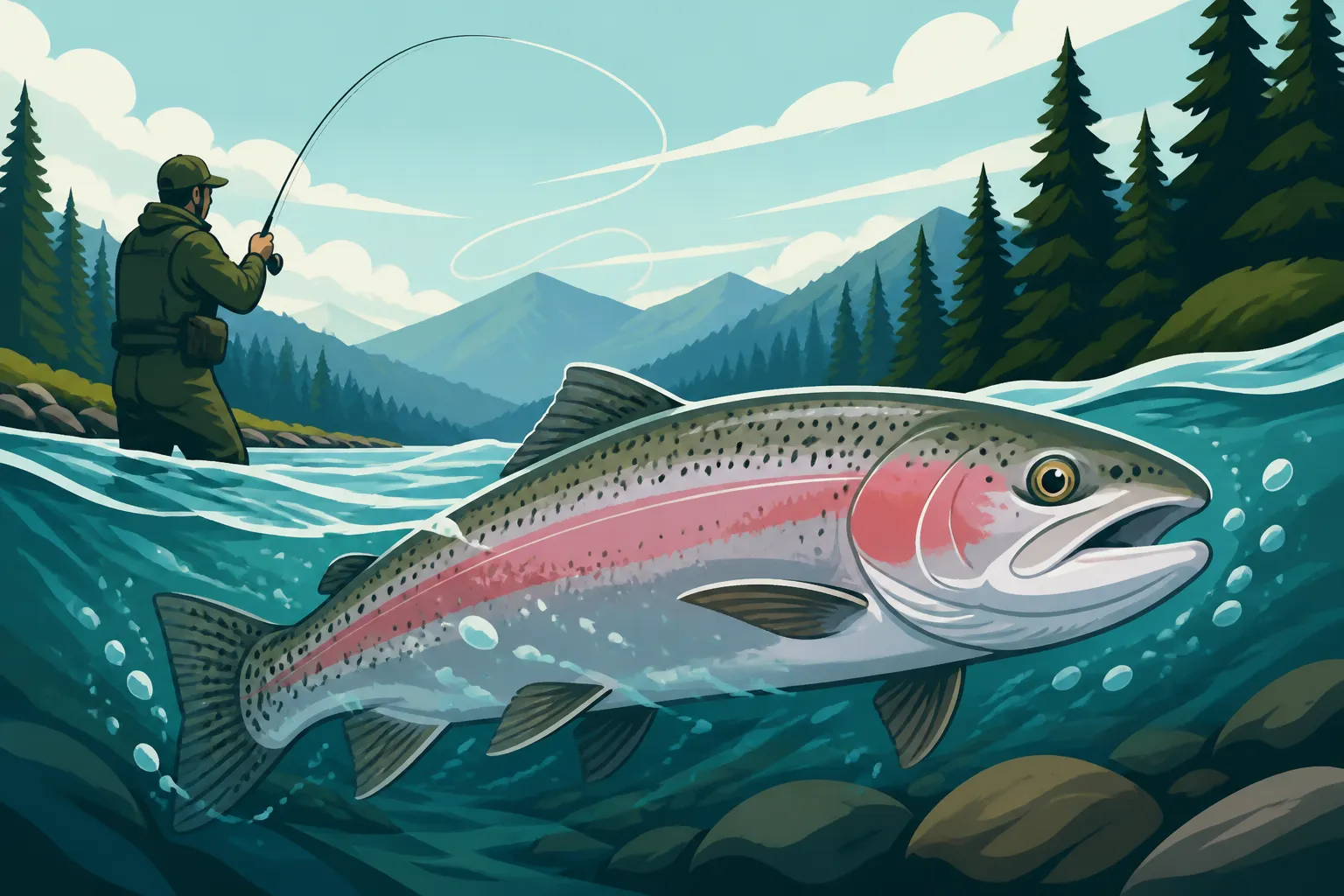
What sets North Coast steelhead apart is their incredible size, strength, and wild heritage. Unlike many hatchery-supported fisheries, a significant portion of the steelhead found in these remote rivers are wild-born, carrying generations of genetic resilience that makes them exceptionally tough fighters. Imagine connecting with a bright, chrome-plated steelhead that has journeyed hundreds of miles from the open ocean, battling currents and predators, only to take your fly or lure with a fierce, unwavering determination. It's an experience that transcends mere fishing; it's a communion with nature at its most powerful. The sheer remoteness of these rivers also means less pressure, allowing these fish to grow to truly impressive sizes and exhibit their natural, wild instincts.
These fish are often characterized by their vibrant, unblemished silver flanks, hinting at their recent return from saltwater. They are creatures of incredible adaptation, navigating vast and varied ecosystems, from the marine environment to the clear, cold headwaters of their spawning grounds. Catching one is a testament to patience, skill, and a deep appreciation for the wild places they inhabit.
The Challenge and Reward
There's no sugarcoating it: pursuing North Coast steelhead is not for the faint of heart. These rivers often demand considerable effort to access, requiring bush plane flights, long jet boat rides, or arduous hikes through dense wilderness. Weather conditions can be unpredictable, swinging from mild to fierce in a matter of hours, and the terrain can be challenging. However, it's precisely these difficulties that amplify the reward. The solitude, the breathtaking scenery, and the knowledge that you're fishing in some of the most pristine environments left on Earth contribute to an experience far richer than just catching a fish. Every cast feels like a privilege, every hook-up a hard-earned victory.
The reward extends beyond the fish itself. It's about the entire journey – the camaraderie with fellow anglers, the stories shared around a campfire, the stunning photographs captured, and the profound sense of accomplishment that comes from successfully navigating such an adventure. Many seasoned anglers will tell you that it's the challenges that truly define the memories, creating indelible moments that stay with you long after you've left the river. Finding that perfect seam in a wild river, knowing a chrome bullet is holding there, and then executing a flawless drift is a moment of pure angling bliss.
Wild Steelhead vs. Hatchery Fish
Understanding the distinction between wild and hatchery-raised steelhead is crucial, especially in regions like BC's North Coast where conservation of wild stocks is paramount. Wild steelhead are those born and raised in the natural river environment, completing their full life cycle without human intervention. They possess robust genetics, strong migratory instincts, and often exhibit superior fighting qualities. Hatchery steelhead, on the other hand, are bred in captivity and released into rivers, primarily to supplement fish populations or create angling opportunities. While they provide sport, they can sometimes compete with wild fish for resources or dilute wild genetic diversity if not managed carefully.
On the North Coast, the focus is overwhelmingly on wild steelhead, and regulations are often designed to protect these precious populations. Anglers typically practice catch-and-release, especially for wild fish, to ensure these magnificent creatures can complete their spawning journey and contribute to future generations. Being able to identify a wild fish (often by the presence of an adipose fin, which is typically clipped on hatchery fish) is an important part of responsible angling in these sensitive ecosystems. The experience of connecting with a truly wild fish in its natural habitat is what draws so many to these remote waters.
Key Rivers and Their Unique Runs
British Columbia's North Coast is crisscrossed by numerous rivers, each with its own character and offering distinct steelhead opportunities. While many smaller, lesser-known streams hold fish, some stand out as legendary destinations, drawing anglers from around the globe. These major systems are the lifeblood of BC's steelhead fishery, defining the region's angling reputation.
The Legendary Skeena River System
When people talk about North Coast steelhead, the Skeena River Steelhead Fishing system is often the first to come to mind. This mighty river, the second-largest in British Columbia, is an ecological powerhouse, supporting vast runs of all five Pacific salmon species, as well as an incredible population of wild steelhead. The Skeena itself is massive, and its mainstem offers excellent opportunities, particularly during the early winter and spring runs. However, it's the Skeena's numerous tributaries that truly cement its legendary status. From the expansive main stem, which can be fished by jet boat, to the more intimate tributaries, the Skeena offers a diverse range of environments for every style of angler.
The Skeena is renowned for producing some of the largest steelhead in the world, with fish regularly tipping the scales into the teens and even twenty-pound range. Access to the Skeena system can vary; some sections are roadside, while others require extensive travel and potentially air access. Its sheer size means that understanding specific sections and their characteristics is key to success. Anglers often spend years exploring its vastness, constantly discovering new runs and holding water. The river's dynamics, influenced by snowmelt and rainfall, mean that conditions can change rapidly, requiring adaptability and local knowledge.
The Bulkley and Kispiox: Tributaries of Renown
Flowing into the Skeena, the Bulkley River is another cornerstone of the North Coast steelhead fishery. Known for its accessible yet productive water, the Bulkley River Steelhead Fishing sees strong runs of powerful steelhead, particularly in the fall and winter. The Bulkley is a favorite among Spey anglers, with its classic runs and gravel bars providing ideal swinging water. Its proximity to towns like Smithers makes it somewhat more accessible than some of its wilder counterparts, but don't let that fool you – the fish here are as wild and challenging as any. The river's character can change dramatically depending on the season and water levels, from wide, sweeping runs to tighter, more technical sections.
Further north, the Kispiox River is revered for its pristine beauty and its reputation for producing exceptionally large steelhead. The Kispiox River Steelhead Fishing is a smaller, more intimate river than the Bulkley, but it punches far above its weight in terms of fish quality. Anglers often pursue the Kispiox's steelhead by wading or using drift boats, navigating its countless classic pools and riffles. It's a river that demands a stealthy approach and precise presentations, but the rewards can be truly magnificent. Both the Bulkley and the Kispiox are vital arteries of the Skeena system, attracting dedicated steelhead fanatics year after year.
Other Notable North Coast Systems
Beyond the colossal Skeena system, other North Coast rivers hold their own special place in the hearts of steelhead anglers. The Nass River, located north of the Skeena, is another vast and powerful system that sees significant steelhead returns. It’s wilder and more remote than parts of the Skeena, offering a truly wilderness experience. Its runs are less pressured, and the opportunity for solitude is high, though access often requires more planning and robust equipment. The Dean River, while geographically distinct and flowing directly to the ocean, shares the spirit of these North Coast giants. Famous for its summer-run steelhead, the Dean offers a unique fly-fishing-only experience in a stunning, remote canyon setting. Its strong, acrobatic fish are a testament to the purity of its waters.
Many smaller, coastal streams also host unique steelhead runs, often less publicized but incredibly rewarding for those willing to explore. These can be ephemeral, with fish moving in and out quickly with rainfall, but they offer a chance to connect with untouched wilderness and robust populations of fish. Researching these lesser-known gems often requires more dedication, but the payoff can be a truly exclusive angling experience. Always remember to check BC Fishing Regulations Explained for specific rules regarding these various systems.
Understanding Steelhead Migration and Timing
Successfully targeting steelhead on BC's North Coast hinges largely on understanding their migratory patterns and the seasonal timing of their return to freshwater. These fish are creatures of habit, yet their movements are influenced by a complex interplay of natural factors, making predicting their exact arrival a continuous puzzle.
Seasonal Patterns of Steelhead Runs
North Coast rivers typically experience two main types of steelhead runs: fall/winter-run and summer-run. The fall/winter-run steelhead, often simply called "winter steelhead," are arguably the most iconic. These fish begin entering rivers in late fall, typically October and November, and continue their migration through the winter months, peaking in December through March. They spend the winter in the river system, maturing and holding in deep pools and slower runs, before spawning in the spring (March to May). These fish are renowned for their incredible strength and endurance, offering thrilling cold-weather angling.
Summer-run steelhead, by contrast, enter rivers during the warmer months, typically from June to September. They spend a longer period in freshwater, often moving into cooler, higher-elevation sections of the river, before spawning the following spring. Rivers like the Dean are famous for their summer-runs, providing an exhilarating dry-fly and Spey fishing experience in spectacular scenery. Each run type presents different angling opportunities and challenges, requiring distinct approaches and an understanding of river conditions.
Factors Influencing Run Timing
While general seasonal patterns exist, the exact timing and strength of steelhead runs can vary year to year, primarily influenced by environmental factors. Water levels are a major determinant: often, a series of strong fall rains will trigger the first significant push of winter steelhead into the river systems. Too low water, and fish might stage in the estuaries, waiting for sufficient flow to navigate upstream. Too high and muddy water, and fishing can become extremely difficult, or even unsafe. Fishing after a heavy rain on BC rivers can be incredible, but timing is everything.
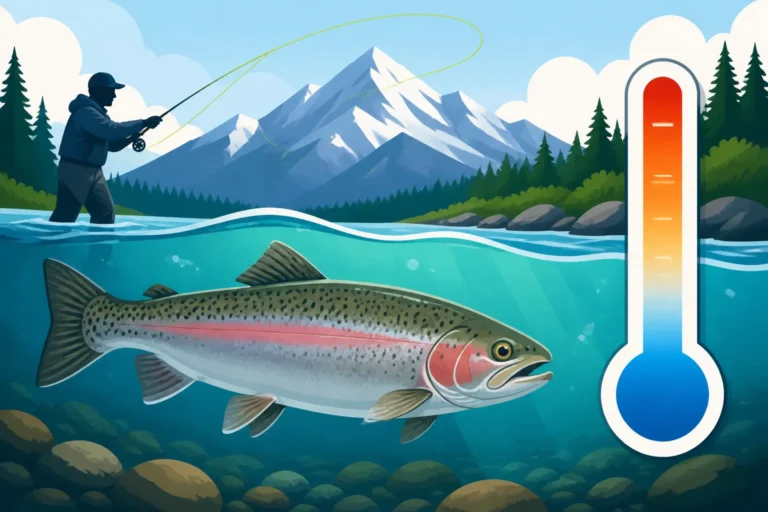
Water temperature also plays a critical role. Steelhead prefer cooler water temperatures for migration and holding, typically between 4°C and 12°C (39°F and 54°F). Extreme cold can slow their migration and make them less active, while unusually warm temperatures can also be detrimental. Barometric pressure changes can also affect fish activity, often stimulating feeding or migratory behavior. Experienced anglers closely monitor weather forecasts, river gauges, and local BC Fishery Notices and In-Season Closures, Explained to gain an edge.
Peak Windows for Specific Rivers
While it's impossible to give exact dates, we can discuss typical peak windows for some of the key North Coast rivers. The Bulkley and Kispiox rivers often see their strongest winter steelhead runs from late October through December, with good numbers of fish continuing into February and March, especially for the "tail-out" fish that have overwintered and are preparing to spawn. Some of the biggest fish are often caught earlier in the season, as they are fresh from the ocean. For rivers further north in the Skeena system, the peak can sometimes extend later into the winter and early spring, with April often being a prime month for large, post-winter fish.
For summer-run rivers like the Dean, the peak can be from mid-July through August, though good fishing can be found from late June into early September. These summer fish are incredibly hot and acrobatic, providing a completely different challenge. Always remember that these are general guidelines, and local knowledge from guides or outfitters is invaluable for pinpointing the best times for your trip. For more detailed information on specific rivers, check out resources like Best Steelhead Rivers in BC.
| River System | Primary Steelhead Run Timing | Typical Water Conditions | Key Characteristics |
|---|---|---|---|
| Skeena River (Mainstem) | Fall/Winter (Oct-Mar) | Large, powerful, varying clarity. Can be high and murky after heavy rains. | Access varies, often jet-boating. Huge system with diverse holding water. Known for large fish. |
| Bulkley River | Fall/Winter (Oct-Mar) | Moderate size, good clarity, classic runs. Can be influenced by snowmelt. | More accessible, excellent for Spey fishing. Consistent runs, strong fish. Popular choice. |
| Kispiox River | Fall/Winter (Oct-Mar) | Smaller, clear, intimate. Prone to freezing in deep winter. | Demands stealth, known for trophy-sized fish. Often drift-boating or wading. True wilderness feel. |
| Nass River | Fall/Winter (Nov-Apr) | Remote, powerful, often similar to Skeena mainstem. | Less pressure, true wilderness experience. Access typically via jet boat or air. Strong, wild fish. |
| Dean River | Summer (Jun-Sept) | Clear, fast-flowing, canyon-like sections. | Famous for acrobatic summer-run steelhead. Mostly fly-fishing only, remote lodge access common. Challenging and rewarding. |
Gear and Tactics for North Coast Steelhead
Tackling the mighty steelhead of British Columbia's North Coast requires specialized gear and a nuanced understanding of various fishing techniques. These fish are powerful, and the rivers they inhabit can be challenging, so being properly equipped and skilled is paramount for success.
Essential Rods, Reels, and Lines
For North Coast steelhead, your gear needs to be robust and reliable. Rods typically range from 10 to 13 feet for Spey or switch rods, allowing for long casts and excellent line control in powerful currents. A common choice for Spey casting is a 7 to 8-weight rod. For single-hand setups, a 9 to 10-foot, 8-weight rod is standard. These rods provide the backbone needed to cast heavy flies or lures and handle large, strong fish. You can find a good selection of specialized rods suitable for these conditions on platforms like Amazon.
Reels must be stout, with a smooth, powerful drag system that can withstand blistering runs. Large arbor reels are preferred for quick line retrieval. They should be spooled with quality backing (200-300 yards of 30lb dacron or gel-spun) and a heavy-duty floating or sinking fly line specifically designed for steelhead or salmon. For Spey casting, Scandi or Skagit heads are popular choices, allowing for efficient casting of heavy tips and flies in tight quarters. For gear fishing, durable braided line (30-50lb test) is often favored for its strength and sensitivity. Investing in quality gear is an investment in your success and enjoyment.
Popular Fishing Techniques
The diverse conditions of North Coast rivers lend themselves to several effective techniques for steelhead. Spey casting is arguably the most iconic method, particularly on rivers like the Bulkley. This two-handed casting style allows anglers to cover vast amounts of water with minimal effort, swinging flies through classic steelhead runs. It's an elegant and incredibly effective way to entice aggressive steelhead. Many anglers dedicate entire trips to perfecting their Fly Patterns for BC Steelhead Rivers and Spey technique.
Float fishing (also known as "centrepin" fishing) is another highly productive technique, especially for presenting bait or jigs to steelhead holding in deeper slots and seams. This involves using a large float to suspend your offering naturally downstream, allowing it to drift through prime holding water. It's incredibly precise and excels in both clear and slightly colored water. Drift fishing, using lead or weights to bounce bait or yarn along the bottom, is also very effective, especially in faster currents or when fish are holding tight to the riverbed. Each technique has its optimal conditions and requires a slightly different approach, demanding adaptability from the angler.
Fly and Lure Selection for North Coast Conditions
Your fly or lure box for North Coast steelhead needs to be well-stocked and diverse. For fly anglers, classic Spey flies like the Intruder, Stinger, and various tube flies are go-to patterns for swinging. These patterns are designed to move seductively in the current and often incorporate flashy materials to grab a steelhead's attention. For float or drift fishing with flies, weighted nymphs, egg patterns, and brightly colored yarn flies are highly effective. The key is often finding patterns that imitate baitfish or roe, which are primary food sources for migrating steelhead. You can often find a good selection of these on Amazon, especially if local shops are limited.
For gear anglers, spinners (such as Gibbs Delta or Blue Fox varieties), spoons (like Koho or Croc spoons), and jigs in various colors (pink, orange, chartreuse) are proven steelhead producers. Natural baits, where legal, such as cured roe or prawns, can also be exceptionally effective. The choice of color and size often depends on water clarity and light conditions. Brighter, more vibrant colors tend to work better in murky water, while more natural or muted tones might be preferred in clear, low water conditions. Always check the current BC Fishing Regulations Explained for any bait or lure restrictions on specific rivers or sections.
Conservation and Ethical Angling in BC's North
Fishing on British Columbia's North Coast is a privilege, not a right. The pristine environment and wild fish populations are incredibly fragile, making conservation and ethical angling practices absolutely paramount. As visitors to this unique ecosystem, we all bear a responsibility to minimize our impact and help preserve these incredible resources for future generations.
The Importance of Catch and Release
For wild steelhead on the North Coast, catch and release is not just a suggestion; it's a fundamental principle for conservation. Most reputable guides and lodges in the region operate on a strict catch-and-release policy for steelhead, and it's often mandated by regulation in key steelhead rivers. The goal is to allow these magnificent fish to complete their spawning migration, ensuring the genetic health and sustainability of the population. Proper catch and release techniques are vital to maximize the survival rate of released fish. This means using barbless hooks, minimizing fight time, keeping the fish in the water as much as possible, and supporting it gently until it swims away under its own power.
It's about respecting the fish and the resource. Every steelhead released successfully is another fish that can contribute to the next generation, perpetuating the incredible runs that draw us to these rivers. Catching a wild steelhead is a thrilling experience, but the true mark of a responsible angler is ensuring that fish swims away healthy to fulfill its biological purpose. Resources like Sturgeon catch and release survival tips offer useful general advice that can often be adapted for steelhead, emphasizing gentle handling.
Minimizing Impact and Practicing Respect
Beyond handling fish, ethical angling on the North Coast extends to minimizing your overall environmental footprint. This means practicing "Leave No Trace" principles: packing out everything you pack in, including all garbage and waste. Be mindful of fragile riparian vegetation and avoid disturbing wildlife. When wading, be cautious of spawning beds (redds), which are often visible as clean gravel depressions, and avoid walking through them, especially during spawning season. Respect private property and traditional territories, and always obtain permission if you are unsure about access.
Practicing respect also means showing courtesy to other anglers on the river. These are often shared resources, and a little consideration goes a long way. Maintain reasonable distances between fishing parties, and avoid "hogging" prime runs. The remote nature of these rivers means you might encounter fewer people, but the principles of shared access and respect remain crucial. Your behavior on the river reflects on the entire angling community and impacts the perception of fishing by locals and Indigenous communities.
Understanding Regulations and Fishery Notices
Navigating the complex world of fishing regulations can be daunting, but it's absolutely essential for any angler heading to BC's North Coast. Regulations vary not only by species and region but also by specific river, section of river, and time of year. There are rules concerning daily bag limits (though often catch and release for steelhead), gear restrictions (e.g., single barbless hooks, no bait), and specific conservation measures like closures or retention limits for other species. Ignorance of the law is not an excuse, and penalties for violations can be severe, including hefty fines and confiscation of gear.
Before every trip, and even before every fishing day, you must consult the latest BC Fishing Regulations Explained Synopsis and check current BC Fishery Notices and In-Season Closures, Explained. These notices are issued by Fisheries and Oceans Canada (DFO) and can announce immediate changes to regulations due to conservation concerns, extreme weather, or unexpected fish returns. Many anglers subscribe to email alerts or check the DFO website daily. Staying informed is your responsibility and a critical component of ethical angling.
Planning Your North Coast Steelhead Adventure
A trip to British Columbia's North Coast for steelhead is more than just a fishing excursion; it's an expedition. Proper planning is crucial to ensure a safe, enjoyable, and successful adventure into this wild and remote region.
Choosing a Guide or Lodge
For many, especially those new to the region or targeting specific, hard-to-access rivers, booking with a reputable guide service or staying at a dedicated fishing lodge is the best approach. Guides offer invaluable local knowledge, expertise in techniques tailored to current conditions, and often provide access to private or difficult-to-reach sections of river. They understand the nuances of the water, the fish's behavior, and the ever-changing regulations. A good guide will significantly increase your chances of success and, more importantly, ensure your safety in a challenging environment. Look for guides with strong reputations and a clear commitment to conservation, many of whom are listed on services you might find via an online search or even through referrals from fellow anglers.
Lodges, particularly those on remote systems like the Dean or upper Skeena tributaries, offer an all-inclusive experience, often including air transfers, accommodation, meals, and guided fishing. These can be a significant investment but provide a seamless and highly focused fishing experience. They also offer a comfortable base from which to explore the surrounding wilderness. When considering a guide or lodge, ask about their experience, client testimonials, and their approach to Steelhead Fishing in BC conservation. Many guides offer specialized trips, such as Best Guided Steelhead Trips on the Skeena or Best Guided Wade Trips on the Bulkley River.
Logistics: Travel, Accommodation, and Supplies
Travel to the North Coast typically involves flying into regional airports like Terrace (for the Skeena and Bulkley) or Smithers (for the Bulkley and Kispiox), then often continuing by vehicle, jet boat, or even float plane to your final destination. Roads can be rough, and services are sparse in many areas, so reliable transportation is a must. If you're planning a DIY trip, securing appropriate camping or cabin accommodations well in advance is essential. Don't underestimate the distances and travel times involved in this vast province.
When it comes to supplies, think robust and redundant. Pack layers of clothing suitable for rapidly changing weather, including waterproof and windproof outerwear. Quality waders and wading boots are non-negotiable. Don't forget essential items like a first-aid kit, satellite communication device (cell service is often nonexistent), bear spray, and plenty of high-energy food and water. Many anglers like to purchase specialized gear and outdoor clothing from online retailers such as Amazon before their trip, ensuring they have everything they need for the remote environment. Consider a detailed map and a compass, even if you have GPS, as a backup.
Preparing for Remote Conditions
The North Coast is true wilderness, and preparing for remote conditions is crucial for safety. This means being self-sufficient and understanding potential hazards. Wildlife encounters, particularly with bears, are a real possibility, so carry bear spray, know how to use it, and practice proper food storage. Rivers can rise and fall rapidly, so always be aware of changing water levels and currents. Hypothermia is a risk even in relatively mild weather if you get wet, so always pack dry clothes and emergency shelters.
Let someone know your float plan, including your expected return time and route. Consider taking a wilderness first aid course before your trip. While the beauty is unparalleled, the wild demands respect and preparation. Having the right mental attitude – one of adaptability, resilience, and appreciation for the wild – is just as important as having the right gear. Embrace the challenge, and you'll find that the North Coast offers an angling adventure unlike any other.
Disclaimer
This article is for general informational purposes only and does not constitute professional advice. Laws, prices and regulations vary by location and change over time. Consult a qualified professional for guidance on your specific situation.