Best Steelhead Rivers in BC
There’s a special kind of magic that calls to anglers across the globe when it comes to steelhead. These magnificent, ocean-run rainbow trout, often referred to as "steelies," represent the pinnacle of freshwater fishing for many, and nowhere is this pursuit more legendary than in British Columbia. But for those new to the game, or even seasoned veterans looking to explore new waters, figuring out which of BC’s countless rivers offer the best shot at these elusive fish can feel like trying to find a needle in a very large, very wild haystack. This guide is here to cut through the confusion and highlight the crown jewels of BC’s steelhead rivers, giving you the real lowdown on where to focus your efforts.
The Mystique of Steelhead Fishing in British Columbia
Steelhead fishing isn't just a pastime here; it's a way of life, a deep-rooted tradition, and often, an obsession. These fish are renowned for their incredible strength, acrobatic fights, and stunning beauty, thriving in the cold, clean rivers of British Columbia before returning to the Pacific Ocean to grow fat and strong. The sheer scale and wildness of BC's landscape mean that steelhead runs are often in remote, pristine environments, adding an element of adventure to every trip. However, this also means understanding the nuances of each river, the best times to visit, and the specific regulations that protect these precious resources is absolutely crucial.
Why BC is a Steelhead Paradise
British Columbia boasts a unique combination of geographic features that make it an unparalleled destination for steelhead. The province's vast network of rivers, fed by glaciers and snowmelt, provides ideal spawning and rearing habitat. Its lengthy coastline and proximity to the nutrient-rich Pacific Ocean allow steelhead to achieve impressive sizes before their arduous journey back upstream. Unlike resident rainbow trout, steelhead spend a significant portion of their lives in saltwater, which contributes to their silver coloration and incredible power. This anadromous lifestyle is what makes them such a prized catch.
Moreover, BC’s commitment to conservation, despite ongoing challenges, helps maintain these runs. Many of the best rivers are within wilderness areas or subject to strict catch-and-release rules, ensuring that the magic of encountering a wild steelhead can continue for generations. The sheer diversity of river systems, from massive glacial rivers to intimate coastal rainforest streams, means there's a steelhead experience for every type of angler, from those seeking solitude in the wilderness to those who prefer more accessible spots.
The Challenge of the Pursuit
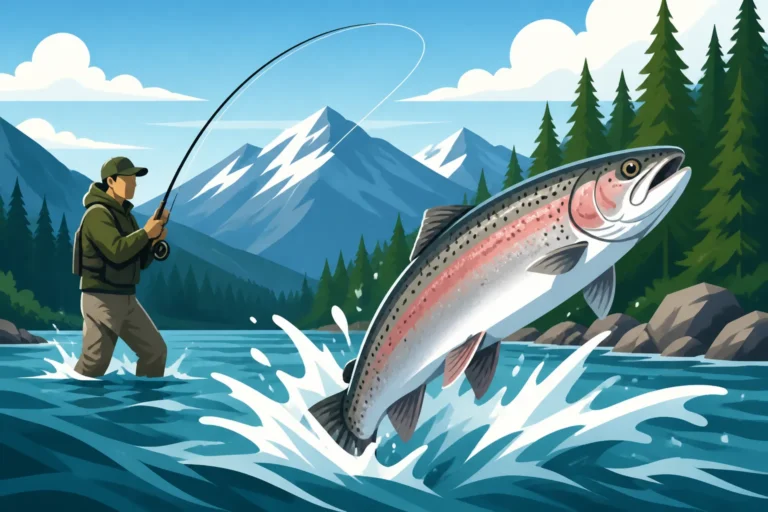
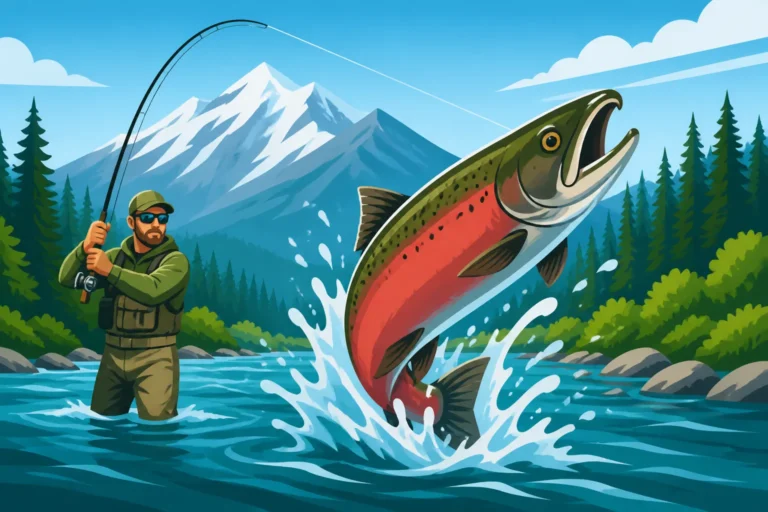
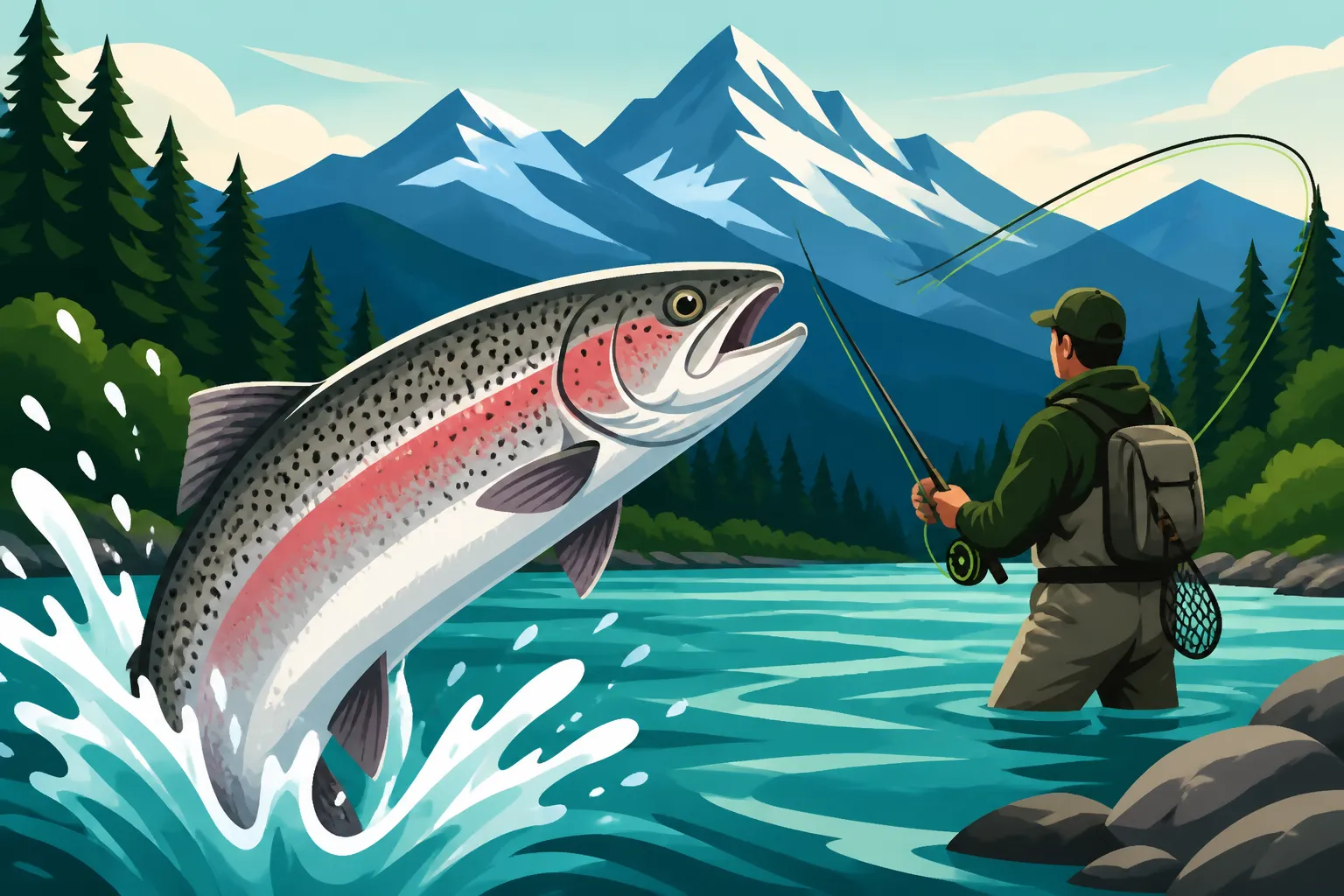
Let's be real: steelhead fishing is tough. It's often called "the fish of a thousand casts" for a reason. These fish are notoriously difficult to entice, often requiring patience, skill, and a deep understanding of their habits and their environment. Weather conditions can be unpredictable, water levels can fluctuate dramatically, and the fish themselves can be finicky. Many anglers spend days, even weeks, on the river without a single hookup, yet they keep coming back. Why? Because when that line finally tightens and a chrome bright steelhead explodes from the water, all the effort, all the cold mornings and wet boots, instantly become worth it. The challenge is an integral part of the allure, forging a bond between the angler and the wild river that few other pursuits can match.
Northern BC's Legendary Steelhead Strongholds
When you talk about steelhead in British Columbia, the conversation inevitably turns north. The Skeena River system and its tributaries are, without a doubt, the epicenter of BC’s trophy steelhead fishery. This region is home to some of the largest and most abundant runs of wild steelhead anywhere in the world, drawing anglers from every corner of the globe.
The Skeena River System: A Steelhead Mecca
The Skeena River, the second-longest river wholly within British Columbia, is often referred to as the "River of Dreams" by steelhead anglers. Its vast watershed, stretching from the interior mountains to the Pacific Ocean, provides an incredible array of habitats for these migratory fish. While the mainstem Skeena itself holds massive numbers of steelhead, it's the legendary tributaries that truly capture the imagination of anglers. These smaller, more intimate rivers offer unparalleled fly-fishing and spey-casting opportunities.
Navigating the Skeena system can be daunting due to its size and the sheer number of rivers. It’s a place where local knowledge or a good guide can make all the difference. Many anglers choose to stay at remote lodges or rely on guided jet boat trips to access the most productive waters. Planning is essential, especially for Skeena River Steelhead Fishing as conditions can change rapidly.
The Bulkley River: Classic Spey Water
The Bulkley River, a major tributary of the Skeena, flows through the scenic Bulkley Valley near Smithers and Telkwa. This river is a true classic for spey casting, with its wide, sweeping runs and gravel bars providing perfect lies for migrating steelhead. The Bulkley is famous for its powerful, aggressive fish and its consistent returns, making it one of the most sought-after destinations.
Fishing the Bulkley often involves wade fishing or drift boat trips. Access points are relatively well-known, but during peak season, spots can be crowded. The river is known for both summer-run and winter-run steelhead, though the fall fishery is arguably the most popular, with chrome-bright fish pushing upstream. If you're looking for a quintessential BC steelhead experience, complete with stunning fall colors and hard-fighting fish, the Bulkley is a top contender. Many experienced guides operate on the Bulkley, and finding one through a service like FishingBooker can significantly enhance your trip, especially if you're unfamiliar with the area or spey casting techniques.
The Kispiox River: Untamed Wilderness
Flowing into the Skeena just downstream from the Bulkley, the Kispiox River is revered for its wild character and its history of producing some truly massive steelhead. This river is less developed than the Bulkley, offering a more remote and untamed fishing experience. The Kispiox is characterized by its clear, swift waters and intricate logjams, which provide excellent cover for steelhead.
Access to the Kispiox can be more challenging, often requiring jet boats or longer treks through the wilderness. This adds to its allure for anglers seeking solitude and a true wilderness adventure. The Kispiox is primarily a fall fishery, with big, strong fish making their way upriver. It’s a river that demands respect and skill, but the rewards can be monumental. Given its wild nature, preparation, including understanding Wading Techniques for BC Steelhead Rivers and having proper safety gear, is paramount.
The Morice River: Remote Charm
Another vital tributary of the Skeena, the Morice River, offers a truly remote and pristine steelhead experience. Located further upstream from the Bulkley and Kispiox, the Morice is known for its incredible beauty and its robust runs of powerful, wild steelhead. The river flows through dense forests and untouched wilderness, making every fishing trip feel like an expedition.
Access to the Morice is limited, often requiring fly-in services or long drives on logging roads. This remote access helps preserve its wild character and ensures a less crowded experience than some of its more accessible counterparts. The Morice is primarily a fall steelhead river, attracting anglers who crave solitude and the challenge of fishing in a truly wild setting. Guides who specialize in the Morice can be invaluable, not just for finding fish but also for navigating the logistics of such a remote trip.
Central & Interior BC Steelhead Adventures
While the Skeena system rightfully gets much of the spotlight, British Columbia's interior also holds some truly special steelhead rivers. These rivers offer different challenges and experiences, often requiring unique techniques and local knowledge to succeed.
The Thompson River: A Legendary Winter Run
The Thompson River, a major tributary of the Fraser River, once held the undisputed title as one of the world's most iconic winter steelhead rivers. Known for its incredibly large, powerful, and acrobatic fish, the Thompson attracted anglers globally, eager to test their mettle against these magnificent creatures in the colder months. Its clear, powerful currents and classic swing water made it a spey caster's dream.
However, in recent years, the Thompson steelhead run has faced severe declines, leading to extended closures and strict conservation measures. This is a painful reality for many who cherished this river. While there have been limited opportunities in recent years, often under specific, highly regulated conditions (like mandatory catch-and-release, barbless hooks, and specific dates), the future of the Thompson's steelhead remains a serious concern for conservationists and anglers alike. Anglers interested in the Thompson must diligently check the latest BC Fishery Notices and In-Season Closures, Explained from Fisheries and Oceans Canada (DFO) and the BC government, as the regulations can change dramatically, even mid-season. It serves as a stark reminder of the delicate balance of these fisheries and the importance of conservation.
The Dean River: Dry Fly Dreams
The Dean River, located on the central coast of British Columbia, is a river of legend, especially for fly anglers. What sets the Dean apart is its reputation as one of the few places in the world where you can consistently target steelhead on a dry fly. Imagine a massive, aggressive steelhead exploding on a skated fly on the surface – it's an experience that transcends typical steelhead fishing.
The Dean is a relatively short, powerful river that flows from Dean Channel into the Pacific. Its unique geographic location means it gets a strong run of aggressive summer steelhead, eager to chase a skated dry fly or swung wet fly. Access to the Dean is exclusively by air, typically via float plane from Bella Coola or other coastal towns, which adds to its mystique and helps preserve its pristine environment. Most anglers book trips through one of the few exclusive lodges that operate on the river, ensuring a highly managed and intimate fishing experience. This river isn't just about catching fish; it's about the unique and thrilling method of doing so, truly cementing its place among the best steelhead rivers in BC.
Coastal & Vancouver Island Steelhead Gems
Beyond the giants of the north and interior, British Columbia's numerous coastal rivers and those on Vancouver Island offer more intimate, yet equally rewarding, steelhead experiences. These rivers often provide more accessible opportunities, especially for those closer to urban centers, and can produce some surprisingly large fish.
The Squamish River: Accessible Wildness
The Squamish River, located just north of Vancouver and flowing into Howe Sound, is a popular choice for many local anglers due to its relative accessibility. This larger coastal river system, including its tributaries like the Mamquam and Cheakamus, receives strong runs of winter steelhead, offering excellent fishing opportunities often within a two-hour drive of the city.
The Squamish is known for its pristine waters, fed by glacial melt, which gives it a distinct turquoise hue. Anglers target steelhead here primarily with float fishing techniques, drift fishing, or swinging flies. Access is generally good, with numerous public access points along the river. However, high water conditions, common during winter rains or spring melt, can make fishing challenging. The Squamish system is also home to significant salmon runs, so checking BC Freshwater Salmon Retention Rules and understanding BC Fishing Regulations Explained specific to steelhead and salmon is crucial. For those seeking a taste of BC steelhead without venturing too far into the deep wilderness, the Squamish provides an excellent balance of accessibility and quality fishing.
The Cowichan River: Vancouver Island's Treasure
On Vancouver Island, the Cowichan River holds a special place in the hearts of many anglers. Designated as a Canadian Heritage River, the Cowichan is famous for its stunning beauty, crystal-clear waters, and its impressive runs of winter steelhead. It's also known for its strong resident trout population, making it a year-round fishing destination.
The Cowichan steelhead are powerful, chrome-bright fish that enter the river from the Pacific, typically from late fall through spring. Anglers commonly use float fishing, drift fishing with bait (where permitted), or fly fishing techniques, often swinging flies or nymphing. The river offers diverse water, from deep pools to riffles and runs, catering to various fishing styles. There are numerous access points along its length, particularly around Duncan and Lake Cowichan. The Cowichan is an important river for fish conservation, so understanding the specific regulations, including potential closures or gear restrictions, is vital before heading out. It's truly a gem for those exploring Vancouver Island fishing guides.
Other Coastal Rivers and Streams
Beyond the more prominent rivers, British Columbia is dotted with countless smaller coastal rivers and streams, especially on Vancouver Island and the mainland coast. Rivers like the Stamp, Gold, Nimpkish, and many others, though often smaller in scale, can offer incredible, intimate steelhead fishing experiences. These rivers are often highly dependent on rainfall for good water levels and fish migration.
These smaller systems often see strong pushes of winter steelhead after significant rain events, making timing everything. They can be more challenging to navigate due to dense brush, private property, or limited access, but for the adventurous angler willing to explore, they can yield fantastic results and a sense of true discovery. Many of these rivers are catch-and-release only for steelhead, emphasizing the importance of careful handling. Learning steelhead catch and release survival tips is paramount on these delicate systems.
Understanding Steelhead Seasons and Timing
Timing is absolutely critical when it comes to steelhead fishing in British Columbia. Unlike some fisheries where fish are present year-round, steelhead are migratory, and their presence in rivers is seasonal. Understanding these seasonal patterns is key to planning a successful trip.
Winter Steelhead Runs
The winter steelhead fishery is perhaps the most iconic in BC, primarily occurring on coastal rivers and some interior systems like the Thompson (though its fishery is currently limited). These fish typically enter rivers from late fall (November) and continue through the winter months (December to March, sometimes into April). They are often referred to as "chrome" due to their pristine, bright silver appearance upon entering fresh water.
Winter steelhead brave cold temperatures and often high, turbid water conditions, which can make them particularly challenging to catch. Anglers often employ heavier gear and techniques like float fishing with bait or jigs, or swinging large, dark flies. Rivers like the Squamish, Cowichan, Gold, and many others on Vancouver Island are prime winter steelhead destinations. This season demands patience, perseverance, and proper layering to stay warm and comfortable in the often-chilly BC winter weather.
Summer Steelhead Runs
Summer steelhead, sometimes called "summer-run" or "B-run" steelhead, offer a completely different experience. These fish enter rivers during the warmer months, typically from June through September, and hold in the river until they spawn the following spring. Rivers like the Dean are famous for their summer-run steelhead.
Summer steelhead are often more aggressive and willing to chase swung or skated flies, making them a favorite for fly anglers. The warmer weather and often clearer, lower water conditions make for a more comfortable and visually exciting fishing experience. Rivers in the Skeena system also receive strong summer-run components, though the fall is generally peak. Targeting summer steelhead often involves lighter tackle and more finesse techniques. However, lower water levels can also make fish spookier, demanding a stealthy approach.
Fall Steelhead Runs
For many, the fall is the absolute sweet spot for steelhead fishing in British Columbia. From September through November, many of the province's premier rivers, particularly in the Skeena system (Bulkley, Kispiox, Morice), experience their strongest runs of large, powerful steelhead. The fish are often still chrome bright and incredibly aggressive, having just arrived from the ocean.
Fall fishing combines the best aspects of both summer and winter runs. The weather is often crisp and beautiful, with vibrant autumn foliage painting the riverbanks. Water levels are typically stable, and fish are actively moving upstream. This is prime time for spey casting, swinging flies, and drift fishing. The sheer size and power of fall-run Skeena steelhead are legendary, making it a bucket-list experience for many. However, it's also the busiest time on these rivers, so planning ahead and potentially booking guides well in advance is essential.
Essential Gear and Techniques for BC Steelhead
Successfully targeting steelhead in BC requires specialized gear and a solid understanding of specific techniques. These fish are powerful, often inhabiting challenging currents, and can be notoriously finicky. Being prepared with the right setup will dramatically increase your chances of success.
Rods, Reels, and Lines
For fly fishing, two-handed rods (spey rods) are incredibly popular, especially on larger rivers like the Bulkley or Thompson (when open). A 12-14 foot rod in 7-9 weight is common, allowing for efficient casting of heavy sink tips and large flies across wide runs. Single-handed rods, typically 9-10 foot in 8-9 weight, are used on smaller coastal rivers or for delicate dry-fly presentations on rivers like the Dean. Reels should be robust, with a smooth drag system and plenty of backing to handle the powerful runs of a steelhead. Various fly lines, including Skagit, Scandi, and integrated shooting heads, are used depending on the technique and conditions.
For conventional fishing, longer, softer rods are generally preferred. A 10-11 foot medium-heavy spinning or casting rod in the 8-17 lb line class is a good all-around choice for float fishing or drift fishing. This length helps control line, mend effectively, and absorb the shock of a powerful fish. Reels should be durable, with a reliable drag. Mainline is typically 15-30 lb braided line, with a fluorocarbon leader of 10-20 lb test, depending on water clarity and size of fish.
Baits, Lures, and Flies
Flies: For fly anglers, the arsenal is vast.
- Intruders and Streamers: Large, flashy, weighted flies in black, blue, purple, or chartreuse are popular for swinging in moderate to fast currents.
- Wet Flies/Spey Flies: Traditional patterns are swung through runs, imitating baitfish or simply provoking a strike.
- Nymphs: Larger stonefly or egg patterns can be effective when fish are holding deep or are less aggressive.
- Dry Flies: Skated dry flies, often large foam patterns or bombers, are the ultimate thrill on rivers like the Dean.
Conventional Baits/Lures:
- Roe: Cured salmon roe (often in mesh bags or "roe bags") is a highly effective bait, especially in colder or murkier water.
- Jigs: Marabou jigs or small plastic worms under a float are deadly, imitating various aquatic insects or small prey. Colors often include pink, chartreuse, white, or black.
- Spinners/Spoons: When fish are aggressive or water is higher, spoons and spinners can cover water efficiently. Popular brands include Blue Fox, Gibbs Delta, and Kwikfish.
- Plugs/Wobblers: Used for back-trolling or casting, plugs like the Hot Shot or Wiggle Wart can be very effective for aggressive fish.
Key Steelhead Fishing Techniques
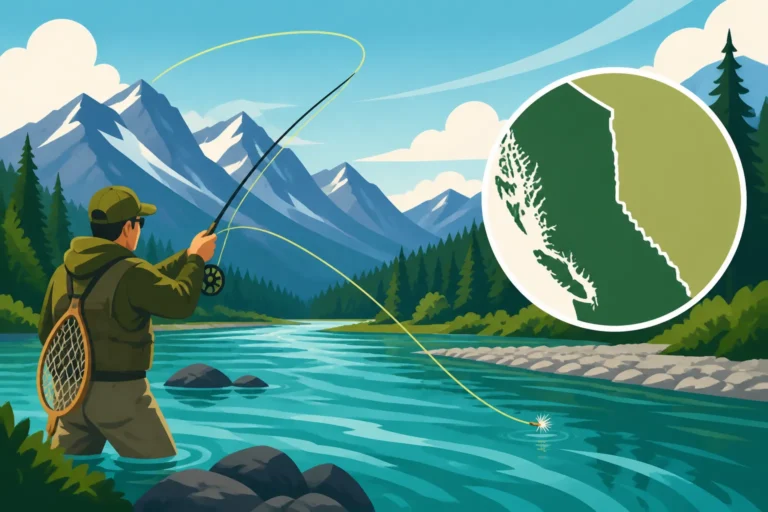
- Spey Casting/Swinging Flies: This elegant two-handed casting technique is synonymous with steelhead fly fishing. Flies are cast across and downstream, then allowed to "swing" through the fish's lie, tempting a strike. This is a primary method on rivers like the Bulkley and Dean. You can delve deeper into Fly Patterns for BC Steelhead Rivers to choose the right arsenal.
- Float Fishing (Drift Fishing with a Float): Extremely popular in BC, this technique uses a weighted float (often a large Drennan or Raven float) to present a bait or jig naturally down a river current. It allows for precise depth control and detection of subtle bites. This is a staple on many coastal rivers and is an effective way to cover water.
- Drift Fishing (Bottom Bouncing): Without a float, this method involves using just enough weight (often a slinky or pencil lead) to bounce a bait or lure along the bottom, presenting it directly in the fish's strike zone. It requires a good feel for the river bottom and is effective in faster, deeper runs. For specifics on how to fish this way, read about Drift Fishing for Steelhead in BC Rivers.
- Indicator Nymphing: Similar to float fishing but with smaller indicators and nymphs, this technique is effective in slower pools or when fish are holding tight to the bottom.
Regardless of the technique chosen, stealth, patience, and adapting to conditions are paramount. Steelhead are wary creatures, and a heavy footfall or shadow can send them scurrying.
| River System | Primary Run Type | Peak Season | Common Techniques | Notable Features |
|---|---|---|---|---|
| Skeena (Bulkley, Kispiox, Morice) | Summer/Fall (Fall is peak) | Sep-Nov | Spey Casting, Float/Drift | Trophy fish, remote wilderness, classic swing water |
| Thompson | Winter | Dec-Mar (Limited) | Float/Drift, Spey Casting | Large, powerful fish (currently very restricted) |
| Dean | Summer | Jun-Sep | Dry Fly, Spey Casting | World-class dry fly fishery, remote, aggressive fish |
| Squamish | Winter | Nov-Mar | Float/Drift, Fly Fishing | Accessible, strong runs, glacial fed |
| Cowichan (Van. Island) | Winter | Dec-Apr | Float/Drift, Fly Fishing | Heritage River, clear water, good access |
Conservation and Regulations: Protecting Our Steelhead
British Columbia's steelhead populations are precious, and many runs are facing significant conservation challenges due to habitat loss, climate change, and other factors. As anglers, we have a critical role to play in their protection. Understanding and adhering to regulations is not just about legality; it's about ethical angling and ensuring these magnificent fish thrive for future generations.
Understanding BC Steelhead Regulations
Steelhead fishing regulations in BC are complex and can vary significantly from river to river, and even change mid-season based on run strength. It's not enough to simply buy a British Columbia Fishing License Guide for 2026; you need to stay informed.
- Freshwater Fishing Regulations Synopsis: This annual publication from the provincial government outlines general regulations. Always check the most current version.
- DFO Fishery Notices: For anadromous species like steelhead, Fisheries and Oceans Canada (DFO) issues "Fishery Notices" that detail in-season closures, changes to bag limits, gear restrictions, and special measures. These notices supersede the printed synopsis and must be checked regularly, especially before and during your trip. You can find out more about BC Fishery Notices and In-Season Closures, Explained online.
- Specific River Regulations: Many rivers have unique rules, such as specific openings/closures, bait bans, single-barbless hook requirements, or "wild steelhead" classifications which mandate catch-and-release.
- Catch and Release Only: For many steelhead runs, particularly wild ones, fishing is strictly catch-and-release. This means zero retention. When releasing fish, minimize handling, keep the fish in the water, and revive it fully before letting it go.
- Steelhead Conservation Surcharge Stamp: In addition to your regular license, an extra stamp is required for steelhead fishing in freshwater. This fee directly supports steelhead conservation initiatives. Learn more about the BC Steelhead Conservation Surcharge Stamp.
Ignorance of the regulations is not an excuse. Fines for violations can be substantial, and, more importantly, irresponsible angling harms the resource we all cherish.
The Importance of Ethical Angling Practices
Ethical angling goes beyond just following the rules; it's about treating the fish and the environment with respect.
- Barbless Hooks: Always use barbless hooks for steelhead. This minimizes damage to the fish and allows for easier, quicker release. If your hooks aren't barbless, simply pinch down the barb with pliers.
- Minimize Fight Time: While exhilarating, prolonged fights can exhaust a steelhead, reducing its chances of survival after release. Use appropriately sized tackle to land fish efficiently.
- Keep Fish in the Water: Steelhead are highly sensitive to air exposure. When releasing a fish, keep it in the water as much as possible. If you must take a photo, do it quickly with the fish partially submerged. Avoid dragging fish onto riverbanks.
- Clean Hands/No Gloves: Handle fish with wet, clean hands to protect their delicate slime coat, which is their primary defense against disease. Avoid using gloves, which can strip this protective layer.
- Respect Spawning Beds: Never wade on or disturb spawning beds (redds), which appear as clean, swept-out gravel areas in shallow water.
- Pack It In, Pack It Out: Leave no trace. Take all your garbage, including discarded fishing line, out of the wilderness with you.
Conservation is a collective effort. By practicing ethical angling, supporting conservation organizations, and respecting the regulations, we can help ensure the future of British Columbia's incredible steelhead fisheries. If you are serious about understanding how to properly care for these fish, reviewing Steelhead Catch and Release Survival Tips is an excellent resource.
Planning Your BC Steelhead Adventure
Planning a trip to fish for steelhead in British Columbia can be an adventure in itself. From choosing the right river to arranging logistics, there are many factors to consider.
Guided vs. Unguided Trips
- Guided Trips: For many, especially first-time visitors or those venturing into remote areas, a guided trip is invaluable. Guides provide expertise on local conditions, fish behavior, and specific techniques. They also handle logistics like transportation (often including jet boats or rafts), access, and sometimes even gear. They know where the fish are holding and what they're biting on, saving you countless hours of trial and error. Guides on rivers like the Skeena tributaries or the Dean can truly unlock the fishery. When considering a guide, looking at reputable services like FishingBooker can provide a wide array of options and reviews to help you choose the right fit for your adventure. This can be particularly helpful if you're looking for specialized trips, such as learning Spey casting techniques for BC steelhead rivers.
- Unguided Trips: For experienced anglers with their own gear, local knowledge, and a spirit of adventure, unguided trips offer more freedom and can be more budget-friendly. However, they require extensive research, self-reliance, and a good understanding of the chosen river's access points, hazards, and current conditions. Rivers with more public access, like portions of the Squamish or Cowichan, lend themselves better to unguided excursions.
Accommodation and Logistics
- Lodges: In remote areas like the Skeena system or the Dean, booking a stay at a dedicated fishing lodge is common. These lodges often provide all-inclusive packages that include accommodation, meals, guides, and transportation to the fishing grounds. They offer a comfortable base for multi-day trips.
- Hotels/Motels/B&Bs: For more accessible rivers near towns (e.g., Smithers for the Bulkley, Squamish for the Squamish River), you can opt for conventional lodging. This provides more flexibility but requires you to arrange your own transportation to the river.
- Camping/RVing: Many public and private campgrounds are available, offering a more rustic and often more affordable option. This is popular for anglers who want to stay close to the river and maximize their time fishing.
- Travel: Depending on your chosen river, travel might involve flying into regional airports (e.g., Terrace for the Skeena region, Campbell River for Vancouver Island), renting a car, or even arranging float plane or helicopter transfers for truly remote destinations. Consider the time of year and potential road conditions, especially in winter.
Best Time of Year to Visit
As highlighted earlier, the "best" time depends entirely on which run type you're targeting:
- Summer Steelhead: June to September (Dean River, some Skeena tributaries).
- Fall Steelhead: September to November (Skeena system tributaries are prime).
- Winter Steelhead: November to April (Coastal rivers, Vancouver Island).
Always double-check the specific river's run timing, as there can be variations year to year based on environmental factors. Consult detailed information on BC Fishing Season Dates and Closures for precise planning.
Looking Ahead: The Future of BC Steelhead
The future of British Columbia's steelhead fishery is a topic of constant discussion and concern. While the province remains a global hotspot for these incredible fish, many runs are facing significant pressures. Climate change, habitat degradation from logging and development, and mixed-stock fisheries continue to pose challenges.
Dedicated conservation efforts by government agencies, Indigenous communities, and passionate angler groups are underway across the province. Organizations like the Steelhead Society of BC and local streamkeeper groups play a vital role in habitat restoration, advocacy, and education. As anglers, our responsibility extends beyond just catching fish; it involves becoming stewards of the resource. Supporting these efforts, adhering to regulations, practicing careful catch-and-release, and staying informed about the health of the runs are all ways we can contribute.
The experience of hooking into a wild BC steelhead is truly unforgettable – a testament to the power and beauty of nature. By understanding these rivers, respecting the fish, and committing to conservation, we can help ensure that the magic of British Columbia's steelhead continues to captivate anglers for generations to come.
Disclaimer
The information provided in this guide is for general informational purposes only and is subject to change. Fishing regulations in British Columbia are complex and can be updated frequently by federal and provincial authorities. It is the angler's responsibility to review and comply with all current fishing regulations, licenses, and permits from Fisheries and Oceans Canada (DFO) and the BC government before engaging in any fishing activities. Always consult official sources for the most up-to-date and accurate information.