When BC rivers get too high to fish for steelhead
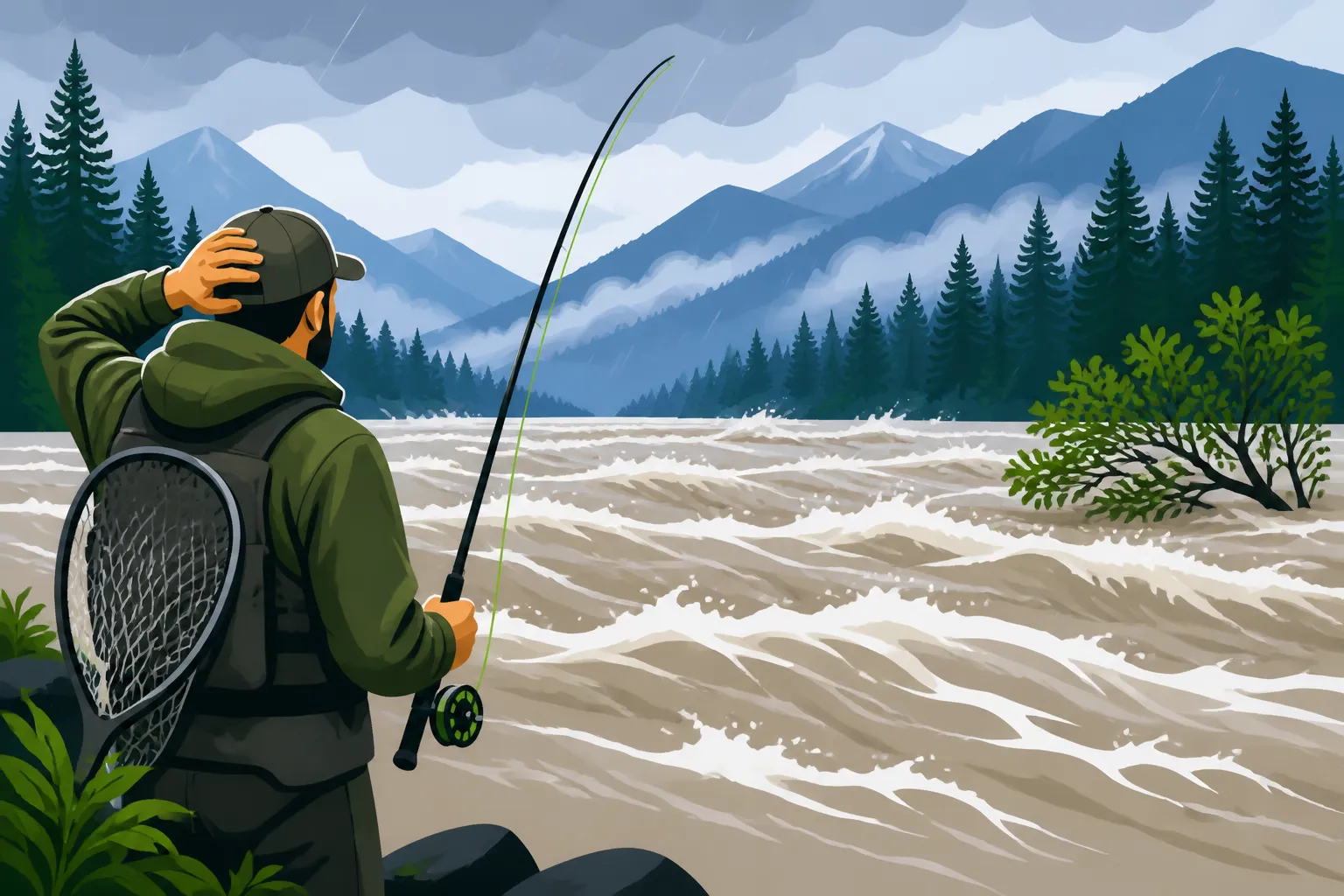
There's nothing quite like the crushing disappointment of planning a long-anticipated steelhead trip to one of British Columbia's iconic rivers, only to arrive and find it a raging, muddy torrent. It's a scene far too many of us have faced, where the anticipation turns to a heavy sigh as you gaze at what looks more like a chocolate milk highway than a prime fishing spot. This guide is here to walk you through how to recognize when BC rivers are simply too high to effectively (or safely) fish for steelhead, what factors contribute to these conditions, and what you can do when Mother Nature throws a wrench in your plans.
Understanding River Levels and Steelhead Behavior
When you're chasing the elusive steelhead, understanding the river's pulse is paramount. These fish are incredibly sensitive to changes in their environment, and water levels are a huge factor in their behavior and where they hold.
The Impact of Freshet and Heavy Rains
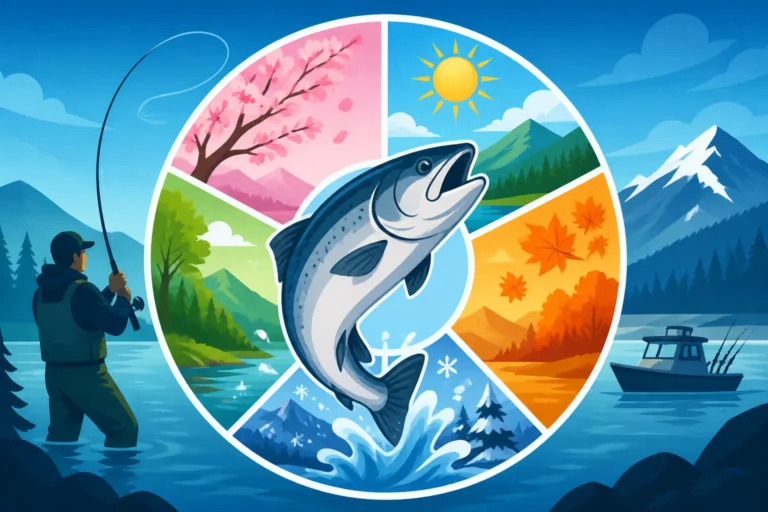
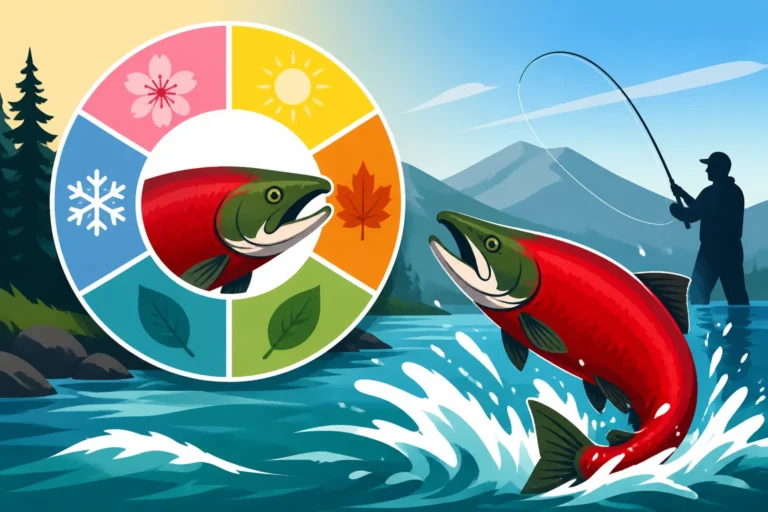
British Columbia is a province of wild, untamed beauty, and that means powerful rivers fed by vast snowpacks and frequent rainfall. The "freshet" is a term every BC angler knows well – it's the annual spring runoff from melting snow in the mountains. This natural phenomenon can turn a calm river into a formidable beast almost overnight, typically from late April through June, though its intensity and timing vary wildly year to year and region to region. A strong freshet means higher, colder water, often with reduced clarity due to glacial melt and sediment.
Beyond the annual freshet, heavy, prolonged rainfall can have a similar effect, even outside of spring. Coastal rivers, in particular, are prone to rapid rises and falls after a good rain. These events flush debris, alter riverbed structure, and drastically increase current speed. For a steelhead angler, these are critical times to monitor. The river transforms, and what might have been a perfect run just yesterday can become an unfishable maelstrom today. It's a constant dance with nature, and sometimes, you just have to sit it out.
How Steelhead React to High Water
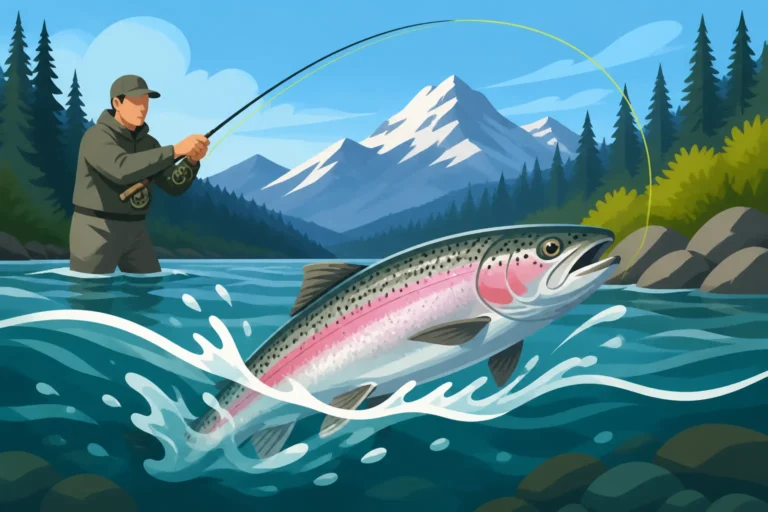
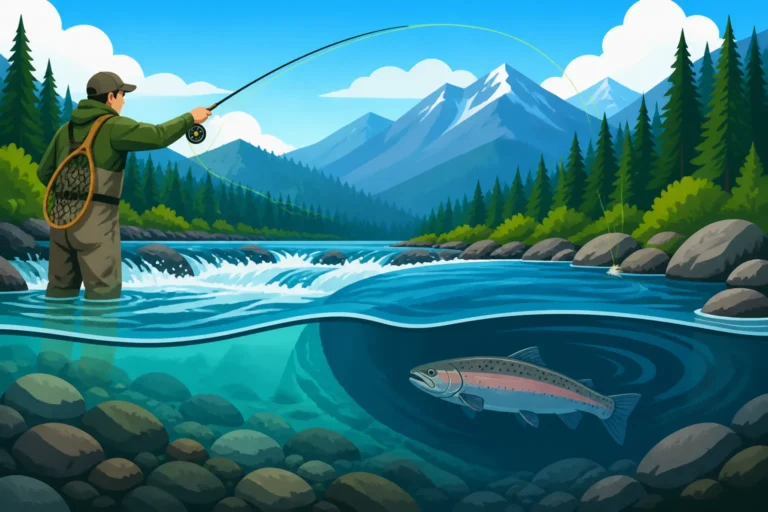
While high water can make fishing difficult for us, it doesn't mean the steelhead vanish. In fact, they're still there, but they've adjusted their positions to cope with the increased flow and reduced visibility. Imagine trying to swim against a powerful current all day; you'd seek refuge, right? Steelhead do the same. They'll move out of the main, fast-moving current and seek softer water where they can expend less energy.
This means you'll find them holding in areas like eddies, seams, behind large boulders, log jams, and any substantial structure that breaks the current. They might push closer to the riverbanks where the water is slower, or stack up in the deepest, slowest pools. Their feeding behavior might also change. With reduced visibility, they rely more on scent and vibration, and can become less inclined to chase fast-moving presentations. Understanding these changes in behavior is key, but only if the water is still fishable at all. Sometimes, even finding these holding spots is impossible due to the sheer volume and speed of the water.
Identifying Unfishable High Water Conditions
Knowing when to call it quits, or at least when to pivot your plans, is a hallmark of an experienced angler. It’s not just about frustration; it’s about safety and conservation.
Visual Cues and Water Clarity
The most obvious sign of unfishable high water is visual. What many anglers affectionately (or not-so-affectionately) call "chocolate milk" conditions is when the water is so turbid and muddy that you can't see even a few inches into it. Steelhead, while robust, rely on their vision to some extent, especially to track prey and avoid obstacles. If you can't see the river bottom in even shallow water, or if your boot disappears completely a few inches under the surface, it's likely too muddy for effective fishing.
Typically, you want at least 18-24 inches of visibility for effective steelhead fishing, allowing them to spot your fly or lure. In some systems, even 12 inches can be enough, but anything less drastically reduces your chances. Look for chunks of debris like sticks, leaves, and even full logs flowing downriver – that’s a clear indicator of a powerful, raging current. Many BC rivers, especially larger ones like the Skeena River or sections of the Fraser River, can handle more water than smaller coastal streams without becoming completely unfishable, but even these giants have their limits when the clarity drops to zero.
Flow Rates and River Speed
Beyond clarity, the sheer force and speed of the water are huge indicators. You can often tell a river is too high by the sound alone – a roaring, churning sound is rarely a good sign for wading or fishing. When the current is so strong that it's "boiling" with turbulence, creating standing waves, or ripping past at speeds that would make even the strongest swimmer nervous, it's definitely too high. Trying to present a fly or lure effectively in such a current is virtually impossible, as your gear will be swept downstream instantly.
Many anglers use online river gauges from sources like Water Survey of Canada to check flow rates (measured in cubic meters per second, or CMS) and water height before heading out. Over time, you'll learn what CMS levels are ideal for your favorite stretch of river and what levels make it unfishable. For example, a river that fishes beautifully at 50 CMS might be a complete washout at 200 CMS. These gauges are invaluable tools, especially when planning a trip to a river like the Bulkley River or the Thompson River, which can experience significant fluctuations. Always check the gauges; don't just rely on a general weather forecast.
Safe Wading Depth and Current Strength
This is perhaps the most critical factor for personal safety. Even if the water isn't completely muddy, the current might be too strong to wade safely. A good rule of thumb is the "thigh-high rule": if the water is consistently above your thighs, especially in fast current, you should seriously reconsider wading. However, even water below your knees can be dangerous if the current is powerful enough to sweep your feet out from under you. Remember, water weighs a lot – 1 cubic foot of water is about 62 pounds. A fast-moving river can exert immense pressure.
When you step into a river, if you feel the current immediately pushing hard against your legs, making you unstable, it's time to back out. It's never worth risking a fall, which can quickly turn into a life-threatening situation, particularly in cold BC waters. Always prioritize safety over the desire to cast. You can learn more about Wading Techniques for BC Steelhead Rivers to understand the nuances of safe entry and exit points.
Safety First: Navigating High Water
Fishing in high water can be incredibly dangerous. Even if you think you've found a "fishable" pocket, the surrounding conditions can pose serious threats. Taking precautions isn't just a suggestion; it's a necessity.
Essential Safety Gear and Practices
First and foremost, never, ever wade into high, fast water alone. The "buddy system" is your best friend. If one of you slips, the other can provide immediate assistance. Beyond that, proper gear is crucial. A good quality wading belt, cinched tightly, is not optional – it prevents your waders from filling with water if you fall, which can be catastrophic. Studded wading boots provide invaluable traction on slippery river bottoms, and a sturdy wading staff is a game-changer for maintaining balance and probing the depth and stability of the riverbed ahead of you. Think of it as your third leg. Many of these items are readily available on platforms like Amazon if your local tackle shop doesn't have them.
Consider a personal flotation device (PFD) or an inflatable vest, especially if you're exploring new water or if conditions are at the edge of your comfort zone. Cold water shock is a real and dangerous phenomenon in BC, and even strong swimmers can be incapacitated quickly. Always carry a whistle to signal for help if needed, and make sure someone knows your fishing plan – where you're going and when you expect to return.
Knowing Your Limits and River Sections
Every angler has different levels of comfort and experience in varying river conditions. Be honest with yourself about your capabilities. Just because someone else is wading in a certain spot doesn't mean it's safe for you, especially if they are more experienced, taller, or stronger. Different sections of the same river can behave dramatically differently in high water. A wide, shallow riffle might become an impassable torrent, while a deep, slow pool might actually become a bit more manageable if the banks are stable.
Always scout your entry and exit points carefully. Look for areas with slower current, stable banks, and clear paths. Avoid steep, slippery banks or areas with lots of submerged debris. Sometimes, the wisest decision is to simply pull back, observe the river, and come back when conditions improve. Respect the power of these rivers; they demand it. For example, some stretches of the Vedder River or Chilliwack River, popular for their accessibility, can become extremely dangerous during peak runoff.
Checking Conditions Before You Go
Gone are the days when you had to drive for hours just to "check" the river. We have an abundance of resources at our fingertips now. Before you even leave the house, check those online river gauges. Look at the flow rates and historical data for the river you're targeting. Pay attention to precipitation forecasts – a big rain event upstream can mean a blown-out river a day or two later.
Beyond official gauges, local tackle shops are goldmines of information. They often have real-time reports from other anglers and local experts. Give them a call! Many regional fishing forums and social media groups also provide up-to-the-minute reports on specific Best Steelhead Rivers in BC like the Skeena, Bulkley, or Dean. Always consult BC Fishery Notices and In-Season Closures, Explained for any updates or restrictions, as high water events can sometimes trigger emergency closures to protect migrating fish. A quick check can save you a wasted trip and keep you safe.
Alternative Strategies When Rivers Are Too High
So, the river's a raging beast, and steelhead fishing is off the table. Don't despair! This doesn't mean your fishing day is necessarily ruined. With a little flexibility, you can still find productive water.
Seeking Out Smaller Tributaries or Lakes
When the main stem of a large river like the Fraser or Skeena is blown out, its smaller tributaries often clear faster. These smaller streams, with their more localized watersheds, might not have experienced the same volume of snowmelt or heavy rain, or they might simply have shorter travel times for the water to drain. While they might not hold the same quantity of large steelhead, they can offer excellent opportunities for resident trout or smaller, sea-run fish that have moved into the less turbulent conditions. Always be sure to check BC Fishing Regulations Explained for these smaller systems, as they can have unique rules, closures, or gear restrictions.
Another fantastic alternative is to pivot to lake fishing. Many lakes in BC are not as dramatically affected by freshet or heavy rains as rivers are, especially larger, deeper lakes like Okanagan Lake or Kootenay Lake. You might find excellent action for rainbow trout, kokanee, or even bass in these stillwaters. This can be a great opportunity to explore How to Catch Rainbow Trout in BC Lakes or How to Catch Kokanee in BC. The water might still be a bit cooler than usual, but clarity is often much better, and fish are generally more active than in a turbulent river.
Exploring Coastal Estuaries or Tidal Zones
For those targeting sea-run species like steelhead, when the main river is unfishable, sometimes moving downstream to the river's estuary or nearby tidal zones can be a smart move. In these areas, the muddy river water mixes with the clearer, more stable ocean water. Steelhead, still in their anadromous phase or lingering near the mouth before making their upstream push, might congregate in these transitional waters.
Look for current seams where the clearer ocean water meets the turbid river outflow. These are prime ambush points for fish. The tides themselves can also influence clarity and fish activity here. An incoming tide, for instance, can push clearer ocean water further upstream into the estuary, creating a temporary window of opportunity. This strategy requires a different approach than typical river fishing, often involving casting into open water or targeting specific tide lines, but it can absolutely pay off when other options are limited.
Focusing on Future Planning and Gear Maintenance
Sometimes, despite your best efforts, there's just no safe or ethical fishing to be had. The rivers are raging, and all the lakes are still frozen, or you're simply too far from an alternative. In these moments, instead of letting frustration win, use the downtime productively! This is the perfect opportunity to meticulously clean and service your fishing reels, sharpen hooks, repair waders, or replace worn line.
You can also use this time to tie new Fly Patterns for BC Steelhead Rivers or experiment with different lure setups. Research new fishing spots for when conditions improve, pore over maps, or dive deep into understanding Steelhead Runs on BC's North Coast Rivers to better plan your next adventure. Order any gear you've been meaning to get, perhaps from Amazon, to ensure you're fully stocked for your next outing. Remember, fishing is as much about preparation and anticipation as it is about the actual time on the water. A day off the water can be a day of learning and preparing for future success, making you an even more formidable angler when conditions finally cooperate.
Disclaimer
Fishing in British Columbia involves inherent risks. River conditions can change rapidly and unexpectedly. Always prioritize your personal safety and consult official government resources and local experts for the most current regulations, river conditions, and safety advisories before embarking on any fishing trip. This guide provides general information and should not replace professional safety instruction or local knowledge.