BC Fishing Seasons by Month
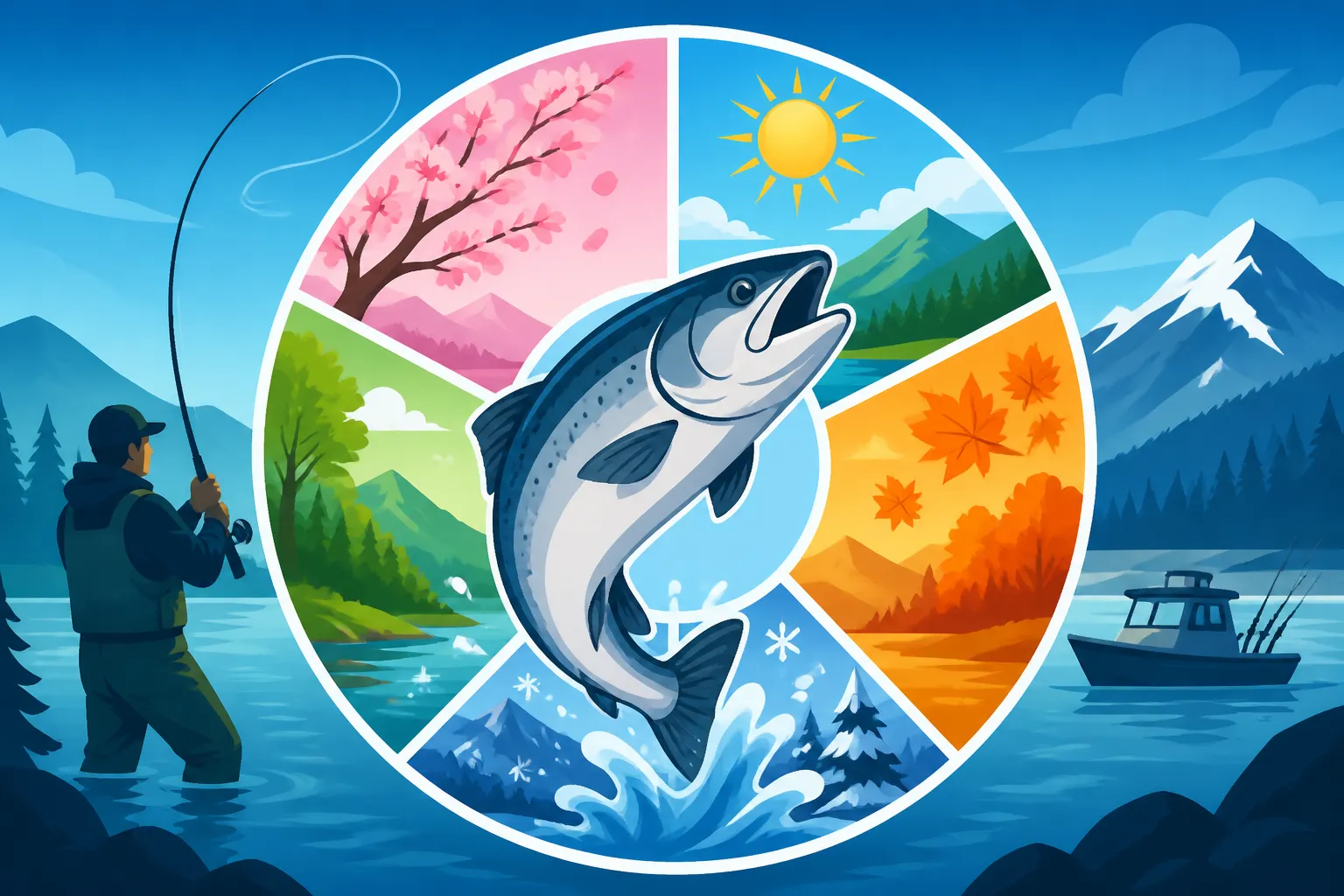
Trying to figure out the absolute best time to cast a line in British Columbia can feel like you're trying to solve a puzzle with a thousand moving pieces. With such an incredibly diverse landscape, from roaring coastal rivers to serene interior lakes, the optimal fishing season changes not just by the month, but often by the week and even the specific body of water. This comprehensive guide is here to untangle that complexity, offering a realistic, month-by-month breakdown of what you can expect and where your best chances lie for a truly memorable BC fishing adventure.
Understanding BC's Diverse Fishing Landscape
British Columbia is a colossal province, and its fishing opportunities are as varied as its geography. It’s not just a matter of "when" you can fish, but "where" and for "what." The sheer scale of the province means that while one region might be locked in winter ice, another might be seeing its first spring salmon runs. This geographical diversity is precisely what makes BC a world-class fishing destination, but it also demands a nuanced understanding of its seasonal rhythms.
Coastal vs. Interior Waters
Imagine the rugged, fjord-carved coastline of Vancouver Island or the mainland's Lower Mainland rivers, fed by Pacific storms and home to epic salmon and steelhead migrations. Now picture the sun-drenched, semi-arid interior with its vast lakes like Okanagan Lake or the sprawling Kootenay Lake, where massive rainbow trout and kokanee thrive. These two distinct environments operate on completely different seasonal calendars. Coastal waters, heavily influenced by ocean currents and milder temperatures, often have year-round fishing opportunities, particularly for resident species like lingcod and bottom fish, and various salmon runs at different times. Interior waters, on the other hand, experience more extreme temperature fluctuations, leading to distinct ice-fishing seasons in winter and warmwater species flourishing in summer. Understanding this fundamental divide is the first step to planning your trip. A general rule of thumb is that coastal fisheries are often more about salmon and steelhead, while interior lakes are renowned for their trout, kokanee, and sometimes even bass.
Freshwater vs. Saltwater Nuances
Adding another layer of complexity is the distinction between freshwater and saltwater fishing. While some species, like the anadromous salmon and steelhead, traverse both worlds, many others are exclusive to one. Saltwater angling along BC's vast coast offers opportunities for Pacific salmon (Chinook, Coho, Pink, Sockeye, Chum), halibut, lingcod, and various rockfish species. These fisheries are heavily dictated by migration patterns, baitfish availability, and ocean conditions. Freshwater fishing encompasses everything from the mighty Fraser River, home to legendary sturgeon, to countless small creeks teeming with wild trout, and the large glacial lakes. Each freshwater system has its own unique ecosystem and a set of regulations that can vary dramatically. For instance, specific stretches of rivers like the Vedder River or the Thompson River might have very particular openings and closures for steelhead, while a small lake in the Cariboo might be open for rainbow trout year-round. Always remember that a BC Freshwater vs Tidal Waters License, Explained is necessary, and you can't just use one for both.
January & February: The Winter Wonderland Fishery
When the holiday decorations come down and the days remain short and chilly, many anglers might pack away their gear, but savvy British Columbia enthusiasts know that winter offers some unique and often overlooked fishing opportunities. It's a quieter time on the water, often offering solitude and a distinct challenge, but with the potential for some truly rewarding catches.
Hardwater Opportunities Ice Fishing
For those in the interior and northern regions of BC, January and February are prime months for ice fishing. Lakes like those in the Cariboo region, Shuswap Lake, or even smaller, accessible lakes near Kamloops or Prince George freeze over with enough thickness for safe hardwater angling. You’ll be targeting species like rainbow trout, kokanee, burbot, and sometimes even whitefish. It’s a different kind of fishing experience, often involving augers, portable shelters, and a hot thermos of coffee. The gear is often quite specialized, and you might find useful items like portable sonar units or specialized ice fishing rods on online retailers like Amazon. The key here is safety – always check ice thickness and local conditions. A good rule of thumb is at least 4 inches for walking, and much more for vehicles. Look for popular ice fishing spots where you can often find reports on ice conditions from other anglers. Often, smaller, shallower lakes will freeze first and provide the most consistent action.
Early Season Steelhead and Lingcod
On the coast, winter doesn't mean a complete shutdown. In fact, for many, this is the start of the coveted winter steelhead season. Rivers on Vancouver Island and the Lower Mainland, such as the Squamish River or the Chilliwack/Vedder River, begin to see their first waves of these magnificent anadromous rainbow trout. Steelhead fishing in winter is a test of patience and skill, often done in cold, clear, or slightly coloured water. These fish are powerful and incredibly elusive, making each catch a true trophy. Similarly, in the saltwater, lingcod fishing can be excellent through the winter months. These aggressive bottom dwellers are often found around rocky reefs and kelp beds, particularly along the deeper sections of the coast from Vancouver Island to the Sunshine Coast. They're a fantastic eating fish and provide a serious fight. Remember to check BC Halibut Bag Limit Rules for other bottom-dwelling species as well, as regulations can change.
March & April: Spring Awakens the Waters
As the snow begins to melt and the days grow longer, British Columbia's fishing scene truly starts to stir. March and April are transitional months, offering a mix of lingering winter opportunities and the first exciting signs of spring activity across both freshwater and saltwater fisheries. This is a time when water levels can fluctuate wildly with spring runoff, making river conditions a critical factor for success.
Emerging Trout and Kokanee Activity
In the interior, as ice thaws and water temperatures slowly rise, rainbow trout and kokanee become increasingly active. This is often the period where stocked lakes, especially those that have been ice-free for a few weeks, see fantastic action. The trout are hungry after a long winter and will readily take flies, lures, or bait. It's a fantastic time for shore fishing or casting from a small boat. Places like various lakes in the Kamloops area or the southern Okanagan begin to really shine. Kokanee, the landlocked sockeye salmon, also start to move into shallower water, providing excellent opportunities for trolling with small spoons or wedding bands. Early spring fishing for these species can be incredibly productive, as they feed aggressively before the summer heat. Understanding BC Kokanee Retention Rules is crucial, especially regarding whether a salmon stamp is required for retention.
First Runs of Coastal Salmon
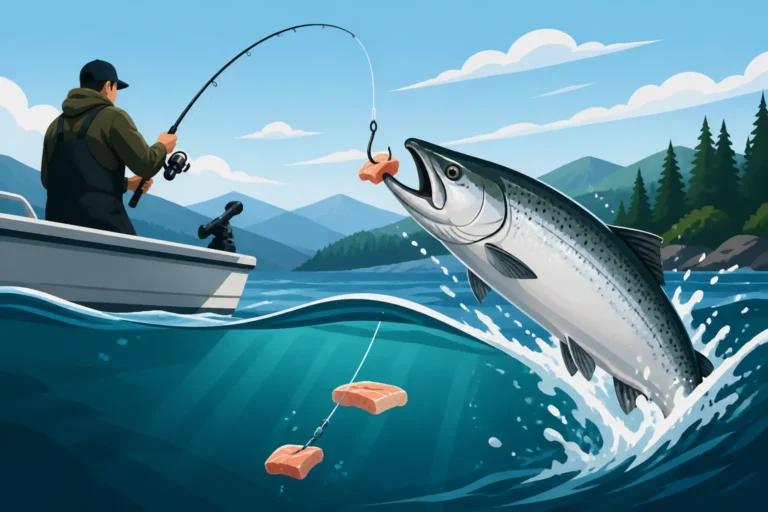
On the saltwater front, late March and April often mark the arrival of the first significant runs of "feeder" or "winter" Chinook salmon in specific coastal areas. These are immature salmon that are actively feeding in the ocean before their spawning migration. Areas like Discovery Passage near Campbell River or around the Gulf Islands become hotspots. Trolling with bait such as anchovies or herring, often behind a flasher, is a popular and effective technique. While not typically the massive "tyee" salmon of fall, these fish are strong, feisty, and make for excellent table fare. Coho salmon also start to show up in greater numbers as the spring progresses, offering exciting, acrobatic fights. If you're planning a trip, considering a Best Fishing Charters in British Columbia can greatly increase your chances of finding these early season salmon.
Steelhead Peak on Certain Rivers
For many steelhead anglers, April represents the absolute peak of the winter steelhead season on a number of BC's most famous rivers. While some rivers might see their runs taper off, others, particularly those with later-timed migrations, are in full swing. The Bulkley River and Kispiox River in the Skeena region, for instance, are legendary for their powerful winter steelhead, and late spring can offer some incredible opportunities, though access can still be challenging. The Thompson River, famous for its summer and fall runs, also sees some steelhead activity in late spring. Water levels can be tricky – too much runoff can blow out rivers, making them unfishable, but just the right amount can bring in fresh fish and activate existing ones. Always check current river conditions and BC Fishery Notices and In-Season Closures, Explained before heading out, as these fish are highly managed for conservation.
May & June: Peak Spring Action and Early Summer Delights
As spring fully blossoms into early summer, the fishing opportunities across British Columbia truly explode. The longer days, rising temperatures, and burgeoning insect hatches create a vibrant aquatic environment, pushing many species into a feeding frenzy. This period offers a fantastic diversity of targets for anglers, from trophy trout to aggressive salmon and halibut.
Prime Trout and Bass Fishing
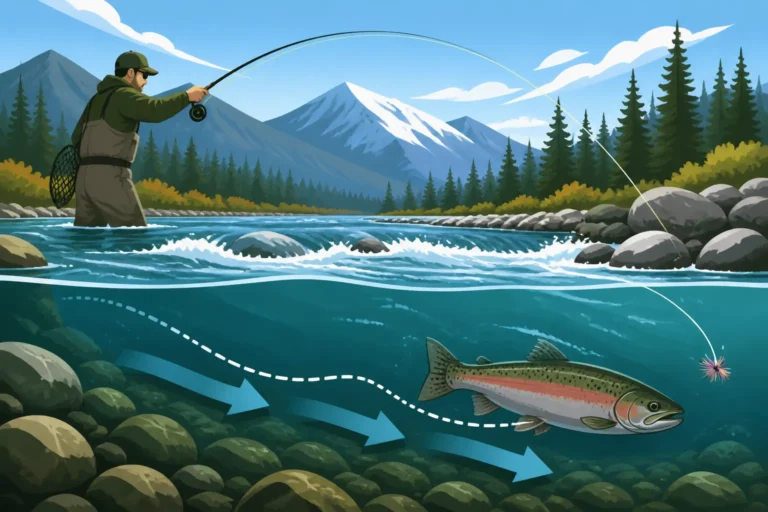
May and June are arguably the best months for trout fishing in BC's vast network of lakes and rivers. Interior lakes, from the small, stocked ponds that dot the landscape to the sprawling depths of Kootenay Lake (home to the famed Gerrard rainbow trout), come alive. Fly fishing for rising trout becomes incredibly productive as insect hatches like caddis and mayflies emerge. Trolling or casting lures are also highly effective methods for targeting these hungry fish. Bass fishing, particularly for smallmouth and largemouth in the Okanagan Valley lakes like Osoyoos Lake, also kicks into high gear as water temperatures warm significantly. These aggressive fighters offer incredible topwater action in the mornings and evenings. For those seeking diversity, this is an ideal time to explore some of the Best Fishing Lakes in British Columbia.
Chinook Salmon and Halibut Begin to Ramp Up
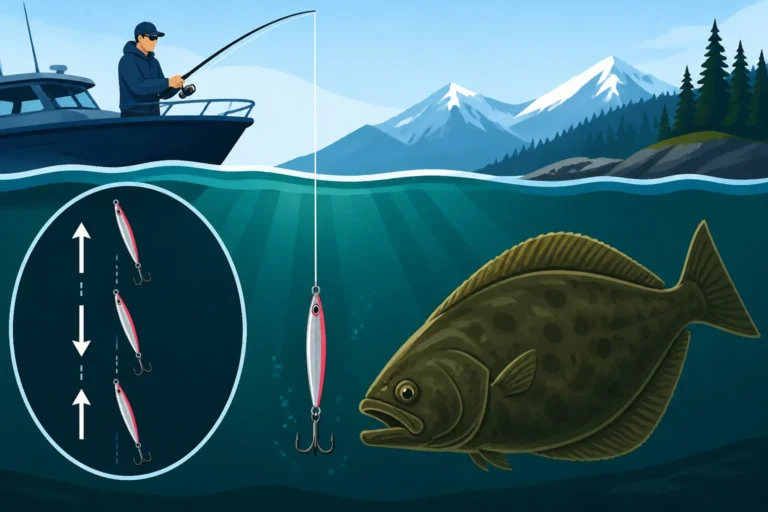
In the saltwater, May and June mark a significant ramp-up in the highly anticipated Chinook salmon fishery. These powerful salmon, often referred to as "Kings," start to appear in greater numbers in areas like Campbell River and the waters surrounding Vancouver Island. They are actively feeding, making them a prime target for trollers using various lures, spoons, and bait. The fight of a large Chinook is legendary. Simultaneously, the halibut fishery really gets going. These massive flatfish are found on sandy or gravelly bottoms, often in deep water, and require heavy tackle to subdue. Popular spots for halibut include the west coast of Vancouver Island near Tofino and Ucluelet. Charter operations become very busy during these months, and booking ahead for a Best Halibut Charters off Tofino is highly recommended. You can always find quality gear like heavy-duty fishing reels and braided line on Amazon to prepare for these battles.
River Conditions and Runoff Considerations
While May and June offer incredible potential, they are also the months most affected by spring runoff. As mountain snowpacks melt, rivers can swell, become muddy, and dangerous, making them unfishable for many species. This is particularly true for larger river systems like the Fraser River and its tributaries. Anglers need to pay close attention to river levels and clarity. Often, smaller, lower-elevation rivers or those fed by lakes might clear sooner. Alternatively, fishing stillwaters like lakes and reservoirs becomes a safer and often more productive option during peak runoff. Always prioritize safety and check local conditions through reliable sources before heading out. Sometimes, fishing smaller streams or the edges of large rivers where the current is less intense can still yield results even during high water.
July & August: Summer's Abundance and Diverse Opportunities
The heart of summer in British Columbia brings long, warm days and an incredible array of fishing experiences. This is often the busiest time on the water, with opportunities ranging from spectacular salmon runs to offshore adventures and warmwater species. The provincial landscape truly shines, offering something for every angler.
Sockeye Salmon Spectaculars and Pacific Salmon Variety
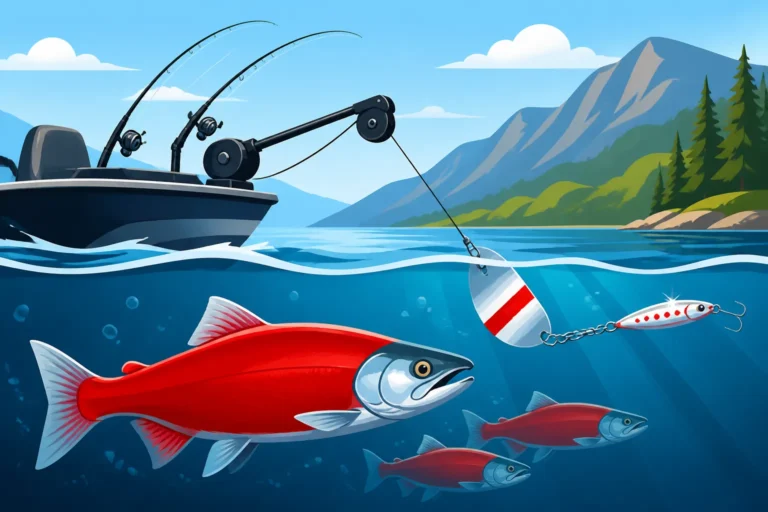
For many, July and August mean one thing: Sockeye salmon. These vibrant red-bodied salmon return in massive numbers to the Fraser River system, often creating a true spectacle. While regulated strictly for conservation, when opened, the BC Fraser River Sockeye Closure Windows can be a target of incredible abundance, offering fast-paced action. Beyond Sockeye, other Pacific salmon species are also making their presence known. Chinook salmon continue to be a prime target, especially in coastal waters. Pink salmon, known for their biannual "humpie" runs, typically surge in odd-numbered years, providing accessible and exciting fishing for many. Coho salmon, with their aggressive takes and acrobatic fights, become more prevalent as summer progresses, particularly closer to their natal rivers. If you're keen on experiencing the full spectrum, a Pacific Salmon Species Identification Guide can help you differentiate your catch.
Offshore Halibut and Tuna Adventures
The open ocean off BC's coast during July and August offers some of the most thrilling big-game fishing experiences. Halibut fishing remains excellent, often moving into deeper offshore banks as the summer progresses. Targeting these giants requires patience and robust gear. For the adventurous, this is also the season for albacore tuna. These powerful, schooling fish chase baitfish far offshore, providing an adrenaline-pumping, fast-action fishery. Tuna trips often involve long runs out to sea, but the reward of a fresh albacore is well worth the effort. These are specialized trips, usually requiring a dedicated charter with appropriate gear and safety equipment. Many anglers will stock up on heavy jigging lures and robust line, which they might order from Amazon for convenience. Remember, offshore conditions can change rapidly, so always go with experienced operators.
Warmwater Species in Interior Lakes
While salmon and halibut dominate the coastal narrative, interior lakes are thriving with warmwater species. Largemouth and smallmouth bass in the Okanagan and Kootenay regions are at their most active. They'll readily hit topwater lures in low light, or plastics and crankbaits throughout the day. The warmer water temperatures make them incredibly aggressive. Burbot, also known as freshwater cod, can be targeted in deeper, cooler sections of large lakes, often during evening or night fishing trips. Panfish like yellow perch are also abundant and provide excellent family-friendly fishing opportunities. Even common carp can offer a surprisingly strong fight in some of the larger, slower rivers and lakes. This is also a great time to introduce kids to fishing, with plenty of action and generally good weather. Checking out the Okanagan Valley Fishing Guide will provide excellent insights into these diverse freshwater opportunities.
September & October: Autumn's Golden Harvest
As the leaves begin to turn vibrant shades of red and gold, British Columbia transitions into one of its most productive and picturesque fishing seasons. Autumn is a time of immense movement for anadromous fish and a final feeding frenzy for resident species, offering some of the year's most memorable angling.
Fall Salmon Runs Coho, Chum, Chinook
This is arguably the absolute peak for Pacific salmon returns to their natal rivers. Coho salmon are abundant in coastal rivers, putting on spectacular aerial displays. Rivers like the Harrison River, Chilliwack River, and those on Vancouver Island become magnets for these chrome-bright, aggressive fish. Chum salmon also arrive in huge numbers, especially in October, offering a powerful, if not always glamorous, fight. Chinook salmon, particularly the large "tyee" class, are still pushing into rivers like the Fraser, Squamish, and various Vancouver Island systems, representing the pinnacle of BC salmon fishing for many. This is a crucial time for understanding BC Salmon Conservation Stamp Rules, as these stamps are required for anyone retaining salmon. Regulations can change frequently based on run strength, so always consult the latest DFO (Department of Fisheries and Oceans Canada) fishery notices.
Steelhead Revival and Trout Feeding Frenzies
While winter steelhead often grabs the headlines, autumn brings fantastic opportunities for summer-run steelhead. Rivers in the Skeena system, such as the Bulkley River and Kispiox River, and the legendary Thompson River, see strong returns of these incredibly powerful fish. They are often more aggressive than their winter counterparts, making for electrifying fights. Fly anglers, gear fishers, and drift fishers all find success. In the interior, trout fishing remains excellent, particularly in lakes where fish are aggressively feeding to bulk up for winter. Large Gerrard rainbow trout in Kootenay Lake or Kamloops trout in the Okanagan can provide epic battles. As insect hatches dwindle, these fish will often key in on baitfish or larger, subsurface presentations. Autumn also brings the opportunity for some truly wild and remote trout fishing in smaller streams and headwaters, often with stunning fall foliage as a backdrop.
River Closures and Regulation Changes
It's absolutely crucial during the fall salmon and steelhead runs to be hyper-vigilant about regulations. This is the most sensitive time for many species as they are concentrating to spawn. Conservation efforts often lead to specific river sections being closed to all fishing, or to particular gear restrictions (e.g., single barbless hooks only) or bait bans. BC Fishing Season Dates and Closures can be complex and change rapidly based on in-season assessments of fish runs. For example, specific windows on the Fraser River might be closed for sockeye or chinook. Failing to check these notices can result in significant fines and contribute to conservation issues. Make it a habit to check the DFO website or local tackle shops before every trip. Some areas might become BC Catch and Release Only Waters to protect spawning fish.
November & December: Late Season Gems and Winter Preparations
As the vibrant colours of autumn fade and the cold grip of winter begins to take hold, the fishing season in British Columbia certainly slows down for many. However, for those willing to brave the chill, November and December offer distinct and often highly rewarding opportunities, particularly for dedicated anglers seeking solitude and the challenge of cold-water fishing.
Winter Steelhead and Lingcod Fishing
For many passionate anglers, November marks the true beginning of the winter steelhead season. Rivers on Vancouver Island and the Lower Mainland, like the Cowichan River, Chehalis River, and Fraser Valley tributaries, begin to see good numbers of these legendary chrome beauties. Steelhead fishing in the colder months requires dedication and an understanding of how fish behave in lower water temperatures and often clearer conditions. Float fishing, drift fishing, and spey casting are popular methods. Each hook-up feels like a major accomplishment. Simultaneously, in the saltwater, lingcod fishing continues to be a strong option. These toothy predators are often found closer to shore in late fall and early winter, making them accessible to smaller boats or even shore anglers in certain locations. Their firm, white flesh is highly prized. This time of year also offers some fantastic crabbing and prawning opportunities for those with the appropriate BC Crab and Prawn License Requirements for Anglers and gear.
Preparing for the Off-Season
While some robust fisheries continue, November and December are also a time for many anglers to clean, repair, and organize their gear for the coming year. This "off-season" is perfect for spooling fresh line, sharpening hooks, cleaning reels, and restocking tackle boxes. It's also a great opportunity to explore new techniques or plan future trips. Perhaps you're looking to upgrade your rain gear, or invest in a new tackle box – Amazon is a reliable source for these necessities. For those less inclined to brave the elements, this is an excellent time to study fishing maps, read up on new regulations (which often come out for the next year around this time), and tie flies or build leaders. It’s also a good period to attend local fishing shows or club meetings to learn from other experienced anglers and share stories from the past season. Thinking ahead to next year, you might want to look into purchasing your British Columbia Fishing License Guide for 2026.
Essential Factors Influencing BC Fishing Seasons
While a month-by-month breakdown provides a great roadmap, successful fishing in British Columbia is ultimately dictated by a dynamic interplay of environmental factors and regulatory decisions. Ignoring these crucial elements can turn a planned fishing trip into a frustrating outing. Understanding these influences is key to becoming a truly effective and responsible angler.
Water Levels, Temperatures, and Weather Patterns
These three elements are arguably the most critical external factors influencing fishing success. Water levels, particularly in rivers, are highly dependent on rainfall and snowmelt. Too low, and fish can be stressed and congregated; too high, and rivers can become unfishable due to strong currents and poor visibility. Spring runoff (May-June) is a prime example of high water impacting river fishing. Water temperature is another huge factor. Each species has an optimal temperature range for feeding and activity. For instance, salmon and steelhead prefer cooler water, while bass thrive in warmer conditions. Drastic temperature shifts, like a sudden cold front, can shut down a bite. Weather patterns, including barometric pressure, wind, and sun exposure, also play significant roles. A steady barometric pressure often leads to more active fish, while strong winds can make casting difficult and dangerous. Always check detailed weather forecasts and river flow data (available from sites like the BC River Forecast Centre) before heading out.
Fishery Notices and Conservation Measures
This cannot be stressed enough: always check current fishery notices! The Department of Fisheries and Oceans (DFO) for tidal waters and the BC Ministry of Forests for freshwater regularly issue updates, opening and closing fisheries, implementing gear restrictions, or changing bag limits. These changes are often made in-season based on conservation concerns, such as lower-than-expected fish returns or environmental conditions like drought. For example, specific retention rules for species like Chinook salmon can change mid-season, or entire sections of rivers might be closed to protect spawning fish. Ignoring these notices is not only irresponsible but can also lead to significant fines, as outlined in Fishing Without a License in BC: Penalties. Responsible anglers are conservation-minded, and staying informed is part of that commitment. Many local tackle shops and guide services are excellent sources of up-to-the-minute information, supplementing the official government channels.
Licensing and Regulatory Updates
Finally, staying on top of licensing requirements and general regulatory updates is paramount. British Columbia has distinct licenses for freshwater and tidal waters, and within those, there are different fees for residents and non-residents, as detailed in Resident vs Non-Resident Fishing License Costs in BC. Additionally, various stamps, such as the Salmon Conservation Stamp or Steelhead Conservation Surcharge Stamp, are often required depending on the species you intend to target and retain. Regulations for specific areas can also vary wildly; some lakes might be fly-fishing-only, others catch-and-release, or have specific bait restrictions. The annual Reading the BC Freshwater Fishing Regulations Synopsis is your bible, and it's updated annually. Take the time to read it thoroughly, as ignorance of the rules is no excuse. Remember to always carry your license, whether a physical printout or a digital copy on your phone, when fishing.
BC Fishing Seasons by Species (Table)
To help visualize the prime fishing windows, here's a quick overview of when some of British Columbia's most popular species are typically most active. Remember, these are general guidelines, and local conditions and regulations always apply!
| Species | Jan | Feb | Mar | Apr | May | Jun | Jul | Aug | Sep | Oct | Nov | Dec |
|---|---|---|---|---|---|---|---|---|---|---|---|---|
| Freshwater | ||||||||||||
| Rainbow Trout | ICE | ICE | PK | PK | PK | PK | HI | HI | PK | PK | AC | ICE |
| Kokanee | ICE | ICE | AC | PK | PK | PK | HI | AC | SPA | SPA | AC | ICE |
| Steelhead (W) | AC | PK | PK | AC | AC | PK | ||||||
| Steelhead (S) | AC | PK | PK | AC | ||||||||
| White Sturgeon | AC | AC | AC | AC | PK | PK | PK | PK | AC | AC | AC | AC |
| Bass (L/S) | AC | PK | PK | PK | PK | AC | AC | |||||
| Burbot | PK | PK | AC | AC | PK | |||||||
| Saltwater | ||||||||||||
| Chinook Salmon | AC | AC | AC | PK | PK | PK | PK | PK | PK | AC | AC | AC |
| Coho Salmon | AC | AC | PK | PK | PK | PK | PK | AC | AC | |||
| Sockeye Salmon | AC | PK | PK | AC | ||||||||
| Pink Salmon (Odd) | PK | PK | AC | |||||||||
| Chum Salmon | AC | PK | PK | |||||||||
| Halibut | AC | AC | AC | PK | PK | PK | PK | AC | AC | AC | ||
| Lingcod | PK | PK | PK | PK | AC | AC | HI | HI | HI | AC | AC | AC |
Key: PK = Peak Season, AC = Active/Good, HI = High Activity (but might be warm/deep), ICE = Ice Fishing, SPA = Spawning (often closed or catch & release)
(W) = Winter Run, (S) = Summer Run, (L/S) = Largemouth/Smallmouth
Disclaimer
Please note that fishing regulations in British Columbia are complex and subject to change at any time by the Department of Fisheries and Oceans Canada (DFO) for tidal waters and the BC Ministry of Forests, Lands, Natural Resource Operations and Rural Development for freshwater. This guide provides general information and recommendations based on typical seasonal patterns. Always consult the most current official regulations and fishery notices before planning any fishing trip to ensure compliance and promote conservation. Fishing involves inherent risks; always prioritize safety on the water.