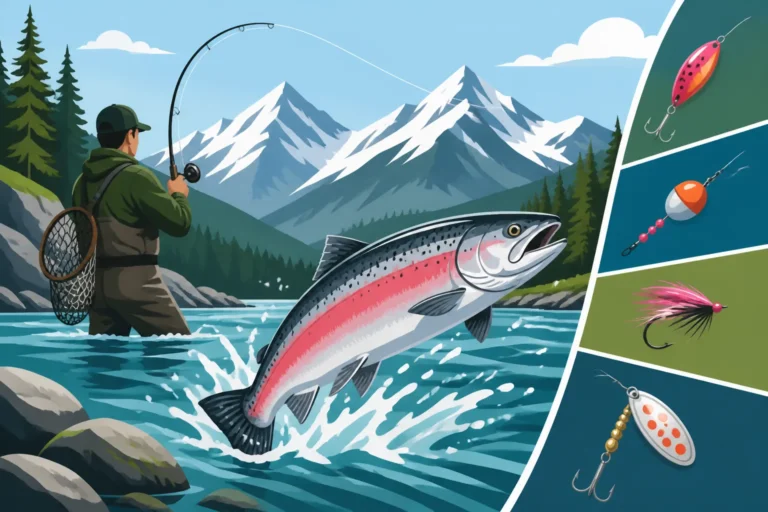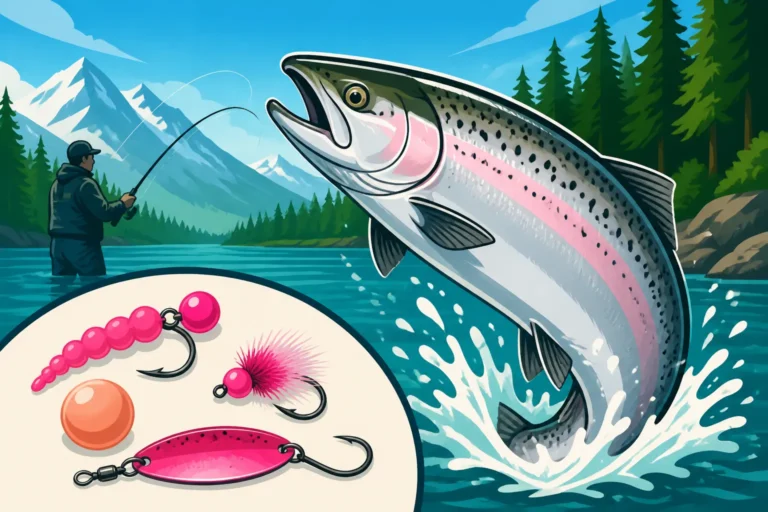
Drift Fishing for Steelhead in BC Rivers
For many anglers, the thought of British Columbia steelhead fishing is both a dream and a daunting challenge. These chrome beauties are notoriously elusive, often hiding in complex river currents, making them incredibly difficult to locate and entice. If you've ever felt the frustration of casting into prime water only to come up empty-handed, you're not alone. This comprehensive guide is here to demystify one of the most effective and rewarding techniques for these magnificent fish: drift fishing.
Understanding BC Steelhead and Their Rivers
Steelhead are incredible fish, a migratory rainbow trout that spends part of its life in the ocean before returning to freshwater to spawn. In British Columbia, they embody the wild spirit of our rivers, presenting a unique challenge to even the most seasoned angler.
The Elusive Nature of Steelhead
Steelhead aren't like your everyday trout. They're often referred to as "the fish of a thousand casts" for a reason. Unlike resident trout who might readily strike at various presentations, steelhead are often tight-lipped and particular. When they enter a river system, they're not primarily focused on feeding; their instinct shifts to spawning. This means we're not trying to trigger a hunger strike as much as we are trying to trigger an aggressive or territorial response, or simply a curiosity strike. They hold in specific types of water, conserving energy, and will only move for a perfectly presented offering that practically lands right on their nose. The constantly changing river conditions, from water clarity to flow rates, add another layer of complexity. It’s this very challenge that makes landing one so incredibly satisfying.
Prime BC Steelhead Rivers for Drifting
British Columbia is blessed with an abundance of incredible rivers that are home to robust steelhead runs, offering some of the best opportunities for drift fishing. When we talk about prime steelhead rivers, we’re often looking at systems that offer a diverse range of holding water—think deep pools, gravel runs, riffles, and current seams.
On Vancouver Island, rivers like the Cowichan, Stamp, and Gold are legendary for their winter steelhead, with anglers often targeting them from late fall through early spring. The Stamp River, in particular, is renowned for its strong returns and relatively accessible stretches. Heading north, the vast Skeena River system, including its famous tributaries like the Bulkley River and Kispiox River, offers world-class steelhead fishing, drawing anglers from around the globe. These northern rivers are characterized by their wild, pristine nature and the sheer size of the steelhead they produce. The Thompson River, while currently facing significant conservation challenges, has historically been one of British Columbia’s most famous steelhead destinations, known for its powerful summer-run fish. Each river has its own character, current speeds, and ideal holding water, demanding slightly different approaches to your drift. Researching the specific river you plan to fish, and understanding its unique flow dynamics, is crucial for success. You can find more details on specific locations in our guide to the Best Steelhead Rivers in BC.
Essential Gear for Successful Drift Fishing
Having the right gear isn't about being fancy; it's about being effective, durable, and comfortable in often challenging river conditions. Drift fishing requires a specific setup to achieve that perfect, natural presentation.
Rod, Reel, and Line Setups
For drift fishing steelhead, your rod, reel, and line are your primary tools, and choosing them wisely makes all the difference.
Rods: You'll typically want a longer, medium-light to medium-heavy action spinning or casting rod. For spinning setups, rods in the 9'6" to 10'6" range are common. This extra length helps with line control, keeping as much line off the water as possible to minimize drag, and provides excellent leverage for fighting strong fish in heavy current. A moderate-fast to fast action is ideal, offering enough backbone for hook sets and fighting power, but with a sensitive tip to detect subtle bites. Popular rod brands like Shimano, G. Loomis, and Fenwick offer excellent options suitable for BC steelhead. For those who prefer a casting setup, a baitcasting rod of similar length and action, often paired with a low-profile baitcaster, provides exceptional control for precise drifts. You can often find a good selection of specialized steelhead rods on Amazon, complete with angler reviews.
Reels: A high-quality spinning reel in the 3000-4000 size range, known for its smooth drag system, is a must-have. When a steelhead decides to run, a smooth, consistent drag will prevent break-offs and allow you to tire the fish effectively. For baitcasting setups, a reel with a good braking system and high retrieve ratio is beneficial for picking up slack quickly and managing drifts. Ensure your reel is rated for freshwater use and can handle the demands of heavy lures and strong fish.
Line: This is where things get a bit nuanced. Most steelhead anglers will employ a main line of 15-20 lb braided line, such as PowerPro or Sufix, due to its incredible sensitivity, no-stretch properties, and strength-to-diameter ratio. This braid allows you to feel even the softest take. However, steelhead have excellent eyesight, especially in clear water, so directly tying your lure to braid is usually not the best approach. This is where a fluorocarbon leader comes into play. A good starting point is a 10-15 lb fluorocarbon leader, typically 3 to 6 feet long, tied to your braid with a strong knot like a double uni or FG knot. Fluorocarbon is nearly invisible underwater and incredibly abrasion-resistant, which is crucial when fishing around rocks and snags. The length of your leader can be adjusted based on water clarity and depth – longer leaders for clearer, shallower water, and shorter for murky or faster conditions.
Terminal Tackle and Weighting Strategies
Terminal tackle for drift fishing is all about getting your bait or lure to the fish effectively and naturally.
Hooks: Single hooks are standard for steelhead to minimize harm to the fish, especially since many rivers operate under catch-and-release regulations or selective retention. Size 1 or 2 octopus-style hooks are popular choices for bait fishing, while jig heads should match the size of your soft plastic or bait. Always ensure your hooks are sharp; a dull hook will lead to missed opportunities.
Weights: Achieving the perfect drift requires precise weighting. The goal is to get your presentation to the fish's level without snagging constantly or drifting too fast above them. Slinky weights are incredibly popular in BC. These soft, flexible weights, often made of surgical tubing filled with lead shot, are much less prone to snagging than traditional lead sinkers, allowing your rig to bounce and slide over rocky bottoms. Pencil lead is another excellent option, offering a streamlined profile that cuts through current well. The amount of weight you use will depend heavily on the river's current speed and depth. It's an art form to feel your weight ticking the bottom occasionally without getting hung up. Carrying a variety of weights is essential so you can adapt to different water conditions throughout the day. You can find comprehensive sets of slinky weights and pencil lead for various conditions on Amazon.
Swivels and Beads: A small barrel swivel is often used to connect your main line (or braided leader section) to your fluorocarbon leader. This helps reduce line twist, especially when using spinning gear. Beads, typically small plastic or glass beads, are often threaded onto the leader just above the bait or lure, serving as an attractor or to protect the knot from a sliding weight. However, for a truly natural drift, minimizing all hardware is often preferred by experienced anglers.
| Component | Recommended Spec | Purpose | Notes |
|---|---|---|---|
| Rod | 9'6" – 10'6" Medium-Light/Medium | Line control, fighting leverage, sensitivity | Spinning or baitcasting, moderate-fast to fast action |
| Reel | 3000-4000 series (Spinning) | Smooth drag, line capacity, quick retrieve | Durable freshwater model, often with high gear ratio |
| Main Line | 15-20 lb Braided | Sensitivity, strength, no-stretch | High-visibility colors aid bite detection |
| Leader | 10-15 lb Fluorocarbon (3-6 ft) | Invisibility, abrasion resistance, knot protection | Length adjusted for water clarity/depth |
| Hooks | Size 1 or 2 Octopus (single) | Secure hook sets, fish safety | Barbless often required; ensure sharpness |
| Weights | Slinky Weights, Pencil Lead | Natural drift, depth control, snag reduction | Carry varied weights for different currents; check Amazon |
| Swivels | Small Barrel Swivel | Prevents line twist | Connects main line to leader; optional if using direct knots |
Mastering Drift Fishing Techniques
Drift fishing isn't just about casting and waiting; it's a dynamic, hands-on technique that requires constant attention, feel, and adjustment.
Reading the Water and Identifying Holding Lies
Understanding where steelhead hold is perhaps the most critical skill in drift fishing. Steelhead will position themselves in spots where they can rest, avoid strong currents, and dart out quickly if something enticing floats by.
Look for areas that offer a break from the main current, such as behind large boulders, submerged logs, or ledges. These "current seams" are highways for food and provide a comfortable resting spot. The transition zone where fast water meets slower water is always a prime candidate. Deeper pools at the tail end of a riffle, or even in the middle of a long run, are classic holding lies, especially in colder temperatures or lower light conditions. Riffles themselves, which are shallower, faster-moving sections with broken water, can hold active fish, particularly during warmer parts of the day or when salmon are spawning upstream. Focus on the softer water adjacent to the faster currents.
Also, pay attention to depth changes. A sudden drop-off or a channel that funnels fish can be a hotspot. Often, steelhead will lie on the bottom in just enough current to bring food to them without expending too much energy. Learning to read these subtle signs comes with experience, but actively looking for these types of structure and current variations will drastically improve your chances. Our guide on How to fish a run and pool steelhead river delves deeper into these concepts.
Executing the Perfect Drift and Presentation
Once you've identified a promising "holding lie," the goal is to present your bait or lure as naturally as possible, mimicking something drifting helplessly downstream.
The Cast: Cast upstream and across the current, aiming to land your weight slightly upstream of where you believe the fish are holding. The exact distance will vary depending on river conditions and your target spot, but a good rule of thumb is to allow enough distance for your weight to sink to the desired depth before it reaches the strike zone.
The Drift: This is the heart of the technique. As your weight and bait drift downstream, you need to maintain a "tight line" – not taut, but with just enough tension to feel the bottom ticking and detect a bite. This usually means keeping your rod tip high (often at a 45-degree angle or more) and "mending" your line. Mending involves quickly lifting your rod tip and flipping a loop of line upstream. This takes the slack out of your line, prevents your bait from dragging unnaturally, and keeps your weight bouncing along the bottom at the same speed as the current. The goal is for your bait to tumble downstream as if it were truly free-drifting. Too much drag, and your bait will swing out of the strike zone unnaturally. Too much slack, and you won't feel the subtle "tick-tick-tick" of your weight on the bottom, let alone a steelhead's delicate bite. Practice is key here; it's a continuous dance between casting, mending, and feeling the bottom.
Depth Control: Your weight choice and the angle of your cast will dictate your depth. If your weight is consistently dragging and snagging, you're either using too much weight or not mending enough. If you're not feeling the bottom at all, you might need more weight or to cast further upstream. The perfect drift sees your weight occasionally tapping the bottom, indicating you're in the "strike zone" where steelhead are often found.
Hook Sets and Fighting a BC Steelhead
Landing a BC steelhead is a thrilling experience, demanding a calm head and precise actions.
The Bite: Steelhead bites can range from a violent strike that nearly yanks the rod out of your hand to a subtle "tick" or a sudden stoppage of your drift. Because your line is always moving and your weight is ticking the bottom, discerning a bite from a snag can be tricky. When in doubt, set the hook! A good rule of thumb: if your weight feels like it stops dead or feels heavier than normal, it's often a fish. A snag will usually feel like a hard, immovable stop.
The Hook Set: With braid's no-stretch properties, a firm, sweeping hook set upwards or to the side is usually all it takes. There's no need for a massive, arm-jerking set; a quick, decisive sweep is more than enough to drive the hook home. Be ready, because once hooked, a steelhead will explode!
Fighting the Fish: This is where the real fun begins. Steelhead are incredibly powerful and acrobatic.
- Keep your rod tip high: This acts as a shock absorber and keeps tension on the line, preventing the hook from pulling free.
- Let the drag do its job: Don't try to muscle the fish in. If a steelhead runs, let it run, relying on your reel's smooth drag to tire it out. If you try to stop a screaming run, you'll likely snap your leader.
- Pump and Reel: Once the initial run is over, lower your rod tip towards the water, reel in any slack, then lift the rod again to gain line. Repeat this "pump and reel" motion to bring the fish closer.
- Be aware of obstacles: Steelhead will often try to head for snags like logs or rocks. Try to steer them away by applying side pressure with your rod.
- Landing the Fish: Once the fish is tired and close to shore, scoop it up with a net or carefully tail it (if you're experienced and wearing gloves) for a quick release. Remember, many steelhead fisheries are catch-and-release, so handle them with extreme care. Keep them in the water as much as possible, use wet hands, and revive them gently before letting them go. For more in-depth advice on safe handling, consider reading our advice on How to Catch Steelhead in BC.
Baits and Lures for Drift Fishing Steelhead
What you put on the end of your line can make or break a drift fishing trip. Steelhead can be picky, so having a variety of options is always a good idea.
Natural Baits and Roe Bags
Natural baits, especially roe, are often the go-to for many experienced steelhead anglers due to their enticing scent and natural appeal.
Roe Bags: These are small mesh bags filled with cured salmon or steelhead eggs. The scent trail they emit is incredibly effective at attracting steelhead. When preparing roe bags, freshness is key. You can cure your own roe using specific brines and cures, or purchase pre-cured roe from local tackle shops. The size of the roe bag should be small, typically marble to dime-sized, to mimic a natural cluster of eggs. They should be tied securely with roe netting string. Different rivers or even different times of year might call for different egg colors or scents. For example, some anglers swear by a bright orange in murky water, while a more natural pink might be better in clear conditions. Our guide on Best Baits for Steelhead on the Skeena offers more specific advice on this front.
Worms: Live or artificial worms, particularly larger steelhead worms, can also be effective, especially after heavy rains when worms might be washed into the river. The natural movement and scent of a real worm can be irresistible. Using a worm threaded onto a single hook, often with a small float if the current allows, can be a deadly combination.
Artificial Lures and Soft Plastics
When natural bait isn't available or allowed, artificial lures and soft plastics offer fantastic alternatives, sometimes out-fishing natural presentations.
Jigs: Small marabou jigs or rabbit fur jigs, often in vibrant colors like pink, orange, chartreuse, or black and blue, are classic steelhead killers. These jigs come alive in the water, pulsating and breathing with the current, mimicking small baitfish or aquatic insects. They can be fished naked or tipped with a small piece of bait (like a prawn tail or scented plastic worm). The key is to match the jig head weight to the current, allowing it to drift naturally and occasionally tick the bottom.
Soft Plastics: Scented soft plastics, such as Berkley Gulp! or PowerBait, in various shapes like eggs, worms, or small creatures, are incredibly versatile. These often come pre-scented, adding another layer of attraction. They can be fished under a float or directly drifted with a weight, similar to roe bags. The vibrant colors and realistic textures can trigger aggressive strikes. Experiment with different colors and sizes to see what the fish are keying on that day. Sometimes a subtle natural color works best, while other times a hot pink or chartreuse is what it takes to get noticed in off-color water.
Drift Bobbers and Floats: While drift fishing often implies bottom contact, a specialized type of drift fishing uses small floats or "drift bobbers" to suspend a jig or bait just off the bottom. This can be incredibly effective in slower, deeper runs or when you want to avoid constant bottom contact in snaggy areas. The float helps you detect subtle bites as it dips or stops. This technique still requires careful mending to ensure a natural drift.
Seasonal Considerations and River Conditions
Steelhead fishing in BC is a year-round affair, but understanding how seasons and river conditions impact fish behavior and your fishing strategy is paramount.
Adapting to Changing Water Levels and Clarity
British Columbia's rivers are dynamic, constantly changing with rainfall, snowmelt, and tidal influences. These changes directly affect steelhead behavior and your drift fishing success.
High, Murky Water: After heavy rains or significant snowmelt, rivers can swell and become murky. While this might seem daunting, it can actually be a prime time for steelhead. The increased flow helps fish move upstream, and the reduced visibility makes them less wary. In these conditions, focus on the softer water along riverbanks, eddy lines, and behind large obstructions where fish seek refuge from the main current. Use heavier weights to reach the bottom, and brighter, more visible baits or lures like chartreuse, hot pink, or bright orange roe bags or jigs. The increased scent trail of natural baits is particularly effective here. The turbidity also means you might need to fish closer to the bank, as fish will often hug the edges to avoid the powerful main current.
Low, Clear Water: Conversely, during periods of prolonged dry weather, rivers can become low and crystal clear. This makes steelhead incredibly spooky and challenging to approach. Stealth becomes paramount. Use lighter fluorocarbon leaders (e.g., 8-10 lb test), smaller baits, and more natural, subdued colors like natural pink roe, olive green, or black jigs. Long, precise casts are crucial to avoid spooking fish, and your drifts must be absolutely flawless, without any drag. Fish deeper pools, shaded areas, and fish during low light conditions like dawn and dusk. This is where your skills in Wading Techniques for BC Steelhead Rivers will really come into play, as careful approach is essential.
Optimal Conditions: The "sweet spot" often lies somewhere in between – dropping and clearing water after a freshet. As the water begins to drop and visibility improves, but before it gets too low and clear, steelhead are often on the move and more aggressive. This is when a wider range of baits and techniques can be effective. Monitoring local river levels and conditions through online resources or local tackle shops is a daily ritual for serious steelhead anglers.
Timing Your Drifts with Steelhead Runs
Steelhead enter BC rivers at different times of the year, depending on the specific run (winter-run vs. summer-run) and the river system. Understanding these timings is crucial for maximizing your drift fishing opportunities.
Winter Steelhead (November – April): British Columbia is world-famous for its winter steelhead. These powerful fish typically enter rivers in late fall, with peak fishing often occurring from December through March. During the winter, water temperatures are cold, and fish are often lethargic. They tend to hold in deeper, slower pools and runs, conserving energy. Your drifts need to be slow, deliberate, and presented right on their nose. Scented baits, like roe bags or prawns, are particularly effective. This is a time when persistence pays off, and understanding Best Techniques for Winter Steelhead will serve you well. Fishing early in the morning or late in the afternoon can be productive, but mid-day can also be good as water temperatures slightly warm.
Summer Steelhead (May – October): While less common than winter runs, some BC rivers host summer-run steelhead. These fish are generally more aggressive and active due to warmer water temperatures. They will often hold in faster, oxygenated water like riffles, boulder gardens, and tail-outs of pools. Lighter tackle, smaller baits, and more active presentations with jigs and artificial worms can be very effective. Early mornings and evenings are often the best times to target summer steelhead, especially during hot weather. Knowing the specific BC Steelhead Season Dates for your chosen river is vital, as regulations can vary significantly.
Spawn Timing: While steelhead technically spawn in the spring, once they have been in the river for an extended period and are actively spawning, targeting them can be unethical and is often restricted. Always check current regulations for specific river closures or catch-andrelease rules during the spawn. Our guide on BC Interior Fraser steelhead protection closures highlights sensitive periods in certain rivers. The focus should always be on conservation and allowing these magnificent fish to successfully reproduce.
Safety and Etiquette on BC Steelhead Rivers
Steelhead fishing, particularly drift fishing, often takes you into wild and rugged environments. Being prepared and showing respect for the river, the fish, and your fellow anglers is non-negotiable.
Wading Safety and River Awareness
Many of BC’s best steelhead waters require wading, and rivers can be dangerous. Safety should always be your top priority.
Wading Gear: Invest in good quality waders (neoprene for warmth in winter, breathable for summer) and studded wading boots. Felt soles are often banned due to their potential to spread invasive species, so rubber soles with studs are usually the best choice for traction on slippery river rocks. A wading belt is absolutely essential – it not only cinches your waders to prevent water from filling them if you fall, but also acts as a safety measure. A wading staff is highly recommended, especially when exploring new water or in fast current. It provides an extra point of contact and helps you probe the riverbed for depth and stability before committing your weight.
Wading Techniques: Never wade alone if possible, and always let someone know where you are going and when you expect to return. Always face upstream when wading; this allows you to see potential hazards coming. Shuffle your feet rather than lifting them to avoid losing balance and to feel for unstable ground. If the water looks too fast or too deep, it probably is. Don't take unnecessary risks. Remember that river bottoms can be uneven, with slick rocks, sudden drop-offs, and strong currents. Always have an exit strategy if conditions worsen or you find yourself in a tricky spot.
Environmental Awareness: Be mindful of changing weather conditions. A sunny morning can quickly turn into a torrential downpour, causing river levels to rise rapidly. Keep an eye on the sky and the water color. Be aware of wildlife, including bears and cougars, especially in remote areas. Carry bear spray and know how to use it. Pack out everything you pack in, including discarded fishing line and any food wrappers. Preserve the pristine beauty of BC's rivers for future generations.
Respecting Other Anglers and the Environment
Steelhead fishing can be a solitary pursuit, but you will often encounter other anglers. Showing respect ensures a positive experience for everyone.
"The Run" and Spacing: Steelhead rivers often have specific "runs" or sections of water where fish are known to hold. There's an unwritten code of etiquette: give other anglers plenty of space. Don't crowd someone's fishing spot. If an angler is actively fishing a run, don't walk directly in front of them or cast over their line. If an angler is drift fishing, they are typically moving slowly downstream, covering the water systematically. Wait your turn, give them ample room, and enter the water below them, or find another run altogether. A good rule of thumb is to allow at least 50-100 feet between anglers, or more in clear water.
Communication is Key: A simple "Good morning" or "How's it going?" can go a long way. If you're unsure if a spot is being fished, politely ask. Most anglers are happy to share information, but respect their space and privacy. If you see someone land a fish, a congratulatory nod or shout is always appreciated, but don't rush over unless invited.
Conservation Ethic: Steelhead are a precious resource, and many populations face significant challenges. Practice responsible catch and release, especially for wild, unmarked fish. Handle fish gently, keep them in the water as much as possible, use barbless hooks, and revive them fully before release. Support conservation efforts and adhere strictly to all fishing regulations, including daily limits and bait restrictions. Always purchase your BC Steelhead Conservation Surcharge Stamp when required. These actions ensure that future generations can also experience the thrill of drift fishing for BC steelhead.
Disclaimer
Fishing regulations, seasons, and licensing requirements can change frequently. Always consult the official British Columbia Freshwater Fishing Synopsis and any in-season DFO Fishery Notices before heading out on the water. This article is for informational purposes only and does not constitute legal advice.