Fly Patterns for BC Steelhead Rivers
Stepping onto the misty banks of a pristine British Columbia river, rod in hand, ready to chase that elusive silver ghost, there's often one nagging question that can really mess with your head: "Which fly should I tie on?" It’s a common frustration, feeling overwhelmed by the sheer number of patterns out there, and then wondering if you’re making the right choice for the specific conditions. This guide is here to untangle that confusion, diving deep into the world of fly patterns specifically designed for BC steelhead rivers, ensuring you approach the water with confidence.
Understanding the Elusive BC Steelhead
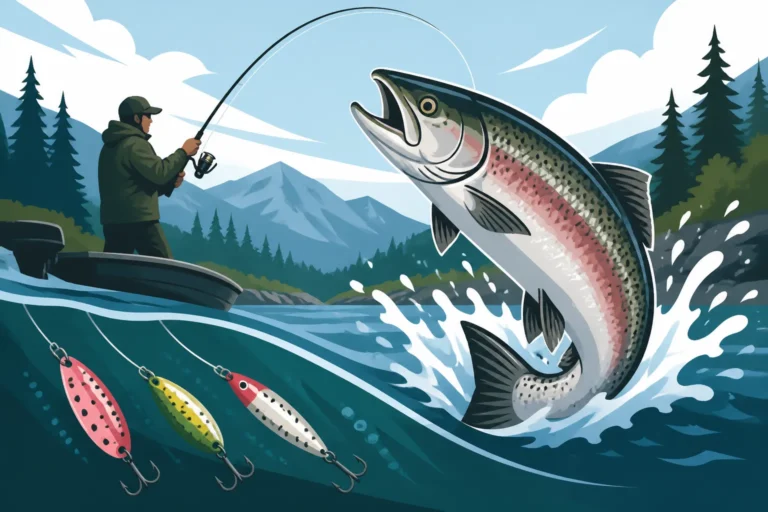
Before we even talk about specific flies, it’s crucial to understand the magnificent fish we’re targeting: the Pacific steelhead. These are not your average resident trout; they’re anadromous rainbow trout, meaning they spend years growing large in the ocean before returning to their natal rivers to spawn. This unique life cycle profoundly influences their behavior and, consequently, the types of flies that prove most effective. They're often in the river with a singular mission, not necessarily actively feeding, which means our flies need to trigger an aggressive or territorial response, or simply pique their curiosity.
The Anadromous Nature and River Entry
Steelhead embark on incredible journeys from the vast Pacific Ocean, pushing upstream through powerful currents, sometimes for hundreds of kilometers, to reach their spawning grounds. When they first enter the freshwater, they are typically fresh, hot, and aggressive. These fish are still carrying the ocean's energy, often responding well to larger, flashier patterns that grab their attention in the powerful currents of rivers like the Skeena or the Dean. As they spend more time in the river, they can become more "colored up" and potentially more lethargic, sometimes requiring a more subtle presentation. Understanding their migratory phase is key to making your initial fly selection.
River Conditions and Water Clarity
British Columbia’s steelhead rivers are dynamic ecosystems, constantly changing with the seasons, rainfall, and snowmelt. The clarity and temperature of the water play a monumental role in a steelhead’s willingness to strike and its ability to even see your fly. High, turbid water, often seen during spring freshets or after heavy rains, demands larger, darker, and more vibrant patterns with strong profiles to create a silhouette that stands out. Conversely, low and clear water, common in late summer or during cold winter snaps, usually calls for smaller, more natural, and less intrusive flies, as the fish can be incredibly wary and easily spooked. Adjusting your fly to the conditions isn't just a suggestion; it's a non-negotiable part of successful steelhead fishing.
Core Characteristics of Effective Steelhead Flies
When you're sifting through your fly box, or perhaps browsing for new patterns on a site like Amazon, it helps to know what truly makes a steelhead fly effective. It's not just about the color or the name on the packet; it's about how the fly behaves in the water, how it looks to the fish, and what kind of reaction it can provoke. These fundamental characteristics are what tie together all the classic and modern patterns.
Movement and Profile in the Water
Steelhead are highly attuned to movement. A fly that swims and breathes in the current, pulsating and undulating as it drifts, is often far more appealing than a rigid, lifeless offering. Materials like marabou, rabbit strip, and soft hackle are prized for their incredible action in the water, mimicking fleeing baitfish or drifting invertebrates. The overall profile of the fly is also important; it needs to look substantial enough to be a potential meal or an intruder, but not so bulky that it impedes its natural movement or sink rate. Think about how the fly will appear from below, silhouetted against the lighter surface, or how it will dart and pause as it swings through a run.
Color and Contrast
Color in steelhead flies is a complex topic, often debated by anglers with almost religious fervor. While some days fish seem to prefer vibrant "hot" colors like chartreuse, pink, or orange, other times a more subdued black, blue, or purple is the ticket. The key is often contrast, especially in varying water conditions. In dark, stained water, a bright, contrasting color can make the fly visible. In clear water, a more natural or subtle contrast might be more effective. UV materials, flashabou, and different shades of natural fibers all contribute to how a fly presents itself, offering visual cues that can entice a strike. Don't be afraid to experiment with your color choices, as a specific hue can often unlock a bite on a tough day.
Weight and Sink Rate
Getting your fly down to the fish’s level, and keeping it there throughout the drift or swing, is absolutely paramount in steelhead fishing. Steelhead rarely rise to a fly, preferring to intercept prey that drifts naturally in their holding lies. This is where weight becomes critical. Many steelhead flies incorporate lead wire, coneheads, or tungsten beads to help them sink quickly. The balance of weight and bulk needs to be just right; too heavy and it snags too often, too light and it washes out of the strike zone. The ideal sink rate allows the fly to tumble or swing naturally, presenting itself at the perfect depth as it moves through various currents and depths within a run. This is especially important when using techniques like Drift Fishing for Steelhead in BC Rivers.
Classic and Proven Steelhead Fly Patterns
There’s a reason certain fly patterns have stood the test of time and remain staples in every serious steelhead angler's box: they simply work. These classics are often the foundation upon which newer, more innovative patterns are built, and mastering their presentation can lead to incredible success on BC's renowned steelhead waters, like those you'd find when exploring Best Steelhead Rivers in BC.
The Intruders: A Modern Classic with Punch
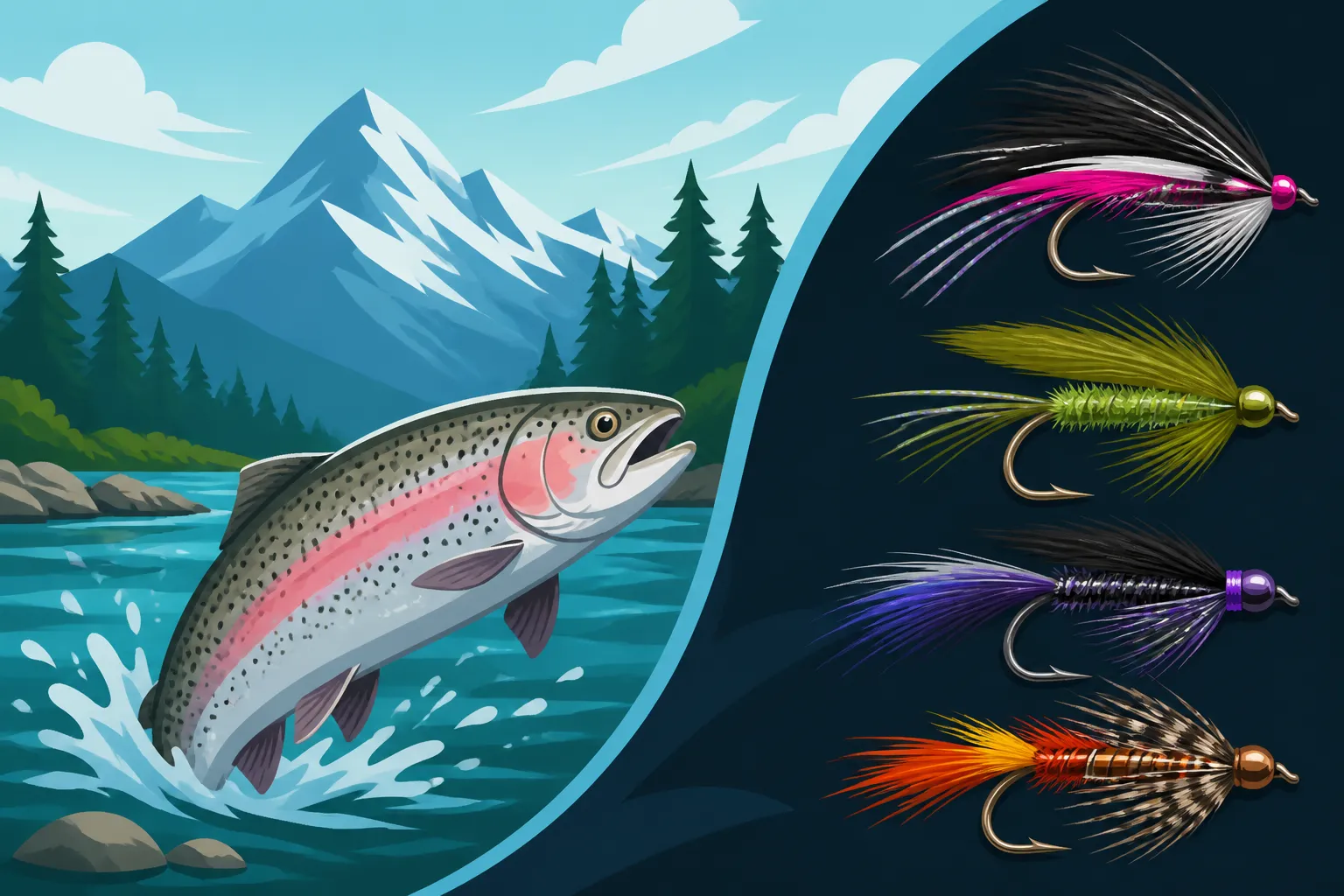
While relatively "modern" in the grand scheme of fly fishing, the Intruder style of fly has quickly become a classic for steelhead. These large, often articulated flies, characterized by their bushy profile and generous use of ostrich hurl, marabou, and flash, are designed to trigger aggression. They are built for big water, providing a substantial profile and incredible movement even in strong currents. Their large hooks ensure a solid hook-up when a trophy steelhead decides to commit. Intruders come in a vast array of colors, from bright pinks and oranges to more subdued black and blue combinations, making them versatile for different water clarities and fish moods. They are typically fished on a swinging presentation, allowing the current to bring them to life.
Spey Flies: Elegance and Tradition
Spey flies represent the rich history and elegance of traditional steelhead and salmon fishing. Originating from the Spey River in Scotland, these flies are characterized by their long, flowing lines, soft hackles, and often sparse, traditional materials like heron or teal flank. While they might appear simple, their magic lies in their subtle, fluid movement in the water. As they swing through the current, the soft hackles collapse and expand, creating a lifelike, "breathing" action that can be irresistible to wary steelhead, especially in clearer water or when fish have been in the river for a while. Patterns like the Black Spey, Green Butt Skunk, or the Lady Caroline are revered for their consistent ability to entice strikes. They demand a graceful presentation, often with a two-handed spey rod, allowing the fly to work its magic.
Marabou Leeches: Simple, Deadly, and Versatile
Sometimes, the simplest patterns are the most effective, and the marabou leech certainly fits that description. These flies are essentially clumps of marabou feather tied to a hook, often with a bead head for weight or a bit of flash. What makes them so deadly is the unparalleled movement of marabou in the water; it pulsates and undulates with even the slightest current, perfectly imitating a living leech or baitfish. Their versatility is another huge advantage. They can be tied in various sizes and weights, from small, sparse patterns for clear water to large, weighted versions for high, turbid conditions. Popular colors include black, purple, olive, and various shades of red and pink. The humble marabou leech is a go-to for many anglers, providing consistent results when nothing else seems to work, especially for triggering a reactionary bite.
Modern and Innovative Steelhead Fly Patterns
The world of fly tying is constantly evolving, with innovative tiers pushing the boundaries of materials and design. While the classics are indispensable, modern patterns offer new ways to entice steelhead, often by enhancing movement, profile, or adaptability. Many of these newer designs leverage synthetic materials and clever construction techniques to create flies that are both durable and incredibly effective.
Articulated Flies: Maximize Movement
Articulated flies, much like the Intruders mentioned earlier, are designed to maximize movement by linking multiple hook shanks or components together. This construction allows the fly to have a much more natural, snake-like swimming action compared to a single-shank fly. Whether it's a two-part streamer or a multi-jointed sculpin imitation, the added articulation gives the fly an undeniable lifelike quality that can be incredibly effective on hard-to-catch steelhead. These flies typically feature lots of soft, flowing materials like marabou, rabbit fur, and various synthetic fibers, all contributing to that "breathing" action in the current. They're particularly potent in slower, deeper pools where a more subtle, sinuous movement can make all the difference.
Tube Flies: Customization and Fish Safety
Tube flies are a brilliant innovation that separates the hook from the fly body, tying the materials onto a small plastic or metal tube instead of directly onto a hook shank. The leader is threaded through the tube, and a short piece of monofilament or fluorocarbon is attached to a small treble or single hook that trails behind the fly. This design offers several key advantages. Firstly, it allows for incredible customization of fly size and profile without being limited by hook size. You can tie on a large, bushy tube fly, but use a relatively small, sharp hook. Secondly, and perhaps more importantly, it's often safer for the fish. When a steelhead is hooked, the tube slides up the leader, preventing the fly body from getting levered around in the fish's mouth, which can cause damage. Many expert anglers prefer tube flies, especially for Steelhead Runs on BC's North Coast Rivers, where catch and release is paramount.
Sculpin and Baitfish Imitations: Natural Appeal
While steelhead are not typically feeding heavily on their spawning migration, they are still predators, and the sight of a vulnerable baitfish or sculpin can trigger a territorial or predatory response. Modern sculpin and baitfish patterns are designed to mimic these food sources with incredible realism. They often feature weighted heads to dive and dart, realistic eyes, and body materials that imitate scales or fins. Patterns like the "Sculpzilla" or various zonker patterns, which use rabbit strips for a life-like swimming motion, are highly effective. These flies are particularly useful in situations where steelhead might be holding near structure or in slower water, where a more deliberate retrieve can make the fly appear to be an easy meal. Tiers often use deer hair, synthetic brushes, and epoxy to create realistic heads and profiles. You can find excellent selections of materials for these flies on platforms like Amazon if you're into tying your own.
Matching the Hatch (or Lack Thereof) and Conditions
One of the biggest lessons in steelhead fishing is that there's no single "magic" fly. The most effective pattern often depends heavily on the specific conditions of the river and the time of year. Being able to read the water and understand how environmental factors influence steelhead behavior is just as important as knowing your fly patterns. This dynamic nature means being adaptable is key to consistent success.
High Water and Turbidity
When BC rivers are running high and murky, perhaps after a heavy rain or during a significant snowmelt, the rules for fly selection change dramatically. Visibility is low for the fish, meaning your fly needs to make a bold statement. This is the time to reach for larger, darker, and more vibrant patterns. Dark colors like black, blue, and purple create a strong silhouette against the lighter sky or even the cloudy water itself, making the fly more visible. Adding bright "hot spot" colors like chartreuse, pink, or orange can also grab attention. Flies with plenty of flashabou or Mylar also become more effective as they reflect what little light penetrates the murky water. Weighted flies are crucial here to ensure your offering gets down through the powerful currents into the strike zone. Consider patterns like large black or purple Intruders, chartreuse marabou leeches, or heavily weighted tube flies. This is a scenario where understanding Best Techniques for High Water Spring Conditions can really pay off.
Low Water and Clear Conditions
The flip side of high water is low and clear conditions, which often occur during prolonged dry spells, cold winter snaps, or late summer. In these scenarios, steelhead are incredibly spooky and wary. They have ample time to inspect your fly, and anything unnatural or too bulky can send them darting away. This is when finesse becomes paramount. Downsize your flies considerably, opting for smaller, sparser patterns. Colors should lean towards natural tones like black, olive, brown, or subtle blues and purples. Flash should be minimal, or entirely absent. Longer, lighter leaders and tippets are also crucial to prevent spooking the fish. Traditional spey flies, small marabou leeches, or sparse weighted nymphs can be highly effective. The key is presenting a fly that looks completely natural and non-threatening, allowing the fish’s curiosity to overcome its wariness.
Seasonal Considerations for Fly Choice
The time of year dictates not only river conditions but also the stage of the steelhead run and, often, their demeanor. Early winter steelhead, sometimes called "summer-run" fish that have overwintered, tend to be more aggressive and responsive to larger, flashier flies. As winter progresses and water temperatures drop (consider the impact of Best Water Temperature for Steelhead Fishing), fish can become more lethargic, often preferring slower, deeper presentations with more subtle patterns. Spring steelhead, on the other hand, are often aggressive, fresh from the ocean, and ready to spawn, making them receptive to brighter, attention-grabbing flies. Patterns often shift towards those that mimic egg sacks or parr during this time. For the ultimate trophy, keep in mind that Best time of year for trophy steelhead in BC usually means hitting the prime run windows with the right patterns.
Building Your BC Steelhead Fly Box
As you gain experience and discover your own preferences, your steelhead fly box will become a deeply personal collection. However, there are some fundamental principles and essential categories that will set you up for success on any BC steelhead river. Thinking strategically about what goes into your box can save you a lot of frustration on the water and ensure you're prepared for whatever conditions Mother Nature throws your way.
Essential Fly Types to Include
A well-rounded steelhead fly box should contain a diverse selection of patterns that cover a range of conditions and presentations. You'll want a mix of the aggressive, attention-grabbing patterns for fresh, hot fish and high water, and more subtle, natural presentations for wary fish and clear, low water. Here's a breakdown of essential categories:
- Intruders: Have a selection of bright (pink, orange, chartreuse) and dark (black, blue, purple) Intruders, in various sizes (from 2-4 inches) and weights. These are your heavy hitters for aggressive fish and pushing through current.
- Spey Flies: Include a few traditional Spey patterns like the Green Butt Skunk, Black Spey, or Lady Caroline. These are fantastic for subtle presentations in clearer water or when fish are pressured.
- Marabou Leeches/Streamers: Stock up on weighted marabou leeches in black, purple, olive, and some "hot" colors. These are versatile and often deadly. Patterns like the "Dying Shrimp" or various "Mohair Leeches" are also excellent.
- Egg Patterns/Nymphs: While not always the primary choice, having a few simple egg patterns (like an "Otter's Soft Egg" in peach or chartreuse) or large stonefly nymphs can sometimes be the ticket, especially during or after spawning periods.
- Tube Flies: A selection of weighted and unweighted tube flies, varying in length and color, offers great versatility. You can often buy just the tubes and tie your own, or purchase pre-tied heads.
- Baitfish/Sculpin Imitations: Patterns like the Sculpzilla or various zonkers can entice a predatory strike, especially in slower water.
This diversity ensures you have options whether you're targeting early-season runs or pursuing late-season fish that have been in the river for months. Having a British Columbia Fishing License Guide for 2026 in order is always the first step, no matter which flies you choose.
Size and Color Variations for Adaptability
Having a range of sizes and color variations within each fly type is just as important as having the types themselves. For example, a large, bright pink Intruder might be perfect for a fresh-run steelhead in high, cold water, but completely ignored by a resident fish in low, clear conditions. For that fish, a smaller, sparse black Spey or a subtle olive marabou leech might be the answer. Always carry flies in at least two or three different sizes (e.g., small, medium, large) and multiple color schemes for each essential pattern. This adaptability is critical for cracking the code on a challenging day. You might find a great selection of pre-tied flies and fly-tying materials to stock these variations on Amazon, making it convenient to expand your collection.
Storage and Maintenance of Your Fly Arsenal
Proper storage and maintenance are often overlooked but are essential for keeping your flies in prime condition. Invest in good quality fly boxes that protect your flies from crushing, tangling, and moisture. Boxes with individual compartments or slotted foam inserts are ideal for keeping hooks sharp and materials intact. After a day of fishing, especially if you've been in saltwater or brackish tidal areas, dry your flies thoroughly before putting them back in the box to prevent rust and mildew. Periodically check your hooks for sharpness and rust, replacing any that are compromised. A small sharpening stone or hook file is a valuable tool to carry in your vest. A well-organized and maintained fly box allows for quick changes on the water, letting you focus on the fishing, not fumbling for a damaged fly.
Here's a quick comparison of some popular fly patterns:
| Fly Pattern Type | Primary Action/Profile | Best Conditions | Typical Colors | Why It Works |
|---|---|---|---|---|
| Intruder | Large, undulating, aggressive | High, turbid water; aggressive fish | Pink, Orange, Chartreuse, Black, Blue | Strong silhouette, triggers aggression |
| Spey Fly | Subtle, fluid, "breathing" | Clear, low water; wary fish | Black, Green Butt, Blue, Brown | Mimics natural movement, less intrusive |
| Marabou Leech | Pulsating, lifelike baitfish/leech | Versatile; all water types | Black, Purple, Olive, Pink, Red | Incredible movement, triggers predatory response |
| Tube Fly (various) | Highly customizable, variable | Adapts to any condition | All colors/sizes possible | Versatile, fish-safe, excellent movement |
| Sculpin/Zonker | Darting, realistic baitfish | Slower water, near structure | Olive, Brown, Black, White | Mimics vulnerable prey, strong profile |
Fly Tying for BC Steelhead
Many dedicated steelhead anglers eventually gravitate towards tying their own flies. This isn't just a cost-saving measure; it's a creative outlet and a way to perfectly match patterns to specific river conditions and personal preferences. The satisfaction of catching a chrome steelhead on a fly you personally crafted is unparalleled. Getting into fly tying also deepens your understanding of fly mechanics, materials, and how they behave in the water.
Essential Tying Materials and Tools
To get started with fly tying for BC steelhead, you don't need to break the bank, but a few essential tools and materials are crucial. A good quality vice is the cornerstone, holding your hook or tube securely. You'll also need sharp tying scissors, a bobbin for holding thread, a whip finisher, and a bodkin. For materials, start with the basics: various colors of tying thread, lead wire for weighting, a selection of hooks (e.g., Gamakatsu, Owner), and tubing for tube flies. For mobile materials, grab some marabou feathers in black, purple, pink, and olive, rabbit strips (zonker strips), and maybe some ostrich hurl. Flashabou or Krystal Flash in a few key colors will add that crucial bit of sparkle. As you progress, you can expand into more exotic feathers, synthetic fibers, and beads. Many online retailers, including Amazon, offer starter fly tying kits that provide a good foundation for building your own arsenal.
Learning Resources and Local Workshops
The journey into fly tying can seem daunting at first, but there are countless resources available to help you learn. Online platforms like YouTube are treasure troves of tying tutorials, with skilled tiers demonstrating step-by-step instructions for popular steelhead patterns. Websites and forums dedicated to fly fishing and tying also offer valuable advice and inspiration. Consider investing in a good fly tying book, which often provides foundational techniques and pattern recipes. If you're lucky enough to have a local fly shop in your area, they often host tying workshops or classes. These are invaluable for hands-on learning, getting personalized feedback, and connecting with other passionate tiers. The knowledge gained through tying your own flies will profoundly improve your overall understanding of How to Catch Steelhead in BC.
Final Thoughts on Selecting Your Steelhead Fly
Ultimately, choosing the "right" fly for BC steelhead is a blend of science, experience, and a dash of intuition. There are no absolutes, and what works one day might be ignored the next. However, by understanding the steelhead's behavior, the impact of river conditions, and the core characteristics that make flies effective, you can approach the water with a confident strategy rather than just guesswork.
Remember to consider the context: are you fishing the BC Steelhead Season Dates during an early, aggressive run, or later in the season when fish are more lethargic? Is the water high and off-color, demanding a big, flashy Intruder, or is it low and clear, calling for a subtle Spey fly or a small leech? Don't be afraid to experiment, and always pay attention to what the river is telling you. The most successful anglers are those who are willing to adapt and learn from every cast. And for those keen to protect these magnificent fish, remember your BC Steelhead Conservation Surcharge Stamp is a vital contribution to their future.
Disclaimer
Fishing regulations and conditions in British Columbia can change frequently. Always consult the official BC Freshwater Fishing Regulations Synopsis, the Fisheries and Oceans Canada (DFO) website, and local fishery notices before heading out. This guide provides general information and should not be used as a substitute for official regulations. Ensure you have the proper licenses and adhere to all local rules and catch limits.