How to Catch Rainbow Trout in BC Lakes
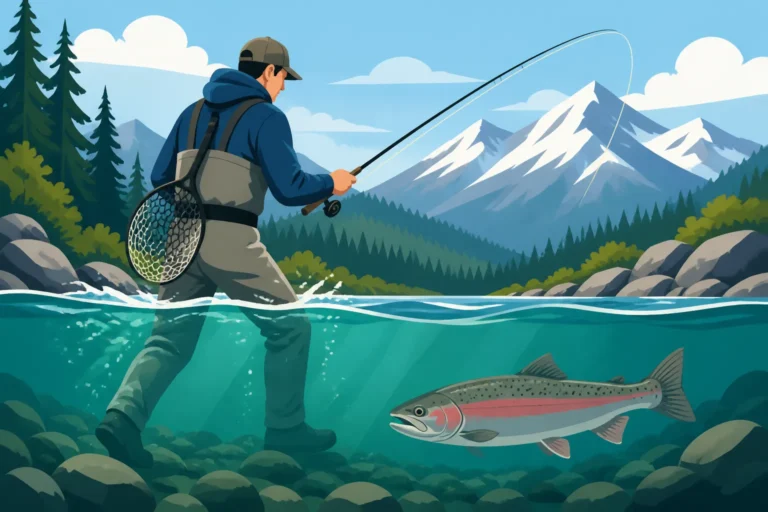
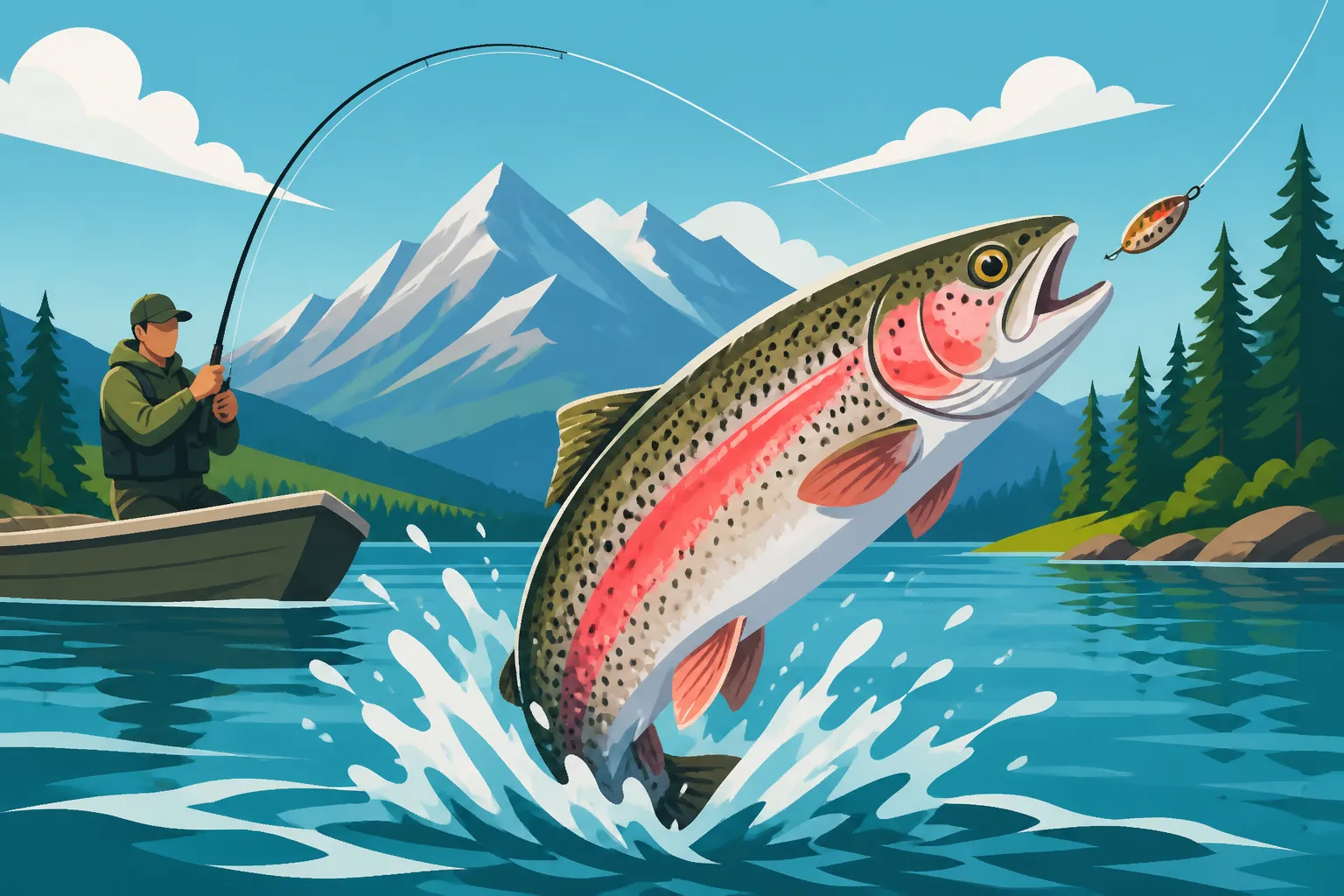
There's nothing quite like the feeling of watching your line go taut, a vibrant flash of silver and crimson breaking the surface as a powerful rainbow trout leaps from the cool, clear waters of a British Columbia lake. But let's be honest, those moments can sometimes feel few and far between, leaving you scratching your head wondering if you're doing something wrong. Rainbow trout in BC lakes can be incredibly finicky, influenced by everything from weather changes to what bug just hatched. This comprehensive guide is here to demystify the art and science of consistently catching these beautiful fish, helping you understand their habits, master your techniques, and pick the perfect gear for your next angling adventure.
Understanding British Columbia Rainbow Trout
Rainbow trout, whether native or the product of BC's extensive stocking programs, are truly the bread and butter of stillwater fishing across the province. They are renowned for their fighting spirit and striking beauty, but to consistently fool them, you need to understand them from the inside out. It's more than just casting a line; it's about connecting with the aquatic environment and anticipating their moves.
Biology and Behavior of Lake Trout (Focus on Rainbows Specifically)
Let's get specific: when we talk about "lake trout" in BC, most anglers are thinking about rainbow trout, particularly the larger, more robust strains like the famous Gerrard rainbows from Kootenay Lake or the Kamloops trout from the Okanagan. Unlike true lake trout (Salvelinus namaycush), which are a different species entirely and tend to prefer much colder, deeper water and are often more predatory on other fish, our BC lake rainbows are primarily insectivores and opportunistic feeders. They have sleek, torpedo-shaped bodies, typically with a greenish-blue back fading to silver sides and a white belly, all adorned with a distinctive reddish-pink band along their lateral line and a smattering of small black spots. Their size can vary dramatically, from pan-sized stockers weighing less than a pound to genuine lunkers exceeding 10 or even 20 pounds in nutrient-rich lakes with ample food sources.
These fish are incredibly sensitive to their environment. Factors like water temperature, dissolved oxygen levels, and the availability of food sources dictate where they will be in the lake at any given time. They are cold-water fish, generally preferring water temperatures between 10°C and 18°C (50-65°F). When temperatures rise above this, they'll retreat to deeper, cooler sections of the lake or seek out thermal refugia near springs or inflowing creeks. Conversely, in colder months, they might suspend in the water column or hug structure, conserving energy. Understanding these basic biological preferences is your first step to unlocking their secrets.
Seasonal Migration and Feeding Habits
Rainbow trout in BC lakes are creatures of habit, yet their habits shift with the seasons. Spring, after ice-off, sees them moving into shallower waters, often near shore, to feed heavily on emerging insects, minnows, and anything else readily available after a long winter. This is a prime time for fly anglers and those casting from shore. As summer progresses and water temperatures climb, they'll typically move deeper, suspending in the thermocline (the layer where warm surface water meets cooler deep water) or congregating near drop-offs and underwater structures where baitfish and insects are plentiful. This is when trolling becomes incredibly effective.
Come fall, as lake temperatures begin to cool again, rainbows will often move back into shallower areas, especially around spawning grounds, to gorge themselves in preparation for winter. This pre-winter feeding frenzy can provide some of the most exciting fishing of the year. During winter, particularly under the ice, their metabolism slows down, and they become less active. They'll still feed, but often in concentrated areas, making ice fishing a waiting game, often focused on specific depths or structure. Their diet is incredibly varied, encompassing everything from chironomids, mayflies, damselflies, and leeches to small baitfish like kokanee, sculpins, and even freshwater shrimp and zooplankton. Knowing what forage is prevalent in the specific lake you're fishing can give you a huge advantage in bait and lure selection.
Native vs. Stocked Rainbow Trout Differences
British Columbia has an extensive and successful provincial stocking program, managed by the Freshwater Fisheries Society of BC, which releases millions of trout into lakes across the province each year. This means you'll encounter two main types of rainbow trout: native (wild) and stocked. Each has distinct characteristics that can influence how you approach them.
Native rainbow trout typically inhabit larger, more remote lakes and river systems. They are often more wary, harder fighting, and possess a more vibrant, natural coloration. Their survival instincts are highly developed, making them a true challenge to catch. These fish are fully adapted to their natural environment, feeding on whatever forage is available, from insect hatches to resident baitfish populations. Catching a truly wild, large rainbow trout from a pristine BC lake is a badge of honour for many anglers. Often, specific regulations apply to these wild populations to ensure their long-term health, so always consult the latest BC Fishing Regulations Explained before heading out.
Stocked rainbow trout, on the other hand, are raised in hatcheries and released into lakes, often at a catchable size. These fish are typically less wary, more accustomed to feeding on pellets (which can influence their initial feeding preferences in the wild), and sometimes have slightly less vibrant coloration, though they quickly adapt and become indistinguishable from wild fish once established. Stocked lakes are incredibly popular for family fishing, beginners, and those looking for more consistent action. The Freshwater Fisheries Society of BC maintains an excellent online stocking report, so you can often know exactly when and where fish have been released. These fish are often quite eager to bite readily available baits like PowerBait or worms, making them a fantastic target for a relaxed day on the water.
Essential Gear for BC Lake Rainbow Trout
When you're chasing rainbow trout in BC lakes, having the right gear isn't just about catching fish; it's about comfort, efficiency, and being prepared for whatever these beautiful waters throw at you. From tiny stocked ponds to vast, windswept lakes, your equipment needs to match the conditions and the size of the fish you're targeting.
Rods, Reels, and Lines for Lake Fishing
Choosing your rod, reel, and line setup depends heavily on the fishing method you plan to employ. For general lake fishing for rainbows, a versatile medium-light to medium action spinning rod, typically 6 to 7.5 feet in length, is a fantastic all-around choice. This rod length provides enough leverage for casting from shore or boat while still offering the sensitivity to detect subtle bites. A medium action allows for a good bend in the rod, absorbing the powerful runs and head shakes of a feisty rainbow without pulling the hook. If you're targeting larger trout or trolling heavier gear, you might opt for a slightly stiffer, medium-heavy rod.
Pair your rod with a reliable spinning reel in a 2000 to 3000 series size. These reels offer a good balance of line capacity and smooth drag performance, which is crucial for fighting powerful trout. Look for a reel with a smooth, consistent drag system – it’s your best friend when a big rainbow decides to make a run for it. Brands like Shimano and Daiwa offer excellent options that are widely available on platforms like Amazon.
For line, a good quality monofilament or fluorocarbon line in the 4 to 8-pound test range is usually ideal. Monofilament offers good knot strength and stretch, which can act as a shock absorber. Fluorocarbon, being nearly invisible underwater and having less stretch, offers superior sensitivity and direct contact with your lure or bait. Many anglers opt for a braid main line (10-15 lb test) for its incredible sensitivity and casting distance, then attach a fluorocarbon leader (4-8 lb test) for stealth and abrasion resistance. This hybrid approach gives you the best of both worlds.
Terminal Tackle: Hooks, Leaders, and Weights
Your terminal tackle is the connection between your line and the fish, so don't skimp on quality here. Sharp hooks are non-negotiable – they greatly increase your hook-up ratio. For bait fishing, a size 6 to 10 single salmon egg hook or bait holder hook is perfect. If you're using PowerBait, a small treble hook (size 10 or 12) or a snelled single hook is often preferred to keep the bait buoyant and presented properly. For lures, ensure the treble hooks are sharp and replace dull ones.
Leaders are absolutely critical, especially in the clear waters of many BC lakes. Fluorocarbon leaders, ranging from 4 to 8-pound test and 18 to 36 inches long, are almost invisible to wary trout. They also offer excellent abrasion resistance, which is important when fishing around rocky bottom or structure. Always check your leader for nicks and abrasions after each fish or snag and replace it as needed.
When it comes to weights, you'll primarily be using split shot, sliding egg sinkers, or bottom bouncers, depending on your technique. Split shot in various sizes (from tiny BBs to larger sizes) are versatile for still fishing with bait or adjusting the sink rate of flies under an indicator. Sliding egg sinkers (1/8 oz to 1 oz) are excellent for bottom fishing with bait, allowing the fish to pick up the bait without feeling the weight of the sinker. For trolling, you might use downriggers, diving planes, or inline weights to get your lures to the desired depth. Having a selection of these weights on hand will allow you to adapt to different depths and current conditions.
Must-Have Baits and Lures
This is where the fun really begins! Rainbow trout are opportunistic feeders, so a diverse tackle box is your best friend.
For baits, powerbait (especially in bright colors like chartreuse, orange, or rainbow) is a perennial favorite for stocked trout. Worms, whether garden worms or dew worms, are universally effective for all trout. Salmon eggs, particularly in combination with a small float, can be deadly when trout are actively feeding near the surface or on specific hatches. Live maggots or mealworms can also be surprisingly effective. When fishing these baits, remember that presentation is key – you want them to look as natural as possible.
For lures, spoons are a classic choice. Small, flashy spoons like the Williams Wabler, Kamlooper, or Gibbs Croc in silver, gold, or copper are highly effective, especially when trolled or cast and retrieved. Spinners, such as Mepps, Rooster Tail, or Blue Fox Vibrax, with their pulsating blades, are also excellent for casting and retrieving in shallower water or around weed beds. Their vibration and flash are irresistible to hungry trout. For deeper water or when trout are keying in on specific baitfish, small jigs (1/16 to 1/8 oz) dressed with a curly tail grub or a soft plastic minnow imitation can be very productive.
And of course, for the fly anglers, a range of fly patterns is essential. Imitations of chironomids (size 12-18), leeches (black, olive), damselflies, dragonflies, caddis, and mayfly nymphs are crucial. Woolly Buggers (black, olive, white) in various sizes are also incredibly versatile and effective streamers for rainbows looking for a bigger meal. Having a selection allows you to match the hatch or imitate the predominant food source in the lake you're fishing. Many of these essential items, from a variety of hooks to diverse lure sets, can be conveniently found and stocked up on through retailers like Amazon.
Top Techniques for Stillwater Rainbows
British Columbia's lakes offer a vast array of fishing experiences, and adapting your technique to the conditions and the habits of the rainbow trout is paramount for success. Whether you're leisurely soaking bait or actively chasing fish, there’s a method that works.
Trolling for Deepwater Trout
Trolling is arguably one of the most effective ways to cover water and find active rainbow trout, especially in larger lakes during the warmer months when fish move deeper. It involves slowly pulling a lure or bait behind a boat. The key is finding the right depth and speed.
Depth Control: Rainbow trout often suspend in the water column, particularly in the thermocline, or hug structures like drop-offs and submerged points. To reach these depths, you'll need various tools. Downriggers allow precise depth control, letting you present your lure exactly where the fish are holding. Without downriggers, lead-core line or simply heavier inline weights can get your offerings down. Diving planes, like the Luhr Jensen Dipsy Diver or Pink Lady, also effectively take your lure to specific depths without adding excessive weight directly to your line. Always pay attention to your fish finder or sonar; it's an invaluable tool for identifying where fish are holding, as well as locating structure and bait balls.
Speed and Pattern: The ideal trolling speed can vary, but generally, a slow, methodical pace of 1 to 3 miles per hour is effective for rainbow trout. Experimentation is key. Sometimes a slight increase or decrease in speed can trigger bites. Incorporate turns into your trolling pattern; these changes in speed and depth can make your lure dart and dive, often provoking a strike. Effective lures for trolling include small spoons (like the Kamlooper, Gibbs Croc, or Needlefish), Apex lures, Flatfish, or Wedding Band spinners tipped with a worm. Sometimes, a simple bare hook with a juicy worm or a piece of PowerBait behind a dodger or flasher can be incredibly deadly. Remember, consistency in your chosen depth and presentation, especially when you find a productive zone, is crucial. For more depth-specific strategies, you might want to look into Trolling Techniques for BC Lake Trout.
Still Fishing and Bait Presentation
Still fishing, or bait fishing, is a classic and relaxing method that can be incredibly productive, especially for stocked trout or when targeting specific areas like drop-offs, weed edges, or structure. It’s a fantastic method for families and beginners.
From Shore: When fishing from shore, a simple bobber setup is often all you need. A slip bobber allows you to easily adjust your bait's depth, which is vital when fish are holding at varying levels. A small split shot or two crimped above your hook will help your bait sink to the desired depth. Popular baits include PowerBait (moulded onto a small treble hook or snelled single hook to float off the bottom), garden worms, or salmon eggs. Cast near weed lines, submerged logs, or rocky points, and patiently wait for that bobber to dip. You can also fish without a bobber, letting your bait sit on the bottom with a sliding egg sinker, which allows a finicky trout to take the bait without feeling immediate resistance.
From a Boat: Fishing from a boat opens up more possibilities, allowing you to anchor over deeper structure or productive channels. Using a bottom rig with a sliding egg sinker and a leader of about 18-36 inches will keep your bait near the lakebed. Alternatively, a bobber rig can be used from the boat, presenting your bait at a suspended depth. chumming lightly with corn (where permitted) or small amounts of PowerBait can sometimes attract fish to your area, but always check regulations regarding chumming. Patience is the ultimate virtue with still fishing; sometimes the trout need time to find your offering, but when they do, the bite can be aggressive. This method is particularly effective during the cooler spring and fall months when trout are often shallower. For specific insights into what baits work best right after stocking, check out Best bait for opening day trout in BC.
Fly Fishing from Shore or Boat
Fly fishing for rainbow trout in BC lakes is a hugely popular and rewarding pursuit, especially when you can "match the hatch." It requires a different set of skills and an understanding of insect life cycles.
Equipment: A 5 or 6-weight fly rod, 9 to 10 feet in length, is a versatile choice for stillwater fly fishing. Pair it with a matching fly reel and a weight-forward floating line. You'll also want a sinking tip or full sinking line for presenting flies at depth. A leader of 9 to 12 feet, tapering to 4x or 5x tippet, is generally appropriate.
Techniques from Shore: From shore, you can target cruising trout in the shallows during insect emergences. Cast dry flies (like Tom Thumbs or Elk Hair Caddis) during active hatches, or use a strike indicator with nymph patterns (chironomids, pheasant tails, caddis pupae) suspended below. A slow, steady retrieve with nymphs or small streamers like Woolly Buggers can also be incredibly effective, especially around drop-offs or structure. Look for "shallows" – areas where the water is less than 10 feet deep – as these are often prime feeding grounds.
Techniques from a Boat (or Float Tube): A boat, kayak, or float tube truly expands your fly fishing horizons on a lake. You can explore deeper water, fish around islands, or target specific weed beds. Popular techniques include anchoring and fishing chironomids under an indicator, allowing them to suspend naturally at the depth where trout are feeding. Another effective method is stripping streamers (like a black or olive Woolly Bugger or a Marabou Leech) with a sinking line, mimicking baitfish or large aquatic insects. Trolling flies (like a Doc Spratley or a micro leech) slowly behind a boat or float tube is also a deadly technique, especially when fish are spread out. When fish are rising to surface insects, casting dry flies to specific rises is the ultimate challenge and reward. This technique is particularly effective in lakes renowned for their insect hatches and prolific populations, such as many of the pristine waters you might find discussed in a Best Fishing Lakes in British Columbia guide.
Reading the Lake: Locating Rainbow Trout
Finding rainbow trout in a vast BC lake can feel like searching for a needle in a haystack if you don't know what to look for. But fish aren't randomly distributed; they congregate in areas that offer them comfort, food, and security. Learning to "read the lake" is about understanding the environment from a trout's perspective.
Identifying Key Structure and Cover
Rainbow trout, like most fish, are drawn to structure and cover. These features provide ambush points for feeding, protection from predators, and relief from harsh conditions.
Submerged Structure: Think about what lies beneath the surface. Underwater humps, ledges, drop-offs, and points are prime locations. Trout will often patrol the edges of these features, waiting to ambush baitfish or intercept insects drifting by. A good contour map of the lake or a reliable fish finder can reveal these hidden gems. For instance, on a lake like Kootenay Lake, famed for its Gerrard Rainbow Trout, knowing the deep-water structures and contours is vital for success.
Shoreline Features: Don't ignore what you see on the surface. Inflowing creeks or rivers create currents that deliver food and cooler, oxygenated water, making them magnets for trout. Overhanging trees provide shade and drop terrestrial insects onto the water. Rocky shorelines offer crevices for smaller baitfish and insects, drawing in larger trout. Weed beds are also critical; they provide cover, host a myriad of insect life, and attract baitfish. Trout will cruise the edges of these beds, picking off unsuspecting prey. Understanding these hotspots can drastically improve your chances, especially in regions like the Okanagan Valley Fishing Guide where varied lake structures are common.
Open Water: In larger, deeper lakes, trout will often suspend in open water, especially if there's a good population of pelagic baitfish like kokanee. They might follow schools of these baitfish or hold in the thermocline where conditions are most favorable. This is where a fish finder becomes indispensable, allowing you to spot bait balls and individual fish suspended at specific depths.
Understanding Water Temperature and Oxygen Levels
Temperature and dissolved oxygen are arguably the two most critical environmental factors influencing where rainbow trout will be. Being cold-blooded, their metabolism and comfort are directly linked to water temperature.
Temperature Zones: As mentioned earlier, rainbow trout thrive in water temperatures between roughly 10°C and 18°C (50-65°F). In spring and fall, these ideal temperatures are often found throughout much of the lake's shallower and mid-depth zones. However, in summer, the surface water can become too warm, forcing trout into deeper, cooler refuges. A thermocline often forms during summer stratification, creating a distinct layer where temperatures drop rapidly. This thermocline is often a sweet spot for suspended trout, as it offers cooler water and often concentrates baitfish and plankton. Carrying a portable thermometer can give you an invaluable edge in pinpointing these productive temperature bands.
Oxygen Levels: While often overlooked, dissolved oxygen is just as vital as temperature. Cold water holds more oxygen than warm water. As temperatures rise in deeper, stagnant layers of a lake, oxygen levels can drop significantly, creating "dead zones" where fish cannot survive. This is why even if the temperature is right at depth, fish might not be present if oxygen is depleted. Inflowing streams, wind, and wave action all help to oxygenate the water. Trout will always seek out well-oxygenated water, so areas near inflowing creeks or windy, wave-swept points can be particularly productive. Monitoring BC Fishing Season Dates and Closures can also give you hints about when certain areas might be more or less oxygenated due to runoff or low water.
Fishing the Seasons: Spring, Summer, Fall, and Winter
Each season presents unique challenges and opportunities for catching rainbow trout in BC lakes. Adjusting your strategy to the time of year is crucial.
Spring (Ice-off to early June): This is often considered prime time. As ice recedes, trout become incredibly active, moving into shallow areas to feed heavily after a long winter. Emergent insects (especially chironomids), leeches, and baitfish are on their menu. Focus on shallower bays, points, and creek mouths. Fly fishing with nymphs and small streamers, casting spoons and spinners from shore, or slow trolling in the upper water column are all highly effective. This is also when many stocked lakes see their first releases, offering excellent action for anglers. Remember to check regulations as some lakes might have specific opening dates.
Summer (July to August): As surface temperatures rise, trout generally retreat to deeper, cooler water. They'll often suspend in the thermocline or congregate around deep structure. Trolling with downriggers or weighted lines is usually the most productive method. Concentrate on depths where you see baitfish on your sonar. Early mornings and late evenings can also bring trout into shallower water to feed on hatches or baitfish under the cover of darkness. Don't forget night fishing for salmon in BC, which can sometimes overlap with active trout periods in large lakes.
Fall (September to November): As temperatures cool, trout once again move into shallower water to feed aggressively, preparing for winter. This is another fantastic time for shore angling, fly fishing, and trolling. Look for areas with active insect hatches or where baitfish are congregating. The fish are often fat and feisty, providing some of the best fights of the year. This period is also often when you see some of the most vibrant colors on wild fish.
Winter (December to March): For those brave enough to venture onto the ice, winter offers a unique fishing experience. Under the ice, trout become less active, but they still feed. Ice fishing requires patience and often involves jigging small spoons, jigs, or bait (like worms or PowerBait) through holes drilled in the ice. Concentrating on specific depths and structures, often near drop-offs or underwater humps, is key. Always ensure the ice is safely thick, generally at least 4 inches for foot traffic. For safety and regulatory information, consult sources about How thick ice needs to be to fish safely in BC.
Mastering Bait and Lure Selection
The sheer variety of baits and lures available for rainbow trout can be overwhelming. The secret isn't to buy everything, but to understand why certain options work and when to deploy them. It's about presenting something appetizing and natural-looking to a hungry fish.
Natural Baits: Worms, PowerBait, and Salmon Eggs
These are the workhorses of stillwater trout fishing, especially for their universal appeal and ease of use.
Worms: The humble worm (dew worms, garden worms, or mealworms) is perhaps the most consistently effective natural bait for rainbow trout across British Columbia. They are naturally occurring, easily digestible, and release appealing scents into the water. Rigging a worm can be as simple as threading a piece onto a single hook, allowing it to wriggle naturally. For still fishing, a whole worm on a snelled hook, suspended under a bobber or fished on the bottom with a sliding sinker, is incredibly effective. For trolling, a piece of worm on a Wedding Band spinner is a classic combination. The key is to keep the worm lively and present it in a way that looks like a natural food item that has fallen into the water or is burrowing along the bottom. They work well for both stocked and wild trout, making them a must-have in your tackle box.
PowerBait: For stocked rainbow trout, PowerBait is often king. These scented, dough-like baits come in a vast array of colors, shapes, and textures, and many are designed to float, which is a significant advantage. The buoyancy allows your bait to suspend off the bottom, directly in the strike zone of cruising trout, especially when using a sliding egg sinker rig. Popular colors include chartreuse, orange, rainbow, and white. To use PowerBait effectively, pinch off a pea-sized amount and mould it around a small treble hook or a single snelled hook until the hook is completely covered and the bait floats. Its strong scent trail is a huge attractant, especially for trout recently introduced from hatcheries where they're used to pellet food.
Salmon Eggs: Real or artificial salmon eggs are another highly effective bait, particularly in lakes where trout feed on other fish eggs or during specific times of the year. They are small, bite-sized, and packed with scent. They can be fished individually on a small salmon egg hook (size 10-14), often suspended under a small float or fished in a drift rig. The natural color and subtle scent can be irresistible to finicky trout. Artificial salmon eggs, often infused with scent, provide a convenient and durable alternative to their natural counterparts. Combine them with a very light leader for the best presentation.
Artificial Lures: Spoons, Spinners, and Jigs
When trout are actively feeding or you want to cover more water, artificial lures are often the way to go. They mimic baitfish or larger insects and trigger aggressive strikes.
Spoons: Spoons are metal lures designed to wobble and flash like an injured baitfish when retrieved or trolled. They are incredibly versatile. Smaller, lighter spoons (1/8 to 1/4 oz) like the Gibbs Croc, Williams Wabler, or Kamlooper are excellent for casting from shore or boat. Retrieve them with varying speeds and occasional pauses to impart an erratic action. For trolling, slightly larger spoons can be used, often behind a dodger or flasher to add even more attraction. Silver, gold, copper, or painted patterns (like five of diamonds or green/red frog) are all proven trout attractants. The flash and vibration can draw trout in from a distance, making them a great choice for searching for active fish.
Spinners: Spinners are another classic and highly effective trout lure. They feature a blade that rotates around a central shaft, creating flash and vibration in the water. Brands like Mepps, Blue Fox Vibrax, and Rooster Tail are household names among trout anglers. Sizes ranging from #0 to #3 are typically best for lake rainbows. Cast them out and retrieve steadily, ensuring the blade is spinning. Vary your retrieve speed and depth, allowing them to flutter or drop occasionally. Spinners are particularly effective in shallower water, around weed lines, or near inflowing currents where trout might be ambushing prey.
Jigs: While often associated with bass or walleye, small jigs (1/32 to 1/8 oz) can be incredibly effective for rainbow trout, especially when they are lethargic or holding tight to structure. They can imitate small baitfish, aquatic insects, or even leeches. Rig a small jig head with a soft plastic grub, tube, or a marabou body. Cast and retrieve with a slow, twitching motion, or vertically jig them from a boat or through the ice. White, black, olive, and chartreuse are popular colors. Jigs offer subtle presentation and can entice bites when other lures fail. Many anglers find success with jigs when targeting deeper trout or fishing in snaggy areas where other lures might get hung up.
Fly Patterns for Stillwater Success
Fly fishing in lakes, or "stillwater fly fishing," is a specialized and incredibly rewarding branch of the sport. It focuses on imitating the vast array of aquatic insects, baitfish, and other forage that trout feed on.
Chironomids (Buzzers): These are arguably the most important insect imitation for stillwater fly anglers in BC. Chironomids are non-biting midges, and their larvae and pupae are a primary food source for trout year-round. Patterns range from tiny larva and pupa imitations (size 12-20) in black, olive, red, or grey, to larger adult patterns. They are typically fished suspended under a strike indicator, mimicking their natural emergence through the water column. The specific timing of a chironomid hatch can lead to incredible fishing, and knowing How to fish right after a fresh run of salmon arrives can provide similar insights into immediate post-hatch feeding.
Leeches and Streamers: Trout are opportunistic predators, and leeches are a significant food source in many lakes. Black, olive, or maroon leech patterns (like the Simi Seal Leech or various Marabou Leeches) are extremely effective, often fished on a sinking line with a slow, erratic retrieve. Similarly, streamers like the Woolly Bugger (black, olive, white, or brown) can imitate leeches, baitfish, or even large nymphs. They are versatile patterns that can be stripped, trolled slowly, or even fished under an indicator.
Damselflies and Dragonflies: The nymphs of these larger insects are abundant in many BC lakes, especially around weed beds. Trout will actively hunt these substantial food sources. Damselfly nymph patterns (long and slender, often olive or brown) and Dragonfly nymph patterns (chunkier, often mottled brown or olive) can be stripped slowly along weed edges or suspended near structure.
Mayflies and Caddis: While often associated with river fishing, mayflies and caddisflies also hatch from lakes and provide excellent opportunities for trout. Nymph patterns (like Pheasant Tail Nymphs, Hare's Ear Nymphs, or Caddis Pupae) fished under an indicator or slowly retrieved are effective. During a strong hatch, dry flies (Elk Hair Caddis, Adams, Parachute Adams) can entice surface takes, offering exciting visual fishing. The choice of fly pattern often comes down to matching what the trout are actively feeding on, making observation key.
Advanced Tips and Common Pitfalls
Even experienced anglers face challenges when targeting BC lake rainbows. It's not just about having the right gear, but about developing a keen understanding of fish behavior and refining your presentation. Avoiding common mistakes and embracing subtle techniques can make all the difference.
Dealing with Finicky Trout and Tough Bites
We've all been there: the fish are there, you see them on the finder, or you see occasional rises, but they just won't commit. Finicky trout are a common frustration, but there are ways to overcome it.
Downsize and Lighten Up: When trout are acting shy, often your presentation is too heavy, too large, or too obvious. Switch to lighter leaders, perhaps 4-pound test fluorocarbon instead of 6 or 8. Downsize your lures or flies – go from a 1/4 oz spoon to a 1/8 oz, or from a size 12 chironomid to a size 16 or 18. Sometimes, a subtle, smaller offering is less intimidating and more appealing. For more detail on these subtle approaches, learning about How to fish a wooly bugger for interior trout can offer advanced fly fishing insights.
Slow Down and Change Your Retrieve: A common mistake when fish are finicky is to speed up your retrieve or jigging motion in frustration. Often, the opposite is needed. Slow down your retrieve to an almost imperceptible pace. For jigs, subtle lifts and long pauses can be deadly. For trolled lures, reduce your boat speed significantly. Lethargic or wary trout often prefer a slow-moving, easy meal. Experiment with erratic retrieves too – sometimes a sudden twitch or pause is what triggers a reaction strike from a hesitant fish.
Color and Scent: While not always the primary factor, color can play a role. If your usual go-to colors aren't working, try something completely different. If you're using bright PowerBait, switch to a more natural brown or green. Conversely, if natural tones aren't working, a shocking chartreuse might just get their attention. Adding scent (like garlic or Anise) to your lures or baits can also provide an extra advantage, especially in murky water or low light conditions. The goal is to provide a new stimulus that might break them out of their passive state.
The Importance of Stealth and Presentation
Rainbow trout have excellent eyesight and are incredibly sensitive to vibrations. A clumsy approach can spook fish and ruin your chances before you even cast.
Quiet on the Water: Whether you're in a boat, a float tube, or wading, minimize noise. Avoid stomping on the boat deck, dropping gear loudly, or running a noisy outboard directly over prime fishing spots. Use your electric trolling motor or row when approaching an area you want to fish. When wading, move slowly and deliberately. If you’re fishing a popular spot, understanding Best kayak launch points on Okanagan Lake can help you find quiet access points.
Casting and Approach: Long, accurate casts are vital, especially when fishing clear, shallow water. Avoid casting your shadow over the water where fish might be holding. Approach a fishing spot from a direction that minimizes your disturbance. If fishing from shore, stay low and use any available cover. Remember that your line and leader can also spook fish, which reinforces the importance of using fluorocarbon leaders and appropriate line weights. The more natural and unalarmed your offering appears, the higher your chances of a strike.
Natural Presentation: This ties back to bait and lure selection but also how you use them. Your bait should drift, sink, or swim in a manner that mimics its natural counterpart. If you're bait fishing, ensure your bait isn't spinning unnaturally. If fly fishing, your nymphs should drift drag-free. For lures, ensure they're running true and have their intended action. A poorly presented lure, even if it's the "right" one, will often be ignored. The goal is to make your offering seem like an irresistible, natural food source, not a piece of metal or plastic being dragged through the water.
Proper Catch and Release Practices
Many of BC's rainbow trout fisheries, especially those targeting larger wild fish or specific strains, are managed with a strong emphasis on catch and release. Even in lakes where retention is permitted, practicing good catch and release helps sustain healthy fish populations for future generations.
Minimize Handling: The less you handle a fish, the better its chances of survival. Try to keep the fish in the water as much as possible, especially when unhooking it. If you must remove it for a quick photo, do so quickly and support its body horizontally. Avoid squeezing its belly or gills.
Barbless Hooks: Using barbless hooks (or crimping down the barb on your existing hooks) significantly reduces the damage to a fish's mouth and makes unhooking much quicker and easier. Many special regulation waters in BC actually mandate barbless hooks, so always check the regulations.
Quick Release: Have your camera ready, if you plan to take a picture, and your pliers or hemostat easily accessible. Once you've landed the fish, quickly remove the hook. If the fish is deeply hooked and removing the hook would cause significant damage, it's often best to cut the line as close to the hook as possible. The hook will often corrode away over time.
Revival: For a tired fish, hold it gently in the water, facing into a gentle current (if available), or move it slowly back and forth to force water over its gills. Support its belly until it regains strength and can swim away on its own. Watch for strong tail movements as a sign it's ready. These practices ensure that the thrilling fight you just experienced can be enjoyed by someone else in the future, maintaining the fantastic fishing opportunities across BC, and contribute to the broader goals of BC Rainbow Trout Conservation Surcharge Stamp programs.
Top BC Lakes Known for Rainbow Trout
British Columbia boasts an incredible diversity of lakes, many of which are renowned for their rainbow trout fishing. From vast, deep glacial lakes to smaller, productive ponds, there's a rainbow trout fishery to suit every angler's preference.
Okanagan Valley Gems
The Okanagan Valley, famous for its vineyards and warm climate, is also home to some truly outstanding rainbow trout lakes. The region's unique geography and climate create nutrient-rich environments that produce strong, healthy fish.
Okanagan Lake: This massive, deep lake is not just a popular tourist destination; it's a fantastic fishery. While known for its kokanee and smallmouth bass, Okanagan Lake also holds a significant population of large rainbow trout. These trout are often found patrolling the lake's extensive drop-offs and ledges, feeding on kokanee and other baitfish. Trolling with spoons or Apex lures at various depths is a common and successful tactic here. The sheer size of the lake means it can be a challenge to locate the fish, but when you do, the rewards can be substantial. Understanding Okanagan Lake Kokanee Fishing can also help you find areas where rainbow trout might be actively feeding on their primary prey.
Kalamalka Lake: Often called "the lake of many colours" due to its stunning turquoise hues, Kalamalka Lake is another Okanagan gem. It’s a smaller, but still deep, lake that produces impressive rainbow trout. Like Okanagan Lake, the rainbows here often feed on kokanee. Trolling is a primary method, but during spring and fall, shore fishing with bait or casting spoons and spinners can also be productive in shallower bays. The water clarity here demands stealth and a good fluorocarbon leader.
Osoyoos Lake: While more famous for its warm-water species like largemouth bass, Osoyoos Lake also has a good population of rainbow trout, particularly in its deeper, cooler sections. Spring and fall see trout moving into shallower areas. It's a great option for anglers looking for variety, as you might hook into a trout one minute and a bass the next. This lake exemplifies the diverse fishing opportunities highlighted in an Okanagan Valley Fishing Guide.
Interior BC Hotspots
Beyond the Okanagan, the vast interior of British Columbia is dotted with countless lakes, many of which are world-class rainbow trout destinations. These lakes range from easily accessible roadside spots to remote, wilderness experiences.
Kootenay Lake: Home to the legendary Gerrard Rainbow Trout, Kootenay Lake is arguably one of the most famous rainbow trout fisheries in the world. These unique, large-bodied rainbows are piscivorous, meaning they primarily feed on kokanee salmon, and can grow to truly enormous sizes, with fish over 20 pounds not uncommon. Trolling large spoons and Apex lures, often deep, is the primary method here. The sheer thrill of hooking into a Gerrard rainbow is an experience every serious angler should pursue. For specific strategies on this iconic lake, consult a Kootenay Lake Fishing Guide.
Shuswap Lake: Another large, deep interior lake, Shuswap offers diverse fishing for rainbow trout, kokanee, and lake trout. Rainbows here are often found feeding on kokanee and various insect hatches. Trolling is effective, especially in the numerous bays and along the lake's extensive shoreline. Fly fishing can also be excellent, particularly during chironomid and caddisfly hatches. The size of Shuswap provides endless opportunities for exploration.
Kamloops Area Lakes (e.g., Peterhope, Tunkwa, Leighton): The region around Kamloops is a mecca for stillwater fly fishing. There are literally hundreds of smaller lakes, many of which are regularly stocked with Kamloops rainbow trout. These lakes are famous for their prolific chironomid, damselfly, and caddisfly hatches, providing incredible dry fly and nymph fishing opportunities. Many of these lakes are ideal for float tubes or small boats, allowing anglers to target feeding fish in relatively shallow water. These lakes are often covered in detail within guides like Best Fishing Lakes in British Columbia, providing crucial information for planning a trip.
Vancouver Island and Coastal Lakes
Even on the Pacific coast and Vancouver Island, you'll find fantastic opportunities for freshwater rainbow trout fishing, often in stunning, rainforested settings.
Cowichan Lake: This large, beautiful lake on Vancouver Island is known for its resident rainbow and cutthroat trout populations. It offers excellent opportunities for both trolling and fly fishing. In spring and fall, trout can be found closer to shore, while summer often requires deeper tactics. The lake's clear waters and scenic surroundings make for a memorable fishing trip.
Regional Stocked Lakes: All across Vancouver Island and the Lower Mainland, numerous smaller lakes are regularly stocked by the Freshwater Fisheries Society of BC. Lakes like Langford Lake, Elk/Beaver Lake (near Victoria), or Alice Lake (near Squamish) offer easily accessible, family-friendly fishing for catchable-sized rainbow trout. These are ideal for beginners using bait (like PowerBait or worms) or small spinners and spoons. They provide consistent action and are perfect for a day trip. Always check the stocking reports and local regulations for these popular community lakes.
Disclaimer
Fishing regulations and conditions in British Columbia can change frequently. Always consult the most current BC Freshwater Fishing Regulations Synopsis or Fisheries and Oceans Canada (DFO) regulations for tidal waters before heading out. This guide is for informational purposes only and should not replace official regulatory documents. Ensure you have the appropriate licenses and stamps for the waters you intend to fish. Fishing safely and responsibly is paramount.