Best months to catch sockeye on the Fraser
There's a special kind of anticipation that builds when the sockeye salmon are due to return to the Fraser River. Every year, anglers across British Columbia and beyond dream of that vibrant red flash in the water, but pinpointing the absolute "best months" to catch sockeye can feel like trying to hit a moving target. Regulations change, fish runs vary, and it's easy to get frustrated trying to time your trip perfectly. This guide is here to cut through the confusion, helping you understand the typical sockeye season on the Fraser, the factors that influence it, and how to best prepare so you don't miss out on one of BC's most iconic fishing experiences.
Understanding the Fraser River Sockeye Run Phenomenon
The Fraser River sockeye run is not just a fishing event; it's a natural marvel that captures the hearts of many. These incredible fish undertake an epic journey from the Pacific Ocean back to their natal streams, creating a spectacle and a highly anticipated fishing opportunity.
The Sockeye Salmon Life Cycle in the Fraser System
To truly appreciate the "when," we need to understand the "why." Sockeye salmon spend one to three years in freshwater lakes after hatching, then migrate to the ocean where they feed and grow for two to three years. Their return to the Fraser River system, often referred to in more detail in our guide on the Sockeye Salmon Life Cycle in the Fraser System, is a final, arduous journey to spawn. They stop feeding once they enter freshwater, relying solely on their stored energy. This means that while they're driven by instinct to return, external factors can significantly impact their timing and even their ability to complete the journey. Their vibrant red spawning colours, which develop as they get closer to their spawning grounds, are a tell-tale sign of their advanced stage in the migration.
This instinctual drive creates a compressed window for fishing. Unlike resident trout that might be available year-round, sockeye are only in the lower and middle Fraser for a relatively short period, making precise timing crucial. Missing the run can mean missing them entirely, which is a common and understandable disappointment for many anglers who only get a few chances a year to hit the water. It’s not just about the numbers of fish, but their condition and how they are behaving as they move upstream.
Historical Run Timing and Variability
Historically, the Fraser River sockeye run tends to peak in late summer. However, "peak" is a relative term and doesn't always translate directly to fishing opportunities. There are typically multiple "runs" or waves of sockeye salmon that enter the Fraser, each destined for different spawning grounds further upstream, sometimes as far as the interior lakes like Shuswap. These distinct groups can arrive at slightly different times, complicating predictions. One year, you might see a massive early run, while the next might feature a stronger, later push.
This variability is the biggest challenge for anglers. Factors like ocean conditions, water temperatures, snowpack levels, and even global climate patterns can shift the timing by days or even weeks. It's why relying solely on last year's calendar is a recipe for frustration. What was a phenomenal week in mid-August one year could be a complete bust the next. Always remember, nature sets the schedule, and we anglers are just trying our best to read its signs.
Peak Sockeye Fishing Months on the Fraser River
While Mother Nature ultimately dictates the exact timing, there’s a general window that anglers eagerly anticipate each year. Understanding this pattern will significantly increase your chances of being there when the sockeye are running strong.
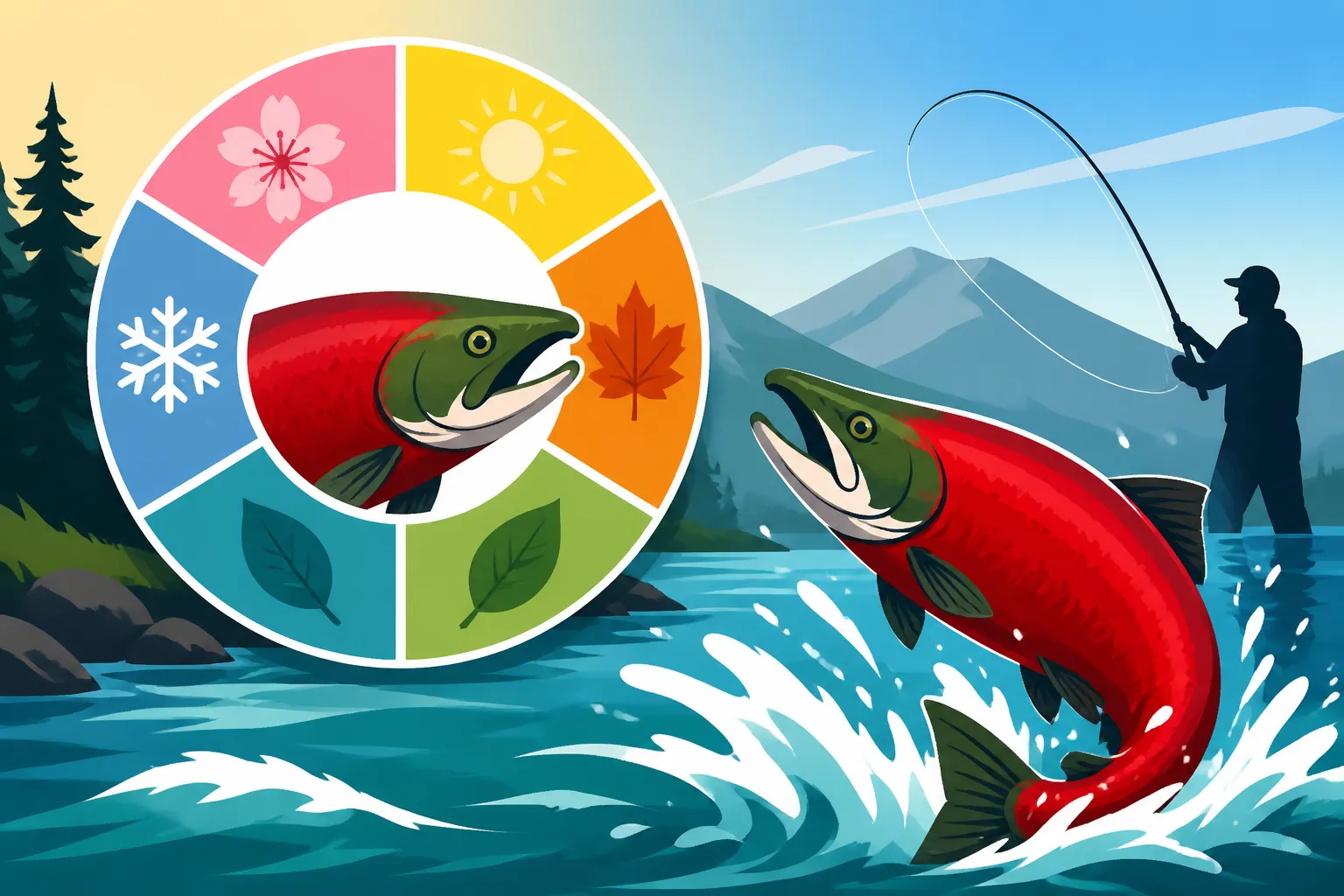
The General Window: Late July through September
For most of the Fraser River, particularly the accessible lower and middle sections, the sockeye run typically begins to gain momentum in late July and can continue through September, sometimes even into early October for smaller, later-returning populations. This two-month span represents the core period when these incredible salmon are moving through the system in significant numbers.
However, and this is a critical point that often catches anglers off guard, the presence of fish doesn't automatically mean the fishery is open. Strict conservation measures and in-season management, often detailed in the BC Fishing Regulations Explained and through BC Fishery Notices and In-Season Closures, Explained, mean that specific opening and closing dates for sockeye can vary wildly year-to-year. It's a real rollercoaster of emotions; sometimes the fish are there in droves, but the regulations keep us waiting.
Early Season Prospects: Late July to Mid-August
The earliest waves of sockeye usually start showing up in the lower Fraser River around late July. These are often referred to as "early Stuart" or "early summer" runs, named after their distant spawning grounds. While these initial pushes might not be as massive as the later runs, they offer the first opportunities of the season for eager anglers. If you're someone who loves to be among the first to wet a line, this is your chance.
Fishing during this period can be a bit of a gamble. The numbers might not be as dense, and the fish might be moving quickly. However, when the fishery does open, these fish are often still quite "bright" (meaning they've only recently entered freshwater) and can be energetic fighters. It’s also often a time of warmer weather, making for pleasant days on the water, even if the bite isn't always red hot. Keeping a close eye on the official fishery notices is absolutely essential if you plan to target these early arrivals, as they are often subject to the most stringent conservation closures.
Peak Season Frenzy: Mid-August to Early September
This is the sweet spot, the period every sockeye angler dreams about: mid-August to early September. During these weeks, the main body of the Fraser sockeye run, often destined for the massive Shuswap system, is typically pushing through the river. Numbers can be staggering, with millions of fish migrating upstream. This is when the river seems to come alive with sockeye, and if conditions and regulations align, the fishing can be nothing short of spectacular.
Imagine standing on the bank, or anchored in your boat, and seeing flashes of red everywhere – it's an experience that stays with you. This is also the time when the BC Fraser River Sockeye 5-Week Closure Window Dates are most frequently active, particularly for specific management areas. It's an important balance: immense numbers of fish versus critical conservation measures. When open, popular spots along the Fraser River Fishing Guide can get busy, but the sheer volume of fish often means there's enough action for everyone.
Late Season Opportunities: Mid-September to Early October
As the main run begins to taper off in early September, there can still be good opportunities for sockeye into mid-September and sometimes even early October. These later fish are often part of smaller, distinct populations heading to various tributaries within the immense Fraser watershed. By this point, the fish will be further along in their spawning migration, displaying very pronounced red coloration and more advanced physical changes.
While these fish might not be as feisty as the bright early-run fish, they can still provide excellent sport and are a fantastic way to extend your sockeye season. The weather also starts to cool down, offering crisp, clear fishing days that can be incredibly enjoyable. Again, vigilance with fishery notices is key, as late-season opportunities are also heavily regulated and dependent on the overall run strength and conservation objectives. Don't write off September entirely; sometimes it can surprise you with some of the best fishing of the year.
Factors Influencing Sockeye Run Timing and Success
Catching sockeye on the Fraser isn't just about showing up in the right month; it's about understanding the dynamic forces that shape their journey. Being aware of these elements will make you a more informed and often more successful angler.
Water Levels and Temperatures
The Fraser River is a powerful, dynamic system, and its water conditions are paramount to the sockeye migration.
- Water Levels: High water levels, often from heavy rainfall or rapid snowmelt, can make fishing challenging. The river becomes murky, and fish might push through faster or hold in different areas, making them harder to locate. Conversely, very low water can concentrate fish but also make them more susceptible to predators and stress, sometimes triggering closures. Ideal conditions often involve stable, moderate water levels.
- Water Temperatures: Sockeye are sensitive to temperature. Cooler water (typically 12-16°C or 54-61°F) is generally better for their migration and overall health. If river temperatures spike, often during hot summer spells, it can cause "thermal blocks" where fish hesitate to move upstream, leading to delays in the run. This can stress the fish and lead to increased mortality, which can, in turn, trigger conservation closures. Understanding What water temperature salmon prefer can give you an edge.
These environmental factors are often beyond our control, but knowing their impact can help you adjust your expectations and techniques. For example, in high, murky water, brighter lures or baits with strong scent might be more effective. If you're planning a trip, checking river levels and temperatures from sources like Water Survey of Canada or local fishing reports can provide valuable real-time insights.
Fraser River Sockeye 5-Week Closure Window Dates
This is one of the most significant and often frustrating factors for sockeye anglers. Due to conservation concerns, particularly for certain weaker sockeye stocks within the larger Fraser run, Fisheries and Oceans Canada (DFO) often implements specific closure windows. The BC Fraser River Sockeye 5-Week Closure Window Dates are a critical part of managing these runs and are designed to ensure enough fish make it to their spawning grounds.
These closures can apply to specific sections of the river, specific gear types, or even a complete ban on sockeye retention for several weeks during what would otherwise be the peak of the run. It's heartbreaking to hear that millions of sockeye are moving through, but you can't fish for them. However, these measures are vital for the long-term health of the sockeye populations. Always respect these regulations, as the penalties for non-compliance, such as those for Fishing Without a License in BC: Penalties, can be severe. This management approach highlights the delicate balance between recreational opportunity and species conservation.
Fishery Notices and In-Season Adjustments
Given the dynamic nature of sockeye runs and the critical need for conservation, fishery notices are your absolute best friend. Relying on static regulation synopses alone isn't enough for sockeye on the Fraser. The DFO frequently issues in-season adjustments to regulations, opening or closing fisheries with very little notice, sometimes just a day or two in advance. Our guide on How to check BC fishery notices before a trip is a must-read for any sockeye angler.
These notices are published on the DFO website and often shared by local tackle shops, guides, and fishing forums. They detail specific openings, closures, bag limits, and gear restrictions for various species and management areas. Failing to check these notices daily (or even multiple times a day if you're planning an imminent trip) can lead to disappointment, or worse, inadvertently breaking the law. It's a commitment, but it's an essential one for successful and responsible sockeye fishing on the Fraser.
Essential Gear and Preparations for Fraser Sockeye Fishing
Once you've got a handle on the timing and regulations, it's time to talk gear. Having the right setup can make all the difference between a frustrating day and a successful one, especially when these powerful salmon are running.
Rod, Reel, and Line Setups
Sockeye salmon, while not as large as Chinook, are incredibly strong and spirited fighters. You need gear that can handle their powerful runs and head shakes.
- Rod: A medium-heavy spinning or casting rod, typically 9 to 10.5 feet in length, is ideal. This length provides good casting distance to cover water and enough leverage to fight strong fish in current. Brands like Fenwick, Okuma, or Shimano offer excellent options that strike a balance between power and sensitivity. You might even find some great deals on these rod brands on Amazon.
- Reel: A reliable spinning reel in the 4000-5000 size range or a sturdy baitcasting reel is appropriate. Look for a reel with a smooth, strong drag system – this is crucial for preventing break-offs when a sockeye makes its initial powerful sprint.
- Line: A braided main line of 30-40 lb test is a popular choice for its strength and sensitivity. You'll want to add a fluorocarbon leader of 15-20 lb test, which is less visible in the water and more abrasion-resistant, especially when fishing around snags or other debris. Many anglers will spool up with Sufix 832 or PowerPro braid, and use Seaguar fluorocarbon leader material, all readily available through retailers or online on Amazon.
Remember, the Fraser River is big water, and you'll be dealing with current. Underpowering your setup will likely lead to lost fish and broken gear, which is never fun.
Terminal Tackle and Baits
When it comes to sockeye, bright colours and specific presentations are often key. These fish aren't actively feeding, so you're trying to trigger an aggressive or reactionary strike.
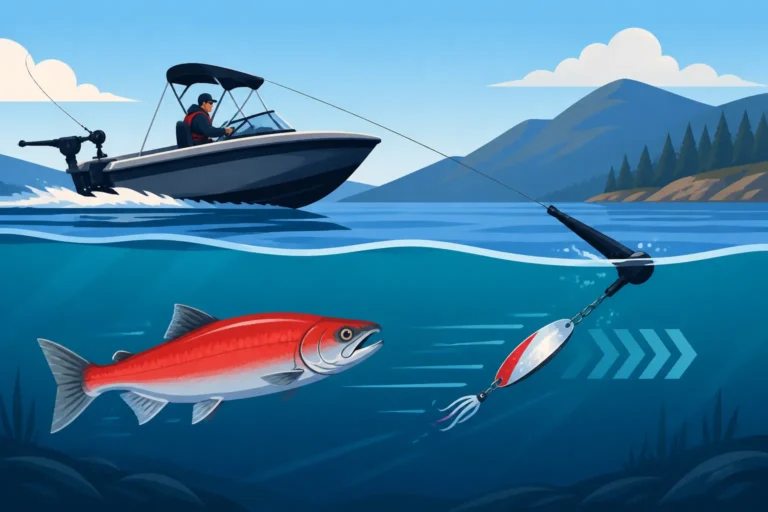
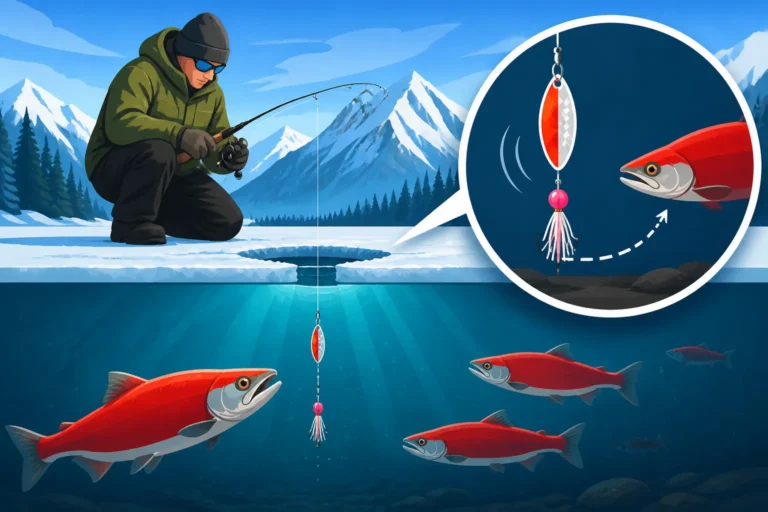
- Lures: Small, brightly coloured hootchies, Spin-N-Glos, or Brad's Super Baits in pink, red, or chartreuse are go-to choices. These are often fished behind a small flasher or dodger to create action and attraction. Sizes often range from 1.5 to 3 inches. Small spoons like a Dick Nite or a Luhr-Jensen Kwikfish in similar colours can also be effective when casting from shore or trolling.
- Weights: Sockeye often hold near the bottom in the current. You'll need enough weight to get your presentation down quickly and keep it in the strike zone. Pencil weights, cannonball weights, or slinky weights ranging from 1 to 4 ounces, depending on the current speed and depth, are common.
- Hooks: Use sharp, strong single hooks, usually in sizes 1/0 to 3/0, to match your lure size. Treble hooks are often restricted or banned in many sockeye fisheries to promote responsible catch and release, especially for fish that need to continue their journey upstream. Always check current regulations for BC Freshwater Salmon Retention Rules regarding hook types.
Many anglers find success by using a three-way swivel rig or a sliding weight setup to present their lure or bait effectively. Experimentation with colours and depths on a given day is often the key to finding what the fish are reacting to.
Licensing and Conservation Stamps
Before you even think about casting a line for sockeye on the Fraser, make sure your paperwork is in order. This is non-negotiable in British Columbia, and inspectors are present on the river during major runs.
- BC Freshwater Fishing License: You absolutely need a valid British Columbia Fishing License Guide for 2026 for freshwater fishing. This applies to everyone aged 16 and over. Even if you're targeting other species, if sockeye are present, you need to be properly licensed. You can often purchase these online or from authorized vendors throughout the province.
- Freshwater Salmon Conservation Stamp: In addition to your base freshwater license, you must also purchase a Freshwater Salmon Conservation Stamp if you intend to retain any species of salmon, including sockeye. This stamp is vital for funding salmon recovery efforts and is a small but important investment in the future of the fishery. Make sure this stamp is affixed to your license or carried digitally if you opt for that method.
- Tidal Waters vs. Freshwater: Be acutely aware of whether you are fishing in freshwater or tidal waters, especially in the lower Fraser, as different licenses and regulations apply. Our guide on BC Freshwater vs Tidal Waters License, Explained can help clarify this for you.
Fishing without the proper license and stamps is not only illegal but also disrespectful to the resource and other anglers. Make sure you have everything printed or digitally available on your phone before you head out. A quick check on Amazon for a waterproof license holder is always a good idea!
Fraser River Sockeye Run – Monthly Breakdown
Here's a quick overview of what to generally expect during the sockeye season on the Fraser, keeping in mind that in-season regulation changes are paramount.
| Month | Typical Activity Level | Best Conditions | Key Considerations |
|---|---|---|---|
| July (Late) | Low to Moderate | Stable water levels, moderate temps | Early "scout" fish arriving. Check DFO notices daily; often closed initially. |
| August (Early) | Moderate to High | Stable water, cooler temps after heat waves | First significant waves. Higher chance of temporary openings. Still critical to check for BC Fraser River Sockeye 5-Week Closure Window Dates. |
| August (Late) | High to Peak | Moderate flows, consistent cooler temperatures | Main run pushes through. Most anticipated time for opening, but also highest chance of closures for conservation. Be ready to fish on short notice! |
| September (Early) | High to Moderate | Cooling water, stable flows | Strong numbers still possible. Fish will be showing more spawning colours. Continued vigilance with fishery notices. |
| September (Late) | Moderate to Low | Cooler, clearer water | Later run stocks. Opportunities exist, but numbers decrease. Fish are very red and focused on spawning. |
Final Thoughts on Timing Your Sockeye Trip
Catching sockeye on the Fraser is a quintessential British Columbia fishing experience. While mid-August to early September generally stands out as the prime window for when the most fish are present, remember that the "best months" are truly defined by the actual open dates set by Fisheries and Oceans Canada. These can be incredibly unpredictable.
My best advice for any angler hoping to experience this incredible fishery is to remain flexible with your plans, keep your gear ready, and most importantly, stay constantly informed by checking the official DFO fishery notices. Don't forget your BC Salmon Conservation Stamp Rules when planning. Be prepared for last-minute openings and closures, and always prioritize conservation. When everything aligns, being on the Fraser during a strong sockeye run is an unforgettable adventure, reminding us why we love fishing in this incredible province.
Disclaimer
Fishing regulations in British Columbia can change frequently due to conservation concerns, stock assessments, and environmental conditions. The information provided in this guide is for general informational purposes only and does not constitute legal advice. Always consult the most current British Columbia Freshwater Fishing Synopsis and Fisheries and Oceans Canada (DFO) Fishery Notices before planning any fishing trip. It is your responsibility to know and adhere to all applicable regulations.