What water temperature salmon prefer
Ever spent a glorious day on the water in British Columbia, fishing your heart out for salmon, only to come up empty-handed? It's a common and incredibly frustrating experience, especially when you know the fish are there. Often, the key to unlocking more successful fishing trips isn't just about the perfect lure or the latest technique, but understanding one crucial, yet frequently overlooked, factor: water temperature. This comprehensive guide will reveal what water temperatures salmon prefer, helping you better anticipate their movements, locate their holding areas, and ultimately, put more fish in your net.
The Critical Role of Water Temperature for Salmon
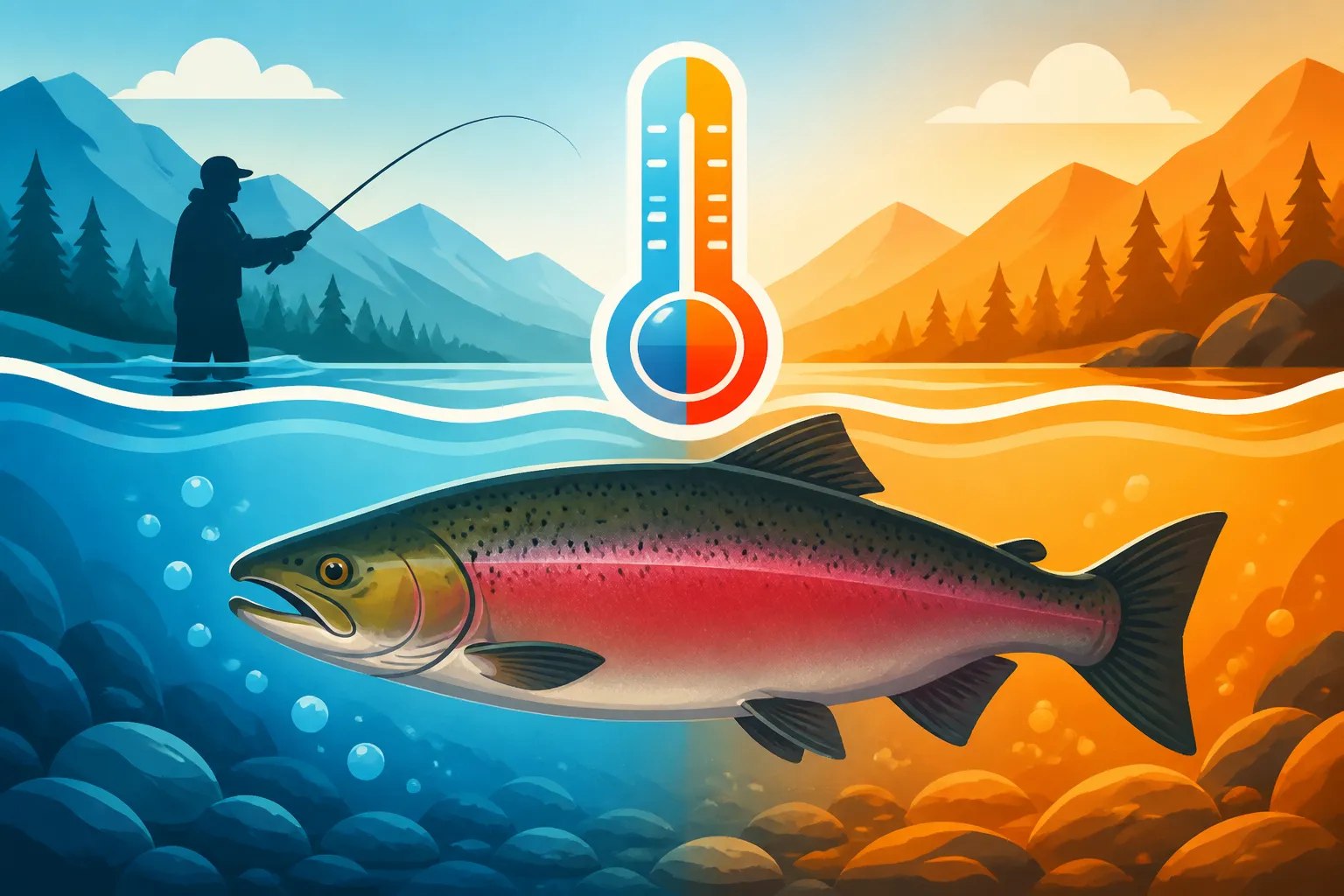
Water temperature is far more than just a number on a thermometer; it's a primary driver for almost every aspect of a salmon's life, from metabolism to migration. Think of it like the air conditioning or heating in your own home – if it's too hot or too cold, you're not going to be comfortable, active, or particularly hungry. Salmon are no different. They are cold-blooded creatures, meaning their body temperature directly reflects their surrounding environment, and this has profound implications for their behavior.
Why Temperature Matters More Than You Think
The impact of water temperature on salmon is multifaceted and deeply ingrained in their physiology. Firstly, it dictates their metabolic rate. In warmer waters (within their preferred range), salmon are more active, burn more energy, and generally feed more aggressively. Conversely, in colder waters, their metabolism slows down, making them more sluggish and less inclined to chase after food. This is why you might notice salmon biting more actively during certain parts of the day or in specific river sections.
Secondly, temperature directly affects the dissolved oxygen content in the water. Colder water holds more dissolved oxygen than warmer water. As temperatures rise, oxygen levels drop, which can stress salmon, particularly during their arduous migrations upstream. If the water gets too warm and oxygen-depleted, salmon will seek out cooler, more oxygenated pockets, even if it means moving away from typical feeding or holding areas. This can create thermal barriers during their spawning runs, forcing them to hold in less ideal locations or delay their migration altogether. Understanding these thermal preferences is essential for knowing where to cast your line, whether you're targeting Chinook Salmon Fishing in BC in a tidal estuary or searching for Sockeye Salmon Fishing in BC in a river's deeper pools.
Thermal Niches for Different Salmon Species
While all Pacific salmon share a general preference for cool, well-oxygenated water, each species has its own specific "thermal niche" – a range of temperatures where they are most comfortable, active, and less stressed. These preferences can also shift depending on their life stage (e.g., feeding in the ocean versus spawning in a river) and even geographical location within British Columbia.
For instance, species like Sockeye salmon are known to be quite finicky and have a narrower, generally cooler, optimal temperature range, especially when migrating. Chinook salmon, while still preferring cool water, can often tolerate a slightly broader range, particularly when feeding. Coho salmon tend to thrive in cool, coastal river systems, often found in temperatures that keep them highly active. Pink and Chum salmon, on the other hand, often utilize estuaries and lower river reaches where temperatures might be marginally warmer than the headwaters where their cousins spawn. Knowing these subtle differences is a significant advantage when planning your fishing trip, allowing you to tailor your approach to the specific species you're hoping to encounter.
Ideal Temperature Ranges for BC's Pacific Salmon Species
Understanding the specific temperature sweet spots for each salmon species will greatly enhance your success on the water. These ranges aren't absolute rules, but rather optimal zones where salmon are generally most comfortable, active, and willing to bite. Factors like dissolved oxygen levels, current, and food availability can also influence their exact positioning within these ranges.
Chinook Salmon King Salmon
Chinook salmon, often called King salmon, are known for their size and power, and they prefer cooler water environments, especially during their ocean feeding phase and as they return to freshwater to spawn.
- Optimal Range: Generally, Chinook salmon are most active and comfortable when water temperatures are between 8°C and 14°C (46°F and 57°F).
- Warmer Water Reactions: If river temperatures climb above 16°C (61°F), Chinook can become stressed and lethargic. You'll often find them seeking out deeper, cooler pools, springs, or the shade of overhanging banks. Their feeding activity will decrease, and they might become more difficult to entice. In extreme heat, their migration can stall entirely, leading to fish holding in estuaries or river mouths until cooler water arrives.
- Colder Water Reactions: When water temperatures dip below 6°C (43°F), Chinook tend to become less active, conserving energy. While they'll still bite, their takes might be more subtle, and you'll likely need to slow down your presentation considerably. During colder periods, they often stack up in deeper runs or slow-moving pools.
- Seasonal Considerations: In the ocean, they'll seek out specific thermal layers where baitfish are abundant and temperatures are ideal. As they enter rivers, they'll navigate temperature gradients, often pausing in colder tributaries or areas with upwelling groundwater. Spring Salmon Fishing Techniques for BC often involve targeting these fish as they first enter cooler river systems.
Coho Salmon Silver Salmon
Coho salmon are renowned for their aggressive takes and acrobatic fights. They generally prefer slightly cooler, well-oxygenated water, often found in coastal streams and rivers.
- Optimal Range: Coho salmon are typically most vigorous in water temperatures ranging from 7°C to 13°C (45°F to 55°F).
- Warmer Water Reactions: Similar to Chinook, Coho become stressed in water exceeding 15°C (59°F). In such conditions, they'll retreat to cooler, deeper pockets or areas with strong current that provide more oxygen. Their aggressive nature diminishes significantly, making them less likely to strike. This is particularly noticeable in smaller, shallower coastal streams that warm up quickly during summer dry spells.
- Colder Water Reactions: In colder water, below 5°C (41°F), Coho metabolism slows, and they become less responsive. You might still find them in slower pools, but you'll need a much slower, more deliberate presentation. Fly fishing for Coho in the fall can be very productive, as water temperatures are often in their ideal range, keeping them active.
- Habitat Preferences: Coho often inhabit smaller, more intimate river systems than Chinook, where temperature fluctuations can be more pronounced. This means paying close attention to local conditions and How to Check BC Fishery Notices Before a Trip for any advisories.
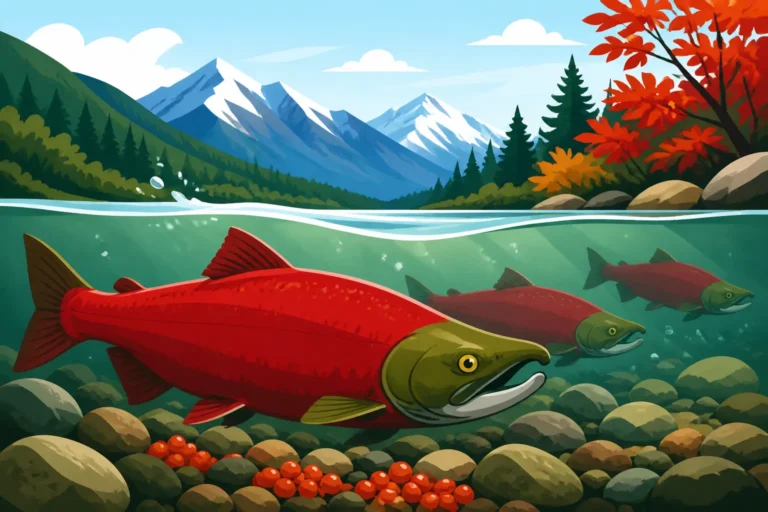
Sockeye Salmon Red Salmon
Sockeye salmon are perhaps the most temperature-sensitive of the Pacific salmon species, especially during their freshwater migration. Their unique life cycle often involves long upstream journeys to specific lake systems.
- Optimal Range: Sockeye have a very narrow preferred range for migration and holding, typically between 6°C and 12°C (43°F and 54°F).
- Warmer Water Reactions: Sockeye are highly susceptible to warm water stress. Temperatures exceeding 13°C (55°F) can cause severe physiological stress, delay migration, and increase disease susceptibility. In very warm years, you'll hear about BC Fraser River Sockeye Closure Windows specifically implemented to protect these vulnerable fish. When faced with warm water, they will stack up in cooler areas, sometimes for weeks, waiting for temperatures to drop, making them extremely difficult to catch legally (and often illegal to target).
- Colder Water Reactions: Sockeye are well-adapted to the cooler waters of their natal lake systems. Below their optimal range, they will be less active but still capable of migrating and spawning. Extremely cold water is less of a physiological barrier for migrating Sockeye than warm water, but it will certainly slow them down.
- Migration Specificity: Their strong homing instinct and specific spawning grounds mean they often have less flexibility to adapt to thermal challenges during their epic migrations.
Pink and Chum Salmon
Pink and Chum salmon typically have a broader tolerance for water temperatures, often spawning in the lower reaches of rivers or even intertidal zones.
- Pink Salmon (Humpback Salmon):
- Optimal Range: Pink salmon are comfortable in a wider range, usually from 8°C to 16°C (46°F to 61°F).
- They are robust and abundant, often undertaking shorter migrations than other species. While they prefer cooler water, they can tolerate warmer conditions better, especially in estuaries and lower river sections where they tend to stage. Pink Salmon Runs in BC are often massive, occurring in late summer and early fall when river temperatures can still be quite mild.
- Chum Salmon (Dog Salmon):
- Optimal Range: Chum salmon also exhibit a decent tolerance, with a preferred range of 8°C to 15°C (46°F to 59°F).
- They are known for their powerful fights and are often targeted later in the fall when river temperatures begin to cool significantly. They also utilize lower river systems and often spawn in areas accessible to tidal influence. Chum Salmon Runs in BC are a fantastic fall fishery as the temperatures settle into a comfortable zone for these fish.
Practical Strategies for Anglers: Fishing with Temperature in Mind
Knowing the preferred temperature ranges is only half the battle; the real skill comes in using that knowledge on the water. Integrating water temperature into your fishing strategy can transform frustrating days into memorable ones.
Tools for Measuring Water Temperature
You can't fish effectively with temperature in mind if you don't know what it is. That's where a reliable water thermometer comes in.
- Basic Clip-On Thermometers: These are affordable and effective. Many anglers attach them to a piece of string or a small anchor to drop into the water, or simply dip them directly if wading. You can find excellent portable models on Amazon that clip right onto your tackle box or vest, giving you instant readings.
- Digital Thermometers: More advanced options offer digital readouts, often with features like memory functions or even depth readings if integrated with a fish finder. Searching for "water temperature gauges for fishing" on Amazon might reveal some sophisticated choices for those who want more data.
- Fish Finder Integration: Many modern fish finders and chartplotters include built-in temperature sensors, giving you real-time readings of the surface temperature, and some even provide temperature profiles at different depths. This is incredibly useful for covering large areas, especially when Trolling Techniques for BC Lake Trout or salmon.
- Using Your Hand (Rough Estimate): While not precise, a quick dip of your hand can tell you if the water is surprisingly warm or cold, prompting you to get a more accurate reading.
Making temperature checks a regular part of your fishing routine, alongside checking the current and observing the water, will provide invaluable data.
Reading the Water: Locating Thermal Sweet Spots
Once you have your temperature readings, you can start to "read" the water in a whole new way. Salmon aren't evenly distributed; they'll congregate where conditions are most favorable, and temperature is a huge part of that.
- Depth and Current: In rivers, deeper pools, shaded areas, and seams where fast current meets slower water can often hold cooler temperatures. Salmon will use these spots as resting areas or ambush points, particularly in warmer conditions. Pay attention to structure like logs, boulders, and undercut banks – these can provide both cover and cooler microclimates.
- Tributary Inflows: Keep an eye out for smaller creeks or tributaries flowing into the main river. These often introduce cooler, more oxygenated water, creating an irresistible thermal refuge for migrating salmon. The confluence of these waters can be a prime holding area.
- Estuaries and River Mouths: In tidal waters, salmon will often stage in estuaries, waiting for the optimal tide and temperature conditions to begin their upstream migration. The mix of fresh and saltwater here creates unique thermal dynamics. Look for areas where cooler river water mixes with the slightly warmer ocean water, creating a comfortable transition zone. Fraser River Fishing Guide has plenty of examples of how salmon stage in these areas before their big push upstream.
- Thermal Layers in Lakes and Ocean: In larger bodies of water, salmon will seek out specific thermal layers (thermoclines) where temperatures are ideal and baitfish are abundant. Your boat's sonar or fish finder with temperature capabilities can be incredibly effective at identifying these layers, allowing you to present your lures at the exact right depth.
Adjusting Tactics to Temperature Swings
Salmon behavior changes significantly with water temperature, and a smart angler adapts their presentation accordingly.
- Warm Water (Optimal to Slightly Above): When salmon are in their optimal range, their metabolism is high, and they're often aggressive. This is the time for active presentations: faster retrieves, brighter lures, and presentations that cover more water. Fish might be spread out and willing to chase. This is often the prime window for Salmon Fishing Techniques for BC Rivers.
- Cool Water (Below Optimal): In colder water, salmon become more lethargic. You'll need to slow down your retrieve considerably. Think subtle movements, longer pauses, and presentations directly in front of their faces. Scent can become more important here, as a sluggish fish might need more convincing to bite. Drift fishing with bait or very slowly jigging can be highly effective.
- Extremely Warm or Cold Water (Stress Zones): When temperatures hit the extremes, salmon are typically stressed and focused on survival, not feeding. In these conditions, they will be very reluctant to bite. Your best bet is to target the coolest (or warmest, if it's freezing) parts of the water and use very subtle, natural presentations. Often, the best tactic in extreme conditions is to simply wait for the water temperatures to return to a more favorable range. Remember that fishing can be closed in extreme conditions to protect stressed fish.
Equipping yourself with the right gear, like a quality portable depth finder or an Amazon best-selling fishing thermometer, really does put you ahead of the game.
Impact of Extreme Temperatures and Climate on Salmon
While salmon have evolved to handle a range of environmental conditions, extreme temperatures, especially those exacerbated by climate patterns, pose significant threats to their survival and, consequently, to our fishing opportunities. British Columbia's salmon populations are incredibly sensitive to these shifts.
The Dangers of Overly Warm Water
The biggest threat to BC salmon in recent years has been periods of unusually warm water. This can manifest in several critical ways:
- Low Oxygen Levels: As mentioned, warm water holds less dissolved oxygen. For highly active fish like salmon, which require significant oxygen, especially during strenuous migrations, this can be deadly. When oxygen levels drop, salmon become stressed, disoriented, and vulnerable. This stress can lead to reduced immune function, making them more susceptible to diseases and parasites, and ultimately, higher mortality rates before they even reach their spawning grounds.
- Thermal Barriers: Rivers that become too warm can act as impassable "thermal barriers." Migrating salmon will literally stop and hold, sometimes for weeks, in cooler sections downstream, waiting for temperatures to drop. This delay can deplete their energy reserves, making them weaker and less likely to successfully spawn when they finally resume their journey. You'll often hear about critical thresholds, like the 18°C (64°F) mark, above which salmon mortality rates begin to skyrocket.
- Altered Migration Timing: Prolonged periods of warm water can force salmon to alter their traditional migration timing. This can throw off the delicate ecological balance with predators, food sources, and even the availability of suitable spawning conditions.
- Habitat Contraction: Many smaller streams and tributaries that traditionally served as vital spawning or rearing habitats for juvenile salmon can become unfavorably warm, forcing fish into more crowded, less ideal environments or completely excluding them from historical grounds. Understanding these impacts helps us appreciate the importance of conservation efforts and why regulations like BC Salmon Conservation Stamp Rules are in place.
Cold Water Challenges
While generally less immediately lethal than extreme heat, overly cold water also presents challenges for salmon.
- Lethargy and Reduced Feeding: In very cold water (e.g., near freezing), salmon's metabolism slows drastically. They become lethargic, their movements are sluggish, and their feeding drive is significantly reduced. This is primarily a concern for anglers, as catching them becomes much more difficult, but it can also impact their ability to evade predators or find sufficient food if they are in their feeding phase.
- Ice Formation: In extreme winter conditions, ice formation can restrict access to certain habitats or even cause direct mortality if fish become trapped or crushed by moving ice. While most BC salmon are in the ocean or actively spawning before severe winter conditions set in, juvenile salmon overwintering in rivers can be affected.
- Delayed Spawning: For some species, prolonged cold snaps might delay spawning activity, potentially affecting the timing of egg development and subsequent fry emergence, which needs to coincide with food availability. While winter steelhead fishing can be productive, these fish are often less active than their warmer-water counterparts.
Here's a quick reference table for the preferred water temperatures of BC's main Pacific salmon species:
| Salmon Species | Optimal Water Temperature Range (Celsius) | Optimal Water Temperature Range (Fahrenheit) | Key Characteristics |
|---|---|---|---|
| Chinook Salmon | 8°C – 14°C | 46°F – 57°F | Generally broad tolerance, but seek deep, cool spots in heat. Powerfully active. |
| Coho Salmon | 7°C – 13°C | 45°F – 55°F | Prefer cool, oxygenated coastal streams. Aggressive fighters. |
| Sockeye Salmon | 6°C – 12°C | 43°F – 54°F | Most temperature sensitive, especially during migration. Narrow optimal range. |
| Pink Salmon | 8°C – 16°C | 46°F – 61°F | Broader tolerance, often in lower river/estuary areas. Large runs. |
| Chum Salmon | 8°C – 15°C | 46°F – 59°F | Good tolerance, found in lower rivers. Strong fighters in fall. |
Understanding the intricate relationship between water temperature and salmon behavior is a game-changer for any angler in British Columbia. It moves fishing from a guessing game to a more informed, strategic pursuit. By consistently monitoring water temperatures, paying attention to local conditions, and adjusting your tactics, you'll not only increase your chances of a successful catch but also gain a deeper appreciation for the delicate balance of these incredible fish and their aquatic environment. So grab your thermometer, head out, and apply this knowledge – happy fishing!
Disclaimer
This article is for general informational purposes only and does not constitute professional advice. Laws, prices and regulations vary by location and change over time. Consult a qualified professional for guidance on your specific situation.