Fraser River Fishing Guide
Oh, the Fraser River! It's one of those legendary waterways that can ignite a deep passion in an angler, but also, let's be honest, a fair bit of head-scratching. Its sheer scale and incredible diversity can be truly intimidating for any angler, whether you’re a seasoned local or just visiting British Columbia for the first time. Knowing where to go, what to target, and how to navigate the ever-changing regulations across this colossal system is a monumental task. This comprehensive guide is designed to demystify Fraser River fishing, providing you with the local insights and practical advice you need to confidently plan your next memorable trip.
Why the Fraser River is British Columbia's Premier Fishing Destination
There's a reason why when you mention "fishing" and "BC" in the same breath, the Fraser River almost always comes up. It’s not just a river; it's an artery, a lifeblood, and an absolute powerhouse when it comes to angling opportunities. This mighty waterway cuts right through the heart of British Columbia, influencing everything from the landscape to the incredible abundance of its fisheries. Trust me, if you haven't experienced the Fraser, you're missing out on a truly Canadian fishing adventure.
Unmatched Diversity of Fish Species
What truly sets the Fraser apart is the sheer variety of species that call its waters home, or at least pass through them during their epic migrations. We’re not just talking about one or two types of fish; we're talking about an entire ecosystem teeming with life. From the gargantuan White Sturgeon, a prehistoric giant that can reach incredible sizes, to all five species of Pacific Salmon – Chinook, Sockeye, Coho, Pink, and Chum – the Fraser is a biological hotspot. Imagine being able to target a potentially record-breaking sturgeon one day, and then switch gears to chase hard-fighting salmon the next! It’s this kind of diversity that keeps anglers coming back, year after year, offering a different challenge with every cast.
Beyond the headliners, you'll find other incredible game fish like the elusive Steelhead, known for their incredible fighting spirit, and various trout species, including native Bull Trout, especially in the upper reaches and tributaries. This rich tapestry of fish means there's truly something for everyone, whether you prefer battling giants on heavy gear or carefully presenting a fly to a wary trout. It’s an angler's dream, a place where you can endlessly refine your skills and pursue new fishing goals, often within the same general area of the river system.
Historic Significance and Ecosystem Health
The Fraser River isn't just a fishing spot; it's a living legend. It’s the largest salmon-producing river in the world, a title that speaks volumes about its ecological importance. For millennia, it has sustained Indigenous communities, shaping cultures and traditions that are deeply intertwined with the annual salmon runs. This historic significance isn't just something you read about; it's something you feel when you're out on the water, watching thousands of salmon push upstream. There's a profound connection to nature and history here that few other places can offer.
Maintaining the health of such a vital ecosystem is, of course, a continuous effort. Anglers play a critical role in supporting conservation by adhering to regulations, practicing responsible catch and release, and respecting the delicate balance of the river. Organizations like Fisheries and Oceans Canada (DFO) and various local conservation groups work tirelessly to monitor fish stocks, protect habitat, and ensure sustainable fishing opportunities for future generations. When you fish the Fraser, you're part of a legacy, and your actions contribute to its ongoing health, ensuring those incredible runs continue.
Accessibility and Vastness of the System
One of the great advantages of the Fraser River is its sheer scale and the variety of access points available. Stretching over 1,375 kilometers (about 850 miles) from its headwaters in the Rocky Mountains to the Pacific Ocean near Vancouver, this river offers everything from urban-adjacent fishing zones to remote, wilderness experiences. Whether you’re coming from Vancouver or a smaller interior town, you can usually find a place to wet a line without too much travel.
This vastness means you can tailor your fishing experience to exactly what you’re looking for. Want to fish from shore with easy access? The Lower Fraser has numerous public access points and parks. Prefer to explore remote channels and backwaters by boat? There are countless launches and opportunities for that too. From bustling fishing communities like Chilliwack and Mission to more secluded stretches further upstream near Hope or into the Fraser Canyon, the river accommodates all styles of angling and levels of experience. This expansive nature ensures that even on busy weekends, you can often find a quiet spot to enjoy the peace and tranquility of the water, a rare treat on such a popular fishery.
Understanding the Fraser River's Diverse Fishing Zones
To truly conquer the Fraser, you need to understand that it’s not a single, monolithic entity. It's a series of distinct fishing zones, each with its own character, challenges, and incredible opportunities. What works in the tidal reaches near the mouth won't necessarily work hundreds of kilometers upstream. Breaking it down helps immensely in planning your trip and maximizing your success.
The Lower Fraser Tidal Influence to Hope
This section of the Fraser River is perhaps the most heavily fished, and for good reason. It stretches from the tidal waters near the river's mouth, through the Greater Vancouver area, and all the way upstream to the town of Hope. The lower Fraser is easily accessible for millions of residents and visitors, offering diverse fishing experiences just a short drive from major urban centers. You'll find a mix of freshwater and tidal influences here, especially below Mission, which can dramatically impact fish behavior and ideal fishing times.
For many, this is the prime zone for White Sturgeon fishing, particularly in the deeper channels and broader stretches around Mission and Chilliwack. The abundance of salmon returning to spawn provides a consistent food source for these massive fish. During the salmon runs, this section also becomes a hub for Chinook, Sockeye, Coho, Pink, and Chum salmon. Anglers often employ a variety of methods, including bar fishing from gravel bars, drift fishing from boats, or even targeting specific runs from easily accessible shorelines. The convenience of access, coupled with phenomenal fishing, makes this a popular choice, though it can get crowded during peak seasons.
The Middle Fraser Hope to Lytton's Canyons
As you move upstream past Hope, the Fraser River begins to transform, becoming more defined by its stunning canyon landscape. This "Middle Fraser" section, roughly from Hope up to the confluence with the Thompson River near Lytton, is characterized by faster currents, deeper pools, and more dramatic topography. The fishing here is often more challenging but incredibly rewarding, offering a sense of rugged adventure that appeals to many. Access can be a bit more limited compared to the lower river, with fewer sprawling gravel bars and more sheer cliffs and dense forests lining the banks.
This area is still excellent for targeting Pacific salmon as they continue their arduous journey upstream. Chinook and Coho salmon are particularly strong fighters in these faster currents, offering an exhilarating battle. Steelhead also make their way through these waters, though they are often pursued in the smaller, clear-water tributaries that feed into the mainstem. Sturgeon are present here too, often found in the deeper, calmer pools and eddies where they can ambush passing prey. Fishing in the Middle Fraser often requires more specialized techniques, like heavy-duty drift fishing setups or strong fly-fishing gear for those targeting steelhead in the feeder streams. It’s a section that demands a bit more effort but rewards you with breathtaking scenery and often less crowded fishing. You can often find some fantastic access in areas like Yale and Boston Bar, but always check local regulations as specific areas can have unique rules.
The Upper Fraser Beyond the Canyons
Beyond the dramatic Fraser Canyon, as the river snakes its way north and then west through the interior of British Columbia, you enter the Upper Fraser. This vast, remote section stretches hundreds of kilometers, eventually reaching its headwaters in the Rocky Mountains. Here, the river takes on a more untamed, wilderness character. The currents can still be powerful, but the sheer volume of water and the expansive, often forested landscapes give it a different feel. Fishing pressure tends to be significantly lighter here, offering a tranquil experience for those willing to venture further afield.
While salmon runs still occur in the Upper Fraser, their numbers naturally diminish as they near their spawning grounds. However, this region truly shines for its resident fish populations and the unique opportunity to target species that might be less prevalent downstream. Bull Trout are a prime target, as are various strains of Rainbow Trout, especially in the tributaries. For anglers seeking solitude and a true backcountry experience, the Upper Fraser offers unparalleled opportunities for fly fishing or light tackle spin fishing. Access often involves gravel roads, forest service roads, or even float plane charters to remote lakes and river stretches. Towns like Prince George serve as a gateway to this expansive region, providing supplies and local knowledge. This area is a fantastic choice if you’re looking to combine fishing with camping, hiking, or simply getting away from it all and immersing yourself in BC’s incredible natural beauty.
Targeting Iconic Fraser River Fish Species
The Fraser River is a veritable smorgasbord for anglers, boasting an incredible array of fish species that offer unique challenges and thrills. Whether you dream of wrestling a prehistoric giant or landing a chrome-bright salmon, the Fraser delivers. Knowing what you're targeting is the first step to success.
The Legendary White Sturgeon
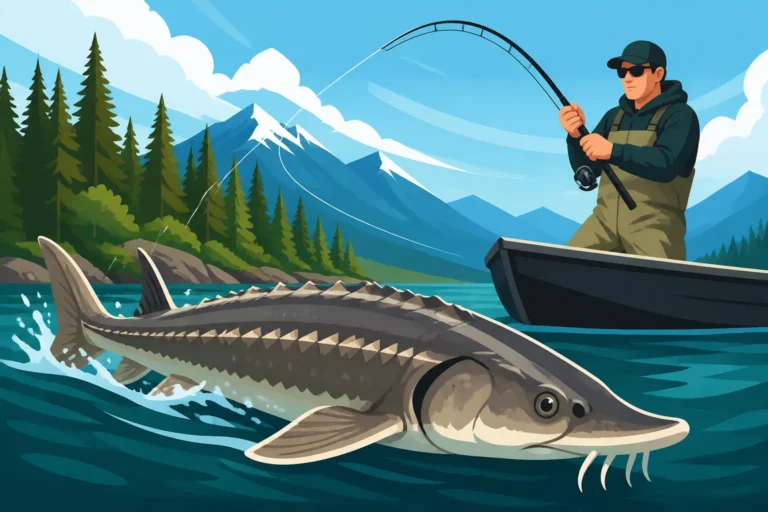
Oh, the White Sturgeon! If there's one fish that truly embodies the majesty and power of the Fraser River, it's this magnificent creature. These are the largest freshwater fish in North America, and tales of them reaching incredible sizes – sometimes over 10 feet long and weighing hundreds of pounds – are not just legends; they're fact. Landing one of these giants is often a bucket-list experience, a true test of strength and endurance that can leave your arms burning and your heart pounding.
However, it's crucial to remember that White Sturgeon are a protected species in BC, and all fishing for them is strictly catch-and-release. This means proper handling is paramount to ensure their survival. You'll need specialized, heavy-duty gear to minimize the fight time and safely bring them to the boat for a quick measurement, photo, and release. Guides who specialize in sturgeon fishing are incredibly skilled at this, often using specific techniques and equipment to ensure the fish is handled with the utmost care. It’s not just about the catch; it’s about the respect and conservation of this incredible living fossil. If you're looking for guidance on ethical practices and the specific gear required, you might want to read our detailed guide on How to Catch Sturgeon on the Fraser River.
Pacific Salmon Chinook, Sockeye, Coho, Pink, and Chum
The Fraser River is synonymous with Pacific salmon. It’s a highway for all five species, each with its own unique timing, size, fighting style, and preferred techniques. The annual salmon runs are a spectacle of nature, drawing anglers from around the globe.
- Chinook (King) Salmon: These are the largest and most prized of the Pacific salmon, known for their powerful runs and impressive size. They can be targeted in the Fraser from spring through fall, with the strongest runs typically in late summer and fall. They put up an incredible fight, and landing a "tyee" (over 30 pounds) is a truly epic achievement.
- Sockeye Salmon: Famous for their bright red spawning colours and incredible fighting ability, sockeye return in massive numbers every few years, creating a truly unforgettable fishery. They're often caught by "flossing" or drift fishing, especially when the runs are thick. You’ll be shoulder-to-shoulder with other anglers during peak Sockeye season, but the excitement is contagious.
- Coho (Silver) Salmon: Agile, acrobatic, and aggressive, coho are incredibly fun to catch, especially on lighter tackle. They're often found in the lower and middle river sections in late summer and fall, hitting a variety of lures and flies. Their aerial displays are legendary.
- Pink (Humpy) Salmon: These are the smallest and most abundant salmon, returning in huge numbers on odd-numbered years. They're a fantastic entry point for beginner anglers or families, as they're relatively easy to catch and provide consistent action. They tend to school up tightly, making for fast and furious fishing.
- Chum (Dog) Salmon: Large and powerful, chum are often overlooked but offer an incredible fight, especially on medium-heavy gear. They arrive in the fall, often in the lower and middle river sections, and are known for their distinctive "tiger" stripes as they prepare to spawn.
Each species presents a different puzzle, requiring varying techniques, baits, and presentation. To delve deeper into the specific strategies for hooking these beauties, check out our comprehensive guide on Salmon Fishing Techniques for BC Rivers.
Other Notable Catches Bull Trout and Steelhead
While sturgeon and salmon often steal the spotlight, the Fraser River and its extensive network of tributaries also offer fantastic opportunities for other incredible game fish. Anglers willing to explore a bit beyond the mainstem can be richly rewarded.
Bull Trout, often mistaken for Dolly Varden, are powerful, predatory fish that are a blast to catch. They typically inhabit the colder, cleaner waters of the Upper Fraser and many of its feeder streams. These fish are known for their aggressive strikes, often chasing down spinners, spoons, or large streamer flies. Targeting Bull Trout often means hiking into more remote areas, or fishing from a drift boat in less accessible stretches of the river. They are a true indicator of a healthy, pristine ecosystem, and catching one feels like a special reward for your effort. Remember, like sturgeon, careful catch and release is important for these native predators.
Then there's the legendary Steelhead. These sea-run rainbow trout are perhaps the most revered game fish in British Columbia, known for their incredible beauty, strength, and elusive nature. While they don't reside in the mainstem Fraser for long, they utilize it as a migratory corridor to reach their spawning grounds in numerous tributaries like the Vedder/Chilliwack River, Thompson, and Skeena systems. Chasing steelhead is a commitment, often requiring specific techniques like float fishing, drift fishing, or fly fishing with heavy nymphs or swung flies. They're known as "the fish of a thousand casts" for a reason, but the reward of landing one of these chrome-bright, powerful fish is indescribable. Steelhead fishing is steeped in tradition and demands a high level of respect for these magnificent, often vulnerable, populations.
Essential Gear and Techniques for Fraser River Fishing
Fishing the mighty Fraser isn't a "one size fits all" endeavor. The gear and techniques you employ will vary drastically depending on what species you're chasing and where on the river you're fishing. Being prepared with the right setup can make all the difference between a frustrating day and an unforgettable experience.
Heavy Tackle for Sturgeon and Salmon
When you're dealing with fish that can pull like a freight train, you simply cannot skimp on tackle. For the truly monstrous White Sturgeon, we're talking about specialized gear that's almost industrial strength. You’ll need heavy-action rods, often 7 to 9 feet long, with a backbone strong enough to muscle a 500-pound fish. Paired with this, you'll want large, high-capacity reels, typically conventional baitcasters, spooled with 80 to 150-pound braided line. This isn't overkill; it's a necessity. Imagine hooking into something that could potentially break your rod, strip your reel, or snap your line – it happens more often than you'd think if you're under-gunned. Strong leaders, heavy sinkers, and robust hooks are also non-negotiable.
For large Chinook salmon, while not quite sturgeon-level, you still need substantial gear. Medium-heavy to heavy-action rods (8.5 to 10.5 feet for drift or float fishing, or shorter, stout rods for trolling) paired with quality baitcasting or large spinning reels spooled with 20-30 pound mono or 30-50 pound braid are common. Remember, Fraser River Chinook often fight with the current, making an already strong fish even more formidable. Don't be that angler who watches their prize swim away because their gear wasn't up to the task.
Boat vs. Shore Fishing Considerations
The vastness of the Fraser River means you have options when it comes to how you fish, each with its own set of pros and cons.
Shore fishing is often the most accessible and budget-friendly option, especially in the Lower Fraser. You can set up on numerous gravel bars, public parks, and designated fishing areas. It's fantastic for bar fishing for salmon or casting for coho and pinks. The advantages are clear: no boat required, easy access for many, and a more relaxed pace. However, shore fishing also comes with limitations. You're restricted to specific spots, may have to contend with crowds during peak season, and your ability to "follow the fish" is limited. Safety is also key – always be aware of rising tides (in the lower river), changing currents, and deep drop-offs.
Boat fishing, on the other hand, offers unparalleled freedom and access. With a boat, you can reach those prime sturgeon holes in the middle of the river, chase salmon schools, or explore quieter back channels and tributaries. Whether it's a jet boat navigating shallow waters or a larger river sled designed for stability, a boat opens up a whole new world of opportunities. The cons? Cost, maintenance, launch access, and the need for boating safety knowledge. You'll need to know your BC Boating Laws for Anglers and ensure you have all the required safety equipment, including life jackets for everyone on board. For many, the investment is well worth the ability to get into productive, less pressured waters.
Mastering Popular Fishing Methods
The Fraser River demands a versatile approach, and anglers often employ several key techniques depending on the species and river conditions.
- Bar Fishing: A classic Fraser River technique, especially for salmon. Anglers anchor large rods with heavy weights (often 8-16 ounces) on prime gravel bars, allowing bait (like roe or cured salmon parts) to sit on the bottom in the path of migrating salmon. It's a waiting game, often involving multiple rods and a comfortable chair, but when a rod doubles over, it's pure adrenaline!
- Drift Fishing: This is a highly effective method for both salmon and steelhead, particularly in the middle and upper river sections with stronger currents. From a boat or sometimes from shore, anglers use floats or bottom-bouncing rigs to present bait (roe, worms), artificial eggs, or lures naturally downstream. The goal is to keep your offering drifting at the same speed as the current, directly into the fish's strike zone.
- Float Fishing: A precision technique often used in clearer waters for steelhead and coho, especially in tributaries. A weighted float (often a large Drennan or similar) carries a small offering like roe, a jig, or a worm, suspended at a specific depth. This allows for excellent presentation in seams and eddies, and the strike is often signaled by the float dipping or disappearing.
- Trolling: While more common in tidal waters, trolling can be effective for salmon in the lower, wider stretches of the Fraser, particularly where there's still some tidal influence. Using downriggers to get lures or bait to specific depths, anglers slowly motor along, covering water to find active fish. This is a great search pattern, especially when fish are scattered.
Each technique requires practice and an understanding of river dynamics, but mastering them will significantly increase your success rates on the Fraser.
Navigating Regulations and Conservation on the Fraser
Fishing the Fraser River isn't just about bait and tackle; it's also about responsibility. British Columbia has a complex and ever-changing set of regulations designed to protect its precious fisheries, especially the vulnerable salmon and sturgeon populations. Ignoring these rules isn't just risky; it can lead to hefty fines and loss of your fishing privileges.
Understanding Fishing License Requirements
Before you even think about casting a line, you absolutely need to have the correct fishing license. It's the law, plain and simple. For the Fraser River, you'll primarily need a valid BC Freshwater Fishing License. This applies to the entire non-tidal portion of the river system. If you plan to fish near the mouth of the Fraser where it meets the ocean, or in any tidal tributaries, you might also need a BC Tidal Waters Fishing License. It can get a little confusing knowing which one applies to which specific section, so it's always best to check.
The cost of your license will vary depending on whether you're a BC resident, a non-resident Canadian, or an international visitor. There are also different durations available, from single-day licenses to annual options. It’s also crucial to remember that some species, like salmon, often require additional stamps or surcharges on top of your base license fee, even for catch-and-release. Don't get caught without the right paperwork; it’s just not worth the hassle. For all the nitty-gritty details on what you need and how to get it, make sure to consult our comprehensive British Columbia Fishing License Guide for 2026 and specifically check out the breakdown of BC Freshwater vs Tidal Waters License, Explained. You can buy them online, or from authorized vendors across the province.
Crucial Catch Limits and Conservation Measures
This is where things can get particularly intricate, and it’s why staying informed is paramount. The Fraser River is home to numerous fish stocks, many of which are under significant conservation pressure. As a result, catch limits and possession limits can change frequently, sometimes even in-season, for different species and even specific sections of the river.
For salmon, you’ll find strict daily bag limits, often broken down by species, size, and even sex. For example, there might be specific regulations for Chinook salmon retention during certain windows, or complete non-retention for Sockeye in particular years or areas due to low returns. Additionally, some areas or species may be designated "catch and release only," meaning you can fish for them, but you absolutely cannot keep them. The White Sturgeon, as mentioned earlier, is a prime example of a catch-and-release only fishery. Beyond species-specific limits, there are also general conservation measures like gear restrictions (e.g., single-barbless hooks in some areas) and bait restrictions. It's your responsibility to know these rules before you go. You can find a detailed overview of what you can keep and where in our guide to BC Bag and Possession Limits by Species. Remember, these aren't just arbitrary rules; they're vital for ensuring the long-term health of our fisheries.
Reading Fishery Notices and In-Season Closures
Perhaps the most frustrating, but absolutely critical, aspect of fishing the Fraser River is keeping up with the constant changes. Fishery managers are continuously monitoring fish stocks, and based on real-time data, they issue "Fishery Notices" that can implement closures, change limits, or modify regulations with very short notice. What was legal last week might be closed today!
These notices are issued by Fisheries and Oceans Canada (DFO) and are your absolute lifeline for staying legal and fishing ethically. Before every single trip, no matter how familiar you are with the area, you MUST check the latest fishery notices relevant to the specific section of the Fraser you plan to fish. Many anglers get caught out by simply assuming things haven't changed, only to find themselves in violation. This applies to closures, openings, specific gear requirements, and any modifications to the BC Fishing Season Dates and Closures. It's not always easy, but websites like the DFO Pacific Region's fishery notice portal are constantly updated. Trust me, dedicating a few minutes to reviewing these updates can save you a lot of grief and ensure you’re contributing to sustainable fishing practices. For more in-depth information, our guide on BC Fishery Notices and In-Season Closures, Explained offers excellent advice.
Choosing a Fraser River Fishing Guide or Charter
For many, the sheer scale and complexity of the Fraser River can be overwhelming. This is where the expertise of a professional fishing guide or charter service truly shines. Especially for those visiting British Columbia or anglers new to the river, a guide can transform a potentially confusing and fruitless trip into a safe, successful, and incredibly memorable adventure.
Benefits of a Guided Fraser River Trip
Hiring a Fraser River fishing guide comes with a host of advantages that are hard to replicate on your own. First and foremost, you're tapping into invaluable local knowledge. These guides spend hundreds of days on the river, intimately understanding the subtle nuances of currents, fish holding patterns, and seasonal movements. They know where the fish are, what they’re biting on, and the best techniques for a given day – information that would take years to acquire independently.
Beyond fish-finding, guides provide all the necessary, often specialized, gear. You won't have to worry about investing in heavy sturgeon rods, specific salmon lures, or jet boats. They supply it all, ensuring you have the right tools for the job. Safety is another huge factor. Fraser River guides are highly experienced navigators, trained in river safety, first aid, and often hold certifications like a Pleasure Craft Operator Card. They know the hazards – the submerged logs, the tricky currents, and the ever-changing river bottom – keeping you safe throughout your trip. For a fantastic overview of what to expect when you head out with a pro, take a look at our What to Expect on a BC Fishing Charter article.
What to Look for in a Reputable Guide Service
Choosing the right guide is crucial for a successful experience. You want someone who is not only skilled at finding fish but also prioritizes safety, operates ethically, and provides an enjoyable atmosphere. Start by looking for guides who are fully licensed and insured. In British Columbia, this means they should have the necessary federal and provincial operating permits, which include adhering to Transport Canada safety regulations if they operate a boat. Don't be shy about asking for proof of this; a professional guide will be proud to show you.
Experience is key, especially on a river as dynamic as the Fraser. Look for guides with years of specific Fraser River experience, not just general fishing knowledge. Check their reviews and testimonials online; platforms like Google, TripAdvisor, or fishing forums can offer genuine insights from past clients. A good guide will also be highly knowledgeable about current regulations and will strictly adhere to them, promoting catch and release for vulnerable species like sturgeon and steelhead. Finally, consider their communication style. A reputable guide will be responsive to your inquiries, clearly explain what's included in the trip, and manage your expectations regarding potential catches and river conditions. Our detailed guide on How to Choose a BC Fishing Charter offers more tips on making the best choice.
Booking Your Adventure with Confidence
Once you've done your research and identified a few promising guide services, it's time to book your trip! Many popular Fraser River guides, especially those specializing in sturgeon or prime salmon runs, get booked up far in advance, sometimes a year or more out, so plan ahead if you have specific dates in mind. Be prepared to put down a deposit to secure your booking.
When you're ready to find and compare options, platforms like FishingBooker can be a great starting point. They consolidate listings from numerous Fraser River guides, allowing you to easily compare prices, read client reviews, and view available dates all in one place. Using a reputable booking platform like FishingBooker can also provide an extra layer of security and transparency, as they often vet their listed charters and guides. While you can also book directly with individual outfitters, services like FishingBooker simplify the process and give you a broader selection to consider, from half-day sturgeon trips out of Chilliwack to full-day salmon adventures originating near Mission. They often list guides that cater to various group sizes and experience levels, making it easier to find the perfect fit for your Fraser River fishing dream.
Best Times to Fish the Fraser River Throughout the Year
The Fraser River is a year-round fishery, but what you can expect to catch changes dramatically with the seasons. Each period offers unique opportunities and challenges, making it important to plan your trip based on your target species and desired fishing experience.
Spring Sturgeon and Early Salmon Opportunities
As the snow melts and the river begins to swell with spring runoff, typically from March through May, the Fraser River awakens. This is a fantastic time for targeting White Sturgeon. As water temperatures rise, these prehistoric giants become more active, moving out of their deep wintering holes to feed in shallower areas. While the runoff can make the water cloudy and powerful, experienced guides know how to navigate these conditions and find hungry sturgeon. The sheer volume of water often means fewer anglers, offering a more serene experience, though success rates can still be high.
For salmon, spring marks the arrival of the earliest runs of Chinook salmon, often referred to as "springers" or "red springs" in some areas. These are prized fish, known for their incredible fight and delicious meat. While not in massive numbers yet, the early season offers a chance at a trophy Chinook before the summer crowds. Fly anglers might also find opportunities for resident trout in the clearer tributaries feeding the Fraser as insect hatches begin. Always remember to check current regulations and fishery notices, as spring conditions can be unpredictable and regulations may change based on early season fish returns.
Summer Peak Salmon Runs and Warm-Water Action
Summer, from June through August, is arguably the most exciting and busiest time on the Fraser River. This is when the river truly comes alive with massive returns of Pacific salmon.
Sockeye salmon runs, which occur every few years in truly epic numbers (like in 2022 and anticipated strong returns in upcoming years), can create a fishing frenzy. When these runs are strong, the river literally turns red with fish, offering fast and furious action for anglers using techniques like flossing or drift fishing.
Pink salmon return in odd-numbered years, typically peaking in August, providing incredible opportunities for light tackle and fly fishing. These feisty fish come in huge schools, offering consistent action and making them a fantastic target for beginners and families.
Throughout the summer, Chinook and Coho salmon continue their migrations, with stronger runs building up towards late summer. These fish can be targeted using a variety of methods, from bar fishing to drift fishing with roe or lures. Beyond salmon, the warmer water temperatures can also make for good opportunities to target Bull Trout and Rainbow Trout in the upper river and cooler tributaries, as they become more active feeders. Summer on the Fraser is a vibrant, bustling time, full of energy and incredible fishing opportunities, but expect company on the water!
Fall Trophy Salmon and Steelhead Returns
As summer transitions into fall, roughly September through November, the Fraser River fishery shifts gears, offering some of the most sought-after angling experiences of the year. This is prime time for trophy Chinook salmon. The largest of the year's kings are often pushing upstream, deep into the Fraser and its tributaries, preparing to spawn. These powerful fish offer epic battles, testing both angler and gear to their limits. Fall also sees the peak of the Coho salmon runs, with these acrobatic fighters providing consistent action on lures, flies, and bait.
In addition to salmon, fall marks the beginning of the highly anticipated Steelhead season. These elusive sea-run rainbow trout begin to enter the Fraser and move into their natal tributaries, offering a challenging yet incredibly rewarding pursuit for dedicated anglers. Areas like the Thompson River, a major tributary of the Fraser, become world-renowned steelhead destinations. The cooler water temperatures of fall also make for excellent White Sturgeon fishing, as these fish continue to feed aggressively before the true cold sets in. The vibrant autumn colours of the landscape add to the beauty of the fishing experience, making fall a favorite season for many Fraser River enthusiasts. For a deeper dive into the seasonal ebb and flow, check out our BC Fishing Season Dates and Closures guide.
Winter Steelhead and Solitude
Winter on the Fraser River, from December through February, is a season of quiet beauty and intense focus. While many fair-weather anglers pack up their gear, a dedicated few brave the cold for the ultimate prize: winter Steelhead. These incredibly strong and resilient fish navigate the icy currents, offering one of the most challenging and rewarding freshwater fishing experiences in BC. Steelhead fishing in winter often requires patience, specialized techniques like float fishing or spey casting, and a willingness to endure the elements. When you hook into a chrome-bright winter steelhead against a backdrop of snow-dusted mountains, it's an experience you'll never forget.
While winter is primarily known for steelhead, there are still opportunities for White Sturgeon in the deeper, slower sections of the Lower Fraser, though their activity levels decrease significantly. The river takes on a tranquil, almost meditative quality during these colder months, offering a profound sense of solitude that's a stark contrast to the bustling summer scene. It's a time for hardcore anglers who appreciate the quiet beauty of the river and the challenge of pursuing truly wild fish in their element. Just be sure to dress warmly, prepare for icy conditions, and always prioritize safety on the water.
Popular Access Points and Launch Sites Along the Fraser
The Fraser River is massive, and knowing where to access it can feel like trying to find a needle in a haystack for first-timers. However, thanks to a network of public lands, parks, and designated boat launches, there are many excellent spots to get on the water, whether you’re fishing from shore or launching a boat.
Lower Fraser Access Mission, Chilliwack, Fort Langley
The Lower Fraser River, being closer to major population centers, offers some of the most accessible and well-developed fishing spots. If you're coming from the Vancouver area, these locations are often within an hour or two drive, making them perfect for day trips.
- Mission: This vibrant community on the north bank of the Fraser is a fantastic hub for fishing. There are several public access points, including parks and boat launches that cater to various boat sizes. Mission is particularly popular for White Sturgeon fishing, with numerous guides operating out of this area. During salmon runs, anglers can often find productive spots from shore or launch their boats to target Chinook, Sockeye, and Coho. The area around the Mission Bridge and nearby gravel bars are well-known hotspots.
- Chilliwack (Vedder River/Chilliwack River confluence): While the Vedder/Chilliwack River is a legendary fishery in its own right for salmon and steelhead, its confluence with the Fraser offers excellent mainstem Fraser access. There are multiple launch ramps and shore fishing opportunities here, especially during the fall salmon runs. This area provides access to some prime bar fishing locations and deep sturgeon holes. The community of Chilliwack itself offers all the amenities an angler could need, from tackle shops to accommodations. It’s a perennial favorite for a reason.
- Fort Langley: Closer to the western reaches of the Lower Fraser, Fort Langley offers historical charm along with some decent fishing access. While perhaps less known for the sheer volume of anglers compared to Mission or Chilliwack, it provides quieter opportunities for shore fishing and has public boat launches that can be less crowded. It's a great spot to target early season salmon or find less pressured sturgeon areas, especially if you prefer a more relaxed atmosphere.
Mid-Fraser Access Hope, Yale, Boston Bar
As you venture upstream into the Fraser Canyon, the access points become a bit more rugged and the scenery more dramatic. These mid-Fraser locations are further from the urban sprawl, offering a more immersive experience with strong currents and impressive canyon walls.
- Hope: Situated at the mouth of the Fraser Canyon, Hope is a natural gateway to the middle river. There are public boat launches and some accessible shore fishing spots here, especially for those targeting migrating salmon and sturgeon. The water tends to be faster and deeper than the lower river, requiring heavier gear and careful attention to currents. Hope also serves as a good basecamp, with amenities available before you head further into the more remote stretches of the canyon.
- Yale: A small, historic community just north of Hope, Yale offers a taste of the raw, untamed Fraser Canyon. Access here is more limited but provides incredible views and opportunities for those seeking solitude. There are some rugged shore fishing spots where anglers can target strong salmon pushing through the canyon, or find deep pools that might hold sturgeon. Launching a boat here can be more challenging, often requiring four-wheel drive and careful navigation. It’s definitely a spot for the adventurous angler who appreciates wilder waters.
- Boston Bar: Further north into the canyon, Boston Bar is another point where you can find access, albeit often more challenging, to the middle Fraser. This area is known for its powerful currents and the sheer cliffs that line the river, offering some dramatic fishing backdrops. Anglers here often target salmon as they navigate the formidable canyon, and it's also a known area for steelhead to begin their journey into tributaries. Access points might be more remote, often requiring knowledge of local roads and trails.
Upper Fraser Access Prince George and Beyond
For those truly looking to escape into the wilderness and explore the Fraser's most remote reaches, the Upper Fraser, particularly north of Lytton and stretching towards Prince George, offers a different kind of angling adventure.
- Prince George: As the largest city in northern British Columbia, Prince George acts as a major hub and a convenient starting point for exploring the Upper Fraser. While the mainstem Fraser here might not see the same salmon numbers as downstream, it offers excellent opportunities for resident fish like Bull Trout, Rainbow Trout, and various whitefish species. Numerous smaller tributaries in the region also provide fantastic fishing for trout and, in some cases, migratory steelhead and salmon. You'll find boat launches and plenty of public access in and around the city, making it easy to embark on a multi-day fishing trip.
- Remote Wilderness Access: Beyond Prince George, the Upper Fraser becomes a vast wilderness, often requiring significant travel on gravel roads, forest service roads, or even fly-in charters. This is where you'll find true solitude and pristine fishing environments. Anglers often combine fishing trips with camping, hiking, or wildlife viewing. While access can be challenging, the rewards are immense: unpressured fish, breathtaking scenery, and an unparalleled sense of adventure. Outfitters and guides in Prince George and other northern communities can often facilitate these remote trips, providing transport and specialized knowledge for navigating these wild waters. This is where you might find the Best Fishing Rivers in British Columbia that are truly off the beaten path.
Fraser River Fishing at a Glance
For a quick overview of what to expect when targeting different species across the Fraser River's diverse sections, check out this handy table:
| Fraser River Section | Key Target Species | Best Season(s) | Common Techniques | Notes & Considerations |
|---|---|---|---|---|
| Lower Fraser (Tidal to Hope) | White Sturgeon, Chinook Salmon, Sockeye Salmon, Coho Salmon, Pink Salmon, Chum Salmon | Year-round (Sturgeon); Summer-Fall (Salmon) | Bar Fishing, Drift Fishing (boat & shore), Boat Anchoring, Trolling (tidal) | High accessibility, tidal influence near mouth, often crowded, many guides available. |
| Middle Fraser (Hope to Lytton) | Chinook Salmon, Coho Salmon, Steelhead, White Sturgeon (pools) | Fall-Winter (Steelhead); Summer-Fall (Salmon) | Drift Fishing (heavy current), Float Fishing (tributaries), Fly Fishing | Faster currents, deep pools, stunning canyon scenery, less crowded than lower river. |
| Upper Fraser (Lytton North) | Bull Trout, Rainbow Trout, Chinook Salmon, Sockeye Salmon (fewer) | Spring-Fall | Fly Fishing, Spin Fishing, Remote Drifting | Wilderness experience, less fishing pressure, focuses more on resident trout & bull trout. |
Disclaimer
The information provided in this guide is for general informational purposes only and is subject to change. Fishing regulations in British Columbia, particularly for the Fraser River, can change frequently and with little notice due to conservation needs and stock assessments. Always consult the official Fisheries and Oceans Canada (DFO) website and the current BC Freshwater Fishing Synopsis or Tidal Waters Sport Fishing Guide before planning any fishing trip to ensure you are aware of and adhere to the latest rules, regulations, closures, and limits. Your compliance helps protect these vital fish stocks for future generations.