What water temperature steelhead prefer
As passionate anglers, we all know the frustration of hitting the river when conditions just don't feel right. You've got your favourite gear, you've checked the water levels, but sometimes it feels like the fish have vanished. One of the most overlooked, yet critical, factors is water temperature, especially when you're pursuing the elusive steelhead. This guide will dive deep into how water temperature influences steelhead behavior and how you can adapt your approach to find success.
Understanding Steelhead Thermal Preferences
Steelhead are incredible fish, revered for their strength and beauty, but they're also incredibly sensitive to their environment. Unlike some other fish that can tolerate a wider range of conditions, steelhead have very specific thermal preferences that dictate everything from their metabolism to their migratory urges. Ignoring this crucial detail can lead to a lot of wasted time on the water, and nobody wants that!
Why Temperature Matters So Much for Steelhead
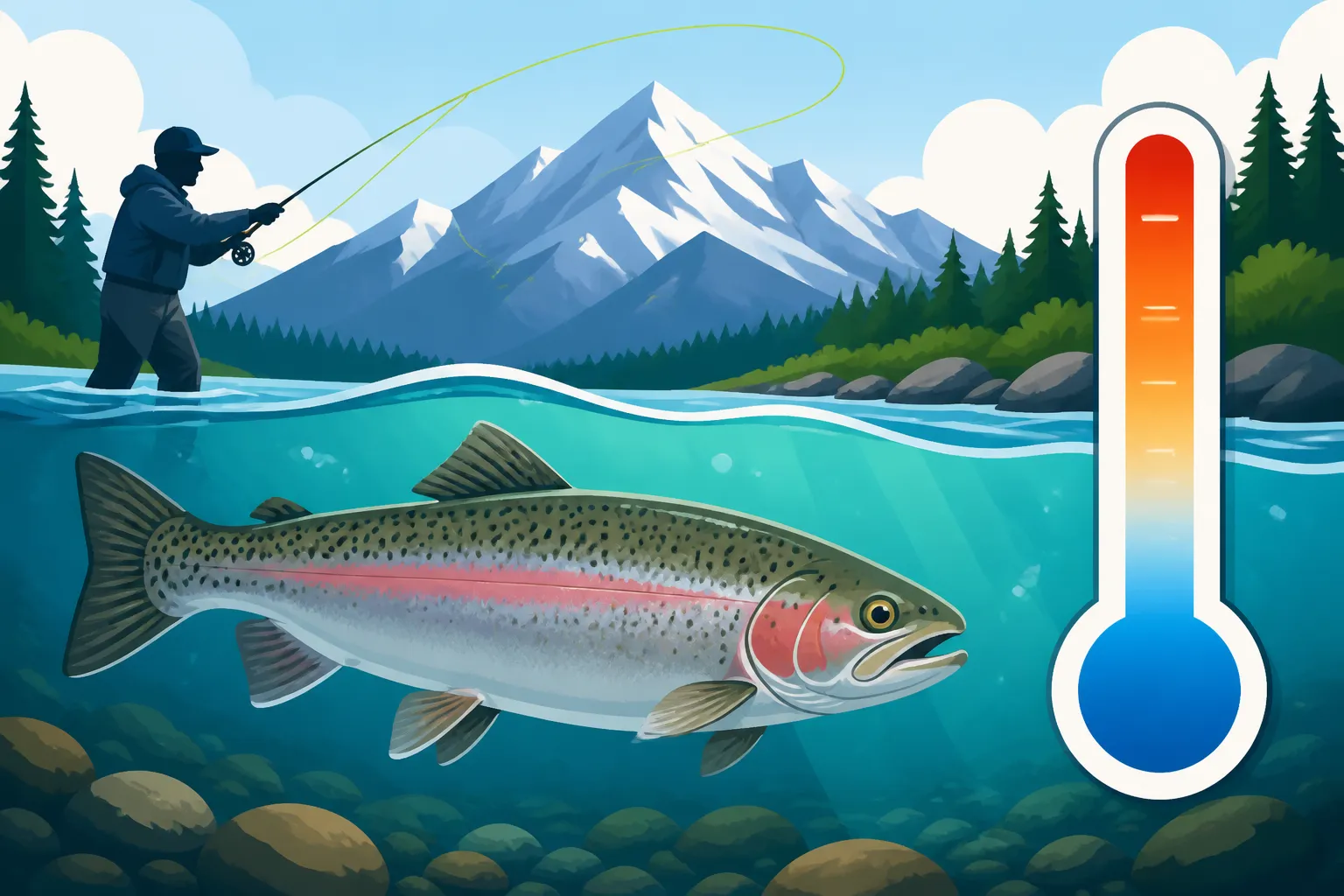
Imagine trying to run a marathon in extreme heat or bitter cold – you wouldn't perform at your best, right? Fish are no different. Water temperature directly affects a steelhead's metabolic rate, which in turn influences their energy levels, digestion, and willingness to feed or move. When the water is too cold, their metabolism slows down, making them lethargic and less inclined to chase a fly or lure. Conversely, water that's too warm can stress them out, reduce oxygen levels, and even be lethal in extreme cases, especially for an anadromous fish like the steelhead that's built for cooler, well-oxygenated currents.
Think about a river like the Skeena or Bulkley, famous for its steelhead runs. These rivers often have a relatively stable, cool temperature profile for much of the steelhead season. But even subtle changes, just a few degrees, can make a significant difference in how the fish behave. Knowing these nuances means you're not just casting blindly; you're making informed decisions based on the fish's physiological needs.
Natural Adaptation and Survival
Steelhead have evolved over millennia to thrive within specific temperature parameters. Their life cycle, from migrating out to the ocean to returning to their natal rivers to spawn, is heavily synchronized with the seasonal shifts in water temperature. For instance, many of BC's Steelhead Runs on BC's North Coast Rivers are timed to coincide with specific thermal windows in the fall, winter, and spring. These magnificent fish are constantly seeking out comfortable water that allows them to conserve energy, digest food efficiently, and remain healthy.
When temperatures drift too far from their comfort zone, steelhead will actively seek out holding water that offers thermal refuge. This might mean moving into deeper pools where water temperatures are more stable, or tucking into shaded areas along the bank. Understanding this natural adaptive behavior is key to anticipating where these fish might be holding. It's not just about the number on the thermometer, but how steelhead react to it in order to survive and eventually spawn, which is a massive energy drain for them.
The Ideal Temperature Range for Steelhead Activity
So, what's the magic number? While there's no single "perfect" temperature that guarantees a steelhead bite, there's a widely accepted range where these fish are most active, aggressive, and receptive to anglers' offerings. This sweet spot is what every serious steelhead angler in British Columbia dreams of finding.
Optimal Feeding and Migration Temperatures
Generally, steelhead are most active and eager to bite when water temperatures are between 38°F and 52°F (3.3°C and 11.1°C). Within this range, their metabolism is high enough that they need to feed regularly, and they're also more inclined to move through the river system, migrating upstream. If you're on a river like the Thompson or the Dean, and you see temperatures consistently in this window, your chances of success are significantly higher.
It's crucial to carry a reliable water thermometer, easily found on Amazon, and check the water temperature frequently. What felt "cold" in the morning might warm up several degrees by midday, fundamentally changing where and how steelhead are holding. A slight bump in temperature, even just a degree or two, especially after a prolonged cold snap, can trigger a noticeable increase in fish activity and get them moving into shallower runs and riffles where they are more accessible.
Temperature Thresholds to Watch For
While the optimal range is a great guideline, understanding the extremes is equally important.
- Below 38°F (3.3°C): When water temperatures dip below this mark, steelhead become much more lethargic. They'll conserve energy, often holding in deeper, slower water, close to the bottom. Their feeding activity will be minimal, and they'll be less likely to chase or react to fast-moving presentations. This is when you really need to slow down your approach, often using larger, slower-moving baits or flies right in front of their noses. Fishing in these conditions can be challenging, but not impossible if you adjust your tactics significantly. Think about the patience required for Best Techniques for Winter Steelhead.
- Above 55°F (12.8°C): As water temperatures climb above this threshold, steelhead start to feel stress. Oxygen levels in the water decrease, and their metabolism becomes overly taxed. They'll seek out cooler holding water, often near cold-water tributaries or deep, shaded pools. Aggressive tactics can actually harm fish in these conditions, as the fight can exhaust them to the point of mortality, even after release. Conservation becomes paramount, and many anglers will voluntarily stop fishing for steelhead when temperatures consistently exceed 60°F (15.5°C). Always check local regulations, as some areas may implement BC Fishery Notices and In-Season Closures, Explained during prolonged warm spells.
Here's a quick reference table for steelhead water temperatures:
| Temperature Range (F/C) | Steelhead Activity | Typical Location | Recommended Fishing Approach |
|---|---|---|---|
| Below 38°F / 3.3°C | Very Lethargic | Deep, slow pools | Slow, deep, subtle presentations |
| 38-44°F / 3.3-6.7°C | Moderate to Slow | Deeper runs, seams | Slow drifts, bottom bouncing, larger baits |
| 45-52°F / 7.2-11.1°C | Optimal, Active | Runs, riffles, seams | Versatile, aggressive presentations often work |
| 53-55°F / 11.7-12.8°C | Active to Stressed | Deeper, oxygenated areas | Faster retrieve, cautious handling |
| Above 55°F / 12.8°C | Stressed, Lethargic | Coldwater refugia | Avoid fishing for steelhead if possible |
How Temperature Influences Steelhead Behavior
It's not just about comfort; water temperature is a primary driver of how steelhead behave, where they hold, and what they're willing to do. Understanding these behavioral shifts is like having a secret weapon in your angling arsenal, giving you an edge over those who just cast randomly.
Impact on Metabolism and Energy
As mentioned, a steelhead's metabolism is intrinsically linked to water temperature. In colder water, their metabolic rate slows down dramatically. This means they digest food much more slowly and require less energy, so they're less inclined to chase after prey. They'll conserve energy by holding in slower currents and won't expend much effort to feed. This is why when you're fishing in bone-chilling conditions, you're often targeting individual fish that are barely moving, requiring a perfect, slow presentation right into their strike zone.
Conversely, in the optimal temperature range, their metabolism ramps up. They're more active, burn energy faster, and therefore need to feed more frequently. This makes them more aggressive and willing to move out of prime holding lies to intercept a presentation. They might be found in faster runs, actively looking for food. This increased activity is a key reason why the Best Time of Year to Fish in BC for steelhead often aligns with these more moderate thermal windows.
Where Steelhead Position Themselves in Varying Temps
Steelhead are masters of efficiency when it comes to energy use, and water temperature heavily dictates their preferred lies.
- Cold Water (Below 40°F/4.4°C): In freezing conditions, steelhead will seek out the deepest, slowest pools in the river. Think about the deepest part of a bend, or a large depression on the riverbed where the current is minimal. The deep water provides a more stable temperature, often a degree or two warmer than the shallower, faster moving sections, and less current means less energy expended to hold their position. They'll often be found right on the bottom. Your best bet is to use heavy gear to get your offering down to them, perhaps a custom-weighted jig or a large piece of roe on a bottom-bouncing rig, ensuring it stays in their zone for as long as possible. Many experienced anglers use highly sensitive rods for detecting the subtlest takes in these conditions, often paired with braided line available on Amazon for increased sensitivity.
- Optimal Water (45-52°F/7.2-11.1°C): When conditions are prime, steelhead will spread out and occupy more varied holding water. They'll be found in classic steelhead lies: the heads of pools, current seams, behind large boulders, and in the "tail-outs" of runs where the current slows down before entering a pool. They're more willing to move into shallower water to feed or migrate. This is when your typical drift fishing, fly swinging, or casting spoons and spinners can be incredibly effective. They're actively looking for a meal and will be more inclined to chase.
- Warm Water (Above 55°F/12.8°C): In warmer conditions, steelhead will again seek thermal refuge. This often means deep, shaded pools, areas with upwellings of cold groundwater, or the mouths of cold-water tributaries. They'll hug the bottom and avoid direct sunlight. Fishing becomes very challenging, and as mentioned, catch-and-release mortality can be a serious concern. If you do fish, keep fights short and handle fish minimally to ensure their survival.
Spawning Temperature Considerations
Temperature isn't just about feeding and migration; it's absolutely critical for spawning. Steelhead, as part of the salmon family, have very specific temperature requirements for successful egg incubation and fry development. If water temperatures are too cold, egg development can be delayed or halted. If they're too warm, it can lead to premature hatching, increased susceptibility to disease, or even mortality for the delicate eggs and fry.
For instance, many of BC's Steelhead Fishing in BC rivers see spawning activity peak when water temperatures are typically in the 40s Fahrenheit (4-9°C). These precise thermal windows ensure the best possible conditions for the next generation of steelhead. Anglers should be acutely aware of spawning periods and areas, often designated as BC Catch and Release Only Waters or closed entirely, to avoid disturbing these vital reproductive activities.
Fishing Strategies for Different Water Temperatures
Adapting your fishing strategy to the prevailing water temperature isn't just a suggestion; it's a necessity for consistent success. Forget the one-size-fits-all approach – steelhead demand a thoughtful adjustment to your tactics.
Cold Water Tactics (Below Ideal)
When the thermometer reads below 38°F (3.3°C), steelhead are conserving energy. Your approach needs to reflect this.
- Slow and Deep: The most crucial adjustment is to slow down your presentation and get your offering right on the bottom, in front of the fish's nose. They won't chase, so your bait or fly needs to drift naturally and enticingly with the current. This often means using heavier weights for drift fishing or a sink-tip line for fly fishing.
- Prime Holding Water: Focus exclusively on the deepest, slowest pools and the tails of long, slow runs. These are their thermal refuges. Cast upstream of these areas and allow your offering to sink and drift naturally into the holding zone.
- Lure/Bait Choice: Larger, high-contrast baits or flies that move slowly can be effective. Scent becomes more important in cold water, as their visual acuity may be reduced. Roe bags, large worms, or heavily weighted jigs with scent can be excellent choices. For fly anglers, slow-swinging large intruders or marabou flies, perhaps in black or purple, can elicit a strike. You can find some excellent instructional videos on various bait preparation and fly tying techniques on platforms like Amazon Video.
- Patience and Persistence: Cold water fishing tests your patience. Bites will be subtle, often feeling like a slight tick or just added weight. You might need to make many drifts over the same piece of water to coax a strike.
Optimal Temperature Tactics
This is the sweet spot, typically 45-52°F (7.2-11.1°C), where steelhead are most active and aggressive.
- Cover Water: Steelhead will be more spread out and willing to move, so don't be afraid to cover more water. Fish runs, riffles, seams, and the heads of pools.
- Variety of Presentations: This is when you can really experiment with different techniques. Drift fishing with roe or beads, float fishing with jigs, swinging flies, or casting spoons and spinners can all be highly effective. The fish are more likely to react aggressively.
- Focus on Current Breaks: Steelhead still appreciate current breaks for conserving energy, but they'll be more actively positioned to intercept food. Target seams where fast and slow water meet, behind boulders, or at the lip of a pool.
- Consider Speed: While still not excessively fast, you can often get away with slightly quicker retrieves or drifts, as fish are more willing to chase. This is prime time for techniques like the "swing" for fly anglers, where the fly covers a wide arc and often provokes a hard strike. Many anglers looking for Best Time of Year for Trophy Steelhead in BC will target these conditions.
Warm Water Tactics (Above Ideal)
Once temperatures exceed 55°F (12.8°C), especially getting into the high 50s or 60s, it's time to shift your priorities to fish welfare.
- Conservation First: Seriously consider if you should even be targeting steelhead. If you do fish, keep catch-and-release mortality at the forefront of your mind.
- Target Cold Water Refugia: If you must fish, seek out deep, heavily shaded pools or areas where cold water tributaries enter the main stem. These are the only places stressed steelhead might find temporary relief.
- Minimize Fight Time: Use heavier tackle than usual to bring fish to hand quickly, reducing their exhaustion. Avoid long battles.
- Handle with Care: Keep fish in the water as much as possible. Avoid taking them out for photos. Use a knotless, rubberized landing net to protect their slime coat. If a fish looks sluggish or has trouble righting itself, hold it gently in the current facing upstream until it regains its strength and swims off on its own.
- Go Early/Late: Water temperatures are typically coolest at dawn and dusk. If you choose to fish, these low-light periods might offer slightly better conditions for the fish. For more on adjusting your tactics, check out Fishing After a Heavy Rain on BC Rivers or How to Catch Steelhead in BC for general guidance that can be adapted.
By understanding the critical role of water temperature, you're not just hoping for the best; you're actively strategizing to increase your chances of finding steelhead and ensuring their well-being. Happy angling, and always carry that thermometer!
Disclaimer
This article is for general informational purposes only and does not constitute professional advice. Laws, prices and regulations vary by location and change over time. Consult a qualified professional for guidance on your specific situation.