Chum Salmon Runs in BC
Many anglers in British Columbia, particularly those new to salmon fishing or focusing solely on the "glamour" species like Chinook and Coho, often overlook the powerful and abundant chum salmon. It's a common frustration to see these strong, vibrant fish in the rivers, often in incredible numbers, without fully understanding their immense potential for sport and even the table. This guide will take a deep dive into the fascinating world of chum salmon runs in BC, helping you identify them, understand their unique behaviors, and discover effective techniques to target them.
Understanding Chum Salmon in BC
Chum salmon, sometimes affectionately (or sometimes derisively) called "dog salmon" due to their impressive canine-like teeth developed during spawning, are a truly remarkable species. They are often less sought after than their Pacific salmon cousins, leading many anglers to miss out on an incredibly fun and accessible fishery. But to truly appreciate them, we need to understand their journey and what makes them unique.
The Unique Life Cycle of Chum
The life cycle of a chum salmon is a tale of incredible resilience and an arduous journey. Like all Pacific salmon, they begin their lives in freshwater streams and rivers. What sets chum apart, however, is their relatively short freshwater residency. Unlike Chinook or Coho, which might spend a year or two in their natal streams, chum fry typically migrate to saltwater almost immediately after hatching, often within weeks or a few months. This rapid exit means they don't develop the same territorial instincts in freshwater as other species, which can influence how and where you find them as adults.
Once in the ocean, they embark on extensive feeding migrations, growing rapidly in the rich Pacific waters. They are known for their voracious appetites, consuming a diet of zooplankton, small fish, and crustaceans. This oceanic phase can last anywhere from three to five years, though four years is common, before they begin their incredible migration back to their spawning grounds. When they return, they often do so in huge numbers, sometimes creating dense schools in the lower reaches of rivers, offering a fantastic opportunity for anglers. Their return journey is shorter and often less complex than some other salmon, as they typically spawn closer to the ocean, in the lower to middle sections of rivers and even in tidal estuaries, making them quite accessible.
Identifying Chum Salmon
One of the first steps to successfully fishing for chum is being able to confidently identify them. While all Pacific salmon share some similarities, chum have several distinct characteristics that make them stand out, especially as they approach their spawning phase.
Ocean-Phase Chum:
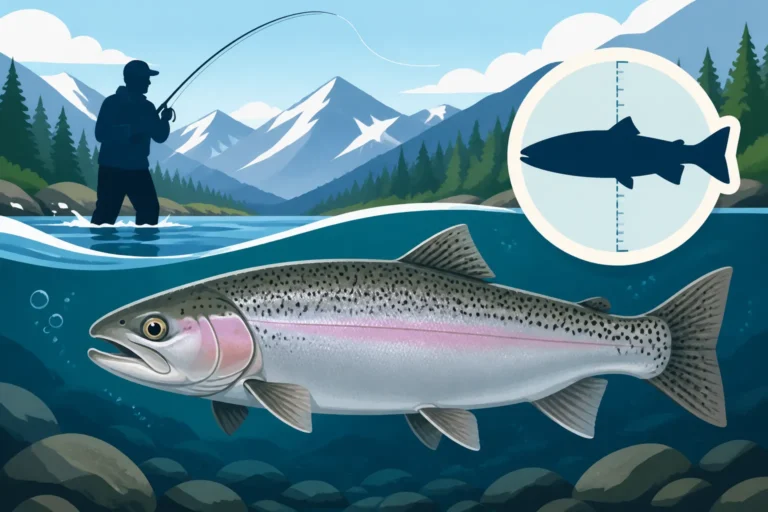
When chum are fresh from the ocean, they are typically bright, silvery fish, much like other salmon. They might have a metallic green-blue back fading to silver sides and a white belly. At this stage, they are often confused with Coho or even smaller Chinook. Look for a relatively slender body profile compared to the bulkier Chinook.
Spawning-Phase Chum:
This is where chum truly earn their "dog salmon" nickname and become unmistakable. As they transition from saltwater to freshwater and mature for spawning, their appearance undergoes a dramatic transformation.
- Coloration: Their silvery ocean colors give way to a striking array of olive green and purplish-red vertical bars or blotches along their sides. This distinctive pattern is often referred to as "tiger stripes" or "calico pattern." It's incredibly vibrant and makes them easily distinguishable.
- Jaw and Teeth: Males develop an exaggerated, hooked upper jaw (a kype) and truly fearsome, dog-like teeth. These teeth are much more pronounced than in other salmon species and are used in territorial disputes on the spawning grounds. Females also develop larger teeth, though not as extreme as the males.
- Body Shape: Their body often becomes deeper, and males develop a hump on their back, though not as pronounced as a Pink salmon. They also become quite lean as they stop feeding and their bodies are consumed by the energy needed for reproduction.
Here's a quick comparison of key identification features for Pacific Salmon you might encounter in BC:
| Feature | Chinook (King) | Coho (Silver) | Sockeye (Red) | Pink (Humpy) | Chum (Dog) |
|---|---|---|---|---|---|
| Ocean Color | Silvery, black spots on back/tail | Silvery, few spots on back, white gums | Silvery, no spots, blue-green back | Silvery, large oval spots on back | Silvery, metallic blue-green back |
| Spawning Color | Dark olive to red, often mottled | Dark red to brownish-red, green head | Bright red body, green head | Olive-brown, dark spots, red flanks | Olive-green with purple/red bars |
| Spots | Many irregular spots on back/tail | Few spots on upper lobe of tail | None | Large oval spots on back/tail | None (or very few faint spots) |
| Gums | Black on both jaws | White lower gumline | White on both jaws | Black on both jaws | White on both jaws (but with large teeth) |
| Tail Shape | Slightly forked, deeply-rayed | Slightly forked | Moderately forked | Forked, deeply-rayed | Slightly forked, deeply-rayed |
| Teeth (Spawning) | Moderately large kype | Moderate kype | Small kype | Small kype, large hump on back | Very pronounced kype, large teeth |
For more detailed information on identifying all the different species you might encounter, check out our guide on Pacific Salmon Species Identification Guide. Being able to tell a chum from a coho or a pink is crucial, not just for sport, but for understanding and adhering to specific regulations.
Where and When to Find Chum Salmon Runs
Knowing where and when to intercept chum salmon is key to a successful outing. While they are widespread, certain areas and times of the year are far more productive than others. These fish are powerful, and connecting with a fresh, ocean-run chum can be an unforgettable angling experience.
Key Rivers and Coastal Areas for Chum
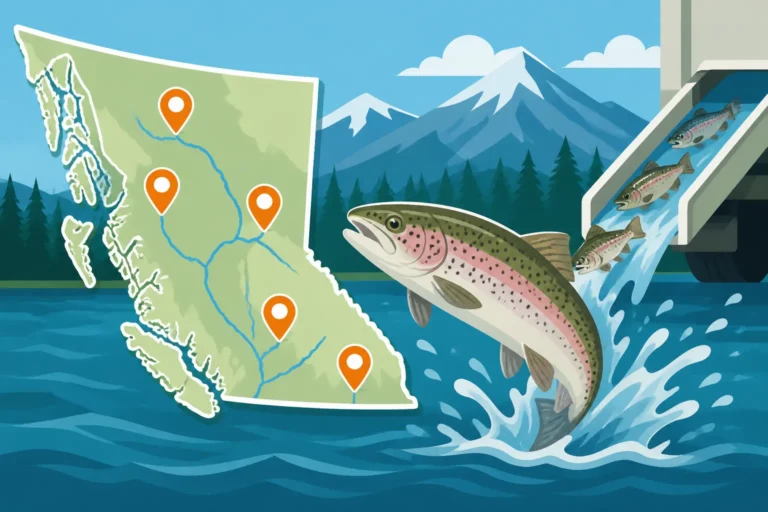
Chum salmon are widely distributed throughout British Columbia's coastal drainages, from the Fraser Valley up to the northern reaches of the province. They tend to prefer rivers with good gravel bottom and slower, deeper sections in their lower to mid-reaches for spawning. Estuaries and tidal sections of rivers are particularly important for chum, as they often stage there before pushing further upstream.
Here are some of the most productive areas for chum salmon runs in BC:
- Fraser River System: The Fraser River is legendary for all Pacific salmon, and chum are no exception. While not as high-profile as the Chinook or Sockeye, massive numbers of chum return to the Fraser and its tributaries. The lower Fraser, particularly around areas like Chilliwack, Mission, and Harrison River, can see incredible concentrations. The Harrison River, a major tributary of the Fraser, is especially renowned for its chum runs and is a popular spot for both boat and shore anglers.
- Vancouver Island Rivers: Many of the rivers flowing into the Georgia Strait on Vancouver Island host robust chum runs. Rivers like the Gold River, Stamp River, Cowichan River, and many smaller systems in the Comox Valley and Nanaimo areas see significant returns. These rivers offer diverse fishing opportunities, from estuary fishing to targeting them in clear freshwater pools.
- Sunshine Coast and Howe Sound: Rivers along the Sunshine Coast and within the Howe Sound region, such as the Squamish River and the Cheakamus River (a tributary of the Squamish), are excellent for chum. These systems are often characterized by beautiful, clear waters and stunning mountain backdrops, offering a picturesque fishing experience.
- Northern BC Rivers: Further north, systems like the Skeena River and its tributaries, while famous for Steelhead and Chinook, also support healthy chum populations. However, the runs tend to be less concentrated and more spread out than in the southern parts of the province.
When planning your trip, consider accessibility. Many of the lower mainland rivers offer great bank access, while others might require a boat or knowledge of specific access points. You might find some excellent Best Fishing Rivers in British Columbia in these regions that are perfect for targeting chum.
Peak Seasonality for Chum Runs
Understanding the timing of chum salmon runs is crucial, as their presence is highly seasonal and dictated by their spawning migration. While exact timings can vary slightly year to year due to water levels, temperatures, and ocean conditions, a general pattern holds true across BC.
Late Summer to Late Fall is Prime Time:
Chum salmon typically begin their main migratory push from saltwater into freshwater rivers and streams in late September and continue through October, often extending into early to mid-November. This makes them a fantastic target for fall fishing, often overlapping with the tail end of Coho runs and the peak of some Steelhead seasons.
- Early October: You'll start to see the first waves of fresh, chrome-bright chum entering the lower reaches of rivers and estuaries. These fish are aggressive, full of fight, and in prime condition for both sport and table fare.
- Mid-October to Early November: This is generally the peak of the chum run in many systems. Rivers can be teeming with fish, and the fishing can be fast and furious. During this period, you'll encounter a mix of fresh-run fish and those that have been in the river for a while, showing more of their distinctive spawning colours.
- Late November: While the main run may be winding down, some systems will still have chum pushing in. However, by this point, most fish will be well into their spawning coloration and condition.
It’s important to remember that these are general guidelines. Always check current conditions and BC Fishing Season Dates and Closures for the specific river or area you plan to fish. Fishery notices from the Department of Fisheries and Oceans (DFO) are your best friend here, as they provide real-time updates on openings, closures, and specific regulations. Water levels and temperatures play a huge role; a good rain can trigger a big push of fish, while prolonged dry spells can delay them.
Fishing Techniques for BC Chum Salmon
Chum salmon are known for their incredible fighting power once hooked. They're tenacious, powerful, and will test your gear and your angling skills. While they might not be as eager to bite lures as a fresh Coho, they can be incredibly aggressive when provoked, especially in a river setting. Mastering a few key techniques can lead to some truly exhilarating battles.
Gear and Tackle for Chum Fishing
When you're gearing up for chum salmon, you need tackle that can handle strong, hard-fighting fish. These aren't delicate trout; they're powerful torpedoes of muscle!
- Rods: A medium-heavy to heavy action casting or spinning rod, typically 9 to 11 feet in length, is ideal. The longer rod helps with casting distance, managing your line in current, and absorbing the powerful runs of a hooked fish. A rod designed for salmon or Steelhead, rated for 12-25 lb line, would be a good choice. You can find excellent options for specialized salmon and steelhead rods on platforms like Amazon, often with detailed reviews from other anglers.
- Reels: A sturdy baitcasting reel or a robust spinning reel in the 4000-6000 size range is recommended. Ensure it has a smooth, reliable drag system, as a screaming run from a pissed-off chum can quickly spool you if your drag isn't up to snuff. Capacity for at least 200 yards of line is a good idea.
- Line: Braided line, in the 30-50 lb test range, is very popular for its strength, sensitivity, and lack of stretch. This is often paired with a fluorocarbon or monofilament leader of 15-25 lb test. The leader provides a bit of stretch and is less visible to the fish. For those who prefer mono, a 15-20 lb main line is generally sufficient.
- Leader Material: 15-25 lb fluorocarbon is usually preferred for leaders due to its abrasion resistance and low visibility in clear water. Chum can be line-shy, especially in lower, clearer water conditions, so a good leader is key.
- Hooks: Stick with strong, sharp hooks. Octopus hooks in sizes 2/0 to 5/0 are common, depending on the size of your bait or lure and the local regulations. Barbless hooks are often mandatory for salmon fishing in BC, so double-check the rules for your specific area.
If you're unsure about what gear your chosen charter or guide might provide, it's always a good idea to check out What Gear a BC Charter Provides to prepare appropriately.
Effective Lures and Baits
Chum salmon, particularly in freshwater, are not actively feeding once they enter the rivers for spawning. This means you're trying to elicit a reactionary strike or an aggressive bite, rather than appealing to their hunger. Presentation and provocation are key.
- Drift Fishing with Roe/Yarn: This is a highly effective method, especially in rivers with good current. A small piece of cured salmon roe (roe bags) or brightly coloured yarn tied into an egg cluster imitation is drifted along the bottom, often beneath a float. The idea is to present the offering right into the fish's face, provoking a strike. The yarn or roe can be tipped with a small scent bead. Popular yarn colours include chartreuse, pink, orange, and red.
- Float Fishing Jigs: Marabou jigs, in bright colours like chartreuse, pink, purple, and black, are incredibly effective. Fish them under a float, allowing the current to impart a lifelike action to the marabou feathers. The weight of the jig should be matched to the current speed – heavy enough to get down, but light enough to drift naturally. Jig sizes typically range from 1/4 oz to 1/2 oz. Many anglers swear by a specific chartreuse jig available from specialty tackle shops or online at Amazon.
- Spoons and Spinners: While perhaps more effective for fresh, ocean-run chum, spoons and spinners can still entice a strike in the river, especially in deeper pools or faster runs. Bright, flashy colours like chrome, brass, chartreuse, and pink are good choices. Cast upstream and retrieve with a varying cadence, letting the lure "flutter" and flash as it swings through the current. Sizes typically range from 1/2 oz to 1 oz.
- Fly Fishing: For the fly angler, large, bright flies are the ticket. Intruder-style flies, Clouser Minnows, and weighted egg patterns in chartreuse, pink, purple, and black are popular. Swinging flies through runs or nymphing deeper pockets can be very productive. The key is to get the fly down to the fish and present it aggressively.
Remember, the goal is often to annoy the fish into striking. Experiment with colours, depths, and retrieves. Sometimes a subtle drift works, other times an aggressive jigging motion is what it takes. For a broader look at techniques, check out Salmon Fishing Techniques for BC Rivers.
Conservation and Regulations for Chum Salmon
As with all fisheries in British Columbia, ethical angling and adherence to regulations are paramount. Chum salmon, while often abundant, are still a vital part of the ecosystem, and their runs can fluctuate. Understanding and respecting the rules ensures these powerful fish continue to return for generations to come.
Understanding Catch Limits and Openings
The regulations surrounding chum salmon, like all salmon species in BC, are dynamic and can change frequently. The Department of Fisheries and Oceans (DFO) manages salmon fisheries based on stock assessments, conservation concerns, and run sizes.
- Daily and Possession Limits: These specify how many chum salmon you can keep in a single day and how many you can have in your possession (including those at home). These limits vary by area and can be quite restrictive or generous depending on the health of the specific run. For example, some areas might have a daily limit of two chum, while others might be catch-and-release only. It's crucial to consult the BC Freshwater Fishing Regulations Synopsis or the BC Tidal Waters Sport Fishing Guide (depending on where you are fishing) before you head out. These guides are available online and from license vendors.
- Openings and Closures: Chum salmon fisheries can open and close on short notice based on in-season assessments of run strength. A river might be open for retention one week and then become catch-and-release only, or even completely closed, the next. These changes are typically announced through Fishery Notices on the DFO website. Checking these notices regularly, especially if you're planning a trip, is non-negotiable. Don't rely on what was legal last year or even last month.
- Gear Restrictions: Specific gear restrictions often apply, especially in sensitive spawning areas. Barbless hooks are typically mandatory for salmon. In some areas, bait might be prohibited, or certain types of lures might be restricted. Always read the fine print for your chosen fishing location.
- Specific Area Rules: Many rivers have unique rules for different sections. For instance, the lower tidal portion of a river might have different regulations than an upstream freshwater section. Familiarize yourself with the exact boundaries of these regulation changes.
Ignorance of the law is not an excuse. Always have the most current regulations handbook or digital copy with you. You can learn more about the broader rules in BC Fishing Regulations Explained and specifics in BC Bag and Possession Limits by Species.
Responsible Angling Practices
Beyond just following the rules, responsible angling is about minimizing your impact and ensuring the health of the fish you encounter, especially those you plan to release.
- Barbless Hooks: As mentioned, these are often mandatory, but even when not, using them significantly reduces harm to fish, making hook removal easier and quicker.
- Minimize Fight Time: While chum are strong fighters, try to land them as quickly as possible to reduce stress. A prolonged fight can exhaust the fish, making it less likely to survive release. Use appropriate tackle for the species you're targeting.
- Handle With Care: If you intend to release a fish:
- Keep it in the water: This is the golden rule. Net the fish quickly and try to unhook it without removing it from the water.
- Wet Hands: If you must handle the fish, wet your hands first. Dry hands can remove the fish's protective slime coat, making it vulnerable to disease.
- Support the Fish: If you need a photo, do it quickly, support the fish horizontally with two hands (one under the tail, one gently under the belly), and keep it low over the water.
- Avoid the Gills: Never touch the gills, as this is a very sensitive area and can cause fatal damage.
- Revival: If a fish is heavily exhausted, hold it gently in the current, facing upstream, allowing water to flow over its gills until it regains its strength and can swim away on its own.
- Respect Spawning Fish: While it's legal to fish for actively spawning chum in some areas, many anglers choose to leave fish alone once they are fully coloured up and on the redds (spawning beds). These fish are focused on reproduction and are often not good for consumption, and disturbing them can disrupt the spawning process.
- Leave No Trace: Pack out everything you pack in. Dispose of all fishing line, bait containers, and trash properly.
Practicing these responsible angling techniques not only helps conserve the fishery but also enhances the experience for everyone who shares the water. It’s part of the BC Salmon Conservation Stamp Rules ethos, ensuring the sustainability of our wild salmon stocks.
Why Chum Salmon are a Hidden Gem
For too long, chum salmon have been unfairly stigmatized, often considered the "ugly ducklings" of the Pacific salmon family. Many anglers dismiss them as "trash fish" or solely useful for their roe. However, this perception couldn't be further from the truth. Chum salmon offer a phenomenal sport fishing experience and, when handled correctly, can be excellent table fare, making them a true hidden gem in BC's diverse fisheries.
Culinary Value and Preparation
One of the biggest misconceptions about chum salmon is their culinary value. It's true that heavily spawned-out chum, deep in their spawning colours, will have mushy flesh and are not desirable for eating. However, fresh, ocean-run chum caught in the lower river or estuary, still bright and silvery, are a delicious and underrated fish.
- Flesh Quality: The flesh of a fresh chum salmon is firm, orange-red, and has a mild flavour. It's leaner than Chinook or Sockeye, but richer than Pink salmon. It holds up well to various cooking methods and has a delightful flakiness.
- Versatility in the Kitchen: Don't be afraid to experiment! Fresh chum is excellent baked, grilled, smoked, or pan-fried.
- Baked: Try a simple lemon-dill baked chum fillet.
- Grilled: Marinate it briefly in teriyaki or a simple lemon-herb blend for a fantastic summer BBQ.
- Smoked: Chum is particularly well-suited for smoking. Its leanness means it absorbs smoke flavour beautifully, creating a moist and flavourful product.
- Canning: Many anglers swear by canned chum, especially for making salmon sandwiches or adding to salads.
- Roe (Ikura): For many, chum are prized for their roe, which is often sold commercially as "Ikura." Chum roe has larger eggs and a distinct pop and flavour, making it a valuable culinary product. If you're interested in harvesting roe, ensure you know the specific regulations regarding retention and handling.
The key to enjoying chum at the dinner table is timing your catch. Target those bright, fresh fish that have just entered the river. If the fish is deeply coloured and showing signs of advanced spawning, it's best to release it to continue its mission.
The Thrill of the Fight
If you've never hooked into a fresh chum salmon, you're missing out on one of BC's most underrated sportfishing experiences. These fish are absolute powerhouses, offering a relentless and explosive battle that will test your tackle and your stamina.
- Unrelenting Strength: Chum salmon are known for their sheer strength. When hooked, they often make powerful, drag-screaming runs. They don't give up easily and will often make multiple strong pushes downstream, requiring quick reflexes and a strong arm to turn them.
- Aggressive Head Shakes: Once you've managed to slow their initial run, prepare for aggressive head shakes. Their broad bodies allow them to leverage the current and make powerful thrashes, trying to throw the hook.
- Accessible Sport: Because they often return in large numbers and frequently hold in accessible parts of rivers and estuaries, chum fishing offers a fantastic opportunity for anglers of all skill levels to experience the thrill of battling a large, powerful salmon. You don't always need specialized boats or remote wilderness access; many great spots are easily reachable.
- Learning Opportunity: For newer anglers, chum fishing provides an excellent chance to practice fighting strong fish, refining drag settings, and learning how to lead a fish to the net. Their abundance often means more hookups, which translates to more practice.
Next time you're considering your fall salmon fishing plans, don't overlook the humble chum. These fish offer a unique blend of challenging sport and delicious rewards, truly making them a worthy target in British Columbia's incredible fishing landscape. They might just become your new favorite salmon to target!
Disclaimer
This article is for general informational purposes only and does not constitute professional advice. Laws, prices and regulations vary by location and change over time. Consult a qualified professional for guidance on your specific situation.