How fast chinook salmon grow
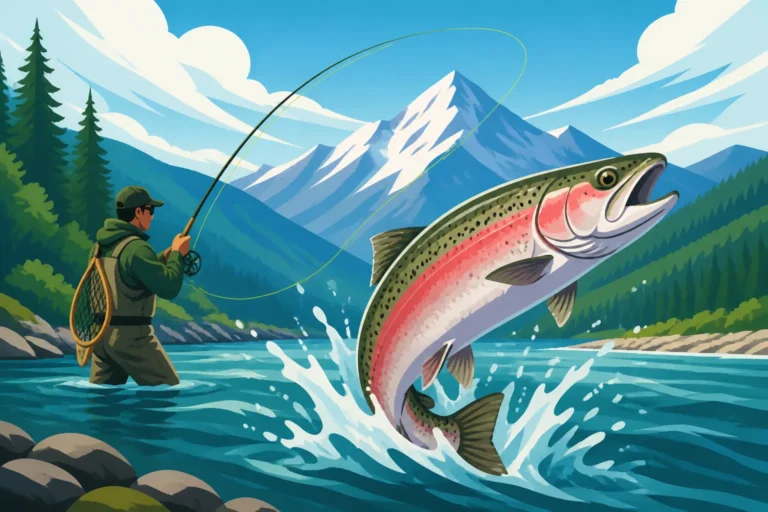
You've just hooked into a beautiful Chinook salmon, or maybe you're dreaming of the day you do. As that powerful fish thrashes at the end of your line, or as you gaze at pictures of monster Chinooks, a common question pops into every angler's mind: "How fast do these incredible fish actually grow?" It’s a question that goes beyond mere curiosity; understanding their growth cycle gives us a deeper appreciation for these magnificent creatures and can even inform our fishing strategies. This guide will dive deep into the life story of Chinook salmon, exploring the fascinating journey from tiny egg to colossal ocean king, and uncover the many factors that influence their impressive growth rate here in British Columbia.
Understanding the Early Life Stages and Initial Growth Spurts of Chinook Salmon
Before a Chinook salmon becomes the chrome-bright, hard-fighting beast we chase in our BC rivers and coastal waters, it undergoes several critical growth phases in freshwater. These early stages, though often out of sight, lay the foundational blueprint for their entire lives, impacting how quickly they'll mature and how large they'll eventually become.
From Egg to Alevin: The Hidden Journey
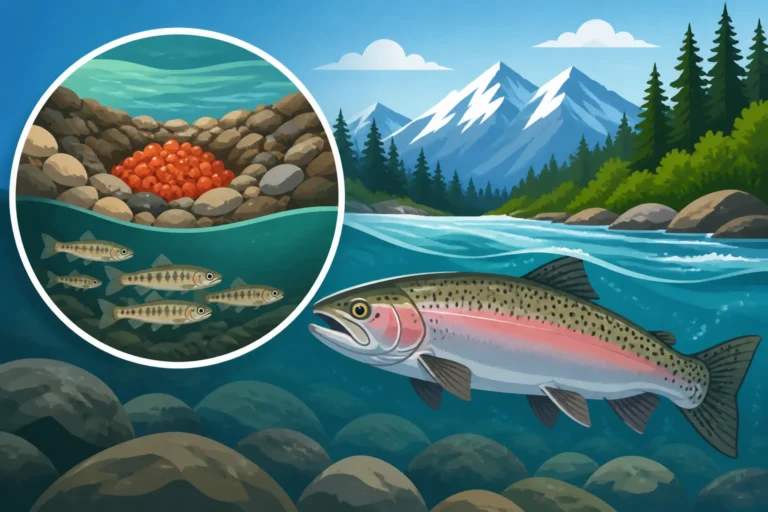
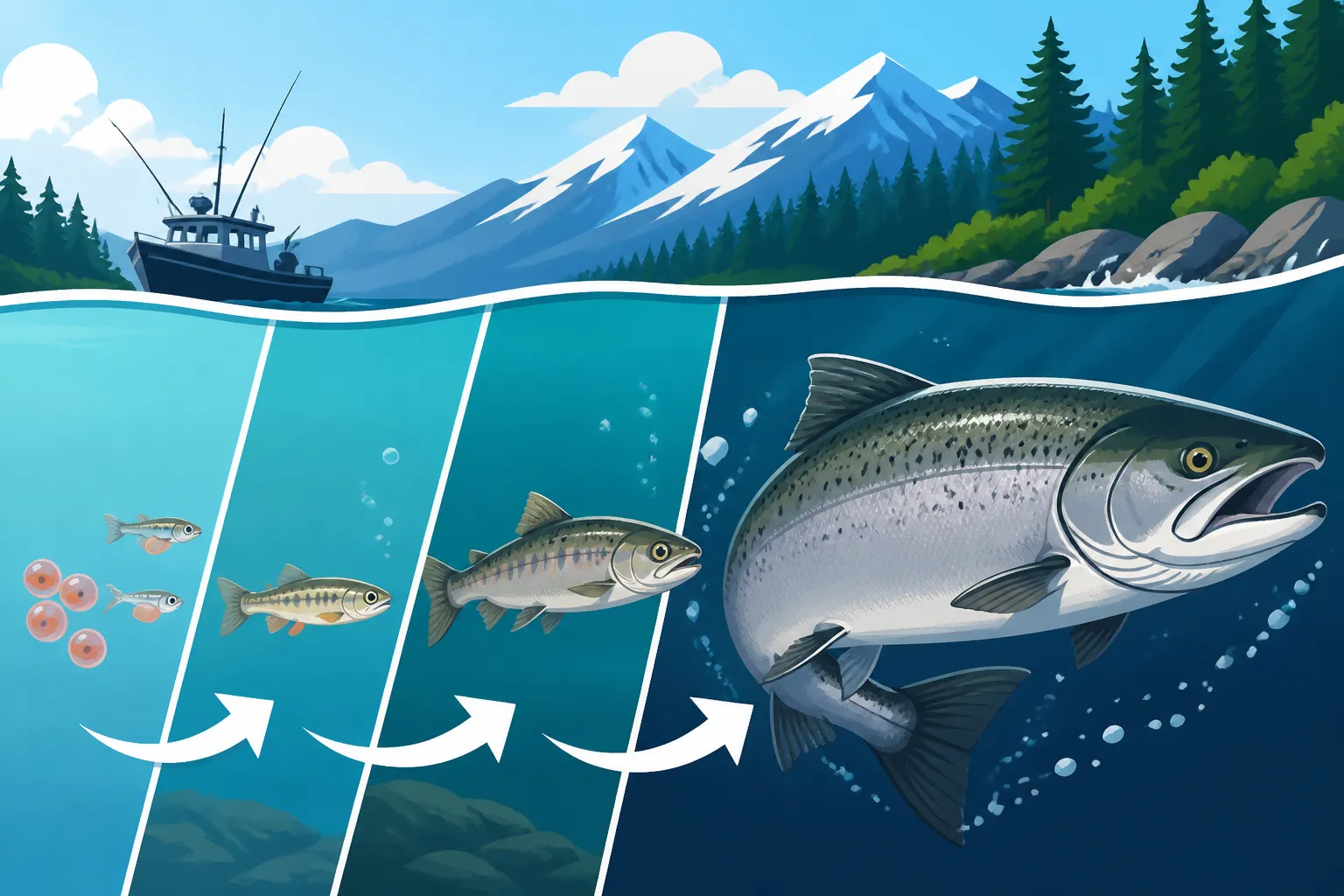
The story begins in the gravel beds of a freshwater stream or river. Female Chinook salmon, after an epic journey upstream, deposit their eggs in carefully constructed nests called redds. These eggs, fertilized by the male, are typically about 6-9 mm in diameter, roughly the size of a small pea. Tucked away under layers of gravel, they are surprisingly delicate yet resilient. The incubation period is heavily dependent on water temperature. Colder water means slower development, while warmer water accelerates the process. Imagine these little orange pearls, slowly developing eyes, then a tiny spine, completely reliant on the oxygenated water flowing through the gravel. This is a crucial time, and any disturbance or pollution can be devastating to the future generation. After several weeks to months, usually in the late winter or early spring, the eggs hatch into what are known as alevin. These tiny creatures, still with a prominent yolk sac attached to their bellies, remain hidden in the gravel, absorbing nutrients from this natural food packet as they continue to grow. They're essentially miniature fish in a larval stage, not yet ready to brave the open current.
Fry and Parr: Developing Strength in Freshwater
Once the yolk sac is almost fully absorbed, typically in the spring, the alevin emerge from the gravel as free-swimming fry. At this stage, they are typically around 2.5 to 3.5 centimeters long, barely an inch, and remarkably vulnerable. Their diet shifts to tiny aquatic insects and plankton, and they begin to actively feed and grow. As they grow, they develop distinctive vertical bars along their sides, known as parr marks, which provide camouflage in the dappled light of the riverbed. These fish are now called parr. For some Chinook populations, especially those in larger river systems like the Fraser River, they might spend a full year or even more in freshwater, growing larger and stronger. During this time, they're honing their hunting skills, learning to avoid predators like birds and larger fish, and developing the musculature needed for their incredible migration. Their growth rate here is largely tied to food availability and water temperatures. A healthy, abundant river environment with plenty of insect life means faster growth and a better chance of survival for these young fish. It's a tough existence, but those that survive this stage are truly resilient. If you're observing them in a stream, they often hold in areas with moderate current, close to structure for cover, darting out to snatch passing food items. It's truly incredible to think that these tiny fish will one day be so massive.
The Smolt Transformation: A Gateway to the Ocean
The transition from freshwater parr to ocean-going smolt is one of the most remarkable physiological transformations in the animal kingdom. When Chinook parr reach a certain size, typically around 10-15 centimeters, and as spring approaches, hormonal changes trigger a process called smoltification. Their bodies begin to adapt to saltwater. Their parr marks fade, replaced by a silvery sheen that helps them blend into the open ocean. Their gills change, allowing them to process salt, and their metabolism shifts. This is a critical window; they must reach the ocean within a relatively short period, usually a few weeks, or risk perishing. This journey downstream can be fraught with peril, from predators to changing water levels. Many an angler has seen these shimmering smolts making their way downriver, a stark contrast to the robust adults. This stage marks the end of their freshwater dependency, and the beginning of the growth phase that truly defines the "king salmon." The faster and healthier they are as smolts, the better their chances of surviving the ocean environment and growing into impressive adults. You might even spot schools of them congregating near river mouths, psyching themselves up for the great unknown, before finally venturing into the vast Pacific.
The Ocean Phase: Where Chinook Salmon Truly Bulk Up
Once Chinook salmon make it to the ocean, their growth rate often explodes. This is where they put on the vast majority of their size and weight, transforming from slender smolts into the powerful, deep-bodied fish that are so prized by anglers.
Fueling the Growth: Forage and Feeding Habits in Saltwater
In the rich, nutrient-dense waters of the Pacific Ocean, Chinook salmon find an abundance of food, which is the primary driver of their rapid growth. Their diet shifts from small insects to larger prey fish such as herring, anchovies, pilchards, and even smaller salmon species. They also feast on squid and various crustaceans. Imagine an all-you-can-eat buffet spanning thousands of square kilometers! A Chinook salmon's life in the ocean becomes a relentless pursuit of food, building up the energy reserves necessary for their eventual return migration and spawning. The richer the feeding grounds, the faster and larger they grow. Areas off the coast of Vancouver Island, the Queen Charlotte Islands (Haida Gwaii), and the central coast of BC are renowned for their incredible forage bases, which directly translates to robust, fast-growing Chinook. This constant feeding leads to an impressive accumulation of fat and muscle, giving them their characteristic fighting power and delicious flesh. This is why many anglers seeking larger fish will specifically target these rich oceanic feeding grounds, knowing the salmon there have been on a serious growth spurt. Many fish finders you can buy on platforms like Amazon are designed to help locate these baitfish schools, guiding anglers to where the big Chinooks are likely feeding.
The Influence of Ocean Conditions on Growth Rate
While food availability is key, ocean conditions also play a huge role in how fast Chinook salmon grow. Water temperature, ocean currents, and the presence of predators all contribute to their overall health and growth trajectory. For instance, an abundance of warm, nutrient-rich water can lead to larger blooms of plankton, which in turn support larger baitfish populations, ultimately benefiting the Chinook. However, ocean currents can also spread these food sources thin, or push salmon into less productive areas. Strong El Niño years, for example, can warm coastal waters, sometimes altering migration patterns and affecting food availability, which can either accelerate or slow down growth depending on the specific circumstances. On the flip side, disease outbreaks or increased predation pressure from marine mammals can slow growth by stressing the fish or reducing their numbers. It's a delicate balance, and the dynamic nature of the Pacific Ocean means that growth rates can vary significantly from year to year and region to region. A good example of this is seen in the fluctuations of the BC Salmon Conservation Stamp Rules, which often reflect the health and size of returning runs.
Typical Size and Age at Return: When They're Ready for the Spawning Grounds
Chinook salmon typically spend 2 to 5 years in the ocean before returning to their natal rivers to spawn. It's during these ocean years that they achieve their impressive size.
- 2-year-olds (Jacks/Jills): Some males, known as "jacks," and occasionally females ("jills"), will return after only two years in the ocean. These are generally smaller, ranging from 2 to 6 pounds, though they can sometimes reach 10-12 pounds. They are precocious, meaning they mature early, and while they play a role in spawning, they haven't had the full benefit of years of ocean feeding.
- 3-year-olds: A significant portion of Chinook will return as 3-year-olds, weighing anywhere from 10 to 20 pounds, sometimes even larger. These are fantastic sport fish and represent a healthy return.
- 4-year-olds: Many of the truly "trophy" Chinooks are 4-year-olds, having spent four productive years gorging in the ocean. These fish commonly range from 20 to 40 pounds, with some reaching the fabled 50-pound mark.
- 5-year-olds: While less common, some Chinook will spend five years in the ocean, becoming true giants. These are the fish that can push past 50, 60, or even 70 pounds, representing the peak of Chinook growth. These colossal specimens are what many anglers dream of, a testament to years of successful feeding and survival. You can learn more about how to manage your catch by checking out BC Bag and Possession Limits by Species.
Here's a simplified look at their typical growth:
| Age (Years) | Stage | Typical Length (cm) | Typical Weight (lbs) | Notes |
|---|---|---|---|---|
| 0 | Egg, Alevin, Fry | < 10 | < 0.1 | Freshwater, yolk sac absorbed, start feeding on tiny organisms. |
| 1 | Parr, Smolt | 10 – 20 | 0.1 – 0.5 | Freshwater, develop parr marks, smoltify for ocean migration. |
| 2 | Ocean (Jacks) | 40 – 60 | 2 – 12 | Precocious males (mostly) return early; some females (jills) too. |
| 3 | Ocean | 60 – 85 | 10 – 25 | Common return age, good-sized sport fish. |
| 4 | Ocean | 80 – 100+ | 20 – 50+ | Prime trophy size, strong, powerful fish. |
| 5 | Ocean | 90 – 120+ | 40 – 70+ | Less common, but represent the largest, oldest individuals. |
Note: These are average ranges and can vary significantly based on individual fish, specific river systems, and ocean conditions.
Factors That Accelerate or Hinder Chinook Salmon Growth
The growth trajectory of a Chinook salmon isn't a straight line; it's a complex interplay of genetic predispositions and environmental influences. Understanding these factors can help us appreciate the resilience of these fish and the challenges they face.
Genetics and Stock Origin: Nature's Blueprint
Just like people, Chinook salmon have different genetic makeups, and these genetic variations can significantly impact their growth potential. Different populations, or "stocks," originating from specific rivers or regions often have inherent differences in their growth rates, age at maturity, and ultimate size. For instance, some river systems are known for producing exceptionally large Chinook, year after year, suggesting a strong genetic component to their growth. The genes they inherit dictate things like their metabolic rate, efficiency in converting food to muscle, and even their propensity to migrate further or stay closer to shore. A Chinook from a stock known for producing large, late-returning fish might inherently grow faster and larger than one from a stock that typically returns at a younger age and smaller size. This is why conservation efforts are so critical; preserving the genetic diversity of Chinook stocks ensures that these unique adaptations for growth and survival continue for future generations. If you're looking for that truly massive fish, knowing which river systems historically produce them can give you a hint about their genetic potential. For example, some anglers swear by certain strains found in specific parts of the Fraser River Fishing Guide.
Environmental Variables: Water Temperature and Habitat Quality
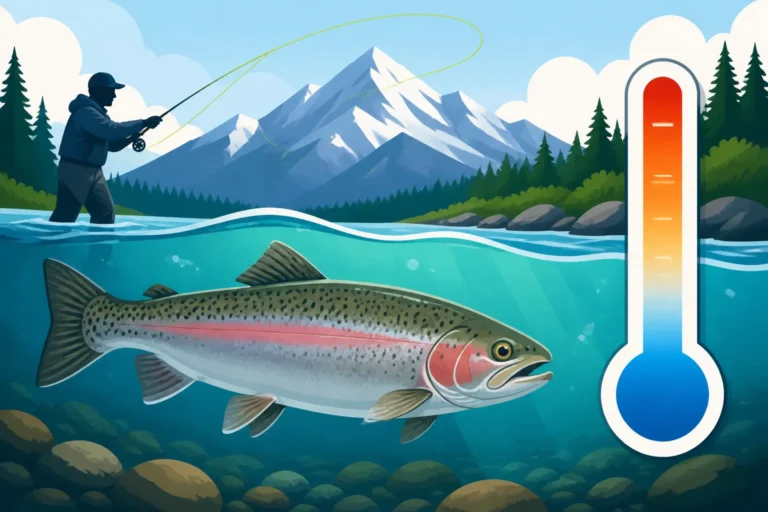
Beyond genetics, the environment plays a starring role in Chinook growth. In freshwater, the temperature and flow of the river, as well as the quality of the spawning and rearing habitat, are paramount. Cold, clear, well-oxygenated water is ideal for egg incubation and alevin development. As they grow into fry and parr, consistent water temperatures that aren't too hot or too cold allow for optimal metabolic rates and feeding. Rivers with stable flows and plenty of instream cover, like log jams and undercut banks, provide protection from predators and prime feeding lies. Poor habitat quality, such as siltation from land development, can bury redds, suffocate eggs, and reduce insect populations, severely hindering early growth.
Once in the ocean, water temperature continues to be a major factor. Optimal ocean temperatures influence the availability and distribution of their preferred prey species. If waters are too warm or too cold, Chinook might have to expend more energy searching for food, or their metabolism might slow, leading to reduced growth. Pollution and habitat degradation, even in coastal areas, can impact the health of baitfish populations, creating a ripple effect up the food chain that ultimately affects Chinook growth. Clean, productive marine environments are essential for fostering healthy, fast-growing salmon. You can often track these environmental changes through resources like BC Fishery Notices and In-Season Closures, Explained which sometimes detail conditions affecting fish populations.
Food Availability and Competition: The Constant Hunt for Sustenance
This is perhaps the most straightforward and impactful factor on Chinook growth: simply put, the more high-quality food available, the faster a Chinook will grow. In the ocean, Chinooks are apex predators, but they are also part of a vast ecosystem. If populations of their preferred prey – herring, anchovies, and other forage fish – are abundant, Chinooks can feed voraciously, packing on pounds rapidly. Conversely, if forage fish populations are low due to environmental shifts, overfishing of baitfish, or competition from other predators (including other salmon species), Chinook growth can slow dramatically. A lean year in the ocean means smaller fish returning to spawn.
Competition for food also comes from other marine species, including other salmon species and marine mammals. A healthy ocean food web supports all its inhabitants, but imbalances can put pressure on Chinook. This constant need for sustenance drives their wide-ranging migrations across the Pacific, as they follow the most productive feeding grounds. Think of it like this: if you have a bottomless pantry full of nutritious food, you're going to grow bigger and stronger than if you have to scavenge for every meal. Anglers often look for signs of baitfish on their sonar, knowing that where the bait is, the Chinooks are likely to be, actively feeding and growing. Investing in a good sonar unit, available from retailers like Amazon, can significantly improve your chances of finding these productive feeding zones.
The Angler's Perspective: What Does Growth Mean for Your Catch?
As anglers, understanding Chinook growth isn't just academic; it has direct implications for our fishing experiences, from the size of fish we expect to encounter to our responsibilities in conserving these incredible resources.
Predicting Your Potential Trophy Size
Knowing the typical growth rates and age at return for Chinook salmon from different regions can help you set realistic expectations for your fishing trip. If you're fishing a river system known for primarily producing 3-year-old Chinooks, you might anticipate good numbers of 10-20 pound fish. If, however, you're targeting a coastal area or river mouth known for its strong runs of 4 and 5-year-old fish, your chances of hooking into a true "tyee" (Chinook over 30 pounds) increase significantly. This knowledge can influence when and where you decide to fish. For example, some of the Best Salmon Fishing Spots in BC are famous specifically because they consistently produce larger, older Chinooks that have spent more time feeding in the ocean.
Moreover, understanding growth helps manage expectations around "jacks" and "jills." While smaller, these early-returning fish are often aggressive biters and can provide thrilling action, especially for younger anglers or those new to salmon fishing. They're a sign of a healthy future run, indicating that the generation is progressing, even if they haven't achieved the massive size of their older siblings. Knowing that a 10-pound Chinook could be a robust 3-year-old or an exceptionally well-fed 2-year-old adds another layer of appreciation to your catch.
Responsible Angling and Conservation
The journey of a Chinook salmon, from a tiny egg to a magnificent adult, is fraught with challenges. Their growth is a testament to their resilience and the health of their ecosystems. As anglers, we have a vital role to play in ensuring these fish continue to thrive. This means adhering strictly to BC Fishing Regulations Explained and understanding specific limits for various species and areas. For example, selective fishing practices, like targeting specific sizes or adhering to catch-and-release protocols, especially for larger, genetically important breeding stock, contribute to conservation.
Practices like careful handling of released fish, ensuring minimal stress and injury, are crucial for their survival and continued growth. If a fish is released unharmed, it has the chance to continue growing and contribute to future spawning runs. Furthermore, supporting conservation efforts that protect and restore freshwater and marine habitats directly impacts the ability of Chinook salmon to grow quickly and healthily. It's a long-term investment in the future of our sport and our natural heritage. Every time we release a healthy fish, we're giving it another chance to put on more size and fulfill its biological destiny.
Gear Considerations for Different Sizes
The growth rate of Chinook salmon also influences your gear choices. When you're fishing for those younger, smaller Chinooks, lighter tackle can be incredibly fun and sporting. A medium-action rod with 10-20 lb test line might be perfect for targeting aggressive 2- and 3-year-olds. However, if you're seriously chasing those 40+ pound monsters that have spent years bulking up in the ocean, you'll need significantly heavier gear. This means robust rods with plenty of backbone, high-capacity reels spooled with 30-50 lb braided line, and strong leaders to withstand their explosive runs and head shakes.
Lures and baits also change. While a variety of spoons and plugs work across the board, specific sizes and actions might be preferred when targeting truly large fish. For example, some anglers might opt for larger cutplugs or magnum spoons when trolling for big ocean Chinooks, knowing that these will appeal to a fish that has grown accustomed to substantial meals. Having a variety of tackle, from lighter setups for active feeders to heavy-duty gear for the giants, ensures you're prepared for whatever size of Chinook BC's waters decide to offer up. Many excellent fishing rods, reels, and tackle boxes, including those suited for handling large Chinooks, are readily available on Amazon, allowing you to build a versatile arsenal. Remember, matching your gear to the potential size of the fish not only makes the fight more enjoyable but also helps you land the fish efficiently, reducing stress on both the angler and the fish.
Disclaimer
This article is for general informational purposes only and does not constitute professional advice. Laws, prices and regulations vary by location and change over time. Consult a qualified professional for guidance on your specific situation.