Best months to catch chinook in BC
If you've ever planned a British Columbia fishing trip with high hopes of landing a majestic Chinook salmon, only to feel like you just missed the peak of the run, you know the frustration. Timing is absolutely everything when it comes to these powerful fish, and a few weeks can make all the difference between a memorable catch and a quiet day on the water. This comprehensive guide will break down the best months to catch Chinook salmon in BC, helping you understand their patterns so you can plan your angling adventures with confidence and precision.
The Allure of the King Salmon: Why Chinook Are So Prized
Before we dive into the calendar, let's talk about why Chinook salmon, often called "Kings," hold such a special place in the hearts of BC anglers. These aren't just any salmon; they're the largest, strongest, and most sought-after of the Pacific salmon species. Hooking into a chrome-bright Chinook, whether it's a feeder fish in the ocean or a powerful river spawner, is an experience that stays with you forever. They fight with an incredible tenacity, stripping line off your reel with explosive runs and head shakes that test even the most seasoned angler's resolve.
Beyond the thrill of the fight, Chinook are revered for their sheer size and delicious, rich, red meat. Many anglers dream of landing a "tyee," a term often used for Chinook over 30 pounds, especially in places like Campbell River where the legend of these giant salmon was forged. The pursuit of these magnificent fish drives countless fishing expeditions, making the quest to pinpoint the best months to catch Chinook in BC a perennial topic of discussion among local and visiting anglers alike.
Understanding Chinook Salmon Life Cycles and Migrations
To truly understand when to catch Chinook, you first need to grasp why they are where they are. Chinook salmon have a fascinating and complex life cycle, spending years growing in the vastness of the Pacific Ocean before returning to their natal rivers to spawn. This journey dictates their presence in both saltwater and freshwater environments at different times of the year.
The Ocean Phase: Fueling Up for the Journey
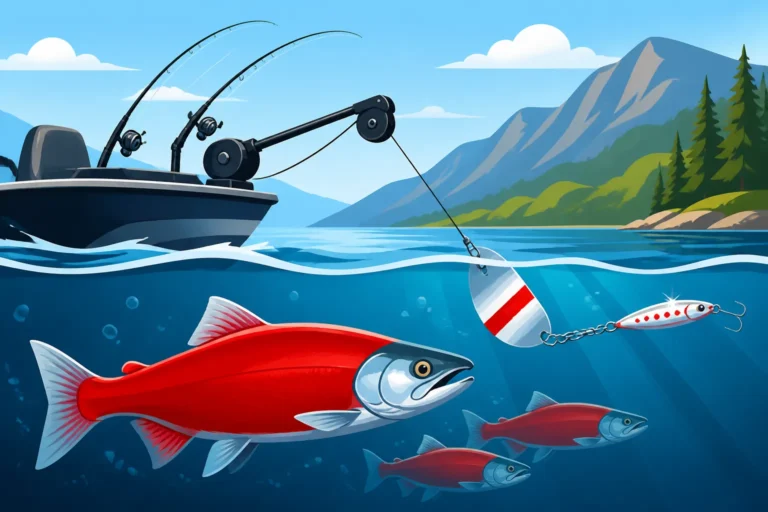
Chinook salmon spend between two and seven years growing in the nutrient-rich waters of the Pacific Ocean. During this period, they are actively feeding, bulking up in preparation for their incredible spawning migration. These "feeder" Chinook are often found in coastal waters, gorging themselves on herring, anchovies, and other baitfish. They are aggressive eaters, strong, and highly prized for their condition and firm flesh.
Fishing for these ocean-phase Chinook can be fantastic, offering consistent action, especially in areas where baitfish congregate. The beauty of targeting feeder Chinook is that they can often be found year-round in certain coastal zones, though their abundance and specific locations will shift with baitfish movements and ocean currents. This is a different game than river fishing, requiring different techniques and often larger boats to access offshore feeding grounds.
The River Return: Timing is Everything
The most iconic phase of the Chinook life cycle for many anglers is their return to freshwater. Once they reach maturity, an innate drive compels them to navigate back to the very rivers and streams where they were born. This migration is the reason for the distinct seasonal Chinook runs that British Columbia is famous for. As they enter freshwater, Chinook gradually cease feeding, relying on the fat reserves built up during their ocean years to power their arduous journey upstream to their spawning grounds.
The timing of these river returns varies significantly depending on the specific river system, the individual run (e.g., spring, summer, fall), and environmental factors. Some Chinook, often referred to as "springers," enter rivers much earlier in the year, holding in deep pools for months before spawning. Others, the "fall runs," arrive closer to their spawning time. Understanding these nuanced migration patterns is absolutely critical for successful river fishing. For a deeper dive into their movements, you might find our guide on Chinook Salmon Migration Patterns in BC incredibly helpful.
Peak Chinook Fishing Seasons by Region in BC
British Columbia is a vast province, and what's considered the "best month" in one region might be completely different in another. Here's a breakdown by general geographical area.
Coastal Waters: Vancouver Island and the Georgia Strait
The coastal waters surrounding Vancouver Island, particularly the Georgia Strait and the west coast of the island, are prime Chinook territory. These areas are renowned for both resident feeder Chinook and transient fish moving towards their natal rivers.
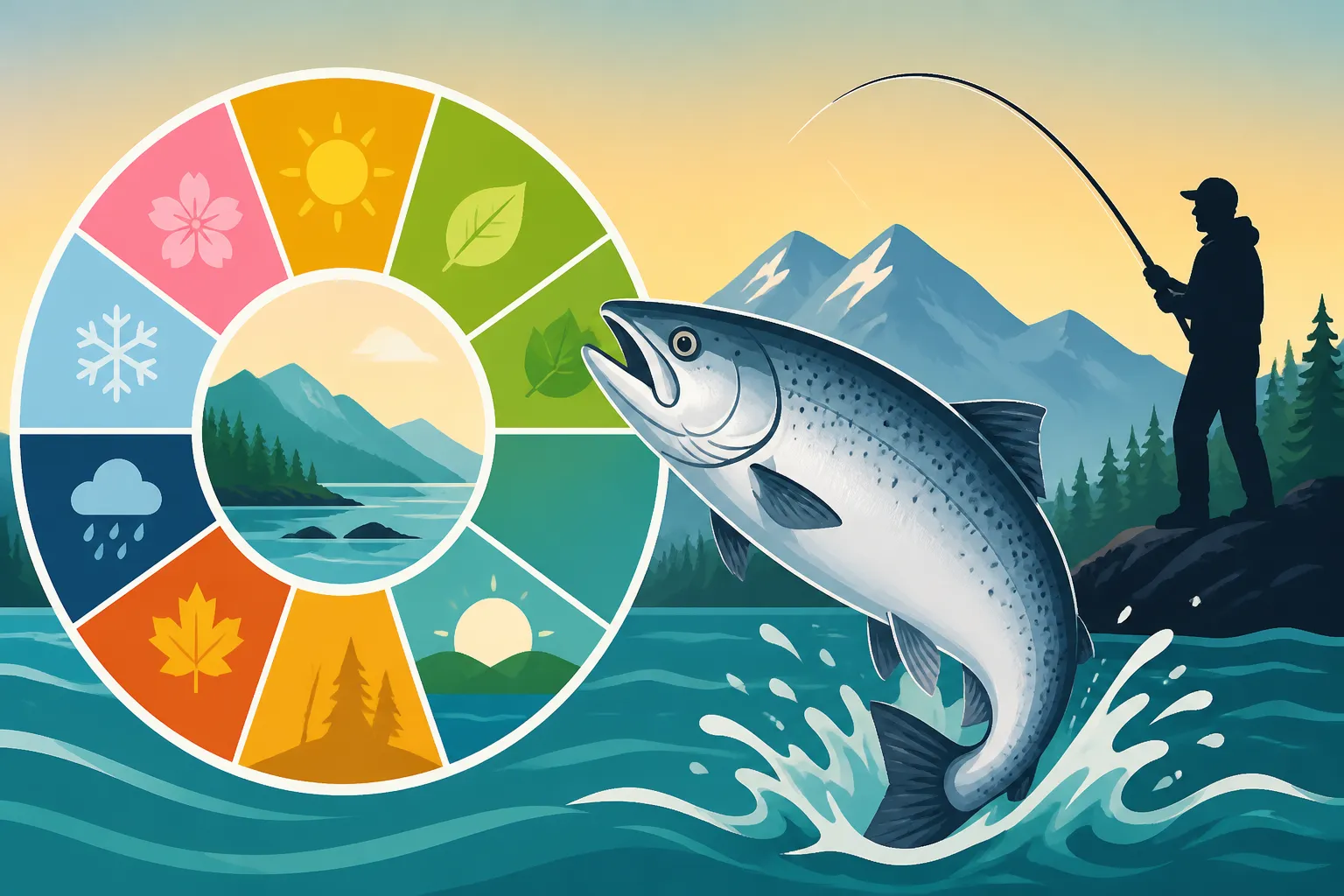
- Spring (April – June): This is when things really start to pick up for feeder Chinook. Areas like Sooke, Victoria, and along the east coast of Vancouver Island (think Comox, Nanaimo) see good numbers of smaller, but still very respectable, Chinook. These fish are actively feeding, making them excellent targets for trollers. The weather is often pleasant, and the fishing pressure is generally lighter than in the peak summer months.
- Summer (July – September): This is the undisputed peak season for Chinook in many coastal areas. As millions of salmon begin their migration towards the Fraser River and other major systems, they funnel through the Georgia Strait. Legendary spots like Campbell River, often called the "Salmon Capital of the World," come alive with large, powerful Chinook. This is when you're targeting big, ocean-fresh fish. The fishing can be phenomenal, but so can the crowds. Charters like those mentioned in Best Salmon Charters in Campbell River are in high demand during this period. For those looking to spend time on the water, understanding Best Time of Day to Catch Salmon during these busy months can make a huge difference.
- Fall (October – November): While the massive summer runs start to taper off, some areas, particularly the west coast of Vancouver Island (Ucluelet, Tofino), can still offer excellent fishing for migrating Chinook. Also, local resident Chinook populations continue to feed. The fishing can be more spread out, but trophy-sized fish are still a real possibility, often with fewer boats around.
- Winter (December – March): Don't count winter out entirely! While not the "peak" for large numbers, dedicated anglers can still find resident feeder Chinook, often called "winter springs." These fish can be surprisingly large and aggressive. Fishing locations often shift to more protected waters, and conditions can be challenging, but the reward of a fresh Chinook on a quiet winter day is truly special.
Major River Systems: Fraser, Skeena, and Others
When Chinook enter the rivers, the game changes. Here, it's about intercepting them on their upstream migration. The timing here is very specific to the river and the run.
- Spring/Early Summer (May – July): This is prime time for "springer" Chinook on rivers like the Fraser. These are often the biggest and most beautiful of the river Chinook, entering the river system much earlier in the season. They're still very chrome, powerful, and excellent table fare. Fishing for them often involves specialized techniques like bar fishing or back-trolling plugs. The specific BC Chinook salmon spring season dates on the Fraser are something anglers pay close attention to, as regulations can be complex.
- Late Summer/Early Fall (August – September): This is the peak for the main Chinook runs on many of BC's major river systems, including the Fraser, Skeena, and Thompson. Millions of fish are pushing upstream, creating incredible opportunities. The sheer volume of fish can be astounding. This is a busy time on the rivers, with anglers from all over the world converging to experience the legendary runs. Techniques vary from drift fishing with roe to using spinners and spoons. For a detailed look at how to approach this, checking out Salmon Fishing Techniques for BC Rivers and How to Fish a River for Chinook Salmon would be highly beneficial.
- Late Fall (October – November): As the season progresses, some later Chinook runs arrive, and the focus shifts to specific tributaries. While numbers might be lower, the fish are still large and eager to spawn. Fishing can be excellent in certain areas, particularly for anglers willing to brave colder weather.
Northern BC: Remote and Rewarding Opportunities
Northern British Columbia, with its vast wilderness and iconic rivers like the Skeena and its tributaries (Bulkley, Kispiox), offers some of the most remote and rewarding Chinook fishing experiences. These are often destinations for multi-day trips or fly-in lodges.
- Summer (July – September): This is the prime window for Chinook in Northern BC rivers. The runs can be incredibly strong, with large, aggressive fish. Anglers often target these fish using jet boats, drift boats, or by wading. The scenery alone is worth the trip, but the fishing for powerful Chinook, often alongside robust steelhead runs, is world-class.
- Specific River Timing: Each northern river has its own unique timing. The lower Skeena might see early Chinook in July, while its upper tributaries peak in August or even early September. Consulting local guides or dedicated fishing reports is essential for these remote areas. Knowing Where to Find Chinook Salmon in BC in these vast regions is key.
Key Factors Influencing Chinook Runs Beyond the Calendar
While knowing the general best months is a great start, successful Chinook fishing in BC involves understanding a multitude of other factors. The ocean and river are dynamic environments, and the fish respond to changes within them.
Water Conditions: Temperature, Flow, and Clarity
Chinook salmon are incredibly sensitive to water conditions, especially once they enter freshwater.
- Water Temperature: Optimal water temperatures are crucial. If river temperatures are too warm, Chinook can become stressed and hold in deeper, cooler pools, making them less active. Conversely, if temperatures are too cold, their metabolism slows down. Anglers often track water temperatures diligently.
- Water Flow (Height): River height and flow are critical. High, murky water from heavy rains or snowmelt can make fishing challenging, dispersing fish and reducing visibility for both fish and angler. Low, clear water can also be tricky, as fish become warier. The ideal is often a stable, medium flow with good clarity. After a heavy rain, understanding Fishing after a heavy rain on BC rivers can be quite useful.
- Water Clarity: Chinook, especially those actively migrating, prefer water with good visibility. In murky conditions, they rely more on scent and vibrations, requiring different lure presentations or bait. In clear water, stealth and realistic presentations become paramount.
Fishery Notices and Conservation Measures
This cannot be stressed enough: always check the latest regulations and fishery notices before heading out. Chinook salmon populations are managed carefully, and regulations can change rapidly due to conservation concerns, specific stock health, or in-season adjustments.
- Dynamic Regulations: The Department of Fisheries and Oceans (DFO) issues fishery notices that can impose sudden closures, retention limits, or gear restrictions. For example, some areas or specific runs might be designated "catch and release only," or have reduced bag limits. There are even BC Chinook salmon non-retention areas at certain times.
- Conservation Stamps: To retain Chinook salmon, you generally need a valid BC freshwater or tidal waters fishing license and a Salmon Conservation Stamp. This small additional purchase contributes directly to salmon conservation efforts, which is something every angler should support. You can learn more about the specifics in BC Salmon Conservation Stamp Rules.
- Staying Informed: Websites like the DFO Pacific Region Fishery Notices are indispensable. You can also get updates from local tackle shops or guides. Ignoring these updates can lead to fines and harm conservation efforts. For a complete understanding, review BC Fishery Notices and In-Season Closures, Explained.
Tides and Lunar Cycles in Saltwater
For saltwater Chinook fishing, tides and lunar cycles play a significant role.
- Tidal Influence: Tides dictate current strength and baitfish movement. Often, the incoming or outgoing tide (especially the "slack" period at the top or bottom of the tide) can trigger feeding frenzies. Understanding how to use the tide to your advantage is a key skill for ocean anglers. Many anglers plan their trips around specific tides.
- Lunar Cycles: While perhaps less direct than tides, some anglers swear by fishing during certain moon phases, believing that brighter moons can influence baitfish activity and, consequently, salmon feeding. While anecdotal, it's another factor that can be observed and considered.
Essential Gear and Preparations for Chinook Season
Equipping yourself properly is just as important as knowing when and where to go. Chinook fishing, whether in freshwater or saltwater, demands robust tackle and smart preparation.
Rods, Reels, and Line for Chinook
Chinook are not shy about breaking gear, so invest in quality.
- Saltwater Setup: For trolling in saltwater, a medium-heavy to heavy action rod, typically 9-10 feet long, paired with a level-wind or star-drag reel spooled with 25-40 lb test monofilament or braided line is common. Brands like Scotty for downriggers are popular, ensuring your gear can handle the depth and the fight. Many anglers prefer braided main lines for sensitivity, with a long fluorocarbon leader for stealth. You can find a great selection of high-quality gear for saltwater fishing on Amazon, often with reviews to help you choose.
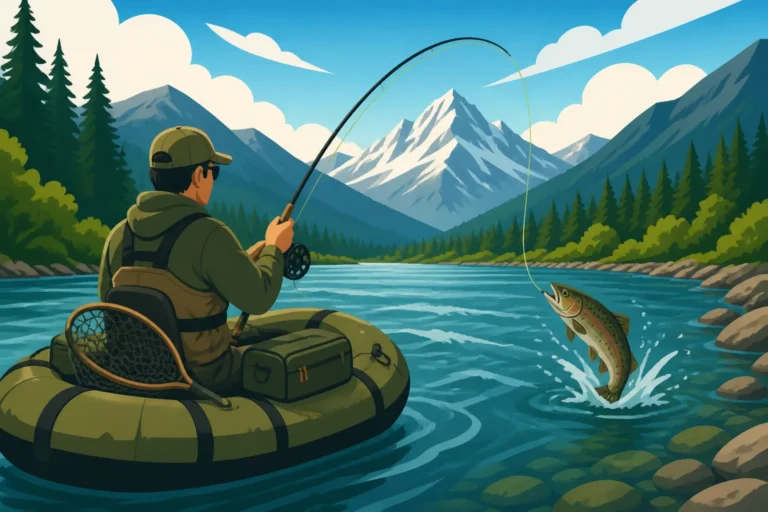
- Freshwater Setup: River fishing setups vary widely depending on the technique. For drift fishing or float fishing, a powerful casting or spinning rod (often 9-11 feet) with a smooth drag reel and 15-25 lb monofilament or braid is typical. For bottom bouncing or bar fishing, even heavier rods might be used. Ensure your reel has a robust drag system because a big Chinook will test it to its limits. Stocking up on leader material, swivels, and lures from retailers like Amazon before your trip is always a good idea.
Baits and Lures for Different Conditions
Chinook can be finicky, so having a variety of baits and lures is crucial.
- Natural Baits: Herring (whole or cut-plugged), anchovies, and roe are highly effective natural baits. Presenting them correctly, often with a slow roll or drift, can be irresistible. For river fishing, cured salmon roe is often king. Check out Best bait for chinook salmon on the Fraser for specific tips.
- Artificial Lures: Spoons (e.g., Gibbs-Delta, Silver Horde), hoochies (squid skirts), plugs (e.g., Kwikfish, FlatFish), and spinners are all effective. The key is to match the hatch (i.e., the local baitfish) in terms of size and color. In murky river conditions, brighter colors or lures that put out a lot of vibration might work best. For clearer water, more natural patterns or subtle presentations are often preferred. Many anglers check out reviews for different brands on Amazon to help them decide on effective lure patterns.
Navigating Regulations and Licenses for Chinook
Fishing in British Columbia comes with specific rules, and understanding them is paramount for a legal and ethical fishing experience. Ignoring these regulations isn't just risky; it threatens the very resource we cherish.
Understanding Retention Rules and Limits
The daily and annual bag limits for Chinook salmon can be complex and are often subject to change. They vary by region (tidal vs. freshwater), time of year, and even by the specific run or stock being targeted.
- Size and Species Limits: You might encounter minimum or maximum size limits for Chinook, or specific daily quotas. For example, during certain times, you might be allowed to keep one Chinook over a specific length and one under, or a total of two Chinook per day with a maximum annual limit. These specifics are outlined in the BC Freshwater Fishing Regulations Synopsis or the Tidal Waters Sport Fishing Guide.
- Wild vs. Hatchery: Sometimes, regulations differentiate between wild and hatchery-marked (adipose fin-clipped) Chinook, allowing retention of only hatchery fish to protect wild stocks. Always confirm these details before you drop a line.
- Area-Specific Rules: Rivers and coastal areas can have highly localized regulations. For instance, the Fraser River often has specific windows for Sockeye or Chinook retention, or even non-retention periods to protect vulnerable stocks. Getting to grips with these nuances is vital; a great starting point is our guide on BC Fishing Regulations Explained.
The Importance of a Salmon Conservation Stamp
As briefly mentioned, if your goal is to harvest any species of Pacific salmon, including Chinook, in either freshwater or tidal waters, you are required to purchase a Salmon Conservation Stamp. This stamp is an additional charge on top of your base fishing license and is a direct investment in the health of BC's wild salmon populations.
- Supporting Conservation: The funds generated from the sale of these stamps go directly towards salmon enhancement, habitat restoration, and conservation initiatives across the province. It's a small but mighty contribution to ensure these incredible fish continue to thrive for generations to come.
- How to Obtain: The Salmon Conservation Stamp can be purchased online through the BC government's fishing license system, or from authorized vendors alongside your primary fishing license. It's an essential document, so make sure it's validated for the current season. Our post on BC Salmon Conservation Stamp Rules provides a detailed breakdown of everything you need to know about this vital requirement.
- License Type: Remember, whether you're fishing in the ocean or a river, you'll need the appropriate license: either a freshwater license or a tidal waters license. Our guide on BC Freshwater vs Tidal Waters License, Explained clarifies which one you'll need for your chosen fishing adventure.
The world of BC Chinook salmon fishing is incredibly rewarding, but it demands respect for the resource and a commitment to following regulations. By understanding the best months, the regional variations, environmental factors, and regulatory requirements, you're not just improving your chances of a successful trip, but also contributing to the long-term sustainability of this truly remarkable fishery.
Conclusion
Successfully targeting Chinook salmon in British Columbia is a pursuit that blends passion, preparation, and a deep understanding of their intricate life cycles and regional movements. While late spring through early fall generally stands out as the prime window across most of BC, remember that the "best month" can shift dramatically depending on whether you're chasing active feeders in the coastal saltwater or intercepting powerful spawners in the province's mighty rivers. Factors like water conditions, conservation notices, and even tidal charts play an equally crucial role in pinpointing those golden opportunities. Arm yourself with quality gear, stay informed on the latest regulations, and respect this magnificent fish, and you'll be well on your way to experiencing the thrill of a lifetime with British Columbia's King salmon.
Disclaimer
Please note that fishing regulations, seasons, and limits for Chinook salmon in British Columbia are subject to change by Fisheries and Oceans Canada (DFO) and the provincial government. Always consult the most current BC Freshwater Fishing Regulations Synopsis and the Tidal Waters Sport Fishing Guide before heading out. Information provided in this guide is for general informational purposes only and should not be considered legal advice or a substitute for official regulations.