Best Kokanee Trolling Techniques for Okanagan Lake
There’s nothing quite like the thrill of chasing kokanee on British Columbia’s stunning Okanagan Lake. You spend hours, sometimes days, meticulously preparing your gear, checking your lines, and dreaming of that tell-tale tap that signals a feisty kokanee has found your offering. But let’s be honest, sometimes it feels like you're just dragging lures through the water, hoping for a miracle, while other boats seem to be hauling them in non-stop. This guide is here to cut through the guesswork and equip you with the proven trolling techniques that turn frustration into fish in the cooler.
Understanding Kokanee Behavior on Okanagan Lake
Before you even think about dropping a line, it's incredibly helpful to get into the mind of a kokanee. These landlocked sockeye salmon are unique and have specific habits that, once understood, can dramatically increase your success. Okanagan Lake, with its deep, clear waters, presents both opportunities and challenges for targeting these elusive fish.
Their Diet and Foraging Habits
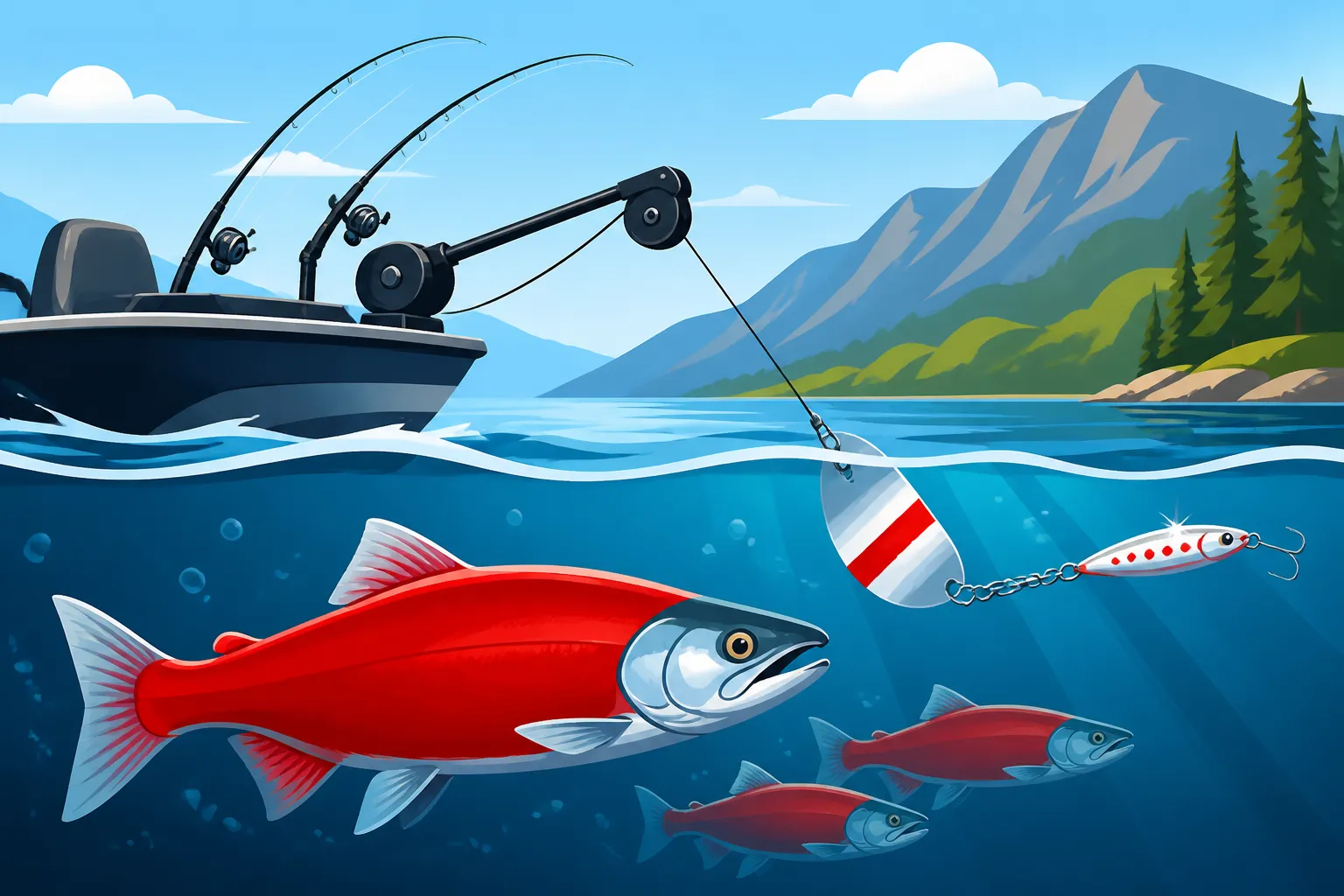
Kokanee are primarily planktivores, meaning their diet consists mainly of zooplankton, tiny microscopic crustaceans that drift in the water column. Unlike their anadromous sockeye cousins, they don't migrate to the ocean, so they rely entirely on the lake's ecosystem for sustenance. This plankton diet dictates their behavior in a big way. They're not chasing big baitfish; instead, they're cruising through clouds of nearly invisible food. This means that your lures aren't necessarily imitating a specific baitfish, but rather something that looks like a tasty morsel, or more commonly, something that agitates and attracts their curiosity, leading to an aggressive strike. The best lures often mimic the flash and subtle movement of plankton, or they are designed to simply irritate the fish into biting.
Depth Preferences and the Thermocline
One of the most critical factors for kokanee fishing, especially in a large, deep lake like Okanagan, is understanding their depth preference. Kokanee are cold-water fish, thriving in temperatures between 10-15°C (50-59°F). As surface water warms up during the spring and summer months, kokanee will retreat to cooler, deeper water. This usually places them squarely in or just above the thermocline – the layer of water where the temperature changes rapidly with depth. In Okanagan Lake, this thermocline can vary from 30 to 80 feet or even deeper, depending on the time of year and specific area. Successfully targeting kokanee means accurately identifying and consistently presenting your lures at this precise depth. If your gear isn’t hitting that sweet spot, you’re just wasting your time, no matter how good your lure spread is.
Schooling Patterns and Migration
Kokanee are highly schooling fish, moving in tight groups throughout the lake. They often follow specific migration routes, not necessarily to spawn (though that happens later in the fall), but in search of optimal feeding grounds and preferred water temperatures. These schools can be vast, covering large areas, or incredibly dense in smaller pockets. Your sonar is your best friend here, as finding these schools is paramount to success. You might troll for an hour without a bite, then suddenly hit a pocket where every rod goes off. Understanding their general movements throughout the day – perhaps deeper in bright sunlight, shallower during low light conditions – can give you a significant advantage. It's not just about finding a kokanee, it's about finding the school of kokanee. You can gain a lot of insight into their movements by looking at guides like How to locate kokanee in BC lakes.
Essential Gear for Kokanee Trolling on Okanagan Lake
Having the right equipment is non-negotiable for consistent kokanee success. This isn't just about having a rod; it's about having the right rod, the right line, and the right tools to get your lures to the exact depth where kokanee are feeding. Investing in quality gear pays dividends in both fish caught and overall enjoyment on the water.
Rods, Reels, and Line Choices
For kokanee, you want light to medium-light action trolling rods, typically 7 to 9 feet in length. The longer length helps absorb the shock of a strike and keeps the line tight when the boat is moving. A sensitive tip is crucial for detecting those subtle kokanee bites, which can sometimes feel like nothing more than a faint wiggle. Paired with these rods should be small, reliable baitcasting or spinning reels, spooled with 8 to 12-pound monofilament or fluorocarbon line. Monofilament offers a bit more stretch, which can be forgiving with aggressive headshakes, while fluorocarbon offers less stretch and is virtually invisible in the water, a real asset in the clear waters of Okanagan Lake. Many anglers opt for a main line of braided superline (10-20lb test) for its sensitivity and strength, then add a several-foot leader of fluorocarbon. You can find excellent options for these setups on Amazon, from brands like Fenwick or Shimano, ensuring you have the sensitivity needed for those light bites.
Downriggers and Depth Control
Downriggers are absolutely essential for effective kokanee trolling on Okanagan Lake. Without them, accurately controlling your lure depth is nearly impossible. Downriggers allow you to send heavy weights (often 6-10 pounds) directly below your boat, then attach your fishing line to the weight using a release clip. When a fish strikes, the line pops free from the clip, and you fight the fish directly on your rod. This precision depth control is critical because, as we discussed, kokanee are often holding in a very narrow band of water. Brands like Scotty and Cannon offer reliable downriggers, with electric models being a real game-changer for effortless depth adjustments. Running two or even four downriggers allows you to present multiple lures at varying depths, increasing your chances of finding the fish and identifying their preferred depth on any given day. Remember, if you’re not consistently at the right depth, you're just hoping for a stray fish.
Lures, Flashers, and Dodgers
The world of kokanee lures is vast and vibrant! These fish are attracted by flash, vibration, and color, so your terminal tackle should capitalize on these factors. Small, bright spoons like those from Kokanee Killer, Apex, or Dick Nite are perennial favorites, as are mini hoochies (squid skirts) in pink, orange, or green, often tipped with a kernel of shoepeg corn. Soft plastics like Gulp! Minnows can also be incredibly effective.
However, the real secret weapon for kokanee are flashers and dodgers. These aren't lures themselves but attractors designed to create flash and vibration, drawing kokanee from a distance. Dodgers, like those from Sep's or Shasta Tackle, have a side-to-side rocking motion that imparts an enticing action to the trailing lure. Flashers, such as the Pro-Troll or Sling Blade, spin or rotate, creating a lot of visual appeal. You typically run a flasher or dodger 12 to 36 inches in front of your lure, with specific leader lengths being crucial for optimal lure action. A well-tuned flasher or dodger can make all the difference, creating a "dinner bell" effect that brings kokanee right to your spread. Look for varied color patterns on Amazon, including chrome, pink, green, and UV options, to ensure you have choices for different light conditions and water clarity.
Top Trolling Techniques and Strategies
Once your gear is ready, it's time to put it into action. Trolling for kokanee isn't just about driving in a straight line; it's a dynamic process that requires constant attention and adaptability to maximize your catch rate.
Speed and Presentation
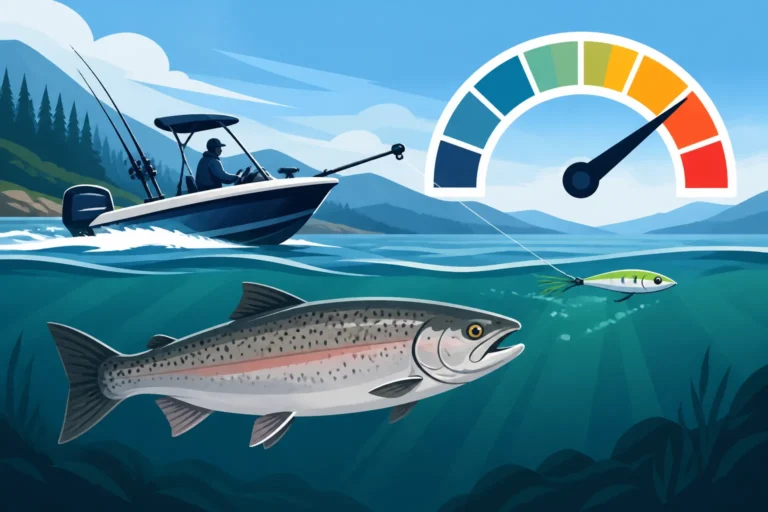
Trolling speed is paramount for kokanee. Generally, a slow, consistent speed between 0.8 and 1.8 miles per hour (MPH) is the sweet spot. This speed allows your flashers and dodgers to work effectively, imparting the right action to your trailing lures without making them appear unnatural or too fast for the kokanee to catch. However, it's not a one-size-fits-all rule. On some days, kokanee might prefer a slightly faster presentation, while on others, a crawl might be necessary. Pay close attention to your speed on your fish finder or GPS and note when you get bites. If you're not getting hits, experiment by subtly increasing or decreasing your speed by 0.1-0.2 MPH increments. The goal is to make your lure look as appealing and easy to catch as possible. A consistent speed also ensures your lures stay at the desired depth.
Zig-Zag Patterns and Turns
Driving in a straight line might seem efficient, but kokanee often react better to a boat that's actively working the water. Trolling in a gentle zig-zag pattern, or making slight S-curves, is incredibly effective. As your boat turns, your downrigger weights on the outside of the turn will rise slightly, and those on the inside will drop. This subtle change in depth can trigger strikes from kokanee that might have ignored a perfectly straight presentation. The varying lure action, from speeding up on the outside of the turn to slowing down on the inside, can also make your offering more enticing. Don't be afraid to make larger turns or even figure-eights when you find a school of fish. Often, the strike will come right in the middle or at the end of a turn, as the lure changes its behavior.
Leader Length and Setbacks
The length of your leader, the line connecting your flasher or dodger to your actual lure, is a critical component that many anglers overlook. This isn't a place to guess; it's a science!
For dodgers, common leader lengths range from 6 to 18 inches. A shorter leader creates a more aggressive, erratic action on the lure, while a longer leader allows the lure to swim more naturally. Experimentation is key.
For flashers, which impart a spinning or kicking action, leaders are often longer, ranging from 12 to 36 inches, or even up to 60 inches for a more subtle presentation. The specific action of your flasher dictates the ideal leader length for your lure. Too short, and the flasher overpowers the lure; too long, and the lure might not get enough action. Test different lengths in clear water next to your boat before deploying to see how your lure is swimming. Many experienced anglers will pre-tie leaders with specific lengths to quickly switch them out based on kokanee preference.
Setbacks, the distance your line is let out from the downrigger release clip to the boat, also play a role. A longer setback (e.g., 50-100 feet) presents your lure further away from the boat, which can be less intimidating in clear water or during bright conditions. Shorter setbacks (e.g., 20-40 feet) can be effective when fish are aggressive or when fishing murky water. Don't forget the importance of varying your presentation depths, much like discussed in Trolling Techniques for BC Lake Trout.
Reading the Water and Adapting
Fishing for kokanee is rarely a static endeavor. Okanagan Lake is a dynamic environment, and successful anglers are those who can read the signs and adapt their approach in real-time. This means constantly monitoring your electronics, observing conditions, and being willing to change your strategy.
Interpreting Your Sonar/Fish Finder
Your sonar, or fish finder, is arguably the most important tool you have for kokanee fishing. It’s not just for finding fish; it tells you about the underwater world. Pay attention to:
- Depth of fish schools: Are they tight to the bottom, suspended in the middle of the water column, or near the surface? Adjust your downriggers accordingly.
- Thermocline: Your sonar can often show the thermocline as a distinct line, indicating the temperature break where kokanee are likely to be.
- Baitfish/Plankton presence: Clouds of tiny dots often indicate baitfish or concentrated plankton, which is where kokanee will be feeding.
- Underwater structure: While kokanee often suspend, they might relate to drop-offs, underwater points, or submerged humps, especially during certain times of the year.
A good fish finder, perhaps a Garmin or Lowrance model available on Amazon, can be customized with settings to help you distinguish between fish, bait, and structure. Don't just glance at it; actively interpret what it's telling you to make informed decisions about your lure depth and location.
Understanding the Thermocline
We've mentioned it before, but the thermocline deserves its own dedicated discussion because it is that important. As Okanagan Lake stratifies during the warmer months, the thermocline becomes the most productive zone for kokanee. This is where the cooler, oxygen-rich water that kokanee prefer meets the warmer surface water. It also tends to concentrate their planktonic food source. If you're not getting bites, your first move should always be to re-evaluate your depth in relation to the thermocline. Some advanced fish finders can even display water temperature at depth, giving you an even more precise understanding of where that crucial layer is. Even a subtle shift in the thermocline can completely shut down a bite at a specific depth, so staying attuned to it is paramount.
Weather and Wind Impact
Weather conditions profoundly influence kokanee behavior and trolling effectiveness.
- Sunlight vs. Cloud Cover: On bright, sunny days, kokanee often go deeper to avoid intense light. Overcast conditions can bring them up higher in the water column. Adjust your depth accordingly.
- Wind and Chop: A little chop on the water can actually be beneficial, breaking up the surface and making your boat less visible, which can make kokanee more comfortable coming shallower. It also imparts a more erratic, natural motion to your lures. However, too much wind can make it incredibly difficult to maintain a consistent trolling speed and depth, turning your presentation into a chaotic mess.
- Barometric Pressure: While harder to track, stable or rising barometric pressure often means active fish, while rapidly dropping pressure before a storm can make fish lethargic.
Always check the forecast before you head out, and be prepared to adjust your tactics based on the conditions you encounter on the lake. Sometimes, the Best Time of Day to Catch Salmon can apply to kokanee as well, especially during low light conditions.
Seasonal Considerations for Okanagan Kokanee
Okanagan Lake offers kokanee fishing opportunities throughout much of the year, but the specific techniques and locations will change dramatically with the seasons. Understanding these shifts is key to consistent success.
Spring Fling for Kokanee
As the ice comes off Okanagan Lake and the water begins to warm, kokanee start to become more active. In early spring, they can often be found shallower than in summer, sometimes as shallow as 10-30 feet, particularly in protected bays or near creek mouths where warmer water and new food sources appear. As spring progresses, and the surface water continues to warm, they’ll start to drop down, eventually establishing themselves around the thermocline. During this time, smaller, brighter lures in pink, orange, or chartreuse can be very effective, as the fish are often aggressive and feeding actively after the leaner winter months. It’s a great time to get out and enjoy some productive fishing before the summer crowds arrive, and the fish retreat to the depths.
Summer Deepwater Strategies
Summer is when Okanagan Lake kokanee really settle into their deepwater patterns. This is prime time for downriggers, as kokanee will typically be found anywhere from 40 to 80 feet deep, or even deeper in some areas, following the thermocline. They're seeking refuge from the warm surface temperatures and intense sunlight. Your sonar becomes your indispensable guide, showing you the exact depth of the schools. During this period, color choice can be critical. Sometimes bright, fluorescent colors still work, but other times more subdued or metallic finishes might be preferred in the clear water. Scent is also increasingly important as the fish become more discerning. Ensure your lures are constantly scented with something like Pro-Cure or Mike's Gel Scents, especially when fishing deep where visual attraction might be less effective. This is when patience and precision with your depth control really pay off.
Fall Spawning Runs
As autumn approaches, the kokanee in Okanagan Lake undergo a dramatic transformation. They begin their final life stage: the spawning run. Like their salmon relatives, they develop a hooked jaw, a reddish body, and begin to migrate towards their natal streams or shallow lake areas to reproduce. During this time, their feeding habits change significantly. They become less interested in plankton and more focused on instinctual spawning behavior. While still possible to catch them, they often become more aggressive towards lures out of territoriality rather than hunger. Targeting them in the shallower sections of the lake, especially near creek mouths or traditional spawning grounds, can be effective. However, it's important to remember that these fish are at the end of their life cycle, and handling them with care is always a priority, especially if you intend to release them. Familiarize yourself with the Kokanee Spawning Season in BC to know when and where these migrations occur.
Troubleshooting and Advanced Tips for Kokanee Success
Even with the right gear and a good understanding of kokanee behavior, there will be days when the fish just don't seem to bite. That's when it's time to troubleshoot and employ some advanced tactics to entice those finicky fish.
Scenting Your Lures
Kokanee have a surprisingly keen sense of smell, and incorporating scent into your presentation can be a game-changer, especially on tough days or in clear water. Commercial kokanee scents, often anise-based or with krill/shrimp attractants, can be applied directly to your lures, dodgers, or even the corn you tip your hooks with. Brands like Pro-Cure or Pautzke Bait's Krill Juice are popular choices. Reapply scent regularly, as it washes off in the water. Some anglers even cure their shoepeg corn in a flavored brine beforehand for maximum scent dispersion. The idea is to leave a scent trail that kokanee can follow, adding another layer of attraction beyond just flash and vibration.
Experimentation and Adaptability
The most successful kokanee anglers are those who are constantly experimenting. If one setup isn't working, don't be afraid to change it up. This might mean:
- Changing Lure Colors: Switch from pink to green, orange to chartreuse, or even try a natural chrome.
- Varying Leader Lengths: A subtle change from 12 to 18 inches can completely alter your lure's action and trigger a strike.
- Adjusting Speed: Incrementally increase or decrease your trolling speed.
- Depth Adjustments: If your fish finder shows fish at 50 feet, try running one lure at 45, another at 50, and one at 55 to pinpoint their exact preference.
- Trying Different Flashers/Dodgers: Some days, fish prefer the aggressive wobble of a dodger; other days, the subtle flash of a flasher is what they want.
Keep a mental note, or even a log, of what works when. What color caught fish today? What depth? What speed? This data builds your personal knowledge base for Okanagan Lake kokanee. Don't fall into the trap of sticking with one thing "because it worked last time."
Fine-Tuning Your Spread
A "spread" refers to the combination of lures, flashers, and depths you're running simultaneously. With multiple downriggers, you have the opportunity to present a diverse array of options.
- Stagger Depths: Run your downriggers at slightly different depths (e.g., 40 ft, 45 ft, 50 ft) to cover more of the water column around the thermocline.
- Vary Lure Types and Colors: On different lines, try a spoon, a hoochie, and a small spinner, each in a different effective color. This helps you figure out what the fish are keying in on that particular day.
- Consider 'Stackers': Some downrigger systems allow you to use "stacker" clips, which let you run a second line off the same downrigger cable, at a shallower depth than the main line. This effectively doubles your fishing lines per downrigger, allowing you to cover even more water. Just be mindful of tangles!
Remember to always have your BC freshwater fishing license in order and understand the BC Bag and Possession Limits by Species to ensure you're compliant with regulations. It’s also wise to check the latest BC Fishing Regulations Explained before each outing.
| Lure Type | Common Colors | Ideal Speed (MPH) | Depth Range (feet) | Notes |
|---|---|---|---|---|
| Mini Hoochies | Pink, Orange, Green, UV | 0.8 – 1.5 | 30 – 80+ | Often tipped with corn/scent. Great behind a dodger or flasher. |
| Small Spoons | Chrome, Brass, Pink, Red | 1.0 – 1.8 | 20 – 70 | Good flash, erratic action. Brands like Kokanee Killer, Apex. |
| Small Spinners | Silver, Gold, Chartreuse | 1.0 – 1.5 | 25 – 60 | Subtle vibration, good in clear water. Often paired with a dodger. |
| Plugs / Wiggle Hoagies | Orange, Red, Pink | 1.2 – 2.0 | 35 – 75 | Strong action, sometimes preferred by aggressive fish. |
Final Thoughts on Okanagan Lake Kokanee
Chasing kokanee on Okanagan Lake is a rewarding experience, blending the beauty of the BC outdoors with the thrill of the catch. By understanding their behavior, equipping yourself with the right gear – much of which you can easily source from a platform like Amazon – and employing proven trolling techniques, you'll dramatically improve your success rate. Remember that consistency in depth, appropriate speed, and a willingness to adapt are your greatest allies. Keep an eye on local conditions, check your Okanagan Lake Kokanee Fishing reports, and don't be afraid to experiment. With a bit of practice, you’ll be enjoying fresh kokanee for dinner more often than not. And for those interested in exploring more about their habits, there's always plenty to learn about How to Catch Kokanee in BC. For alternative ways to get on the water, consider checking out resources on Best kayak launch points on Okanagan Lake.
Disclaimer
The information provided in this guide is for general informational purposes only and is not a substitute for official regulations. Anglers are responsible for consulting the most current British Columbia Fishing Regulations Synopsis and any in-season fishery notices before heading out. Fishing conditions and regulations can change rapidly.