Best Time of Day to Catch Salmon
Ah, the age-old question that keeps so many of us anglers up at night (or forces us to wake up before dawn!): what’s the absolute best time of day to catch salmon in British Columbia? It’s a frustration we all share – you scout the perfect spot, you’ve got your gear dialed in, but if you hit the water at the wrong moment, it can feel like you’re just casting into a void. This guide is all about peeling back the layers of daily timing, tides, light, and fish behavior to help you maximize your chances of hooking into that chrome beauty, whether you’re on a bustling river or a quiet coastal inlet.
Understanding Salmon Behavior and Daily Rhythms
Salmon are incredibly sensitive creatures, and their daily routines are dictated by a complex interplay of environmental factors. It's not just about when you want to fish; it's about understanding when they want to move, feed, or rest. Ignoring these natural rhythms is like trying to convince a teenager to wake up before noon on a Saturday – it's just not going to happen willingly.
How Light Levels Influence Salmon Activity
One of the most profound influences on salmon behavior is the amount of light penetrating the water. Just like us, salmon have comfort zones, and often, extremely bright, high sun isn't it, especially in shallower waters.
During the low light periods of dawn and dusk, salmon often become more active. Think about it: the subdued light makes them feel safer from predators above, like eagles or seals, while also making it harder for their prey to spot them. This is a prime feeding window for many salmon species, particularly those actively migrating or staging in river mouths and estuaries. You'll often see them "rolling" or jumping during these times, indicating increased activity. For river anglers, casting at first light or as the sun dips below the horizon can be incredibly productive. The fish are often more willing to strike a lure or fly when they feel a bit more hidden by the ambient gloom. This is why many experienced anglers are out on the water well before the sun crests the mountains, or they stick it out until the last golden rays fade from the sky.
Conversely, during the harsh midday sun, especially on clear, bright days, salmon often seek deeper, cooler water or tight cover. They might school up in deep holes in rivers, or drop down to thermoclines in the ocean. Their activity can slow considerably, and they might become more selective or simply stop biting altogether. This isn't to say you can't catch salmon midday, but it often requires different tactics – deeper presentations, faster retrieves, or more subtle offerings to entice a reluctant fish. You might find yourself having to work a lot harder for a bite, or waiting for a cloud cover to pass before the fish "turn on" again.
The Role of Tides in Coastal Salmon Movement
If you're fishing saltwater for salmon along BC's stunning coastline – from the Strait of Georgia to the remote inlets of the North Coast – understanding the tides isn't just helpful, it's absolutely crucial. Tides act like a giant conveyor belt, moving both baitfish and salmon, and creating current breaks and feeding opportunities.
The transition periods of the tide, specifically the hour or two leading up to high tide and the hour or two after, are often considered prime. As the tide pushes in (flood tide), it brings fresh, often cooler, oxygenated water into the inlets, bays, and river mouths. This influx of water often carries baitfish, which in turn draws hungry salmon closer to shore or into ambush points. Similarly, as the tide begins to ebb (outgoing tide), it can flush baitfish out of shallower areas, concentrating them in channels where salmon lie in wait. The strongest currents during these tidal flows can also disorient baitfish, making them easier targets.
Slack tide, the brief period when the water is neither rising nor falling, can be a mixed bag. For some species and locations, the lack of current means fish activity drops off. They might hold deep and become lethargic. However, in other areas, especially near rocky structures or current breaks, slack tide can offer a window where salmon are less focused on fighting the current and more prone to looking for an easy meal. This is particularly true for bottom-dwelling species or those holding in specific structures. Always check local tide charts religiously before heading out; websites and apps make this incredibly easy. Understanding when the tide is truly Best Time of Day to Catch Salmon on an Incoming Tide can make all the difference.
River Current and Salmon Feeding Windows
For those targeting salmon in BC's prolific rivers – think the Fraser, Thompson, Skeena, or even smaller coastal streams – current speed and water levels are the daily drivers of fish activity. Salmon migrating upstream use currents to their advantage, often resting in slower pools or behind structure, then expending bursts of energy to push through faster runs.
In rivers, salmon aren't typically "feeding" in the same way they do in the ocean, as their digestive systems begin to shut down once they enter freshwater for spawning. However, they can still be aggressive and strike out of instinct, territoriality, or irritation. The optimal times often coincide with periods when the current allows them to hold comfortably without expending too much energy. This means areas of current breaks, seams where fast water meets slow, and the tails of pools can be hot spots.
After a heavy rain, when river levels are rising and the water is colored, salmon might feel more secure and push further upstream, becoming more aggressive to strike at objects passing by. Conversely, during periods of low, clear water, they might become incredibly spooky and less willing to move, often preferring the low light conditions of dawn and dusk. Understanding the specific river you're fishing and how its flow changes throughout the day is paramount. Sometimes, the bite might be best when the river level drops slightly after a freshet, or when a specific pool gets just the right amount of light.
Prime Times for Different Salmon Species in BC
British Columbia is blessed with five species of Pacific salmon, each with its own unique personality and preferred daily habits. What works for a Chinook might not be the best approach for a Coho, and vice-versa. Tailoring your daily timing to the species you’re after is key to success.
Chinook Salmon Early Morning and Late Evening Bites
Chinook salmon, often called "Kings" or "Springs" due to their size and early runs, are often most active during the low light periods of early morning and late evening. These formidable fish are typically found in deeper ocean waters, but they move into shallower feeding grounds or river mouths during these times.
In the ocean, particularly around Vancouver Island or along the Sunshine Coast, targeting Chinook during the first few hours of daylight or the last few hours before dark is a classic strategy. They’ll be pushing into kelp beds, along structure, or at the edges of current lines, actively searching for baitfish like herring or anchovies. If you're mooching or trolling, these are the windows when your efforts are most likely to be rewarded. Their aggressive strikes at these times are unforgettable. For those fishing rivers like the Fraser, early mornings before boat traffic picks up, or evenings as the light fades, can be productive. While not actively feeding, they are still on the move and more prone to strike at a well-presented lure or bait out of aggression or instinct during these quieter, darker times. If you're wondering more about Chinook Salmon Fishing in BC, understanding their daily rhythm is crucial.
Coho Salmon's Aggressive Daytime Feeds
Coho salmon, known for their acrobatic fights and spirited nature, often deviate from the "dawn and dusk" rule of their Chinook cousins. While they will certainly bite during low light, Coho can be incredibly aggressive and active throughout the day, especially in saltwater.
Coho are often found closer to the surface, chasing baitfish in frenzied schools. If you spot birds diving and baitfish skipping on the surface, chances are there are Coho underneath, ready to strike. These midday feeding frenzies can last for hours, particularly on overcast days or when there's a good chop on the water. They're opportunistic feeders and will hit a wide variety of lures, flies, and bait with abandon. Even in rivers, especially smaller coastal streams, Coho can be active throughout the day, particularly when there's a good current flow and some cloud cover. Their willingness to chase and strike makes them a fantastic target for anglers who prefer to sleep in a little or enjoy a full day on the water. When discussing Coho Salmon Fishing in BC, remember that flexibility in timing can pay off.
Sockeye and Pink Salmon's Tidal Sensitivity
Sockeye and Pink salmon are often highly schooling fish and their movements are profoundly influenced by tides, especially in coastal waters and river estuaries.
Sockeye salmon, known for their brilliant red spawning colors and delicious flesh, are incredibly sensitive to current. In river systems like the Fraser, they'll often hold in massive schools, waiting for optimal water levels and currents to make their run. This often means they’re most active when the tide is pushing into the river mouth or when river levels are stable. Knowing the specific Sockeye Salmon Fishing in BC windows is key. Anglers often focus on areas where these fish bottleneck, often around the incoming and outgoing tide changes.
Pink salmon, or "Humpies," which run in massive numbers every odd-numbered year in many BC rivers and coastal areas, are also very tide-dependent in saltwater. They push into estuaries and river mouths with the incoming tide, often in huge schools. During their river migrations, they can be caught throughout the day, but their sheer numbers often make up for any specific "bite window." However, in clear, shallow streams, they might still be more active during lower light conditions. If you're targeting Pink Salmon Runs in BC, keep a close eye on the tide charts and look for areas where the current concentrates these abundant fish.
Chum Salmon and Slack Tide Opportunities
Chum salmon, sometimes called "Dog Salmon" due to their impressive teeth, are often overlooked but can provide thrilling fights. Like Pinks and Sockeye, their daily movements are heavily influenced by tides, but they have a bit of a unique preference.
While Chums will certainly move on incoming and outgoing tides, they can also be quite active during the slack tide period, particularly in coastal estuaries and river mouths. This is when the current slows, and they might become less focused on battling the flow and more interested in exploring or staging. They are aggressive fish and will often strike at large, flashy lures or flies. For river anglers, Chum salmon, once they're in freshwater, will often hold in slower, deeper pools during the brighter parts of the day, becoming more active movers in lower light or when a specific current eddy forms. Understanding their often powerful strikes and robust nature is part of the Chum Salmon Runs in BC experience.
Seasonal and Environmental Factors Affecting Daily Timing
It’s not just about the clock on your watch; the time of year, general weather conditions, and water characteristics can dramatically alter the best daily fishing window. What’s true in July might be completely different in October.
Summer Sun vs. Winter Overcast: Adjusting Your Schedule
The intensity of daylight changes drastically with the seasons, and so too should your fishing schedule. In the peak of summer in BC, especially from June to August, the sun is high and bright for many hours. This means those prime low-light windows of dawn and dusk become even more critical for successful salmon fishing.
During a bright summer day, coastal salmon might go deep, seeking cooler water. You'll need to adapt your techniques, perhaps using downriggers to target thermoclines or fishing deeper structures. For river anglers, the midday sun can make fish particularly spooky in clear water. It might be a good time for a lunch break or to scout new spots.
Contrast this with the grey, overcast days of fall and winter, particularly on the coast or in northern BC rivers. The sun often barely makes an appearance, and light levels remain subdued for much of the day. On these days, salmon, especially Coho and Steelhead (which often overlap with fall/winter salmon runs), can be active throughout the day. The consistently low light provides a comfortable environment for them, making almost any hour a potential "bite time." This means you can often extend your fishing hours well into what would be considered midday during the summer.
Impact of Weather Patterns and Barometric Pressure
Beyond just light, broader weather patterns play a huge role in daily salmon activity. Ever notice how fish seem to "turn on" right before a storm? It’s not your imagination.
A dropping barometric pressure, often associated with an approaching storm front, can trigger increased feeding activity in salmon. Fish, sensing the change, might feed aggressively knowing that less favorable conditions are on their way. This is a fantastic time to be on the water. Conversely, high, stable pressure systems, often bringing clear, sunny weather, can sometimes lead to a slower bite, as fish might become more lethargic or selective. For a deeper dive into this, check out our guide on How barometric pressure affects BC salmon fishing.
Wind is another factor. A good chop on the water can actually be beneficial, as it breaks up the surface, making it harder for fish to see you and making your presentation look more natural. It also mixes oxygen into the water. However, too much wind can make boat control and casting extremely difficult, often forcing anglers off the water entirely. Heavy rain can either be a boon or a bust depending on the severity and duration. A light rain can stimulate fish, washing insects and nutrients into rivers. A torrential downpour can blow out rivers, making them muddy and unfishable. Always check the forecast and adjust your daily plans accordingly. Sometimes, just a slight shift in the weather can create that perfect daily window.
Water Temperature and Oxygen Levels Throughout the Day
Water temperature and dissolved oxygen are vital to salmon survival and activity, and these parameters can fluctuate throughout the day, especially in shallower waters or smaller rivers.
As the sun rises and beats down on a lake or river, the surface water temperature will naturally increase. Salmon generally prefer cooler water, often between 8-15°C (46-59°F). If the surface water gets too warm in the middle of a hot summer day, salmon will retreat to deeper, cooler sections where oxygen levels are often more stable. This is why fishing deeper in the middle of the day becomes crucial during summer. In some smaller, sluggish rivers, prolonged heat can even lead to dangerously low oxygen levels, stressing fish and making them completely shut down.
Conversely, overnight cooling can revitalize surface waters, making those early morning hours more inviting for salmon to move and feed closer to the surface. Similarly, strong currents or wave action can help oxygenate the water, which is why areas with good flow are often productive, regardless of the time of day, provided other factors are favorable. Knowing the ideal water temperatures for different salmon species can help you predict their daily movements. Carrying a simple water thermometer can give you valuable insights into where the fish might be holding and when they might be most active. You can find reliable waterproof thermometers on platforms like Amazon.
Practical Strategies for Maximizing Your Chances
Knowing when to go is only half the battle; knowing what to do when you're there at the right time is the other. Being prepared and adaptable will significantly increase your daily catch rates.
Scouting and Observing the Water
Before you even make your first cast, take a few moments to observe the water. This seems simple, but it’s a strategy often overlooked by eager anglers. Look for signs of activity: jumping fish, baitfish schools being chased, diving birds (like terns or gulls in saltwater, or ospreys and eagles in rivers), or even subtle ripples on the surface.
If you’re river fishing, pay attention to current seams, eddies, and structure like submerged logs or boulders. These are natural holding lies where salmon will conserve energy and ambush prey. In saltwater, look for tide lines, kelp beds, or changes in water color which can indicate current breaks or bait concentrations. Sometimes, just watching where other successful anglers are casting or trolling can give you immediate clues about the current hot spot and daily timing. Often, the fish are in plain sight if you just take a moment to look. Even without seeing fish, understanding the flow and structure will help you identify high-probability areas for the specific time of day and tide cycle.
Essential Gear for Varying Light Conditions
The tackle you choose and how you present it should absolutely change with the light conditions you encounter throughout the day. What works at dawn might be ignored at noon.
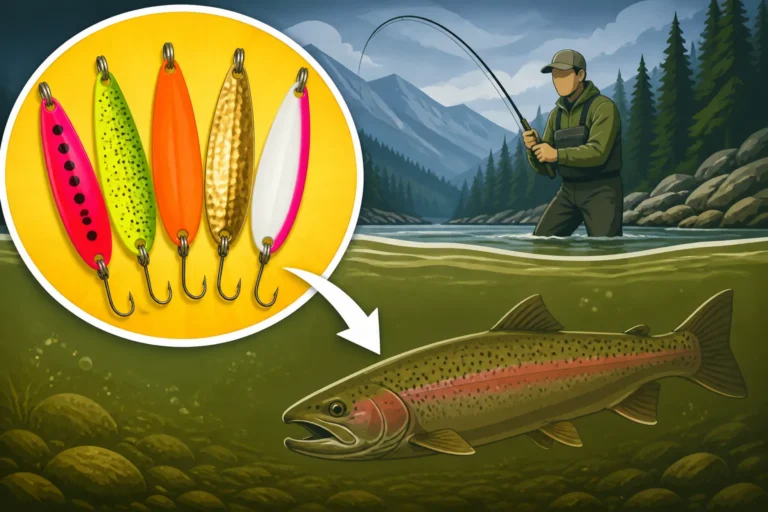
For low-light periods (dawn, dusk, overcast days), flashy, reflective lures or those with good contrast are often very effective. Spoons with chrome or brass finishes, or plugs with bright chartreuse, orange, or glow patterns, can catch the limited light and attract attention. In murky water, scents can also play a crucial role. Consider larger, more erratic presentations as the fish might be more aggressive and less wary.
As the sun climbs higher and light levels intensify, you might need to scale down your presentation. More natural, subtle colors like greens, blues, or even black can become more effective. Smaller lures or flies that mimic natural baitfish more closely might be required. Often, a faster retrieve or more erratic action can trigger a reaction strike from reluctant fish holding deeper. Carrying a variety of lure sizes and colors in your tackle box is essential, as is a good pair of polarized sunglasses (available on Amazon) to cut the glare and spot fish or structure even in bright conditions. A headlamp is also a non-negotiable item for those early morning starts or late evening finishes.
Adapting Your Presentation to the Time of Day
Beyond just lure selection, how you fish needs to evolve with the daily conditions. This is where experience and intuition really come into play.
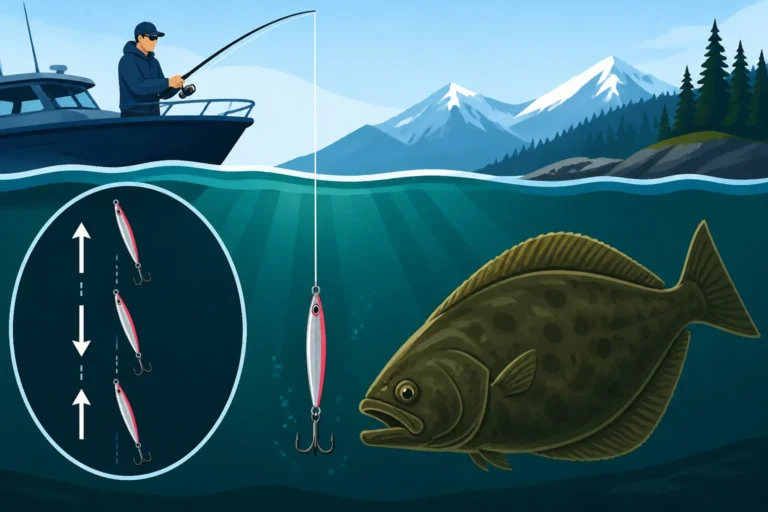
In those low-light, prime feeding windows, salmon are often more willing to chase. This means you can sometimes get away with a slightly faster troll, a more aggressive jigging motion, or a quicker retrieve when casting. The fish are actively hunting, and your presentation should mimic fleeing baitfish or an easy meal.
During brighter, slower periods, a more subtle and deliberate approach is usually warranted. Slow down your retrieve, let your bait or lure drift naturally with the current in rivers, or try dead-sticking in saltwater. Sometimes, just letting your offering sit in a productive zone for longer can entice a bite from a less aggressive fish. Adjusting the depth of your presentation is also paramount – deeper in bright midday sun, shallower during low light. For fly anglers, this might mean switching from flashy streamers to more subtle nymph patterns in rivers, or changing your retrieve speed. The key is to be flexible and constantly experiment until you find what the salmon are responding to in that specific moment and light condition. Don't be afraid to change things up if your current strategy isn't producing results.
Advanced Tips for Predicting the Best Salmon Bite
While there are general rules, the truly successful anglers are those who continuously refine their understanding and use all available tools to predict the bite.
Reading Fishery Notices and Local Reports
One of the most valuable resources for determining the best daily fishing windows are the official BC Fishery Notices and local fishing reports. These often provide real-time updates on closures, openings, specific run timing, and even daily bite patterns.
The Department of Fisheries and Oceans (DFO) issues detailed fishery notices that inform anglers about BC Fishery Notices and In-Season Closures, Explained for specific areas and species. These notices are critical for understanding regulations that can affect your daily fishing plans, such as specific time-of-day closures or gear restrictions. Beyond official notices, many local tackle shops, marinas, and online forums provide daily or weekly fishing reports. These reports often detail what species are biting, where they’re being caught, and, crucially, when they’re biting. A report that says "Chinook bite was hot from 6 AM to 9 AM on the flood tide" is gold! Always cross-reference multiple sources, but these reports are often from guides and seasoned locals who are on the water every day.
Leveraging Technology: Tide Apps and Sonar
In today's world, technology can be a powerful ally in predicting and finding the best daily salmon bite. Gone are the days of guessing the tides or blindly searching for fish.
For saltwater anglers, a reliable tide and current app on your smartphone is an absolute must. Apps like "Tide Chart" or "FishWeather" provide precise tide times, heights, and current predictions for thousands of locations along the BC coast. This allows you to plan your day around those critical tidal changes. You can literally schedule your fishing trip to coincide with the exact hour of an incoming tide that often triggers a salmon bite.
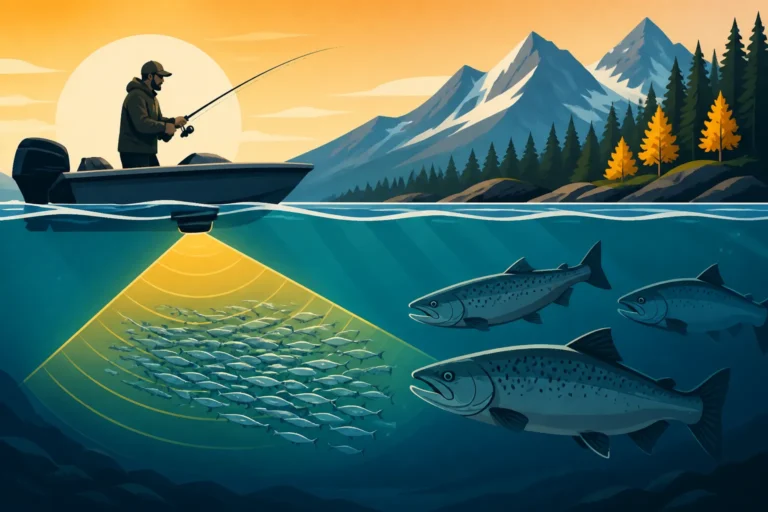
On the boat, modern sonar (fishfinder) technology has revolutionized how we locate salmon. High-definition sonar units from brands like Garmin, Lowrance, or Humminbird can show you not only the depth but also bait balls, individual salmon, and bottom structure. Learning to interpret these readings can help you identify where salmon are holding during different times of the day – whether they’re scattered deep during midday, or schooling up shallower at dawn. For river anglers, handheld GPS units or apps can help mark productive spots you found during a specific daily window. A good waterproof phone case, perhaps found on Amazon, is also a worthy investment for protecting these valuable tools.
The Art of Adjusting on the Fly
Even with all the planning and technology, salmon fishing still remains an art, not a science. The conditions can change, the fish can move, and what worked yesterday might not work today. The best anglers are those who are constantly observing, learning, and adapting.
If you’re out on the water at what you thought was the "perfect" time and aren't getting any bites, don't be afraid to change your strategy. Try different lures, vary your retrieve speed, adjust your depth, or even move to a completely different spot. Sometimes, a subtle change in boat speed, the addition of a scent, or a slight alteration to your leader length can make all the difference. Pay attention to what other anglers are doing if they’re having success, but also trust your instincts. The "best time of day" is a dynamic concept, not a fixed schedule. It’s influenced by everything from the Best Time of Year to Fish in BC to the smallest shift in current. Keep a fishing log to track successes and failures based on time of day, tide, weather, and location – over time, this data will help you develop an even sharper intuition for when and where to find those elusive BC salmon.
Disclaimer
Fishing regulations, including licensing requirements, season dates, and catch limits, can change frequently in British Columbia. It is the angler's responsibility to consult the latest regulations published by Fisheries and Oceans Canada (DFO) and the BC Freshwater Fishing Regulations Synopsis before heading out on the water. This guide provides general information and should not be considered a substitute for official regulatory documents. Always prioritize safety and ethical fishing practices.