Where to Find Chinook Salmon in BC
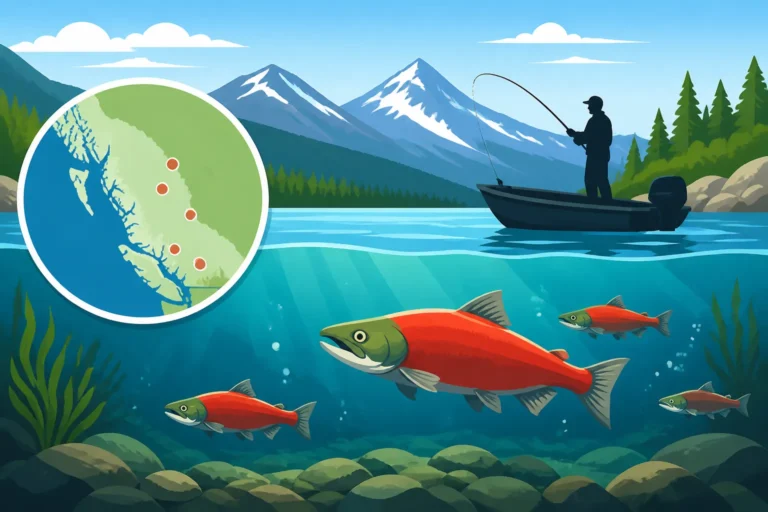
There's nothing quite like the thrill of hooking into a powerful Chinook salmon, but if you've ever felt overwhelmed trying to figure out where these magnificent fish actually are in British Columbia, you're certainly not alone. BC's vast and diverse waterways offer incredible fishing opportunities, but pinpointing the hotspots for the biggest and most sought-after salmon species can feel like searching for a needle in a very large, beautiful haystack. This comprehensive guide is designed to cut through that confusion, helping you understand the prime locations and specific habitats where you're most likely to encounter Chinook salmon, whether you're a seasoned angler or planning your first BC salmon adventure.
Understanding Chinook Salmon Habits and Habitats
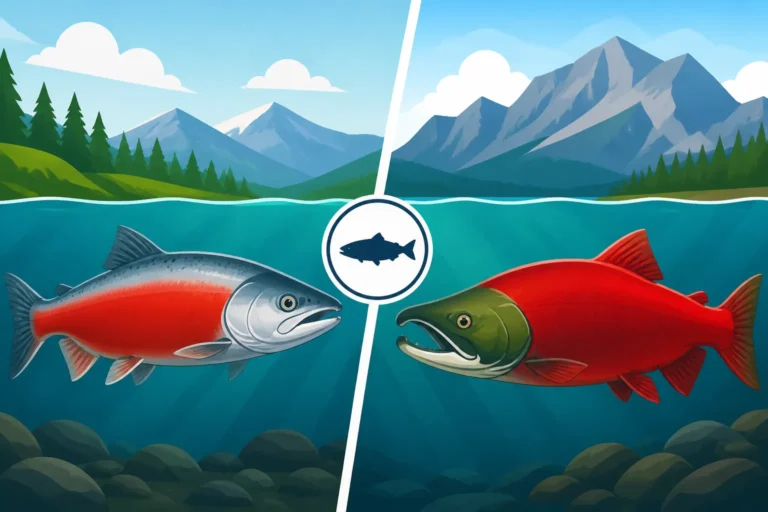
Before we dive into specific locations, it's really helpful to understand a bit about Chinook salmon themselves. Often called "Kings" or "Springs" (especially in the spring months), Chinook are the largest of the Pacific salmon species, known for their incredible fighting power and delicious flesh. Their life cycle takes them from freshwater rivers, out to the vast ocean, and then back to their natal streams to spawn. This journey means they can be found in a variety of environments, each offering a unique fishing experience. Knowing their preferences for temperature, food, and cover will be your secret weapon in tracking them down.
Preferred Ocean Feeding Grounds
Out in the open ocean, Chinook are primarily on a mission to grow, and they do this by feasting on smaller baitfish like herring, anchovies, and needlefish. These feeding frenzies often occur in specific areas where currents concentrate bait, making them prime targets for anglers. Think of these as their ocean "restaurants" where they fuel up before their arduous journey upstream.
The continental shelf areas, particularly those with upwellings that bring nutrient-rich waters to the surface, are major drawing cards. These fertile waters attract massive schools of baitfish, which in turn attract hungry Chinook. You'll often find charter boats heading to these offshore banks, sometimes many miles from shore, where the ocean floor drops off dramatically. These deep water edges create currents and eddies that concentrate food, and the Chinook know it. Successful ocean fishing for Chinook often involves trolling with flashers and spoons or bait, mimicking their natural prey. You might even find specialized electronic fish finders and related gear on Amazon that can help you locate these deep-water structures and bait balls.
River Mouths and Estuaries as Staging Areas
As the salmon near the end of their ocean journey and prepare to enter freshwater, they congregate in river mouths and estuaries. These transitional zones are absolutely critical for Chinook. Here, they adjust from saltwater to freshwater, often holding for days or weeks, waiting for prime conditions (like sufficient water levels or specific tides) to begin their upstream migration. This staging period makes them highly accessible to anglers.
Estuaries, with their mix of fresh and salt water, tidal influences, and abundant food sources, are like grand Central Stations for migrating salmon. The fish are often more aggressive here as they still have a strong feeding instinct before completely shutting down their digestive systems for the spawn. Places where deeper channels meet shallower flats, or where freshwater plumes mix with incoming tides, are particularly productive. Look for areas with current breaks, submerged structures like logs or rock piles, and any natural features that provide cover and a place to rest. Fishing in these areas often involves mooching, jigging, or trolling, trying to intercept schools of fish waiting for their cue to push further upstream.
Upriver Spawning Habitats
Once Chinook enter the rivers and move upstream, their focus shifts entirely to reproduction. They will travel hundreds, sometimes thousands, of kilometres, seeking out specific spawning grounds. These are typically gravelly riverbeds in relatively shallow, well-oxygenated water, often in the mainstem of a river or its larger tributaries. They need clean, cold water and suitable substrate for building their redds (nests).
Finding Chinook in these upriver areas requires understanding their migration timing and the specific needs of their spawning cycle. They're no longer feeding aggressively, so presentation becomes paramount. Anglers will target holding pools, runs, and current seams where fish pause to rest during their journey. These spots are often characterized by deeper water adjacent to faster currents, or behind larger boulders and logjams. Fly fishing, drift fishing with roe or artificial baits, and back-trolling plugs are common techniques. When navigating these areas, having a sturdy waterproof backpack to carry your gear, easily found on Amazon, can be a real game-changer, keeping essentials dry as you move from one promising spot to the next. Remember, once they're on the redds, it's crucial to avoid disturbing them, practicing ethical catch and release if you do encounter them actively spawning.
Major Chinook Salmon Destinations in British Columbia
British Columbia is practically synonymous with salmon fishing, and for good reason. From its rugged coastline to its vast interior river systems, the province offers an incredible array of opportunities to target Chinook. Certain regions and river systems, however, stand out as truly iconic destinations for these king-sized fish.
Vancouver Island and Coastal Waters
Vancouver Island is an absolute powerhouse for Chinook salmon. Its diverse coastline, sheltered inlets, and proximity to rich offshore feeding grounds make it a top-tier destination throughout much of the year. The island essentially acts as a major highway for salmon returning to its own rivers, as well as those heading to the mainland.
West Coast of Vancouver Island
The west coast of Vancouver Island, with its raw beauty and exposure to the Pacific, is legendary for Chinook. Areas like Barkley Sound, Nootka Sound, and the waters off Tofino and Ucluelet are renowned. These locations are often the first points of contact for salmon returning from the open ocean, especially "feeder Chinook" – fish that are still actively feeding and growing as they move along the coast.
Anglers here often target offshore banks and kelp beds, where baitfish congregate. The season can be extended, with some feeder Chinook available almost year-round, though the peak migratory runs occur in summer and fall. The fishing can be challenging due to weather and ocean conditions, often requiring larger, well-equipped charter boats. However, the reward of hooking into a chrome-bright, powerful Chinook in these pristine waters is truly unforgettable. Charters in these areas are highly experienced and usually provide all the necessary gear. If you're looking for information on guided trips, you might find Best Halibut Charters out of Tofino or Best Charters Out of Ucluelet helpful, as these areas often produce great salmon fishing too.
East Coast and Discovery Islands
The east coast of Vancouver Island offers a different, often more sheltered, experience, with prolific fishing in areas like the Discovery Islands, Strait of Georgia, and near Campbell River. This region sees a massive migration of salmon returning to the Fraser River and many local Vancouver Island streams. Campbell River, in particular, has earned the moniker "Salmon Capital of the World" for its consistent runs.
Here, anglers can find excellent fishing closer to shore, in the numerous passes, channels, and bays. The fishing is heavily influenced by tides and currents, which concentrate bait and salmon. Trolling with downriggers is a prevalent technique, often with spoons, hootchies, or natural bait like herring. The peak season for large migratory Chinook is typically from late spring through fall. Public boat launches are abundant, and there are many smaller, independent guides and charters available for those who prefer a more intimate experience. For more detailed information on a specific hotspot, check out Campbell River Fishing Guide.
The Mighty Fraser River System
The Fraser River is the longest river within British Columbia and one of the world's most productive salmon rivers. It's an artery of life, supporting enormous runs of all five Pacific salmon species, with Chinook being a significant component. Its vast watershed stretches deep into the interior, meaning Chinook can be found literally hundreds of kilometres from the ocean.
Lower Fraser River and Estuary
The lower Fraser River, from its mouth near Vancouver up past Chilliwack, is an incredibly dynamic and productive stretch for Chinook. This wide, often turbid, river offers a complex network of channels, side channels, and sloughs that provide excellent holding water for migrating salmon. The tidal influence extends far upstream, creating unique fishing opportunities.
During the summer and fall, massive runs of Chinook push into the Fraser. Anglers here often target them using various methods, including bar fishing from shore, jet boat fishing in the mainstem, or fishing in side channels from smaller boats or even kayaks. The sheer volume of fish moving through means that persistence often pays off. Knowing the river's contours and current breaks is key. Many anglers rely on specific types of heavy tackle designed to handle the river's power and the strength of these fish. You can find robust fishing lines and specialized rods suitable for Fraser River Chinook on Amazon.
Middle and Upper Fraser Tributaries
As Chinook continue their arduous journey upstream, they eventually peel off into various tributaries of the Fraser River to reach their natal spawning grounds. Rivers like the Thompson, Bridge, Chilcotin, and many smaller systems become prime destinations for interior Chinook runs. The further upstream you go, the more pristine and wild the setting often becomes.
Fishing in these upper reaches and tributaries can be a different beast entirely. Water clarity might be better, allowing for fly fishing or more precise casting techniques. The fish, having travelled so far, are nearing the end of their lives and are less interested in feeding, making them more challenging to entice. Anglers will focus on classic holding water: deep pools, current seams, and the heads and tails of runs. Respecting local regulations and conservation efforts is paramount here, as many of these interior runs can be fragile. Understanding Chinook Salmon Migration Patterns in BC will greatly enhance your success in these areas.
Northern BC Rivers and Coastal Fjords
Northern British Columbia offers some of the most remote, pristine, and often productive Chinook salmon fishing experiences available. Rivers like the Skeena, Nass, and their countless tributaries are legendary, attracting anglers from around the globe seeking truly wild salmon in untouched wilderness.
Skeena River System
The Skeena River is often referred to as "The River of Kings" due to its incredible runs of large Chinook salmon. This vast river system, second only to the Fraser in length within BC, drains a huge portion of northern BC and hosts some of the largest, genetically distinct Chinook populations. Its tributaries, such as the Bulkley, Kispiox, and Babine, are equally famous.
Fishing the Skeena and its tribs is an adventure. Many areas require jet boats or fly-in access to reach the best spots. Anglers here target classic holding water in majestic surroundings. Gear fishing, including drift fishing with roe or various lures, is popular, as is fly fishing for these powerful fish. The size and strength of Skeena Chinook are the stuff of legends, with many fish exceeding 30 pounds. Understanding Skeena River Steelhead Fishing can also give you insight into the layout of these northern river systems.
Coastal Fjords and Remote Inlets
Beyond the major river systems, the intricate network of coastal fjords, inlets, and islands in northern BC also provides exceptional Chinook opportunities. Areas around Prince Rupert, Kitimat, and the countless remote sounds offer incredible fishing, often in breathtaking scenery. These are often targeted by sportfishing lodges and specialized charters.
These protected waters provide excellent feeding habitat for resident Chinook, as well as pathways for migratory fish heading to smaller local rivers or even transiting to larger systems. Anglers might troll spoons and hootchies, or jig for fish holding in deeper channels and around structure. The advantage of these fjords is often calmer waters compared to the open ocean, allowing for more consistent fishing. Accessibility is often by boat or floatplane, making for a true wilderness experience.
Seasonal Timing and Best Fishing Methods
Successfully finding Chinook salmon in BC is deeply intertwined with understanding their seasonal movements and adjusting your fishing techniques accordingly. These fish are constantly on the move, and where they are, and what they're doing, changes throughout the year.
Spring: Feeder Chinook and Early Runs
Spring in BC marks the beginning of the salmon season for many, and it's a fantastic time to target "feeder Chinook" in saltwater. These are fish that are still actively feeding and growing, sometimes miles from their home rivers. They haven't committed to their spawning run yet and are focused purely on packing on weight.
Saltwater Feeder Fishing
From late winter through spring (February to May), many coastal areas, particularly around Vancouver Island and the Gulf Islands, hold good numbers of feeder Chinook. These fish are typically found in deeper water, often around structure like reefs, ledges, or submarine banks where baitfish congregate. They are strong, chrome-bright, and excellent eating.
The primary method for these feeders is trolling with downriggers. Anglers use a variety of lures, including spoons, hootchies, and natural bait like herring, often behind flashers to attract attention. The key is to match the hatch – finding out what baitfish the Chinook are feeding on and imitating them. Local tackle shops are invaluable resources for current information on what's working. For a good overview of general timing, consider reading Best Time of Year to Fish in BC.
Early River Migrations
While most major river runs of Chinook peak in summer and fall, some rivers do see early "springer" runs. These are highly prized fish, often larger and exceptionally strong. They enter rivers in the spring and will hold in deeper pools for extended periods, waiting for later summer and fall for the actual spawning activity.
These early river fish can be challenging to catch, as they are not aggressively feeding. Anglers targeting them will often use specialized techniques like drift fishing with roe or large artificial baits, or back-trolling large plugs. Precision and patience are paramount. These early runs are often smaller and subject to specific conservation regulations, so always check the BC Fishing Regulations Explained before heading out.
Summer: Peak Migrations and Coastal Action
Summer is prime time for Chinook salmon fishing in British Columbia. This is when the largest numbers of migratory Chinook are pushing towards their home rivers, both along the coast and into the major river systems. The weather is generally more favourable, and the action can be fast and furious.
Coastal Hotspots and Offshore Runs
During June, July, and August, the entire BC coast comes alive with Chinook. Areas from the southern Gulf Islands, up the east and west coasts of Vancouver Island, and into the northern fjords are bustling with activity. These fish are actively migrating and often still feeding, making them excellent targets.
Popular techniques include trolling at various depths, mooching (drift fishing with cut bait), and jigging. Charter operators in locations like Campbell River, Tofino, and Prince Rupert are busy taking anglers out to intercept these runs. Many of these fish are destined for the Fraser River, making the Strait of Georgia a major corridor. Knowing where to launch your boat for optimal access is key; for example, Best Public Boat Launches on the Fraser River can be a great resource if you're targeting that system.
River Entry and Lower River Fishing
As summer progresses, especially by mid-July and into August, huge numbers of Chinook will be entering the major river systems like the Fraser and Skeena. The lower reaches of these rivers become bustling hubs of angling activity.
Fishing methods adapt to the river environment. Bar fishing, jet boat trolling, and drift fishing become common. These fish are transitioning from feeding to spawning mode, so while they may still strike a lure out of aggression or instinct, their primary motivation is no longer hunger. Understanding the river's current, depth, and structure is crucial for success. For those who prefer a guided experience, searching for Best Sturgeon Guides on the Fraser River can often lead you to guides who also specialize in salmon, as the Sturgeon often feed on salmon eggs and fry.
Fall: Spawning Runs and Upriver Challenges
Fall brings cooler temperatures, often more rain, and the final, most intense push of Chinook salmon to their spawning grounds. This is when many of the biggest fish are found upriver, completing their life cycle.
Upriver Spawning Grounds
From September through November, Chinook are actively spawning in the gravel beds of countless rivers and streams throughout BC. This is when they are at their most vulnerable and when ethical angling practices become especially important.
Anglers targeting these fish further upstream need to be mindful of sensitive spawning areas. Fishing techniques often involve drift fishing with lighter presentations or fly fishing, aiming to entice a strike from a fish that is protecting its redd or reacting aggressively to a perceived threat. Catch and release is strongly encouraged, and often mandated, for many of these upriver populations. Always verify the BC Freshwater Salmon Retention Rules before planning your trip.
Late Season Coastal Opportunities
Even in the fall, some coastal areas can still offer good Chinook fishing, particularly for "late run" fish or resident populations. These might be fish heading into smaller, localized streams or lingering in coastal waters.
The weather can be more unpredictable, but the reward can be fewer crowds and powerful, often larger, fish. Trolling and jigging remain effective, focusing on areas with bait concentrations. Always be prepared for changing conditions, and check local marine forecasts.
Choosing Your Chinook Fishing Adventure
With so many incredible places to find Chinook salmon in British Columbia, deciding where to go depends heavily on your preferences, experience level, and what kind of adventure you're seeking. From rugged offshore excursions to peaceful river drifts, BC has a Chinook experience for every angler.
DIY vs. Guided Trips
Many anglers successfully target Chinook on their own, especially in accessible coastal areas or parts of the larger rivers. This often involves having your own boat, knowing the local waters, and being comfortable with the necessary techniques and regulations. You can definitely stock up on all your essential gear, from fishing rods to tackle boxes, through retailers like Amazon.
However, for those new to BC, or looking for a truly epic experience, a guided trip or charter is highly recommended. Guides possess invaluable local knowledge, can put you on fish, and provide all the necessary specialized equipment. They also navigate complex regulations and ensure a safe, productive outing. If you're considering a guided trip, you might find articles like How to Choose a BC Fishing Charter or Best Fishing Charters in British Columbia incredibly helpful in making your decision.
Factors to Consider When Choosing a Spot
When trying to narrow down your perfect Chinook fishing location, think about these key factors:
- Time of Year: As we've discussed, Chinook are in different places at different times. Match your trip dates to the peak season for your chosen location and type of fishing.
- Accessibility: Do you prefer road access, or are you willing to fly in or take a long boat ride to a remote lodge? Some of the best fishing is in harder-to-reach places.
- Budget: Guided trips and remote lodges can be a significant investment, but often provide incredible value and success rates. DIY trips can be more affordable if you have your own gear and local knowledge.
- Experience Level: If you're a beginner, a guided trip on a major river or sheltered coastal waters might be less intimidating than braving the open ocean on your own.
- Desired Experience: Are you seeking a trophy fish in a pristine wilderness setting, or a fun day out catching dinner with the family? Different locations cater to different aspirations.
- Regulations: Always, always, always check the current BC Fishing Regulations Explained for your specific area. Chinook are a heavily managed species, and rules can change frequently based on conservation needs.
| Location Type | Best Season | Common Methods | Experience Level | Typical Accessibility |
|---|---|---|---|---|
| Offshore Coastal Waters | Spring (feeders), Summer (migratory) | Trolling, Jigging | Intermediate-Expert | Charter boat, larger private boat |
| Coastal Inlets & Sounds | Spring (feeders), Summer-Fall (migratory) | Trolling, Mooching, Jigging | Beginner-Expert | Charter boat, private boat, shore/kayak |
| Lower River & Estuaries | Summer-Fall (migratory) | Bar fishing, Jet boat, Drift | Beginner-Expert | Road access, private boat |
| Upper River & Tributaries | Fall (spawning) | Drift fishing, Fly fishing | Intermediate-Expert | Road access, jet boat, walk-in, fly-in |
| Remote Northern Rivers | Summer-Fall (migratory/spawning) | Drift fishing, Fly fishing | Expert | Fly-in, jet boat, remote lodge |
British Columbia is a truly special place for Chinook salmon, offering a lifetime of fishing adventures. By understanding where these incredible fish live, move, and spawn, you'll significantly increase your chances of connecting with a true king.
Disclaimer
This article is for general informational purposes only and does not constitute professional advice. Laws, prices and regulations vary by location and change over time. Consult a qualified professional for guidance on your specific situation.