How to catch trout right after stocking in BC
Ever felt that surge of excitement when you hear your favourite local lake just got a fresh batch of trout, only to arrive and find them suddenly elusive? It’s a common frustration, but catching trout right after stocking in BC isn't just luck – it's about understanding their immediate post-release behaviour and adapting your approach. This guide will walk you through the precise strategies to turn those freshly stocked waters into a successful fishing trip, ensuring you enjoy the bountiful opportunities that BC's fish stocking program provides.
Understanding the Mindset of a Newly Stocked Trout
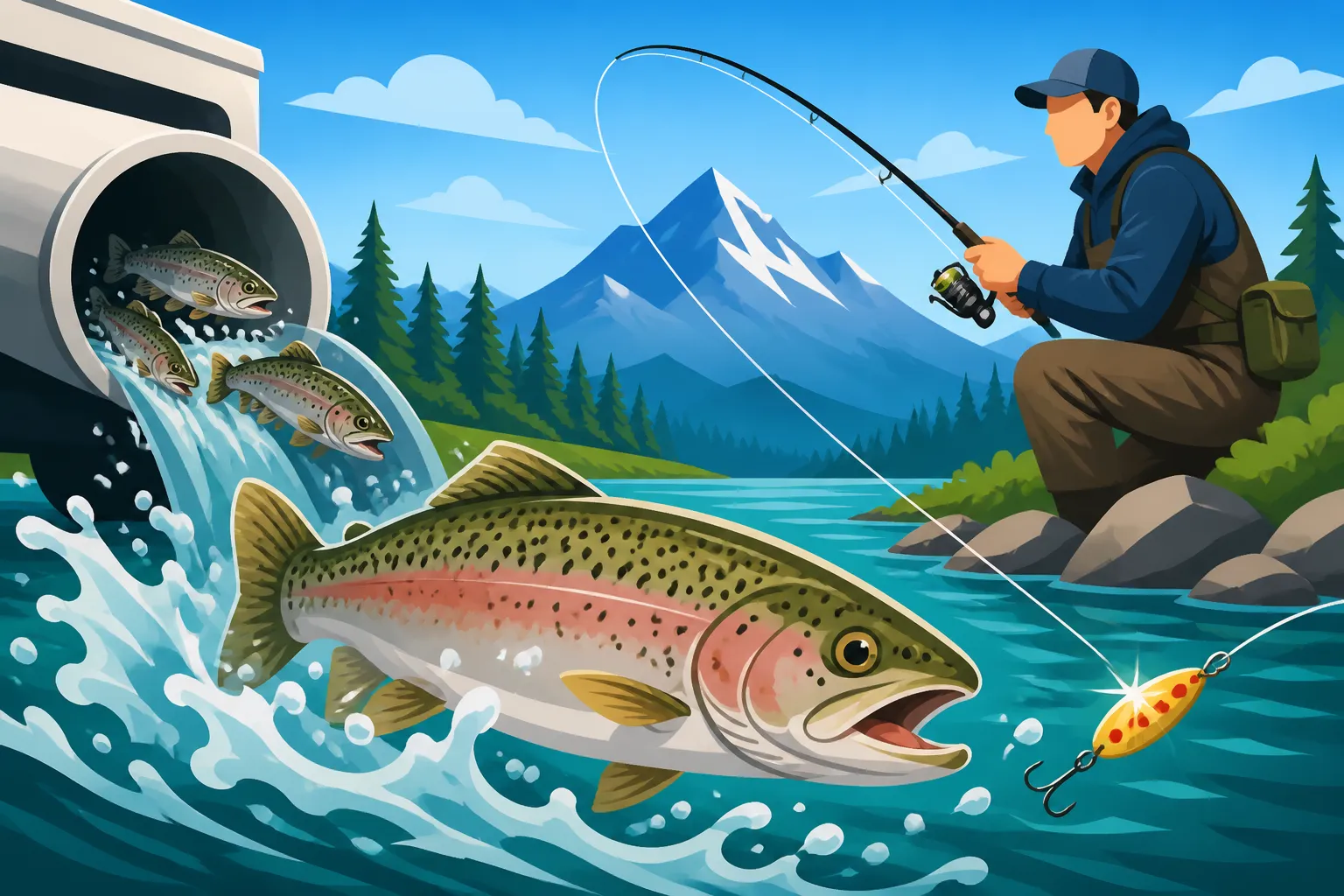
When thousands of hatchery-raised trout are released into a lake, it’s not just a splash and a dash. These fish are thrust into a completely new environment, and their initial reactions are crucial to understanding how to catch them. They're not wild, stream-born fighters accustomed to foraging for every morsel; they're accustomed to a consistent, predictable food source. This fundamental difference means their behaviour immediately after stocking can be quite distinct from established wild populations.
Post-Release Shock and Disorientation
Imagine being picked up from your comfortable home and suddenly dropped into a vast, unfamiliar landscape. That's essentially what happens to a newly stocked trout. They experience a significant amount of stress and disorientation. Their initial hours, and sometimes even a day or two, are often spent simply trying to acclimate to their new surroundings. They might be skittish, darting away from shadows, or conversely, huddling together for a sense of security. This shock means they might not immediately resume typical feeding patterns. They're trying to figure out where they are, what dangers lurk, and where they can find cover. It's a survival instinct kicking in, overriding their hunger for a short period.
During this phase, aggressive, noisy presentations might scare them off more than attract them. Think subtle. Think easy. Think presenting something they don't have to work hard for, as their energy levels might be lower from the transport and release. Observing other anglers or even just watching the water for signs of fish activity can give you clues as to how quickly they are recovering from this initial shock. Sometimes, the fish might even be sluggish, barely moving, as they recover from the ordeal of being handled and transported.
The Instinct to School and Seek Safety
One of the most common behaviours of newly stocked trout is to school together. This is a natural defense mechanism; there's safety in numbers, especially in an open, unfamiliar body of water where predators might be present. When you see one stocked trout, chances are there are many more nearby. These schools often congregate in areas that offer some form of cover or structure, even if it's just a slight drop-off, a patch of weeds, or the deeper water near the release point.
They’re also looking for immediate safety. This means they often hug the shoreline, especially in the shallower areas closest to where they were released. These spots provide quick access to cover if a bird of prey or larger fish comes along. This schooling behaviour can be a huge advantage for anglers, as finding one fish can lead to finding a whole concentration. However, it also means that if you're not in the right spot, you might find fishing incredibly slow, even with thousands of fish just metres away.
Initial Feeding Frenzy or Cautious Nibbles?
This is where it gets interesting, and sometimes, a little unpredictable. Depending on the species of trout, the water temperature, and how long they've been without food, newly stocked fish can either go into an immediate feeding frenzy or exhibit very cautious feeding behaviour. Many hatchery trout are accustomed to pellet feed, which is highly palatable and easy to consume. When they encounter natural food items, it can be a learning curve.
Often, right after the initial shock wears off, there can be a window of aggressive feeding. They are hungry, and for a short time, they might hit almost anything resembling food. This is often the golden hour for anglers. However, if the release was particularly stressful, or if they've been recently fed, they might be more finicky. They might mouth baits gently or follow lures without committing. It’s important to watch your line for the slightest twitch and be ready to set the hook quickly. Understanding when to strike with finesse versus when to reel them in aggressively is key to success.
Essential Tackle and Baits for Freshly Stocked Waters
Having the right gear makes a huge difference, especially when you're targeting fish that might be a little sensitive to heavy lines or overly aggressive presentations. You don't need a high-end, super-specialized setup, but a thoughtful approach to your tackle box can really improve your catch rate. When you're fishing for freshly stocked trout, simplicity and finesse often trump power and flash.
Light Tackle is Your Best Friend
For newly stocked trout, a light or ultralight spinning setup is almost always the best choice. These fish are typically in the 8 to 14-inch range, and lighter gear allows for a more subtle presentation, which is exactly what these often-skittish fish prefer. A rod in the 5 to 6.5-foot range with a fast or moderate-fast action will give you enough sensitivity to feel those light bites and enough backbone to manage a feisty rainbow. Pair this with a small spinning reel, loaded with 4 to 6-pound test monofilament or fluorocarbon line. Fluorocarbon is particularly good because it’s nearly invisible in water, which can be a massive advantage when fish are hesitant.
Using a lighter leader, say 2 to 4-pound test, further enhances your stealth. The lighter line creates less drag in the water, allowing your bait or lure to move more naturally. This setup also makes fighting smaller trout a lot more fun and helps prevent them from throwing the hook due to heavy-handed reeling. You can often find great deals on versatile light spinning combos on platforms like Amazon, offering a balance of performance and affordability for your BC fishing adventures.
Bait Options: Tried, True, and Often Necessary
When trout are fresh from the hatchery, they're often still tuned into the artificial food they've been raised on. This makes certain types of bait incredibly effective.
- PowerBait & Dough Baits: These are absolute classics for a reason. Available in various colours and scents, they mimic the pellet food trout are accustomed to. Green, yellow, and orange are perennial favourites. Form a small ball around a tiny hook (size 10 or 12), ensuring the hook point is fully covered. These baits are designed to float, suspending your offering just off the bottom where trout often cruise.
- Worms: Simple earthworms or mealworms are natural and highly appealing. Hook them once or twice to allow for plenty of wiggling action. A small piece of worm can be irresistible.
- Corn: Believe it or not, canned corn kernels can be a secret weapon. Their bright colour and sweet scent are surprisingly effective, and they’re readily available. Use one or two kernels on a small hook.
- Salmon Eggs: Both natural and artificial salmon eggs work well. Drift them naturally or fish them under a small bobber.
- Marshmallows: Mini marshmallows, often tipped with a bit of PowerBait or a worm, can also suspend your bait off the bottom, making it easier for trout to find.
Remember, the goal is an easy meal. These baits offer a strong scent and visual appeal that can trigger a strike even from a disoriented fish.
Lures and Flies for Aggressive Biters
While bait is often king immediately after stocking, lures and flies can be incredibly effective, especially as the trout begin to acclimate and their predatory instincts kick in. For lures, think small and flashy.
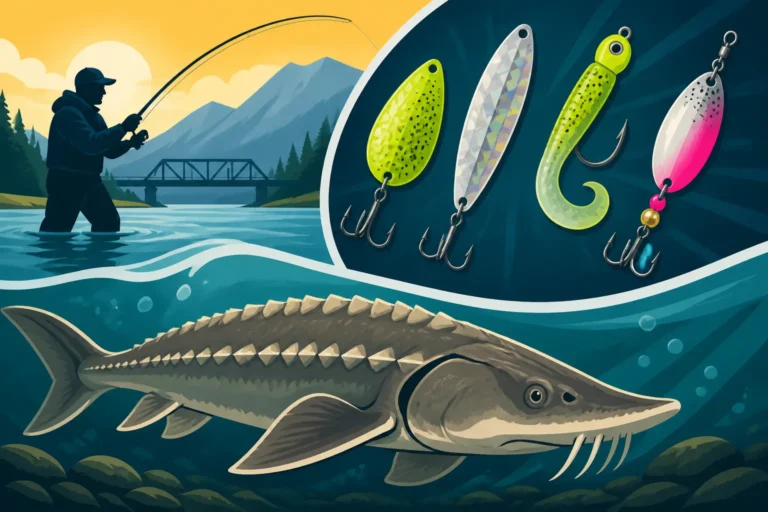
- Spinners: Classic inline spinners like Mepps, Panther Martin, or Blue Fox are excellent. Sizes #0 to #2 are ideal. Their flashing blades and vibrating action mimic small baitfish or insects, drawing attention from a distance. Retrieve them slowly and steadily, or with a slight stop-and-go action.
- Small Spoons: Tiny spoons like the Dick Nite Kitimat, Little Cleo, or EGB spoons in silver, gold, or brass can also be very productive. Their wobbling action is enticing, particularly when fished with a slow retrieve.
- Trout Jigs: Small marabou jigs or even tiny tube jigs in white, black, or olive can be incredibly effective when jigged subtly near the bottom or beneath a bobber.
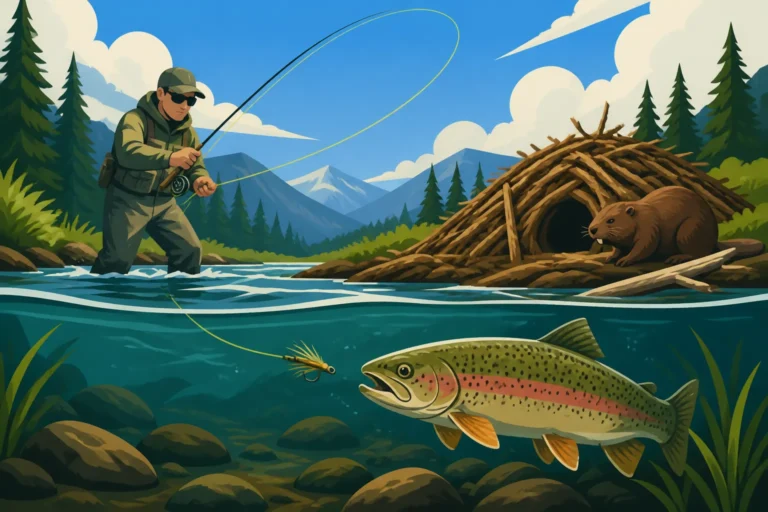
- Flies: If you're a fly angler, don't dismiss the opportunity. Small wet flies, nymphs, or even tiny Woolly Buggers (black or olive) can be drifted or stripped slowly. Sometimes, a tiny attractor pattern like a San Juan Worm or an Egg Sucking Leech will entice a bite, as these patterns don't necessarily mimic natural prey but rather offer a substantial, easy meal. Check out a local fly shop or even Amazon for a good starter set of these patterns. For specific information on different fly patterns, you might want to explore articles like Best Fly Size for BC Interior Trout Lakes in Spring.
The key with lures and flies is to keep them small and your presentation subtle. Overly aggressive retrieves or large, intimidating lures can put off nervous, newly released fish.
| Bait/Lure Type | Best Use After Stocking | Advantages | Tips for Success |
|---|---|---|---|
| PowerBait/Dough | Immediate, Bottom | Strong scent, floats, familiar to hatchery fish | Cover hook, vary colours, small amounts |
| Worms | Immediate, All Depths | Natural, wiggling action, universally appealing | Hook lightly for maximum movement, fresh worms |
| Corn | Immediate, Bottom | Bright colour, sweet scent, easy to use | One or two kernels on a tiny hook |
| Small Spinners | After initial shock, Active Fish | Flashy, vibrations, covers water | Slow retrieve, small sizes (#0-2), steady or stop-go |
| Small Spoons | After initial shock, Active Fish | Wobbling action, mimics baitfish | Slow retrieve, silver/gold, light line |
| Nymphs/Wet Flies | After initial shock, Fly Fishing | Natural imitation, subtle presentation | Drift naturally, small sizes, dark colours |
Proven Techniques for Catching Post-Stocking Trout
Once you've got your gear sorted, it's time to talk strategy. Knowing where to cast and how to present your bait or lure can make all the difference between a triumphant day and a frustrating one. These techniques are particularly effective for trout that are still adjusting to their new home in BC's waters.
Locating the Prime Zones
As we discussed, newly stocked trout are often disoriented and tend to school up, seeking comfort and safety. Your first priority should be to locate these concentrations.
- The Release Site: Often, the best place to start is near the actual stocking point. Fish are sometimes reluctant to move far from where they were first introduced. This could be a boat launch, a dock, or an accessible shoreline area. Check with local fishery notices or park staff if you can't find specific details; they might provide general areas for stocking.
- Shoreline and Shallow Water: For the first few days, many stocked trout will hug the shoreline. These areas offer perceived safety from larger predators in deeper water and are often easier for them to navigate. Look for areas with slight drop-offs, submerged logs, or weed lines close to the bank. These "structures" provide a sense of cover. For general advice on good spots, you might find Best Bank Fishing Techniques for BC Rivers helpful, even though it's river-focused, the principles of bank access apply.
- Inlets and Outlets: Any small stream or culvert flowing into or out of the lake can create a subtle current and bring in natural food, attracting hungry trout.
- Areas of Cover: Beyond the immediate release zone, look for any type of cover: docks, fallen trees, large rocks, or even patches of aquatic vegetation. These spots offer refuge and a potential ambush point for any food passing by. Even if the trout aren't actively feeding, they might be resting here.
Patience and observation are your best tools here. Watch for any surface activity, even subtle rises, or other anglers having success. Don't be afraid to move around until you find where the fish are holding.
Mastering Presentation and Retrieval
Once you've located a promising spot, how you present your offering is paramount. Subtlety is key for newly stocked fish.
- Still Fishing with Bait: This is perhaps the simplest and most effective method. Cast your PowerBait, worm, or corn out, ideally with a small weight to get it to the bottom, and then let it sit. If using floating bait, use a light sinker to anchor it, allowing the bait to rise a foot or two off the bottom. This presents an easy, stationary meal. You can use a bobber to suspend your bait at various depths if you suspect fish are cruising higher in the water column. Sometimes, the slightest movement from a light breeze or current is all it takes to entice a bite.
- Slow Retrieval for Lures: If you're using spinners or spoons, a slow, steady retrieve is usually best. You want just enough speed to get the lure's action working, but not so fast that it zips past a hesitant fish. Experiment with occasional pauses or slight twitches to mimic an injured baitfish. Remember, these trout aren't necessarily chasing down prey yet; they're looking for an easy target.
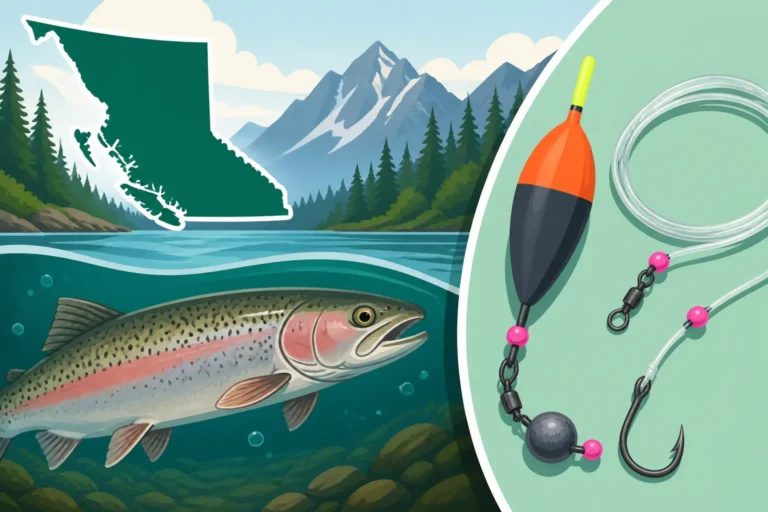
- Bobber and Jig/Bait: For versatility, a slip bobber rig allows you to easily adjust your depth. Attach a small jig (marabou or tube jig) or a baited hook (worm, PowerBait) beneath the bobber. Cast it out and let it drift, or give it very subtle twitches. This can be deadly effective when trout are suspended at a specific depth, which is common in schools.
- Fly Fishing Techniques: For fly anglers, a slow retrieve with a sinking line and a small Woolly Bugger or streamer can work wonders. If fish are near the surface, try a small dry fly or even a chironomid pattern under a strike indicator, mimicking an emerging insect. The goal is to make it look effortless for the trout to grab.
The key is to adjust your depth and speed until you find what the fish are responding to. Start shallower and work your way deeper, or vice-versa, making mental notes of where you get bites.
Adapting to Changing Conditions
Just because a method worked for the first hour doesn't mean it will work all day. Stocked trout, even though they're somewhat predictable, can change their behaviour as they acclimate or as conditions shift.
- Time of Day: Early mornings and late evenings are often the most productive times for trout, regardless of stocking. Cooler water temperatures and lower light levels make them more active. Mid-day sun can push them deeper or into shaded areas.
- Weather Changes: A sudden drop in temperature, a cold front moving in, or heavy rain can all impact trout activity. During a cold front, fish might become lethargic and less willing to chase. During rain, increased runoff might stir up natural food, making them more active, but also potentially clouding the water. Adapt by slowing down your retrieve or using baits with stronger scents.
- Fishing Pressure: If a lake has just been stocked, it's likely to attract a crowd. Heavy fishing pressure can make trout wary. If you notice a spot getting hammered, try moving to a less crowded area, even if it means trying a slightly less obvious location. Using lighter lines and smaller baits becomes even more critical under these conditions.
- Post-Stocking Timeline: The first 1-3 days after stocking are usually prime. After that, the fish become more dispersed, more accustomed to natural food sources, and often more cautious. Your tactics might need to shift from simple bait to more nuanced lure presentations or fly patterns. Knowing the general BC Fishing Seasons by Month can help you anticipate general fishing pressure.
Always be willing to change your approach. If what you're doing isn't working after 15-20 minutes, switch baits, change your lure, alter your retrieve speed, or move to a different spot.
Maximizing Your Success and Respecting Regulations
While the excitement of a fresh stocking run is undeniable, a responsible angler always keeps conservation and regulations in mind. Maximizing your personal success also means ensuring the health of the fishery for everyone.
Common Mistakes to Avoid
Even seasoned anglers can make mistakes when targeting newly stocked trout. Being aware of these pitfalls can save you a lot of frustration.
- Using Too Heavy Tackle: As mentioned earlier, heavy lines and stiff rods can be intimidating for these smaller, hatchery-raised fish. They're not going to be hitting 15-pound test with the same enthusiasm they hit a 4-pound leader. It's like trying to drink soup with a firehose – just overkill and less effective. Keep it light, keep it sensitive.
- Too Much Noise or Movement: Stomping around the bank, loud talking, or splashing can spook fish, especially in shallower waters where they are likely to be found. Newly stocked trout are already on edge, so stealth is your friend. Approach the water quietly, keep your movements smooth, and avoid bright, reflective clothing if possible.
- Overlooking the Immediate Area: Many anglers cast as far as they can, assuming the fish are out in the middle. But often, especially right after stocking, trout are close to shore, sometimes just a few feet from where you're standing. Make sure to fish the water directly in front of you and along the banks before reaching for those long casts.
- Not Changing Tactics: If you're not getting bites, don't keep doing the same thing. Trout can be finicky. Change your bait, switch colours, adjust your depth, vary your retrieve speed, or move to a different spot. Stubbornly sticking to one method when it's clearly not working is a recipe for a slow day.
- Ignoring Local Regulations: It's easy to get caught up in the moment, but knowing the rules is paramount. Always check the current Reading the BC Freshwater Fishing Regulations Synopsis before you head out. Regulations often specify daily bag limits, size restrictions, and sometimes even bait restrictions for specific waters or species. For example, understanding BC Bag and Possession Limits by Species is crucial to avoid penalties.
Understanding Catch Limits and Conservation
British Columbia has specific regulations in place to manage its fisheries, including stocked lakes. These rules are designed to ensure sustainable fishing opportunities for everyone. Before you even wet a line, it is your responsibility to consult the latest BC Freshwater Fishing Regulations Synopsis. This document outlines critical information such as:
- Daily Quotas: How many fish of a particular species you can keep in a single day. These limits can vary significantly from one lake to another, even within a short distance.
- Possession Limits: The total number of fish you can have in your possession, including those caught on previous days.
- Size Restrictions: Minimum or maximum lengths for keeping certain fish. This is less common for general stocked trout but can apply to other species.
- Bait Bans or Restrictions: Some lakes or sections of rivers may have "fly fishing only" or "single barbless hook" regulations to promote catch and release and reduce harm to fish. Always check.
- Species-Specific Rules: Be aware of what you're catching. While most stocked trout are rainbow trout, you might occasionally encounter other species, and their limits could be different. If you're unsure, consulting a Trout Species Identification Guide for BC can be very helpful.
Conservation isn't just about following the rules; it's about ethical angling. If you're practicing catch and release, handle fish gently with wet hands, minimize their time out of water, and use barbless hooks to reduce injury. These practices ensure that any fish you release have the best chance of survival.
Keeping an Eye on Fishery Notices
One of the best ways to stay informed about fish stockings and any in-season changes to regulations is to regularly check the official BC Fishery Notices. These notices provide real-time updates on closures, openings, special restrictions, and, crucially for this topic, details about recent fish releases.
- When to Check: It’s a good habit to check fishery notices a few days before any planned fishing trip, and even the morning of, especially if you're targeting specific areas or species.
- What Information They Provide: Notices will often tell you when a lake was stocked, what species (e.g., rainbow trout, What a Triploid Rainbow Trout Is), and sometimes even the number and size of fish released. This information is gold for planning your trip. You can also find out Are Triploid Rainbow Trout Stocked in BC Lakes? through these notices.
- Where to Find Them: The official provincial fisheries website is the primary source. Some local tackle shops or community recreation centers might also post relevant notices.
Being proactive and informed about fishery notices can give you a significant edge in finding freshly stocked fish and ensuring you're always fishing legally and responsibly. It also helps you identify Special Regulation Waters in BC which might have unique rules you need to follow.
With these strategies and a good understanding of stocked trout behaviour, you’re well on your way to a successful fishing trip in British Columbia's abundant waters. Tight lines!
Disclaimer
This article is for general informational purposes only and does not constitute professional advice. Laws, prices and regulations vary by location and change over time. Consult a qualified professional for guidance on your specific situation.