Best Techniques for Rockfish
Ah, rockfish! These feisty, colorful denizens of British Columbia's coastal waters are a joy to catch, but they can also be a puzzle. Many anglers, especially those new to saltwater fishing, find themselves scratching their heads when trying to consistently hook into these bottom dwellers, often mistaking them for other species or getting snagged in their rocky lairs. If you've ever felt the frustration of pulling up an empty hook or, worse, losing your favorite jig to a hidden reef, you're not alone. This guide is going to peel back the layers of mystery, providing you with the best techniques, gear, and knowledge to confidently target and catch rockfish in BC, while also making sure we do our part to keep these populations healthy.
Understanding British Columbia Rockfish Species and Habitat
Before we even talk about dropping a line, it’s absolutely essential to understand what we're fishing for and where they live. Rockfish are not just "rockfish"; they're a diverse group of species, each with subtle preferences, but all sharing a love for structure. Knowing your target and its home turf is the first step to becoming a successful rockfish angler.
Common Rockfish Species in BC Waters
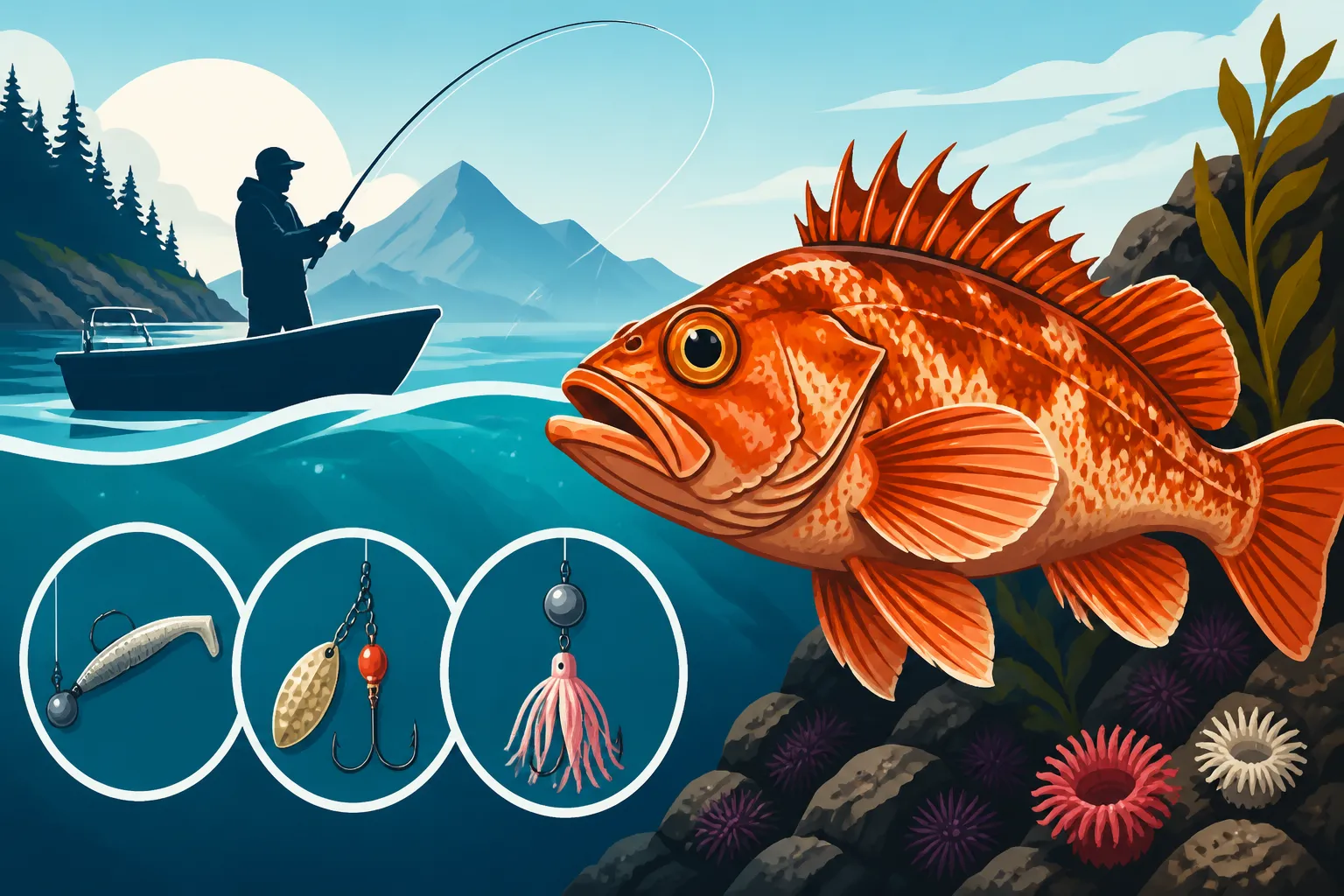
British Columbia's coast is teeming with an incredible variety of rockfish, making it a truly vibrant fishery. While they all share that characteristic spiny dorsal fin and generally bottom-dwelling nature, they come in a dazzling array of colors and sizes. You might encounter the vivid, almost neon orange and yellow Yelloweye Rockfish, often called "red snapper" by many, though they're not technically snappers at all. These are often the largest and most sought-after rockfish, known for their substantial fillets. Then there are the striking Quillback Rockfish, easily identified by their tall, dark dorsal fin spines and mottled brown and yellow bodies. They tend to be a bit smaller than Yelloweyes but are incredibly common.
Beyond these two, you'll also frequently encounter Copper Rockfish, which boast a beautiful, coppery-brown hue and often have light patches on their flanks, and the equally common Black Rockfish, often found schooling in shallower, more open water, identified by their darker bodies and sometimes a lighter underside. Don't forget the Vermilion Rockfish, with their bright red-orange bodies and often a distinct lighter stripe along their lateral line, or the Puget Sound Rockfish, a smaller species often found in deeper waters. Each species has a slightly different maximum size and lifespan, with some like the Yelloweye being incredibly long-lived, sometimes reaching over 100 years! Understanding this diversity is key, and if you want to get really good at identifying them, check out our Rockfish Species Identification Guide for BC.
Where Rockfish Love to Hang Out
The clue is in the name, isn't it? Rockfish absolutely adore structure. Think of them as the aquatic equivalent of mountain goats, clinging to cliffs and crevices. Their preferred habitat includes rocky reefs, which are essentially underwater mountain ranges, providing endless nooks, crannies, and overhangs for them to hide in. These reefs can be extensive, stretching for miles, or they can be isolated pinnacles, rising abruptly from the seabed, creating perfect ambush points.
Beyond natural rock formations, you'll also find rockfish congregating around kelp beds, which are like underwater forests. The dense kelp provides cover from predators and creates a rich ecosystem for smaller prey fish and invertebrates. Wrecks, whether they're old ships or submerged logging debris, are another magnet for rockfish, offering artificial structure that quickly becomes colonized by marine life. Lastly, don't overlook abrupt drop-offs or ledges, where the bottom contour changes dramatically. These areas create current breaks and upwellings that bring food, making them prime feeding grounds. Rockfish can be found anywhere from shallow waters (especially the Black Rockfish) to depths exceeding 600 feet, but most recreational anglers target them in the 50 to 300-foot range. The common thread is always structure – without it, you're unlikely to find rockfish.
Essential Gear for Targeting BC Rockfish
You wouldn't bring a butter knife to a steak dinner, and similarly, you need the right tools for the job when targeting rockfish. These fish, especially the larger ones, can put up a surprisingly strong fight, and their habitat is notorious for snags. Investing in appropriate gear will not only increase your chances of success but also minimize frustration and gear loss.
Rod, Reel, and Line Setups
For rockfish, you're generally looking for a setup with some backbone. A medium-heavy to heavy action rod, typically 6 to 7.5 feet in length, is ideal. This robust rod will give you the leverage needed to pull fish away from structure and handle the heavy weights often required to reach the bottom in deeper water or strong currents. Graphite or composite rods are popular choices as they offer a good balance of sensitivity and strength, allowing you to feel those subtle bites even when fishing deep.
When it comes to reels, both conventional (baitcasting) and heavy-duty spinning reels can work. Many anglers prefer conventional reels, especially those with a level-wind feature, for their power, line capacity, and ability to handle heavy jigs and baits. Look for a reel with a good drag system and a retrieve ratio that allows for both slow cranking and quick jigging. For line, braided line is almost universally preferred for rockfish. Its lack of stretch provides incredible sensitivity, allowing you to feel every bump and bite, and its thin diameter for its breaking strength helps cut through the water, reducing drag. A 50 to 80-pound braided main line is a good starting point. You'll want to connect a 40 to 60-pound fluorocarbon or monofilament leader of about 3 to 6 feet to your braid. The leader provides a bit of stretch and is more abrasion-resistant, which is crucial when fishing around sharp rocks and structures where these fish live.
Lures, Jigs, and Baits for Success
The bait and lure game for rockfish is quite diverse, and it often depends on the depth, current, and what the fish are keying in on. Jigs are incredibly popular and effective. Lead jigs, often referred to as "pipe jigs" or "diamond jigs," are excellent for getting down deep quickly. Brands like Mac Deep or locally made pipe jigs are often very successful. Flutter jigs, which have a more erratic, fluttering action on the fall, can also be deadly. When selecting jigs, consider weights ranging from 4 ounces up to 16 ounces or even more, depending on the depth and current you're fishing.
Soft plastics rigged on heavy jig heads are another fantastic option. Swimbaits, grub tails, or even creature baits, often in sizes from 5 to 10 inches, can be highly effective. The key is finding a jig head heavy enough to reach the bottom and maintain contact. Colors can vary, but often bright colors like chartreuse, pink, and glow-in-the-dark work well, especially in deeper or murkier water, while more natural baitfish patterns are good for clearer conditions. If you're looking to stock up on a variety of jigs and soft plastics, you'll find a massive selection on Amazon at competitive prices, making it easy to experiment with different options. Don't forget that live or cut bait can also be incredibly effective. Fresh herring, squid, octopus, or even large anchovies are all excellent choices. You can rig these on a simple dropper loop setup or a weighted jig head.
Terminal Tackle and Accessories
Beyond your main rod and reel setup, having the right terminal tackle and accessories is paramount for a successful and enjoyable rockfish trip. You'll need sturdy swivels and snaps to connect your leaders and jigs, preventing line twist and allowing for quick lure changes. Heavy-duty hooks are a must; rockfish have tough mouths, and smaller hooks can straighten out or fail. Octopus hooks or circle hooks in sizes from 5/0 to 9/0 are commonly used for bait, while jig heads typically come with appropriately sized hooks.
Weights are also crucial. Pyramid weights or cannonball weights are commonly used to get your bait or jig down to the desired depth, especially when bottom bouncing. Bring a good assortment of weights, as conditions can change rapidly. Beyond the essentials, a few specialized tools can make a big difference. A sturdy de-hooker is invaluable for safely releasing fish, especially if they've swallowed the hook. A fish ruler is necessary to ensure your catch meets the legal size requirements. And most importantly, for rockfish, a deep-water release device is absolutely essential. We'll talk more about this later, but having one on hand is not just good practice, it's often a legal requirement. You can find excellent quality hooks, swivels, and even specialized deep-water release tools like the "SeaQualizer" on Amazon, ensuring you're well-equipped before you hit the water.
Popular Techniques for Catching Rockfish
Now that you're geared up and have a sense of where rockfish live, let's dive into the exciting part: the actual fishing techniques! There are a few tried-and-true methods that consistently produce rockfish in BC waters, each with its own nuances and ideal situations. Mastering these will give you a significant edge.
Vertical Jigging
Vertical jigging is perhaps the most popular and effective technique for targeting rockfish, especially in deeper water or when fishing distinct structure like pinnacles and wrecks. The premise is simple: you drop a heavy jig straight down to the bottom, let it hit, then work it with a series of aggressive lifts and drops. The "lift" can be a sharp, foot-long snap of the rod tip, mimicking a fleeing baitfish, followed by a controlled "drop" where the jig flutters or falls enticingly. It's during this fall that most rockfish strikes occur.
The key to successful vertical jigging is staying in contact with the bottom. This means you need a jig heavy enough to maintain a near-vertical presentation even with current or drift. If your line is trailing too far behind the boat, you're not vertical. Pay close attention to your line as it falls; any hesitation or sudden acceleration could indicate a bite. When you feel a strike, set the hook firmly! Rockfish often don't "hammer" a jig; it can feel more like a subtle tap or extra weight. Experiment with the speed and height of your jigging motion, as well as the pause between lifts. Sometimes a rapid, aggressive jigging motion is best, while other times a slower, more deliberate retrieve with longer pauses will entice a bite.
Bottom Bouncing with Bait
If vertical jigging isn't producing, or if you prefer a more traditional approach, bottom bouncing with bait can be incredibly effective, especially for the larger, more sedentary rockfish like Yelloweyes and Quillbacks. This technique involves using a weighted rig to present natural bait directly on or just above the seabed. A common setup is a dropper loop rig, where a heavy weight (like a cannonball or pyramid sinker) is tied to the bottom of your leader, and one or two snelled hooks are tied on dropper loops above it, typically 12-24 inches apart. This keeps your bait clear of the bottom muck but still within the strike zone.
Alternatively, a three-way swivel rig can be used, with your main line tied to one eye, a short leader to your weight on another, and a longer leader (2-4 feet) to your baited hook on the third. The goal is to keep your weight lightly touching the bottom as your boat drifts. You'll want to occasionally lift your rod tip to re-establish bottom contact and then let it drop slowly. This gentle "bouncing" action keeps your bait in the feeding zone and alerts you to changes in depth. Fresh cut bait, like herring or squid, is generally preferred, as the scent trail it leaves in the water can attract rockfish from a distance. The bite on bait can be softer than on a jig, so pay close attention and allow the fish a moment to commit before setting the hook.
Drift Fishing with Artificials
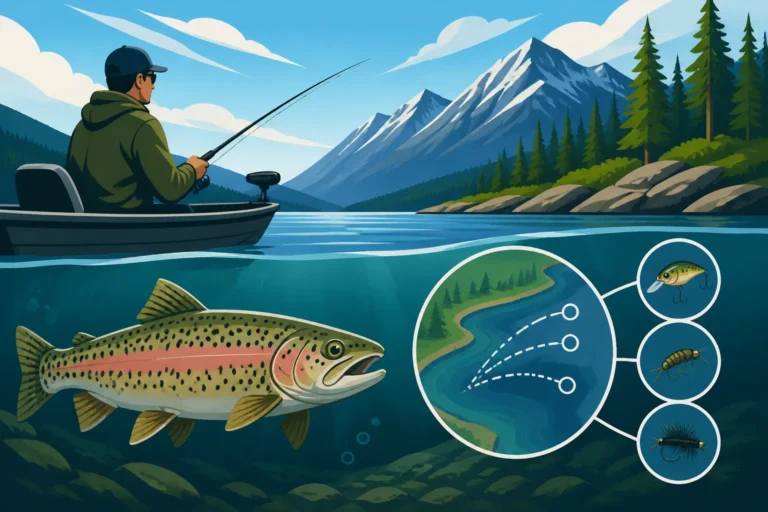
Drift fishing with artificials is a fantastic way to cover ground and find active rockfish, especially over expansive reef systems or large kelp beds where pinpointing exact structure is difficult. Instead of anchoring, you allow your boat to drift naturally with the wind and current, presenting your lures over a wide area. This technique works exceptionally well with soft plastics rigged on heavy jig heads, but it can also be productive with flutter jigs or even large, heavy swimbaits.
The key to successful drift fishing is managing your boat's speed and understanding the current. If you're drifting too fast, your lure won't have enough time to sink and present effectively. Sometimes, using a sea anchor or drift sock can slow your boat down to the optimal speed. As you drift, cast your artificial lure ahead of the boat, let it sink to the bottom, and then work it back with a series of jigs, lifts, and pauses, much like vertical jigging, but with the added motion of the boat covering new territory. This technique is often effective for Black Rockfish, which sometimes suspend higher in the water column, but it will also pick up bottom-dwelling species. Finding a good range of high-quality, durable soft plastics for drift fishing is easy, and Amazon offers a vast selection, including popular brands that are proven fish catchers. Keep an eye on your fish finder to identify promising structure as you drift, adjusting your casts and presentations accordingly.
Locating and Targeting Productive Rockfish Haunts
Knowing the techniques is one thing, but actually finding the fish is another. Rockfish are homebodies, so if you can locate their preferred addresses, you’re halfway to a successful day. Modern electronics and a keen eye for subtle clues will dramatically improve your rockfish success rate.
Using Sonar and GPS
Your sonar (fish finder) is your best friend when hunting for rockfish. These devices use sound waves to paint a picture of the underwater world, revealing structure and, crucially, fish. When you’re looking for rockfish, you’ll want to pay close attention to your bottom contour. Look for sharp, jagged returns on the screen, indicating rocky bottom, ledges, or pinnacles. These are prime rockfish habitat. Fish marks, which often appear as arches or blobs, directly on or very close to this structure are usually your target. Don't be fooled by fish suspended high in the water column if you're specifically targeting bottom-dwelling rockfish; those are likely different species.
Once you find a promising spot – a significant rock pile, a wreck, or a concentration of fish marks – use your GPS to mark it precisely. This waypoint is golden. If you drift off the spot, you can easily reposition your boat. Many modern fish finders also feature side-imaging and down-imaging, which provide incredibly detailed, almost photographic views of the bottom structure. These technologies can reveal individual rock formations, sunken logs, or even schools of rockfish nestled right into crevices that traditional 2D sonar might miss. Learning to interpret these displays effectively will take your rockfish game to the next level.
Identifying Prime Structure and Conditions
Beyond what your electronics tell you, understanding the "why" behind rockfish locations helps you predict where they might be even without direct marks. Rockfish thrive where there's shelter and food. So, look for areas with abrupt depth changes; these create current breaks and often expose rocky substrates. Underwater ridges, humps, and isolated pinnacles rising from a flat bottom are like rockfish apartment complexes. If these structures are also adorned with kelp forests, even better, as kelp indicates a healthy ecosystem and provides additional cover.
Pay attention to tidal influence and current. Rockfish often position themselves on the "down-current" side of structure, waiting for food to be swept to them. Fishing these current breaks can be highly productive. While rockfish aren't as sensitive to light as some species, the low light conditions of dawn and dusk, or overcast days, can sometimes make them more active feeders. However, because they are so structure-oriented, they can be caught throughout the day if you're on a good spot. Remember, the deeper you go, the less light matters. Always combine your electronic reconnaissance with a keen understanding of the underwater topography to consistently find those prime rockfish haunts.
Rockfish Conservation and Responsible Angling
Catching rockfish can be incredibly rewarding, but it comes with a significant responsibility. Many rockfish species are long-lived and slow-growing, making them particularly vulnerable to overfishing. British Columbia has implemented strict regulations to protect these valuable populations, and as anglers, it's our duty to understand and adhere to them.
Understanding Rockfish Conservation Areas (RCAs)
One of the most critical aspects of rockfish conservation in BC is the widespread network of Rockfish Conservation Areas (RCAs). These are specific geographical areas, often around prominent reefs, islands, and coastlines, where fishing for rockfish (and sometimes other groundfish) is either prohibited or severely restricted. The purpose of RCAs is to provide safe havens where rockfish populations can thrive and reproduce without fishing pressure. They are designed to allow these slow-growing species to reach maturity and contribute to the overall health of the ecosystem.
It is absolutely paramount that you know the precise boundaries of any RCAs in the areas you plan to fish. Ignorance is not an excuse for violating these conservation measures, and the penalties can be severe. Before every trip, consult the most up-to-date BC Fishing Regulations Explained and check for any BC Fishery Notices and In-Season Closures, Explained. These resources will provide detailed maps and descriptions of all RCAs. Many marine charts also mark RCAs, but always cross-reference with official government publications. Fishing within an RCA, even accidentally, can lead to substantial fines and loss of fishing privileges, so always err on the side of caution.
Barotrauma and Release Strategies
One of the biggest challenges when fishing for rockfish, particularly in deeper waters, is barotrauma. This condition occurs when a fish is rapidly brought to the surface from significant depths. The sudden decrease in pressure causes gases in the fish's swim bladder to expand, leading to symptoms like bulging eyes, a distended stomach, and the swim bladder protruding from its mouth. A fish suffering from severe barotrauma cannot swim back down and will likely die on the surface.
To combat this, deep-water release devices are not just recommended, they are often legally required for rockfish when fishing beyond certain depths. These devices, sometimes called "descending devices," work by attaching a weight to the fish's jaw or lip and rapidly lowering it back to the depth from which it was caught. Once at depth, a release mechanism (either pressure-activated or manually triggered by a sharp tug on the line) frees the fish, allowing it to swim away. The best practice is to always have one on board if you're targeting rockfish. You can find commercially made release devices like the "SeaQualizer" or even build effective homemade versions; many good options are available for purchase on Amazon. A quick, efficient release is critical, so practice using your device beforehand.
Bag and Possession Limits
Finally, responsible angling means adhering strictly to bag and possession limits for rockfish. These limits vary by species, area, and time of year, reflecting the conservation status of different populations. For instance, the limit for Yelloweye Rockfish is often very low (sometimes zero in certain areas), given their extreme longevity and vulnerability, while other, more abundant species might have slightly higher limits.
It’s your responsibility as an angler to know and respect these limits. "Bag limit" refers to the number of fish you can catch and keep per day, while "possession limit" refers to the total number of fish you can have in your possession, including those at home, in your cooler, or frozen. Always consult the official BC Bag and Possession Limits by Species before your trip. Exceeding these limits is a serious offense that can result in significant fines and consequences, including potential charges under the Fisheries Act, as detailed in our guide on Fishing Without a License in BC: Penalties. By following these conservation measures – respecting RCAs, using release devices, and adhering to limits – we can all contribute to healthy rockfish populations for future generations to enjoy. It’s not just about the catch; it’s about being a steward of our incredible marine environment.
| Rockfish Species (Common) | Typical Size Range | Preferred Depth Range | Key Identifying Features | Conservation Status |
|---|---|---|---|---|
| Yelloweye Rockfish | 18-36 inches (up to 40 lbs) | 100-600 feet | Orange/red body, yellow eyes, rough scales. | Vulnerable/Highly Regulated |
| Quillback Rockfish | 12-24 inches (up to 8 lbs) | 50-300 feet | Mottled brown/yellow, tall dorsal fin spines. | Stable, but slow growing |
| Copper Rockfish | 10-20 inches (up to 6 lbs) | 30-200 feet | Coppery-brown, often white blotches, usually dark fins. | Stable |
| Black Rockfish | 12-24 inches (up to 10 lbs) | Surface-200 feet | Dark grey/black, sometimes mottled, often lighter belly. | Stable |
| Vermilion Rockfish | 14-24 inches (up to 12 lbs) | 60-300 feet | Bright red/orange, often lighter lateral line, large eyes. | Stable |
| Puget Sound Rockfish | 8-15 inches (up to 2 lbs) | 150-600 feet | Brown/olive with red or orange fins, usually smaller. | Stable |
Disclaimer
The information provided in this article is for general guidance and informational purposes only. Fishing regulations, seasons, and limits in British Columbia can change frequently. It is the sole responsibility of the angler to consult the latest official regulations from Fisheries and Oceans Canada (DFO) and the BC Freshwater Fishing Synopsis before engaging in any fishing activities. Always prioritize safety and environmental stewardship.