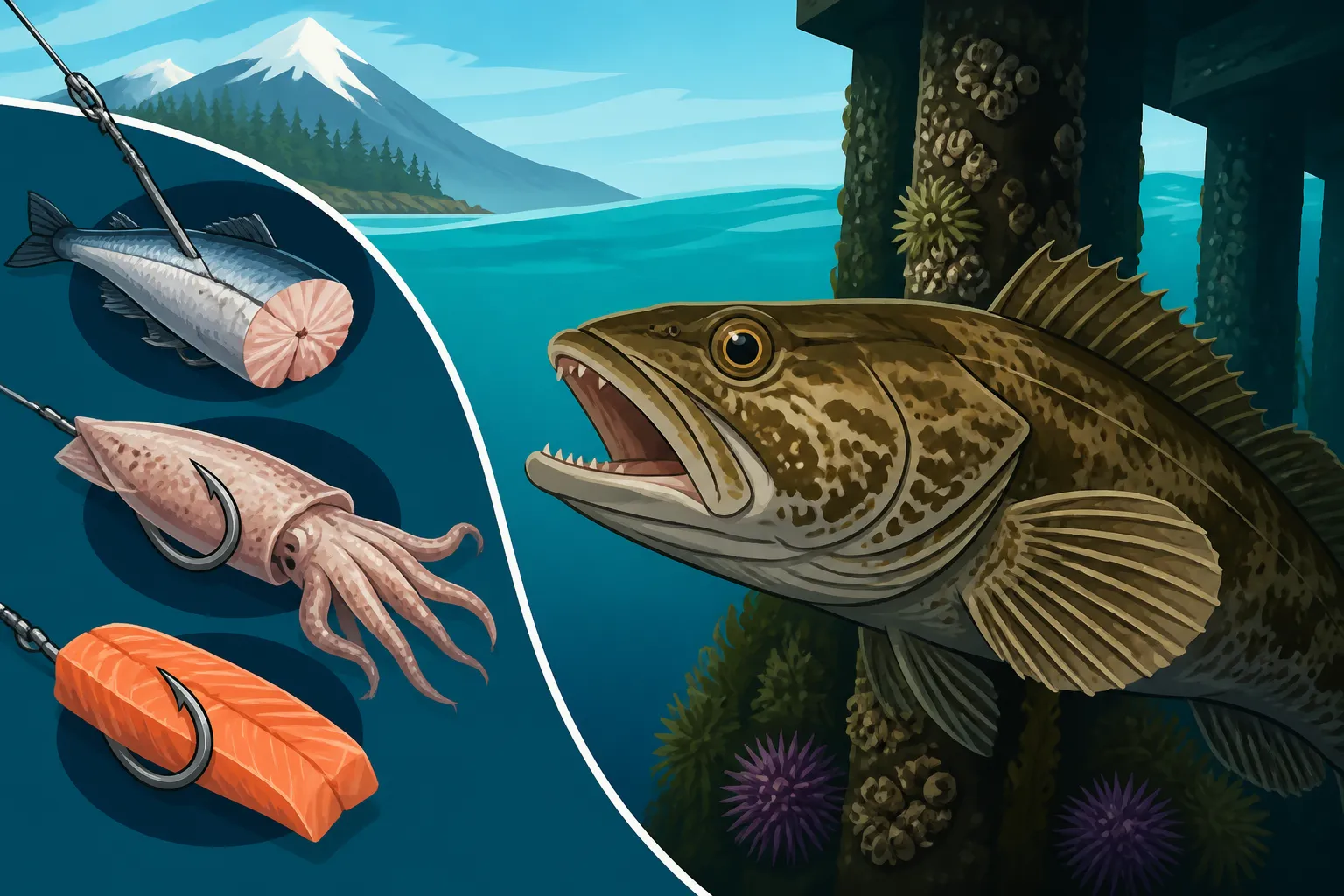
Best bait for lingcod near structure
One of the most thrilling challenges in British Columbia's coastal waters is targeting lingcod, those prehistoric-looking, aggressive predators that lurk in the rocky depths. Finding them is half the battle; getting them to bite is the other. Many anglers struggle with choosing the right bait to entice these formidable fish, especially when they're tucked deep within their favourite structural hideouts. This guide will walk you through the best bait options and how to present them effectively to maximize your success near prime lingcod habitat.
Understanding Lingcod and Their Structural Habits
Before we even talk about bait, it's crucial to understand the fish you're after. Lingcod are not subtle creatures; they are ambush predators that rely heavily on their environment to catch prey. Knowing this behaviour is the foundation for selecting and presenting the most effective bait.
Why Structure is Lingcod's Best Friend
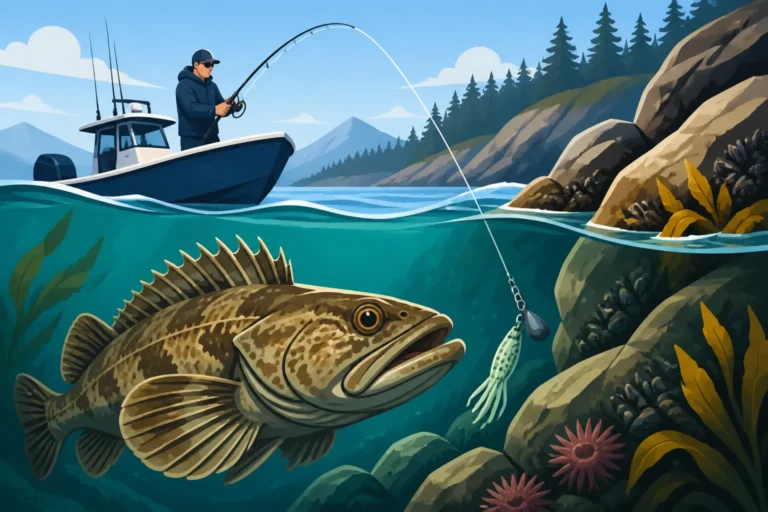
Lingcod are master camouflagers and opportunistic hunters. They absolutely thrive in areas with complex underwater structure, such as rocky reefs, pinnacles, kelp beds, submerged wrecks, and steep drop-offs. Think of these spots as their natural fortresses, providing both shelter from strong currents and perfect ambush points. They'll wedge themselves into crevices, lie in wait among the rocks, or blend into the kelp, ready to dart out and grab an unsuspecting meal.
This preference for structure means that if you're not fishing on or right next to some form of underwater cover, your chances of encountering a lingcod drop significantly. They won't chase bait far out in open water; they want it presented directly in their strike zone. Understanding their home turf, as detailed in our guide on Lingcod Habits Around Structure, is paramount to putting your bait in the right place at the right time. Your sonar becomes your best friend, helping you locate these hidden ledges and rocky outcrops where the big ones often hide.
The challenge, of course, is fishing this close to structure without constantly snagging your gear. This is where bait choice and rigging become critically important. A bait that can withstand some abuse, or a rig that minimizes snags while still being attractive, is key to sustained success in these rugged environments. It’s a delicate balance, but one that seasoned lingcod anglers master over time.
Lingcod's Diet: What Makes Them Bite
Lingcod are voracious eaters and generally not picky, which is great news for anglers. Their diet primarily consists of smaller fish, such as herring, sand lance, mackerel, and even juvenile rockfish. They also have a particular fondness for octopus and squid, which are nutrient-rich and offer a substantial meal. Crustaceans like crabs and prawns can also be on the menu, especially for smaller lingcod.
The takeaway here is simple: if your bait mimics something that lingcod naturally prey upon, you're on the right track. This could be a wriggling live fish, a fresh piece of oily dead bait, or an artificial lure designed to imitate their favourite snacks. The scent, movement, and visual appeal of your chosen bait are all factors that trigger that aggressive, instinctual strike from a lingcod.
Consider the size of your bait as well. Lingcod have large mouths and can swallow surprisingly big prey. Don't be afraid to use a substantial bait or lure if you're targeting bigger fish. A large lingcod won't hesitate to devour a pound of herring or a sizable artificial jig if it looks like an easy meal. This aggressive feeding habit is what makes lingcod fishing so exciting and often results in powerful, unforgettable bites.
The Power of Live Bait for Lingcod
When it comes to sheer effectiveness, live bait is often considered king for lingcod fishing. The natural movement and scent of a struggling baitfish are incredibly hard for a predatory lingcod to resist. It screams "easy meal!" in a way that artificials sometimes can't quite replicate.
Top Live Bait Choices for BC Lingcod
The best live baits for lingcod are those that are readily available in their natural environment and are known parts of their diet. Top contenders include herring, mackerel, and various small rockfish (check local regulations carefully, as some species are protected or have strict limits for use as bait). Sculpins are also excellent, as they are a common food source for lingcod. If you can get your hands on a live octopus, it's practically a guaranteed lingcod magnet, though they are harder to come by.
The key advantage of live bait is its natural presentation. A live herring, for instance, swimming erratically near a rocky reef, sends out vibrations and scent that are irresistible. Lingcod are highly attuned to these signals, and the vitality of live bait often provokes a more aggressive, confident strike compared to a static or less animated offering. You might be able to pick up live bait at local tackle shops, or you could jig for your own, which adds another layer of satisfaction to the fishing experience.
Using live bait also means you're offering a sustainable and natural food source. While it can be more work to keep live bait healthy and active, the payoff in terms of hooking into a trophy lingcod can be well worth the effort. Just ensure you're aware of the BC Bag and Possession Limits by Species for both your target lingcod and any baitfish you might be using, to stay within legal parameters.
Rigging and Presenting Live Bait Near Structure
Successfully presenting live bait near structure without constant snags requires smart rigging. A sliding sinker rig is very popular, allowing the bait to swim somewhat freely on a leader above the weight. This setup typically involves a lead weight (often 8-16 ounces or more depending on current) that slides freely on the main line, a strong swivel, and a heavy monofilament or fluorocarbon leader (60-100 lb test is common) of about 3-6 feet, ending with a stout 8/0 to 12/0 circle hook or J-hook. Circle hooks are generally preferred as they lead to more jaw hook-ups, better for fish release, and reduce deep gut hooks.
Another effective option is a dropper loop rig where your weight is at the very bottom, and one or two leadered hooks are tied into dropper loops above it. This keeps your bait slightly off the bottom, potentially reducing snags while still being in the lingcod's strike zone. For octopus, simply impaling a large chunk or the whole creature on a heavy single hook, weighted to get it down, can be deadly. Remember, lingcod have incredibly strong jaws and sharp teeth, so using robust gear is non-negotiable. You'll find a wide selection of heavy-duty swivels, weights, and high-strength leader material readily available on Amazon, which can be delivered right to your door.
The trick with live bait near structure is to keep it dancing on the edge of the rocks, not in them. Drop your rig to the bottom, then reel up a few feet to avoid immediate snags. Allow the boat's drift or gentle rod movements to make the bait appear natural. When you feel a bite, resist the urge to set the hook immediately with a J-hook – let the lingcod commit and pull the rod tip down. With circle hooks, a steady reel-in will usually set the hook perfectly in the corner of the mouth. Patience is key when these powerful fish decide to strike.
Effective Dead Baits for Lingcod Fishing
While live bait might be king, dead bait is certainly a strong contender, offering its own set of advantages, particularly when currents are strong or live bait is hard to come by. It's often easier to manage and can be just as effective if presented correctly.
Best Dead Bait Options for Lingcod
Fresh, oily dead baits are highly attractive to lingcod, primarily due to the strong scent trail they create. Herring (whole or cut), squid (whole or large chunks), and mackerel are excellent choices. You can also use salmon scraps if you've been fortunate enough to land a salmon – the oily flesh and strong scent are very appealing. The key is freshness; a bait that's been frozen and thawed multiple times just won't have the same allure as something freshly caught or preserved.
Dead bait is particularly effective when you're fishing in areas with strong currents. A chunk of herring, for example, will release a powerful scent plume that can travel far downstream, drawing lingcod out of their rocky lairs. This can be less stressful than trying to keep live bait active in turbulent water. For anglers who prefer a simpler setup or who fish from shore in suitable locations, dead bait often becomes the go-to option.
Another benefit is that dead bait is generally more durable against smaller "pecker fish" that might nip at live bait. A solid chunk of squid or mackerel can withstand more attention before needing replacement. Plus, if you're on a long day trip, carrying and storing dead bait is significantly easier than maintaining a livewell full of frisky baitfish.
Presentation Techniques for Dead Bait on Structure
When using dead bait, your primary goal is to maximize its scent distribution and make it look like an easy, wounded meal. A simple sliding sinker rig or dropper loop rig, similar to those used for live bait, works wonderfully. Ensure your hooks are sharp and appropriately sized for the bait – a single, large 8/0 to 12/0 circle or J-hook is usually sufficient, threaded through the bait to ensure it hangs naturally. Some anglers like to use a tandem hook rig for longer baits like whole herring, ensuring better hook-up ratios.
To enhance the appeal of dead bait, consider adding scent attractants. Products like 'Pro-Cure' or similar fish attractants (which you can find on Amazon) can be applied directly to your bait, giving it an extra burst of smell that lingcod find hard to ignore. This is especially useful if your bait isn't as fresh as you'd like or if you're trying to draw fish from a wider area.
The presentation itself can vary. You can slowly retrieve your rig, giving the dead bait a lifelike bob-and-weave motion, or you can allow it to sit on the bottom for a few moments, letting the current work its magic and spread the scent. Sometimes, gently jigging the bait a foot or two off the bottom, then letting it settle, can mimic a struggling, injured fish. Experimentation is key; sometimes lingcod want the bait moving, other times they prefer to ambush something sitting still. Always remember to check BC Fishing Regulations Explained before heading out, as rules for bait and retention can change.
Artificial Lures: Modern Solutions for Lingcod
While natural baits have their undeniable charm, artificial lures have come a long way and are incredibly effective for lingcod, especially when fishing near structure. They offer durability, variety, and the ability to cover ground quickly.
Jigging for Lingcod: Metal Jigs and Soft Plastics
Jigging is arguably one of the most exciting and productive ways to catch lingcod with artificial lures. Metal jigs, often called "butterfly" or "slab" jigs, are heavy, shiny, and designed to sink quickly. They mimic injured baitfish fluttering to the bottom. Drop these jigs directly to the structure, let them hit bottom, and then retrieve them with aggressive lifts and drops, mimicking a struggling fish. The flash and vibration are often enough to trigger a ferocious strike. You can find excellent quality metal jigs in various weights and colours on Amazon, perfectly suited for the deep, dark haunts of lingcod.
Soft plastic swimbaits and grub tails rigged on heavy jig heads are another powerhouse combination. These lures offer incredible versatility; they come in countless colours and sizes, allowing you to match the local baitfish precisely. A 6-10 inch swimbait in a natural baitfish colour, rigged on a 4-8 oz lead head, can be deadly. The soft plastic provides a natural, undulating action in the water that's highly attractive. Work them close to the bottom with a series of hops and pauses, ensuring the tail is always moving enticingly.
One of the great advantages of artificials is their reusability (though lingcod teeth can certainly tear up soft plastics!). This means less time re-baiting and more time fishing, which is crucial when you've found a hot spot on a specific piece of structure. For more detailed jigging tactics, especially off the coast, check out our article on How to Catch Lingcod off Vancouver Island and Jigging for Halibut off Vancouver Island for similar principles applicable to deep-water jigging.
Other Artificials: Spoons and Plugs for Lingcod
Beyond jigs, other artificial lures can also tempt lingcod. Large, heavy spoons, similar to those used for salmon (like a classic Koho or Crocodile spoon), can be effective, particularly in shallower waters or when trolling slowly near known structure. These spoons often have an erratic, wounded-fish action that drives lingcod wild. While less common than jigging directly on the bottom, a spoon presented properly can draw a reaction strike from an aggressive lingcod. You can pick up a selection of these robust spoons from Amazon to round out your tackle box.
Large, deep-diving plugs or crankbaits can also be employed in specific scenarios, especially when targeting lingcod that might be slightly off the main structure but still in the vicinity. These lures are designed to dive to specific depths and often have a strong wobble that mimics a larger baitfish. While more prone to snagging directly in heavy cover, they can be excellent for covering the edges of reefs or drop-offs. The key is to match the diving depth of the plug to the depth of the structure you're targeting, ensuring it's presented in the strike zone without constantly getting hung up.
Regardless of the type of artificial lure you choose, paying attention to colour, size, and retrieval speed is important. Experiment with different presentations until you find what the lingcod are keying in on that day. Sometimes a fast, erratic retrieve is best; other times, a slow, methodical retrieve will trigger the bite.
Strategic Considerations for Baiting Lingcod on Structure
Choosing the right bait is only part of the equation. To consistently catch lingcod near structure, you need the right gear and an understanding of the environmental factors at play.
Gear Essentials for Structure Fishing
Lingcod fishing is not for the faint of heart, or for light tackle. You need robust gear that can withstand powerful runs, sharp teeth, and the constant battle against snags. A heavy-action rod, typically 7-8 feet long with a sensitive tip but plenty of backbone, is essential. Pair this with a high-quality conventional or heavy spinning reel spooled with 50-80 lb braided line. Braided line offers superior sensitivity and strength, which is crucial for feeling subtle bites in deep water and for pulling fish away from snags.
A heavy monofilament or fluorocarbon leader, usually 60-100 lb test, is mandatory. Lingcod's teeth are formidable, and lighter leaders will be shredded in an instant. This leader should be several feet long to protect your main line. Don't skimp on terminal tackle: use heavy-duty swivels, strong split rings, and sharp, stout hooks. Having a gaff or a large, strong landing net is also critical for safely bringing these large, thrashing fish aboard. Most reputable Best Fishing Charters in British Columbia will provide all this heavy-duty gear, but if you're going it alone, a quick browse on Amazon will show you the kind of robust equipment you'll need.
Beyond rods and reels, a reliable depth sounder or fish finder is an absolute game-changer. It allows you to precisely locate structure, identify depth contours, and even mark individual fish or schools of bait. Knowing exactly where that rocky pinnacle or drop-off is beneath your boat will greatly increase your bait's effectiveness by allowing for pinpoint presentations. This technological aid, along with a good understanding of What Gear a BC Charter Provides, ensures you're prepared for the rugged world of lingcod fishing.
Tides, Currents, and Timing Your Bites
Tides and currents play a massive role in successful lingcod fishing, especially around structure. Strong currents can make it incredibly difficult to keep your bait or lure in the strike zone, and they can also make boating around reefs dangerous. Conversely, too little current might mean less active fish and less scent dispersion.
Many anglers find that fishing around slack tide (the period of minimal water movement between incoming and outgoing tides) can be highly productive. During slack tide, the current is reduced, allowing you to hold your bait directly on or near the structure with less weight and effort. Lingcod often become more active as the current slows down, making them more willing to move out of their hiding spots to feed. However, some find success during periods of moderate current, as it can help activate fish and spread the scent of natural baits.
Paying attention to BC Fishery Notices and In-Season Closures, Explained is also vital, as timing can impact access or species limits. Understanding the ebb and flow of the ocean, knowing when to fish a specific spot, and when to move to a more sheltered area are skills developed over time. Always prioritize safety, especially when navigating around submerged rocks and strong currents. A good understanding of BC Pleasure Craft Operator Card Requirement and safe boating practices is essential when fishing these coastal waters. Ultimately, the Best Time of Year to Fish in BC for lingcod usually involves cooler months, but they can be caught year-round depending on specific regulations and locations.
| Feature | Live Bait | Dead Bait | Artificial Lures |
|---|---|---|---|
| Appeal | Natural movement, strong scent | Strong scent trail, natural texture | Visual appeal, vibration, durability |
| Effectiveness | Often highest hook-up rate | Very effective, especially fresh | Highly effective with good technique |
| Availability | Requires catching or buying | Readily available, easier to store | Always available, wide variety |
| Cost | Varies (buying/jigging time) | Generally affordable | Initial cost higher, reusable |
| Durability | Can be quickly eaten/damaged | More robust than live bait | Very durable, some exceptions (soft plastics) |
| Presentation | Delicate, requires care | Easier to rig and present | Active retrieval often required |
| Snag Risk | Moderate | Moderate | Moderate to high (depending on lure) |
Disclaimer
This article is for general informational purposes only and does not constitute professional advice. Laws, prices and regulations vary by location and change over time. Consult a qualified professional for guidance on your specific situation.