Steelhead Fishing in BC
There's a special kind of angler who dreams of British Columbia steelhead. These aren't just fish; they're an enigma, a challenge, and a true symbol of the wild rivers they call home. Many folks feel intimidated by the sheer reputation of BC steelhead, wondering if they have the right gear, the right technique, or even the right mindset to chase these elusive sea-run rainbow trout. This guide is here to demystify the pursuit, offering a comprehensive look at everything you need to know to respectfully and effectively target steelhead in the incredible waters of British Columbia.
The Allure of BC Steelhead
For many, the mention of "BC steelhead" conjures images of misty, rainforest-lined rivers, powerful runs, and the sheer thrill of connecting with a wild, chrome-bright fish. It's more than just a fishing trip; it's an immersive experience in some of the most pristine wilderness left on Earth. The pull of these magnificent fish is undeniable, drawing anglers from across the globe to our provincial waters.
The Mystique of the Chrome Bullet
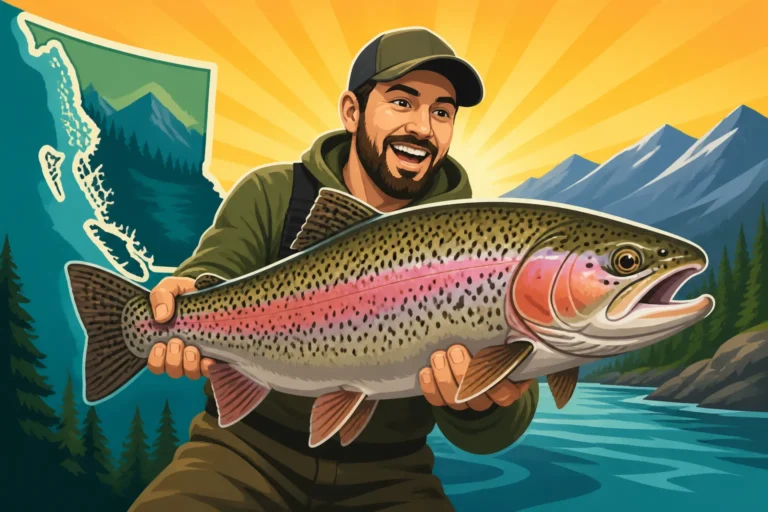
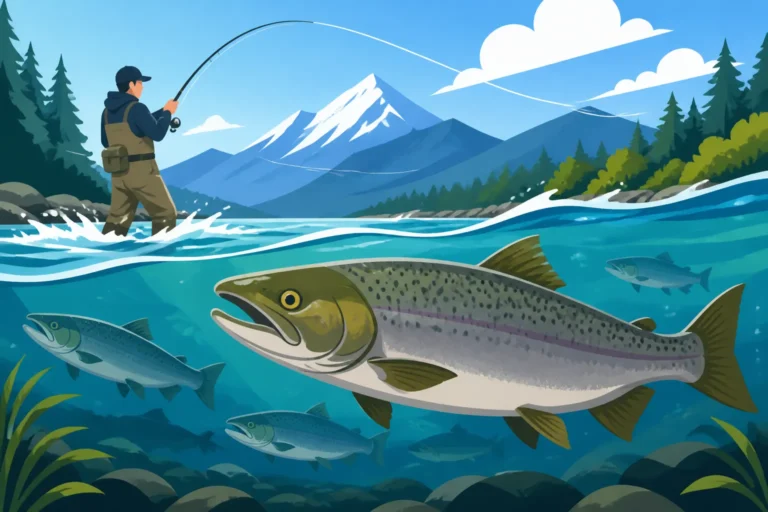
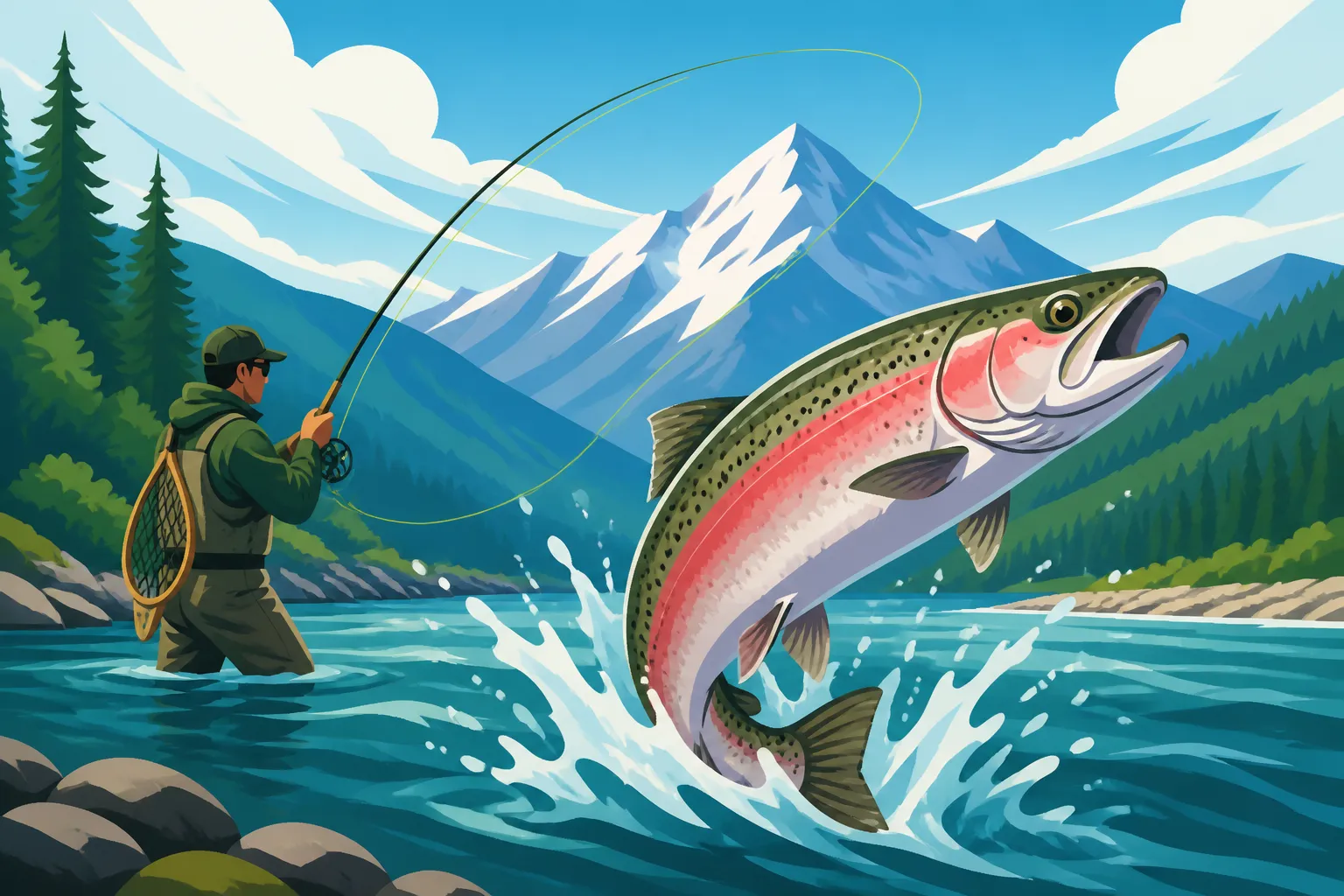
Steelhead are, quite simply, spectacular. They are rainbow trout that have migrated to the ocean, spent years growing large and strong in saltwater, and then returned to their natal rivers to spawn. This journey transforms them into powerful, acrobatic fighters with incredible endurance and a striking, iridescent silver sheen – hence the nickname "chrome bullet." The fact that they often travel hundreds of miles inland, navigate powerful currents, and remain incredibly wary of anglers only adds to their legend. When you hook a steelhead, it’s not just a fish on the line; it’s a living testament to the raw power of nature, and the fight often leaves you breathless. There’s a quiet satisfaction in successfully presenting a fly or lure to such an intelligent and powerful creature.
BC's Steelhead Legacy
British Columbia holds a revered place in the world of steelhead fishing. Our province boasts an incredible network of rivers that support robust, wild steelhead populations, some of which are truly world-class. From the vast, legendary systems of the Skeena watershed in the north to the more intimate coastal rivers closer to Vancouver Island, BC offers an unparalleled diversity of steelhead habitats. This rich legacy isn't just about the number of fish; it's about the unique strains, the pristine environments, and the deep cultural connection many communities have to these fish. Anglers often speak of the "BC experience" – the combination of stunning scenery, challenging fishing, and the chance to witness nature at its most raw and beautiful. It's a legacy we all have a part in protecting and appreciating.
Understanding BC Steelhead
Before you even think about casting a line, getting a grasp on the biology and behaviour of BC steelhead will dramatically increase your chances of success and your appreciation for these incredible fish. They're not just big rainbow trout; they have a distinct life cycle and migration patterns that dictate when and where you'll find them.
Life Cycle of a Sea-Run Rainbow
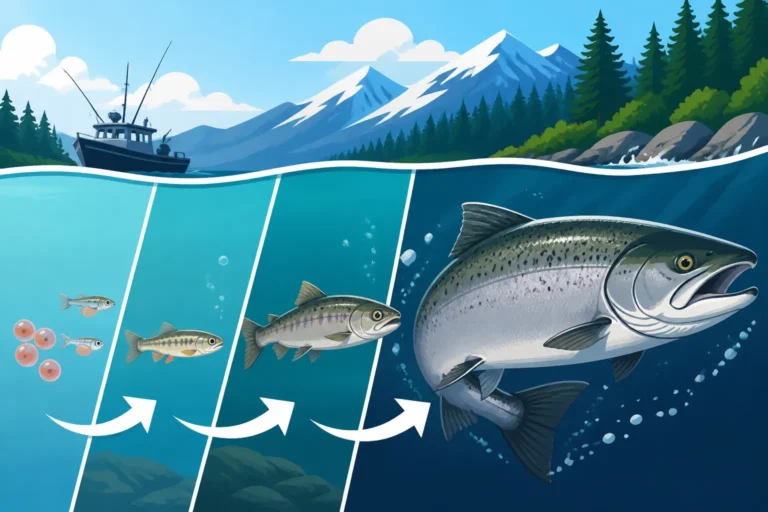
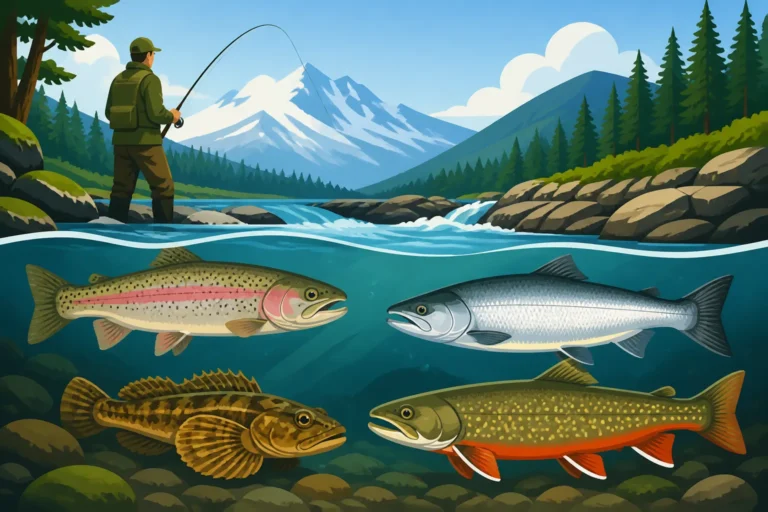
Steelhead begin their lives as rainbow trout fry, hatching from eggs laid in freshwater gravel beds. They spend anywhere from one to seven years in their home river, growing and developing, much like resident rainbow trout. At a certain point, triggered by environmental cues, they undergo a physiological change called "smoltification," adapting their bodies to survive in saltwater. As "smolts," they migrate downstream to the ocean, where they spend one to three years feeding and growing rapidly, often reaching impressive sizes. Unlike Pacific salmon, which die after spawning, steelhead are iteroparous, meaning they can survive spawning and return to the ocean, potentially making multiple spawning migrations. This makes connecting with a "kelper" (a steelhead that has spawned before) an even more special event. This complex life cycle makes them incredibly resilient, yet also vulnerable to environmental changes throughout their long journey.
Steelhead Migration Patterns in BC
Understanding when and where steelhead migrate is the key to timing your fishing trips effectively. Broadly speaking, BC has two main types of steelhead runs: winter-run and summer-run. Winter steelhead typically enter rivers from late fall through early spring, spending months in freshwater before spawning. These are the fish often associated with cold, rain-swollen rivers and the ultimate challenge for hardy anglers. Summer steelhead, on the other hand, enter rivers during the spring and summer months, holding in deeper pools and cooler stretches of water for many months before spawning the following spring. Each river system has its own unique nuances, with specific peak times for different runs. For example, some rivers might see their main winter run in December and January, while others peak in March. Checking When steelhead run in BC rivers and BC Fishing Season Dates and Closures can provide crucial, up-to-date information for your chosen destination. Understanding these patterns is essential not just for catching fish, but for minimizing stress on fish outside of their prime condition.
Prime Steelhead Waters in British Columbia
British Columbia is a vast province, blessed with an incredible array of rivers and streams that host steelhead. While some names are whispered in revered tones among serious anglers, there are countless opportunities across the province for those willing to explore.
Legendary Rivers of the North Coast
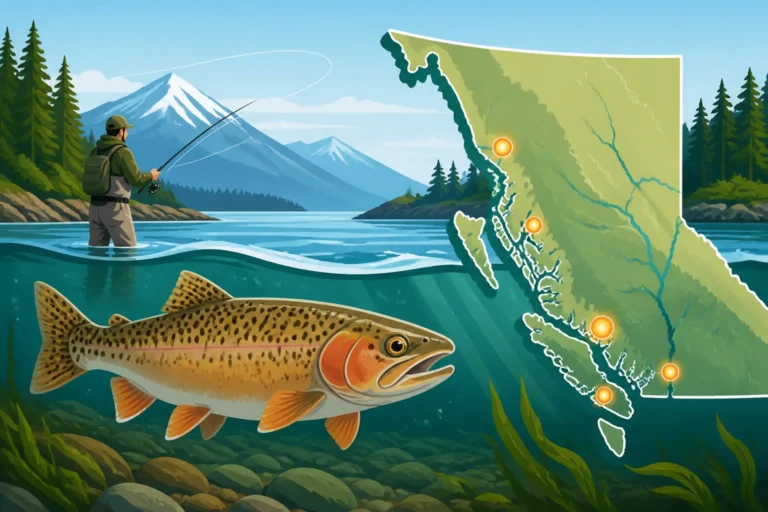
When people talk about world-class steelhead fishing, the rivers of BC's North Coast often dominate the conversation. The Skeena River watershed, for instance, is a complex network of tributaries including the Bulkley, Babine, Kispiox, and Morice rivers, each legendary in its own right. These rivers are famous for producing large, powerful steelhead, particularly strong winter runs. The sheer scale of these systems and the wild, remote nature of the fishing experience draw anglers from around the globe. Access can be challenging, often requiring fly-in lodges or guided raft trips, but the rewards are often unforgettable. The Skeena and its tributaries represent the pinnacle of Best Steelhead Rivers in BC, and truly offer a wilderness experience like no other. Imagine drifting a fly through a pristine run, knowing that a trophy steelhead could be lurking in every ripple.
Interior Steelhead Strongholds
While the North Coast gets a lot of the spotlight, BC's Interior also holds some fantastic steelhead opportunities, particularly for summer-run fish. The Thompson River, for example, once held a reputation for being one of the finest summer-run steelhead rivers in the world. While these runs have faced challenges, dedicated conservation efforts and careful management aim to restore them. Other interior systems, often smaller and more intimate, can offer incredible experiences for those willing to seek them out. These interior rivers often flow through different landscapes, from forested canyons to more open valleys, offering a distinct aesthetic to the fishing experience. The pursuit of Best Rivers for Trophy Steelhead in BC isn't limited to the coast; the Interior has its own treasures waiting to be discovered by persistent anglers.
Coastal Gems and Lesser-Known Runs
Beyond the major, famous rivers, British Columbia is dotted with numerous smaller coastal rivers and streams that host strong, albeit often more localized, steelhead runs. Rivers on Vancouver Island and the Lower Mainland, for example, can offer excellent winter steelhead fishing, sometimes even within a relatively short drive of urban centers. These rivers can be intensely challenging due to fluctuating water levels, heavy fishing pressure, or technical fishing conditions, but they can also provide incredible rewards for the observant and dedicated angler. Often, these smaller systems require a different approach – more stealth, lighter tackle, and a keen eye for subtle holding water. Exploring these lesser-known waters can lead to incredible personal discoveries and a deeper connection to the local ecosystem. Sometimes, the best fishing spots aren't the ones you read about in magazines, but the ones you find yourself through perseverance and a good map.
Essential Gear for BC Steelhead Fishing
Chasing BC steelhead means being prepared for anything the river and the weather can throw at you. These fish are powerful, and the environments they inhabit can be rugged. Having the right gear isn't just about comfort; it's about safety, efficiency, and increasing your chances of success.
Rods, Reels, and Lines for Steelhead
Your primary tools for steelhead fishing will, of course, be your rod, reel, and line. For traditional gear fishing (float or drift), a medium-heavy spinning or casting rod, typically 10 to 13 feet in length, is ideal. The extra length provides better line control, casting distance, and shock absorption when a powerful steelhead surges. Reels should be robust, with a smooth, reliable drag system and ample line capacity – often a 2000-4000 series spinning reel or a baitcasting reel designed for heavier line. Main lines are typically 15-20 lb monofilament or braided line, with fluorocarbon leaders in the 10-15 lb range.
For fly fishing, Spey rods (two-handed rods) are incredibly popular on larger rivers, ranging from 11 to 15 feet in length, often in 7 to 9 weight. These rods excel at casting heavy flies and sinking lines across wide runs without excessive backcasting room. Single-hand fly rods (8-10 weight, 9-10 feet) are excellent for smaller rivers, nymphing, or skating dry flies. Fly reels should be strong and simple, with a substantial drag and enough backing for powerful runs. When shopping for these essentials, it's worth checking out online retailers like Amazon, which often have a wide selection and competitive pricing for specialized gear. Regardless of your chosen method, invest in quality gear; it will pay dividends in performance and durability.
Terminal Tackle and Essential Flies/Lures
The specific terminal tackle, flies, or lures you need will depend heavily on the river, the conditions, and the time of year. For gear anglers, a selection of floats (drift floats, DNE floats), lead weights (pencil lead, slinkies, split shot), swivels, and strong hooks (sizes 1/0 to 3/0) are fundamental. Popular baits include roe, worms, or soft plastics like Pink Worms or Mad River worms. For lures, spoons (e.g., Crocodilles, Koho), spinners (e.g., Mepps, Rooster Tail), and small plugs can be highly effective.
Fly anglers will need a diverse fly box. Fly Patterns for BC Steelhead Rivers will vary greatly, but generally include large, weighted intruders and leeches for swinging in winter, lighter Spey flies, and classic patterns like Green Butt Skunks or Purple Perils. For summer steelhead, dry flies (e.g., Bomber, Wulff patterns) or nymphs (e.g., Prince Nymph, Stonefly) can be deadly. Always have a variety of colors and sizes to match different water conditions and fish preferences. Having a well-stocked fly wallet, which you can easily source from a variety of fishing suppliers or even Amazon, is key.
Wading Gear and Safety Essentials
Wading in BC steelhead rivers can be challenging and sometimes dangerous due to strong currents, slippery rocks, and cold water. High-quality breathable chest waders are essential, paired with sturdy wading boots that provide excellent ankle support and grip. Felt soles or studded rubber soles are preferred for traction. Layering your clothing underneath your waders is crucial for warmth, even on seemingly mild days.
Beyond wading gear, safety is paramount. Always carry a wading staff for stability. A life vest or inflatable PFD is a non-negotiable item, especially when crossing deep or swift water, or if you're boating. A first-aid kit, whistle, knife, headlamp, and means of communication (satellite phone or inReach device for remote areas) should always be in your pack. Fishing can be an unpredictable sport, and being prepared for emergencies is a mark of a responsible angler. Never underestimate the power of these wild rivers.
Top Techniques for BC Steelhead
Steelhead are notorious for being challenging to catch, which is part of their appeal. Success often comes down to mastering specific techniques and adapting to the ever-changing river conditions. There's no single "best" method; a versatile angler will have several approaches in their arsenal.
Float Fishing and Drift Fishing
Float fishing and drift fishing are incredibly popular and effective methods for steelhead in BC, especially in rivers with consistent current and defined runs.
Float Fishing involves suspending your bait or lure (often a jig, worm, or piece of roe) beneath a large, buoyant float that drifts naturally with the current. The float acts as a visual strike indicator and helps present your offering at a consistent depth. The key is to achieve a "dead drift," where your float moves at the exact speed of the current, making your bait appear natural and irresistible. This technique is particularly effective in slower to medium-paced runs, seams, and pools. You'll often use longer rods, like those mentioned earlier, to mend your line effectively and guide the float through prime holding water. Practicing your line mending and understanding how current seams affect your float are crucial for success. Drift Fishing for Steelhead in BC Rivers might cover some overlapping ground, but focuses more on getting your bait down quickly.
Drift Fishing, on the other hand, typically involves a weighted leader with a bait or lure that bounces along the bottom, drifting with the current without the aid of a float. It's often used in faster, more turbulent water where a float would be difficult to control, or in areas where fish are holding tight to the bottom structure. Pencil lead, slinky weights, or split shot are commonly used to achieve the desired bottom-bouncing action. The challenge here is to feel for the subtle takes of a steelhead among the bumps and scrapes of the riverbed. This is a very hands-on technique that requires a keen sense of touch and understanding of the river bottom. Both float and drift fishing demand precision and patience, but can be incredibly rewarding when you hook into a powerful steelhead.
Fly Fishing: Spey and Single Hand
Fly fishing for steelhead in BC is an art form, with various approaches depending on the river and conditions.
Spey Casting with two-handed rods has become synonymous with steelhead fly fishing, especially on larger rivers. The long rods allow anglers to cast heavy sinking lines and large flies (often "Intruders" or "Leeches") across wide runs with minimal backcasting room, making it ideal for tight, brushy banks or wide open water. The technique involves a "swing" where the fly, once cast, sweeps across the current, tantalizing any steelhead lying in wait. Strikes often come as a powerful grab as the fly slows at the end of the swing. Mastering the various Spey casts – like the roll cast, switch cast, or Snap-T – takes practice, but the graceful motion and efficiency are unparalleled for covering water.
Single-Hand Fly Fishing remains highly effective, particularly on smaller rivers or when targeting summer steelhead. This can involve nymphing with weighted flies under an indicator, swinging traditional wet flies, or even skating dry flies across the surface for aggressive summer-run fish. Dry fly take from a steelhead is one of the most exciting experiences in fly fishing. Regardless of the method, presentation is key. Steelhead are often particular, and a natural, drag-free drift or a seductive swing can make all the difference. Fly lines, particularly specialized Spey lines or aggressive tapers for single-hand rods, are integral to these techniques, and a quick search on Amazon will show you the vast array of options available for different fishing styles and conditions.
Reading the Water for Steelhead
One of the most crucial skills for any steelhead angler is the ability to "read the water." Steelhead, whether winter or summer run, hold in specific areas where they can rest, conserve energy, and remain camouflaged. They prefer areas with a moderate current, often close to faster flows where food might be washed to them, but not so fast that they have to expend too much energy fighting the current.
Look for seams where fast water meets slow water, tailouts of pools where the current begins to flatten, heads of pools, submerged structure like large boulders or logs, and soft spots behind current breaks. During high water, fish often push closer to the banks in slower, shallower water. In low, clear conditions, they'll retreat to deeper, darker lies. Understanding the river's contours, current speeds, and potential holding lies is a skill that develops with time on the water. Observing the river, even when you're not fishing, can teach you volumes about where these elusive fish choose to reside. A good guide can teach you a lot about this, but ultimately, it's about experience and observation.
When to Go: Understanding Steelhead Seasons
Timing is everything when it comes to steelhead fishing in BC. The province experiences distinct steelhead seasons, each with its own characteristics, challenges, and rewards. Knowing when to hit the water can make all the difference between a memorable trip and a frustrating one.
Winter Steelhead: The Ultimate Challenge
For many dedicated anglers, winter steelhead define the pinnacle of BC fishing. These fish typically enter rivers from late fall (November) through early spring (April), enduring long periods in cold freshwater before spawning. The peak of the winter run often falls between December and March, depending on the specific river system. Fishing for winter steelhead is a test of endurance and resolve. Days are short, weather is often wet and cold, and rivers can be high and turbid from rain and snowmelt. However, the reward for persevering in these conditions is the chance to hook into some of the largest and most powerful steelhead in BC.
Winter steelhead are often chrome-bright and incredibly strong, having just entered the freshwater system from the ocean. Techniques like float fishing with bait or jigs, or swinging large, weighted flies, are popular and effective. Always consult BC Steelhead Season Dates and Closures and BC Fishery Notices and In-Season Closures, Explained before heading out, as regulations can change frequently due to conservation concerns or changing run sizes. Being prepared for cold, wet conditions with proper layering and waterproof outerwear is non-negotiable for comfort and safety.
Spring Steelhead: Thawing Waters, Hot Fish
As winter transitions to spring, typically from March into May, many rivers will still hold strong numbers of winter-run steelhead that are now preparing to spawn or are actively spawning. This can be a fantastic time to fish, as water temperatures begin to rise, and fish can become more active. The changing conditions mean anglers might encounter a mix of fresh-from-the-ocean chrome fish and "coloured" fish that have been in the river for some time. As waters warm, fish may respond to a wider variety of presentations.
However, spring also brings snowmelt, which can lead to rapidly rising and often murky river conditions. This can make fishing challenging, but also concentrates fish in certain areas. It's a period of transition, requiring adaptability from the angler. As spawners, these fish are incredibly vulnerable, and ethical angling practices are even more crucial. Catch and release with minimal handling is essential to ensure the continuation of these precious runs.
Seasonal Considerations and Fishery Notices
Beyond the general winter and spring seasons, understanding specific river systems and their unique nuances is critical. Some rivers might have stronger early winter runs, while others peak in late spring. Water levels, temperature, and clarity are constantly changing variables that impact steelhead behavior and fishing success.
It's absolutely vital to check BC Fishery Notices and In-Season Closures, Explained before every fishing trip. These notices are issued by Fisheries and Oceans Canada (DFO) and the Provincial government to announce closures, restrictions, or special regulations that can change on short notice. Ignoring these notices can lead to fines and harm conservation efforts. Resources like the BC Freshwater Fishing Regulations Synopsis are also essential reading. Remember, regulations are in place to protect these precious fish, and responsible anglers play a key role in their stewardship.
Conservation and Responsible Angling
The privilege of fishing for BC steelhead comes with a profound responsibility: to protect these magnificent fish and their habitats for future generations. Steelhead populations face numerous challenges, and every angler has a role to play in their conservation.
Catch and Release Best Practices
Due to the vulnerable status of many steelhead runs, catch and release is not just a common practice, but often a mandatory regulation in many BC rivers. Mastering proper catch and release techniques is essential for maximizing the survival rate of these fish.
Here are some key practices:
- Minimize Fight Time: Use appropriate tackle to land the fish as quickly as possible without over-stressing it.
- Keep Fish in Water: Avoid removing the fish from the water entirely. If you must, do so only for a quick photo, holding it horizontally with both hands, supporting its belly.
- Wet Your Hands: Always wet your hands before touching the fish to protect its delicate slime coat.
- Barbless Hooks: Use barbless hooks. If your hook has a barb, pinch it down with pliers. This makes hook removal much easier and less damaging.
- Gentle Hook Removal: Use hemostats or pliers to quickly and gently remove the hook. If the fish is deeply hooked, cut the line as close to the hook as possible.
- Revive Carefully: Hold the fish gently facing into a moderate current (or move it back and forth gently if there's no current) until it regains its strength and can swim away on its own. Look for strong tail kicks.
Practicing these techniques shows respect for the fish and contributes directly to conservation efforts. The goal is to send that "chrome bullet" back to the river as healthy as possible to continue its journey.
Understanding Regulations and Closures
British Columbia's fishing regulations are complex and designed to manage a diverse fishery, especially for sensitive species like steelhead. Regulations can vary significantly not only by general area but also by specific river, species, time of year, and even method of fishing. It's not uncommon for a section of river to be open, while an upstream section is closed, or for bait to be restricted.
Key things to be aware of include:
- License Requirements: You need a valid BC Freshwater Fishing License, and often a BC Steelhead Conservation Surcharge Stamp, which contributes directly to steelhead recovery efforts.
- Daily and Possession Limits: While often catch-and-release only for steelhead, you must understand any limits for other species you might encounter.
- Gear Restrictions: Many steelhead rivers have restrictions on tackle (e.g., single barbless hooks only, no bait, specific fly types).
- Area and Time Closures: Sections of rivers or entire rivers may be closed seasonally or year-round. These are often detailed in BC Fishery Notices and In-Season Closures, Explained.
Ignorance of the law is no excuse. Always consult the current BC Freshwater Fishing Regulations Synopsis, and check DFO fishery notices before every trip. These resources are readily available online. Being a well-informed angler is your first step towards being a responsible one. For detailed information on licenses, check out resources like British Columbia Fishing License Guide for 2026 or How Much Does a BC Fishing License Cost.
Supporting Steelhead Conservation Efforts
Beyond individual angling practices, supporting broader steelhead conservation initiatives is vital. Many organizations work tirelessly to protect and restore steelhead habitats, conduct research, and advocate for sound management policies.
- Habitat Restoration: Support groups involved in stream restoration projects, removal of barriers, and planting of riparian vegetation, all of which benefit steelhead.
- Advocacy: Become informed about conservation issues and lend your voice to advocacy efforts for stricter enforcement of regulations, improved habitat protection, and sustainable resource management.
- Donations: Consider donating to reputable conservation organizations. Many even have specific "Steelhead Conservation Stamps" that directly fund projects.
- Reporting Violations: If you witness illegal fishing activity or habitat destruction, report it to the authorities. This is crucial for protecting the resource.
Every angler has a stake in the future of BC steelhead. By actively participating in conservation, we ensure that these incredible fish continue to inspire awe and challenge anglers for generations to come.
Planning Your BC Steelhead Adventure
Embarking on a steelhead fishing trip in British Columbia, especially to some of the more remote areas, requires careful planning. Whether you're a seasoned angler going it alone or looking to hire a professional, preparation is key to a successful and enjoyable experience.
Hiring a Reputable Guide
For many, especially those new to BC steelhead fishing or visiting from out of province, hiring a professional fishing guide is highly recommended. A good guide offers invaluable local knowledge, expertise in techniques, and often access to prime fishing spots. They handle the logistics, provide top-notch gear, and significantly increase your chances of connecting with fish.
When choosing a guide, look for:
- Experience and Reputation: Seek guides with a proven track record, specific experience with steelhead, and excellent client testimonials. Referrals are often the best way to find a great guide.
- Licensing and Insurance: Ensure they are fully licensed and insured, adhering to all provincial and federal regulations.
- Conservation Ethic: A good guide will prioritize fish welfare, practice responsible angling, and educate clients on conservation.
- Communication: Clear communication about trip expectations, what to bring, and what's included is essential.
- Comfort and Safety: Inquire about their safety protocols, first-aid training, and the quality of their equipment.
Resources like Best Steelhead Guides in BC can help you start your search. While a guided trip is an investment, the knowledge gained and the enhanced experience are often well worth it, especially when targeting elusive fish like steelhead. A reputable guide can also advise on necessary permits and licenses, ensuring you're compliant with BC Fishing Regulations Explained.
DIY Trip Planning Tips
For the independent angler who prefers to plan their own adventure, a DIY steelhead trip can be incredibly rewarding. However, it demands meticulous planning and research.
Here are some tips:
- Thorough Research: Dive deep into maps, online forums, and regulations. Identify potential access points, holding water, and areas with good public access. Online resources, and even specialized books available on Amazon, can be incredibly helpful for research.
- Permits and Licenses: Ensure you have all necessary licenses, stamps (like the BC Steelhead Conservation Surcharge Stamp), and understand specific regulations for your chosen waters.
- Accommodation and Logistics: Book accommodations well in advance, especially in popular fishing destinations. Plan your travel, fuel stops, and food supplies.
- Weather Preparedness: BC weather can be unpredictable. Pack layers, waterproof outerwear, and consider a diverse range of gear for changing conditions.
- Safety First: Inform someone of your itinerary, especially if heading to remote areas. Carry a fully charged phone, a first-aid kit, and consider a satellite communication device.
- Vehicle Readiness: Ensure your vehicle is suitable for the terrain and well-maintained. Many logging roads in steelhead country can be rugged.
Table: Comparison of Steelhead Fishing Trip Types
| Feature | Guided Trip | DIY Trip |
|---|---|---|
| Experience Level | Ideal for beginners, advanced skill building | Best for experienced anglers, requires significant research |
| Local Knowledge | Provided by guide, intimate understanding of water | Acquired through extensive research and trial-and-error |
| Gear Provided | Typically all high-quality gear (rods, reels, flies) | Angler provides all their own gear |
| Access | Often includes private access or specialized transport | Relies on public access, may involve longer hikes |
| Safety | Guide prioritizes and manages safety | Angler fully responsible for own safety planning and execution |
| Cost | Higher upfront cost per day | Lower daily cost, but significant investment in gear/travel |
| Flexibility | Limited by guide's schedule and itinerary | Maximum flexibility in timing and location |
| Learning Curve | Accelerated learning from expert | Self-driven learning, slower progression |
Respecting Local Communities and Wildlife
When you visit BC's steelhead rivers, you're not just entering a fishing ground; you're entering wild ecosystems and local communities. Show respect wherever you go.
- Leave No Trace: Pack out everything you pack in. Dispose of waste properly. Avoid disturbing natural vegetation or wildlife.
- Respect Private Property: Always be aware of property boundaries and obtain permission before accessing private land.
- Be Considerate of Other Anglers: Share the water, maintain a reasonable distance, and be mindful of your casting space.
- Wildlife Awareness: You are in bear and cougar country. Carry bear spray, know how to use it, and make noise when walking in dense brush. Never approach wildlife.
- Support Local Businesses: Spend your money in the local towns and communities you visit. This helps sustain the infrastructure that makes these trips possible.
By being a responsible and respectful visitor, you ensure that the special experience of BC steelhead fishing remains positive for everyone, including the fish themselves. The wilderness is a shared resource, and our actions reflect on the entire angling community.
Disclaimer
This article is for general informational purposes only and does not constitute professional advice. Laws, prices and regulations vary by location and change over time. Consult a qualified professional for guidance on your specific situation.