BC record rainbow trout weight
You've probably heard the whispers, the legends, the fish stories about giant rainbow trout lurking in the deep, cold waters of British Columbia. For many anglers, the thought of encountering one of these magnificent fish is the ultimate dream, a true bucket-list experience. But what about the biggest of the big? The actual provincial record holder? It's a question that sparks awe and fuels countless fishing adventures, but finding definitive, easy-to-understand information about such a legendary catch can feel like hunting for the fish itself – elusive and surrounded by folklore. This guide is here to cut through the misty tales and shed some light on the incredible story of BC's record rainbow trout, exploring not just its impressive weight, but also the unique conditions and angling efforts that led to such a monumental catch.
The Legendary BC Rainbow Trout Record
British Columbia isn't just known for its stunning scenery; it's renowned worldwide for its incredible fishing, particularly when it comes to rainbow trout. Among all the remarkable catches, one fish stands above the rest, etched into the annals of angling history: the provincial record rainbow trout. This isn't just a big fish; it's a testament to the unique aquatic environments found here, and the sheer potential for growth that exists in certain BC lakes.
The Iconic Fish and Its Story
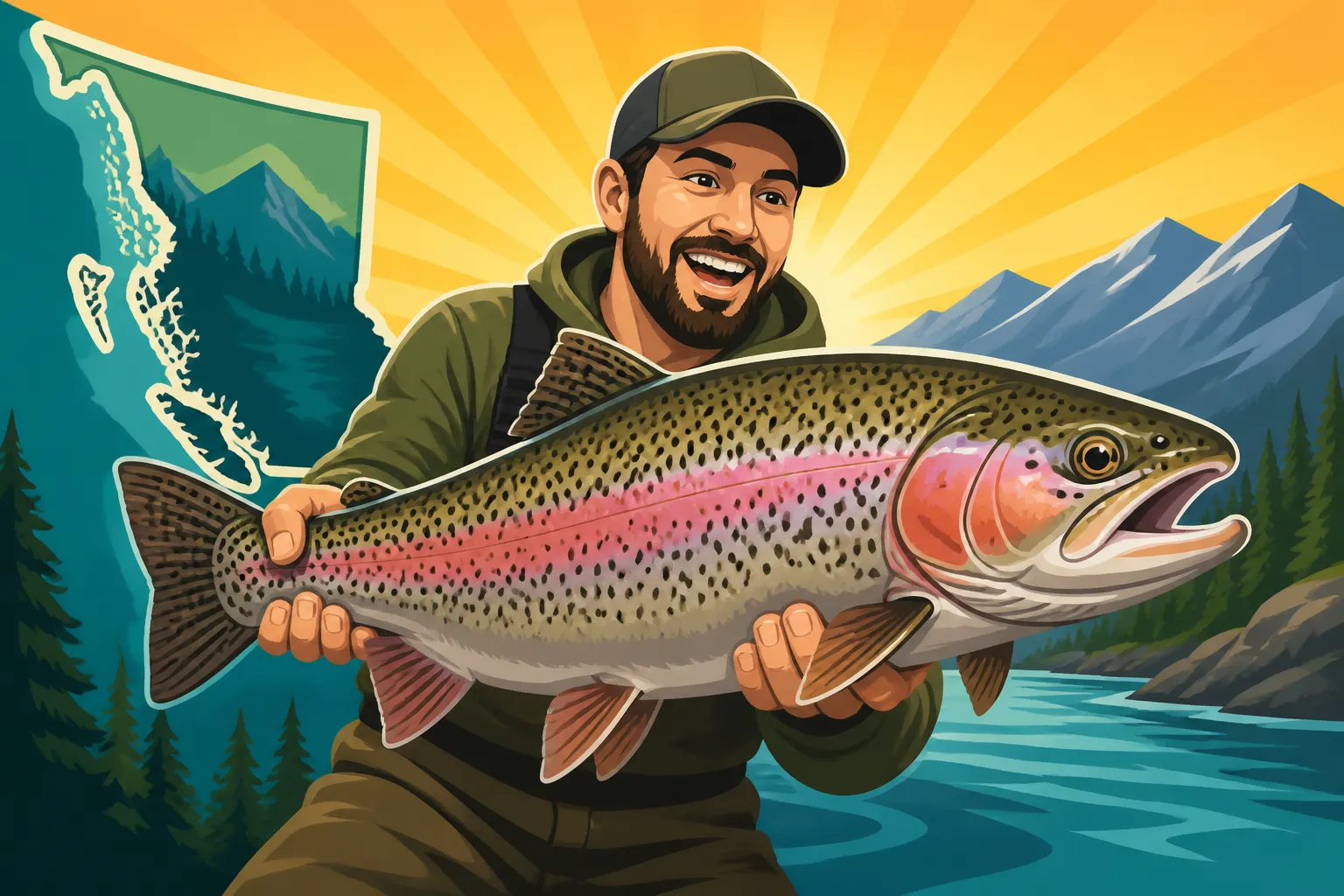
The legend, which many anglers consider the definitive BC record for rainbow trout, hails from the deep, pristine waters of Kootenay Lake. This particular fish, a Gerrard rainbow trout, was an absolute behemoth. While specific record weights can sometimes be subject to nuances of different official record-keeping bodies and historical context, the widely recognized record stands at a truly impressive weight, often cited in the low 30-pound range. Imagine reeling in a fish of that size – it would have been a battle for the ages, a moment of pure adrenaline and disbelief.
The catch didn't just happen by chance; it was a combination of dedication, the right conditions, and a bit of pure luck. The angler, D. Robert Lang, made history, and that fish, caught decades ago, continues to inspire dreams of giant trout. It represents the pinnacle of freshwater angling in this province, a benchmark for what's possible when conditions align perfectly. Many dream of catching a fish even half that size, a feat in itself. This record isn't just about a number; it's about the incredible species and the incredible environment that produced it.
Understanding the Gerrard Rainbow Strain
What exactly is a Gerrard rainbow trout, and why is it so significant? Well, these aren't your average stocked rainbows. Gerrard rainbow trout are a unique, genetically distinct strain of rainbow trout native to the Kootenay Lake system. They are known for their incredibly large size, often reaching weights that are unheard of for other rainbow trout populations. What makes them special is their anadromous nature within a freshwater system. Instead of migrating to the ocean like steelhead, they embark on extensive migrations within Kootenay Lake, growing enormous by preying primarily on kokanee salmon.
This predatory lifestyle, combined with the abundance of high-fat kokanee, allows Gerrards to pack on weight at an astonishing rate. They are essentially freshwater apex predators, and their genetic predisposition for size makes them a truly remarkable strain. Anglers specifically seek out Gerrard Rainbow Trout of Kootenay Lake because they know these fish have the potential to be truly massive. They are a treasure of BC's fishery, representing an evolutionary marvel adapted to thrive in large, productive lake environments.
Comparing Records: Why BC's Stands Out
When you look at rainbow trout records globally, BC's legendary Gerrard often features prominently. While there are other impressive rainbow trout records from different parts of the world, what makes the Kootenay Lake Gerrard so special is its consistent, natural ability to produce fish of this calibre. Many other "record" rainbows from other regions might be hybrids, triploids, or come from very specific, highly managed fisheries. The Gerrard, however, represents a wild, naturally occurring phenomenon.
BC is home to several unique strains of trout, including the famed Kamloops trout, which are also known for their fighting spirit and size in certain lakes like those in the Okanagan system. While Kamloops Trout in Okanagan Lakes can certainly grow large, the Gerrard strain from Kootenay Lake consistently produces the truly gigantic specimens that capture the world's attention. This difference highlights the unique biodiversity and ecological richness of British Columbia's waters. It's not just a big fish story; it's a testament to a unique natural heritage. You can explore more about these magnificent fish in comprehensive guides like Trout Species Identification Guide for BC.
What Makes BC Home to Giant Rainbows?
It's not just luck that BC holds the record for such an incredible rainbow trout. There's a confluence of factors – environmental, genetic, and biological – that create the perfect storm for these giants to thrive. Understanding these elements can give you a deeper appreciation for the province's fisheries and perhaps even guide your own pursuit of a trophy fish.
Nutrient-Rich Waters and Abundant Food Sources
One of the primary drivers behind the colossal size of BC's record rainbow trout, particularly the Gerrard strain, is the incredibly rich food source available in certain deep lakes. Kootenay Lake, for example, is famous for its abundant kokanee salmon populations. Kokanee are essentially landlocked sockeye salmon, and they are incredibly fatty and protein-rich. For a predatory fish like the Gerrard rainbow, a lake teeming with kokanee is like an all-you-can-eat buffet that never closes.
These nutrient-dense lakes provide everything a rainbow trout needs to grow to an exceptional size. The cold, oxygen-rich waters allow for efficient metabolism, and the consistent availability of high-energy prey means the fish can spend more time eating and less time hunting. It's a perfect predator-prey relationship that has evolved over millennia, creating a unique ecosystem capable of supporting true giants. This incredible food chain is a critical component of what makes Best Fishing Lakes in British Columbia so productive for trophy fish.
Genetics: The Gerrard Rainbow Trout Phenomenon
We touched on the Gerrard strain earlier, but it's worth delving deeper into their genetic predisposition for size. These fish are not just big because they eat a lot; they are genetically programmed to achieve massive growth. Their life cycle is adapted to their environment, including those extensive migrations within the lake. Unlike many other freshwater rainbow trout that might max out at a few pounds, Gerrards have the inherent capacity to become giants.
Scientists and anglers alike have studied the Gerrard strain extensively, recognizing their unique characteristics. This genetic legacy, combined with the ideal environmental conditions, forms the cornerstone of BC's reputation for world-class rainbow trout fishing. It's a delicate balance, and preserving this unique genetic stock is crucial for the future of trophy rainbow trout fishing in the province. Learning about What a Gerrard rainbow trout is helps you understand just how special these fish truly are.
Prime Habitats: Deep, Cold, and Pristine Lakes
Beyond food and genetics, the physical characteristics of BC's trophy lakes play a vital role. Lakes like Kootenay are incredibly deep, cold, and remain pristine thanks to a combination of geography and conservation efforts. These deep waters provide thermal refuge during warmer months, allowing large fish to conserve energy and stay comfortable. The colder temperatures also slow down the metabolic rate, meaning the fish live longer and have more time to grow.
The sheer size of these lakes offers vast territories for fish to roam, find food, and avoid pressure. A massive lake can support a massive fish population, including those at the top of the food chain. When you combine these factors—abundant, nutrient-rich food, a genetically superior strain, and expansive, pristine cold-water habitats—you create an environment where a fish can indeed grow to become a provincial record holder. These conditions are why so many anglers flock to places like the Kootenay Lake Fishing Guide to try their hand at catching a giant.
Chasing a Trophy: How to Hunt for Your Own Giant Rainbow
So, you're inspired by the record and want to chase a trophy rainbow of your own? While breaking the provincial record might be a once-in-a-lifetime (or never-in-a-lifetime) achievement, catching a truly large rainbow trout in BC is an attainable goal for dedicated anglers. It requires patience, knowledge, and the right approach.
Targeting the Right Waters
Your first step is to focus on lakes known for producing large rainbow trout. While Kootenay Lake is famous for its Gerrard rainbows, other large, deep, and productive lakes across the province can also hold significant trout. Look for lakes with a healthy kokanee population or other abundant baitfish. Often, these are larger lakes with diverse underwater structures—deep drop-offs, submerged humps, and expansive flats.
It's wise to consult local knowledge, fishing reports, and provincial regulation synopses for specific lake information. Sometimes, certain lakes are managed for trophy potential with special regulations, such as slot limits or bait restrictions, designed to protect larger fish. Checking BC fishing regulations for provincial park waters or other specific lake rules is always a good idea. Remember, the biggest fish are often found in environments where they have plenty of food and relatively low angling pressure, allowing them to grow old and large.
Essential Techniques and Gear for Big Fish
Catching large rainbow trout, especially in big lakes, often involves specific techniques and robust gear. Trolling is a hugely popular and effective method. This involves moving slowly through the water, dragging lures or bait behind the boat at various depths. Downriggers are often essential for getting your offerings down to where these deep-dwelling giants lurk, especially when they're feeding on kokanee in the thermocline.
When it comes to lures, spoons, plugs, and even large fly patterns trolled behind a dodger or flasher can be incredibly effective. Color choice can vary by water clarity and time of day, but natural baitfish patterns often produce. For bait, sometimes roe or worms can tempt a wary fish, but check regulations as bait is often restricted in trophy waters. You'll want a strong rod with a good backbone, a reliable reel with plenty of line capacity, and robust terminal tackle. Don't skimp on quality; a giant rainbow will test your gear to its limits. Searching for the right downriggers or heavy-duty trolling rods on Amazon before your trip is a great way to ensure you're well-equipped. You can learn more about specific approaches in Trolling Techniques for BC Lake Trout.
The Patience Game: Understanding Seasonal Patterns
Trophy trout fishing is not a sprint; it's a marathon of patience. The biggest fish didn't get that way by being easy to catch. They are often solitary, cunning, and only feed actively during specific windows. Understanding seasonal patterns is crucial. Early spring, as the ice comes off, can be an excellent time as fish become more active and shallower. The late fall, before winter truly sets in, can also be productive as fish gorge themselves for the colder months.
During the summer, these large trout often retreat to deeper, cooler waters, making them harder to access without specialized gear like downriggers. Best Time of Year to Fish in BC provides excellent insights into when different species are most active. Paying attention to water temperature, barometric pressure, and even moon phases can give you an edge. Many successful trophy anglers keep meticulous logs to track conditions and fish behavior, slowly building a picture of when and where the giants are most likely to bite.
Conservation and the Future of BC's Trophy Rainbows
The allure of a record-breaking fish, or even just a personal best, is undeniable. However, with the pursuit of such magnificent creatures comes a profound responsibility to protect them. The existence of a provincial record rainbow trout is a testament to healthy ecosystems and sound management, and it's up to all of us to ensure these opportunities persist for generations to come.
Catch and Release: Protecting Our Giants
For truly large rainbow trout, especially in trophy waters, catch and release is not just a suggestion – it's often a critical conservation practice and, in many cases, a legal requirement. These big fish are often mature spawners, contributing significantly to the genetic health of the population. Keeping them out of the water for too long, mishandling them, or not reviving them properly can be detrimental.
When practicing catch and release, especially with large fish, always use a large, knotless, rubberized landing net to minimize scale and slime coat damage. Keep the fish in the water as much as possible, use wet hands when handling, and support its full weight horizontally if you absolutely must lift it for a quick photo. Remove hooks carefully with pliers or a de-hooker. If the fish seems lethargic, hold it gently in the current, facing upstream, until it swims away under its own power. Every successfully released trophy fish contributes to the future of the fishery. You can find more specific guidelines for responsible angling in BC Catch and Release Only Waters.
Regulation and Responsible Angling
British Columbia has a robust system of fishing regulations designed to protect its diverse fish populations, including trophy rainbow trout. These regulations can include daily bag limits, possession limits, size restrictions (slot limits), gear restrictions (e.g., single barbless hooks, no bait zones), and seasonal closures. For iconic species and sensitive areas, these rules are often very specific.
It's paramount for every angler to thoroughly understand the current BC Fishing Regulations Explained before heading out. Ignorance of the law is never an excuse, and violating regulations can lead to hefty fines and loss of fishing privileges. These rules aren't there to make fishing harder; they're in place to ensure sustainability and maintain the health of these precious resources. Responsible anglers not only follow the rules but also encourage others to do the same.
Supporting the Resource: How Anglers Can Help
Beyond following regulations, there are many ways anglers can actively contribute to the conservation of BC's trophy rainbow trout and their habitats. Consider joining local fishing clubs or conservation organizations that work to improve fish habitat, advocate for sound fisheries management, or participate in stocking programs where appropriate. Volunteer for stream clean-ups or habitat restoration projects.
Purchasing your fishing license and any required conservation stamps directly supports fisheries management and research in the province. These funds are vital for monitoring fish populations, enforcing regulations, and improving angling opportunities. Even something as simple as properly disposing of all your litter and avoiding the spread of invasive species by cleaning your boat and gear thoroughly after each trip can make a huge difference. You might even find some excellent books on BC fisheries history and conservation on Amazon, broadening your understanding and appreciation for this incredible resource. The future of giant rainbows in BC depends on the collective efforts of passionate and responsible anglers like you.
| Factor | Impact on Trophy Rainbow Trout Growth | Key Examples in BC |
|---|---|---|
| Genetics (Strain) | Predisposition for large size | Gerrard Rainbow Trout (Kootenay Lake), Kamloops Trout (Okanagan) |
| Food Availability | Abundant, high-fat prey | Kokanee salmon, various baitfish species (e.g., stickleback), aquatic insects |
| Habitat Quality | Deep, cold, oxygenated, pristine water | Large, deep glacial lakes (e.g., Kootenay Lake, Okanagan Lake, Quesnel Lake) |
| Growth Period/Lifespan | Longer life allows for greater size | Cold water slows metabolism, low fishing pressure on large individuals |
| Predator-Prey Balance | Sufficient prey without overpopulation | Healthy kokanee populations allowing trout to thrive without depleting food source, limited natural predators for large trout |
| Conservation Management | Regulations protecting large fish | Catch-and-release rules, slot limits, gear restrictions in trophy waters |
Disclaimer
This article is for general informational purposes only and does not constitute professional advice. Laws, prices and regulations vary by location and change over time. Consult a qualified professional for guidance on your specific situation.