Where sea-run cutthroat trout are found in BC
For many anglers in British Columbia, the quest for sea-run cutthroat trout isn't just about catching a fish; it's about connecting with the wild, untamed spirit of our coastal ecosystems. These elusive, beautiful fish offer a unique challenge and a deep reward, but figuring out where to find them can feel like searching for a needle in a haystack. This comprehensive guide will help you unravel the mystery, detailing the specific habitats, regions, and environmental cues that lead to these magnificent creatures.
The Allure of Sea-Run Cutthroat Trout
There’s something truly special about a sea-run cutthroat. They’re not just a fish; they're an experience, a blend of freshwater resilience and saltwater vigor. Their beauty, fighting spirit, and the wild coastal environments they inhabit make them a top target for many discerning anglers. Understanding their life cycle and preferences is the first step to finding them.
What Makes Them "Sea-Run"?
Unlike their purely freshwater cousins, sea-run cutthroat trout (a subspecies of coastal cutthroat trout, Oncorhynchus clarkii clarkii) are anadromous. This means they spend a significant portion of their lives in saltwater, venturing out into the ocean to feed and grow, much like salmon or steelhead, before returning to freshwater to spawn. This migratory pattern is what gives them their incredible strength and often their striking, silvery appearance.
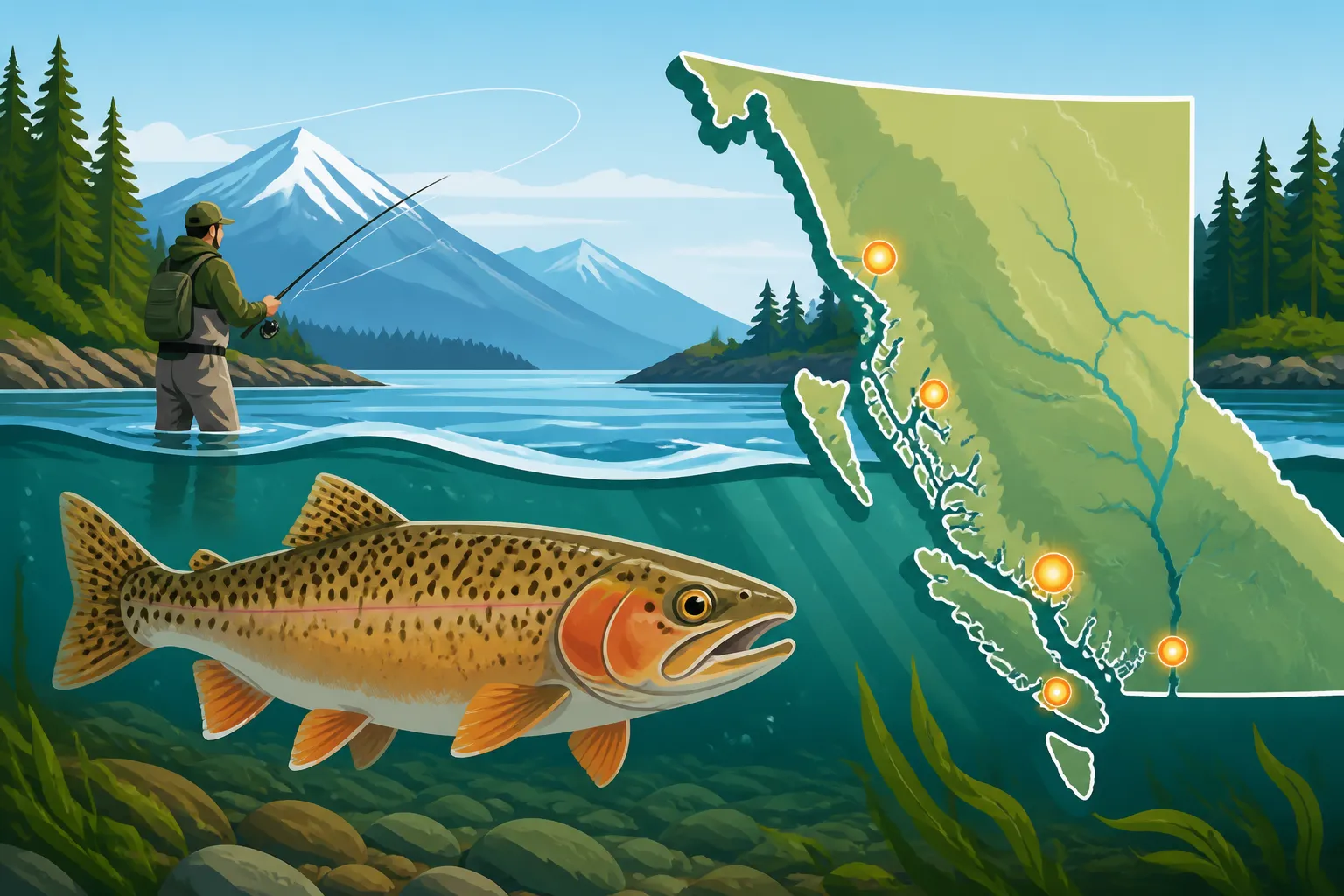
When these trout are fresh from the ocean, they boast a chrome-bright sheen, often with faint cutthroat markings – the distinctive red or orange slash under their jaw – that become more pronounced as they transition back to freshwater. Their parr marks, visible on younger fish, can sometimes still be seen faintly on adult sea-runs. This adaptability, moving between drastically different environments, requires a robust physiology and keen survival instincts. They aren't just surviving; they're thriving by utilizing the rich food sources of both worlds. This dual lifestyle is a testament to their resilience and makes them an incredibly dynamic species to pursue.
Why Are They So Prized by Anglers?
It’s simple: sea-run cutthroat are a genuine challenge and a spectacular reward. They combine the cunning of a stream trout with the power of a saltwater fish. When hooked, especially on light tackle or a fly rod, they can put on an aerial display or make blistering runs that will test your knot strength and your angling reflexes. Beyond the fight, their beauty is undeniable. Their sleek, powerful bodies, often displaying a mix of chrome and olive tones with those tell-tale red slashes, are a sight to behold.
Furthermore, the pursuit of sea-run cutthroat often takes you to some of British Columbia's most breathtaking coastal landscapes – secluded estuaries, rugged shorelines, and intimate river mouths where the forest meets the sea. It's a truly immersive experience that goes beyond just the act of fishing. Catching a bright, fresh-from-the-ocean cutthroat after carefully studying the tides and currents, knowing the immense journey it has undertaken, is a deeply satisfying feeling. It’s a pursuit that demands patience, observation, and skill, cementing its place as a revered target for many BC anglers.
Key Habitats for Sea-Run Cutthroat in BC
Pinpointing where these fish live involves understanding their unique two-part life cycle. They are masters of transition, moving between the nutrient-rich ocean and the sheltered freshwater systems. Their preferred habitats reflect this dynamic existence.
Coastal River Systems and Estuaries
When sea-run cutthroat are in freshwater, they tend to favor the lower reaches of coastal rivers and creeks. We're talking about those stretches of water that are directly influenced by the tide, often just above the true saltwater line. These areas, known as estuaries, are prime hunting grounds. Estuaries are where freshwater from rivers mixes with saltwater from the ocean, creating a brackish environment rich in food like baitfish, insects, and crustaceans.
Think about meandering tidal sloughs, the mouths of smaller, rain-fed creeks, and the broader, slower sections of larger rivers where the current isn't too fierce. They'll often hold in deeper pools, behind log jams, under cut banks, or along the edges of eelgrass beds, waiting to ambush prey. These areas provide both shelter and abundant feeding opportunities. When looking for them in rivers, pay close attention to the tide. During an incoming tide, they might push further upstream into the freshwater influence, and on an outgoing tide, they'll often drop back towards the ocean. Understanding these tidal influences on their behavior is crucial for success. Look for river systems that have healthy runs of salmon, as the fry and smolts from these species provide a ready food source for hungry cutthroat.
Nearshore Ocean Waters
While they’re called "sea-run," they don't typically venture far out into the open ocean like pelagic species. Instead, when in saltwater, they prefer to cruise the nearshore waters. This means you’ll find them relatively close to the coastline, often within a few hundred yards of shore, especially around river mouths, estuaries, and protected bays.
They love structure – think rocky points, kelp beds, submerged logs, and areas where currents create natural ambush points. These nearshore environments are teeming with smaller baitfish, shrimp, and other invertebrates that form a crucial part of their diet. During their saltwater phase, they are opportunistic feeders, growing quickly on this abundant food supply. They’ll also congregate in the vicinity of salmon runs, preying on salmon fry, smolts, and even eggs that might drift out to sea. Anglers targeting them from shore or kayak will often focus on these same areas, casting towards structure or areas where baitfish are schooling. If you're considering Best Shore Fishing Spots in BC or Best Kayak Fishing Spots in BC, many of those locations will also be prime for sea-run cutthroat.
Top Regions and Specific Hotspots in British Columbia
British Columbia's vast and varied coastline offers an incredible array of opportunities for sea-run cutthroat anglers. From the dense urban fringes to the wildest remote shores, these fish can be found wherever suitable habitat exists.
Vancouver Island's Productive Waters
Vancouver Island is arguably the mecca for sea-run cutthroat in BC. Its intricate network of countless short, rain-fed rivers and creeks, combined with its extensive coastline, provides ideal conditions.
- East Coast Streams: Rivers flowing into the Strait of Georgia, particularly around the Comox Valley, Campbell River, and south towards Nanaimo and Victoria, are renowned. Rivers like the Oyster, Little Qualicum, Big Qualicum, and Goldstream are classic spots. These rivers are often relatively short, with good gravel beds for spawning and rich estuaries. Access can be a mix of public parks, forestry roads, and sometimes even short hikes through private land (always check regulations and seek permission!). When the fall rains arrive, these systems come alive. Many of these streams are also prime for Coho Salmon Habits in Coastal Streams, providing ample food for cutthroat.
- West Coast Inlets and Bays: While often associated with robust salmon runs, the sheltered inlets, bays, and sounds along the west coast of Vancouver Island also hold incredible sea-run cutthroat populations. Areas around Ucluelet, Tofino, and up into the Nootka Sound region have numerous small creeks and river mouths that attract cutthroat, especially during outgoing tides when they drop into the ocean to feed. These areas often require boat access or more adventurous shore exploration, but the reward can be substantial. Look for areas with significant tidal flats and healthy eelgrass. For more detailed information on fishing this region, check out our Vancouver Island Fishing Guide.
Many anglers also find success by simply exploring the numerous unnamed trickles and small streams that enter the ocean. Sometimes the most productive spots are those less pressured and harder to access, requiring a keen eye and a willingness to explore. When scouting on Amazon for local maps or guidebooks, you'll often find these lesser-known gems highlighted.
Lower Mainland and Sunshine Coast Opportunities
Closer to the bustling urban centers, opportunities still abound for those willing to seek them out. The Lower Mainland and the Sunshine Coast offer some surprisingly productive waters.
- Lower Fraser Valley and Estuary: While the mighty Fraser River is known for its salmon and sturgeon, its vast estuary system and tributary creeks also host sea-run cutthroat. Small, often overlooked streams like the Serpentine, Nicomekl, and some of the smaller sloughs and ditches that feed into the Fraser offer excellent fishing. These can be particularly good during higher tides, when cutthroat move into the back channels and flooded marshes to forage. Access here is often through municipal parks or roadside pull-offs, but local knowledge is key. You might need to pick up a detailed contour map from Amazon to find those subtle depth changes.
- Sunshine Coast and Howe Sound: The coastline stretching from Horseshoe Bay up to Powell River, known as the Sunshine Coast, is dotted with smaller communities, rocky shorelines, and numerous creeks that drain directly into the ocean. This region is a hotbed for sea-run cutthroat. The numerous inlets and coves provide perfect habitat for these fish to move in and out with the tides. Exploring beaches, creek mouths, and rocky points with a fly rod or light spinning gear can be incredibly rewarding. Look for areas where freshwater seeps out over the beach, especially after a good rain. Local tackle shops are often the best source for up-to-the-minute information on specific creek conditions.
These areas, being more accessible, can experience higher fishing pressure, so practicing responsible angling like catch-and-release is vital for sustaining these incredible fisheries.
Northern BC Coastal Rivers
For the truly adventurous, northern British Columbia's vast and wild coast offers some of the most pristine and untouched sea-run cutthroat fishing experiences. These areas are far more remote and often require significant travel, but they offer solitude and often larger, more aggressive fish.
- Skeena Region Tributaries: While the Skeena River itself is legendary for its steelhead and salmon, many of its coastal tributaries and the smaller rivers that flow into the ocean along the northern coast (e.g., around Prince Rupert and Terrace) hold healthy populations of sea-run cutthroat. These rivers are often larger and wilder than their southern counterparts, offering vast stretches of untouched water. This is an area where a good float trip or jet boat access might be necessary to cover water effectively.
- Haida Gwaii: This remote archipelago is a jewel of BC's coast, and its myriad of small, pristine rivers and creeks are home to robust populations of sea-run cutthroat. The challenge of getting there is often outweighed by the reward of fishing in truly wild, unspoiled environments where the fish rarely see a fly or lure. These trips often require careful planning, reliable transportation (like a charter boat or floatplane), and a deep respect for the wilderness. Always be prepared for variable weather conditions and carry appropriate safety gear.
Regardless of the region, the common thread is the availability of clean, cold water, healthy estuaries, and abundant forage. The best way to find these fish is often to lace up your wading boots, grab your gear, and start exploring!
Timing Your Search for Sea-Run Cutthroat
Just knowing where to find sea-run cutthroat is only half the battle; knowing when to find them is equally important. Their movements are highly dictated by seasonal changes and, perhaps more critically, by the rhythm of the tides.
Seasonal Movements and Feeding Patterns
Sea-run cutthroat trout are creatures of habit when it comes to their seasonal migrations, but their exact timing can vary slightly depending on the specific river system and local conditions, particularly rainfall.
- Spring (March – May): This is often a fantastic time. After spawning, many adult cutthroat (known as "kelts") are migrating out of the rivers and back into the estuaries and nearshore ocean to feed and regain condition. They're typically very hungry. At the same time, salmon fry and smolts are migrating downstream, providing an abundant food source. The estuaries are prime locations, as are river mouths and protected bays. Anglers will target them with small streamers imitating baitfish or even dry flies during insect hatches.
- Summer (June – August): As river levels drop and water temperatures rise, many sea-run cutthroat will spend more time in the cooler, deeper saltwater or move further upstream into colder tributaries if available. Fishing can be tougher during the brightest parts of the day. Early mornings and late evenings are often the most productive in nearshore saltwater areas, rocky points, and kelp beds. They're actively feeding on marine invertebrates and small baitfish.
- Fall (September – November): This is another peak time, arguably the best for many anglers. The first significant fall rains trigger salmon to return to rivers for spawning, and the sea-run cutthroat follow. They gorge themselves on salmon eggs and fry, accumulating fat for the winter and their own upcoming spawn. This is when you'll find large numbers of bright, aggressive fish in the lower river systems and estuaries. Fall coho fishing often coincides with excellent cutthroat opportunities.
- Winter (December – February): Many cutthroat will be holding in the lower river systems, preparing to spawn in late winter or early spring. Fishing can still be good, especially during milder weather windows. They become more lethargic in cold water, often holding in deeper pools or slower runs. Fishing can require a more patient approach with slower retrieves or dead drifts. Understanding Best Techniques for Winter Steelhead might offer some crossover tips for winter cutthroat, as they often share similar cold-water habitats.
Tidal Influences on Their Behavior
The tides are an angler's best friend (or worst enemy) when it comes to sea-run cutthroat. These fish are acutely aware of tidal movements, using them to their advantage for feeding and migration.
- Incoming Tide: As the tide floods into estuaries and river mouths, it brings with it cooler, oxygenated water and pushes baitfish and other food sources upstream. This is a prime time for cutthroat to move into shallow feeding areas, flooded marshlands, and the lower river sections. They'll often follow the advancing tide line, ambushing prey. Casting into tidal currents and around submerged structure can be very effective.
- High Tide: At the peak of high tide, particularly a strong one, cutthroat might push even further into the freshwater system, exploring new feeding grounds in flooded side channels or deeper pools that were inaccessible at lower tides. This can be a tricky time, as fish might be more spread out.
- Outgoing Tide: As the tide recedes, it pulls food sources and baitfish back towards the ocean. Cutthroat will often stage at the mouths of creeks, in deeper channels, or along the edges of drop-offs, picking off anything that gets swept out. The last hour of the outgoing tide and the first hour of the incoming tide (the "slack tide" transition) are often considered golden hours, as fish concentrate and become very active.
- Low Tide: At low tide, many areas become too shallow or expose vulnerable holding spots. Cutthroat will often retreat to deeper channels, tidal pools, or out into the nearshore ocean. This can be a challenging time for shore anglers, but it also reveals bottom structure that can be invaluable for planning your next high-tide assault.
Paying close attention to tide charts and understanding how the moon phases influence tidal strength is paramount. A strong tide can mean more aggressive feeding, while weaker tides might mean fish are more concentrated in predictable holding areas. Always check the local BC Fishing Regulations Explained and fishery notices before heading out, as specific areas might have special rules or closures.
| Region/Habitat Type | Typical Water Type | Best Seasons | Key Features to Look For | Fishing Approach |
|---|---|---|---|---|
| Vancouver Island East | Small to medium rain-fed coastal rivers/creeks | Spring, Fall, Winter | Estuaries, river mouths, log jams, cut banks, gravel beds | Fly fishing (streamers, egg patterns), light spin (spoons, spinners, small plugs) |
| Vancouver Island West | Sheltered inlets, river mouths, rocky shorelines | Spring, Summer | Kelp beds, rocky points, tidal flats, baitfish schools | Fly fishing (Clousers, baitfish imitations), light spin (jigs, spoons, soft plastics) |
| Lower Mainland Estuary | Brackish sloughs, tidal ditches, lower river sections | Fall, Winter, early Spring | Eelgrass beds, submerged structure, current seams | Fly fishing (shrimp/baitfish patterns), light spin (small spoons, weighted plastics) |
| Sunshine Coast Coastal | Rocky points, beach fronts, creek mouths | Year-round (tide dependent) | Rocky outcrops, current breaks, outflowing freshwater | Fly fishing (surf candy, minnows), light spin (casting spoons, small jerkbaits) |
| Northern BC Remote | Pristine larger rivers, remote estuaries | Spring, Fall | Undeveloped shorelines, deep pools, abundant forage | Float trips, jet boat access, larger flies/lures, wilderness fishing experience |
Essential Gear and Techniques for Sea-Run Cutthroat
While the focus here is on where to find them, having the right gear and a basic understanding of techniques will greatly improve your chances once you're in the right spot. Sea-run cutthroat are not overly gear-fussy, but they do respond well to presentation and subtlety.
Fly Fishing vs. Spin Fishing Considerations
Both fly fishing and spin fishing are incredibly effective methods for sea-run cutthroat, and often your choice comes down to personal preference or the specific conditions of the water you're fishing.
- Fly Fishing: For many, fly fishing is the quintessential method for sea-run cutthroat. It allows for delicate presentations in shallow estuaries or precise casts to structure along the coast. A 5- or 6-weight fly rod with a matching reel is a great all-around choice. You'll want a floating line for targeting fish in shallow water or when skating flies, and a sink-tip or intermediate line for getting flies down to deeper holding fish or when fishing in stronger currents. Fly Patterns for BC Steelhead Rivers can often be scaled down for cutthroat, but generally, smaller baitfish imitations (Clouser Minnows, Deceivers), shrimp patterns, sculpin patterns, and even some dry flies (especially during a hatch) are effective. Wading is often required, so a good pair of waders and wading boots (which you can often find a wide selection for on Amazon) is essential.
- Spin Fishing: Spin fishing is equally productive and can be a great option for beginners or when casting into windy conditions. A light to medium-light spinning rod (7-8 feet in length) paired with a reel spooled with 6-10 lb test monofilament or braided line is perfect. Small spoons (like the Croc, Koho, or Wee G), spinners (Panther Martin, Mepps), and small plugs or jerkbaits are all very effective. Soft plastics rigged on a jig head, imitating shrimp or baitfish, can also be deadly, especially when retrieved slowly along the bottom of an estuary. The versatility of spin fishing allows you to cover a lot of water and present a variety of lures at different depths.
No matter your chosen method, think light tackle. These fish aren't huge, but they are powerful, and light gear makes the fight even more exhilarating. Always be mindful of your presentation; cutthroat can be wary, especially in clear, shallow water.
What to Look For
Beyond the obvious signs like rising fish or jumping cutthroat, there are more subtle clues that can indicate their presence.
- Water Clarity and Current: Sea-run cutthroat prefer clean, cool water. Avoid excessively muddy or warm water. Look for areas where currents create seams, eddies, or natural ambush points, as these are where fish will conserve energy and wait for food to drift by.
- Structure: This is paramount. Look for submerged logs, fallen trees, rocky outcrops, kelp beds, bridge pilings, or any feature that breaks the current or provides cover. These are prime hiding spots and ambush points. In estuaries, deeper channels, and the edges of eelgrass beds are key.
- Baitfish and Forage: Signs of baitfish (small minnows, herring, sandlance) skipping on the surface or congregating in an area are a huge indicator. Where there's bait, there are usually predators. Similarly, if you see shrimp, crabs, or insect activity, cutthroat won't be far behind.
- Tidal Lines and Estuary Edges: Focus on the "seam" where the freshwater meets the saltwater, especially during tidal changes. Also, the edges of tidal flats, particularly where they drop off into deeper channels, are very productive.
- Bird Activity: Keep an eye on local birdlife. Diving terns or gulls feeding actively can sometimes indicate schools of baitfish, which in turn attract cutthroat. Of course, they might also be after salmon fry, which also means cutthroat might be in the area, preying on them.
Remember, patience and observation are key. Spend time watching the water, studying the currents, and looking for subtle signs of life. The more you understand the habits of these incredible fish, the better your chances of finding them. And always remember to carry your BC Freshwater vs Tidal Waters License, Explained when fishing.
Disclaimer
This article is for general informational purposes only and does not constitute professional advice. Laws, prices and regulations vary by location and change over time. Consult a qualified professional for guidance on your specific situation.