Best rivers for trophy steelhead in BC
Oh, the quest for a trophy steelhead in British Columbia. It's a journey that calls to the soul of every serious angler, but let's be honest, it can also be a source of immense frustration. You hear whispers of monstrous fish, see grainy photos of giants, and dream of that one unforgettable battle, but where do you actually go to make those dreams a reality? It's not just about finding any river with steelhead; it's about pinpointing those special waterways where the truly colossal, elusive specimens lurk. This guide is here to cut through the noise and point you towards the best rivers in BC where your chances of tangling with a legitimate trophy steelhead are at their highest, helping you prepare for the challenge of a lifetime.
Understanding the Elusive Nature of Trophy Steelhead
Before we cast our lines into specific rivers, let's take a moment to appreciate what makes a "trophy" steelhead so special and why they are such a coveted catch. It's more than just a fish; it's a testament to patience, skill, and a deep understanding of these magnificent creatures.
What Makes a Steelhead a "Trophy"?
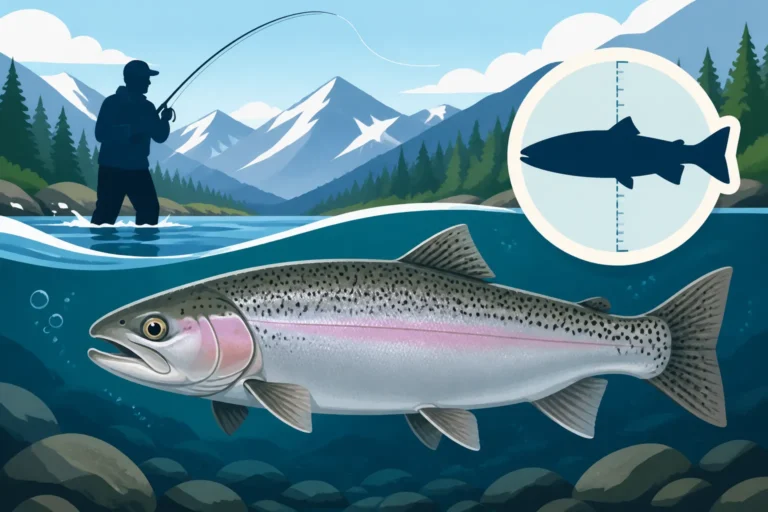
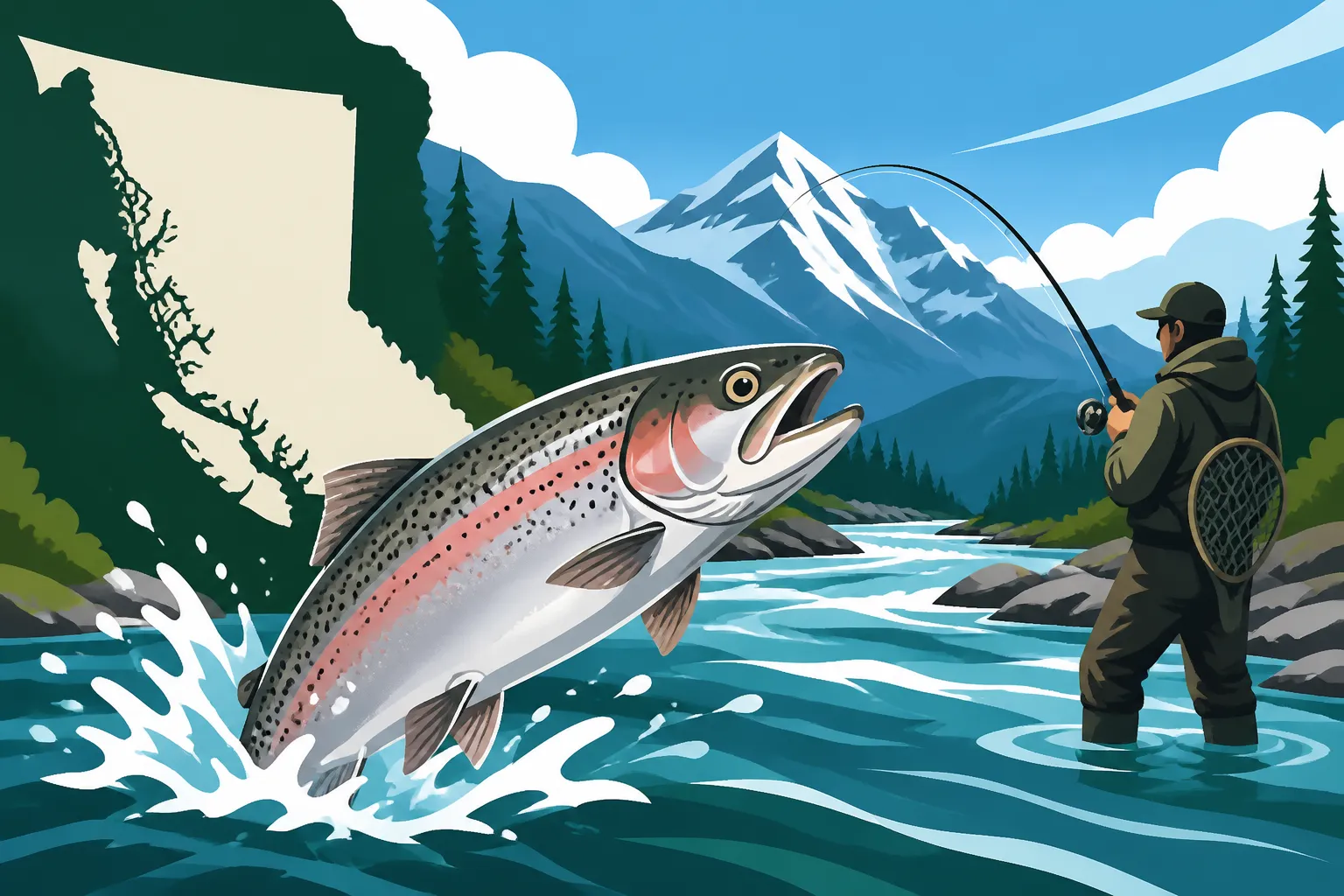
When we talk about a "trophy" steelhead, we're not just looking at a number on a measuring tape, though size certainly plays a role. A true trophy steelhead embodies several qualities that elevate it beyond a typical catch. First, there's the sheer size: generally speaking, fish pushing into the high teens, twenties, or even thirty pounds are considered trophy class. These are often older, larger fish that have spent multiple years in the ocean, returning to their natal rivers with immense power and girth. But it's not just about length; the broad shoulders, thick tail, and deep body of a mature, ocean-bright steelhead are what truly set it apart.
Beyond the physical dimensions, a trophy steelhead is defined by its fight. These are fish that have survived countless challenges in both freshwater and saltwater, making them incredibly strong and wily. Hooking into one means an epic battle of wills, often involving explosive runs, aerial acrobatics, and deep, stubborn resistance. It's a test of your gear, your knots, and your mental fortitude. The rarity of these fish also contributes to their trophy status; they are not caught every day, even in the best rivers. Each encounter is a privilege, and landing one is a crowning achievement that speaks volumes about an angler's dedication and skill.
The Life Cycle of BC Steelhead and Its Impact on Fishing
Understanding the life cycle of BC steelhead is absolutely crucial for anyone hoping to pursue trophy fish. Unlike Pacific salmon, which die after spawning, steelhead (which are actually ocean-going rainbow trout) are iteroparous, meaning they can survive spawning and return to the ocean, often to grow even larger before returning again. This ability to "spawn out" multiple times is one of the reasons they can attain such incredible sizes.
Most trophy steelhead are multi-spawn fish or "kelts" (though we typically target them on their fresh, pre-spawn runs). They spend anywhere from one to four years in freshwater as juveniles before migrating to the ocean. There, they feed voraciously, growing rapidly, usually for two to four years, before returning to their home rivers to spawn. These returning adults, fresh from the ocean with their silver sheen and immense power, are what anglers dream of. The timing of these returns, influenced by water temperature, river levels, and lunar cycles, dictates when and where you'll find them. Early winter runs, often referred to as "winter steelhead," and later spring runs (though many are actually late-winter fish that hold over) are prime times, as these fish are at their peak physical condition before the rigours of spawning. Best Time of Year to Fish in BC can give you a broader overview of seasonal opportunities, but for steelhead, specific run timing is key.
Conservation and Catch-and-Release Ethics for Big Fish
The pursuit of trophy steelhead carries a significant responsibility. Many of BC's wild steelhead populations face considerable conservation challenges, and truly large fish are the backbone of future generations. Therefore, catch-and-release is not just encouraged; it's often mandated and absolutely essential for the sustainability of these fisheries. When targeting these magnificent creatures, it's vital to employ best practices for catch and release to maximize the fish's survival chances.
This includes using appropriate gear that can subdue the fish quickly, minimizing fight time. Consider using single, barbless hooks to reduce injury. Once landed, keep the fish in the water as much as possible. If a photo is desired, be quick, support the fish horizontally with both hands, and avoid squeezing its belly or gills. Revive the fish gently, holding it facing upstream in a current until it can swim away strongly on its own. Remember, the goal is to admire these incredible fish for a moment and then ensure they can continue their journey to spawn and potentially be caught another day. Understanding BC Freshwater Salmon Retention Rules and BC Steelhead Conservation Surcharge Stamp can give you insight into the specific regulations and efforts in place to protect these precious resources.
Prime River Systems for BC Trophy Steelhead
British Columbia is a vast province with an incredible network of rivers, but a few stand out as true meccas for trophy steelhead. These are the rivers where legends are born and where the odds of encountering a fish of a lifetime are significantly higher.
The Legendary Skeena River System
When anyone talks about trophy steelhead in British Columbia, the Skeena River system is almost always the first name that comes to mind. This sprawling, wild watershed in Northern BC is world-renowned for its runs of massive, ocean-bright steelhead. It's a place of unparalleled beauty and challenging fishing, often drawing anglers from around the globe. The sheer scale of the system means there are numerous tributaries, each with its own character and timing for steelhead runs.
- Bulkley River: Often considered the jewel of the Skeena system, the Bulkley River is legendary for its strong runs of large steelhead. These fish are known for their power and aggressive takes. The river offers diverse fishing opportunities, from classic swing water to seams and pockets ideal for float fishing. Access can range from easy roadside spots to more remote stretches that require jet boats or extensive hiking. Best Steelhead Runs on the Bulkley River delves deeper into what makes this river so special.
- Kispiox River: A smaller, more intimate river compared to the Bulkley, the Kispiox is another iconic tributary of the Skeena. It's famous for producing some truly enormous steelhead, often in the 20 to 30-pound class. Fishing the Kispiox is a deeply immersive experience, with pristine wilderness surrounding you. Access is often limited, with many prime spots accessible only via guided trips or private land access, adding to its mystique and preserving its wild character.
- Babine River: Flowing out of Babine Lake, this river offers a unique steelhead experience, particularly known for its strong fall runs. The Babine fish are known for their robust size and aggressive nature, making it a favorite for many spey anglers. The wilderness setting and the quality of the fishing make it a bucket-list destination for many.
The Skeena system generally sees its best trophy steelhead fishing from late August through November for fall-run fish, with some systems having strong winter runs into March and April. The remote nature of these rivers often requires careful planning, including arranging accommodations, securing guides (which is highly recommended for first-timers), and understanding the specific regulations for each tributary. If you're looking for true trophy potential, the Skeena system is hard to beat. Skeena River Steelhead Fishing is an excellent resource for planning your adventure.
Vancouver Island's Hidden Gems
While the Skeena might grab the headlines, Vancouver Island boasts its own collection of incredible rivers that produce spectacular steelhead, including some genuine trophy fish. These rivers are often more accessible and offer a different, yet equally rewarding, experience. The island's temperate climate means steelhead runs can extend through much of the fall, winter, and spring.
- Stamp River: Located near Port Alberni, the Stamp River is one of Vancouver Island's most famous steelhead destinations. While it's perhaps better known for its incredible salmon runs, it also hosts significant runs of robust winter steelhead. These fish are often strong and well-fed, offering exceptional fights. The Stamp is known for its relatively good access and is a popular spot for both guided drift trips and walk-in fishing. Its consistent flow and varied water types make it a highly productive river throughout the winter season.
- Cowichan River: Another classic Vancouver Island river, the Cowichan is a designated Heritage River known for its beautiful runs of both resident trout and impressive sea-run steelhead. While perhaps not as famed for trophy steelhead as the Skeena, the Cowichan consistently produces strong, healthy fish that can push into the mid-teens, offering a fantastic challenge. It's a favourite for fly anglers, with its clear waters and diverse insect life providing excellent dry fly opportunities for resident trout, which then transition to swinging flies or float fishing for steelhead.
- Other Coastal Streams: Beyond the major names, Vancouver Island is crisscrossed with countless smaller coastal rivers and streams that can hold surprisingly large steelhead, especially after good rain events. These often require more exploration and local knowledge but can reward the adventurous angler with truly solitary and memorable trophy encounters. These lesser-known systems can be incredibly rewarding, offering a sense of discovery that's hard to find on more popular rivers.
Vancouver Island's steelhead rivers are primarily fished during the late fall and winter months, peaking from December through March. The mild climate makes for comfortable winter fishing, and the proximity to major population centres like Victoria and Nanaimo means logistics are generally easier to manage.
Fraser River Tributaries and Their Unique Challenges
The mighty Fraser River, British Columbia's longest river, is primarily known for its world-class salmon and sturgeon fishing. However, some of its tributaries, while facing significant challenges, still hold runs of impressive steelhead, including the occasional trophy-sized fish. Fishing these rivers often requires specific techniques and a keen understanding of current regulations due to their proximity to heavily populated areas and environmental pressures.
- Thompson River: Historically one of the most fabled steelhead rivers in North America, the Thompson River (a tributary of the Fraser) is known for its incredibly powerful and large steelhead. While runs have faced significant declines, strict conservation measures and highly regulated fisheries mean that when open, it can still produce true trophy fish. The Thompson steelhead are legendary for their strength and resilience, making them a top prize for those lucky enough to pursue them. The season is usually short and intensely managed, emphasizing strict catch-and-release. BC Thompson River Steelhead Regulations outlines the critical details for fishing this sensitive waterway.
- Vedder/Chilliwack River: This river system, easily accessible from Vancouver, is immensely popular for salmon and has a robust run of winter steelhead. While trophy steelhead here might not match the sheer size potential of the Skeena, the Vedder/Chilliwack consistently produces strong, healthy fish, with some pushing into the upper teens. Its accessibility means it can be busy, but savvy anglers who understand the river's numerous runs and pools can find success. It’s a workhorse river that consistently delivers fishing opportunities throughout the winter and spring. Chilliwack River best fishing access can help you find spots to begin your quest.
- Other Lower Mainland Rivers: Smaller rivers in the Lower Mainland, while perhaps not consistently producing 20lb+ fish, can surprise anglers with very respectable steelhead. These rivers often require more detailed local knowledge and can be very dependent on water levels and recent rainfall. The challenge of finding and catching a large steelhead in these more pressured environments makes any success feel like a true trophy.
Fishing the Fraser tributaries for steelhead often involves navigating fluctuating river conditions and being acutely aware of current fishing notices and closures, which can change rapidly. This is where staying informed is paramount.
Essential Gear and Techniques for Pursuing Trophy Steelhead
Catching a trophy steelhead isn't just about being in the right place; it's also about having the right tools and knowing how to use them. These fish demand respect, and your gear and techniques need to be up to the task.
Rods, Reels, and Lines for Big Fish
When targeting trophy steelhead, you need gear that is robust, reliable, and capable of handling immense power. This isn't the time for ultralight setups.
- Rods: For most river fishing, a longer, powerful rod is essential.
- Single-hand rods: If you prefer single-hand casting, a 9' to 10' rod in an 8 or 9-weight is typically recommended. This provides the backbone needed to cast heavy flies or lures and to control a large fish in strong current.
- Spey rods: For swinging flies, especially in larger rivers like those in the Skeena system, a two-handed spey rod is invaluable. Rods ranging from 12' to 15' in 7 to 9-weight are common, allowing for long casts without extensive backcasting room and offering significant leverage to fight big fish. You can find a good selection of these specialized rods, and general fishing accessories, on platforms like Amazon if your local shop doesn't have exactly what you need.
- Reels: Your reel needs a strong, smooth drag system and ample line capacity. A large arbor reel is preferred for quicker line retrieval. Look for models designed for saltwater or heavy freshwater use, built to withstand the elements and the strain of powerful runs. Ensure it can hold your fly line plus at least 150-200 yards of backing.
- Lines: Matching your line to your rod and fishing technique is critical.
- Fly Lines: For spey fishing, various sinking tips (Skagit or Scandi style) are used to present flies at different depths. For single-hand fly rods, weight-forward or shooting head lines with a sink tip are common.
- Monofilament/Braided Line: If you're float fishing or drift fishing with spinning or baitcasting gear, a strong braided mainline (20-30 lb test) is often used, tied to a fluorocarbon leader (10-15 lb test) for abrasion resistance and invisibility. Always ensure your knots are fresh and strong before each trip.
Tried-and-True Lures and Flies
Trophy steelhead can be particular, but there are certain patterns and lures that consistently entice them. The choice often depends on water conditions, clarity, and personal preference.
- Flies: For fly anglers, the world of steelhead flies is rich and varied.
- Intruders: These large, flashy, weighted flies are extremely popular for swinging on spey rods, especially in colder, murkier water. Their movement and profile are highly effective at attracting aggressive fish.
- Woolly Buggers & Sculpins: Versatile patterns that imitate baitfish or larger aquatic insects. Weighted versions can be effective for getting down to fish.
- Egg Patterns: During salmon spawning season, imitation egg patterns can be deadly, as steelhead are opportunistic feeders.
- General Attractor Patterns: Think bright colours like pink, chartreuse, or orange, especially in bigger, bulkier designs. Fly Patterns for BC Steelhead Rivers offers more in-depth guidance.
- Lures: For gear anglers, a variety of lures can be very effective.
- Drift Baits/Worm Imitations: Soft plastic worm imitations, often rigged on a jig head or under a float, are a staple for steelhead.
- Spinners & Spoons: Classic hardware like vibrant spinners (e.g., in sizes 3-5) and casting spoons can be effective in covering water and triggering strikes.
- Jigs: Marabou or rabbit strip jigs, often in bright colours, fished under a float or drifted along the bottom, are incredibly productive.
- Natural Baits: While often restricted or prohibited in many steelhead fisheries due to conservation concerns, roe bags (cured salmon eggs) can be exceptionally effective where legal. Always check local regulations thoroughly before considering any natural bait. Best Baits for Steelhead on the Skeena offers specific advice for that legendary system.
Reading the Water and Strategic Approaches
Successfully targeting trophy steelhead requires more than just casting; it demands an understanding of the river itself – how it flows, where fish hold, and how to present your offering effectively.
- Reading the Water: Steelhead, especially big ones, prefer specific holding lies. Look for seams where fast current meets slower water, the tailouts of pools, the heads of runs, and behind large boulders or other structure that breaks the current. These spots offer a balance of current relief and access to passing food. Deeper slots and trenches can also be prime real estate for larger fish resting before continuing their upstream migration.
- Drift Fishing: This technique involves using a float (bobber) or bottom-bouncing weight to present bait or a lure naturally along the riverbed. The key is to match the speed of your presentation to the speed of the current, ensuring your offering looks like a natural, free-floating piece of food. This is incredibly effective in varied river conditions.
- Swinging Flies: A hallmark of spey casting, swinging involves casting across and slightly downstream, then allowing the current to carry the fly in an arc. The retrieve isn't active; the current does the work, imparting a lifelike movement to the fly that triggers a predatory response from steelhead. This is particularly effective in larger, more open water.
- Wading and Stealth: Steelhead can be incredibly spooky, especially in clear water. Approach likely holding areas quietly and cautiously. Wear drab clothing, minimize sudden movements, and consider your shadow. Wading slowly and deliberately, understanding the riverbed, is crucial. How to wade a BC steelhead river safely is a good read on this.
Planning Your Trophy Steelhead Expedition
Embarking on a trophy steelhead hunt in British Columbia is an adventure. Proper planning can make the difference between a frustrating trip and a memorable triumph.
Best Seasons and Weather Considerations
Steelhead runs in BC are primarily divided into winter and summer/fall runs, though many rivers can have overlapping or extended seasons.
- Winter Steelhead: These fish typically enter rivers from November through April, peaking from January to March. They are often larger and brighter, having spent more time in the ocean. Winter fishing often means contending with colder temperatures, rain, and fluctuating water levels. Snowmelt can bring high, turbid water, while cold snaps can make fish lethargic. You'll need durable, waterproof gear to stay comfortable.
- Summer/Fall Steelhead: These runs usually occur from late summer through fall, often in the Skeena system. These fish can be incredibly aggressive and strong. Water conditions are generally warmer and clearer, making sight fishing possible in some areas. However, low water conditions can make fish spooky and concentrated in deeper pools. BC Steelhead Season Dates can provide a general idea, but always check specific river regulations.
Always check the local weather forecast and river conditions (like water height and clarity) just before and during your trip. BC's weather can be unpredictable, especially in the mountains and on the coast.
Hiring a Reputable Guide
For many, especially those venturing to remote systems like the Skeena for the first time, hiring a reputable local guide is not just an option but a highly recommended investment. A good guide offers invaluable benefits:
- Local Knowledge: Guides spend countless hours on the river. They know where the fish are likely holding based on current conditions, what flies or lures are working, and how to safely navigate the water. This institutional knowledge is often the key to finding trophy fish.
- Access: Many prime trophy steelhead spots, especially on rivers like the Kispiox, are on private land or require specialized boats for access. Guides often have the necessary permits, relationships, and equipment to get you to these otherwise unreachable areas.
- Technique Refinement: A guide can provide real-time coaching, helping you refine your casting, presentation, and fish-fighting skills, significantly increasing your chances of success.
- Safety: Steelhead rivers can be challenging and sometimes dangerous. Guides prioritize your safety, from navigating currents to understanding local wildlife.
- Gear: Most guides provide high-quality gear (rods, reels, flies, lures) specifically suited for the river and target species, saving you the expense and hassle of buying specialized equipment. Best guided steelhead trips on the Skeena is a great resource if you're considering a guided trip.
Logistics: Accommodations, Access, and Permits
Planning the logistics for a trophy steelhead trip requires attention to detail.
- Accommodations: Depending on the river, options range from remote wilderness lodges to small-town motels or cabins. For remote areas, book well in advance, especially during peak seasons. For rivers closer to communities, you'll have more flexibility.
- Access: Research how you'll get to the river. Some spots are roadside, while others require 4×4 vehicles, jet boats, or even float planes. If you're going unguided, ensure you understand public access points and respect private property. A good map, sometimes even digital ones found on platforms like Amazon, is indispensable.
- Permits and Licenses: This is non-negotiable. You must have a valid BC freshwater fishing license. Additionally, you will need a Steelhead Conservation Surcharge Stamp. For some sensitive rivers (like the Thompson), specific regulations or limited entry permits may apply. Always consult the current BC Freshwater Fishing Regulations Synopsis or the BC government's fishing regulations website. Remember that kids under 16 often have different requirements, so check BC Youth Fishing License Exemption Under 16. Ignoring these rules can lead to significant penalties. Don't forget, many guides also require you to have your license and stamps purchased beforehand.
| River System | Primary Season(s) | Key Characteristics | Target Size Potential (lbs) | Notes |
|---|---|---|---|---|
| Skeena System | Fall (Aug-Nov), Winter (Dec-Apr) | Remote wilderness, diverse tributaries, large fish runs. | 15-30+ | World-renowned for trophy potential, often guided |
| Bulkley River | Fall (Sept-Nov), Winter (Jan-Mar) | Classic swing water, powerful fish, diverse access. | 15-25+ | Core Skeena tributary, popular with spey anglers |
| Kispiox River | Fall (Sept-Oct) | Smaller, intimate, known for truly giant steelhead. | 20-30+ | Limited access, often high-end guided trips |
| Vancouver Island | Winter (Nov-Apr) | Accessible, varied rivers, mild climate, strong fish. | 10-20 | Popular for both walk-in and drift boat fishing |
| Stamp River | Winter (Nov-Mar) | Reliable runs, powerful fish, good access. | 10-18 | Can be busy, excellent opportunities. |
| Cowichan River | Winter (Dec-Mar) | Heritage river, clear water, strong wild fish. | 8-15 | Beautiful setting, can be fly-fishing focused. |
| Fraser Tributaries | Winter (Nov-Apr) | Accessible (Lower Mainland), challenging, sensitive runs. | 8-20+ | Highly regulated, can be prone to closures. |
| Thompson River | Fall/Winter (Highly Regulated) | Historically legendary, huge fish, very challenging. | 15-25+ | Limited, often catch-and-release only. |
| Vedder/Chilliwack | Winter (Dec-Apr) | High volume, accessible, consistent winter steelhead. | 8-16 | Can be pressured, requires knowledge of holding lies. |
The pursuit of trophy steelhead in British Columbia is a commitment, a passion, and an education. It's about respecting the fish, the rivers, and the wild beauty of this incredible province. While the fish themselves are elusive, the rewards of connecting with one of these magnificent giants are immeasurable. With the right preparation, knowledge, and a healthy dose of persistence, your dream of a BC trophy steelhead can absolutely become a reality.
Disclaimer
This article is for general informational purposes only and does not constitute professional advice. Laws, prices and regulations vary by location and change over time. Consult a qualified professional for guidance on your specific situation.