BC record kokanee weight
For many anglers, the idea of catching a record-breaking fish is the ultimate dream, a story to tell for generations, but it can often feel out of reach, something reserved for pros or sheer luck. When it comes to species like kokanee in British Columbia, the record weight isn't just a number; it’s a testament to dedication, knowledge, and the incredible fisheries we have in this province, and understanding it can actually inspire your own pursuit of these vibrant landlocked sockeye.
Understanding Kokanee: BC's Landlocked Treasure
Kokanee, essentially freshwater sockeye salmon that never make it to the ocean, are a beloved species for many BC anglers. They’re known for their brilliant red spawning colours, their feisty fight on light tackle, and their delicious taste. But unlike their anadromous sockeye cousins, kokanee spend their entire lives in freshwater lakes and rivers, adapting to a landlocked existence that shapes their size, behaviour, and ultimately, their potential for record-breaking catches.
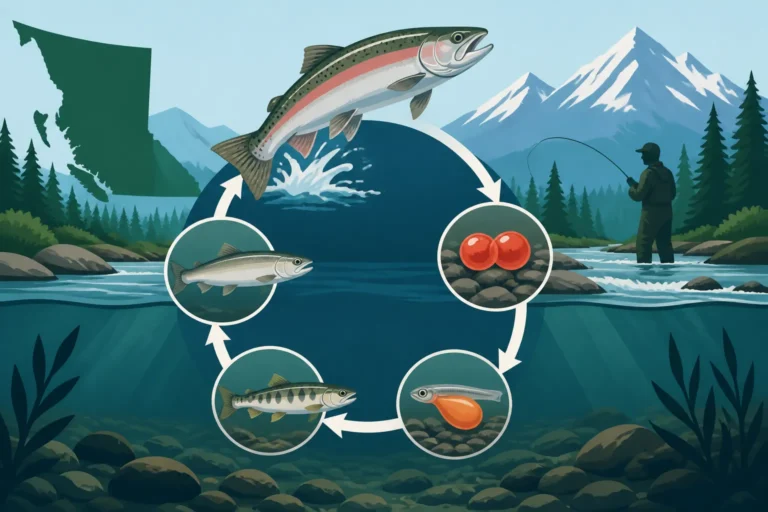
The Life Cycle and Habits of Kokanee
Kokanee typically live for three to four years, growing steadily in the cold, nutrient-rich waters of BC's larger lakes. They feed primarily on zooplankton, tiny aquatic crustaceans that float in the water column. This diet is crucial; the abundance and size of zooplankton directly influence how big kokanee can get. Lakes with ample food sources allow these fish to pack on the pounds, leading to healthier, larger individuals. Understanding What kokanee are and how they differ from sockeye is key to appreciating their unique place in our ecosystems.
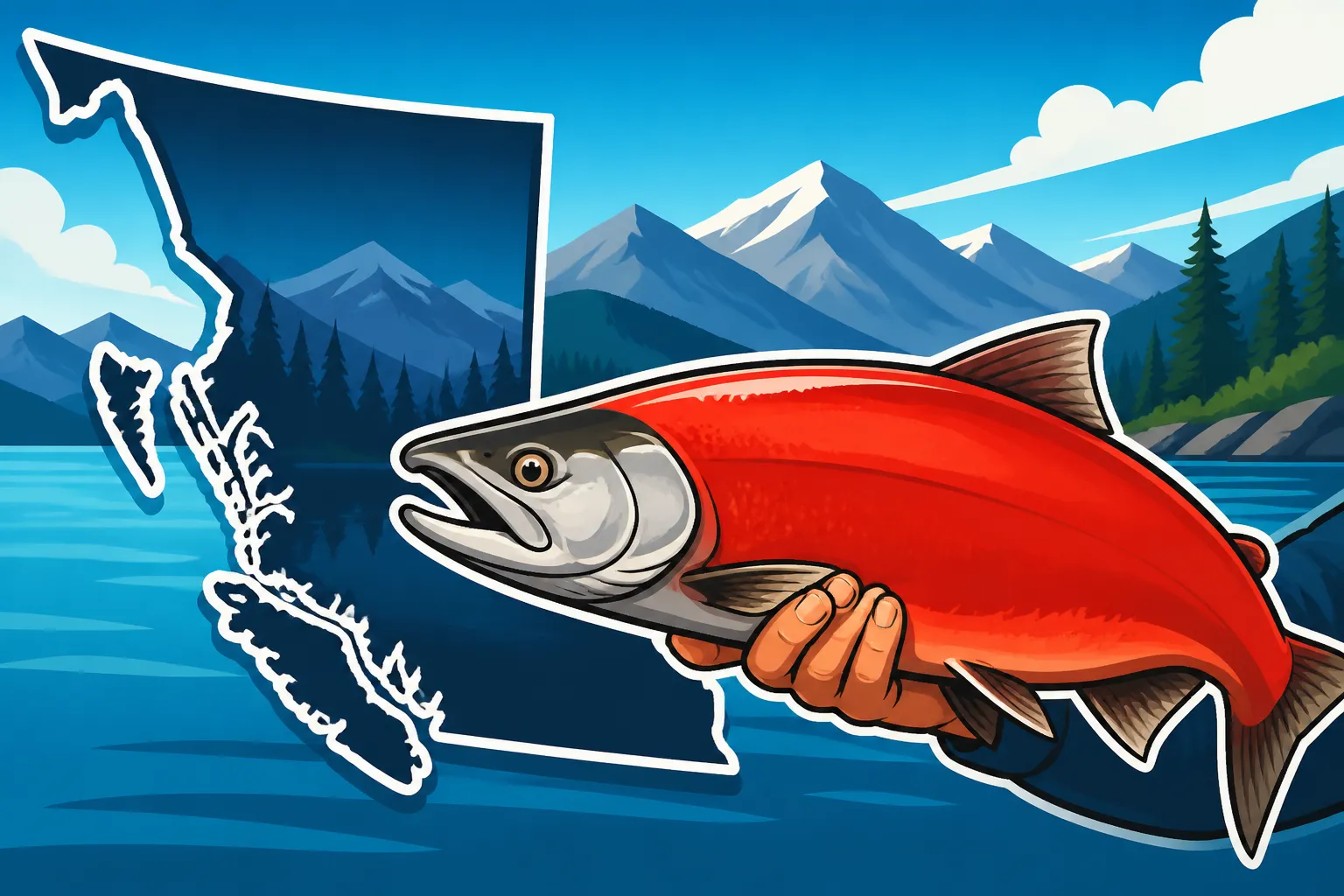
As they approach maturity, usually in their third or fourth year, kokanee undergo a dramatic transformation, developing a hooked jaw (kype) in males and turning a stunning, vibrant red as they prepare for spawning. This is often when they're at their peak weight, though they stop feeding once this transformation begins. Spawning typically occurs in the fall, with fish moving into tributary rivers or shallow lake shoals. After spawning, they complete their life cycle, leaving behind the next generation. For a deeper dive, you can learn about the Kokanee Spawning Season in BC.
What Influences Kokanee Size?
Several factors contribute to the size of kokanee in any given lake. Genetics play a role, of course, but environmental conditions are arguably more significant. A lake with a stable, abundant food supply, consistent water temperatures, and minimal predation pressure allows kokanee to grow larger. Conversely, overcrowded lakes with limited food or high predation from larger trout species might see smaller, slower-growing kokanee. Anglers often look to larger, deeper lakes for trophy potential, as these environments tend to offer more consistent conditions for growth.
Consider a lake like Kootenay, which is renowned for its large Gerrard rainbow trout, but also produces impressive kokanee. The same deep, cold, nutrient-rich water that supports those giant rainbows also provides a fantastic environment for kokanee to thrive. This highlights the intricate balance of a healthy lake ecosystem where each species plays a role. If you're wondering Where kokanee live in BC lakes, deeper, colder waters are usually the answer.
The Allure of Breaking the Record
There's something inherently thrilling about chasing a record fish. It's not just about the size of the catch; it's about the challenge, the dedication, and the possibility of etching your name into angling history. For many, the provincial record isn't just a number in a book; it's a benchmark of what's possible, a testament to the potential of our waters and the skill of our anglers.
The Thrill of the Chase
The pursuit of a record fish can consume an angler, leading to countless hours on the water, meticulous study of lake contours, weather patterns, and fish behaviour. It demands patience and persistence, often involving numerous trips where the largest fish still eludes capture. This journey builds character, deepens appreciation for the natural world, and forges unforgettable memories, even if the record ultimately remains unbroken. It’s a challenge that pushes personal limits and refines fishing techniques.
The excitement isn't just in the moment of the catch, but in the planning, the anticipation, and the sheer effort involved. Imagine spending weeks researching a specific lake, trying different depths, lures, and speeds, only to finally hook into something truly extraordinary. That feeling of the rod bending double, the line peeling off the reel, knowing you might have something special on the other end – it’s pure adrenaline.
The Challenges of Breaking a Record
Breaking a fishing record is incredibly difficult. For one, you're competing against years, sometimes decades, of previous catches, often by highly skilled anglers. The fish itself must be exceptional, an anomaly in size and weight, typically a product of perfect growing conditions and a bit of luck. Beyond that, the catch must be accurately weighed on certified scales, witnessed, and documented meticulously, often involving a detailed application process.
The conditions have to be just right on the day of the catch. The fish needs to bite, it needs to be landed cleanly, and all the administrative hurdles need to be cleared. It's a combination of skill, luck, and precise adherence to rules. Plus, most record fish are caught accidentally while anglers are targeting other species or simply enjoying a day on the water, adding to the mystique and challenge. You might even find some useful information in BC Fishing Regulations Explained to ensure you're always fishing legally and ethically.
The BC Kokanee Record: Details and Significance
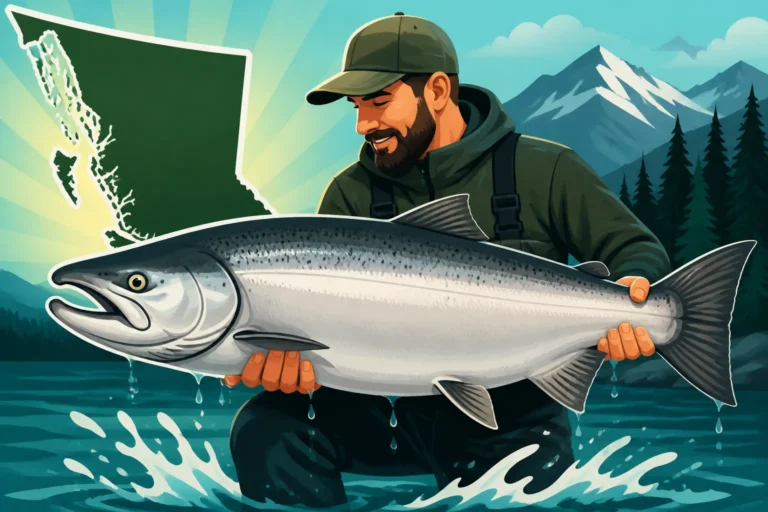
When we talk about the BC record kokanee, we're discussing a truly exceptional fish, one that stands head and shoulders above the typical catch. This particular record highlights the incredible potential of certain BC waters to produce truly massive kokanee, far beyond what most anglers would ever encounter.
The Current Provincial Record
British Columbia has a rich history of trophy fish, and the kokanee record is no exception. While specific weights can fluctuate with official updates, and records are always subject to being broken, the current provincial record kokanee is an impressive specimen. It demonstrates that under optimal conditions, these landlocked salmon can reach truly astounding sizes. Such a fish would have lived a full, healthy life, likely in a large, productive lake with an abundant food source, avoiding predators and anglers until its fateful moment.
For many years, the record has hovered around the 5-pound mark, a giant compared to the average kokanee caught by most anglers. Imagine reeling in a kokanee that feels more like a small salmon – that's the kind of battle a record-breaker provides! Such a catch truly sets a high bar and illustrates the potential for growth in our pristine BC lakes. It's a reminder that even common species can hold extraordinary surprises.
Where Was the Record Kokanee Caught?
The BC record kokanee was reportedly pulled from Okanagan Lake. Okanagan Lake is a gem in the interior of British Columbia, famous not only for its warm-water bass fishing and legendary "Ogopogo" monster but also for its deep, cold water that supports substantial populations of various trout and salmon species, including kokanee. The lake's vastness, depth, and nutrient-rich environment create an ideal habitat for kokanee to grow to impressive sizes, making it a prime location for those hoping to connect with a trophy. Okanagan Lake Kokanee Fishing is a popular pastime for many.
The specific conditions that contributed to this record catch likely involved a combination of factors: the angler being in the right place at the right time, employing effective techniques, and having the gear to handle such a powerful fish. It wasn't just a fluke; it was a testament to the lake's ecological health and the skill involved in bringing in such a substantial fish. Knowing that such a giant kokanee came from a lake like Okanagan encourages other anglers to explore its potential.
Chasing Trophy Kokanee: Tips and Tactics
While breaking a provincial record is a lofty goal, consistently catching larger-than-average kokanee is a very achievable and rewarding pursuit. It requires understanding their behaviour, employing effective techniques, and knowing where to look.
Best Locations for Bigger Kokanee
If you're aiming for a trophy kokanee, focus your efforts on larger, deeper, and more productive lakes. Lakes like Okanagan, Kootenay, and Shuswap are well-known for producing good-sized kokanee. These bodies of water often have ample forage, stable ecosystems, and the deep, cold water that kokanee prefer, especially during the warmer summer months. Look for areas with consistent depth, subtle changes in structure, and proximity to drop-offs or underwater shelves where zooplankton might concentrate.
For example, on Kootenay Lake, while famed for its giant rainbows, the kokanee also grow to respectable sizes in the deeper reaches. The key is often finding where the baitfish are schooling or where the zooplankton concentrations are highest, as this is where the kokanee will be actively feeding. Exploring a Kootenay Lake Fishing Guide can help you pinpoint these promising areas.
Essential Gear and Techniques
Trolling is by far the most popular and effective method for catching kokanee, especially larger ones. You'll want to use light-action rods paired with spinning reels spooled with light monofilament or fluorocarbon line. Downriggers are often essential for getting your lures down to the precise depth where kokanee are feeding, which can sometimes be 50 to 100 feet deep or more. Investing in a good quality fish finder will be invaluable for locating schools of kokanee and understanding the depth they're holding at. You can find a wide range of reliable gear, from downriggers to various lures, on platforms like Amazon.
When it comes to lures, small dodgers or flashers paired with mini-hoochies, wedding rings, or small spoons are highly effective. Kokanee are attracted to vibrant colours and erratic movements that mimic their plankton prey. Experiment with different colours like pink, red, orange, and even chartreuse. Tip your lures with a kernel of shoepeg corn, which adds scent and a visual attractant that kokanee absolutely love. This combination of sight, scent, and action is often irresistible. For specific advice, check out Best Kokanee Trolling Techniques for Okanagan Lake.
Timing Your Trophy Hunt
Timing is crucial when targeting larger kokanee. They are typically fattest and most active in late spring and early summer before they begin their pre-spawning transformation. During this period, they are actively feeding and can be found in a wider range of depths. As summer progresses, they tend to move deeper to seek cooler water. The early morning and late evening hours often offer the best bite, as kokanee can be more active when light levels are lower.
| Factor | Typical Kokanee (Average) | Trophy Kokanee (Record Potential) |
|---|---|---|
| Weight | 0.5 – 2 pounds | 4+ pounds |
| Length | 10 – 16 inches | 18+ inches |
| Age | 2-3 years | 3-4 years (full maturity) |
| Habitat | Moderate to deep lakes | Large, deep, nutrient-rich lakes |
| Diet | Zooplankton | Abundant zooplankton |
| Fishing Depth | Varies (often 20-60 ft) | Often deeper (50-100+ ft) |
| Lures | Small spoons, wedding rings | Larger spoons, dodgers, hoochies |
| Challenge | Common | Rare, requires persistence |
Even during the winter, ice fishing can be incredibly productive for kokanee. If you're out on the ice, remember that kokanee will still be suspended in the water column, so using a fish finder to locate them and vertical jigging with small jigs or spoons tipped with corn is the way to go. Consider reading up on Best technique for ice fishing kokanee if you're planning a winter adventure. No matter the season, the right gear and knowledge are readily available to help you prepare. A quick search on Amazon for "kokanee fishing tackle" will yield a treasure trove of options.
Conservation and Ethical Angling
While chasing records is exciting, always remember the importance of conservation. Kokanee are a valuable part of BC's freshwater ecosystems. Adhere strictly to bag limits and regulations, which can be found in the BC Bag and Possession Limits by Species. If you're practicing catch and release, handle fish gently, minimize their time out of water, and ensure they are revived properly before release. This helps ensure healthy populations for future generations of anglers, allowing more kokanee to grow to impressive sizes and perhaps even challenge that provincial record. Protecting our fisheries means respecting the rules and the fish themselves.
Good luck on your quest for BC's vibrant kokanee, whether you're aiming for a personal best or simply enjoying a beautiful day on the water! You might even want to pick up some new lures from Amazon to experiment with on your next trip.
Disclaimer
This article is for general informational purposes only and does not constitute professional advice. Laws, prices and regulations vary by location and change over time. Consult a qualified professional for guidance on your specific situation.