How to fish rocky points for smallmouth
For many anglers in British Columbia, the sheer diversity of our waters can be both a blessing and a curse. While there's an abundance of salmon, trout, and steelhead, finding those elusive smallmouth bass can sometimes feel like searching for a needle in a haystack, especially if you're not targeting the right structure. This guide is all about simplifying that search, specifically by showing you how to unlock the incredible potential of rocky points for consistently hooking smallmouth bass in BC.
Understanding Smallmouth Bass Habits Around Rocky Points
Smallmouth bass are incredible sport fish, known for their aggressive strikes and powerful fights. But to catch them, you first need to understand where they live and why. Rocky points in BC's lakes and larger rivers are not just random features; they are prime real estate for these bronze beauties. They offer a unique combination of shelter, ambush points, and feeding opportunities that smallmouth simply can't resist.
Why Rocky Points Attract Smallmouth
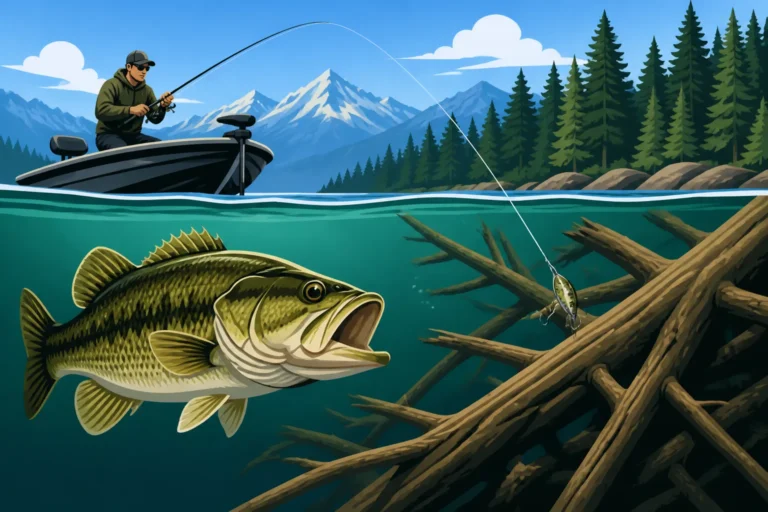
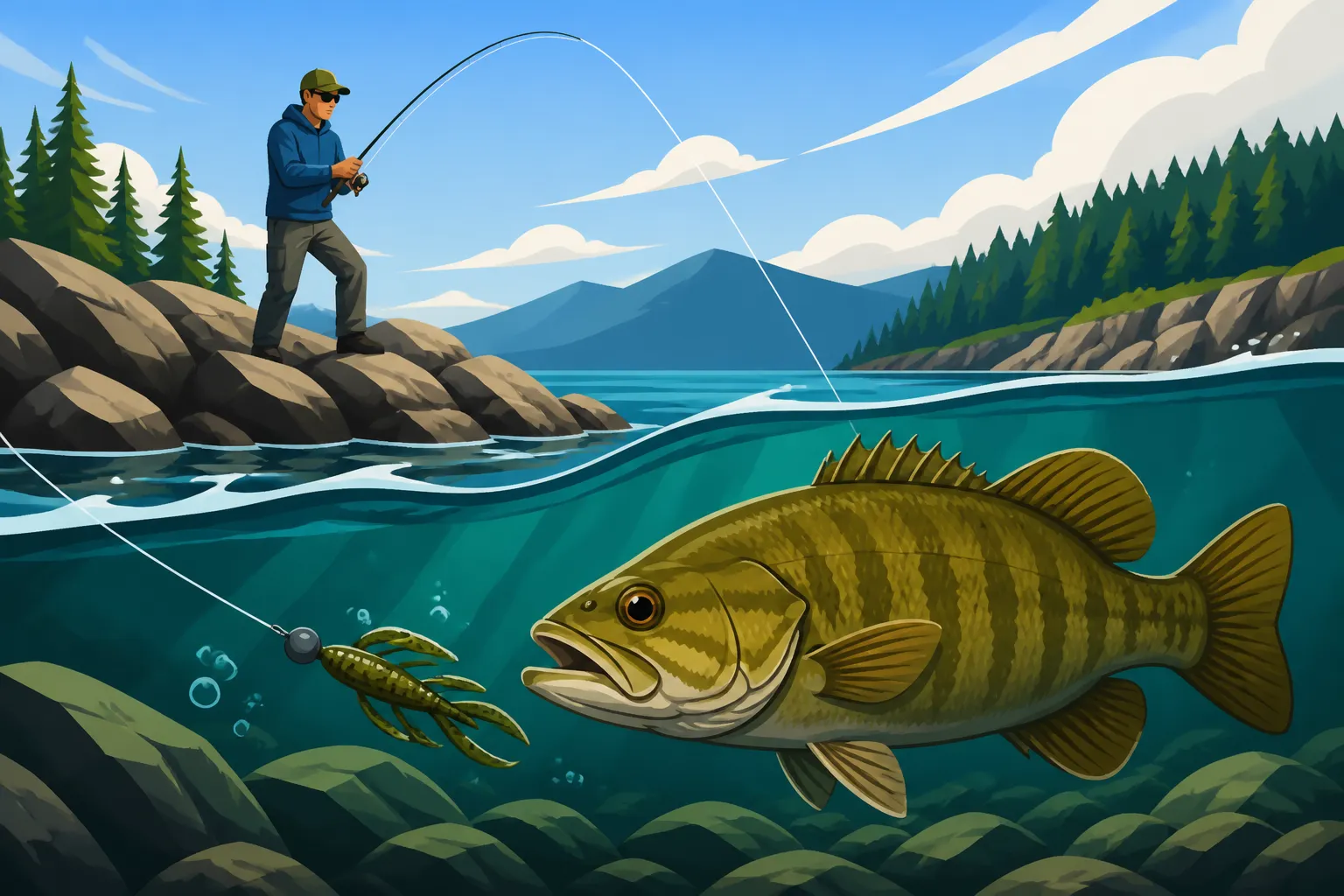
Think about a rocky point extending into a lake or river. What does it offer? First, it provides a natural break in the current, creating eddies and slack water where smallmouth can rest without expending too much energy. Second, these rocks themselves are often home to crayfish, various insects, and baitfish that hide in the crevices and cracks. This makes rocky points a natural buffet line for hungry smallmouth. The rough, broken bottom also gives them plenty of places to ambush unsuspecting prey. They can sit camouflaged against the rocks, waiting for a minnow or a passing insect, and then dart out with surprising speed. It's a perfect blend of cover and forage, making them irresistible to smallmouth.
Identifying Productive Rocky Point Structures
Not all rocky points are created equal, and knowing what to look for can significantly increase your success. The most productive points often have a sharp drop-off into deeper water on one or both sides. This allows smallmouth to move quickly between shallow feeding grounds and deeper, cooler refuge, especially during warmer parts of the day. Look for points with a mix of boulder sizes – large rocks create significant shadows and current breaks, while smaller rubble attracts baitfish and crayfish. Submerged timber or weed lines along the edges of the point are also huge bonus features, offering additional cover and food sources. Using your boat's sonar or simply observing the shoreline can help you pinpoint these promising features. Sometimes, the point you see on the surface is just the tip of an iceberg, with a much larger, fish-holding structure lurking below.
Essential Gear for Rocky Point Smallmouth Fishing
Having the right tackle can make a huge difference when you're targeting smallmouth on rocky points. These fish are known for their strong runs and headshakes, and the terrain itself can be unforgiving on your line and lures. You need gear that can stand up to the challenge while still providing the sensitivity to detect subtle bites.
Rods, Reels, and Line Selection
For smallmouth bass on rocky points, I generally recommend a medium-light to medium power spinning rod, typically 6'6" to 7' in length, with a fast action tip. This combination gives you the backbone to fight a strong fish and pull it away from snags, while the fast action provides excellent sensitivity for detecting those light bites and the precise casting needed to hit specific spots on the point. A good quality spinning reel in the 2500-3000 series range, spooled with 8-10 lb braided line, is a fantastic choice. The braid offers superior strength, sensitivity, and casting distance. Crucially, you'll want to add a fluorocarbon leader of about 6-8 lb test, typically 3-6 feet long. Fluorocarbon is nearly invisible underwater, providing a stealthy presentation, and its abrasion resistance is invaluable when fishing around sharp rocks and boulders. You can find a wide range of reliable rods, reels, and lines on Amazon, ensuring you're well-equipped for your next outing.
Lure Choices for Rocky Structure
When it comes to lures for rocky points, versatility is key. Smallmouth can be finicky, and having a few options on hand will help you adapt to their mood. Here are some of my go-to choices:
- Jigs: Finesse jigs (like Ned rigs or skirted jigs) in natural colours (green pumpkin, brown, black and blue) are absolutely deadly. Their compact profile mimics crayfish or small baitfish, and they can be worked slowly along the bottom, hopping over rocks. Football head jigs are also great because their shape helps them crawl over rocky bottoms with fewer snags.
- Crankbaits: Medium-diving crankbaits that deflect off rocks are excellent. Look for ones with tight wobbles in natural baitfish patterns or crawfish colours. The deflection off the structure often triggers an aggressive reaction strike from curious smallmouth. Always be ready for a strike right after the lure bounces off a rock.
- Soft Plastics: Wacky-rigged Senkos, drop-shot worms, or tubes are incredibly effective. Tubes, in particular, excel on rocky bottoms because their hollow body often allows them to fall slowly and mimic a dying baitfish or crayfish. Rig them on a jig head that's designed to minimize snags.
- Topwater Lures: During low light conditions (early morning, late evening) or on overcast days, topwater baits like walking baits or poppers can be exhilarating. Smallmouth will often explode on these lures near the surface, especially when they are actively feeding on baitfish near the shallower parts of the point.
- Spinnerbaits & Chatterbaits: These can be great for covering water quickly along the edges of a rocky point, especially if there's a bit of wind or stained water. Their flash and vibration can draw fish from further away. Choose colours that match local baitfish or have a touch of chartreuse for visibility.
Remember, the goal is often to imitate the natural forage found in these rocky environments. Experiment with different colours and sizes until you find what the fish are keying in on that day.
Top Techniques for Fishing Rocky Points
Fishing rocky points effectively isn't just about having the right gear; it's about understanding how to present your lures to trigger bites. Smallmouth bass can be incredibly structure-oriented, meaning they'll often be holding tight to specific features on the point. Precision and patience are your best friends here.
Casting and Presentation Strategies
When approaching a rocky point, it’s crucial to make casts that allow your lure to work along or over the key features. Start by making casts parallel to the point, working your way around it. This lets you cover different depths and identify where the fish are holding. Once you find a productive depth or section, focus your efforts there. Try to cast beyond the target area and retrieve your lure back over it, ensuring it spends maximum time in the strike zone. If you're using bottom-bouncing lures like jigs or soft plastics, maintain contact with the bottom, feeling for every rock, crevice, or drop-off. Smallmouth often bite as the lure falls into deeper water or when it's paused near structure. Best Techniques for Bass in Okanagan Lakes often involve this kind of precise structure fishing.
One effective strategy is "fan casting," where you make a series of casts from one position, fanning out your casts like spokes on a wheel. This allows you to thoroughly cover a section of the point before moving. Pay attention to how the current or wind affects your boat or cast, and adjust your angle accordingly to ensure a natural presentation. Remember, smallmouth are often ambush predators, so making your lure appear vulnerable as it passes by their hiding spot is key.
Retrieving Lures Around Structure
The retrieve speed and action will depend heavily on the lure you're using and the mood of the fish.
- Jigs and Soft Plastics: For these, a slow, methodical retrieve is often best. Hop, drag, or twitch your lure along the bottom, allowing it to fall into crevices and bounce off rocks. Think about how a crayfish would move – scuttling, pausing, and then scuttling again. A sensitive rod will help you distinguish between a rock and a bite. Many anglers find success by letting the lure sit motionless for a few seconds after a hop, as this pause can be irresistible to a watchful bass.
- Crankbaits: With crankbaits, the goal is often to make them "crash" into the rocks. Cast them so they dive down and deflect off the structure. This erratic action mimics a fleeing baitfish and often provokes a reaction strike. Vary your retrieve speed – sometimes a steady retrieve works, other times a stop-and-go or a sudden burst of speed is what they want.
- Topwater Lures: For topwater, retrieve with a "walk-the-dog" action for walking baits or short, sharp jerks for poppers, creating splashes and gurgles that mimic a struggling baitfish. Give it pauses, especially near cover, as many strikes happen when the lure is motionless. Don't be too quick to set the hook; wait until you feel the weight of the fish.
- Spinnerbaits/Chatterbaits: These can be retrieved with a steady roll, or you can impart a stop-and-go action. Experiment with how deep you're running them. Often, a slow roll just above the rocks is perfect, allowing the blades to flash and vibrate without getting constantly snagged.
Minimizing Snags and Losing Lures
Fishing rocky points inevitably means you'll get snagged occasionally. It's just part of the game! However, you can significantly reduce lure loss with a few simple tricks. First, choose lures designed for rocky environments. Football head jigs, for example, tend to roll over rocks better than traditional round heads. Texas-rigging soft plastics with the hook point buried in the plastic is another excellent way to make them weedless and snag-resistant. When using crankbaits, if you feel it hit a rock, try pausing your retrieve for a second. Often, the lure will float up and over the obstruction. If that doesn't work, give your rod tip a sharp, upward jerk.
Another tip is to always cast towards the deeper water from the shallower side of the point, if possible. This way, your retrieve brings the lure up and over the structure rather than dragging it down into crevices. If you do get snagged, try changing your retrieve angle by moving your boat or position. A different angle can sometimes free a stubborn lure. It's a good idea to stock up on extra lures, and checking out what's available for bass fishing on Amazon before your trip is always a smart move.
Seasonal Considerations for Rocky Point Smallmouth
Smallmouth bass are cold-blooded, which means their behaviour and location are heavily influenced by water temperature and the changing seasons. Understanding these shifts is crucial for consistent success on rocky points throughout the year.
Spring: Pre-Spawn and Spawning
Spring is an exciting time for smallmouth anglers in BC. As the water temperatures begin to rise (typically into the 50s°F or 10-15°C), smallmouth move from their deeper wintering grounds to shallower rocky points and flats in preparation for spawning. This is the "pre-spawn" period, and fish are often aggressive and hungry as they feed heavily to build energy for the spawn. Rocky points with direct sun exposure and access to deeper water are prime locations. You'll find them actively feeding on crayfish and baitfish. Jigs, crankbaits, and even spinnerbaits can be incredibly effective during this time.
Once the water temperature consistently hits the mid-60s°F (around 18-20°C), smallmouth will begin to spawn. They'll often build nests on clean, gravelly bottoms near rocky points in shallower water, typically 3-10 feet deep. During the spawn, they become highly protective of their nests. While they might strike out of aggression, it's generally recommended to practice catch-and-release and minimize disturbing spawning fish to ensure future populations thrive. Focus on the pre-spawn staging areas or post-spawn recuperation zones.
Summer: Deep Water and Low Light Bites
As summer progresses and water temperatures climb, smallmouth bass often retreat from the extreme shallows during the brightest parts of the day. They'll still utilize rocky points, but they'll often relate more to the deeper edges and drop-offs, seeking cooler, more oxygenated water. Focus your efforts on the shady side of points or where the point drops quickly into significant depth. Early mornings, late evenings, and overcast days can bring them shallower to feed on topwater or spinnerbaits. During the bright mid-day, finesse techniques like drop-shotting or slowly working jigs along the deep contours of the point will be your best bet. Best time of day to fish for kokanee at first light also applies to smallmouth, as they often feed aggressively in the dim light.
Look for points that have current, as moving water can bring food and oxygen, making them attractive even in warmer conditions. Pay close attention to your electronics to pinpoint suspended fish or those holding tight to deep structure. In the intense summer heat, smallmouth can become lethargic, so a slower presentation is often key.
Fall: Feeding Frenzy Before Winter
Fall is another fantastic season for smallmouth fishing on rocky points in BC. As water temperatures begin to cool, smallmouth sense the approaching winter and embark on a feeding frenzy to pack on reserves. They become incredibly active and will often be found shallower again, gorging on baitfish. Rocky points that are adjacent to deeper basins or channels become crucial migration routes and feeding grounds. Crankbaits, jerkbaits, and even larger soft plastics can be very effective as smallmouth key in on larger prey.
The cooler water temperatures mean smallmouth can be active throughout the day. Look for schools of baitfish congregating around points, as the bass won't be far behind. They might roam more widely, so covering water with faster-moving lures can be productive. As the water gets colder, and closer to freezing, they'll eventually retreat to their deep wintering holes, usually off the deepest sections of rocky points or main lake structures. Understanding Smallmouth Bass in BC Lakes behaviour during this peak feeding period can lead to some truly memorable days on the water.
| Season | Typical Water Temp Range | Smallmouth Behavior | Recommended Lures/Techniques |
|---|---|---|---|
| Spring | 10-18°C (50-65°F) | Pre-spawn feeding, spawning (shallow) | Jigs, crankbaits, spinnerbaits, soft plastics (tubes) |
| Summer | 19-25°C (66-77°F) | Deeper during day, shallower at dawn/dusk | Drop-shots, Ned rigs, deep jigs, topwater (low light) |
| Fall | 18-10°C (65-50°F) | Aggressive feeding frenzy (shallower) | Crankbaits, jerkbaits, spinnerbaits, larger soft plastics |
| Winter | Below 10°C (Below 50°F) | Deep, lethargic, less active | Vertical jigging, very slow finesse (often not targeted) |
Winter: Deep Water Retreat
Once the cold really sets in and water temperatures drop below 10°C (50°F), smallmouth bass move to their deepest wintering areas. Rocky points that extend into the deepest parts of a lake or large river, especially those with stable temperatures, become their sanctuary. They become much less active, their metabolism slowing considerably. While they can still be caught, it requires extreme patience and slow, vertical presentations like small jigs or blade baits directly on their heads. Ice fishing for smallmouth from rocky points can be productive if you can locate them. However, for most open-water anglers, winter is often a time when other species, like steelhead or trout, become the primary focus.
By understanding how smallmouth bass utilize rocky points throughout the year, you can fine-tune your approach, select the most effective lures, and improve your chances of landing these fantastic fighting fish in British Columbia's waters. Just remember to always check BC Fishing Regulations Explained before heading out, as rules and seasons can vary.
Disclaimer
This article is for general informational purposes only and does not constitute professional advice. Laws, prices and regulations vary by location and change over time. Consult a qualified professional for guidance on your specific situation.