Best Techniques for Fall Coho Fishing
The crisp air, the turning leaves, the scent of damp earth – fall in British Columbia is truly magical, but it also brings a unique set of challenges for anglers eager to hook into chrome-bright coho salmon. Many find themselves scratching their heads, wondering why their usual summer tactics aren't yielding the same results. This comprehensive guide is here to unravel the mysteries of fall coho fishing, offering seasoned techniques and insider tips to help you succeed when these silver bullets return to our rivers and coastal waters.
Understanding Fall Coho Behavior in BC
To consistently catch coho in the fall, you first need to understand what makes them tick during this crucial part of their life cycle. Their behavior shifts dramatically as they transition from ocean predators to spawning adults, and your approach needs to shift with them.
Coho Migration Patterns and Timing
Fall coho, often called "silvers" for their brilliant chrome flanks, begin their journey into BC's freshwater systems typically from late August through November, with peak runs often occurring in September and October, depending on the river system and specific year's conditions. These fish have spent anywhere from one to two years growing fat in the ocean, and when they enter the rivers, their primary directive changes from feeding aggressively to navigating upstream to spawn. This means they're not always looking for a meal in the traditional sense. Instead, they often strike out of aggression, territoriality, or even instinctual memory. Understanding these Coho Salmon Habits in Coastal Streams is paramount.
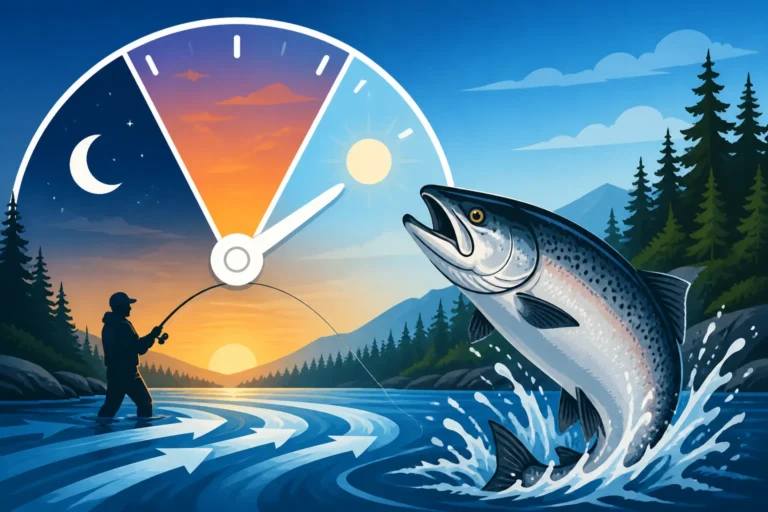
The timing of these runs is heavily influenced by rainfall and river levels. Early fall might see smaller pushes of fish in the lower reaches of rivers, often waiting for significant rain events to raise water levels and allow them to push further upstream, past natural barriers or low-flow sections. Once the rains come and rivers swell, coho can move surprisingly fast. This means a river that was barren one day can be teeming with fish the next, making timing your trip crucial. Pay close attention to local weather forecasts and fishery notices for rivers like the Vedder-Chilliwack, Capilano, or Squamish, as these systems can fill with coho almost overnight after a good rain.
Preferred Habitats and Water Conditions
As coho move upstream, they settle into specific types of water. Fresh-run coho, those just entering the system, often hold in the lower, deeper pools and larger runs, especially near tidal influence in coastal rivers. They're still relatively aggressive and bright. As they progress further upstream, and the water becomes shallower and faster, they’ll seek out different types of cover and current breaks. Think about the energy expenditure – fish don't want to fight strong currents unnecessarily.
Key holding spots include:
- Tail-outs of pools: Where the main current slows down before entering a riffle. These are classic spots for active fish.
- Seams: The transition zone between fast and slow water, often found alongside main current lines, behind large rocks, or log jams. These seams provide a resting place with easy access to passing food or the ability to dart into faster water.
- Eddies and Back Channels: Areas where the water swirls or is significantly slower than the main current, especially if there's overhead cover from trees or submerged logs. Coho will stack up here, conserving energy.
- Undercut Banks: These offer shelter from the current and predators, providing excellent ambush points.
- Behind Boulders or Log Jams: Any structure that breaks the current creates a quiet zone for fish to rest.
Water conditions play a massive role too. Clear, low water can make coho very spooky, forcing them into deeper, darker holding water. In these conditions, lighter leaders and more subtle presentations are key. Conversely, high, murky water from heavy rains can bring fish into shallower areas and make them less wary, but also reduce visibility, meaning your presentation needs to have more flash or vibration to get noticed.
Essential Gear for Fall Coho Success
Having the right tools for the job can make all the difference, especially when you're trying to fool a notoriously fickle fall coho. You need versatility, sensitivity, and enough backbone to handle a powerful fish.
Rod and Reel Setups
For fall coho, versatility is the name of the game. Most anglers will find themselves using two main types of setups, depending on their preferred technique.
1. Spinning/Casting Rods for Lures and Bait:
- Rods: A medium-heavy to heavy action rod, typically 9 to 10.5 feet long, is ideal. This length gives you the casting distance needed for wider rivers and allows for better line control when float fishing. Brands like Shimano, Fenwick, or St. Croix offer excellent options. Look for rods with a fast to extra-fast tip for sensitivity, but enough power in the butt section to control strong fish.
- Reels: A reliable spinning reel in the 3000-4000 series (or a baitcasting reel with a good drag system) is perfect. Ensure it has a smooth, consistent drag, as coho are known for their explosive runs. Capacity for at least 150-200 yards of line is also important, especially if you hook into a particularly hot fish.
2. Fly Rods for the Purist:
- Rods: An 8 to 10-weight fly rod, 9 to 10 feet in length, is generally suitable. The heavier weight allows you to cast large, weighted flies and handle the strong fighting power of coho. A fast action rod helps with punching flies into the wind and turning over heavy setups.
- Reels: A large arbor fly reel with a robust disc drag system is essential. Again, ensure it has enough backing capacity – 150-200 yards of 20-30lb Dacron backing is a good starting point behind your fly line. A good quality reel from companies like Redington or Orvis will stand up to the challenge.
Line, Leader, and Terminal Tackle
Your line choice and terminal tackle can significantly impact your success, especially when fish are shy or water conditions are challenging.
1. Main Line:
- Braided Line: For spinning and casting setups, 20-30lb braided line is a popular choice. It offers superior sensitivity, minimal stretch, and incredible strength for its diameter. The lack of stretch makes hooksets more direct, even at long distances. Its thin diameter also helps with casting distance.
- Monofilament: Some anglers still prefer 15-20lb monofilament as a main line for its shock-absorbing qualities, which can be useful when fish make sudden, violent head shakes. It's also more forgiving for beginners.
- Fly Line: For fly fishing, a weight-forward floating line is standard for indicator nymphing or stripping flies in shallower water. For deeper presentations, a sinking tip or full sinking line might be necessary, especially for getting flies down to holding fish in faster or deeper pools.
2. Leader Material:
- Fluorocarbon: This is almost universally preferred for leader material due to its invisibility underwater, abrasion resistance, and fast sinking rate. For fall coho, 10-15lb fluorocarbon leader is common. In clear water, you might drop down to 8lb, but be prepared for a longer fight. In dirtier water, you can often get away with 15lb, which gives you more confidence around snags. Always tie your braided main line to your fluorocarbon leader using a reliable knot like a double uni-knot or an FG knot. You can find a wide range of leader materials on Amazon.
- Length: A leader of 3 to 6 feet is typical for float fishing or lure casting. For fly fishing, leaders can vary greatly depending on the technique, but often range from 4 to 9 feet.
3. Terminal Tackle:
- Swivels: High-quality barrel or ball-bearing swivels (size 7-10) are crucial to prevent line twist, especially when using spinners or spoons.
- Weights: For float fishing, use lead-free split shot or slinky weights to get your bait down quickly and naturally. Adjust the amount of weight to match the current speed.
- Hooks: Sharp, strong hooks are non-negotiable. For bait, use octopus-style hooks in sizes 1/0 to 3/0. For lures, ensure treble hooks are sharp or consider replacing them with single barbless hooks for easier release and less fish damage. Many BC regulations require single barbless hooks for salmon and steelhead, so always double-check the BC Fishing Regulations Explained for your specific river and species.
Top Fall Coho Fishing Techniques
Successfully targeting fall coho means having a diverse arsenal of techniques at your disposal. What works one day, or even one hour, might not work the next. Adaptability is key. These methods are proven producers across many of BC's salmon-bearing rivers.
Float Fishing for Coho
Float fishing, also known as "drift fishing" with a float or "indicator fishing" in fly circles, is arguably one of the most effective ways to target coho in BC rivers. It allows you to present your bait or lure naturally at the fish's depth, drifting along with the current.
To set up for float fishing, you'll need a good quality slip float (often called a "drift float" or "Drennan" style float in BC) ranging from 15g to 30g, depending on the river's current speed and depth. The goal is to use enough weight to quickly get your bait down but not so much that it impedes the natural drift. Thread your main line through the float, followed by a bobber stop to set your depth, a bead, and then tie on a small barrel swivel. To the other end of the swivel, attach your fluorocarbon leader, usually 3-5 feet long. About 18-24 inches above your hook, attach your split shot or a small slinky weight. The key is to "pencil" the weight, meaning to concentrate it in one spot, so your bait drifts freely below it.
When fishing, cast slightly upstream and across the current, allowing your float to drift downstream along what you believe to be the fish's holding lane. Maintain a slight bow in your line to keep contact with the float and be ready to set the hook at the slightest hesitation or dip. Coho strikes can be subtle or aggressive. If the float goes down, set the hook with a strong, sweeping motion. Adjust your float depth frequently until you find where the fish are holding. This technique is particularly effective in runs, seams, and the deeper sections of pools.
Casting Spoons and Spinners
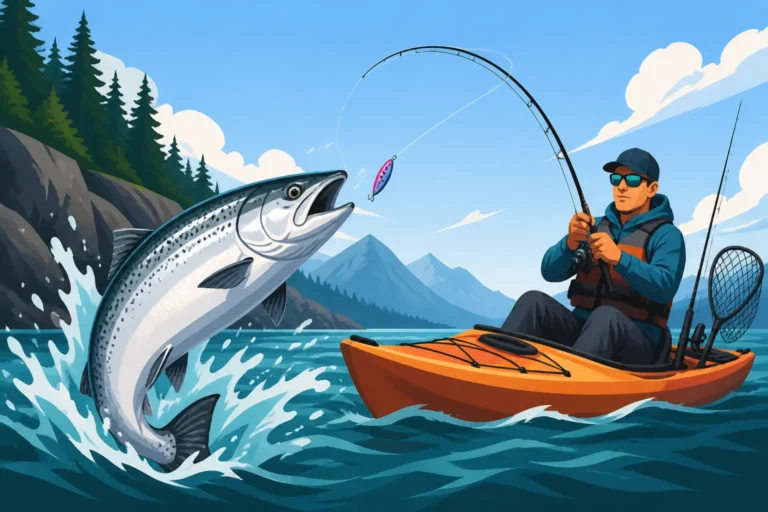
When coho are aggressive, especially fresh-run fish in slightly off-color water, nothing beats the excitement of a hard strike on a spoon or spinner. These lures mimic baitfish or provide an irresistible flash and vibration that trigger an aggressive response.
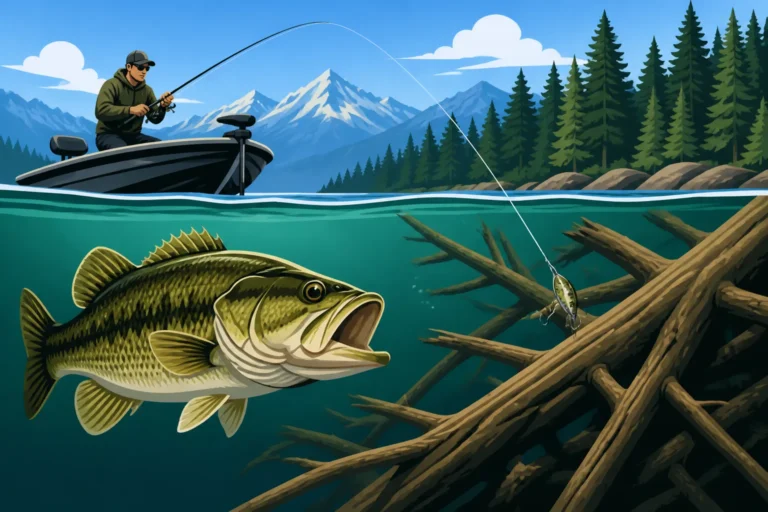
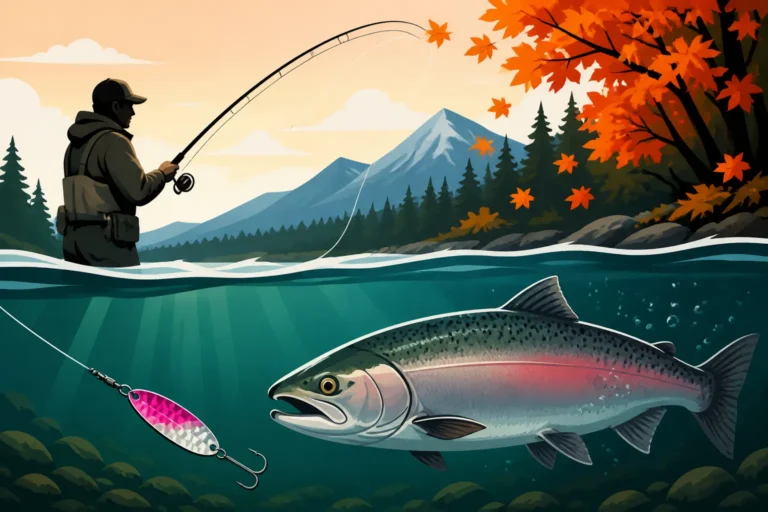
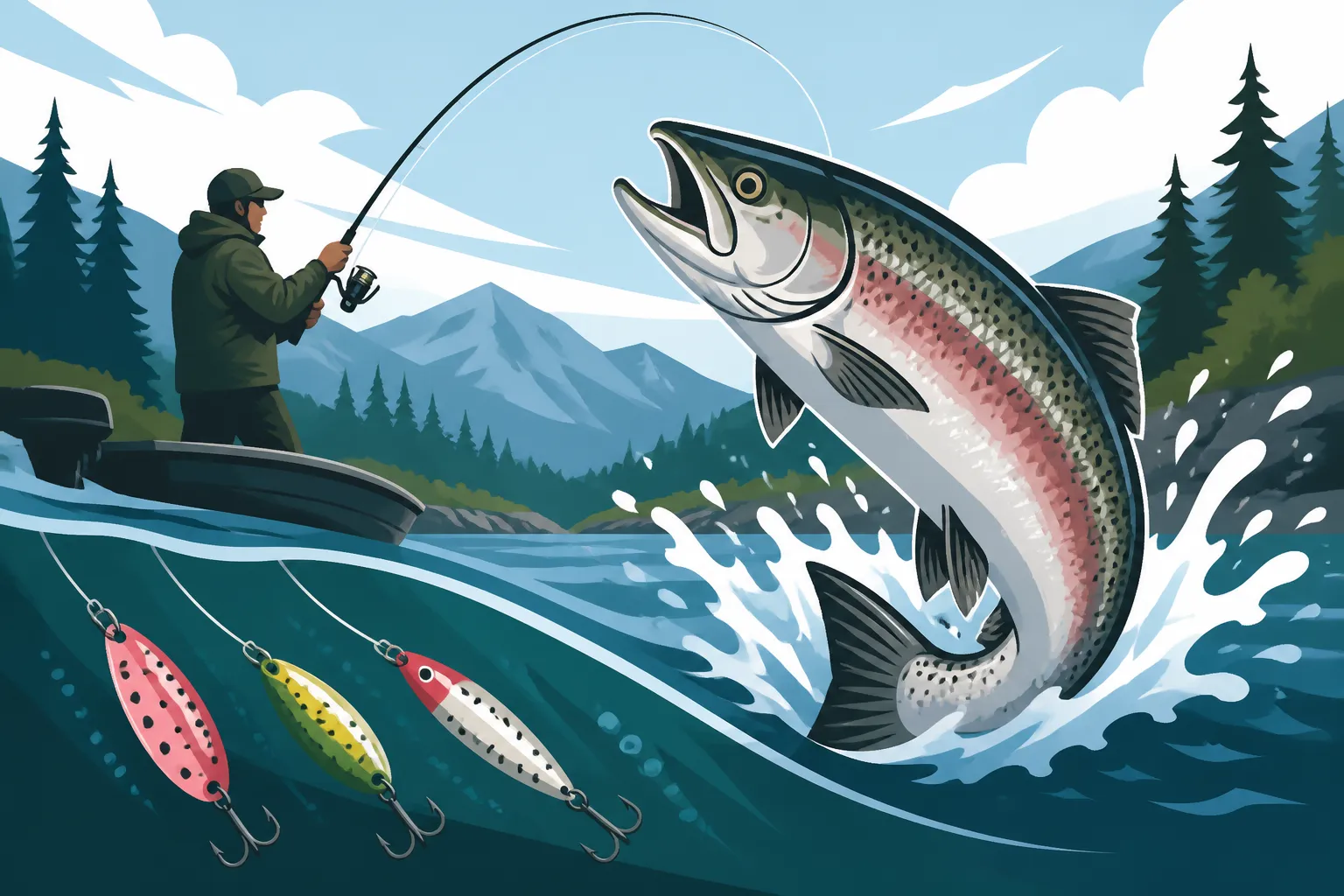
Spoons: Popular choices include the Gibbs-Delta Croc, Koho, and Kitimat spoons, as well as the Dick Nite dodger or various casting spoons. Sizes typically range from 2/5 oz to 1 oz. Colors vary, but always have some classic chrome, nickel, or brass finishes, as well as those with bright orange, red, chartreuse, or even purple accents. Pink and chartreuse are perennial fall favorites. Cast your spoon upstream and across, letting it sink for a few seconds before starting a retrieve. Vary your retrieve speed – a slow, wobbling retrieve can be deadly, but sometimes a faster retrieve with pauses or jigs can illicit a strike. Experiment with how you retrieve your lure, as the Best Lure Retrieve Speed for Coho in Fall can change daily.
Spinners: Blue Fox Vibrax, Mepps Aglia, and Rooster Tail spinners are all excellent choices. Sizes #3 to #5 are common for coho. Again, color is critical; chartreuse, orange, pink, and silver blades are all good bets. Spinners create significant vibration and flash, making them highly visible in all water conditions. Cast them into current seams, along drop-offs, or through pools. Retrieve them just fast enough to get the blade spinning consistently. Pay attention to how the lure feels through the water – you want to feel that blade rotating. These can be particularly effective when fish are moving through shallower, faster water.
Fly Fishing for Fall Coho
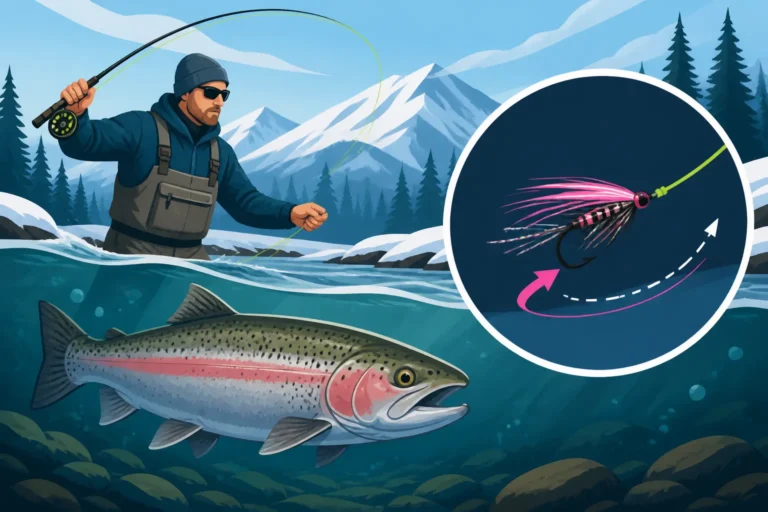
For the dedicated fly angler, fall coho offer an exhilarating challenge. Their aggressive nature and acrobatic fights make them a prime target on the fly.
Gear: An 8 or 9-weight rod is your best friend. Pair it with a weight-forward floating line or, if targeting deeper holding fish, an intermediate or a short sinking-tip line. The key is to get your fly into the strike zone.
Flies: Coho are often attracted to bright, flashy patterns. Think about flies that mimic baitfish or prawns, or simply trigger an aggressive reaction. Popular patterns include:
- Intruders: Large, flashy flies with lots of movement.
- Coho Buggers: Woolly Bugger variations in pink, chartreuse, or orange.
- Flash Flies: Streamers heavily adorned with Krystal Flash or similar materials.
- Pink Poppers/Wog Flies: For surface action, especially in low light or when fish are aggressive.
- Egg Patterns: Often effective, particularly if other salmon species are spawning nearby.
Techniques:
- Stripping Streamers: Cast across or slightly downstream, let the fly sink to the desired depth, and retrieve with varying strip speeds. A consistent strip-pause can be deadly.
- Swinging Flies: Similar to steelhead fishing, cast across and downstream, allowing the current to swing the fly through potential holding lies.
- Indicator Nymphing: Using a large indicator and weighted flies (like a heavily weighted Coho Bugger or an egg pattern) to drift naturally through pools and runs, much like float fishing with gear. This allows for precise depth control.
When fly fishing, always be mindful of your presentation. Coho can be surprisingly particular. Sometimes a slow, steady retrieve works, other times an erratic, darting action is what they want.
Bar Fishing and Anchored Techniques
While many anglers associate fall coho fishing with active casting and drifting, in certain larger river systems or estuaries, static or "bar fishing" can be incredibly effective, especially for fresh-run fish. This method is particularly popular on the Fraser River for species like sockeye and Chinook, but it can be adapted for coho, especially in areas where they hold before pushing upstream.
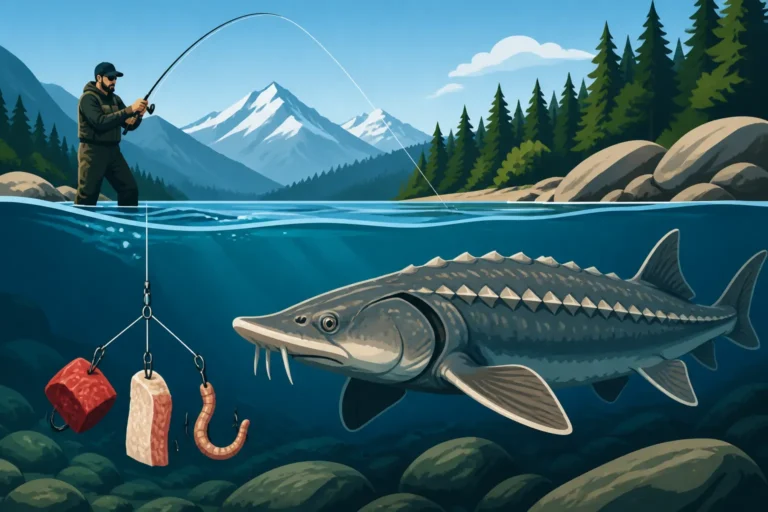
Bar fishing typically involves setting up a heavy lead pyramid sinker (often 6-12 oz or more, depending on current) attached to a mainline, with a short leader (1-3 feet) trailing behind it, ending with a bait-hook. The idea is to anchor your bait directly on the bottom in a travel lane or holding spot, allowing the scent to attract fish. For coho, a slightly lighter setup might be used, and instead of purely relying on scent, some anglers might incorporate a small spin-and-glo or a float on the leader to give the bait some action in the current.
This technique usually requires specialized "bar rods" – long, heavy-action rods designed to hold heavy weights in strong current and absorb powerful salmon runs. These are often set in rod holders on the bank. You’ll be watching for a strong tug or a steady bend in the rod to indicate a bite. This is a less active form of fishing but can be highly productive when fish are moving in large numbers. Ensure your bait is fresh; cured salmon roe is a top choice, sometimes combined with a small piece of prawn or a worm. Remember to check local regulations as specific bar fishing gear may be restricted in some areas.
Best Baits and Lures for Fall Coho
Choosing the right bait or lure can be as critical as the technique itself. Fall coho can be finicky, so having a selection of proven producers is key to adapting to their mood and the water conditions.
Natural Baits and Roe
When fish are less aggressive or water is clear, natural presentations often outshine artificials. The scent and natural appearance can be irresistible.
1. Cured Salmon Roe: Hands down, one of the most effective baits for any salmon species, and coho are no exception. The scent trail it creates is incredibly powerful, drawing fish in from a distance. Roe can be fished under a float, drifted on the bottom with a small weight, or even fished naked in very clear, slow water. There are many ways to cure roe, but popular methods involve borax-based cures that firm up the eggs and enhance their natural scent and color. Using a spawn sack to present your roe can also be very effective, holding the eggs together and making them less likely to come off the hook.
2. Worms and Prawns: While not as potent as roe for salmon, a juicy dew worm or a piece of fresh, cooked prawn can sometimes tempt a coho, especially in systems where other food sources are present or if the fish are simply not responding to traditional salmon baits. Prawns, in particular, have a strong scent and can be very effective when fished under a float in murky water. Both can be purchased readily at local tackle shops or even grocery stores for prawns.
3. Sardines and Anchovies: While less common for river coho, in estuary or tidal areas, cut plugs or whole small baitfish like sardines or anchovies can be extremely effective when trolled or drifted for coho that are still in a more "feeding" mindset.
Artificial Lures: Spoons, Spinners, and Jigs
Artificial lures are fantastic for covering water, attracting aggressive fish, and eliciting reactionary strikes. They also stand up better to casting and retrieving than delicate natural baits.
1. Spoons: As mentioned earlier, Gibbs-Delta (Croc, Koho, Kitimat) and Dick Nite spoons are iconic for BC coho.
- Colors: The classics are chrome, nickel, or brass, often with a contrasting stripe or dot of bright red, orange, or chartreuse. However, the all-pink spoon is a legendary coho killer, especially in clear to slightly stained water. Chartreuse and iridescent blue patterns also have their days. On Amazon, you can find a wide variety of spoon colors and sizes to experiment with.
- Sizes: 2/5 oz to 1 oz are the most common sizes. Match the size to the water depth and current speed – heavier spoons for deeper, faster water.
2. Spinners: Blue Fox Vibrax (sizes #3-#5), Mepps Aglia, and Rooster Tail spinners are all excellent.
- Colors: Again, pink, chartreuse, orange, and silver blades are top producers. Experiment with blade styles too – some days a wider Colorado blade is best for maximum thump, other days a narrower Willowleaf blade for a faster retrieve. For murky water, consider brighter colors like chartreuse or fire-tiger, as suggested in tips for Best Lure Color for Murky Water Steelhead Fishing.
- Sizes: #3 to #5 are the sweet spot. Ensure the spinner is weighted correctly for the water depth you're fishing.
3. Jigs: Marabou jigs are incredibly effective for coho, especially when fished under a float. The pulsing action of the marabou mimics small baitfish or invertebrates.
- Colors: Pink, chartreuse, white, and black are popular. Often, a combination of two colors (e.g., pink and white, chartreuse and black) can be particularly enticing.
- Sizes: 1/4 oz to 1/2 oz are common. The weight allows them to sink quickly and maintain depth. Fish them under a float, giving slight twitches to impart action, or cast and retrieve with a jerky, jigging motion.
Fly Patterns for Aggressive and Finicky Coho
Fly selection for coho can be incredibly fun due to their willingness to chase flashy patterns.
1. Flashy Streamers: Think about patterns that are heavy on Krystal Flash, often in pink, chartreuse, blue, or silver. Flies tied with rabbit strip or marabou also provide excellent movement in the water. Clouser Minnows in chartreuse/white or blue/white are also highly effective, mimicking baitfish.
2. Intruders: Originally designed for steelhead, intruders have proven equally deadly for coho. Their large profile and flowing materials often trigger an aggressive response. Colors like pink/purple, black/blue, or chartreuse/orange are good starting points.
3. Surface Flies (Wogs/Poppers): When coho are particularly aggressive or in low-light conditions, a surface take on a popper or wog fly is an unforgettable experience. These flies are designed to skate and gurgle across the surface, creating a commotion that can bring a coho up from the depths. Try a pink or chartreuse popper in the evening or early morning.
4. Egg Patterns: While coho aren't typically "egg eaters" in the same way some trout or char are, an egg pattern can be very effective when fished dead-drift under an indicator, especially in rivers where other salmon species (like sockeye or Chinook) are actively spawning. The fish may strike out of aggression or curiosity.
Remember, it's not just about the fly, but how you present it. Stripping a streamer erratically, swinging an intruder, or dead-drifting an egg pattern – each technique requires a different approach to bring the fly to life.
Reading the Water and Advanced Tactics
The ability to "read the water" is what separates consistently successful anglers from those who only catch fish by chance. It's about understanding where fish are, why they're there, and how to present your offering to them effectively.
Locating Coho Holds
Coho don't just randomly swim around; they hold in specific areas that offer them comfort, protection, and a tactical advantage for their journey upstream. Learning to identify these spots is a crucial skill for Salmon Fishing Techniques for BC Rivers.
- Current Seams: Look for lines in the water where fast and slow currents meet. These are prime feeding and resting zones. Coho will often sit in the slower water, darting into the faster current to intercept food or simply to ambush your lure. Present your bait or lure along these seams.
- Deep Pools: Especially in the lower and middle sections of a river, coho will stack up in deeper pools, conserving energy. These can be challenging to fish, requiring heavy gear to get down to them. The tail-out of a deep pool, where the water begins to shallow and speed up, is often a more productive spot for active fish.
- Log Jams and Fallen Trees: Any substantial structure in the water creates current breaks and cover. Coho love to hide in the shadows and behind these obstructions. Be prepared to lose some gear, but these spots are often worth the risk.
- Undercut Banks: Overhanging banks provide shade and shelter. Fish will often sit under them, out of sight. Casting or drifting your presentation close to these banks can be very effective.
- Riffle-to-Pool Transitions: The head of a pool, where a riffle dumps into deeper water, is a classic salmon holding spot. Fish will often stage here before moving further upstream or will rest after pushing through the faster water.
- Confluences: Where two rivers or a major tributary meet, the mixing currents and often deeper water create excellent holding areas. Coho will often pause at these junctions before deciding which way to go.
Always observe the river before you start fishing. Look for subtle current changes, boils, or even jumping fish. Sometimes, simply watching other successful anglers can give you clues about where the fish are holding.
Adapting to Changing Conditions
British Columbia's fall weather is notoriously unpredictable, and river conditions can change rapidly. A successful angler isn't stubborn; they adapt.
1. Water Clarity:
- Clear Water: When the river is crystal clear, coho can be very spooky. This calls for lighter fluorocarbon leaders (8-10lb), smaller and more natural presentations (like single egg patterns or subtle jigs), and longer casts to avoid spooking fish. Fish deeper water or during low-light conditions (dawn/dusk) when fish feel more secure.
- Murky/Stained Water: After a rain, rivers can become stained or murky. This is often when coho move aggressively. Brighter, flashier, and larger lures are often more effective here. Think chartreuse, pink, and orange spoons, or spinners with maximum vibration. The fish rely more on lateral line sensation and scent in these conditions. Consider a larger profile jig or bait.
2. Water Temperature:
- Warm Fall Water: Early in the fall, when water temperatures are still relatively mild, coho can be very aggressive and active. They might chase faster retrieves and larger lures.
- Cold Fall Water: As winter approaches and water temperatures drop, coho can become more lethargic. Slower, more deliberate presentations are often necessary. Jigs and bait fished slowly under a float, or streamers retrieved with subtle pauses, can be more effective.
3. River Level and Flow:
- High Water/Rising River: This is often a sign of new fish entering the system. Coho will use the increased water to push past obstacles. They'll often move to the edges of the main current to avoid the strongest flows. Look for quieter seams, back eddies, and flooded shoreline cover. This is a great time for aggressive, visible lures. When rivers are high, the challenges can be similar to Best Techniques for High Water Spring Conditions.
- Low Water/Dropping River: Fish can become concentrated in deeper pools and runs, making them easier to locate but also more susceptible to pressure. They'll also be more visible and thus spookier. Use lighter leaders and stealthier approaches.
4. Fish Pressure:
- Crowded Spots: On popular rivers, coho can face immense pressure. This makes them warier. If a run is getting hammered, consider using less common colors or a more natural presentation. Moving to less-pressured water, even if it looks less ideal, can sometimes yield better results.
By continuously observing the conditions and being willing to change your technique, lure, or even location, you dramatically increase your chances of success. It's a constant puzzle, but that's what makes fall coho fishing so rewarding.
Conservation and Responsible Angling Practices
The incredible fishing opportunities in British Columbia come with a shared responsibility to protect our precious salmon stocks for future generations. Practicing responsible angling ensures that we can continue to enjoy these vibrant fisheries.
Understanding Regulations and Limits
This might sound obvious, but you'd be surprised how many anglers get caught out simply by not checking the most current regulations. BC's fishing regulations are dynamic and can change frequently, especially for salmon. It's not just about knowing the BC Bag and Possession Limits by Species; you need to understand open and closed seasons, gear restrictions, and specific rules for the water you're fishing.
- Before You Go: Always consult the official Freshwater Fishing Regulations Synopsis for freshwater and the Marine Tidal Waters Sport Fishing Guide for saltwater, available online through the Government of British Columbia website or at local tackle shops. These guides detail the daily quotas, size limits, and species-specific rules. Don't forget that you'll also need to understand BC Freshwater vs Tidal Waters License, Explained to ensure you're covered for your chosen waters.
- Fishery Notices: Pay close attention to in-season fishery notices. These are often issued to implement emergency closures, changes to retention limits, or specific gear restrictions based on real-time fish returns or conservation concerns. For example, specific river sections might be closed to all fishing, or certain species might become "catch and release only."
- Salmon Conservation Stamp: Remember that if you plan to retain any salmon, you must purchase a BC Salmon Conservation Stamp in addition to your basic fishing license. This stamp helps fund vital salmon conservation efforts.
- Barbless Hooks: Many regulations require the use of single, barbless hooks for salmon and steelhead. This is a critical rule to minimize harm to released fish. It's always a good practice to use them, even when not explicitly required, especially if you plan on releasing your catch.
Getting caught violating regulations can result in hefty fines, seizure of gear, and even a ban from fishing. It's simply not worth the risk, and it undermines the efforts of everyone working to protect these fisheries.
Catch and Release Best Practices
While many anglers target coho for their delicious table fare, catch and release is an integral part of sustainable fishing, especially for wild stocks or when regulations require it. Knowing how to properly release a fish minimizes stress and increases its chances of survival.
- Minimize Fight Time: Use appropriate gear for the size of fish you expect. Don't "play" the fish excessively; land it as quickly and safely as possible to reduce exhaustion.
- Keep Fish in Water: This is perhaps the most important rule. Keep the fish in the water as much as possible. Even a few seconds out of the water, especially for a stressed fish, can damage its gills, protective slime coat, and internal organs.
- Wet Hands: Always wet your hands before touching a fish. Dry hands can remove the fish's protective slime, making it vulnerable to disease and infection.
- Gentle Handling: Support the fish horizontally, never by its tail or gills alone. Avoid squeezing the fish, especially around the belly. If necessary, use a knotless, rubberized landing net to safely cradle the fish in the water.
- Quick Hook Removal: Use needle-nose pliers or a hook remover to quickly and gently remove the hook. If the hook is deeply set, and removing it would cause more harm, cut the leader as close to the hook as possible. Barbless hooks make this process much easier.
- Revival: Once the hook is out, hold the fish gently facing upstream in the current, allowing water to flow over its gills. Don't force it. Support it until it regains its strength and can swim away on its own. It should be able to hold itself upright and show strong tail movements before you let it go.
By following these practices, you contribute directly to the health of BC's coho salmon populations and ensure that future generations can enjoy the thrill of fall coho fishing.
Disclaimer
Fishing involves inherent risks, including but not limited to, changing weather conditions, slippery terrain, and wildlife encounters. Always prioritize safety, wear appropriate personal protective equipment, and be aware of your surroundings. Fishing regulations are subject to change; always consult the latest official government resources for up-to-date information before heading out. This guide is for informational purposes only and does not constitute professional advice.