Best technique for bank fishing a stocked lake
There's nothing quite like the promise of a peaceful day by the water, especially when you know that lake is regularly stocked with eager fish. Yet, so many of us have experienced the disheartening reality of spending hours casting from the shore, only to come up empty-handed. It's easy to feel like you're doing something wrong or that the fish just aren't biting, but often, it's about understanding the specific techniques that work best for bank fishing a stocked lake. This guide will help you refine your approach, transforming those frustrating no-catch days into rewarding angling adventures across British Columbia.
Understanding Stocked Lakes in BC
Before we even talk about casting a line, let's get on the same page about what a "stocked lake" truly means in British Columbia. It’s not just a lake where fish magically appear; it’s part of a carefully managed program designed to enhance angling opportunities for everyone.
The Rationale Behind Stocking Programs
The Freshwater Fisheries Society of BC plays a massive role in our province's recreational fishing scene, and their stocking program is a cornerstone of that effort. They're not just dumping fish in any old pond; these programs are strategic. The main goal is to create accessible, family-friendly fishing experiences, particularly in areas close to urban centers or in lakes that might not naturally support robust fish populations year-round. Think about those beautiful, smaller lakes near towns like Kamloops, Kelowna, or even around Vancouver and Victoria – many of them are prime candidates for stocking.
The fish released are typically hatchery-raised and are often triploid rainbow trout, which means they're sterile. This is a clever environmental measure, as these fish focus all their energy on growing rather than spawning, providing a better fight and often larger size for anglers, without impacting the genetic integrity of wild fish populations. These fish are essentially put-and-take resources, providing instant gratification for anglers and supporting local tourism. Knowing this changes your approach; these fish aren't always looking for the same natural forage or hiding in the same wild-fish spots. They're often programmed, in a way, to respond to certain types of offerings.
Common Fish Species in Stocked Lakes
While "stocked lake" often conjures images of rainbow trout, they aren't the only players in the game. In BC, rainbow trout are indeed the most common species stocked, with strains like the famous "Fraser Valley" or "Kamloops" varieties being popular due to their vigor and growth rate. These rainbows are generally aggressive feeders, especially shortly after being released, making them ideal targets for bank anglers.
However, depending on the region and the lake's specific ecosystem, you might also find other species introduced or enhanced. Some lakes may see releases of cutthroat trout, particularly in coastal areas, or even brook trout in certain cooler, higher-elevation waters. Occasionally, you'll hear about lakes being stocked with kokanee, which are landlocked sockeye salmon. Each species has slightly different feeding habits and preferred water conditions, so while the general principles of bank fishing apply, a little research into what species are actually in the lake you plan to visit can give you a significant advantage. For instance, if you're targeting Kokanee Fishing in BC, your presentation might need to be a bit more refined than for a freshly stocked rainbow. Knowing your target species helps tailor your bait and presentation perfectly.
Essential Gear for Bank Fishing Stocked Lakes
One of the beautiful things about bank fishing for stocked trout is that you don't need a boatload of expensive gear. It's accessible, which is a huge part of its appeal, especially for beginners or families. That said, having the right gear, even if it's basic, can make a world of difference.
Rod and Reel Setups
For most stocked lake scenarios, a light to medium-light spinning rod and reel combo is your bread and butter. You're not casting huge distances or fighting monster fish, so sensitivity and a comfortable feel are key.
- Rod: Look for a spinning rod between 6 to 7.5 feet in length. This range gives you enough casting distance to reach productive water from the bank without being cumbersome in tighter spots. A rod with a fast or moderate-fast action is usually ideal; it has enough backbone to cast lighter baits but still offers good flex in the tip for detecting those subtle trout bites. A 2-piece rod is often convenient for transport, especially if you're hiking into a spot.
- Reel: Pair your rod with a spinning reel in the 1000 to 2500 size range. This size matches the rod well and provides a smooth drag system, which is crucial when a spirited rainbow decides to make a run. Spool it up with 4 to 6-pound monofilament or fluorocarbon line. Monofilament is forgiving, has a bit of stretch, and floats, which can be an advantage for certain bait presentations. Fluorocarbon is nearly invisible underwater and has less stretch, offering better sensitivity, but it sinks, which might require adjustments for floating baits. You can also spool with braided line and use a fluorocarbon leader for maximum sensitivity and strength, but for basic stocked lake fishing, mono or fluoro direct to the reel is perfectly fine. Many anglers find excellent starter combos on Amazon, offering good value for money.
Terminal Tackle and Baits
This is where the magic happens and where you can really tailor your approach. Stocked trout, especially fresh ones, can be quite opportunistic, but they can also become finicky if they've been pressured.
- Hooks: Size 8 to 14 single hooks are generally what you'll need. Smaller hooks are better for smaller baits and provide a more natural presentation. Consider "baitholder" hooks with small barbs on the shank to help keep soft baits like PowerBait in place. For live worms, an Aberdeen hook works well.
- Weights: A small assortment of split shot weights (removable ones are great for quick adjustments) or pencil weights will cover most situations. You'll need just enough weight to get your bait down or to cast effectively, but not so much that it hinders a natural drift or sinks too quickly.
- Swivels: Small barrel swivels or snap swivels (size 10-14) are useful for preventing line twist, especially if you're retrieving lures that spin, or if you're using a leader.
- Floats/Bobbers: A simple slip bobber or fixed bobber can be invaluable for suspending your bait at a specific depth, keeping it off the bottom, or indicating a bite. Slip bobbers are excellent for fishing deeper water from the bank, allowing you to cast further while still presenting your bait at a precise depth.
- Baits: This is the fun part!
- PowerBait (or similar scented dough baits): This is a staple for a reason. It floats, comes in a rainbow of colours, and has strong scents that stocked trout find irresistible. Green, yellow, and rainbow swirl are classic choices. Mold it onto a small treble hook (if permitted by regulations, always check your BC Freshwater Fishing Regulations Synopsis) or a single hook, so it floats up off the bottom.
- Worms: Live earthworms (dew worms, red wrigglers) are universally effective. They're natural, smelly, and wiggle enticingly. Thread them onto a small hook, leaving some wiggling action.
- Corn: Believe it or not, canned corn is a surprisingly effective bait for stocked trout. Its bright yellow colour and sweet smell attract fish. Just hook a few kernels directly onto a small hook.
- Marshmallows: Small marshmallows, especially scented ones, also float and can be very appealing.
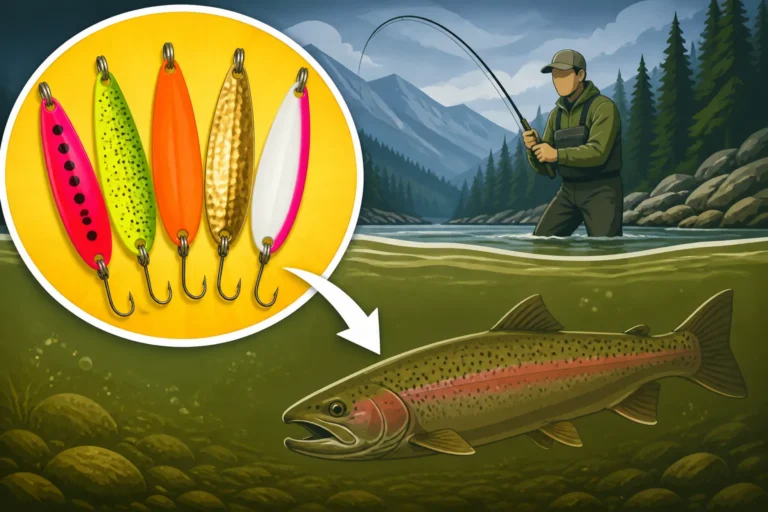
- Small Spinners and Spoons: Lures like Panther Martins, Mepps, or small Kastmasters are fantastic for active fish. Their flash and vibration mimic baitfish, triggering strikes. Gold, silver, and copper blades are always good bets. You can find a huge selection of these baits on Amazon.
- Flies (if fly fishing): If you're using a fly rod, small Woolly Buggers, pheasant tail nymphs, or even dry flies during a hatch can be deadly.
Comfort and Convenience Items for the Bank
Bank fishing isn't just about catching fish; it's about enjoying the experience. Being comfortable and prepared makes a huge difference.
- Chair/Bucket: A lightweight folding chair or a sturdy bucket (which can also double as a tackle carrier) makes waiting much more pleasant.
- Cooler: Keep your drinks and snacks cool, and if you plan on keeping fish, ensure you have ice.
- Landing Net: A small, fine-mesh landing net is crucial for safely landing fish, especially if you plan on releasing them. It minimizes stress on the fish and prevents them from flopping around on the shore.
- Pliers/Forceps: Essential for removing hooks, especially if a fish swallows the bait.
- Stringer or Livewell: If you intend to keep your catch, a stringer to hold fish in the water or a small cooler with ice will keep them fresh.
- Sun Protection: Hat, sunglasses, and sunscreen are a must in BC's often sunny outdoors.
- Rain Gear: Weather in BC can change on a dime, so a lightweight rain jacket is always a good idea.
- First Aid Kit: For minor cuts or scrapes.
- Fishing License: Make sure you have your BC Fishing License Age Requirements taken care of, and whether you print it or carry a digital version, always have it with you.
Mastering Bank Fishing Techniques for Stocked Trout
Now that you're geared up, let's talk about the "how." It's not just about casting and hoping; there's an art and a science to effective bank fishing.
Reading the Water from Shore
You might not have a fish finder, but your eyes and a bit of common sense are incredibly powerful tools for finding fish from the bank.
- Look for Structure: Stocked trout, while less wild than their native counterparts, still seek shelter and food. Look for submerged logs, rock piles, weed beds (especially edges), and drop-offs. These areas offer cover from predators and often concentrate insects or other small prey. If you can see a distinct change in bottom depth or cover from your vantage point, that's often a prime target.
- Observe Water Features: Wind-blown shorelines can often be productive. The wind pushes surface insects and baitfish towards the bank, creating a buffet for hungry trout. Inlets where small streams flow into the lake can also be hotspots, bringing in fresh food and oxygen. Areas with slightly deeper water close to shore are often better than shallow, featureless flats. Don't be afraid to walk around and observe for a while before settling on a spot; look for rises (fish breaking the surface) or other signs of activity. Sometimes the best spots are near points or slight indentations in the shoreline.
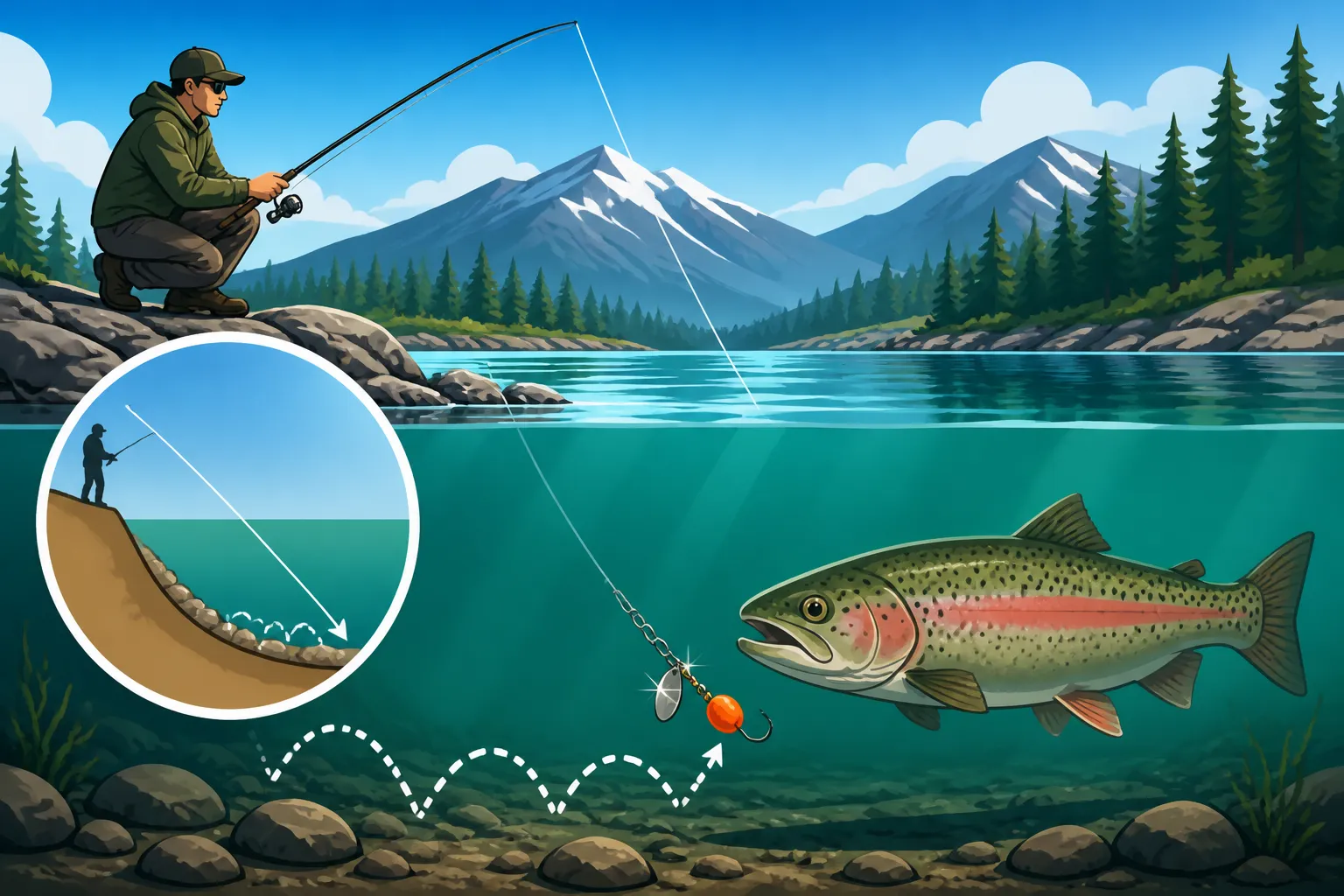
- Identify Depth Changes: From the bank, you can often discern subtle changes in depth. Look for darker water, which usually indicates deeper sections. Trout will often cruise along these depth transitions, moving between the safety of deeper water and the feeding opportunities of shallower areas. Casting parallel to the shore, along a visible weed line or drop-off, can be very effective. This allows your bait or lure to stay in the strike zone for longer.
Presentation is Key: Still Fishing vs. Casting and Retrieving
How you present your bait is often more important than the bait itself. Stocked trout can be curious, but they can also be wary.
- Still Fishing with Bait: This is the quintessential stocked lake technique and often the most successful, especially for those new to fishing.
- Bottom Rigging: Use a small egg sinker or a few split shot above a swivel, then a 12-24 inch leader to your hook. This allows the bait (PowerBait, worm, corn) to float freely or rest naturally on the bottom. Cast it out, let it settle, and then put your rod in a holder. Watch your line for any twitch or movement. The floating PowerBait will lift off the bottom, making it highly visible.
- Under a Bobber: This is fantastic for suspending your bait at a specific depth, preventing it from snagging on bottom debris, or for fishing over weed beds. Attach a bobber above a few split shots and your hook. Adjust the bobber stop to set your bait at the desired depth, typically 3-10 feet, but experiment. When the bobber dips or moves, it's time to set the hook. This method is great for finding where the fish are holding in the water column.
- Casting and Retrieving Lures: If the fish are active and chasing, or if still fishing isn't producing, switching to a retrieve method can be very effective.
- Spinners and Spoons: Cast your lure out and retrieve it at a steady pace. The goal is to make the lure flash and wobble, mimicking a swimming baitfish. Experiment with different retrieve speeds, from slow rolls to faster bursts. Sometimes a pause-and-go retrieve can trigger a hesitant fish. Cast in a fan pattern to cover a wide area from your position.
- Small Crankbaits/Jigs: For something different, small, suspending crankbaits or even tiny jigs tipped with a small piece of worm or PowerBait can be worked slowly along the bottom or jigged subtly. This is often a good technique when fish are less aggressive.
Adjusting to Fish Behavior and Conditions
Fish aren't always in the same mood, and neither is the weather. Being adaptable is a hallmark of a successful angler.
- After Stocking vs. Later Season: Fish are often most aggressive and easiest to catch immediately after being stocked. They're disoriented and hungry. As time passes, they become more acclimated and can grow warier, responding more to natural presentations. If you're fishing a lake that was recently stocked, try bright, smelly baits like PowerBait. If it's been a while, you might need to scale down your tackle and use more subtle offerings like worms or small nymphs. You can often find out How to catch trout right after stocking in BC if you check local fishery notices.
- Weather and Water Conditions: On bright, sunny days, fish often move to deeper, cooler water or seek shade under overhanging trees or structures. On overcast days, they might be more active in shallower areas. After a rain, the water might be murky, which can sometimes turn fish on (they feel safer feeding) or off (they can't see as well). Adjust your bait colours (brighter for murky water, more natural for clear water) and your fishing depth accordingly.
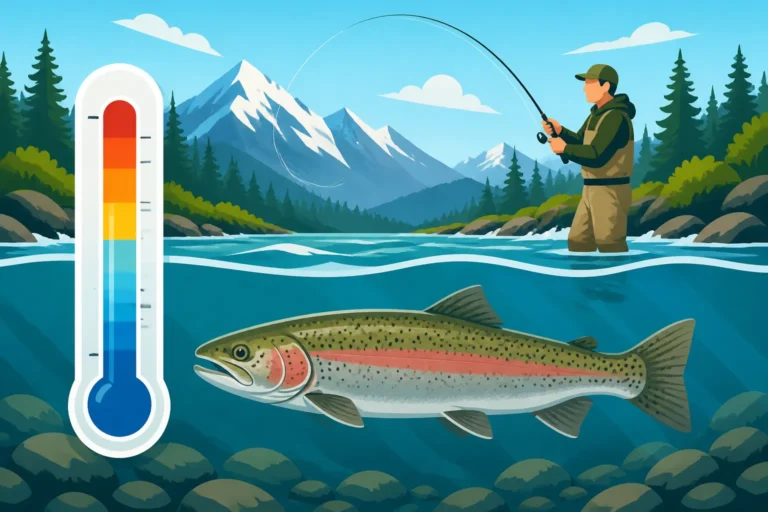
- Time of Day: Early mornings and late evenings are often prime feeding times for trout, especially in warmer months. The cooler water temperatures and lower light conditions make them more comfortable to move and feed closer to shore. However, in cooler seasons or on overcast days, fish might be active throughout the day. It pays to understand the Best Time of Day to Catch Salmon – and trout – which are often similar patterns.
Tips for a Successful and Enjoyable Outing
Beyond the technical skills, there are a few other considerations that can really elevate your bank fishing experience on BC's stocked lakes.
Timing Your Visit for Best Results
Timing is everything in fishing, and stocked lakes are no exception.
- Check Stocking Reports: The Freshwater Fisheries Society of BC maintains an active stocking report, detailing which lakes have been stocked, when, and with what species and numbers. This is your secret weapon! Fishing a lake a few days to a week after a fresh stocking can lead to incredible action.
- Consider the Season: While many stocked lakes offer year-round opportunities, spring and fall are often the most productive. In spring, the water is cool, and fish are hungry after winter. In fall, they're bulking up for the colder months. Summer can be good, but avoid the heat of midday, as trout will be sluggish in warm water. Winter, if ice fishing is permitted and safe, can also be fantastic, offering a unique experience on lakes like those in the Cariboo region. For broader seasonal information, check out BC Fishing Season Dates and Closures.
- Avoid Crowds: Popular stocked lakes, especially on weekends and holidays, can get very busy. Arrive early or try to visit on weekdays to avoid elbow-to-elbow combat fishing. More people mean more noise and more pressure on the fish, which can make them harder to catch.
Practicing Responsible Angling
We all want to enjoy BC's natural beauty and incredible fishing opportunities for years to come, and that means doing our part to protect the resource.
- Know Your Limits: Always consult the current fishing regulations for the specific lake you are fishing. These outline bag and possession limits, size restrictions, and any special regulations. You might be surprised at how quickly limits can change.
- Catch and Release Best Practices: If you're releasing fish, do so carefully. Minimize handling, use a net, keep the fish in the water as much as possible, and remove hooks gently with pliers or forceps. If a fish is deeply hooked, cut the line as close to the hook as possible.
- Leave No Trace: Pack out everything you pack in. This includes old fishing line, bait containers, and any other garbage. Let's keep our beautiful BC lakes pristine.
- Respect Other Anglers: Be mindful of other people fishing around you. Don't cast over their lines or crowd their space. A friendly wave and a bit of distance go a long way.
Going Beyond the Basics
Once you've got the hang of the fundamental techniques, you can start to experiment and explore.
- Try Different Baits and Lures: Don't get stuck in a rut. If PowerBait isn't working, switch to worms. If spinners aren't hitting, try a small spoon. Sometimes, a subtle change in colour or action is all it takes.
- Explore New Lakes: BC is blessed with countless stocked lakes. Once you've mastered your local spot, use the stocking reports to discover new adventures. Each lake has its own character and nuances. Many of these are fantastic for Best family-friendly fishing spots in BC.
- Consider Fly Fishing: If you're interested in a new challenge, a simple 5 or 6-weight fly rod can open up a whole new world of techniques on stocked lakes, from stripping streamers to delicate dry fly presentations.
Bank fishing a stocked lake in BC can be an incredibly rewarding experience. It's accessible, often productive, and a wonderful way to connect with nature. With the right gear, a thoughtful approach to reading the water, and a willingness to adapt, you'll be well on your way to a successful day on the shore. Remember, the goal isn't just to catch fish, but to enjoy the process, the scenery, and the peace that comes with being outdoors.
Disclaimer
This article is for general informational purposes only and does not constitute professional advice. Laws, prices and regulations vary by location and change over time. Consult a qualified professional for guidance on your specific situation.