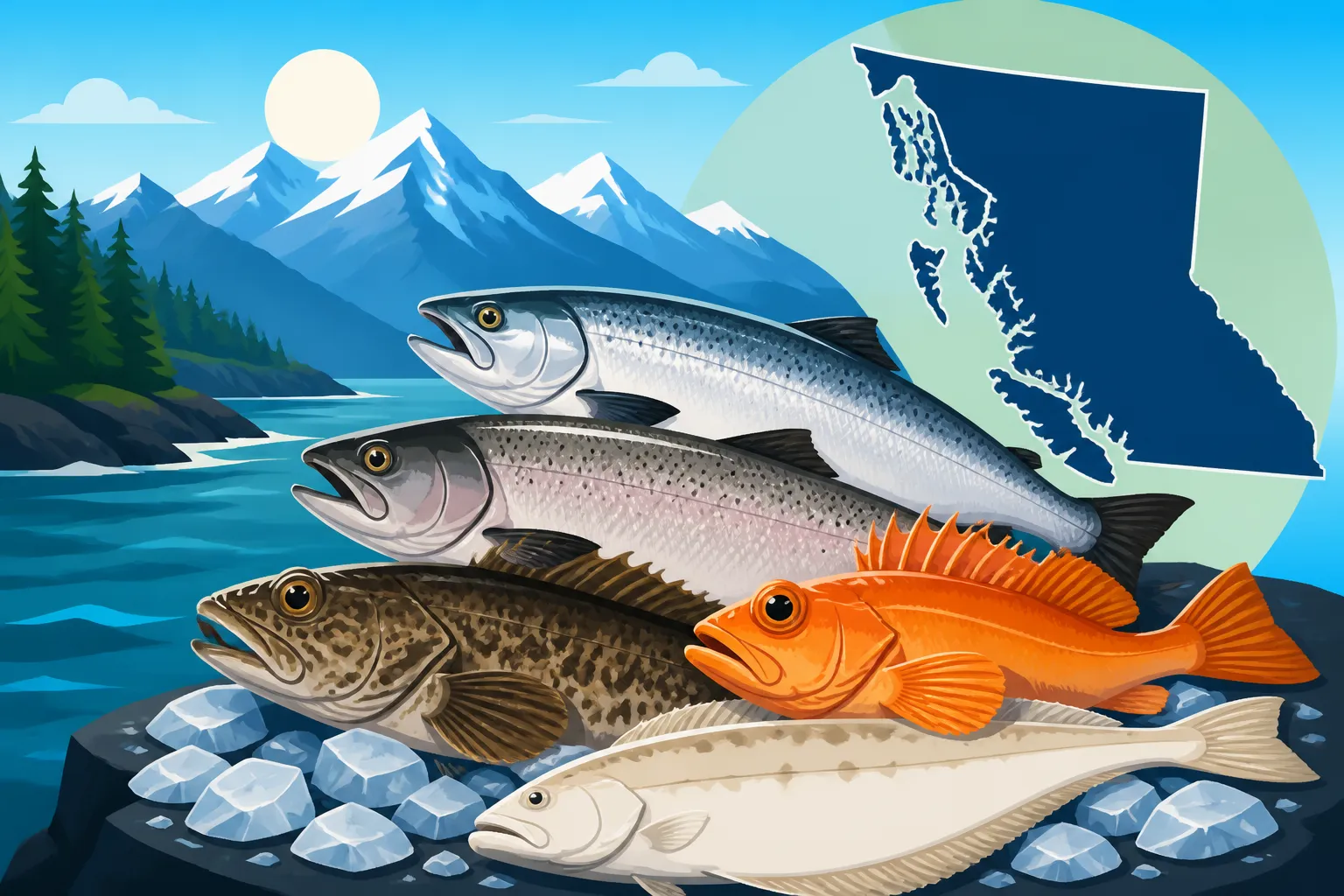
Best eating fish species from BC waters
It's no secret that British Columbia boasts some of the most spectacular fishing opportunities on the planet. From our vast ocean waters to our countless lakes and rivers, the sheer variety of fish available can be overwhelming, especially when you're looking to bring home a delicious meal. Many anglers wonder which species truly shine on the dinner plate, offering not just a thrilling catch, but also a memorable culinary experience. This guide will dive deep into the best eating fish species found in BC waters, helping you turn your fishing adventures into fantastic feasts.
The Kings of the Plate: BC's Prized Salmon Species
When you think of fishing in British Columbia, salmon are likely the first fish that come to mind, and for good reason! Not only are they iconic, but they are also consistently ranked among the best eating fish, beloved for their rich flavour, flaky texture, and incredible health benefits. Each species offers a slightly different culinary experience, making them all worthy contenders for your next meal.
Chinook Salmon: The Rich, Buttery King
Ah, the Chinook! Often called "King Salmon," this species truly lives up to its regal name in both size and flavour. When you catch a beautiful Chinook, you're not just landing a powerful fighter; you're bringing home a fish renowned for its deep red, rich, and incredibly buttery flesh. It's packed with healthy omega-3 fatty acids, which contribute to its moist texture and robust taste, making it a favourite among seafood connoisseurs.
Many anglers consider Chinook the pinnacle of salmon for eating due to its high fat content and succulence. Whether you're grilling a thick steak, slow-roasting a fillet, or even hot-smoking it for a rich treat, Chinook holds up beautifully to a variety of cooking methods. The flavour is pronounced but not overly "fishy," making it a crowd-pleaser even for those who might be hesitant about stronger fish tastes. Sourcing or catching a fresh Chinook is always a highlight of the season for many, and you can learn more about targeting these magnificent fish in our guide to Chinook Salmon Fishing in BC.
When preparing Chinook, simple seasonings often work best to let the natural flavour shine. A little salt, pepper, a squeeze of lemon, and maybe some fresh dill are all it often needs. Its firm flesh also makes it excellent for gravlax or curing, allowing you to enjoy its exquisite taste for longer. For keeping your prize catch fresh on the journey home, a quality cooler is essential, and you can find many reliable options on Amazon to ensure your Chinook stays pristine.
Sockeye Salmon: Deep Red, Firm, and Distinctive
If Chinook is the king, Sockeye is arguably the jewel of BC's salmon species. Instantly recognizable by its striking, vibrant red flesh, Sockeye salmon offers a distinctly different eating experience. Its meat is leaner and firmer than Chinook, with a more pronounced, almost earthy flavour that is highly sought after. This firm texture makes it incredibly versatile in the kitchen, holding its shape well during cooking.
The deep red colour of Sockeye is not just for show; it's an indicator of its diet rich in crustaceans, which also contributes to its unique flavour profile. Because of its leaner nature, Sockeye benefits from cooking methods that help retain moisture, such as pan-searing with a quick sear on both sides, roasting at a moderate temperature, or even baking in parchment paper with some aromatics. It’s also phenomenal when prepared as sashimi or in poke bowls if you're lucky enough to catch it incredibly fresh.
Many anglers plan their trips specifically around the Sockeye Salmon Fishing in BC runs, knowing the reward awaiting them on the dinner table. Its distinctive taste stands out, making it a memorable meal whether served simply with vegetables or incorporated into more complex dishes. The vibrant colour also makes it visually appealing, elevating any dish it graces.
Coho Salmon: Versatile and Mild
Coho salmon, often affectionately called "Silver Salmon" for their bright, silvery scales, offer a fantastic balance for those who appreciate a lighter, more delicate salmon flavour. Their flesh is typically orange-red and has a medium fat content, falling somewhere between the richness of Chinook and the leanness of Sockeye. This makes Coho incredibly versatile and forgiving in the kitchen.
The mild flavour and flaky texture of Coho make it an excellent choice for a wide range of culinary applications. It cooks up beautifully whether you're grilling it quickly over medium heat, poaching it gently in a flavourful broth, or baking it in the oven. It's particularly good for dishes where you want the salmon to complement other ingredients without overpowering them, such as in salads, pasta dishes, or light curries. Kids and those new to eating fish often find Coho particularly appealing due to its less intense flavour.
For anglers keen on targeting this adaptable species, understanding Coho Salmon Fishing in BC techniques can lead to some truly rewarding catches. Coho also freezes exceptionally well, maintaining much of its texture and flavour if properly prepared and vacuum-sealed, making it a great option for stocking up your freezer for delicious meals throughout the year. You can find many vacuum sealer options on Amazon to preserve your catch with ease.
Beyond Salmon: Other Stellar Seafood Options
While salmon often steal the spotlight, BC's waters are home to a treasure trove of other fish species that are absolutely outstanding on the plate. Diversifying your culinary catches can lead to exciting new flavours and textures, offering a different kind of reward for your angling efforts. From deep-sea dwellers to freshwater favourites, there's a delicious adventure waiting.
Pacific Halibut: The Flaky, Mild Whitefish
Pacific Halibut truly earns its reputation as a premier whitefish. If you've ever had a perfectly cooked piece of halibut, you know exactly why it's so highly prized. Its flesh is incredibly white, firm, and boasts large, flaky flakes that are incredibly moist and tender when cooked correctly. The flavour is clean, mild, and subtly sweet, making it exceptionally appealing to a broad range of palates.
Halibut's versatility in the kitchen is practically unmatched. It can be baked, grilled, pan-fried, poached, or even used raw in ceviche or sashimi-grade preparations. Its firm texture means it holds up wonderfully to bolder sauces or marinades, yet it's equally delicious with just a sprinkle of salt and pepper. Many restaurants feature halibut as a premium item, and bringing one home from your own fishing trip feels like a true accomplishment. It's often associated with offshore adventures, and exploring Halibut Fishing off Vancouver Island can lead to some incredible catches.
Given its mild flavour, halibut can be a fantastic canvas for various culinary explorations. Try it crusted with herbs and breadcrumbs, or simply pan-seared with butter and capers. Its ability to absorb flavours makes it a favourite for elegant dinners or casual family meals. Just remember, a fresh catch is always the best catch, so proper cooling techniques right after landing are vital for optimal flavour and texture.
Lingcod: A Local Favourite with a Unique Bite
Don't let the somewhat intimidating appearance of a Lingcod fool you; beneath those rugged looks lies a truly fantastic eating fish. Lingcod is a local favourite, particularly along BC's coast, known for its firm, white, and exceptionally flaky flesh. What sets Lingcod apart is its unique texture—it's often described as being somewhere between a cod and a halibut, with a distinctive "sweet" bite.
This species is incredibly popular for classic fish and chips due to its ability to hold its shape when battered and deep-fried, resulting in a crispy exterior and a succulent, tender interior. However, its culinary potential extends far beyond that. Lingcod is also excellent when baked, roasted, or used in hearty stews and chowders, where its firm flesh won't fall apart. You can explore How to Catch Lingcod off Vancouver Island for tips on landing these delicious fish.
Some people even claim that Lingcod, particularly larger specimens, can have a slight blue or green tint to their raw flesh, which magically disappears when cooked, turning perfectly white. This fascinating characteristic only adds to its allure. When cooking Lingcod, be mindful not to overcook it, as its lean nature can lead to dryness if not handled with care. A quick sear or gentle bake will preserve its delicate moisture and flavour.
Rainbow Trout and Kokanee: Freshwater Delights
Venturing into BC's freshwater systems opens up another world of delicious eating fish, with Rainbow Trout and Kokanee leading the charge. These species are not only abundant in many lakes and rivers but also offer fantastic table fare, particularly for those who prefer lighter, freshwater flavours.
Rainbow Trout: Found in countless lakes and streams across British Columbia, the Rainbow Trout is a staple for many anglers and home cooks. Its flesh is delicate, flaky, and can range from almost white to a lovely pinkish-orange, depending on its diet. The flavour is mild and fresh, making it incredibly versatile. Many people enjoy pan-frying a freshly caught Rainbow Trout whole, allowing the skin to crisp up beautifully while the interior remains moist and tender. It’s also excellent baked, grilled, or even smoked. The accessibility of Rainbow Trout Fishing in BC makes it a consistently popular choice for dinner.
Kokanee: Often referred to as landlocked Sockeye salmon, Kokanee offer a taste of their larger ocean-dwelling relatives but in a smaller, freshwater package. Their flesh is typically a vibrant orange-red, similar to Sockeye, and they have a distinctively sweet and rich flavour. While smaller in size, Kokanee are packed with taste and are highly prized for smoking. Their sweetness makes them an ideal candidate for a light brine before smoking, resulting in a truly delectable treat that can be enjoyed on its own or flaked into salads. Learning about Kokanee Fishing in BC is a rewarding pursuit that pays off generously on the plate.
Both Rainbow Trout and Kokanee benefit from quick cooking methods that highlight their natural flavours. Simple preparations with herbs, butter, and lemon are often all that's needed to create a truly delicious meal.
Important Considerations for the Table
Bringing home a fresh catch is only half the battle; knowing how to handle, prepare, and cook your fish responsibly makes all the difference in turning it into a truly memorable meal. There are a few key factors that will ensure your BC bounty tastes as good as possible, while also adhering to important ethical and regulatory guidelines.
Freshness and Handling: Key to Culinary Success
The journey from the water to your plate is critical for maintaining the quality and flavour of your fish. The fresher the fish, the better it will taste, and proper handling starts the moment you land your catch. Immediate chilling, bleeding, and cleaning are paramount. When a fish is bled immediately after being caught, it removes blood that can taint the flavour and reduce shelf life. Quickly getting your fish on ice, ideally in an insulated cooler, slows bacterial growth and keeps the flesh firm.
Think about how you'll transport your fish home. A good quality cooler filled with ice is non-negotiable. For longer trips or to preserve larger catches, having robust fish bags or even a portable freezer can be beneficial. Many anglers use insulated bags to keep their fish separate from melting ice water, which can waterlog the flesh. Once home, clean your fish thoroughly, pat it dry, and store it in the coldest part of your refrigerator for immediate use, or vacuum-seal and freeze it for later. Vacuum sealers, available on platforms like Amazon, are fantastic for extending the freezer life of your catch without freezer burn, ensuring that delicious flavour is locked in for months.
Sustainability and Ethical Choices
As anglers, we have a responsibility to protect the precious resources that provide us with such incredible fishing opportunities. Making sustainable and ethical choices is not just good for the environment; it ensures that future generations can also enjoy the abundance of BC's waters. Always familiarize yourself with the current BC Fishing Regulations Explained and local BC Bag and Possession Limits by Species for the waters you're fishing. These regulations are designed to protect fish stocks and ensure healthy populations.
Respecting catch limits, understanding specific gear restrictions, and practicing proper catch-and-release techniques when required are all part of being a responsible angler. Fishery notices and in-season closures, which can change frequently, are also vital to check before heading out, especially for salmon. Additionally, consider the method of fishing and its impact on the species. Choosing to target abundant species or using methods that minimize bycatch contribute to a healthier ecosystem. Our guide to BC Fishing Seasons by Month can also help you understand peak times for various species, allowing you to plan your trips effectively.
Cooking Tips and Recipe Inspiration
Once you've got your beautifully handled, fresh BC fish ready, the final step is transforming it into a culinary masterpiece. The biggest mistake most people make when cooking fish is overcooking it. Fish cooks quickly, and a minute or two too long can turn tender, flaky flesh into dry, unappetizing fare. Aim for a moist, opaque centre, and remember that fish will continue to cook slightly even after it's removed from the heat.
For most of the species discussed, simple preparations often yield the best results. A hot pan with a bit of butter or olive oil, a quick grill, or a gentle bake in the oven are fantastic starting points. Season with just salt, pepper, and perhaps some fresh herbs like dill, parsley, or thyme. A squeeze of lemon juice at the end brightens the flavours beautifully. Don't be afraid to experiment with different marinades or rubs, but always ensure they complement the fish rather than mask its natural taste.
For recipe inspiration, the internet is a vast resource, but also consider classic cookbooks focused on seafood. Pairing your fish with seasonal vegetables, a light rice pilaf, or a simple potato dish can create a balanced and incredibly satisfying meal. Remember, the best eating experience comes from a fish that was respected from the moment it was caught to the moment it was served, so take pride in every step of the process!
Comparison Table: Top BC Eating Fish at a Glance
To help you decide which delicious BC species to target next for your dinner plate, here's a quick comparison of some of our top picks:
| Species | Flavour Profile | Texture | Common Preparations | Best Season / Availability |
|---|---|---|---|---|
| Chinook Salmon | Rich, buttery, full-bodied | Moist, large flakes | Grilling, baking, smoking, roasting, curing | Spring, Summer, Fall |
| Sockeye Salmon | Distinctive, strong, slightly earthy | Firm, fine flakes | Pan-searing, roasting, baking, sashimi, broiling | Summer, early Fall |
| Coho Salmon | Mild, clean, versatile | Medium-firm, delicate flakes | Grilling, poaching, baking, pan-frying, salads | Summer, Fall |
| Pacific Halibut | Very mild, clean, subtly sweet | Firm, large flaky | Baking, grilling, frying, poaching, ceviche, sashimi | Spring, Summer, Fall |
| Lingcod | Mild, unique sweet bite | Very firm, large flaky | Fish & chips, baking, stews, chowders, grilling | Year-round (best Spring/Summer) |
| Rainbow Trout | Mild, fresh, delicate | Tender, fine flakes | Pan-frying (whole), baking, grilling, smoking | Year-round (peak Spring/Summer) |
| Kokanee | Sweet, rich, distinctive | Firm, fine flakes | Smoking, pan-frying, baking, broiling | Spring, Summer, Fall |
Disclaimer
This article is for general informational purposes only and does not constitute professional advice. Laws, prices and regulations vary by location and change over time. Consult a qualified professional for guidance on your specific situation.