Best lakes for burbot in northern BC
Finding that perfect spot for burbot fishing in the vast, wild expanse of northern British Columbia can feel like searching for a needle in a haystack, especially when you're dreaming of those delicious freshwater cod. It's frustrating to drive all that way only to find yourself on a lake that simply doesn't hold them in good numbers or where you can't quite dial in the technique. This guide is dedicated to pulling back the curtain on some of northern BC's best burbot lakes, diving deep into their characteristics, and equipping you with the knowledge and tactics to make your next burbot adventure a resounding success.
Understanding Burbot in Northern BC Waters
Burbot, often affectionately called "poor man's lobster" for their firm, white, flaky meat, are a truly unique species in British Columbia. They're the only freshwater member of the cod family, and they thrive in the cold, deep waters characteristic of northern BC's vast lake systems. But to catch them consistently, you first need to understand what makes them tick.
What Makes Burbot So Unique and Elusive?
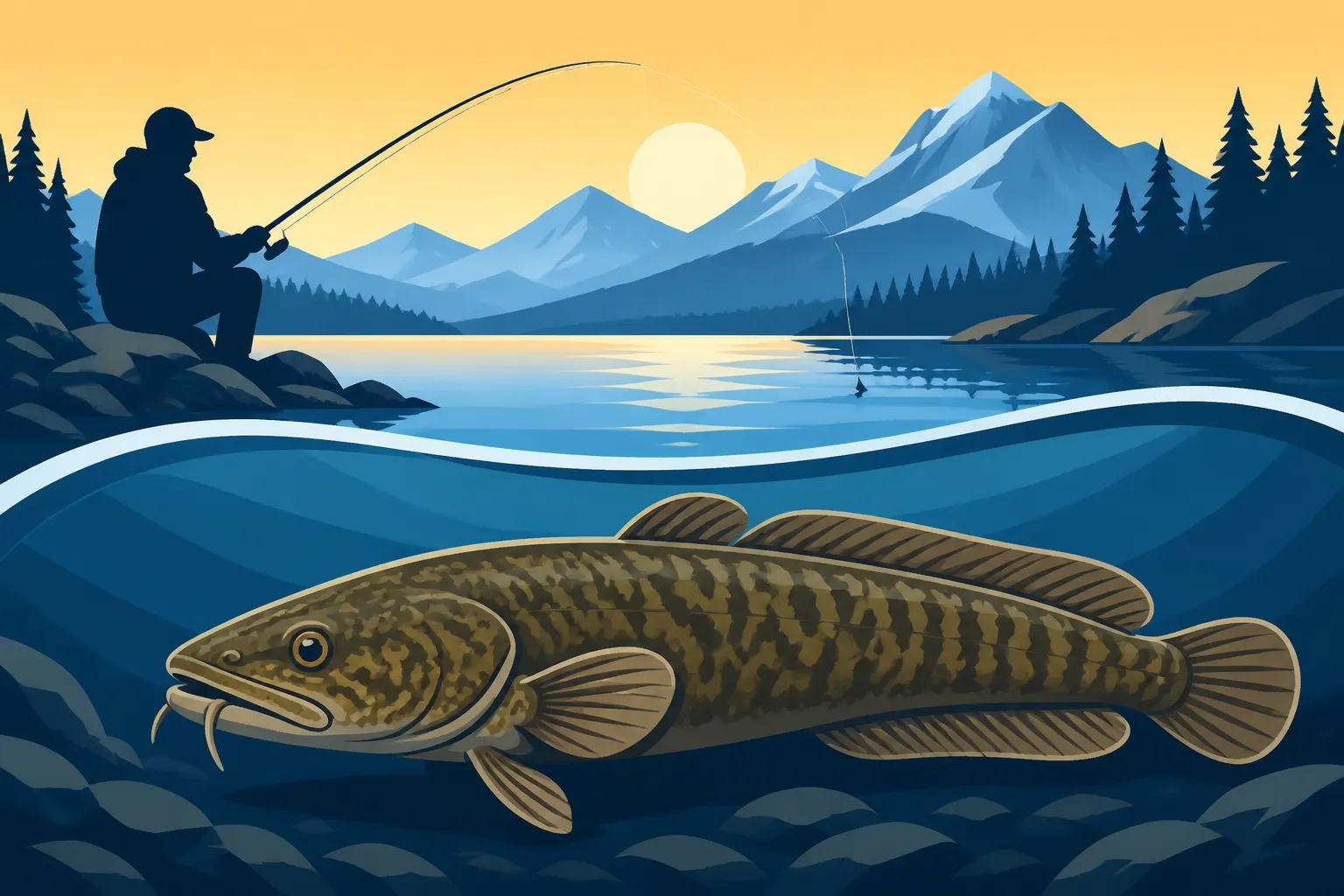
Burbot are instantly recognizable by their mottled, snake-like bodies, large heads, and the single, prominent barbel on their chin – a distinctive feature that helps them forage on the lake bottom in low light. Unlike many other popular sportfish, burbot are primarily nocturnal. This means they are most active during the hours of darkness, moving from deeper, cooler sanctuary zones to shallower feeding grounds under the cover of night. Their preference for cold, well-oxygenated water, often found in deep lakes, makes them a perfect fit for the northern BC landscape. Many anglers overlook them, focusing on trout or salmon, but for those who target them, the reward is often a fantastic meal and a challenging fight.
Their elusive nature comes from their deep-water habits during the day and their often subtle bite. They're not known for aggressive, tackle-busting strikes, but rather a slow, deliberate tug. Understanding this behavior is crucial; you won't typically find them schooling in open water like kokanee, but rather hugging structure or congregating in specific areas near drop-offs and ledges.
Why Northern BC is Prime Burbot Territory
Northern British Columbia offers an incredible abundance of large, deep, and often remote lakes – perfect habitat for burbot. These water bodies are fed by cold, pristine mountain streams and rivers, maintaining the low water temperatures that burbot prefer year-round. The sheer size of many of these lakes means ample deep-water habitat, rich forage bases, and countless nooks and crannies for burbot to hide and thrive.
The nutrient content in these northern lakes supports a robust ecosystem, providing burbot with a steady diet of smaller fish like kokanee, whitefish, and various minnow species. The relative lack of fishing pressure in some of the more remote areas also allows burbot populations to flourish, often leading to bigger, healthier fish. It's this combination of ideal habitat, abundant food, and sometimes challenging access that makes northern BC a burbot angler's paradise, if you know where to look. Getting to some of these spots requires careful planning, often involving long drives on gravel roads, but the adventure is part of the appeal.
Burbot Biology and Behavior for Anglers
To truly excel at burbot fishing, a quick dive into their biology and behavior is helpful. Burbot typically spawn in late winter, often under the ice, in shallow waters over gravel or sand. This makes ice fishing a particularly productive time to target them, as they move into more accessible depths for their annual rituals. Outside of spawning, they generally prefer deeper waters during the day, holding near structure like submerged logs, rock piles, or sharp drop-offs.
Their diet consists mainly of other fish, but they are opportunistic feeders and will also consume crustaceans and insect larvae. This tells us a lot about bait choice: natural baits mimicking their food sources are often highly effective. They have excellent low-light vision, which is why they are so active at night and respond well to glow-in-the-dark lures. Understanding these patterns helps you predict where they might be, when they might bite, and what they might be enticed by. For example, if you're fishing a deep lake, targeting areas where there are sudden changes in depth or submerged structure is often a smart move. You'll also want to keep an eye on current BC Fishing Regulations Explained for any specific burbot rules.
Top Burbot Lakes in Northern BC and How to Approach Them
Northern BC is home to countless lakes, but a few stand out as consistent producers of burbot, offering both quantity and the potential for impressive size. Let's explore some of these prime locations.
Stuart Lake: A Burbot Hotspot
Stuart Lake, located near Fort St. James, is a well-known burbot haven and one of the largest natural lakes in British Columbia. Its immense size, reaching depths over 100 meters in places, provides ideal cold-water habitat for burbot. The lake is characterized by numerous bays, islands, and a diverse bottom structure that includes rocky shoals, weed beds, and gradual drop-offs, all of which attract forage fish and, consequently, burbot.
Anglers often find success targeting burbot in the deeper sections of bays and around the numerous underwater points and ledges. During the ice fishing season, popular areas include the waters off the towns of Fort St. James and Necoslie, as well as various points and narrows where burbot gather to spawn. Jigging with glow lures tipped with a piece of bait, or using a stationary set line with cut bait, are highly effective strategies. For open water, a boat with a good sonar unit is essential to locate those deeper structures and schools of baitfish where burbot will be lurking. Remember that Stuart Lake best fishing spots often overlap with good burbot zones.
Babine Lake: Trophy Burbot Potential
Babine Lake, often hailed as the longest natural lake in British Columbia, is another colossal body of water that holds impressive burbot. Stretching over 170 kilometers, its sheer size and profound depths (over 200 meters in parts) make it a prime location for truly massive burbot. While better known for its salmon and trout, the burbot fishery here is significant and often overlooked by those new to the area.
Fishing Babine Lake for burbot requires patience and a good understanding of its vastness. Concentrate your efforts in the deeper sections, particularly near underwater humps, steep drop-offs, and tributary mouths where baitfish congregate. Again, ice fishing is a fantastic time to target these fish, especially during the late winter spawning period when they move into shallower shoals. For open water, deep trolling with heavy gear or anchoring and deploying set lines (check regulations for specific rules on this) near known burbot haunts can yield excellent results. Access to Babine can be from various points, but mapping out your target deep water zones is key to success here.
Williston Lake: The Hidden Gem
Williston Lake, British Columbia's largest lake by surface area (it's actually a reservoir created by the W.A.C. Bennett Dam), is a true northern BC wilderness experience. Its vast, fjord-like arms and countless bays offer an incredible, albeit remote, burbot fishery. While navigation can be challenging due to its size and often remote access, the rewards are often worth the effort, with healthy populations of burbot.
The burbot in Williston Lake thrive in its cold, deep waters. Focus on the main channel drop-offs, submerged timber (from the original flooded valley), and deeper sections of tributary arms like the Parsnip or Finlay. Ice fishing on Williston can be exceptional, but caution is paramount due to its size, unpredictable ice conditions, and remoteness; always go with experienced local knowledge or a guide. During the open water season, a robust boat and reliable navigation equipment are non-negotiable. Targeting burbot here often involves probing deep areas with jigs or bait rigs, especially during low light hours. You'll find that many of the Williston Lake best fishing access points are quite rustic, adding to the adventure.
Other Promising Northern BC Lakes
Beyond these giants, numerous other northern BC lakes offer excellent burbot fishing. Here are a few more to consider:
- Fraser Lake: Another large lake in the central interior, Fraser Lake provides excellent burbot opportunities, particularly during the ice fishing season. It's more accessible than some of the truly remote options and offers good structure.
- Trembleur Lake: Part of the Stuart-Trembleur-Takla chain, Trembleur Lake shares many characteristics with Stuart Lake and offers similar burbot potential in its deeper sections.
- Takla Lake: Further north in the same chain, Takla Lake is even larger and more remote, providing wilderness burbot fishing for those willing to venture out. Its deep, clear waters are ideal.
- Kootenay Lake: While not strictly "northern" in the same vein as the others, the deep, cold waters of Kootenay Lake in the southeast also hold very respectable burbot populations, particularly the unique Kootenay Lake Gerrard Rainbow Trout Fishing habitat that also supports burbot forage.
When exploring these or any other northern BC lake, it's always a good idea to check in with local tackle shops or online forums. Local knowledge is invaluable for pinpointing current hotspots, understanding ice conditions, and getting advice on specific access points.
Essential Techniques and Gear for Northern BC Burbot
Catching burbot, especially big ones, often comes down to employing the right techniques at the right time with the right gear. Given their unique habits, standard fishing approaches sometimes need a tweak.
Ice Fishing for Burbot: The Winter Gold Rush
Winter is arguably the most productive time to target burbot in northern BC. As the lakes freeze over, burbot move into shallower areas to spawn, making them more accessible to ice anglers. This is when the "winter gold rush" really begins!
- Setup: Anglers typically use heavy-action ice fishing rods with sturdy reels spooled with strong braided line (20-30 lb test). Many use tip-ups or set lines (check local regulations for legality and number of lines permitted), allowing multiple lines in the water at varying depths.
- Bait & Lures: The key here is smell and glow. Burbot have an incredible sense of smell. Cut bait, such as pieces of herring, sardine, or even a smaller dead fish like a kokanee (if legal to use as bait), is highly effective. Many anglers will "charge" glow-in-the-dark jigs, spoons, or even glow beads placed above their bait with a flashlight to attract attention in the deep, dark water. A popular rig is a heavy glow jig tipped with bait, fished right on the bottom or just a foot or two above it.
- Technique: Lower your rig to the bottom, then reel up a foot or two. Periodically lift and drop your rod to stir up the bottom and create a disturbance, which can attract curious burbot. Since they're often nocturnal, plan for evening and overnight trips, setting up shelters with heaters to stay comfortable. Remember, safety on the ice is paramount – always check local conditions and ice thickness before venturing out. You can find many robust ice fishing shelters on Amazon.
Open Water Burbot Strategies
While ice fishing often gets the most attention, open water burbot fishing can be very rewarding, especially for those who prefer boat access.
- Deep Jigging: Using a heavy jigging spoon or a large jig head tipped with bait (like a four to six-inch piece of herring) is effective. Position your boat over known structure – deep humps, ledges, or channels – and drop your jig to the bottom. Work it with an aggressive lift-and-drop motion, letting it hit the bottom to kick up silt, mimicking a struggling baitfish.
- Bottom Bouncing/Drifting: If you're drifting over promising terrain, a bottom bouncer rig with a baited hook trailed behind can be highly effective. The bouncer keeps your bait near the bottom without constantly snagging. Slow trolling a heavy lure or a deep-diving crankbait that gets close to the bottom can also work, especially along contours.
- Set-Lining (Check Regulations!): In some areas, set-lining from a boat or shore overnight is permitted. This involves deploying a baited line (often with a bell) and leaving it to soak. Always verify specific rules regarding unattended lines, bait types, and hours of deployment.
- Sonar is Your Friend: A good fish finder or sonar unit is invaluable for open water burbot fishing. It allows you to locate deep structure, identify sudden depth changes, and even mark baitfish schools, all crucial elements for finding burbot.
Tackle Box Essentials for Burbot
When gearing up for burbot, think heavy-duty and scent-focused.
| Gear Category | Recommended Item | Key Features for Burbot |
|---|---|---|
| Rods | Heavy action casting or spinning rod (6-8 feet) | Stiff backbone for heavy weights, sensitive tip for subtle bites. |
| Reels | Baitcasting or large spinning reel (size 3000-5000) | Strong drag system, good line capacity for deep water, robust gears. |
| Line | 20-50 lb Braided line with 15-30 lb Fluorocarbon leader | No stretch for sensitivity, high abrasion resistance, nearly invisible leader. |
| Jigs | Heavy glow jigs, lead jigs (1-3 oz) | Must get to the bottom quickly, glow is a major attractor in dark water. |
| Spoons | Large, heavy jigging spoons (e.g., Williams Wabler) | Flash and vibration, often tipped with bait for added attraction. |
| Hooks | Octopus or circle hooks (sizes 2/0 to 5/0) | Strong and sharp, circle hooks aid in gut-hook prevention for catch and release. |
| Sinkers/Weights | Heavy bottom bouncers, pyramid, or cannonball sinkers | Essential for getting bait to deep bottoms, especially in current. |
| Bait | Cut bait (herring, sardine, kokanee chunks), worms | Strong scent profile is crucial; fresh bait is always best. |
| Accessories | Headlamp, pliers, fish gripper, cooler, lantern | Essential for night fishing, handling fish, and keeping your catch fresh. Look for these on Amazon. |
Always be prepared for cold weather, especially when ice fishing or on remote northern waters. Warm, waterproof clothing, insulated boots, and proper safety gear like a first-aid kit and communication devices are non-negotiable.
Regulations, Conservation, and Best Practices
Fishing in British Columbia means being a responsible angler, and that includes understanding and adhering to the regulations designed to protect our precious fisheries. Burbot are no exception.
Navigating BC's Burbot Regulations
Before you even cast a line, the absolute first step is to consult the current BC Fishing Regulations Explained and any specific fishery notices for the region you plan to fish. Burbot regulations can vary significantly by management area and even by specific lake. Key things to look for include:
- Bag and Possession Limits: How many burbot can you keep in a day, and how many can you have in your possession? These limits are in place to ensure sustainable harvesting.
- Season Dates: Are there specific seasons when burbot fishing is open or closed? While many lakes are open year-round for burbot, some may have closures, especially during spawning periods in sensitive areas.
- Gear Restrictions: Are certain types of gear prohibited? For example, some areas may restrict the number of lines, or the use of certain bait types. The Reading the BC Freshwater Fishing Regulations Synopsis is your definitive source.
- Size Limits: Occasionally, minimum or maximum size limits are in place to protect juvenile fish or large breeding adults.
Ignorance of the law is never an excuse, and penalties for non-compliance can be stiff. Taking a few minutes to read the regulations before your trip can save you a lot of grief.
Sustainable Burbot Fishing and Release
While burbot are generally a resilient species, practicing sustainable fishing ensures their populations remain healthy for future generations. If you plan to release burbot, especially larger, older specimens that are crucial for breeding, handle them with care:
- Minimize Air Exposure: Burbot are sensitive to being out of water. Keep them in the water as much as possible during unhooking.
- Wet Hands: Always wet your hands before handling fish to protect their protective slime coat.
- Proper Unhooking: Use pliers or a de-hooking tool to remove hooks quickly and cleanly. If a fish is deeply hooked, cut the line as close to the hook as possible. Using circle hooks can also help reduce gut-hooking.
- Support Their Weight: Support the fish horizontally, especially larger ones, to avoid damaging their internal organs.
By following these simple practices, we can all contribute to the long-term health of northern BC's burbot fisheries.
Safety Considerations in Northern BC
Fishing in northern British Columbia, particularly on its large, remote lakes, comes with inherent risks. Safety should always be your top priority.
- Tell Someone Your Plan: Always inform someone reliable of your itinerary, including where you're going, when you expect to return, and who is with you.
- Weather: Northern BC weather can change rapidly and dramatically. Dress in layers, carry waterproof and windproof outerwear, and be prepared for sudden drops in temperature. On open water, high winds can quickly turn a calm lake into a dangerous one.
- Ice Safety: When ice fishing, never go alone. Always test ice thickness, look for cracks or pressure ridges, and avoid areas near inlets/outlets or known springs. Carry ice picks, a rope, and a flotation device. Local knowledge about ice conditions is vital.
- Wildlife: You are in wilderness country, home to bears, moose, and other wildlife. Carry bear spray and know how to use it. Store food properly and keep a clean camp.
- Navigation & Communication: On large lakes like Babine or Williston, a reliable GPS and marine radio (or satellite communication device) are critical. Cell service is often non-existent.
- Boat Safety: Ensure your boat is in good working order, has all required safety equipment (life jackets for everyone!), and you have enough fuel for your trip, plus a reserve. If you plan on operating a boat, you might also need a BC Pleasure Craft Operator Card Requirement.
Planning and preparedness are your best allies for a safe and enjoyable burbot fishing adventure in northern BC. Embrace the wilderness, but respect its power.
Disclaimer
This article is for general informational purposes only and does not constitute professional advice. Laws, prices and regulations vary by location and change over time. Consult a qualified professional for guidance on your specific situation.