Best setup for float fishing the Bulkley River
Getting your gear just right for a day of float fishing on the Bulkley River can feel like a daunting task. You've heard the stories of monster steelhead, felt the pull of the current even in your dreams, and you know that an ill-suited setup can quickly turn a dream trip into a frustrating tangle. This guide is here to untangle that frustration, walking you through the optimal rod, reel, line, and terminal tackle choices to give you the best shot at success on one of British Columbia's most legendary steelhead rivers.
Understanding the Bulkley River and Float Fishing Dynamics
The Bulkley River, a jewel in BC's Skeena system, presents a unique challenge and reward for anglers. Its waters are a lifeline for incredible runs of steelhead, but the river itself can be demanding. Float fishing here isn't just a technique; it's an art form that requires precision, sensitivity, and the right equipment to effectively present your offering to these elusive fish.
The Character of the Bulkley River
Imagine a river that flows with a purposeful current, sometimes deep and powerful, other times breaking into lively riffles and runs. That's the Bulkley. It's known for its relatively clear water, especially during stable weather, which means steelhead can be wary. The riverbed is a mix of gravel, rock, and occasional large boulders, creating complex currents and holding lies. Water levels fluctuate throughout the season, influenced by rainfall and snowmelt, which directly impacts where fish hold and how you need to present your gear. Understanding these nuances is crucial because your setup needs to be versatile enough to handle everything from swift, deep pools to shallower, faster stretches. This isn't your average trout stream; it demands robust yet sensitive gear capable of handling large, powerful fish and challenging conditions. To truly appreciate its stature, it's worth exploring why it's considered one of the Best Steelhead Rivers in BC.
Why Float Fishing Excels on the Bulkley
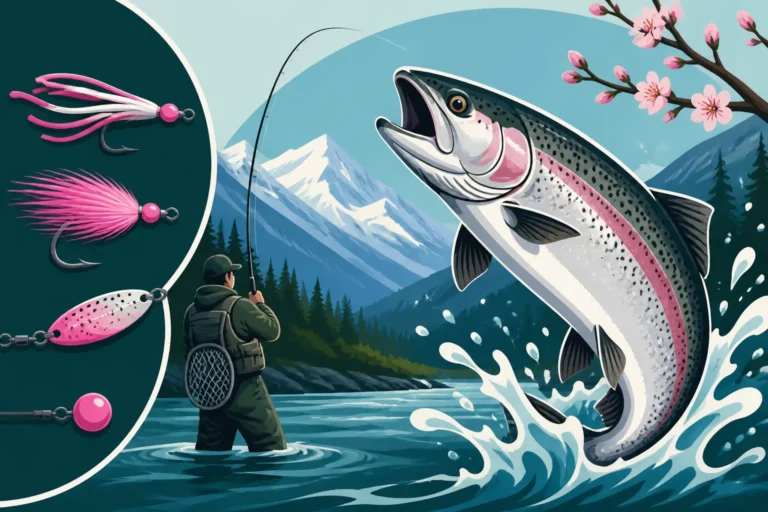
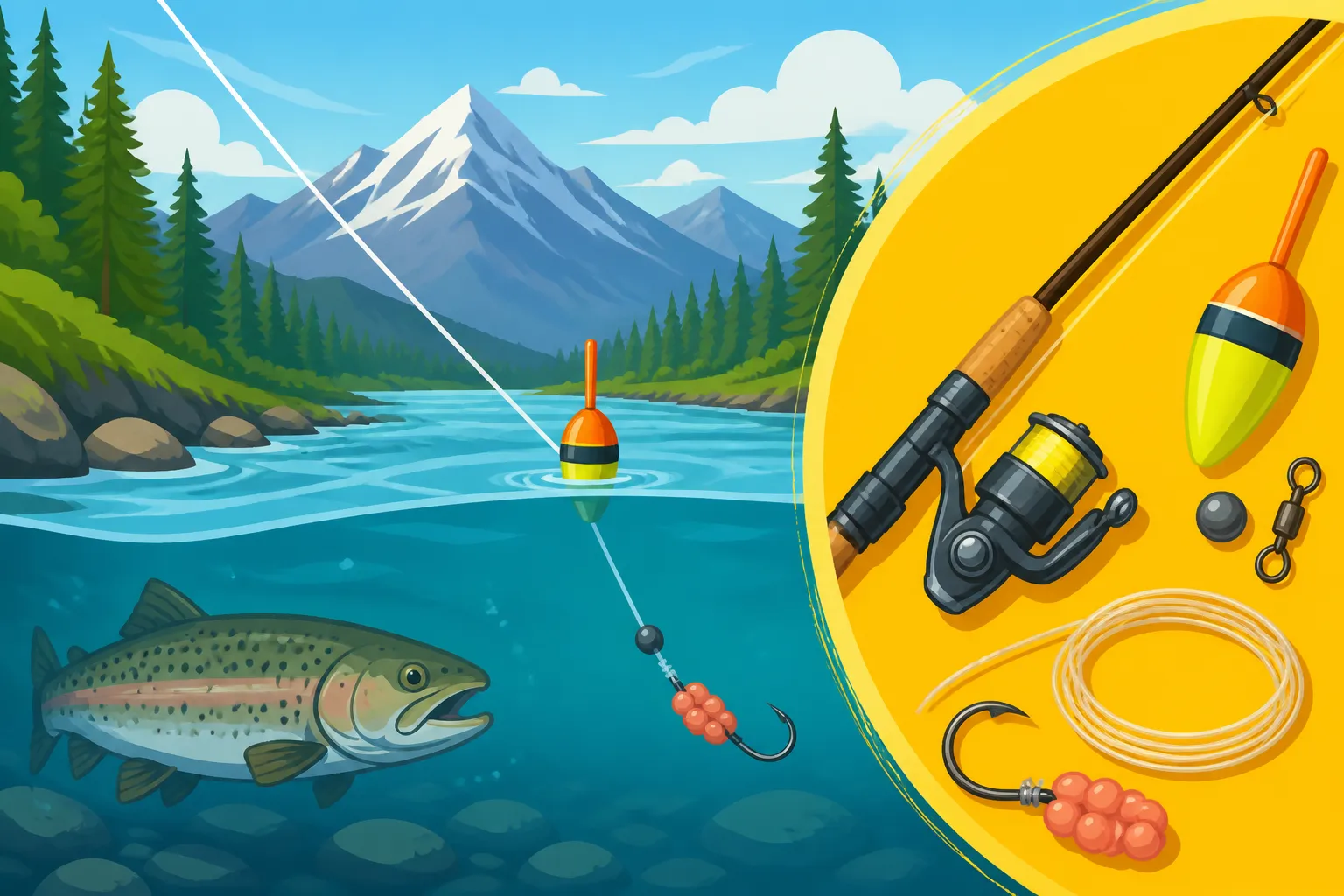
Float fishing, often called "centrepinning" or "drift fishing," is arguably one of the most effective and elegant ways to target steelhead on a river like the Bulkley. The core principle is simple: use a float (or "bobber") to suspend your bait or lure at a precise depth, allowing it to drift naturally with the current, mimicking free-floating food. This technique is superior here for several reasons. Firstly, it keeps your offering in the strike zone longer, especially in those deeper runs and pockets where steelhead like to hold. Secondly, it provides incredible sensitivity. Even the most subtle take from a steelhead, which can feel like nothing more than a slight pause in the float's drift, is easily detected. Lastly, it allows for a natural, drag-free presentation, which is absolutely vital in the Bulkley's clear waters where an unnatural drift can spook fish instantly. It takes a bit of practice, but once you master the nuances of a proper drift, you'll understand why so many successful anglers swear by it on this magnificent river.
Essential Rod, Reel, and Line Setup for the Bulkley
Your rod, reel, and line are the triumvirate of your float fishing setup. Each component plays a vital role in casting, presenting, detecting bites, and ultimately, landing those powerful Bulkley steelhead. Skimping on any one part can compromise the entire system.
The Right Rod: Length, Action, and Power
For float fishing on the Bulkley, you're going to want a long rod – typically between 10 feet 6 inches and 13 feet. This extra length isn't just for show; it's fundamental to the technique. A longer rod allows you to "mend" your line effectively, keeping as much line off the water as possible to achieve that crucial drag-free drift. It also gives you superior line control, especially when fishing across complex currents, and helps absorb the shock of a powerful steelhead's run, protecting lighter leaders.
When it comes to action, look for a moderate-fast to fast action rod. This means the rod bends mostly in the upper third or quarter of the blank, providing enough backbone for powerful hook sets and fighting big fish, while still having a sensitive tip to detect subtle takes. The power rating should be medium-light to medium. This sweet spot offers enough strength to handle strong currents and large fish, but enough finesse to cast lighter floats and protect delicate leaders. Brands like Lamiglas, Raven, and G. Loomis are popular choices among serious steelhead anglers, and you can often find a fantastic selection of suitable rods, like the Lamiglas G1000 or a Raven Matrix, on Amazon, often with competitive pricing. The specific conditions, such as high water versus low, clear water, will dictate subtle preferences, but generally, a 11-foot, medium-light, moderate-fast action rod is a great all-around choice for the Bulkley.
Reels: Centrepin vs. Spinning for Float Fishing
This is where the debate often heats up among float anglers!
-
Centrepin Reels: The traditional choice for serious float fishers, especially on a river like the Bulkley. A centrepin reel is essentially a free-spooling spool that rotates on a central pin. This design allows your float and bait to drift downstream completely unimpeded by line drag from the reel, resulting in the most natural presentation possible. Mastering a centrepin takes practice – especially learning how to cast (often called "wallis casting" or "B.C. casting") and how to use your palm to apply pressure during a fight. There's a certain romance and satisfaction in landing a big steelhead on a centrepin that's hard to beat. The direct connection you feel to the fish is unparalleled. It truly embodies the spirit of Drift Fishing for Steelhead in BC Rivers.
-
Spinning Reels: While centrepins are traditional, a good quality spinning reel can also be highly effective for float fishing, especially for those new to the technique or if you prefer the familiarity. Opt for a medium-sized spinning reel (e.g., 2500-4000 series) with a smooth drag system and a good retrieve ratio. The key is to ensure it can hold enough mainline and has a good line lay to prevent tangles. Spinning reels are generally easier to cast and manage, making them a less intimidating entry point. While they won't offer the same pure drag-free drift as a centrepin, with proper line management (mending frequently), you can still achieve excellent presentations on the Bulkley. Look for brands known for their reliable drag and robust construction, as a Bulkley steelhead will test any reel to its limits.
Line Selection: Mainline and Leader Material
Your line system needs to be carefully considered for float fishing the Bulkley. It's a balance of strength, castability, and invisibility.
-
Mainline: For your mainline, many anglers prefer a high-visibility monofilament (12-15 lb test) or a low-stretch braided line (20-30 lb test). High-vis mono makes it incredibly easy to track your float and line on the water, which is crucial for mending and detecting subtle bites. Its slight stretch can also be forgiving. Braided line offers superior sensitivity and no stretch, which can translate to quicker hook sets, but it's less visible and requires a mono or fluorocarbon leader to absorb shock. If using braid, tie in a 10-15 foot section of heavier monofilament as a "shock leader" or "running line" before your float to provide some stretch and prevent your float from sliding down to your leader knot.
-
Leader Material: This is where invisibility becomes paramount. Steelhead in the Bulkley's clear waters are leader-shy. You'll want to use 8-12 lb test fluorocarbon leader material. Fluorocarbon is nearly invisible underwater, more abrasion-resistant than mono, and sinks slightly, which helps keep your bait in the strike zone. The length of your leader will vary depending on the water depth and clarity, but a typical starting point is 3-6 feet. Always inspect your leader frequently for nicks and abrasions, and retie knots if there's any doubt. Carrying a variety of leader strengths is also a good idea; you might go down to 8 lb in extremely clear, low water conditions or bump up to 12 lb in higher, faster, slightly colored water.
| Component | Recommended Specifications | Why It Matters on the Bulkley |
|---|---|---|
| Rod Length | 10'6" – 13' | Crucial for line mending, controlling drift, reaching across currents, and absorbing shock from strong fish. |
| Rod Action | Moderate-Fast to Fast | Provides backbone for hook sets and fighting, sensitive tip for bite detection. |
| Rod Power | Medium-Light to Medium | Balances strength for large steelhead with finesse for delicate presentations and leader protection. |
| Reel Type | Centrepin or 2500-4000 series Spinning | Centrepin offers ultimate drag-free drift; Spinning offers ease of use and good drag. Choose based on preference/skill. |
| Mainline | 12-15 lb High-Vis Mono OR 20-30 lb Braid (with mono leader) | Visibility for tracking, castability, and connection to your float. |
| Leader | 8-12 lb Fluorocarbon | Invisibility in clear water, abrasion resistance, and subtle bait presentation. |
Terminal Tackle and Baits/Lures for Effective Float Fishing
Once you have your core setup, the devil is in the details of your terminal tackle. These small components are what connect you directly to the fish, and getting them right is non-negotiable for success on the Bulkley.
Floats: The Critical Drifters
Selecting the right float is paramount for effective float fishing. You'll encounter a variety of styles, but for the Bulkley, most anglers lean towards a few key types. Weighted floats, often pear or cigar-shaped, are excellent for casting distance and stability in strong currents. Brands like Drennan, Raven, and Thill offer a range of sizes and shapes. The size and buoyancy of your float should be matched to the weight you need to get your bait down to the desired depth and maintain a vertical drift.
Generally, you'll need floats that can carry between 1/4 oz and 1/2 oz (7g to 14g) of weight, sometimes more in very fast, deep water. The goal is to "shatter" your float, meaning it should ride low in the water, with just the brightly colored top visible. This minimizes resistance to a biting fish and helps prevent false indications from turbulent water. Too much float buoyancy, and fish will feel resistance; too little, and your float won't carry enough weight to get your bait down. Always carry an assortment of sizes and styles to adapt to varying water conditions and depths.
Swivels, Split Shot, and Hooks
These seemingly minor components are crucial links in your chain to a Bulkley steelhead.
- Swivels: You'll need good quality barrel swivels or three-way swivels. A small, strong barrel swivel (size 10-14) is often used to connect your mainline to your leader, helping to prevent line twist. If you're using a fixed weight system (like a pencil lead or slinky weight) or fishing a dropper rig, three-way swivels come into play. Ensure your swivels are as small as possible while maintaining sufficient strength to avoid spooking fish.
- Split Shot: This is your primary way to add weight to your leader and get your bait down. Carry an assortment of non-toxic split shot (lead is banned in many areas, so opt for tin, steel, or tungsten) in various sizes from BB up to larger sizes. The key is to "shot" your line correctly: distribute your weight along your leader, with the heaviest shot closest to the float and progressively smaller shot down towards the hook. This creates a natural "slinky" effect as your bait drifts, ensuring it tumbles along the bottom without snagging excessively, and gives you a vertical presentation.
- Hooks: For Bulkley steelhead, you'll need strong, sharp, single barbless hooks. Barbless hooks are mandatory in many BC waters, including the Bulkley, for conservation purposes and make for easier, less damaging releases. Sizes typically range from 2 to 1/0, depending on your bait. Look for hooks with a wide gap to accommodate larger baits and ensure a good hook set. Brands like Gamakatsu, Owner, and Mustad offer excellent options. Always check your hook points for sharpness throughout the day; a dull hook is a missed fish.
Baits and Lures that Entice Bulkley Steelhead
Steelhead can be incredibly selective, and having a variety of offerings is key.
- Roe: Cured salmon roe is a traditional and highly effective bait for steelhead. The scent and natural appearance are hard for them to resist. You can fish single eggs or small clusters, often wrapped in an "egg sac" mesh for durability. Many anglers swear by the natural attraction of roe.
- Yarn/Beads: Yarn eggs and plastic beads are fantastic imitations of natural salmon eggs, especially when paired with a scent. Yarn eggs offer a soft, natural feel in the water and hold scent well. Beads, often made of plastic or glass, are extremely popular because they imitate individual salmon eggs and are durable. You can rig them a few inches above your hook, which is then often adorned with a small piece of yarn or a plastic worm. When choosing, consider the size and color to match the natural eggs in the river at that time of year. For more on what these fish might be keying in on, check out Best Baits for Steelhead on the Skeena.
- Small Jigs: Small, weighted jigs, often tipped with a worm or plastic grub, can also be very effective. The jig's weight helps it get down quickly, and its profile can imitate various aquatic insects or small baitfish. Pay attention to jig head color and soft plastic choices; sometimes a subtle shift can make all the difference, especially if you're looking for the Best Lure Color for Murky Water Steelhead Fishing.
- Scent: No matter what bait or lure you're using, adding a quality fish attractant scent can significantly increase your strike rate, especially in colder water or when fish are less aggressive. Garlic, anise, or salmon-egg based scents are popular choices.
Remember, always check the current BC Fishing Regulations Explained for any specific bait restrictions or closures on the Bulkley River before you head out. These regulations can change rapidly based on conservation needs, so staying informed is part of being a responsible angler.
Wading Gear and Accessories for Comfort and Safety
Float fishing the Bulkley isn't a bank-bound affair; you'll be wading, often in swift currents and cold water. Having the right wading gear is absolutely critical for both your comfort and your safety.
Waders and Wading Boots: Staying Dry and Surefooted
Your waders are your personal barrier against the cold Bulkley waters. Invest in a good pair of breathable chest wwaders. Neoprene waders are warmer but less breathable, making them less comfortable for active fishing. Modern breathable waders, made from Gore-Tex or similar materials, offer excellent waterproofing while allowing perspiration to escape, keeping you dry and comfortable. Look for durable construction, reinforced knees, and a good fit that allows for layering underneath without restricting movement.
Wading boots are equally, if not more, important for safety. The Bulkley's rocky and often slippery bottom demands excellent traction. Felt soles have traditionally been popular but can be problematic in certain situations and can transport invasive species. Rubber soles with carbide studs offer superior grip on slick rocks and are generally preferred for safety on freestone rivers. Make sure your boots are comfortable, provide good ankle support, and are a size or two larger than your street shoe size to accommodate the neoprene booties of your waders and thick socks. For quality breathable chest waders and studded wading boots, checking retailers like Amazon can offer a wide variety of brands like Simms, Redington, and Orvis to suit different budgets and needs.
Essential Safety Gear and Accessories
Beyond your core fishing setup, a few essential accessories can make your Bulkley float fishing trip safer and more enjoyable.
- Wading Staff: This is a non-negotiable safety item when wading in unfamiliar or swift water. A collapsible wading staff provides crucial stability, allowing you to probe the depth and feel for slippery spots before you commit your weight. It's a small investment that can prevent a dangerous fall.
- PFD (Personal Flotation Device): While often associated with boating, a lightweight, comfortable PFD can be a lifesaver when wading in powerful rivers like the Bulkley, especially during higher water flows. There are inflatable versions that are barely noticeable until deployed. While not always mandatory for wading, understanding Life Jacket Requirements for BC Boaters can highlight the importance of flotation device use near water.
- Landing Net: A large, soft-mesh landing net is essential for safely landing and releasing Bulkley steelhead. The rubberized mesh protects the fish's delicate slime coat and fins. Make sure it has a long enough handle to reach your fish while wading.
- Nippers and Hemostats/Pliers: Always have nippers for cutting line and hemostats or pliers for hook removal. Since you'll be using barbless hooks, removal is usually straightforward, but having the right tool makes it quick and minimizes stress on the fish.
- Backpack/Vest: A comfortable fishing backpack or vest allows you to carry all your essential tackle, extra layers, water, and snacks. Look for one with easy access pockets and a way to attach tools like nippers and a wading staff. Don't forget to stock up on essentials like quality barrel swivels and split shot. Many anglers find convenient bulk packs on Amazon that will keep you well-supplied for your trip.
- First Aid Kit: A small, waterproof first aid kit is always a good idea, especially when fishing in remote locations. Minor cuts or scrapes can happen, and being prepared is smart.
- Warm Layers and Rain Gear: The weather in BC, especially in the interior, can change rapidly. Dress in layers, avoiding cotton, and always have a waterproof and windproof outer shell. Even if the forecast is clear, a sudden shower can leave you cold and miserable without proper rain gear. Consider the Best Months to Catch Steelhead in BC and plan your clothing accordingly.
- Fishing License: Before you even think about putting a line in the water, ensure you have your current BC Fishing License and any necessary stamps, like a steelhead conservation stamp, in hand. Fishing without one can lead to hefty fines.
Having the right setup for float fishing the Bulkley River isn't just about catching fish; it's about respecting the river, the fish, and ensuring your own safety and enjoyment. With this comprehensive guide, you're well on your way to experiencing the magic of Bulkley steelhead fishing.
Disclaimer
The information provided in this guide is for general informational purposes only and does not constitute professional advice. Fishing regulations, conditions, and gear recommendations can change. Always consult the official British Columbia Fishing Regulations Synopsis and local authorities before fishing. Prioritize safety and conservation practices on the water.