Best Baits for Steelhead on the Skeena
There's nothing quite like the thrill and challenge of pursuing steelhead on British Columbia's legendary Skeena River. Anglers often wrestle with the age-old question: what’s the absolute best bait to entice these notoriously finicky, powerful fish? This comprehensive guide dives deep into the art and science of selecting and presenting the most effective baits, helping you unlock the secrets to success on one of the world's premier steelhead rivers.
Understanding Skeena Steelhead and Their Forage Preferences
Before you even think about what to tie onto your line, it’s vital to understand the magnificent creature you’re pursuing and the environment it calls home. Skeena steelhead are incredible athletes, returning from the ocean to spawn in the vast river system, and their preferences for food can shift based on a myriad of factors. Knowing what they might be looking for is half the battle.
The Elusive Nature of Skeena Steelhead
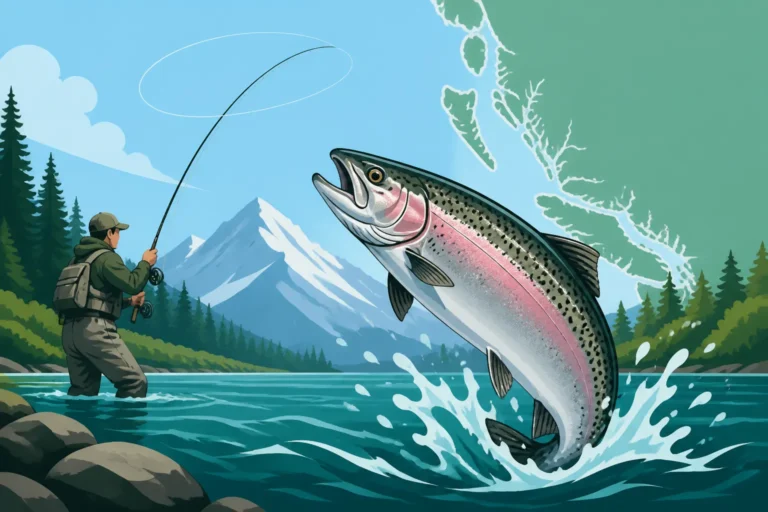
Steelhead in the Skeena system are not like your average stocked trout. These are wild, ocean-going rainbow trout, often referred to as "chrome" because of their dazzling silver appearance fresh from the Pacific. They are migratory, entering the freshwater system to spawn, and during this journey, their feeding habits change dramatically. Unlike salmon that are singularly focused on reproduction and eventually die, steelhead are iteroparous, meaning they can spawn multiple times. However, once in freshwater, their primary drive isn't necessarily to feed aggressively, but rather to conserve energy and move upstream. This makes them incredibly challenging and often "moody" targets.
Their elusiveness is part of their allure. They're often holding in specific current seams, behind structure, or in deep pools, conserving energy. They aren't actively gorging on insects or minnows in the same way a resident trout might. Instead, they react to things that look like an easy, high-energy meal, or simply to an intruder in their space. This is why presentation, scent, and choosing the right offering for the conditions become paramount. A subtle drift with a natural bait can often outperform a flashy, aggressive lure.
Moreover, the sheer size and power of the Skeena River itself contribute to the challenge. With its vastness, varied flows, and often turbid conditions, presenting a bait effectively to a steelhead can be like finding a needle in a haystack if you don't understand their holding patterns. Many anglers dedicate their lives to deciphering these fish, and even then, every day can be a new lesson.
Natural Food Sources in the Skeena River System
While steelhead aren't actively feeding heavily in freshwater, they are still opportunistic. The Skeena River, like many robust river systems, teems with potential forage. This includes eggs from other spawning salmon species (like sockeye, pink, and chum), various aquatic insects, small baitfish, and even drifting worms or crustaceans dislodged by currents. Understanding these natural food sources helps us choose baits that mimic what they might instinctively recognize.
Roe, or salmon eggs, are arguably the most potent natural attractant, especially during salmon spawning runs in the fall. Steelhead will often position themselves downstream from active salmon redds (nests) to intercept any loose eggs that drift by. These eggs are packed with nutrients, representing a high-energy snack. The natural scent and appearance of real eggs are hard to beat, making them a cornerstone of many successful steelhead angler’s arsenals.
Beyond eggs, the river also hosts various aquatic invertebrates and smaller fish. Sculpins, lamprey, and juvenile salmonids are all present, as are insect larvae and worms. While a steelhead might not chase down a fast-moving minnow, a sluggish or injured baitfish imitation could trigger a strike. Similarly, a juicy worm or a cluster of insect larvae drifting naturally might be too tempting to pass up, particularly in slower moving runs or back eddies where they can be easily intercepted without expending much energy.
Adapting to Water Conditions and Time of Year
The Skeena River is a dynamic environment, constantly changing with weather, snowmelt, and rainfall. Water clarity, temperature, and height play massive roles in determining where steelhead hold and what baits they might react to. A bait that works wonders in low, clear water in late fall might be completely useless in high, murky spring conditions.
For instance, during high, turbid water, visual cues are diminished. This is when scent and vibration become critical. Larger, brighter baits that displace more water or emit a strong scent trail are often more effective. Conversely, in low, clear water, particularly during late fall or winter, steelhead can become incredibly wary. They have more time to inspect your offering, and an unnatural presentation or an overly large, gaudy bait will often spook them. This calls for smaller, natural-looking baits, subtle presentations, and longer, lighter leaders.
Seasonality also dictates bait choice. In spring, as water levels rise from snowmelt and temperatures begin to climb, steelhead can be more aggressive, reacting to larger, flashier offerings. By contrast, fall steelhead, often fresh from the ocean and preparing to spawn, might be more responsive to roe during salmon runs. Knowing when and where to present a specific bait requires local knowledge and a willingness to adapt on the fly, often checking the latest BC Fishery Notices and In-Season Closures, Explained to understand current conditions and regulations.
Classic Natural Baits for Skeena Steelhead
When it comes to steelhead fishing, sometimes the oldest tricks are truly the best. Natural baits have an undeniable allure, tapping into the fish's primal instincts. On a river as storied as the Skeena, these traditional offerings have accounted for countless chrome-bright beauties.
Roe Salmon Eggs – The Timeless Favorite
Without a doubt, salmon roe stands as one of the most effective and time-honored baits for steelhead, especially on a river like the Skeena which sees massive salmon runs. Steelhead instinctively recognize salmon eggs as a natural food source, particularly when coho, chum, or sockeye are spawning. The eggs are rich in protein and fat, making them a high-energy snack that steelhead find hard to resist. The scent trail they emit in the water is a powerful attractant, drawing fish from a distance.
Anglers typically use clusters of eggs, often tied into small netting or "spawn bags." The size of these bags can vary, from dime-sized for wary fish in clear water to quarter-sized or larger for more aggressive fish or in colored water. Fresh, properly cured roe from local salmon is often superior, but high-quality commercially prepared roe, sometimes found through online retailers like Amazon, can also be very effective. It’s crucial that the eggs are cured correctly to remain firm on the hook and to preserve their natural scent and color. Common cures involve borax, which helps harden the eggs and prevent them from spoiling.
Presenting roe effectively requires a natural drift. Most anglers use a float fishing setup, allowing the eggs to tumble along the bottom at the same speed as the current. The goal is to imitate a naturally dislodged egg drifting downstream. This means balancing your float, leader, and weight perfectly to ensure the bait is presented in the "strike zone" without dragging or floating unnaturally. The subtle "plunk" of the weight on the bottom as it drifts can also attract attention. For more detailed insights into this method, you might want to explore articles like Float Fishing the Bulkley River which is part of the Skeena system.
Worms and Larvae – A More Subtle Approach
While not as glamorous as roe, good old earthworms and various larvae can be surprisingly effective for Skeena steelhead, especially when conditions call for a more subtle presentation. This is particularly true in waters with lower clarity where visual cues are limited, or in slower-moving sections where fish have more time to inspect a natural-looking offering. Worms, whether local garden variety or specialized steelhead worms, offer a unique scent and wriggling action that can entice a strike.
The key to using worms or larvae is naturalness. Often, a single, lively worm threaded onto a small hook, or a cluster of wax worms or mealworms (which can sometimes be found at local tackle shops or even ordered in bulk from platforms like Amazon), can trigger a bite. These baits are particularly good when steelhead are holding close to the bottom or in areas where they might encounter dislodged terrestrial insects or aquatic worms. Their soft texture also means fish tend to hold onto them longer, giving you a better chance to set the hook.
Presentation again is crucial. Drift fishing or bottom bouncing with worms allows them to bounce and tumble along the riverbed, mimicking a natural occurrence. Using minimal weight and a light leader ensures the most lifelike movement. These baits can be excellent when other offerings are being ignored, demonstrating that sometimes simplicity and natural appeal are all it takes to fool a wary steelhead. They also work well as a "cocktail" bait, combined with a small piece of colored yarn or a bead for added visual attraction.
Local Baitfish Imitations
Though steelhead in freshwater aren't typically aggressive predators chasing down large baitfish, smaller, distressed baitfish or fry can sometimes trigger a predatory response. Sculpins, juvenile salmon, and lamprey are common inhabitants of the Skeena system, and steelhead may opportunistically feed on them, especially earlier in their freshwater migration or when water conditions allow for clear visibility.
Using small, natural baitfish like sculpins, or even larger fry, can be deadly when conditions are right. These baits can be fished alive (if regulations permit and they are sourced legally) or dead, with the latter often being rigged to spin or wobble to imitate injury. The scent and natural appearance of a real baitfish are hard for a steelhead to ignore, particularly if it's presented as an easy meal. This approach often requires heavier gear and a more active retrieve, or a precise drift through known holding lies.
Anglers might also use sections of lamprey, which are another natural food source in many BC rivers. The oily texture and strong scent of lamprey can be incredibly attractive to steelhead. These are typically cut into strips and drifted or jigged, providing both visual and olfactory appeal. Always ensure that any use of live or dead baitfish adheres strictly to BC Fishing Regulations Explained, as rules can vary by water body to prevent the spread of disease or invasive species.
Artificial Baits and Scented Options
Sometimes, natural baits just aren't cutting it, or you simply prefer the versatility and durability of artificials. Modern artificial baits have come a long way, incorporating realistic profiles, vibrant colors, and powerful scents designed to trigger a steelhead's instinctual bite. They offer a fantastic alternative or complement to natural offerings on the Skeena.
Scented Soft Plastics and Rubber Worms
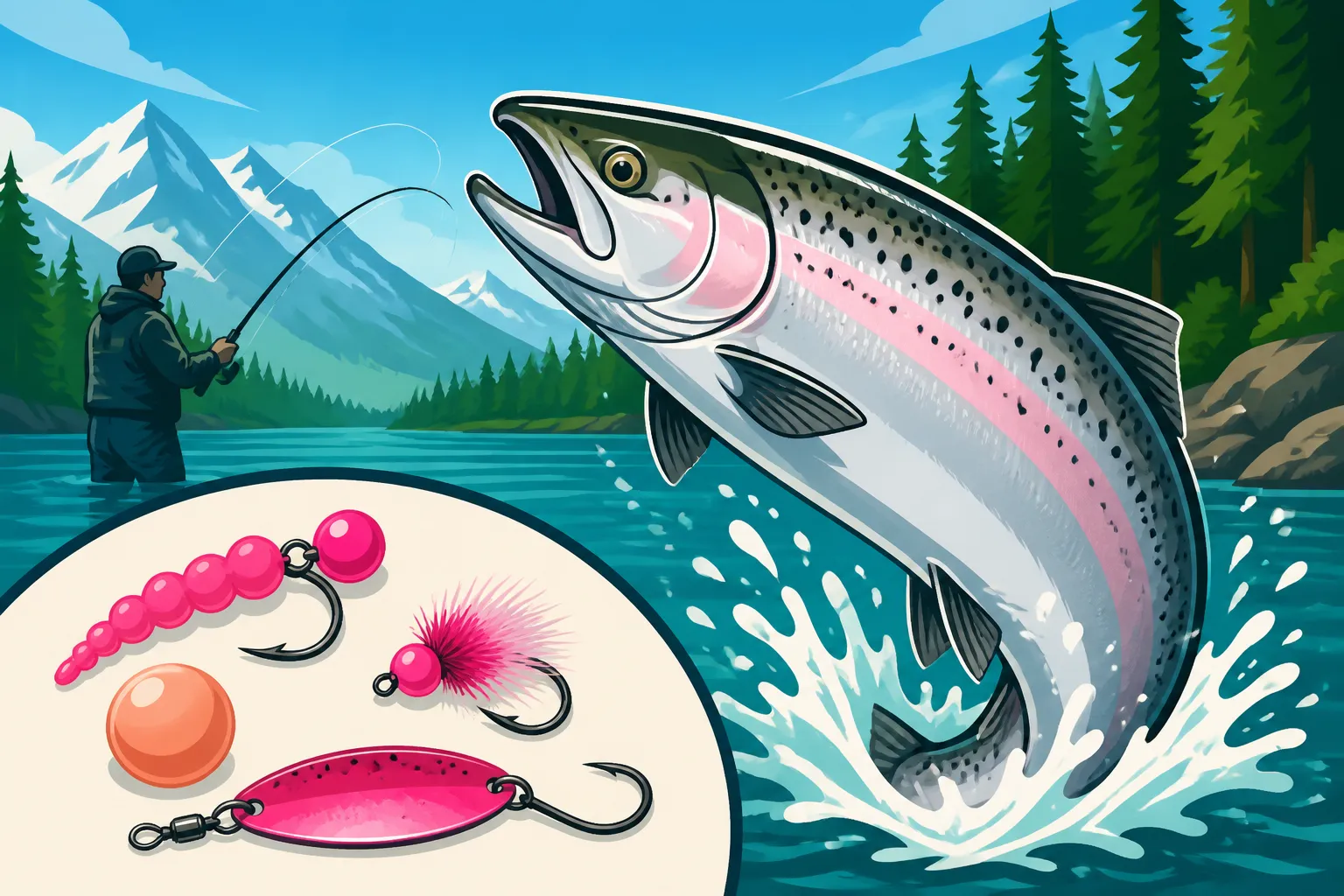
The advent of scented soft plastics revolutionized many forms of fishing, and steelhead angling is no exception. Brands like Berkley Gulp! and PowerBait have developed various shapes and sizes of soft plastic eggs, worms, and creature baits that are infused with powerful, fish-attracting scents. These artificials offer several advantages: they are durable, can be reused multiple times, don't require refrigeration, and consistently emit a strong scent trail in the water. This makes them incredibly convenient for multi-day trips or when fresh natural bait is scarce.
Soft plastic worms, often in vibrant colors like pink, orange, or chartreuse, can be fished similarly to natural worms, drifted under a float or bottom bounced. The key is to impart a natural, undulating action. Their scent makes up for the lack of natural texture, and in many cases, steelhead will mouth these baits for a prolonged period, giving anglers a better chance to feel the take and set the hook. Different sizes of soft plastic eggs, fished singly or in clusters, are also highly effective, mimicking natural roe. Many anglers keep a varied selection on hand, often purchased from a broad array on Amazon, to match changing water conditions.
The versatility of these baits means you can experiment with different colors and sizes without constantly re-baiting. In murky water, bright colors and strong scents are paramount. In clear water, more natural tones or translucent plastics can fool wary fish. It’s always a good idea to "recharge" the scent by keeping them in their original packaging or by adding scent sprays periodically.
Marabou Jigs and Drifting Flies
Marabou jigs and various drifting flies are iconic steelhead lures, beloved by many for their simplicity and effectiveness. These offerings are designed to mimic a variety of natural prey, from insect larvae and small crustaceans to dislodged eggs or even small baitfish. The soft, pulsating action of marabou or other synthetic fibers in the current is incredibly lifelike and can be irresistible to steelhead.
Jigs, typically tied with marabou feathers on a weighted hook, come in a vast array of colors and weights. Pink, white, black, and chartreuse are perennial favorites on the Skeena. The weight allows them to sink quickly to the strike zone, and the marabou flares and contracts with every twitch of the rod or shift in current, creating an enticing, breathing motion. These are often fished under a float, allowing for precise depth control and a natural, dead-drift presentation. The float helps suspend the jig just above the bottom, where steelhead are often holding. Anglers aiming to master various jigging techniques can benefit from guides on How to Catch Steelhead in BC.
Drifting flies, often patterns like the "Glo-Bug" (an egg imitation) or various nymph and leech patterns, are fished similarly. They are usually unweighted or lightly weighted and meant to drift naturally with the current. The key is to match the hatch, so to speak, in terms of color and profile, or to present something vibrant and intrusive enough to trigger a reaction strike. The subtle action of these flies, combined with a natural drift, makes them incredibly effective, particularly in clearer water where steelhead can be more discerning.
Hard Baits and Spoons for Aggressive Takes
While many steelhead techniques focus on subtle drifts, there are times when an aggressive presentation with hard baits or spoons can be incredibly effective, especially for fresh, aggressive fish or when water conditions demand a more visible and vibrating lure. These baits are designed to elicit a reaction strike, tapping into the steelhead's territorial instincts or simply irritating them enough to lash out.
Spoons, like the classic Gibbs-Delta "Koho" spoon or the Little Cleo, are iconic for a reason. Their wobbling, flashing action mimics a wounded baitfish, and the vibration they create can be felt by fish even in murky water. They are often cast across current and swung through runs or retrieved with a stop-and-go action that allows them to flutter and dive. Bright, metallic colors (silver, gold, copper) or those with contrasting patterns (e.g., green/silver, blue/silver) are popular. Their weight allows for long casts, covering more water, which is essential on a large river like the Skeena.
Hard baits, such as plugs or diving stickbaits (like those from Rapala or Kwikfish), are another option for aggressive steelhead. These lures dive and wobble, creating a strong vibration and visual profile. They can be back-trolled from a boat, cast and retrieved, or even drifted and "wiggled" in slower water. The loud rattling versions can be particularly effective in stained water, using sound to attract fish. These are typically used when fish are actively moving or holding in faster water where a more dynamic presentation is needed to get their attention. When considering different tackle options, remember that a wide selection of these lures is readily available on platforms like Amazon, offering convenience and variety.
Presenting Your Bait Effectively in Skeena's Currents
Having the best bait in your tackle box is only half the battle. The other, arguably more critical, half is presenting that bait naturally and effectively in the powerful and often complex currents of the Skeena River. Steelhead are masters of their environment, and an unnatural drift or presentation will often be ignored, no matter how enticing the bait itself.
Float Fishing Techniques for Precise Drifts
Float fishing, also known as "drift fishing with a float" or "centerpinning" (when using a specialized reel), is arguably the most popular and effective method for presenting baits to steelhead in BC rivers. This technique allows you to suspend your bait at a precise depth and achieve a completely natural, drag-free drift with the current. The float acts as an indicator, signaling subtle bites that might otherwise go unnoticed, especially crucial for finicky steelhead.
To execute a proper float drift, you first need to understand the river's current. You'll cast upstream, allowing your float, leader, and bait to drift downstream at the same speed as the natural current. The key is to "mend" your line (lift and reposition it upstream) to eliminate any belly that might be created by differing surface currents. This ensures your float doesn't pull your bait ahead of or behind the natural drift, which steelhead will immediately recognize as unnatural. The weight should be spaced on the leader to create a natural spread, allowing the bait to tumble enticingly.
Choosing the right float size and shape is also critical. Larger, brighter floats are better for murky, fast water, while smaller, more subtle floats are best for clear, slower conditions. Your depth setting must be accurate, typically with your bait just ticking the bottom or suspended slightly above it. Mastering this technique takes practice, but once you get the hang of it, it unlocks incredible precision in presenting your bait to holding steelhead. It's especially effective in classic steelhead runs and pools, allowing you to thoroughly cover promising water.
Bottom Bouncing and Drift Fishing Rigs
While float fishing reigns supreme in many scenarios, bottom bouncing and traditional drift fishing rigs offer alternative ways to present baits along the riverbed, especially in deeper, faster water or when steelhead are hugging the bottom tightly. These methods ensure your bait stays in the strike zone, where steelhead are often holding and conserving energy.
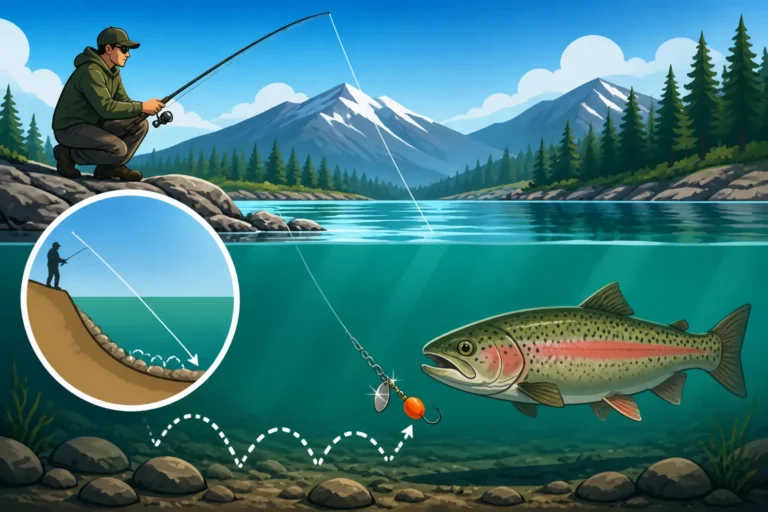
Bottom bouncing typically involves a specialized weight (often a slinky weight or pencil lead) that is designed to roll or "bounce" along the riverbed without snagging excessively. Your bait, often roe, a worm, or a scented plastic, is then attached to a short leader that trails behind this weight. The idea is for the weight to maintain contact with the bottom, while the bait drifts enticingly just above it. This allows for excellent feel, letting you detect subtle takes as the fish mouths the bait. This technique is particularly effective in wider runs where fish are spread out or in deep troughs. Detailed guidance on Drift Fishing for Steelhead in BC Rivers can provide more context on these applications.
Traditional drift fishing, often done with heavier weights and bait directly on the bottom, can also be effective in certain situations, particularly for stationary fish or when attempting to get a bait to settle into a specific pocket. The disadvantage is a higher risk of snagging and a less natural presentation compared to float fishing or light bottom bouncing. However, its simplicity and ability to anchor bait in strong currents make it a viable option for some anglers. Always be mindful of currents and structure to minimize lost gear.
Understanding Current Seams and Holding Water
No matter what bait or presentation you choose, understanding where steelhead hold in a river like the Skeena is paramount. Steelhead are energy-efficient creatures. They will position themselves in spots where they can rest out of the main current, yet still have access to passing food items or a clear path to move upstream. These spots are known as "holding water."
Key areas to target include current seams (where fast water meets slow water), behind large boulders or log jams (structure that breaks the current), in the deeper sections of pools, and at the head or tail-outs of riffles. The "soft spots" next to fast water are prime lies. For example, a steelhead might sit in a calm eddy right next to a torrent, expending minimal energy while waiting for an opportunity. Your job is to present your bait into these areas with a natural drift, allowing it to pass directly in front of the fish.
Reading the water is a skill developed over years of experience. Look for changes in water color, depth, and speed. Observe where debris collects, as this often indicates slower currents. Understanding how water flows over and around different features will guide your casts and drifts. Spending time watching the river, even without fishing, can provide invaluable insights into where these elusive fish might be hiding. Many anglers find the Best Steelhead Rivers in BC are those where they have developed a strong sense of these subtle river dynamics.
Seasonal Bait Considerations for the Skeena
The Skeena River fishery is a year-round affair in different sections, but the behavior and preferences of steelhead can vary dramatically depending on the season. Matching your bait strategy to the time of year and prevailing conditions is a critical aspect of consistent success.
Spring Runs: High Water, Aggressive Fish
Spring on the Skeena typically means rising water levels from snowmelt, which can bring increased turbidity and colder temperatures. Steelhead returning to spawn in spring are often fresh, strong, and can be quite aggressive. They're making their final push upstream, and while not actively feeding, they will react strongly to intrusive baits or those that mimic a high-energy meal.
During these high water conditions, visual appeal and vibration are key. Larger, brighter baits are often preferred because they are more easily seen in off-color water. This is an excellent time for vibrant-colored marabou jigs (think hot pink, chartreuse), larger roe bags, or even plugs and spoons that create a lot of flash and wobble. The turbidity also means steelhead might not be as wary, making them more susceptible to an aggressive presentation. Fishing close to the banks, in slower seams, or behind large structure is often productive, as fish will utilize these areas to escape the main force of the current.
Understanding the specific run timing for BC Steelhead Season Dates is vital. Early spring might see cold, clear water, transitioning to high, murky flows as the melt progresses. Adjusting your bait size, color, and scent level (e.g., using heavily scented soft plastics from brands like Pautzke or Atlas Mike's, readily available on Amazon) becomes crucial as conditions change. The fish are often spread out and moving, so covering water effectively with noticeable baits is a good strategy.
Fall Runs: Spawning Cycles and Cooler Waters
The fall on the Skeena is a magical time, often characterized by cooler water temperatures, decreasing flows, and the presence of numerous spawning salmon species. This confluence of factors significantly influences steelhead bait preferences. Fall-run steelhead are often in prime condition, and as salmon begin to spawn, their eggs become an incredibly important food source.
This is the peak season for roe. Fresh salmon eggs, whether natural or high-quality artificial imitations, are often unbeatable. Steelhead will sit downstream from salmon redds, intercepting loose eggs. So, matching the size and color of natural salmon eggs in the river becomes a highly effective strategy. Smaller, natural-looking roe bags or single egg imitations are perfect for the often-clearer water conditions of fall. In addition to eggs, small, natural-colored jigs or even flesh patterns that mimic decaying salmon can also trigger strikes.
As the water cools further into late fall, steelhead can become more sluggish and less willing to chase. This requires even more subtle presentations, longer leaders, and precise drifts. Focusing on deep pools and slower runs where fish might be staging or overwintering becomes important. The Best Months to Catch Steelhead in BC often align with these optimal fall conditions, provided you adapt your approach.
Winter Steelhead: Low and Clear Conditions
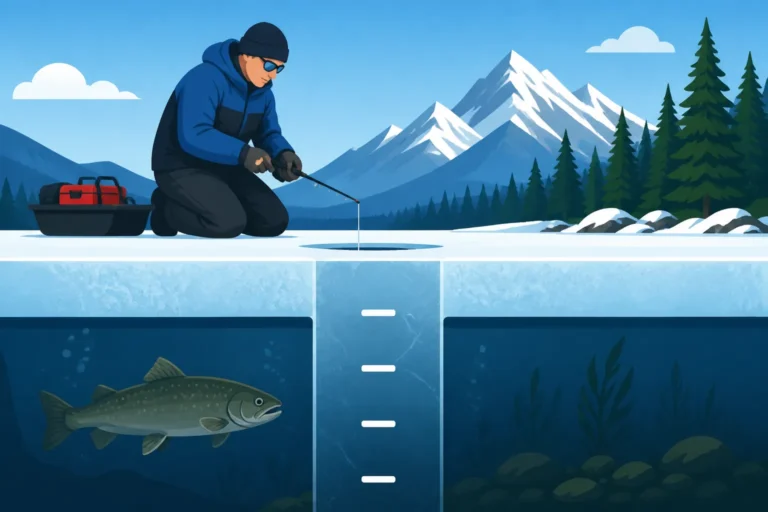
Winter steelhead fishing on the Skeena can be incredibly challenging but also incredibly rewarding, often reserved for the most dedicated anglers. Conditions typically feature low, clear water and very cold temperatures, making steelhead exceptionally wary and sluggish. This is when finesse and subtlety are paramount.
In these conditions, steelhead are conserving every bit of energy. They are not going to move far for a meal. Your bait needs to be presented perfectly, right into their holding lie, with absolutely no drag. Small, natural baits are key: tiny roe bags (dime-sized or smaller), micro jigs, small worms, or even single beads that perfectly mimic a salmon egg. Color choices tend towards natural or subdued tones – pale pinks, creams, or even transparent plastics. Flashy or aggressive baits will almost certainly spook them.
Long, light leaders (e.g., 8-10 lb fluorocarbon) are essential for invisibility and natural drift. Presentation must be impeccable, often requiring precise casts and multiple mends to ensure a flawless drift through known holding water. Detecting the incredibly subtle takes of a winter steelhead in cold water is also a challenge, demanding focus and sensitive gear. For specialized approaches, learning the Best techniques for low clear water steelhead is essential for success during the winter months.
Ethical Angling and Conservation Practices
Fishing on the Skeena River for steelhead is a privilege, and with that comes a profound responsibility to practice ethical angling and conservation. These magnificent fish are a precious resource, and ensuring their future requires every angler to do their part.
Minimizing Impact with Barbless Hooks
One of the most fundamental conservation practices, and often a legal requirement on many steelhead waters in BC, is the use of barbless hooks. A barbless hook significantly reduces the damage done to a fish’s mouth, making the unhooking process quicker and less stressful for the fish. This is crucial for catch-and-release fisheries, as it dramatically increases the survival rate of released fish.
Even if a hook isn't sold as "barbless," you can easily convert it by using a pair of pliers to crimp down the barb completely. Ensure the barb is flush with the shank of the hook. While some might argue that barbless hooks increase the chance of losing a fish, the vast majority of experienced steelhead anglers will tell you that a well-set barbless hook, combined with consistent pressure during the fight, holds just fine. The slight increase in challenge is a small price to pay for the health of the fishery.
The impact of barbed hooks can be severe, tearing flesh and causing prolonged injury that can hinder a fish's ability to feed or successfully spawn after release. By choosing barbless, you are directly contributing to the sustainability of the Skeena's iconic steelhead populations, allowing more fish to successfully spawn and return to the ocean.
Catch and Release Best Practices
Given the conservation status of wild steelhead and the general ethos of steelhead fishing, responsible catch and release practices are paramount. The goal is to land the fish quickly, handle it minimally, and release it in the best possible condition to ensure its survival and future spawning success.
When you hook a steelhead, fight it efficiently. Don't play the fish to exhaustion, but apply steady pressure to bring it to hand as quickly as possible. Keep the fish in the water as much as you can. If you need a photo, prepare your camera beforehand and be quick. Support the fish horizontally with both hands, one under the head and one under the tail, never vertically by the jaw or tail. Avoid touching its gills or eyes, and minimize contact with its delicate slime layer, which protects it from disease.
To release the fish, hold it gently in the current, facing upstream, until it regains its strength and can swim away on its own. Do not "pump" it back and forth, as this can force water over its gills in the wrong direction. If the fish is bleeding or deeply hooked, it's best to cut the line as close to the hook as possible rather than attempting a forceful removal. These practices are not just suggestions; they are vital for ensuring the long-term health and vitality of the Steelhead Fishing in BC experience for everyone.
Respecting Regulations and Fishery Notices
British Columbia's fishing regulations are complex and dynamic, designed to protect fish populations and manage fisheries sustainably. For a river as important as the Skeena, these regulations are particularly critical and can change frequently based on conservation needs, run sizes, and environmental conditions. It is every angler's responsibility to know and abide by the rules.
Before every fishing trip, consult the latest Freshwater Fishing Regulations Synopsis for BC and check specific fishery notices. These notices, issued by Fisheries and Oceans Canada (DFO) and the provincial government, can announce in-season closures, bait restrictions, gear modifications, or changes to bag and possession limits. For example, some sections of the Skeena may have bait bans, single barbless hook rules, or specific catch-and-release only designations for steelhead during certain periods. Ignoring these rules can result in significant penalties, including hefty fines and the confiscation of gear.
Always ensure you have a valid BC fishing license and any required stamps (such as the BC Steelhead Conservation Surcharge Stamp). These funds directly contribute to conservation efforts. Being a responsible angler means not just catching fish, but actively participating in their protection. The long-term health of the Skeena's steelhead hinges on the collective efforts of all who cherish this incredible fishery.
| Bait Type | Best Conditions | Pros | Cons | Typical Rigging |
|---|---|---|---|---|
| Natural Roe (Salmon Eggs) | Cooler, clearer water; during salmon spawns | High natural scent, familiar food source, highly effective | Fragile, requires curing/refrigeration, can be messy | Spawn bag under a float, small hook bottom bouncing |
| Earthworms / Larvae | Murky water, slower currents, subtle presentation | Natural action, good scent, widely available | Can be fragile, sometimes less exciting for fish | Single worm or cluster under a float, bottom bounce |
| Scented Soft Plastics | All conditions (adapt color/size); convenient | Durable, reusable, consistent scent, wide variety | Less natural texture, scent can fade over time | Jig head, drifted under a float, bottom bounced |
| Marabou Jigs | Moderate to clear water; various depths | Pulsating action, versatile, good color options, durable | Requires active presentation/drift, less natural scent | Under a float, light jigging |
| Hard Baits (Plugs/Spoons) | High, murky water; aggressive fish; covering water | Strong vibration, flash, covers water quickly, attracts attention | Can be ignored by wary fish, higher snag risk, less subtle | Cast and retrieve, back-trolling |
| Lamprey / Baitfish Strips | Murky water, deep runs, opportunistic feeding | Strong natural scent, oily, larger profile | Sourcing can be difficult, messier, species-specific regulations | Drifted, jigged, or trolled |
Disclaimer
The information provided in this article is for general guidance and informational purposes only. Fishing regulations, season dates, and access points in British Columbia can change frequently. Always consult the official BC Freshwater Fishing Regulations Synopsis, Fisheries and Oceans Canada (DFO) fishery notices, and local authorities before heading out on the water. It is your responsibility to know and adhere to all applicable laws and regulations.