Best Techniques for Early Spring Steelhead
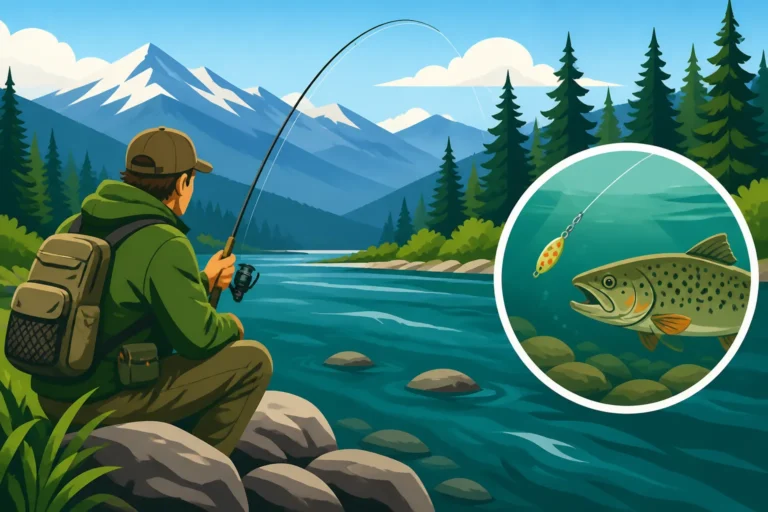
There’s a unique kind of challenge, and a truly special reward, that comes with targeting steelhead in the early spring in British Columbia. Many anglers face the frustration of unpredictable weather, cold, often high water, and fish that can be a bit more lethargic or spread out than in other seasons. But cracking the code for these incredible anadromous rainbow trout during this specific window can lead to some of the most memorable angling experiences of your life. This comprehensive guide will walk you through the nuances of early spring steelhead fishing, from understanding their behavior to mastering the techniques that put chrome in your net.
Understanding Early Spring Steelhead Behavior and Habitat
Early spring steelhead fishing in BC is often a game of patience and precision, deeply rooted in understanding how these magnificent fish behave in colder, sometimes fluctuating water conditions. It’s a transition period, and the fish you encounter can vary greatly, each presenting its own set of challenges and opportunities.
Distinguishing Fresh Run Steelhead from Kelts
When you're out on a BC river in early spring, you're likely to encounter two distinct types of steelhead: the "fresh run" fish and "kelts." Fresh run steelhead are bright, chrome-plated beauties that have just recently entered the river system from the ocean, full of vigor and ready to spawn. They are typically aggressive and powerful fighters. Kelts, on the other hand, are post-spawn fish that have already completed their spawning duties and are often heading back downstream to the ocean. These fish can appear darker, thinner, and are generally less aggressive, though they can still provide a good fight. Knowing the difference is crucial not just for identification, but also for adjusting your presentation. Kelts are recuperating, often holding in slower water, while fresh fish might be pushing upstream, eager to take a well-presented offering.
It's important to treat kelts with extreme care. They've just completed an incredibly arduous journey and task, and their survival depends on a gentle release. Many anglers choose to avoid targeting kelts altogether, focusing instead on the vibrant, ocean-fresh fish. However, if you do hook into a kelt, ensure a quick fight, minimize air exposure, and release it gently, allowing it ample time to recover before swimming away. Understanding these different stages of a steelhead's life cycle is a hallmark of a responsible and knowledgeable angler in British Columbia.
How Water Temperature Influences Fish Location and Activity
Water temperature is arguably the single most critical factor influencing steelhead behavior in early spring. As cold winter waters slowly begin to warm, it signals subtle changes in fish metabolism and preferred holding lies. Steelhead, like all cold-blooded fish, become more active as water temperatures rise, up to a certain point. In very cold water (think near 0-4°C or 32-39°F), steelhead are lethargic and tend to conserve energy, often holding in deeper, slower pools or behind significant structure where they don't have to fight much current. They won't chase a fly or bait far, meaning your presentation needs to be almost perfect and right in front of their nose.
As temperatures creep up (into the 5-8°C or 40-46°F range), steelhead become a bit more willing to move. They might start holding in the slower edges of runs, behind boulders, or in tailouts where there's a bit more current but still easily accessible cover. This warming trend also often coincides with increased insect activity or baitfish movements, further stimulating their feeding instincts. Conversely, a sudden drop in air temperature or a cold snap can quickly send steelhead back into their deep-water, energy-saving modes. Constantly monitoring water temperature, either with a thermometer or by observing the general conditions, will help you predict where the fish are holding and adjust your approach accordingly.
Essential Gear for Battling Cold Waters and Wary Fish
When you’re facing the often-unforgiving conditions of early spring steelhead fishing in British Columbia, having the right gear isn't just about comfort—it's about success and safety. The cold, sometimes unpredictable weather and the challenge of these powerful fish demand thoughtful preparation.
Rods, Reels, and Lines for Cold Water
For early spring steelhead, your rod, reel, and line setup need to be robust and specialized. Many anglers opt for longer rods, typically 10 to 13 feet, especially for float fishing or spey casting. A longer rod provides better line control, easier mending, and can help absorb the shock of a powerful steelhead's run. For conventional gear, a medium-heavy spinning or baitcasting rod with a fast action is ideal for detecting subtle bites and delivering solid hook sets. Pair this with a reliable reel that has a smooth drag system, capable of handling blistering runs. Many swear by reels from reputable brands that can withstand the rigors of cold, wet conditions.
When it comes to line, a high-visibility monofilament or braided mainline is often preferred for float fishing, making it easier to track your drift, especially in low light or glare. For leaders and tippet, fluorocarbon is a popular choice due to its invisibility underwater and abrasion resistance. In the clear, cold waters often found in early spring, a stealthy presentation is paramount. You might need to drop down to lighter leaders than you'd typically use in higher, colored water, sometimes as light as 8-10 lb test, especially when targeting finicky fish in systems like the Thompson River. If you're fly fishing, a sink-tip line is almost essential for getting your flies down to the fish in deeper, faster runs, particularly when swinging larger patterns in systems like the Skeena River. Make sure your lines are fresh and knot-free, as cold weather can make old lines more brittle. You can find a wide array of specialized fishing lines, including durable fluorocarbon leaders, on Amazon.
Wading Gear and Layering for Comfort and Safety
Staying warm and dry is non-negotiable when fishing for early spring steelhead. The rivers are often fed by snowmelt, and air temperatures can hover just above freezing, sometimes dropping suddenly. Neoprene waders, while bulkier, offer superior insulation in frigid water compared to breathable waders. If you opt for breathable waders, make sure to layer heavily underneath with thermal underwear, fleece pants, and wool socks. Waterproof, insulated wading boots are also critical; cold feet will cut your day short faster than anything else. A good pair of studded or felt-soled wading boots will provide much-needed traction on slippery riverbeds.
Layering is key for your upper body as well. Start with a moisture-wicking base layer, add a fleece or wool mid-layer for insulation, and top it off with a waterproof and windproof jacket. Don't forget a warm hat, gloves, and a buff or neck gaiter to protect exposed skin. Conditions can change rapidly in BC, from sunny to sleet in a matter of hours, so being able to add or remove layers will keep you comfortable and focused on fishing. Hypothermia is a real risk in these conditions, so always be prepared, and consider carrying an extra set of dry clothes in your vehicle, just in case of an accidental dunk. Proper preparation will ensure you can fully enjoy your time pursuing these incredible fish.
Essential Tackle and Accessories
Beyond your rod and reel, a carefully selected array of tackle and accessories will make your early spring steelhead trip more productive. For float fishing, a variety of floats (Drennan, Raven, Thill) in different sizes and sensitivities are crucial to match varying current speeds and depths. You'll need an assortment of lead shot or split shot to perfectly balance your float rig, ensuring a natural, drag-free drift. Swivels, beads, and a selection of hooks (sizes 1-4) designed for steelhead are also must-haves. When it comes to bait, roe bags are a perennial favorite, but artificial eggs, worms, and even cured shrimp can be highly effective depending on the river and conditions. Remember to check local regulations for specific bait restrictions, as some rivers are bait-free or BC Freshwater Salmon Retention Rules might apply.
For fly anglers, a selection of weighted intruder patterns, leeches, and various nymph patterns (Stoneflies, Pheasant Tails, Prince Nymphs) will cover most situations. Don't forget a selection of different sink tips (T-8, T-11, T-14) to adjust your fly's depth. Other essential accessories include a long-handled landing net with a rubberized mesh (fish-friendly!), line nippers, forceps, a wading staff for stability in swift currents, and polarized sunglasses to help you spot fish or read subtle water features. A reliable headlamp or flashlight is also invaluable for early morning starts or late evening finishes. A quick browse on Amazon can reveal many highly-rated options for these critical items, often with customer reviews that can guide your choices.
Mastering Presentation: Top Techniques for Early Spring Steelhead
Early spring steelhead can be finicky, requiring precise and often subtle presentations. The colder water means they’re less likely to chase a bait or fly, so getting your offering right into their strike zone is paramount. Mastering these core techniques will significantly improve your chances of success.
Float Fishing for Maximum Drift Control
Float fishing, also known as "drift fishing with a float" or "centrepinning" when using a centrepin reel, is arguably the most popular and effective method for early spring steelhead in British Columbia. This technique allows you to present your bait or fly naturally at the precise depth steelhead are holding, covering long stretches of prime water with excellent control. The key is achieving a drag-free drift, meaning your float moves at the exact speed of the current, making your presentation look completely natural. To do this, you need to properly "shot" your float, using just enough weight (split shot or lead) to stand it upright with only the brightly colored tip visible, allowing for maximum bite detection.
When float fishing, focus on seams, current breaks, and the slower edges of runs where steelhead are likely to hold, conserving energy. Cast upstream of your target area, mend your line to keep slack out and maintain a perfect drift, and follow your float downstream with your rod tip. The slightest hesitation, dip, or pull of the float should be met with a swift, firm hook set. Early spring fish often bite subtly, so keen observation is crucial. Experiment with different float sizes, leader lengths, and bait presentations. For instance, using a longer leader can allow your bait to drift more freely below the float, mimicking natural food items. Many anglers also adjust their depth frequently, starting shallower and gradually increasing depth until they find the fish. This methodical approach is covered in depth in guides like Drift Fishing for Steelhead in BC Rivers.
Fly Fishing: Swinging Flies and Nymphing Strategies
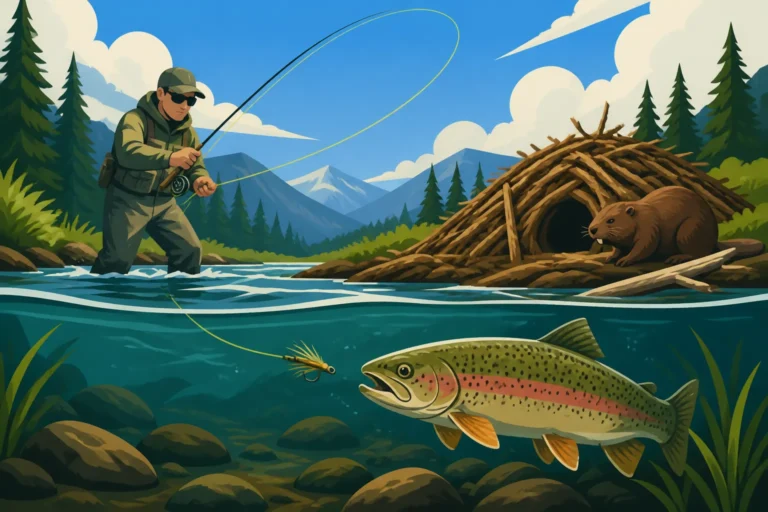
For the fly angler, early spring steelhead fishing offers a beautiful challenge. Two primary approaches dominate: swinging flies and nymphing. Swinging flies involves casting a weighted fly (often an "intruder" style pattern or a large streamer) across and downstream, allowing the current to carry it in an arc through potential holding lies. This technique often triggers an aggressive "grab" from a steelhead, as the fly’s broadside presentation can illicit a territorial strike. For early spring, slow and deep is the mantra. Use heavy sink tips (like T-11 or T-14) to get your fly down quickly, and fish patiently, letting the fly complete its swing before taking a step downstream. Your leader length should be shorter, matching the length of your sink tip, to ensure the fly gets to depth efficiently.
Nymphing, on the other hand, is a more direct, dead-drift presentation, often used in conjunction with an indicator or Euro Nymphing techniques. The goal is to imitate nymphs or eggs drifting naturally along the bottom. This is particularly effective for lethargic fish holding in deeper, slower water. A long, sensitive fly rod (10-11 feet) helps with line control and subtle bite detection. Weighted nymphs, such as a large Stonefly pattern or a "Glo-Bug" egg imitation, are often tied in tandem with a smaller attractor nymph. Ensure your weight is sufficient to get the flies down but not so much that you're constantly snagging. Similar to float fishing, a drag-free drift is critical, often achieved with strategic mending and precise line management. For a broader perspective on fly fishing for these magnificent fish, check out Fly Patterns for BC Steelhead Rivers.
Bottom Bouncing and Bait Fishing Tactics
While float fishing and fly fishing are highly effective, bottom bouncing (often with a "slinky" weight) and traditional bait fishing remain potent options, especially in certain river conditions or for anglers who prefer a more direct approach. Bottom bouncing involves using a specialized weight system (like a pencil lead or slinky) designed to bounce and tumble along the riverbed without snagging excessively, presenting a bait or lure very close to the bottom where steelhead often hug the contours. This is particularly useful in strong currents or when fishing deep, irregular runs. Your bait (roe, artificial eggs, or worms) is typically tied on a short leader behind the slinky, ensuring it tumbles naturally in the strike zone.
Bait fishing, often with cured roe or even shrimp, can be incredibly effective when regulations allow. The scent trail can draw in fish from a wider area, and the natural appearance and texture of real bait can trigger bites from even the most cautious steelhead. It's crucial to ensure your bait is fresh and well-presented on a single barbless hook. Whether drift fishing or bottom bouncing with bait, the key is a slow, methodical presentation that allows the steelhead ample time to intercept and mouth the offering. Again, always double-check the BC Fishing Regulations Explained for any specific restrictions on bait use in the waters you plan to fish.
Strategic Wading and Safety in Challenging Spring Conditions
Early spring in British Columbia’s steelhead rivers presents not just angling challenges, but also significant safety considerations. The water is often cold, swift, and sometimes high, making strategic wading and a keen awareness of your surroundings absolutely critical. Your personal safety must always be your top priority.
Reading Water for Safe Wading Paths
Wading in early spring BC rivers demands careful observation and a cautious approach. The same powerful currents that draw steelhead can be incredibly dangerous. Before stepping into the water, take time to "read" the river. Look for slower seams, eddies, and shallower riffles that might offer a safer crossing. Avoid areas with boils, white water, or extremely fast, dark currents, as these often indicate deep, powerful flows that can easily knock you off your feet. Identifying safe entry and exit points is also vital, especially if you plan to move downstream. A crucial piece of equipment for safe wading is a sturdy wading staff. It acts as a third leg, providing stability and allowing you to probe the depth and consistency of the riverbed before committing your weight.
Always wade facing upstream or diagonally upstream, allowing the current to push against your body rather than from the side. Take slow, deliberate steps, shuffling your feet rather than lifting them high, to maintain contact with the bottom. In cold water, your body's reaction time and strength can be diminished, so never push your limits. If you're unsure about the depth or current strength, it's always better to err on the side of caution and find another spot or fish from the bank. For more in-depth knowledge on safe movement in rivers, consider reviewing resources like Wading Techniques for BC Steelhead Rivers.
Hypothermia Prevention and Emergency Preparedness
Hypothermia is a silent and serious threat when fishing in cold conditions. Even on a seemingly mild day, prolonged exposure to cold water or air, especially if wet, can lead to your core body temperature dropping to dangerous levels. Prevention is paramount: dress in layers of insulating materials like wool and fleece, wear a waterproof outer shell, and ensure your waders and boots are leak-free. A warm hat and gloves are essential, as significant heat loss occurs through your head and extremities. Carry hand warmers in your pockets for quick warmth.
Beyond dressing appropriately, always carry a small emergency kit. This should include a fire starter, a space blanket, high-energy snacks, a first-aid kit, and a fully charged cell phone (though service can be spotty in remote areas). If fishing alone, always let someone know your float plan, including where you're going and when you expect to return. Consider carrying a personal locator beacon (PLB) or satellite messenger if venturing into very remote areas. Fishing with a buddy is also highly recommended, as an extra set of hands can be invaluable in an emergency. Being prepared for the worst allows you to focus on the fishing with peace of mind.
Navigating Varying Water Levels and Clarity
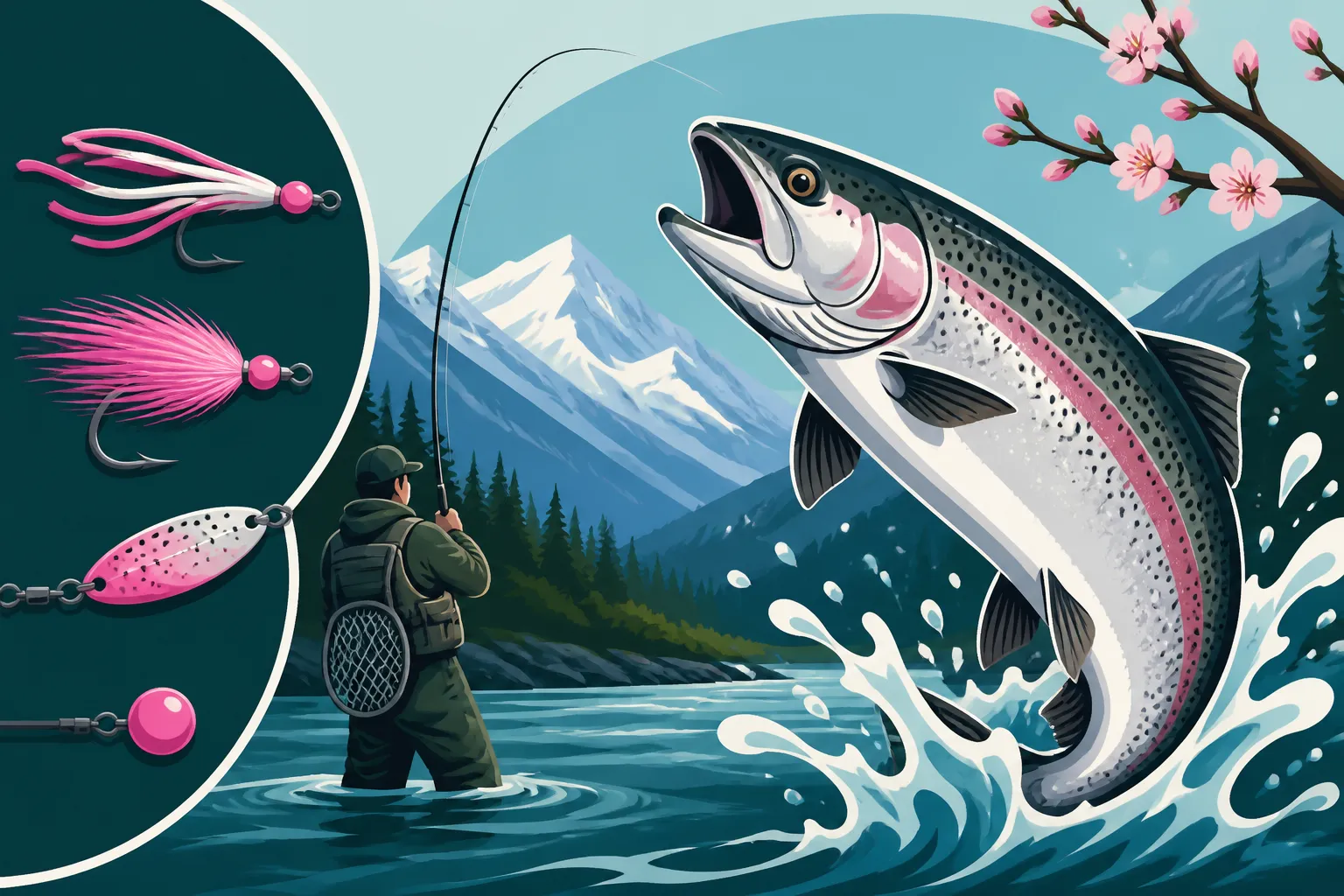
Early spring in BC can bring rapidly changing river conditions due to snowmelt, rain, or hydro dam operations. Water levels can rise quickly, increasing current speed and decreasing clarity. Before heading out, always check local river flow data and weather forecasts. Websites run by the BC government or local angling clubs often provide real-time gauges. When the water is high and murky, steelhead tend to move closer to the banks, seeking calmer water and using the turbidity for cover. In these conditions, brighter, more visible baits or flies (chartreuse, pink, orange) can be more effective, and a slower, more deliberate presentation is often required.
Conversely, if the water is low and crystal clear, steelhead become incredibly spooky. You’ll need a stealthier approach, longer and lighter leaders, and smaller, more natural-looking presentations. Approach the river quietly, keep a low profile, and avoid casting shadows over the water. Long casts can help keep you hidden from wary fish. Understanding how water levels and clarity affect fish behavior is key to adapting your strategy throughout the early spring season. Always be flexible, and don't be afraid to change spots or techniques if the conditions aren't matching your initial plan.
Navigating Regulations and Practicing Ethical Angling
Fishing for steelhead in British Columbia isn't just about the right gear and techniques; it's also about understanding and respecting the strict regulations in place to protect these precious fish. Early spring often coincides with critical spawning periods, making ethical angling practices more important than ever.
Understanding Steelhead-Specific Regulations
British Columbia has some of the most complex, yet vital, fishing regulations in Canada, especially when it comes to iconic species like steelhead. These regulations are designed to protect vulnerable populations, manage harvests, and ensure the sustainability of the fishery. Before you even think about casting a line, you absolutely must consult the current BC Freshwater Fishing Regulations Synopsis. This document, available online and at most tackle shops, is your bible for understanding what's open, what's closed, and what special restrictions apply to the specific river you intend to fish. Pay close attention to season dates, which can vary wildly by river and even by section of a river, as detailed in BC Steelhead Season Dates.
Key regulations to watch out for in early spring include mandatory catch-and-release rules for steelhead on many systems. This means no retention is permitted, and you must release all steelhead unharmed. Additionally, gear restrictions are common, often mandating single, barbless hooks. Some rivers may have bait bans, or specific fly-only sections. Always verify the rules for your chosen location, whether it's the Vedder River or the Kootenay Lake. Ignorance of the regulations is not an excuse, and penalties for non-compliance can be severe, including significant fines and forfeiture of gear. Take the time to read through the entire synopsis, especially the regional and species-specific sections, to ensure you are fully compliant.
The Importance of Catch and Release Best Practices
Given that many early spring steelhead fisheries are catch-and-release only, mastering the art of ethical release is just as important as mastering your casting technique. Steelhead, especially kelts and pre-spawn fish, are vulnerable, and their survival depends on how well they are handled. Always use single, barbless hooks to minimize tissue damage and allow for quick, easy removal. When a fish is hooked, fight it efficiently and bring it to hand as quickly as possible without over-stressing it. Prolonged fights, especially in cold water, can exhaust a fish and reduce its chances of survival.
Once landed, keep the fish in the water as much as possible. If you must remove it for a quick photo, do so quickly, supporting its body horizontally with both hands, avoiding squeezing its midsection or holding it vertically by the tail. Remove the hook gently with forceps or pliers. If the fish is bleeding, cut the line as close to the hook as possible rather than trying to dig it out. When releasing, hold the fish gently in the current, facing upstream, until it regains its strength and swims away on its own. Never toss a fish back into the water. Every steelhead you release successfully contributes to the future of this incredible fishery. More specific advice on this is found in resources like Sturgeon catch and release survival tips, which, although about sturgeon, provides excellent general principles applicable to all large game fish.
Respecting Fellow Anglers and River Etiquette
British Columbia's steelhead rivers can be popular, especially during prime times in the early spring. Practicing good river etiquette ensures a pleasant experience for everyone and minimizes conflicts. One of the fundamental rules is to give other anglers ample space. If someone is already fishing a run, don't crowd them. Give them at least a few hundred feet, or more if possible, particularly in popular spots. If you're wading downstream, ask if you can "walk through" rather than casting over their water. Similarly, if you're approaching an angler from upstream, don't drop in right above them.
When moving through runs, practice "leapfrogging." This means once you've fished a run thoroughly, move well downstream of the next angler, allowing everyone to fish undisturbed water. Avoid loud noises, splashing, or shining bright lights directly into the water, as this can spook fish. Always pack out everything you pack in, leaving no trace of your presence. This includes discarded fishing line, which can be lethal to wildlife. Treating the river, the fish, and your fellow anglers with respect contributes to a positive and sustainable fishing culture, something we deeply value in BC.
Early Spring Steelhead: Key Techniques Comparison
To help you quickly grasp the best approach for different early spring conditions, here's a comparison of the primary steelhead fishing techniques:
| Technique | Ideal Water Conditions | Rod Length (Approx.) | Line/Tippet Focus | Common Baits/Flies | Pros | Cons |
|---|---|---|---|---|---|---|
| Float Fishing | Cold, varied flows, moderate depth | 10-13 ft | Hi-Vis Mono, Fluorocarbon | Roe bags, artificial eggs, worms, small jigs | Excellent drift control, good bite detection, covers water effectively | Can be challenging in very fast or extremely shallow water; requires careful shotting |
| Fly Fishing (Swinging) | Moderate to fast current, deeper runs | 12-15 ft (Spey/Switch) | Sink Tip, Fluorocarbon | Intruders, Leeches, Tube Flies | Excites aggressive strikes, covers large areas, artistic and engaging | Less effective for lethargic fish; requires good casting technique and knowledge of fly depth |
| Fly Fishing (Nymphing) | Slower, deeper pools; clear water | 10-11 ft (Single-Hand) | Fluorocarbon | Stoneflies, Egg patterns, Caddis, Prince Nymphs | Very precise, excellent for finicky fish or specific holding lies | Can be snag-prone; requires constant depth adjustment and subtle bite detection |
| Bottom Bouncing | Turbulent, deep, irregular runs | 9-10 ft | Braided Main, Heavy Mono | Roe, artificial worms, jigs | Gets bait/lure directly on bottom, good for strong currents | Can snag frequently; less natural presentation than float or nymphing; less active feel of fish |
This table provides a quick reference, but remember that conditions on BC rivers can change quickly. Being adaptable and willing to switch techniques based on what the fish are telling you is the mark of a truly successful early spring steelhead angler.
Final Thoughts on Your Early Spring Steelhead Journey
Early spring steelhead fishing in British Columbia is more than just a sport; it's a test of patience, skill, and reverence for nature. The rewards, however, are immeasurable: the thrill of a chrome bright steelhead stripping line, the quiet beauty of a frosty morning river, and the satisfaction of mastering a challenging pursuit. Remember to always prioritize safety, respect the fish through diligent catch and release practices, and adhere to all BC Fishing Regulations Explained. Whether you're drift fishing the Fraser River's tributaries or swinging flies on the Thompson, the lessons learned and the memories made will stay with you long after the season ends. So layer up, gear up, and get out there – those early spring steelhead are waiting!
Disclaimer
Fishing conditions and regulations in British Columbia can change rapidly. Always consult the official BC Freshwater Fishing Regulations Synopsis and relevant fishery notices before heading out on any fishing trip. The information provided in this guide is for general informational purposes only and does not constitute legal advice or an exhaustive list of all regulations. Adherence to all local, provincial, and federal laws is the sole responsibility of the angler. Stay safe and respect our precious natural resources.