How barometric pressure affects BC salmon fishing
Have you ever spent hours on the water, meticulously rigging your gear, only to find the salmon completely uninterested, while other days they seem to practically jump into the boat? It’s a frustration every angler in British Columbia has faced. The truth is, sometimes the fish just aren’t biting, and it can feel like a mystery. But often, the secret lies in something you can't see but definitely affects the fish: barometric pressure. Understanding how these atmospheric shifts influence salmon can be a game-changer, transforming those puzzling slow days into more predictable, and hopefully, more successful, fishing adventures.
What is Barometric Pressure and Why Does it Matter to Anglers?
Before we dive into the nitty-gritty of how salmon react, let's clarify what barometric pressure actually is. It's not some abstract scientific concept; it's a very real force that constantly surrounds us, influencing our weather and, crucially, the underwater world where our target species live. Grasping this fundamental principle is the first step toward becoming a more intuitive and successful angler.
The Invisible Force Above Us
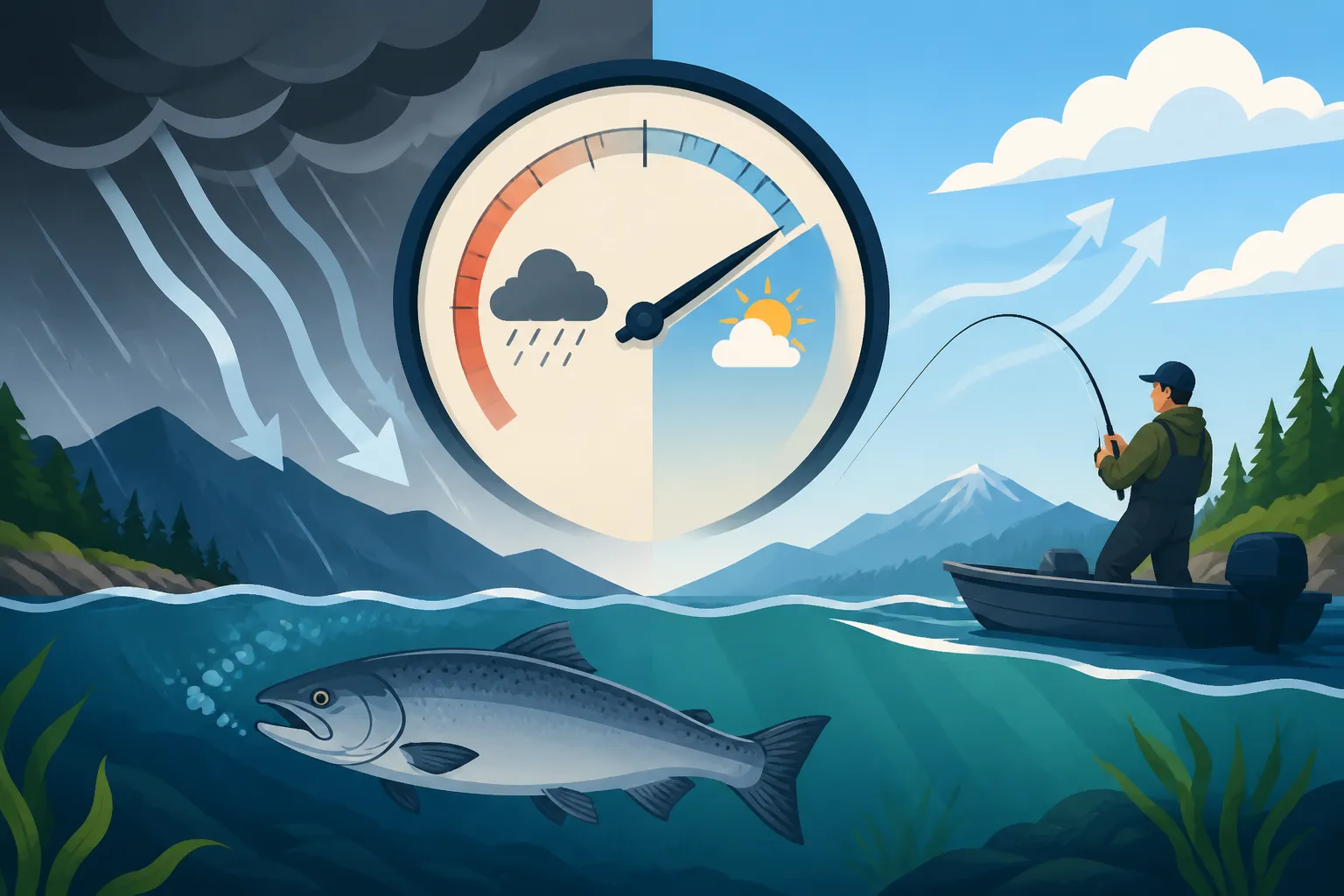
Imagine a column of air stretching from the surface of the earth all the way up to space. That column of air has weight, and it's constantly pushing down on everything below it, including us, the water, and the fish. This "weight" or force is what we call atmospheric or barometric pressure. It's measured in units like millibars (mb) or inches of mercury (inHg). When a weather system moves in, either bringing heavy, dense air or lighter, less dense air, this pressure changes. A high-pressure system means the air is heavy and stable, often leading to clear skies and calm weather. A low-pressure system, conversely, indicates lighter, less stable air, which usually brings clouds, wind, and precipitation. These changes aren't just about whether you need to pack a rain jacket; they profoundly impact the aquatic environment.
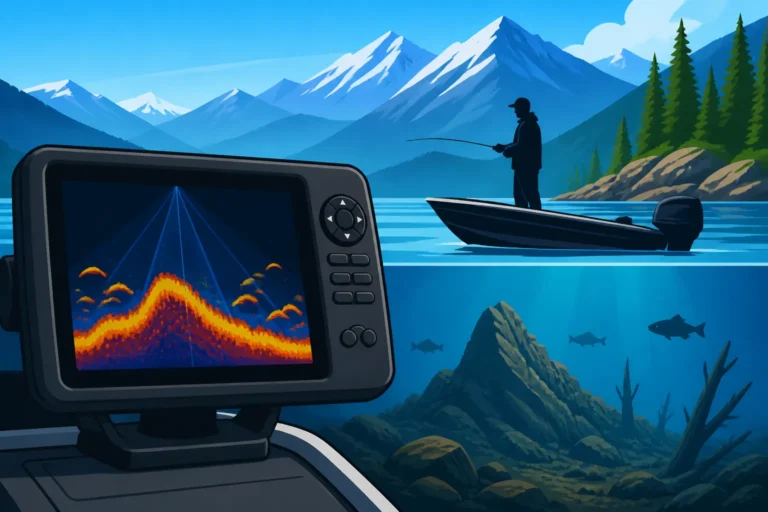
The shifts in barometric pressure are largely responsible for the weather patterns we experience daily. When you check your local forecast and see predictions for clear, sunny days, that's generally due to a high-pressure system dominating the area. Conversely, a forecast calling for storms, rain, and strong winds typically signals the approach or presence of a low-pressure system. Many anglers rely on their smartphone weather apps, but serious enthusiasts might even invest in a dedicated barometer, a tool that measures these changes with precision. You can find a wide range of portable barometers on Amazon, from basic models to more advanced ones that track trends, helping you interpret potential changes in fish behavior even before the weather visibly shifts. Understanding these systems helps you anticipate not just the weather, but also how the fish might react to it.
How Fish "Feel" the Pressure
Now, let's get to the critical part: how do fish, particularly salmon, perceive these changes that we mere humans often only notice when our ears pop on a mountain pass? The key lies in their physiology, specifically their swim bladder. Many fish, including all salmon species, possess a gas-filled organ called a swim bladder that helps them maintain buoyancy and depth in the water column. Think of it like a built-in flotation device that they can adjust. As the external barometric pressure changes, the pressure on this swim bladder also changes, and the fish must actively work to compensate for it.
When the atmospheric pressure is high, the external pressure on the water is greater, which in turn compresses the gases in the fish's swim bladder. To maintain their desired depth, the fish might need to expel gas or adjust their position. Conversely, when the pressure drops, the gases in the swim bladder expand, making the fish more buoyant. They then need to take on more gas or dive deeper to maintain their equilibrium. This constant adjustment requires energy and can make fish uncomfortable, much like how some people feel aches and pains before a storm due to changing pressure. This sensitivity means that sudden or significant shifts in barometric pressure can have a direct impact on a salmon's comfort, activity levels, feeding patterns, and even where they choose to hold in the water column. It's a subtle but powerful influence that often goes unnoticed by anglers who aren't paying attention.
How Barometric Pressure Directly Influences Salmon Behavior
Understanding the mechanics is one thing, but knowing how salmon specifically react to different pressure scenarios is where the real angling advantage comes in. Their behavior isn't random; it follows predictable patterns tied to the rising, falling, or stable state of the barometer. Being able to read these cues allows you to adjust your approach and significantly increase your chances of success.
High Pressure Systems: Clear Skies, Tricky Fishing
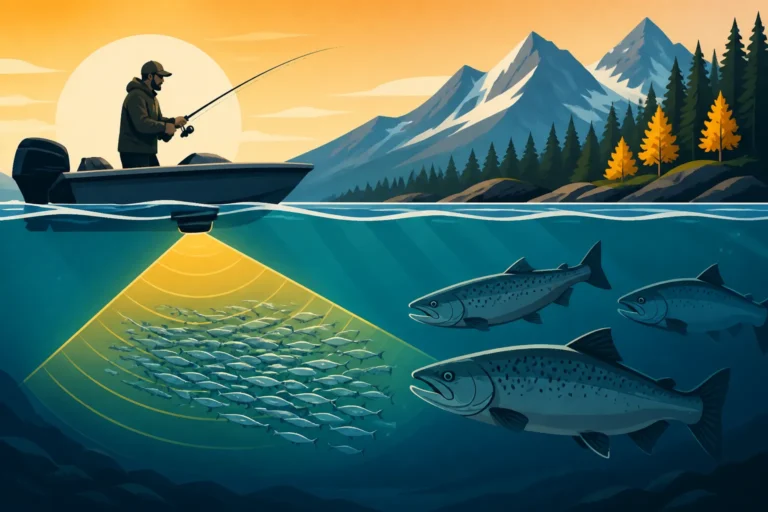
When a high-pressure system settles over British Columbia, it usually brings with it those postcard-perfect days: clear, blue skies, light winds, and generally stable weather. While this might sound like ideal conditions for a leisurely day on the water, it often means more challenging fishing for salmon. Under high pressure, the water can become very clear, and the fish tend to be less active and more cautious. They often move to deeper water where the light penetration is reduced, and they feel more secure.
The stable conditions mean salmon are generally comfortable and not feeling any urgency to feed aggressively. They might still be caught, but you'll often find them suspended deeper in the water column or holding tight to structure on the bottom, conserving energy. Their metabolism might slow down slightly, and their bites can be incredibly subtle, requiring a keen eye and sensitive gear to detect. It's not uncommon for anglers to report a "tough bite" during prolonged periods of high pressure, as the fish are simply not as willing to chase down a meal. This is a time when subtle presentations and slower retrieves often pay off more than aggressive tactics.
Falling Pressure: The Pre-Front Bite
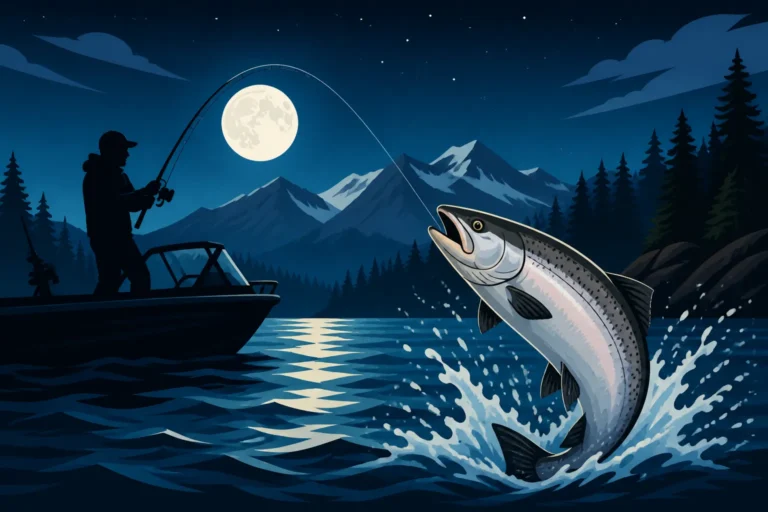
If there's one barometric condition that gets experienced anglers excited, it's falling pressure. This typically signals an approaching low-pressure system, often bringing with it a change in weather like clouds, increased wind, and eventually rain or a storm. But before the storm hits, that period of dropping pressure can trigger an incredible feeding frenzy in salmon. This is often referred to as the "pre-front bite" or "falling barometer bite."
As the pressure begins to drop, salmon sense the impending change in weather and their instinct kicks in: they know conditions are about to get rough, and it's time to feed aggressively while they can. Their activity levels surge, and they become much more willing to chase and strike at baits and lures. They might move shallower, become more active in chasing baitfish, and generally be much more cooperative. This is the prime window where you can often have your best success, with fish striking hard and consistently. If you can time your trip to coincide with a steadily falling barometer, especially during key periods like the Best Time of Day to Catch Salmon or during peak runs discussed in BC Fishing Seasons by Month, you're setting yourself up for a memorable day.
Low Pressure and Post-Front: Challenging Waters
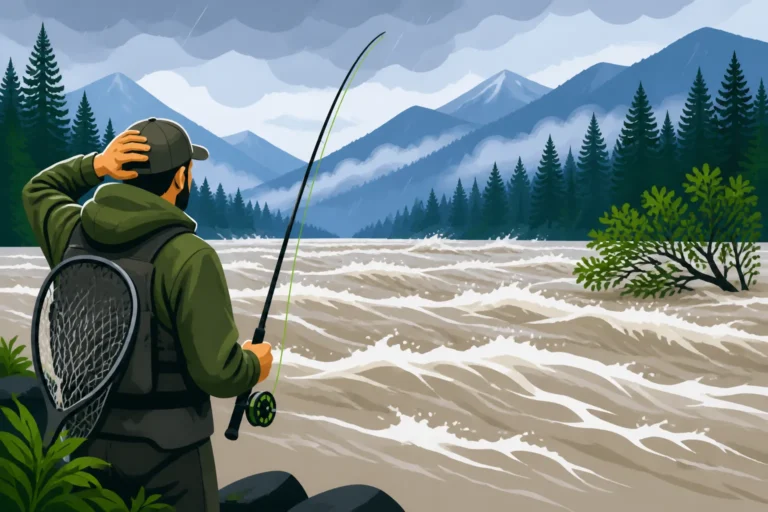
Once the low-pressure system fully takes hold – meaning during a storm, heavy rain, or strong winds – fishing can become quite challenging, if not downright miserable. The rapid drop and sustained low pressure, combined with turbulent water and poor visibility, often makes salmon uncomfortable and scattered. They might move to even deeper, more stable water, or spread out across a wide area, making them harder to locate. Their feeding activity usually diminishes significantly.
After the storm passes and the low-pressure system begins to stabilize and eventually rise, fishing usually starts to improve, but it's often a gradual process. Immediately after a front, the water might still be murky from runoff, and the fish might be recovering from the unsettled conditions. The post-front period often requires patience and persistence. As the barometer stabilizes and slowly begins to rise, salmon will gradually resume their normal patterns, but it won't be as explosive as the pre-front bite. This is when checking How to check BC fishery notices before a trip becomes even more crucial, as heavy rain and runoff can also trigger temporary closures or advisories for certain rivers, beyond just affecting fish behavior.
Reading the Signs: High, Low, and Stable Pressure Systems
Being able to interpret barometric pressure isn't just about understanding the theory; it's about practical application on the water. This means equipping yourself with the right tools and learning to observe the subtle cues that Mother Nature provides. The more adept you become at reading these signs, the better prepared you'll be to adapt your fishing strategy.
Equipping Yourself to Monitor Pressure
In today's digital age, monitoring barometric pressure has never been easier. Most modern smartphones have built-in barometers, and countless weather apps provide real-time pressure readings and, crucially, pressure trends. Looking at whether the pressure is rising, falling, or remaining stable is far more informative than just knowing the current reading. A steady drop over several hours is a strong indicator of an approaching front and potentially an active bite. Conversely, a steady rise after a period of low pressure signals improving, but not necessarily explosive, conditions.
For a more granular and localized reading, many serious anglers opt for a dedicated portable barometer. These devices can give you very accurate, hyper-local readings, which can sometimes differ from regional weather station data, especially in BC's varied terrain. Some models even track pressure trends over 12-24 hours, giving you a clear picture of what the fish have been experiencing. You can find excellent handheld barometers and even watches with built-in altimeter/barometer functions on platforms like Amazon, offering valuable insights right on your wrist. These tools become an invaluable part of your fishing arsenal, right alongside your tackle box and a copy of the Reading the BC Freshwater Fishing Regulations Synopsis.
Recognizing the Patterns on the Water
While gadgets are helpful, don't underestimate the power of observation. Nature often provides its own subtle hints about changing barometric pressure. Before a low-pressure system moves in, you might notice increased activity from baitfish near the surface, or even shore birds feeding more frantically. These creatures are also sensitive to pressure changes and often react by feeding up before a storm. Conversely, an unnatural quietness on the water, with little surface activity and birds scarce, might indicate stable high pressure or the immediate aftermath of a front.
Pay attention to the actions of other anglers as well. If everyone around you is struggling, it's often a sign of tough conditions, which could very well be pressure-related. Conversely, if multiple boats are hooking up, you're likely in a favorable pressure window. The clarity of the water can also be a clue; while not directly pressure-related, high-pressure systems often lead to very clear conditions, while low-pressure systems bring rain that can muddy rivers and coastal waters. Combining your barometer readings with these environmental observations gives you a holistic understanding of the conditions and helps you form a more informed strategy.
| Barometric Pressure Trend | Typical Weather Conditions | Salmon Behavior & Location | Suggested Angling Adjustments |
|---|---|---|---|
| High & Stable | Clear, calm, sunny | Deeper, less active, finicky, holding tight to structure | Slower retrieves, smaller/natural baits, deeper presentations, light line, subtle approaches |
| Falling | Approaching clouds, wind, pre-storm | More active, aggressive, may move shallower to feed, "pre-front bite" | Faster retrieves, larger/flashier lures, varied depths, aggressive presentations, capitalize on feeding window |
| Low & Unstable | Stormy, heavy rain, wind | Scattered, uncomfortable, inactive, seeking shelter/deeper water | Very challenging, try deep & slow, or wait it out; focus on recovery as pressure stabilizes |
| Rising & Stable | Clearing after storm, settling | Gradually more active, resuming normal patterns, cautious | Return to stable pressure tactics, but be prepared for slow build-up; patience is key |
Tactical Adjustments for Different Barometric Conditions
So, you've checked your barometer, observed the signs, and have a good idea of what the pressure is doing. Now what? The real benefit of this knowledge comes from adapting your fishing tactics. Ignoring these invisible forces is like fishing with one hand tied behind your back. By making smart adjustments to your depth, presentation, and lure choice, you can significantly increase your chances of success, even on challenging days.
Adjusting Depth and Presentation
Salmon are masters of adapting to their environment, and their depth preferences are heavily influenced by barometric pressure. During periods of high and stable pressure, fish often move deeper to seek comfort and reduced light. This means you need to adjust your gear to get your offering down to them. If you're trolling, use downriggers to target specific depths. If you're river fishing, heavier weights or different float setups might be needed to bounce bottom effectively where fish are holding. Your presentation should also be slower and more subtle, mimicking a natural, easy meal for a finicky fish. Think about the careful drift of a roe bag or a slow retrieve of a small spoon.
Conversely, when the barometer is falling, signaling that exciting pre-front bite, salmon often become more aggressive and might move shallower, chasing baitfish. This is your cue to speed things up! Try faster retrieves, more erratic jigging, or trolling at slightly higher speeds. Don't be afraid to experiment with different depths, as active fish might be found throughout the water column. They're more likely to chase, so cover more water and present your offerings with a bit more flash and movement. This is often when a more aggressive Salmon Fishing Techniques for BC Rivers approach truly shines.
Lure Choice and Color Considerations
Just as important as depth and presentation is your choice of lure or bait. Under high pressure, when salmon are less active and more cautious, natural colors and smaller, less intrusive baits tend to work best. Think muted greens, blues, or even glow-in-the-dark options for deeper water. Live bait, if permitted, can also be highly effective due to its natural movement and scent. The idea is to entice a reluctant fish rather than provoke an aggressive strike. This is a time when matching the local forage base becomes even more critical.
When the barometer is falling, and the fish are on the prowl, you can often get away with, and even benefit from, more aggressive lure choices. Brighter colors like chartreuse, hot pink, or chrome can grab attention. Larger spoons, plugs with an erratic action, or even twitching jigs can elicit violent strikes from actively feeding salmon. This is a fantastic time to experiment with bolder presentations and try to trigger a reaction strike. While specific to sturgeon, the principles in Best Lures for Sturgeon on the Fraser River regarding active vs. passive presentation can offer some transferable insight here. You'll find a massive selection of salmon lures and baits available on Amazon to stock your tackle box for any barometric condition.
Timing Your Trip for Success
Armed with this knowledge, you can now approach trip planning with a more strategic mindset. If possible, try to time your major salmon fishing outings to coincide with periods of falling barometric pressure. Keep an eye on the long-range weather forecasts and pay particular attention to the pressure trends. Even a slight, steady drop in pressure over 12-24 hours can significantly improve your chances. While you can't always choose your fishing days, especially if you're planning a vacation, being aware of the pressure can help manage expectations and adjust your approach on the fly.
For example, if you're planning a trip during a generally good time of year, like those mentioned in Best Time of Year to Fish in BC, and you see a high-pressure system is expected, you'll know to prepare for deeper, slower, more subtle fishing. If a storm is brewing, you might try to hit the water just before it arrives to capitalize on that pre-front bite. Sometimes, even heading out for just a few hours during a favourable pressure window can be more productive than a full day during an unfavourable one.
Combining Pressure with Other Factors
It’s vital to remember that barometric pressure is just one piece of the complex fishing puzzle, albeit a very significant one. It doesn't act in isolation. Other factors like water temperature, tide cycles, current, light conditions, and even the moon phase all play a crucial role in salmon behavior. For instance, even during a falling barometer, if the water temperature is too cold, as discussed in What water temperature salmon prefer, the fish might still be sluggish. Similarly, tide changes can bring in fresh fish or activate holding ones, regardless of the pressure.
The most successful anglers are those who can synthesize all this information. They consider the barometric pressure alongside the BC Salmon Conservation Stamp Rules for their catch, the time of day, the prevailing weather, and the specific How to Catch Chinook Salmon in BC or other salmon species they are targeting. By doing so, they build a more complete picture of the conditions and make more informed decisions about where to fish and what techniques to employ. Whether you're drift fishing a river or Trolling Techniques for BC Lake Trout (which can be applied to salmon as well), layering your understanding of pressure onto your existing fishing knowledge will undoubtedly make you a more versatile and effective angler.
Disclaimer
This article is for general informational purposes only and does not constitute professional advice. Laws, prices and regulations vary by location and change over time. Consult a qualified professional for guidance on your specific situation.