Best time to fish after a cold front
We've all been there: checking the forecast, getting excited for a prime day on the water, only to have a cold front sweep through and seemingly erase every fish from existence. It’s incredibly disheartening when the bite completely shuts down, leaving you wondering if you should even bother casting. This guide is all about helping you understand the complex dynamics of fishing after a cold front in British Columbia, pinpointing when the best opportunities arise, and equipping you with the strategies to turn a tough day into a successful one.
The Science of the Shut Down: How Cold Fronts Affect Fish
Before we can talk about fishing after a cold front, it’s crucial to grasp what happens during and immediately after one. A cold front isn't just a drop in temperature; it's a profound atmospheric disturbance that sends ripples through the entire aquatic ecosystem, fundamentally altering fish behaviour.
The Atmospheric Shift and Its Impact
When a cold front approaches, you often notice a few things: a sudden drop in barometric pressure, followed by strong winds, precipitation, and then the distinct drop in air temperature. The initial drop in barometric pressure can actually trigger a feeding frenzy for many species, as fish sense the impending change and feed aggressively. However, once the front passes and the high-pressure system settles in, that's when the real challenge begins. This shift from low to high pressure is often considered the most detrimental factor for fishing, more so than the temperature drop itself. Fish, especially those in shallower waters, become highly sensitive to this pressure change. It affects their swim bladders and overall comfort, often sending them seeking deeper, more stable water or denser cover. For more on this, check out our piece on how barometric pressure affects BC salmon fishing.
Why Fish Get Lockjaw
Once the high pressure dominates, fish often become lethargic and less willing to feed. Imagine waking up with a headache and feeling generally unwell; that’s a bit like what fish experience. Their metabolism can slow down, their preferred water temperatures might shift, and the suddenly clear, bright skies that often follow a cold front can make them feel exposed and vulnerable. This makes them less likely to move into open water to chase prey. Instead, they’ll often hug the bottom, bury themselves in thick cover, or suspend in deeper water, conserving energy and waiting for conditions to stabilize. They're not actively hunting; they're just trying to ride out the unpleasant conditions. This is particularly true for sensitive species like trout and steelhead, but even robust salmon can become incredibly finicky.
The Immediate Aftermath: Fishing Right After the Front Passes
So, the front has moved through, the sun is shining, and the air is crisp. It feels great to us, but for the fish, it’s still a recovery period. Fishing immediately after a cold front has just passed can be incredibly challenging, but not entirely impossible if you adjust your expectations and tactics.
Shallow Water Woes and Deep Water Retreats
Right after a cold front, shallower areas, especially those with clear water, tend to be the toughest places to find active fish. The sudden temperature drop and increased light penetration make fish in these areas feel exposed and uncomfortable. They'll often move to deeper holes, rock ledges, submerged logs, or heavy weed beds. For lake fishing, this might mean targeting drop-offs or deeper structure. In rivers, look for the deepest, slowest pools or areas with significant overhead cover like undercut banks or log jams. They're seeking refuge, and your job is to find that refuge. Even if they're there, they might not be actively feeding, so presentation becomes paramount.
Slowing Down Your Approach
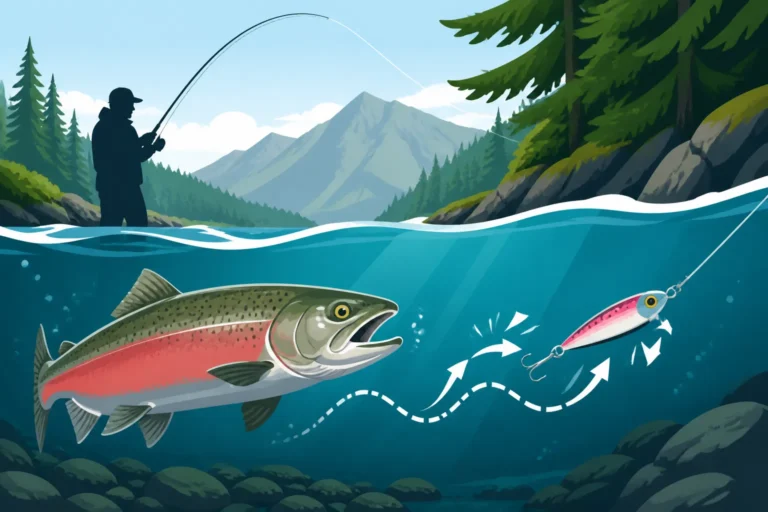
Forget aggressive retrieves or fast-moving baits right after a cold front. Fish are sluggish and uninterested in expending much energy. This is the time for finesse and patience. Think small, subtle, and slow. You might need to downsize your lures, use lighter line, and work your presentation at a snail's pace. For example, instead of a fast-jigging spoon, try a small worm or a soft plastic grub slowly dragged along the bottom. Natural colors, mimicking dormant baitfish or insects, tend to be more effective than flashy, vibrant ones. Many anglers find their go-to soft plastics and jigs, often purchased conveniently from Amazon, shine in these conditions because they allow for such a slow, tantalizing presentation.
Optimal Timing: When the Bite Truly Returns
While immediate post-front fishing can yield results, the best time to fish after a cold front is typically not right away. It takes a bit of time for the fish and the ecosystem to re-calibrate.
The Post-Frontal Recovery Window
Generally, the most promising fishing occurs one to three days after the cold front has completely moved out and stable weather patterns begin to re-establish themselves. This "recovery window" allows several key things to happen:
- Barometric Pressure Stabilizes: As the high-pressure system loses its intensity and conditions become more stable, the discomfort for fish lessens. Their swim bladders adjust, and they begin to feel more at ease.
- Water Temperatures Equalize (or Moderate): While the air temperature might still be cool, the water temperature, especially in deeper sections, begins to stabilize. Surface layers might still be chilly, but the overall water column finds a new equilibrium.
- Fish Acclimatize: After a day or two of hunkering down, fish start to feel more secure. They've adjusted to the new conditions and their natural instincts to feed begin to kick back in, albeit cautiously.
During this recovery window, you’ll typically find fish still a bit reserved, but more willing to chase a well-presented bait. The bite might not be as aggressive as before the front, but it will be far more consistent than during the immediate aftermath. For specific tactics, our guide on Cold Front Fishing Tactics for BC Trout offers excellent insights.
Factors Influencing the Return to Normal
The exact timing of the return to a consistent bite can vary greatly depending on several factors:
- Severity of the Cold Front: A mild cold front might see fish recovering within a day. A severe front with a dramatic temperature drop and prolonged high pressure could mean 3-5 days before fishing truly picks up.
- Body of Water: Smaller, shallower lakes and rivers tend to react more quickly to atmospheric changes than larger, deeper bodies of water. A vast lake like Kootenay Lake or Okanagan Lake has a much larger thermal mass and takes longer to cool or warm, meaning fish response might be delayed. Conversely, fish in a small stream will feel the change almost immediately.
- Species of Fish: Some species are more resilient or less sensitive to cold fronts than others. Bull trout, for instance, might tolerate colder water better than bass. Knowing the specific species you’re targeting helps in predicting their post-front behaviour.
- Weather Stability: The key word here is stability. If another minor front rolls through right after the first, or if daily temperatures fluctuate wildly, the recovery period will be extended. Consistent, mild weather for a few days is what you’re hoping for.
- Time of Year: In spring and fall, when water temperatures are already in flux, fish might be more accustomed to change and recover faster. In summer, a cold front can be a shock, and recovery might take longer as fish seek to avoid drastically colder water.
Adapting Your Techniques for Post-Frontal Success
Once you hit that sweet spot a day or two after the front, you still can’t just go back to your old tricks. You need to keep adapting to catch those recovering, but still cautious, fish.
Lure Selection and Presentation Adjustments
This is where your tackle box really gets a workout. You'll likely need to scale down in size and think about more subtle presentations.
- Downsize and Lighten Up: Smaller lures, lighter jig heads, and thinner line are often the ticket. A 1/16 oz jig with a 2-inch grub can often outperform a 1/4 oz jig with a 4-inch lure. Consider lighter fluorocarbon leader to reduce visibility, especially in the clear waters that often follow a front. Many anglers find durable, low-visibility fluorocarbon lines, readily available on Amazon, to be invaluable in these scenarios.
- Natural Colors: Unless the water is still heavily stained, lean towards natural colors like greens, browns, clear, and muted metallics. These mimic the natural forage that fish might be more willing to pick off passively. While a vibrant pink or chartreuse might have worked pre-front, a subtle olive or brown might be more effective now. You might even find that specific fly patterns for BC steelhead rivers that mimic natural insects work wonders.
- Slow, Slower, Slowest: We can't stress this enough. Let your bait sit. Impart subtle twitches. Drag it along the bottom. Allow for long pauses. Fish are still sluggish, and they need time to decide if they want to eat. A slow-moving target is less threatening and requires less effort to consume.
- Live Bait Advantage: If regulations allow, live bait can be a game-changer. A lively worm, minnow, or leech often has an irresistible appeal to lethargic fish that might ignore artificial offerings. Their natural scent and movement can trigger a strike when nothing else will. Our guide on Best bait for opening day trout in BC often highlights the efficacy of live bait in cooler conditions.
Targeting Key Holding Water
Fish will remain in their post-front refuges for a while, even when they start to feed. Focus your efforts on these areas.
- Deep Structure: In lakes, this means focusing on the deepest parts of drop-offs, underwater humps, rock piles, and points that extend into deep water. Use your electronics to mark fish and structure. Consider exploring techniques like those for How to fish deep structure for summer halibut, even if you’re targeting freshwater species, as the principles of finding and presenting to deep-holding fish are similar.
- Heavy Cover: Overhanging trees, fallen logs, dense weed beds, and even thick dock pilings can provide crucial cover. Fish use these areas not just for hiding, but also because they offer slightly more stable temperatures and reduced light penetration. Approach these areas quietly and try to present your lure as naturally as possible right into the heart of the cover.
- Transition Zones: The edges where shallow water meets deep, or where current meets slack water, are always key. Fish often stage in the deeper, calmer water and move into the shallows or current lines for short feeding forays as they feel more comfortable. These transition zones become even more critical post-front.
- Thermal Refuges: In rivers, look for areas where slightly warmer water might be entering, even if it's just a small tributary or a sunny section with dark bottom that absorbs heat. Fish will gravitate to these minor thermal advantages. Conversely, if the cold front brought significant rain, you might find fish moving out of the main current into eddies or slower side channels where the water is less turbid and easier to navigate.
Gear Considerations for Finesse Fishing
To effectively implement these slow, subtle presentations, your gear can make a big difference.
- Sensitive Rods: A medium-light or light action rod with a fast tip is ideal. This sensitivity allows you to detect the often incredibly subtle bites from lethargic fish. Graphite rods generally offer more sensitivity than fiberglass.
- Light Line: Spooling up with 4-8 lb monofilament or fluorocarbon is a good start. If using braided line, ensure you have a fluorocarbon leader of at least 6-8 feet. The low stretch of braid helps with bite detection, but the visibility of fluorocarbon or mono is essential. You can find quality fishing lines from various manufacturers on Amazon.
- Small Reels: Pair your sensitive rod with a smaller spinning reel that balances well and allows for smooth casting of light lures.
- Minimal Hardware: Reduce terminal tackle to the absolute minimum. Use small swivels, snaps, or split rings only when necessary, as anything extra can deter a finicky fish. The goal is to make your presentation look as natural and unassuming as possible. For techniques specifically geared toward less aggressive fish, exploring methods like those for Best technique for finesse fishing clear water trout could be very beneficial.
By understanding the "why" behind the cold front shutdown and patiently waiting for the post-frontal recovery window, you can dramatically increase your chances of success. It's about adapting, slowing down, and thinking like a fish trying to stay comfortable in a shifting environment. Remember, patience is your best friend when faced with challenging post-front conditions in British Columbia's beautiful waters.
Disclaimer
This article is for general informational purposes only and does not constitute professional advice. Laws, prices and regulations vary by location and change over time. Consult a qualified professional for guidance on your specific situation.