Best moon phase for steelhead fishing
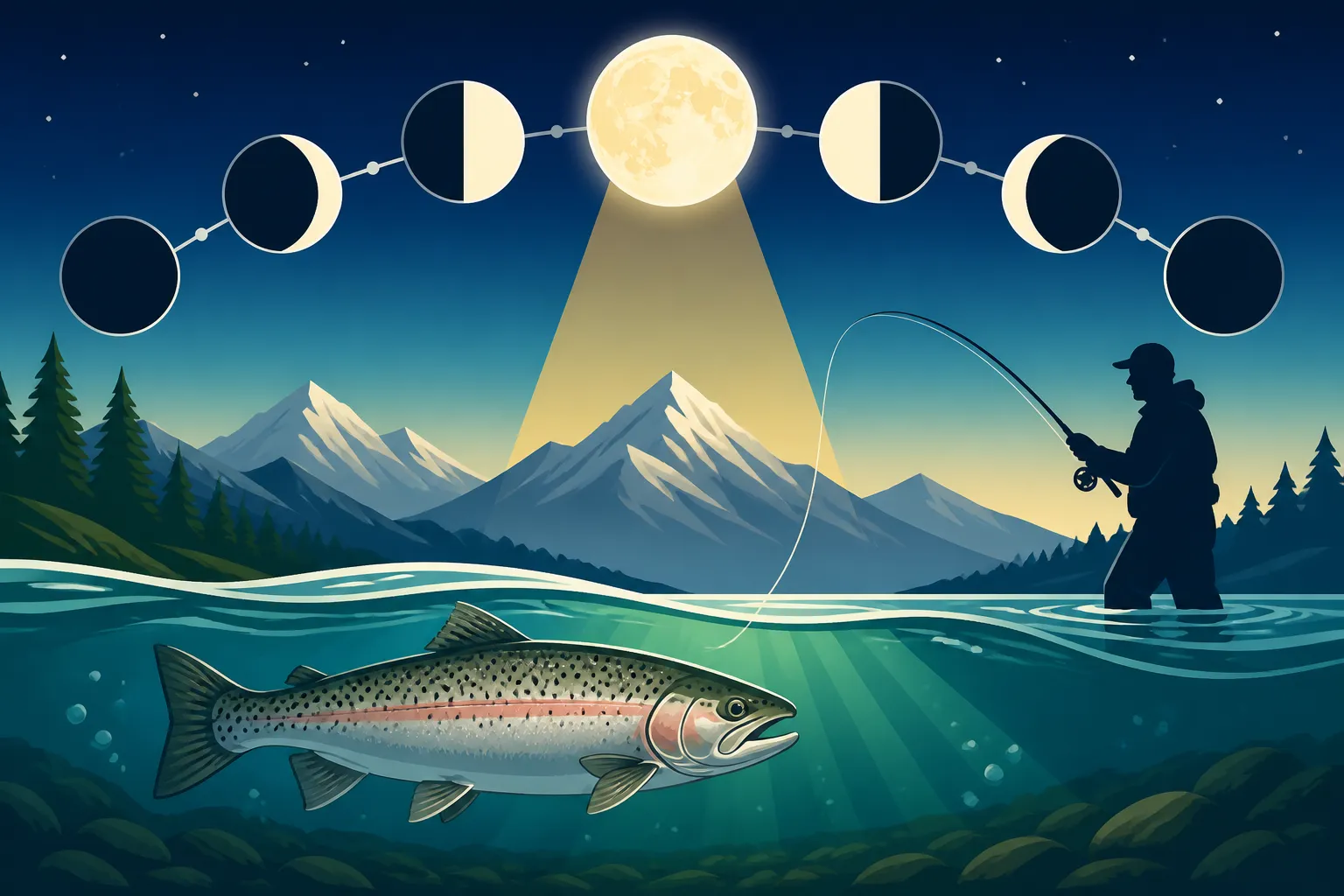
It's a common question among dedicated anglers, whispered in hushed tones on riverbanks and debated over steaming mugs of coffee: does the moon phase actually impact steelhead fishing in British Columbia? Many of us have felt that inexplicable pull, that notion that the full moon or the new moon might somehow hold the key to a banner day on the water. This guide is here to cut through the folklore and delve into the real science and angler experience behind lunar cycles and steelhead, helping you focus on what truly matters for success.
Understanding Steelhead Behavior and Moon Phases
For generations, humans have looked to the moon for guidance, and anglers are no different. It's natural to wonder if something as powerful as the moon, which influences massive ocean tides, also affects the elusive steelhead. But when it comes to these incredible fish, the connection isn't always as direct as we might hope.
How Moon Phases Influence Water Conditions
While the moon itself doesn't directly dictate a steelhead's mood, its gravitational pull profoundly impacts water conditions, especially in coastal rivers that experience tidal fluctuations. These indirect effects are where the moon's influence truly shines, or wanes, in steelhead fishing.
Coastal rivers like the Squamish, Vedder, or even the lower sections of the Skeena can see significant changes in water levels and currents due to tidal pushes. A strong new moon or full moon often brings higher high tides and lower low tides, known as spring tides. These powerful tides can push more fresh fish into the river systems, particularly during a salmon run, which steelhead often follow. The influx of saltwater can also affect water clarity in the lower reaches, sometimes making it murkier or, conversely, bringing in clearer ocean water. Anglers looking to time their trips to capitalize on these tidal pushes might find themselves experiencing better numbers of chrome-bright fish moving through. Conversely, during neap tides (quarter moons), when the tidal exchange is less dramatic, fish movement might be more subdued, and water conditions more stable. Understanding these nuances, rather than just the moon phase itself, is key to reading the river.
Steelhead Biology and Feeding Habits
Steelhead, being anadromous rainbow trout, are incredible creatures adapted to a life split between freshwater and saltwater. When they enter the river systems, their primary focus shifts dramatically from feeding to spawning. Unlike resident trout that are actively foraging daily, adult steelhead entering the river are largely non-feeding. This fundamental biological shift is crucial when considering the impact of moon phases.
While they may occasionally strike a fly or lure out of aggression, territoriality, or even a residual instinct, it's not typically driven by hunger in the same way a resident fish would be. This means that common theories about moon phases affecting fish feeding patterns, which might hold true for actively foraging species like bass or panfish, don't necessarily apply to mature, spawning-phase steelhead. Their motivation is internal and instinctual, geared towards reproduction, not filling their stomachs. Factors like water temperature, oxygen levels, and changes in barometric pressure might trigger subtle shifts in their holding patterns or willingness to move, but the idea that a full moon makes them "bite better" purely from a feeding perspective is generally unsupported by their biology once they're in the river.
Debunking Moon Phase Myths and Focusing on Real Factors
Let's be honest, we all love a good theory. The idea that a celestial body can influence our fishing success is romantic, almost mystical. But with steelhead, we need to separate the romance from the reality to maximize our chances.
The Full Moon and New Moon Theory
For many fish species, particularly those in saltwater or actively feeding freshwater fish, the full moon and new moon phases are often cited as prime fishing times. The theory usually revolves around increased tidal movements (spring tides) during these phases, which can concentrate baitfish, enhance feeding opportunities, or trigger migratory movements. However, when we talk specifically about steelhead in BC's rivers, especially those far upstream from tidal influence, the direct impact of the moon itself on their activity is highly debatable.
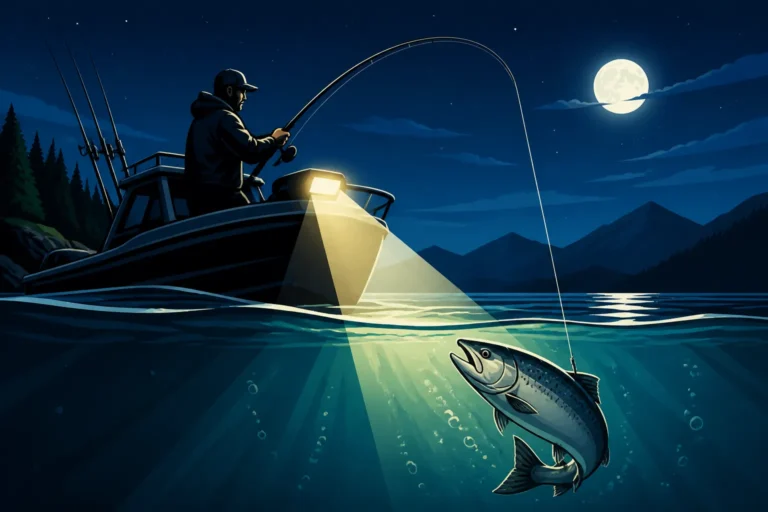
Some anglers might swear by a full moon, claiming it makes fish more aggressive or visible. Others might prefer the dark of a new moon, believing steelhead move more freely under cover of darkness into shallower lies. The truth is, anecdotal evidence varies wildly, and scientific studies specifically linking moon phases to steelhead take rates in rivers are scarce and often inconclusive. What often gets attributed to the moon might actually be secondary effects related to the robust tides a full or new moon brings in coastal areas, which can indeed push fresh fish into the river mouth. But once those fish are settled in the river system, factors much closer to home tend to dominate their behavior. Don't base your entire fishing schedule solely on the moon calendar; it's a minor player compared to other environmental cues.
What Truly Matters: Water Temperature, Levels, and Clarity
Forget the moon for a moment and instead cast your gaze upon the river itself. For steelhead, the environmental factors within their immediate habitat are overwhelmingly more important than distant lunar cycles. These are the true drivers of steelhead movement, comfort, and willingness to interact with your offerings.
First and foremost is water temperature. Steelhead thrive in cool, well-oxygenated water, typically between 4°C and 10°C (39°F-50°F). If the water is too cold (approaching freezing) or too warm (above 12°C/54°F), steelhead become lethargic and less active, conserving energy. A sudden drop or rise in temperature can shut them down or invigorate them far more effectively than any moon phase. Secondly, water levels are critical. High water, especially after heavy rains or snowmelt, can make rivers unfishable due to turbidity and strong currents, and steelhead often tuck into soft pockets or river margins. Low, clear water can make them skittish and visible, forcing them into deeper, faster runs or heavy cover. Ideal levels allow for good holding water and comfortable wading conditions. You'll want to be checking gauges and reports constantly. Finally, water clarity is paramount. Murky water from runoff reduces visibility for both angler and fish, making it harder for steelhead to see your presentation and for you to spot fish or their holding lies. Crystal clear water, while beautiful, can make fish spooky. A slight stain or "green" tint is often considered ideal, offering a balance of cover for the fish and visibility for your offerings. These three factors—temperature, level, and clarity—are the holy trinity of steelhead fishing success and should inform your trip planning more than any lunar almanac. You can get a lot of local intel by checking How to check BC fishery notices before a trip.
Practical Strategies for Steelhead Success, Regardless of the Moon
Since the moon might not be the magic bullet, let's focus on actionable strategies that will consistently improve your chances of hooking into a magnificent BC steelhead. It’s all about preparation, observation, and adaptability.
Timing Your Trips for Peak Conditions
Instead of looking at the moon, look at the weather forecast and river conditions. This is where you can make real, tangible differences in your success rate. The window after a significant rain event, for example, can be golden. A fresh push of water often brings new fish into the system, cleans out debris, and can raise water levels to an ideal range. However, timing is everything: you don't want to be on the river during the peak of the freshet when it's blowing out and muddy. Instead, aim for the "drop and clear" period, when the water starts to recede and gain some visibility. This is often when steelhead are on the move and more aggressive.
Conversely, during prolonged dry spells, rivers can become low and clear. This doesn't mean you can't catch fish, but your approach will need to change dramatically, requiring stealthier presentations, lighter leaders, and smaller, more subtle flies or lures. Understanding BC Steelhead Season Dates for specific rivers will also help you align your trips with peak runs. Checking local river gauges, online forums, and talking to local tackle shops are invaluable resources for understanding current conditions and predicting prime fishing windows. A keen eye on the weather and river reports will always outweigh any moon phase prediction for steelhead.
Gear and Techniques for Varying Conditions
Successful steelhead angling demands a versatile approach to gear and techniques, allowing you to adapt to the ever-changing river conditions. Relying on one strategy, regardless of how the water is behaving, is a recipe for frustration.
For high, off-colour water, heavier gear might be in order. Think about using larger, brighter coloured flies or baits with more scent. Sink tips or heavier weights will help you get your offering down to where the fish are holding in the faster currents. Effective Drift Fishing for Steelhead in BC Rivers often involves larger floats and heavier shot to ensure your bait or fly is presented naturally at the fish's level. When the water is low and clear, however, you'll need to scale back significantly. Lighter leaders, smaller flies or jigs, and a stealthier approach are crucial. Think about presentations that are subtle and natural, such as light nymphing or swinging smaller wet flies. Many anglers find excellent selections of appropriate gear, from specialized fly lines to durable wading boots, on platforms like Amazon, allowing them to build a versatile tackle box for any condition. No matter the conditions, a good quality rod and reel setup, appropriate for the size of steelhead you're targeting, is essential. For those who prefer bait, fresh roe or cured prawns can be highly effective in various conditions, while float fishing with jigs or small spoons works wonders in others. The key is to have a range of options and be willing to experiment.
Locating Steelhead in Different River Sections
Steelhead are masters of using river features to their advantage, whether for resting, navigating, or avoiding predators. Learning to "read" the water and identify prime holding lies is far more important than any lunar calendar.
In higher water, steelhead often tuck into slower, softer water along the banks, behind large boulders, or in the seams between fast and slow currents. These "soft spots" offer refuge from the main current while still providing access to oxygenated water. Look for eddies, log jams, and the inside bends of rivers. During low water, steelhead tend to move into deeper pools, undercut banks, or beneath heavy overhead cover, where they feel more secure from aerial predators and have stable water temperatures. They become much warier in these conditions, requiring longer casts and very subtle approaches. Learning Wading Techniques for BC Steelhead Rivers safely and effectively is also crucial, as accessing these prime lies often means getting into the river. Regardless of water level, key areas to focus on include the heads and tails of pools, current seams where fast and slow water meet, and any significant structure that breaks the current. Understanding the flow, depth, and cover available in different sections will guide your presentation and maximize your chances of encountering a fish, regardless of what the moon is doing. If you're new to the specific river, consider hiring a guide, as they have an intimate knowledge of these holding lies. You can find some of the Best Steelhead Guides in BC for local insights.
Putting It All Together: A Holistic Approach to BC Steelhead
Ultimately, success in steelhead fishing in British Columbia isn't about one single factor like the moon phase. It's about combining knowledge, preparation, adaptability, and a healthy dose of patience.
Fishery Notices and Local Knowledge
One of the absolute best tools in an angler's arsenal is up-to-date information. Relying on current BC Fishery Notices and In-Season Closures, Explained is non-negotiable. These notices from Fisheries and Oceans Canada (DFO) provide critical information on openings, closures, retention limits, and special regulations that can change on a dime due to conservation concerns or unexpected run sizes. Ignoring them can lead to fines, or worse, impacting the sustainability of these precious fisheries. Always check the DFO website or local angling resources before heading out.
Beyond official notices, tapping into local knowledge is incredibly valuable. Local tackle shops, experienced guides, and even online fishing forums can offer real-time insights into river conditions, recent catch reports (without giving away specific spots, of course!), and the general mood of the fish. These local experts often have an intimate understanding of specific river dynamics and how fish react to different water conditions. Don't be shy about asking questions and listening intently. This combination of official regulations and on-the-ground intelligence will set you up for success far more effectively than any lunar prediction. A trusted local guide, for instance, can provide current insights on how Best Baits for Steelhead on the Skeena are performing.
Patience and Persistence
Let's face it, steelhead fishing is not for the faint of heart. These fish are often called the "fish of a thousand casts" for a reason. They are elusive, moody, and can test the limits of your patience. Expecting to walk up to the river and hook a fish on your first cast, especially when targeting wild BC steelhead, is unrealistic. This is where the moon phase theories sometimes gain traction – anglers who hit the river on a "lucky" moon phase and happen to catch a fish might attribute their success to the lunar cycle, when in reality, it was just the culmination of effort and good timing on other factors.
The most successful steelhead anglers are those who embody patience and persistence. They are willing to put in the time, cover miles of river, endure challenging weather, and make countless casts without immediate reward. They observe the water, adjust their techniques, change their flies or lures, and keep moving until they find an active fish. There will be days when the river feels dead, when every cast feels futile. But it's in those moments of persistence, of unwavering belief that the next run, the next cast, might be the one, that the magic happens. A deep understanding of How to Catch Steelhead in BC involves embracing the grind. Your resilience, more than any moon phase, will be your greatest asset on the steelhead river.
Moon Phases vs. Key Environmental Factors for BC Steelhead Fishing
Here's a quick comparison of how often moon phases truly influence steelhead behavior versus the well-established environmental factors:
| Factor | Direct Influence on Steelhead | Primary Mechanism of Influence | Angler Focus |
|---|---|---|---|
| Moon Phase | Low (Indirect via tides) | Stronger tides can push fresh fish into lower river systems. | Check local tides for coastal rivers; otherwise, minimal impact. |
| Water Temperature | High | Affects fish metabolism, activity levels, and holding locations. | Monitor daily temps; adjust fishing depth and retrieve speed. |
| Water Level | High | Dictates fish movement, comfort, and accessibility of holding lies. | Check river gauges; target specific lies based on depth/flow. |
| Water Clarity | High | Impacts fish visibility, spookiness, and lure/fly presentation. | Adjust lure/fly colour and size; choose stealthy or bold presentations. |
| Barometric Pressure | Moderate | Rapid changes can affect fish comfort and activity levels. | Consider stable high pressure or falling pressure after prolonged stability. |
| Precipitation | High | Fresh rain can bring new fish in; heavy rain can blow out rivers. | Fish the "drop and clear" period after a rain event. |
Disclaimer
This article is for general informational purposes only and does not constitute professional advice. Laws, prices and regulations vary by location and change over time. Consult a qualified professional for guidance on your specific situation.