How to euro nymph an interior freestone stream
If you've ever stood on the banks of a beautiful, turbulent British Columbia freestone stream, watching those strong currents and complex pockets, you know the feeling. It's exhilarating, but it can also be intimidating, especially when traditional indicator setups seem to drag or miss those subtle takes. This guide is all about taking the guesswork out of tackling these challenging waters, showing you how Euro nymphing can become your secret weapon for consistently catching trout and other species in BC's interior rivers.
Understanding Interior Freestone Streams in BC
British Columbia's interior is a maze of incredible rivers and creeks, many of which are classic freestone streams. These aren't your gentle, meandering spring creeks; they're dynamic, powerful waterways that demand a specialized approach. Euro nymphing, with its precise control and superior strike detection, is practically tailor-made for these conditions.
Characteristics of BC's Interior Freestones
When we talk about freestone streams, we're talking about rivers whose flow and character are largely dictated by snowmelt and rainfall. This means they can be highly variable throughout the season and even day-to-day. You'll often find a diverse mix of bottom structures – from smooth gravel runs to boulder-strewn pocket water, bedrock ledges, and deep, turbulent pools. The gradient can vary wildly too, leading to sections of swift rapids interspersed with calmer, deeper stretches.
Take a river like the upper Elk River near Fernie, for example. It’s a classic freestone, fed by mountain snowmelt, with sections of fast riffles and deep pools holding hefty rainbow trout and bull trout. Similarly, stretches of the Thompson River, while known for steelhead, also exhibit freestone characteristics in their upper reaches, presenting complex currents and structure. Water clarity can range from crystal clear during stable periods to milky green or brown during spring runoff or after heavy rains. The fish in these systems, primarily rainbow trout, bull trout, and sometimes cutthroat, are typically robust and well-adapted to battling strong currents, making them a fantastic challenge on light tackle.
Why Euro Nymphing Excels Here
So, why is Euro nymphing such a game-changer for these particular streams? It boils down to control and sensitivity. Traditional indicator nymphing often suffers from drag in the mixed currents of a freestone stream. That little bobber gets pulled in different directions, making your flies drift unnaturally and making subtle takes almost impossible to detect. Euro nymphing, by design, largely eliminates this problem.
With Euro nymphing, you're essentially high-sticking your flies, keeping most of your fly line off the water. This direct connection means you're almost literally holding onto your flies, allowing them to tumble naturally with the current at their specific depth, without any influence from surface currents. This results in a truly "dead drift," which is paramount for fooling wary trout. Moreover, the direct connection to your flies, often through a sensitive sighter, allows you to feel even the slightest "tick" or see the slightest hesitation in your line, indicating a fish has taken your fly. This superior strike detection means you'll convert far more subtle takes into hooked fish, especially when fish are lethargic or holding deep in turbulent water. It's a technique that truly shines in the complex, varied hydraulics of a BC freestone stream.
Essential Gear for Euro Nymphing
Stepping into Euro nymphing requires a bit of a gear shift from your standard fly fishing setup, but trust me, it’s worth it. The specialized tools are designed to maximize your sensitivity and control, which are the cornerstones of this technique. Don't worry, you don't need to break the bank, but having the right tools makes a huge difference.
Rod, Reel, and Line Selection
First up, the rod. Forget your typical 9-foot, 5-weight all-rounder. For Euro nymphing, you're looking for something longer and lighter, usually 10 to 11 feet in length, and in a 2 to 4-weight rating. The extra length is crucial; it helps you keep more line off the water, extend your reach, and control your drift over complex currents. The lighter weight, combined with a sensitive tip, allows you to detect those incredibly subtle takes. Brands like Orvis, Echo, and Redington offer excellent dedicated Euro nymphing rods that are built with soft, forgiving tips to protect fine tippets, yet enough backbone to fight strong fish. You can often find a good selection of these on Amazon, making it easy to compare features and prices.
Your reel, honestly, is less about its fancy drag system and more about balancing the long rod. A lightweight reel that balances the rod just forward of the cork will make a huge difference in reducing arm fatigue over a long day of high-sticking. The line is where things get interesting. Traditional fly lines are too thick and heavy for pure Euro nymphing. You'll want a super-thin, level, or specialized Euro nymphing line. These lines minimize sag and cut through the air easily, maintaining that direct connection to your flies. Some anglers even forego a specialized line entirely, opting for a simple monofilament running line conversion, which is perhaps the thinnest option. The key is to reduce the line's diameter and weight as much as possible to achieve that critical direct contact and sensitivity.
Leaders and Tippet Systems
The leader setup for Euro nymphing is vastly different from a standard tapered leader. It's long, thin, and incorporates a highly visible "sighter" section. A typical Euro nymphing leader can be anywhere from 12 to 25 feet long, starting with a butt section of heavier monofilament, tapering down to a very fine tippet. The critical component is the sighter, usually 2 to 3 feet of two-tone (e.g., pink and chartreuse) monofilament or specialized sighter material. This sighter acts as your visual strike indicator; any twitch, stop, or acceleration means a fish has likely taken your fly.
Below the sighter, you'll attach your tippet, typically using a small tippet ring or a blood knot. This allows you to easily change tippet size without cutting back into your sighter. For most interior BC freestone streams, you'll be using fine tippet, often 5x to 7x, to maximize stealth and ensure your flies drift naturally. The lighter the tippet, the less resistance in the water, and the more freely your flies will move. However, you'll need to balance this with the size of the fish you're targeting and the amount of current, as stronger currents and bigger fish might necessitate a slightly heavier tippet, perhaps 4x, to avoid break-offs. It's always a good idea to carry a variety of tippet sizes.
Fly Selection: The Nymph Arsenal
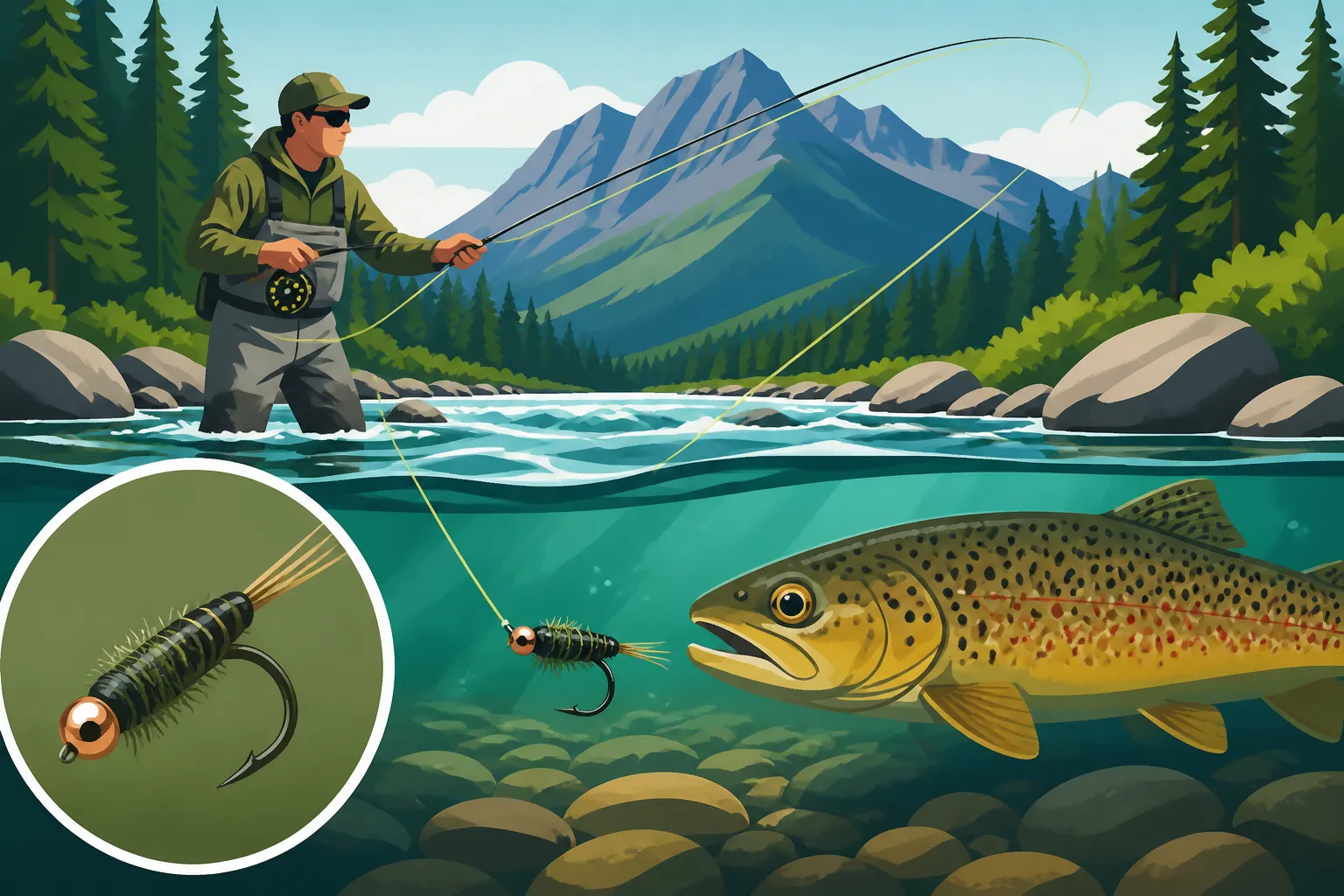
Your fly box for Euro nymphing an interior freestone stream will look a little different too. The name of the game is getting down to the fish quickly, which means heavily weighted nymphs are your best friends. Tungsten beads are practically mandatory because they sink much faster than brass beads of the same size. Think patterns like Perdigons, which are slim, aerodynamic, and get to depth with incredible efficiency. French Nymphs, Squirmy Wormies, and various jig-style nymphs are also incredibly effective. The "jig" style, where the hook point rides upward, helps reduce snags on the rocky bottoms typical of freestones.
While weight is crucial, don't forget imitation. You'll want patterns that mimic the natural aquatic insects found in BC's freestone rivers. Caddis larvae are almost universally present, as are various mayfly nymphs (like the Baetis or March Brown imitations) and stonefly nymphs (especially for larger fish). Carrying a range of sizes and colors, from natural browns and olives to more "attractor" patterns like hot pink or orange, is a smart move. When setting up your rig, you'll often use a "two-fly" system: a heavier "anchor fly" at the bottom to get the rig down, and a lighter "dropper fly" tied above it, usually 18-24 inches up. This allows you to present two different patterns or depths simultaneously. Many popular patterns, including a wide array of jig nymphs, are readily available for purchase on Amazon, offering convenience and choice for stocking your fly box.
Mastering Euro Nymphing Techniques
Euro nymphing might look a bit different from traditional fly fishing, but at its heart, it's about presenting a natural, drag-free drift. Once you grasp a few core principles, you'll be amazed at how effective it can be, especially in those challenging freestone environments.
Reading the Water and Positioning
Before you even make a cast, you need to become a master at reading the water. Freestone streams are often dynamic, with a constant interplay of fast and slow currents, eddies, and submerged structure. Fish in these rivers will hold in places where they can conserve energy while still having access to food. This means focusing on "pocket water" – those small, calmer seams behind boulders or ledges – as well as current breaks, the edges of faster runs, and the slower, deeper tailouts of pools. These are prime feeding lies where trout will hold, waiting for nymphs to drift by.
Your approach is just as important as your cast. Always try to move upstream, minimizing your wading, or, if you must wade, do so slowly and deliberately. Fish in freestones are often acutely aware of vibrations and shadows. Positioning yourself slightly downstream and to the side of your target zone allows you to present your flies upstream, letting them drift back naturally into the fish's feeding lane. When casting, forget those long, graceful overhead casts. Euro nymphing relies on short, precise casts – think a gentle "tuck cast" or "lob cast" that delicately places your flies just upstream of where you expect the fish to be, allowing them maximum time to sink and drift. Remember, the goal is stealth and precision in getting your flies to the fish quickly.
The High-Sticking Drift
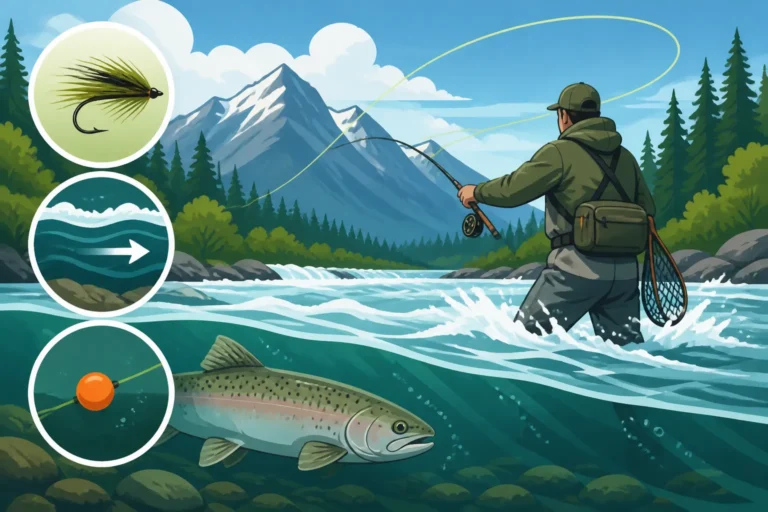
The "high-sticking drift" is the signature move of Euro nymphing. Once your flies hit the water, immediately raise your rod tip high, keeping as much of your fly line (and leader, particularly the sighter) as possible off the water's surface. Your rod tip should be angled slightly forward, maintaining a direct connection to your flies. As your flies drift downstream, track their path with your rod tip, moving it at precisely the same speed as the current directly below it. This constant adjustment, known as "leading the flies," is what eliminates drag.
The beauty of keeping your line off the water is that it prevents surface currents from pulling your leader or flies unnaturally. Your sighter should be hanging vertically or nearly vertically above your flies. If you see it bowing or being pulled horizontally, you're experiencing drag, and you need to adjust your rod position or mend your line slightly. You can also subtly adjust your depth by raising or lowering your rod tip slightly. A higher tip can help keep your flies from snagging the bottom in shallower sections, while lowering it can help them dig deeper into slower pools. It's a constant dance with the current, requiring concentration but rewarding you with incredibly natural drifts. For more on wading, check out our guide on Wading Techniques for BC Steelhead Rivers.
Strike Detection and Hook Set
This is where Euro nymphing truly shines and where many anglers initially struggle. Because you're maintaining such a direct connection, you're looking for incredibly subtle signs of a take, both visual and tactile. Your sighter is your primary visual cue. Watch it like a hawk. Any hesitation, a subtle twitch, a slight straightening, or even a sudden acceleration of the sighter, means a fish has probably taken your fly. It's not always a violent tug; sometimes, it's just a momentary pause in the drift.
Beyond the visual, you'll also learn to feel the takes. With that direct connection, you might feel a faint "tick" or a sudden pressure through your rod. It’s a very different sensation than the aggressive pull you might get on a traditional setup. The key is to react to any abnormality. If in doubt, set the hook! A quick, sharp, upward, or slightly sideways hook set is usually sufficient. Because your rod is already high, you don't need a huge sweeping motion; a flick of the wrist is often all it takes to plant the hook firmly. The more you practice, the more intuitive these subtle signals become, and you'll find yourself hooking fish you would have otherwise completely missed.
Advanced Strategies and Considerations
Once you've got the basics down, you can start finessing your Euro nymphing game to tackle even tougher conditions and ensure you're fishing responsibly in BC's beautiful waters.
Adapting to Varying Conditions
BC's interior freestone streams are rarely static. They change with the weather, season, and even the time of day. Learning to adapt your Euro nymphing strategy to these variations is what separates a good angler from a great one. If you encounter high, off-color water, perhaps after a heavy rain or during early spring runoff, fish often move closer to the banks or into slower, more defined current breaks. This is the time to go heavier and maybe opt for brighter, more visible flies. A larger, tungsten-beaded Prince Nymph or a flashy Perdigon might stand out better in the murk. Conversely, in low, clear water conditions – which are common in late summer or fall – fish become incredibly spooky. You’ll need to lighten your tippet (think 6x or 7x), reduce your fly size, and opt for more natural, subtle patterns. Stealth becomes paramount, so approach carefully and minimize wading disturbances. You might find our guide on Cold Front Fishing Tactics for BC Trout useful for understanding how fish react to environmental changes.
Wind can also be a significant factor. A strong headwind can make casting even short leaders a challenge, while a crosswind can make line control difficult. In windy conditions, try to cast at a lower angle to reduce wind resistance on your leader. Sometimes, using a slightly heavier anchor fly can help punch your leader through the wind. Ultimately, adapting means constantly observing the water, the fish's behavior, and the environmental factors, and being willing to make quick adjustments to your flies, leader, and presentation.
Safety and Ethics on Freestone Streams
Fishing BC's freestone rivers is an incredible experience, but it comes with responsibilities. Wading safety is paramount. The powerful, turbulent currents and slippery, uneven rock bottoms of these rivers can be treacherous. Always wear good quality wading boots with felt or rubber soles that provide excellent grip, and consider adding studs for extra traction. A wading staff is not optional; it’s an essential tool for maintaining balance and probing the bottom before you step. Never wade alone in unfamiliar, fast water, and always let someone know where you're going and when you expect to return. Be aware of changing water levels, especially if there’s rain or snowmelt upstream.
Beyond safety, ethical angling practices are crucial for preserving these precious fisheries. Most freestone streams in BC are managed for wild trout, making catch and release a common practice. Always use barbless hooks to minimize harm to the fish. When you land a fish, handle it gently, keeping it in the water as much as possible. Avoid squeezing, prolonged handling, or putting it on dry ground. If you want to learn more about fish handling, check out resources on Sturgeon catch and release survival tips, which, while focused on sturgeon, offer principles applicable to all fish. Also, always, always check the Reading the BC Freshwater Fishing Regulations Synopsis before you head out. Regulations can change frequently, and specific streams might have special restrictions, such as BC Catch and Release Only Waters, single-barbless hook rules, or bait bans. Knowing and following these rules ensures the health of the fishery for future generations.
Integrating Other Techniques
While Euro nymphing is incredibly effective, it doesn't mean you have to be exclusive to it. There will be times on freestone streams when other techniques might be equally or even more productive, and a well-rounded angler knows when to switch tactics. For instance, during a strong hatch of caddis or mayflies, you might see trout actively rising to dry flies. In such scenarios, switching to a dry-dropper rig, where a small nymph hangs below a visible dry fly, can be deadly. It offers the best of both worlds: a surface presentation for risers and a submerged offering for fish still feeding subsurface.
Sometimes, in longer, slower runs or larger pools, fish might respond better to swinging wet flies or streamers, especially if they're aggressive bull trout or larger rainbow trout keying in on baitfish. Think about experimenting with a heavier streamer on a sinking tip line, casting across and down, and letting it swing through likely holding lies. Euro nymphing is fantastic for precisely targeting individual pockets and seams, but being versatile enough to switch to a classic indicator rig for really deep pools or even a dry fly if the conditions warrant it will make you a much more successful and adaptable angler on BC's diverse freestone rivers.
Here's a quick comparison of Euro Nymphing vs. Traditional Indicator Nymphing for freestone streams:
| Feature | Euro Nymphing | Traditional Indicator Nymphing |
|---|---|---|
| Rod Length | 10-11 feet | 9 feet (standard) |
| Rod Weight | 2-4 wt (lighter) | 4-6 wt (standard) |
| Leader Type | Long, thin, multi-section with sighter | Tapered leader with tippet, often shorter |
| Strike Indicator | Sighter material, direct feel | Buoyant bobber/indicator |
| Fly Line on Water | Minimal, only leader/tippet contact | Significant fly line on water |
| Drag Control | Superior, direct connection, high-sticking | Prone to drag from surface currents |
| Depth Control | Precise, adjustable with rod angle | Limited by indicator depth, harder to adjust quickly |
| Fly Weight | Heavily weighted (tungsten) for fast sink | Varied, sometimes requires split shot |
| Casting Style | Short, accurate, lob/tuck casts | Overhead casts, roll casts |
| Strike Detection | Highly sensitive, visual (sighter) & tactile (feel) | Visual (indicator movement) |
| Best For | Pocket water, complex currents, deep seams | Slower, more uniform currents, wider runs, still water |
Disclaimer
Please remember that fishing regulations, conditions, and fish populations can change. Always consult the official British Columbia Freshwater Fishing Regulations Synopsis or Fisheries and Oceans Canada (for tidal waters) before you head out. This guide provides general information and recommendations, but it is your responsibility to ensure you are compliant with all current rules and regulations. Stay safe and enjoy your time on the water!