Best water temperature for salmon fishing
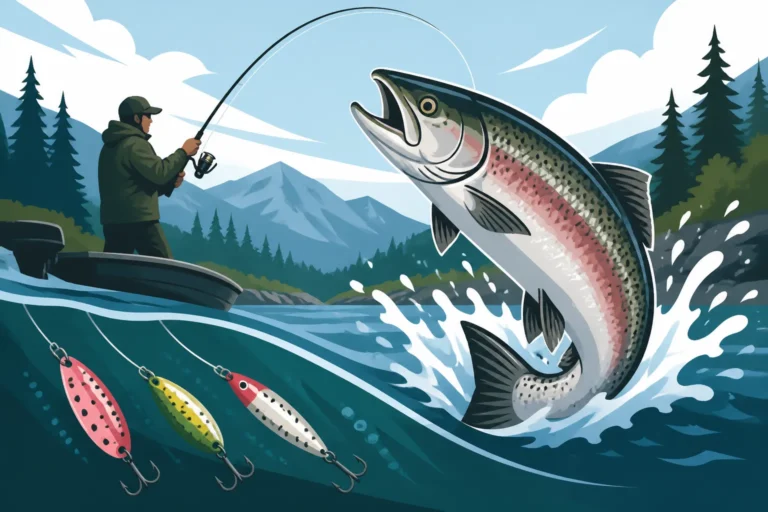
Oh, the age-old dilemma of hitting the water, gear polished, hopes high, only to be met with a frustrating lack of bites. Often, anglers will scratch their heads, wondering if it's the lure, the tide, or perhaps just bad luck. But many times, the silent culprit is something far more fundamental: the water temperature. Understanding the ideal water temperature for salmon fishing isn't just a niche detail; it's a game-changer for anyone serious about hooking into those magnificent British Columbia salmon. This comprehensive guide will peel back the layers on how water temperature critically influences salmon behavior, pinpoint optimal temperature ranges for different BC salmon species, and equip you with practical strategies to leverage this knowledge for a more successful fishing trip.
The Critical Role of Water Temperature in Salmon Behavior
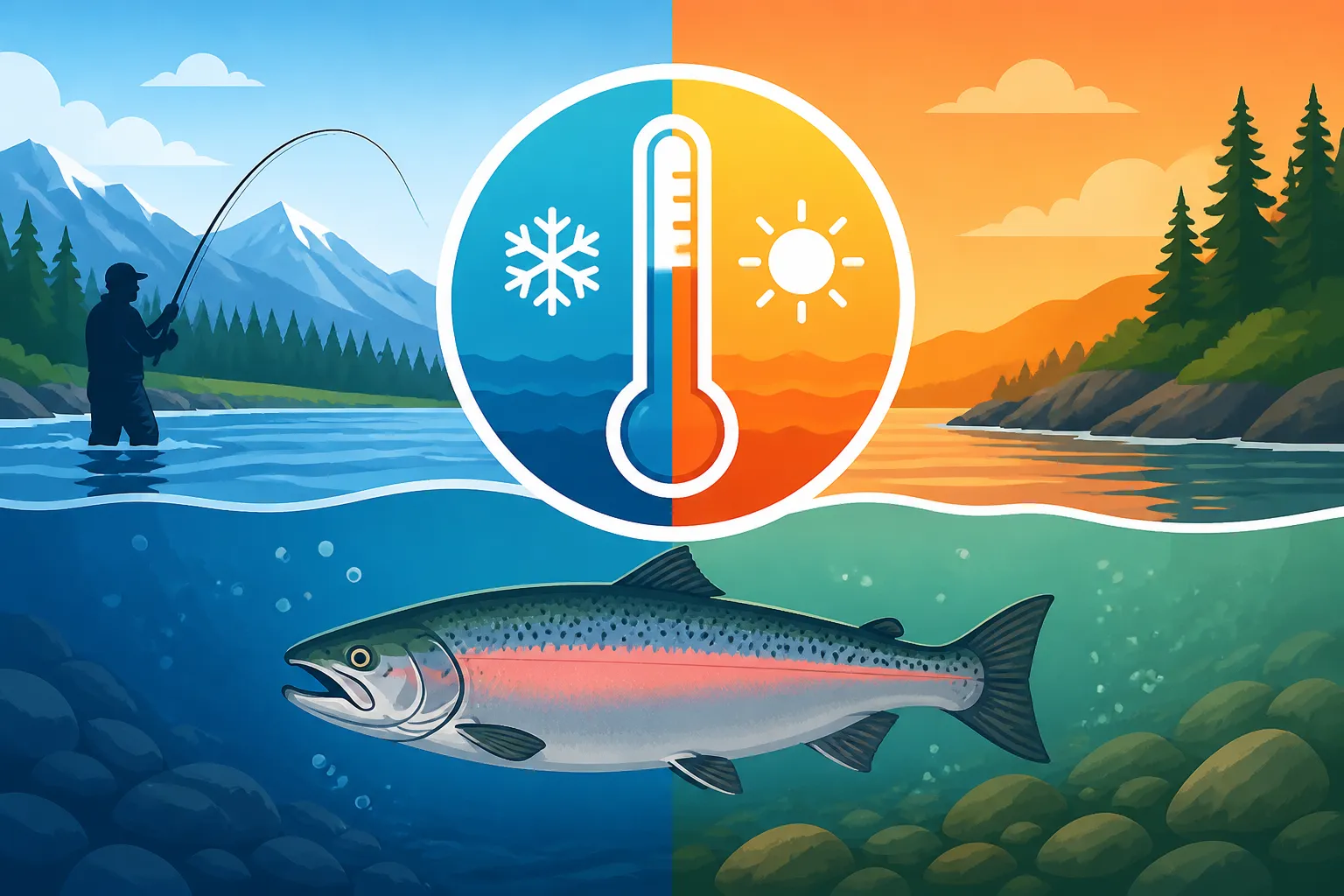
You see, salmon, like all fish, are cold-blooded creatures. This means their internal body temperature is directly influenced by the temperature of the water around them. It's not just about comfort; it impacts their entire physiology, from their metabolism to their oxygen uptake, and even their drive to migrate and feed. Ignore water temperature, and you're essentially fishing blind, hoping for a chance encounter rather than strategically targeting fish.
Thermal Comfort Zones and Metabolic Activity
Think of it like us humans. We have our ideal comfort zone – not too hot, not too cold. Salmon are no different, though their "comfort zone" is a narrow band of water temperature. When the water is too cold, their metabolism slows down significantly. They become sluggish, less active, and their feeding drive diminishes considerably. They're trying to conserve energy, not chase down a meal. Conversely, if the water gets too warm, salmon become stressed. Their heart rate increases, they burn energy faster, and they struggle to get enough oxygen. This also leads to a reduced feeding response, as their primary concern shifts to survival and finding cooler, more oxygenated water.
This metabolic link is crucial. A salmon in its thermal comfort zone is an active, aggressive, and hungry salmon. It's more likely to chase a bait, strike a lure, or grab a fly. Outside that zone, they might still be there, but they're not nearly as motivated to feed, making them incredibly difficult to entice. This is especially true for the powerful fighting fish like Chinook, who need a lot of energy to maintain their size and strength.
Oxygen Levels and Salmon Health
Here's another vital connection: water temperature directly affects how much dissolved oxygen it can hold. Colder water holds more oxygen, while warmer water holds less. This is a fundamental scientific principle that has profound implications for salmon. Salmon, particularly larger species and those preparing for or engaged in spawning runs, require a significant amount of oxygen. When water temperatures climb, oxygen levels drop, causing physiological stress.
Imagine trying to run a marathon in thin air – that's what it feels like for salmon in warm, low-oxygen water. This stress can lead to salmon seeking out areas where cooler, oxygen-rich water might be available, such as deep pools, shaded sections of a river, areas with strong currents, or near the mouths of colder tributary streams. In extreme cases, prolonged exposure to high temperatures and low oxygen can be lethal. Anglers who are aware of this will often focus their efforts on these oxygenated refuges, increasing their chances of finding active fish. It also highlights the importance of minimizing stress on fish you intend to release, especially in warmer conditions, as detailed in discussions around Sturgeon catch and release survival tips.
Migration Triggers and Spawning Runs
Water temperature isn't just about daily comfort; it's a primary driver for one of the most incredible natural phenomena: salmon migration. As the seasons change, and ocean-dwelling salmon prepare to return to their natal rivers to spawn, specific temperature cues act as a crucial signal. Each species has a preferred range for entering freshwater and commencing their arduous journey upstream. Too warm, and they might delay entry, schooling at river mouths, waiting for a cold snap or a flush of cooler water from rainfall. Too cold, and their journey might slow, impacting their energy reserves.
For instance, a sudden drop in river temperature in late summer, often brought on by heavy rains in the headwaters, can trigger a mass movement of salmon into a system, leading to incredible fishing opportunities. Conversely, prolonged dry, hot spells can stall these migrations, concentrating fish at river entrances where they become stressed. Understanding these migratory temperature triggers is key to anticipating when the best runs for species like Chinook and Sockeye will occur, helping anglers plan their trips around BC Fishing Seasons by Month for optimal success.
Optimal Temperature Ranges for British Columbia Salmon Species
While all salmon are sensitive to water temperature, each species has its unique preferences. Knowing these ranges can drastically improve your chances of finding and catching fish. It's not a hard and fast rule, as salmon will tolerate slight deviations, but these optimal zones represent where they are generally most comfortable, active, and willing to feed.
Chinook Salmon The Kings of Comfort
Chinook salmon, often called King salmon, are the largest and perhaps the most sought-after Pacific salmon species in British Columbia. True to their "king" status, they tend to be a bit more particular about their environment. For actively feeding Chinook in saltwater, their preferred temperature range typically falls between 48°F and 58°F (9°C to 14°C). Within this band, their metabolism is humming, they're aggressively feeding on baitfish like herring and anchovies, and they're more inclined to strike a trolled spoon, hoochie, or bait.
When Chinook move into freshwater for their spawning migration, their ideal temperature for sustained travel and holding in pools narrows slightly. They prefer river temperatures in the 45°F to 55°F (7°C to 13°C) range. If river temperatures climb above 60°F (15.5°C), Chinook become noticeably stressed, often seeking out deeper, cooler holes or the influx of cooler water from tributaries. You'll find their bite shuts down almost entirely in these warm conditions. Conversely, water much below 45°F can make them sluggish. For more in-depth knowledge on targeting these magnificent fish, check out our guide on Chinook Salmon Fishing in BC.
Coho, Sockeye, Pink, and Chum Salmon Preferences
While Chinook might be the most finicky, the other salmon species each have their sweet spots:
-
Coho Salmon: Often known for their acrobatic fights and aggressive takes, Coho salmon are a bit more tolerant of cooler temperatures than Chinook. In saltwater, actively feeding Coho thrive in temperatures between 50°F and 62°F (10°C to 17°C). When they enter freshwater, they prefer 45°F to 58°F (7°C to 14°C). They can sometimes be found in slightly warmer coastal streams, but their activity levels will drop if temperatures push towards the upper end. Their willingness to chase a fly or lure often makes them a favorite for anglers in rivers like the Squamish or Campbell, especially during the fall. Our piece on Coho Salmon Habits in Coastal Streams offers more insights into their unique behaviors.
-
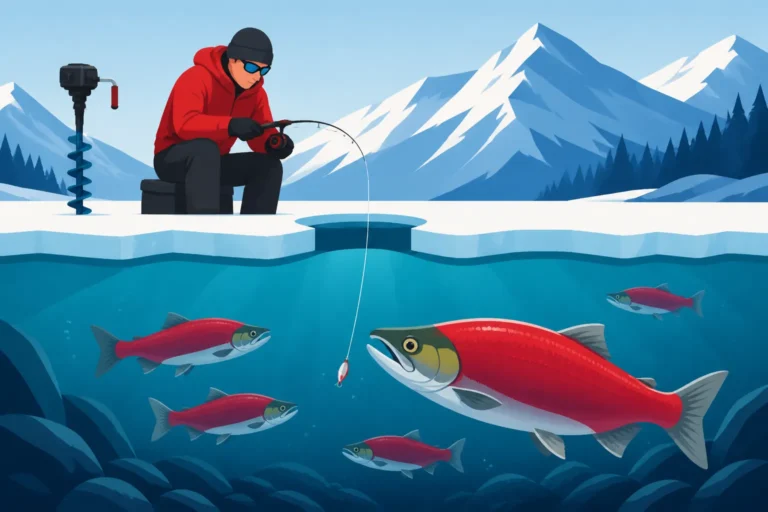
Sockeye Salmon: Sockeye, famous for their vibrant red flesh and intense spawning colours, are particularly sensitive to high water temperatures in freshwater. While in the ocean, they'll tolerate a similar range to Coho, once they hit the rivers like the mighty Fraser, they require cooler conditions for successful migration and spawning. Their ideal range in freshwater is quite tight: 40°F to 55°F (4.5°C to 13°C). Temperatures above 60°F (15.5°C) can cause significant mortality during their migration. This is why you often hear about concerns over river temperatures during peak sockeye runs. When the Fraser River hits its prime, fishing for Sockeye can be fantastic, as detailed in our Sockeye Salmon Fishing in BC guide.
-
Pink Salmon: These are often the most abundant salmon species, known for their biannual runs (odd years in much of BC). Pink salmon are incredibly hardy and tolerate a wider range of temperatures than other species. In both saltwater and freshwater, they are comfortable in 50°F to 65°F (10°C to 18°C). This broader tolerance means you can often find them actively feeding or migrating even when other salmon species are stressed by warmer conditions. Their aggressive nature means they're often willing to hit a small spoon or pink jig even at the edges of their temperature preference.
-
Chum Salmon: Also a very robust species, Chum salmon (or Dog salmon) are known for their powerful fights. Like Pinks, they can handle a slightly warmer water column than Chinook or Sockeye. Their preferred range is typically 48°F to 60°F (9°C to 15.5°C) in both environments. They are often targeted later in the fall when water temperatures start to drop, and other salmon runs are winding down. You can learn more about identifying all these incredible species in our Pacific Salmon Species Identification Guide.
To make things a bit clearer, here's a quick summary table:
| Salmon Species | Optimal Saltwater Temp (F/C) | Optimal Freshwater Temp (F/C) | Key Behavior Notes |
|---|---|---|---|
| Chinook | 48-58°F (9-14°C) | 45-55°F (7-13°C) | Most sensitive to temperature extremes. Seek cooler, deeper water when warm; sluggish when cold. Aggressive feeders in optimal range. |
| Coho | 50-62°F (10-17°C) | 45-58°F (7-14°C) | Agile and aggressive, tolerate slightly cooler water than Chinook. Good feeders across their range. |
| Sockeye | 50-62°F (10-17°C) | 40-55°F (4.5-13°C) | Highly sensitive to warm freshwater, especially during migration. Prioritize oxygenated, cooler water. Often won't bite once in freshwater. |
| Pink | 50-65°F (10-18°C) | 50-65°F (10-18°C) | Most tolerant of varied temperatures. Active and aggressive, even at the warmer end. |
| Chum | 48-60°F (9-15.5°C) | 48-60°F (9-15.5°C) | Tolerant of a broad range, strong fighters. Often targeted in later fall. |
Using Water Temperature to Inform Your Fishing Strategy
Knowing the optimal temperature ranges is one thing; putting that knowledge into action is another. Successful anglers don't just know the numbers; they understand how to apply them to find and catch fish. It's about thinking like a fish and predicting where they'll be and how they'll react.
Locating Salmon in Temperature Gradients
When conditions aren't perfectly within that optimal window, salmon don't just disappear. They actively seek out areas that do offer their preferred temperatures. This often creates "temperature gradients" in a body of water, and understanding them is crucial.
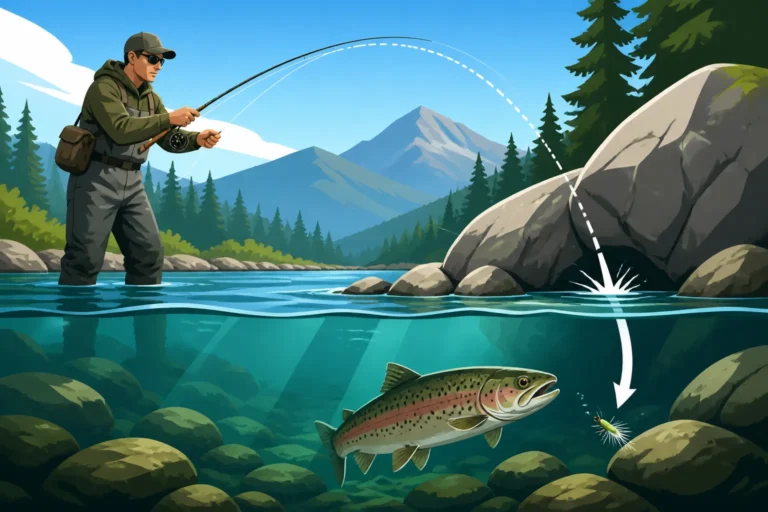
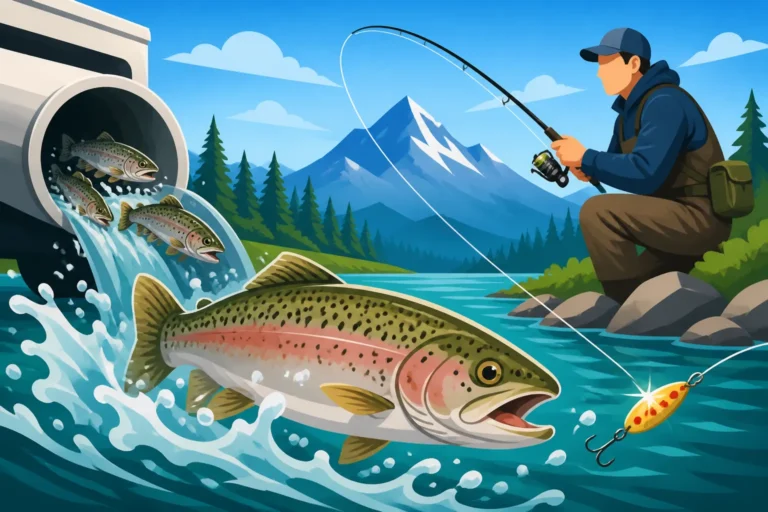
- Rivers: In rivers, look for deeper pools where water stays cooler, especially during warm spells. Shaded banks, areas where cold tributary streams enter the main river, or the faster, more oxygenated currents in riffles and runs can all be thermal refuges. When river temperatures are too high, salmon will often stack up at the mouth of a colder creek, waiting for the main river to cool down. Conversely, in very cold periods, they might hold in slower, slightly warmer deep pockets. This knowledge is invaluable when exploring various Salmon Fishing Techniques for BC Rivers.
- Lakes: In large lakes, thermoclines play a huge role. This is where different layers of water temperature exist. Salmon will often suspend just above, within, or just below the thermocline, depending on their species and the availability of baitfish. Portable fish finders that show water temperature at depth can be incredibly useful here, helping you pinpoint these thermal zones.
- Saltwater: In the vastness of the ocean, salmon follow baitfish, and baitfish themselves are temperature-sensitive. Look for currents and upwellings that bring nutrient-rich, cooler water to the surface, as these often concentrate baitfish and, consequently, salmon. This is where a good quality thermometer, perhaps one you picked up from Amazon, becomes your best friend on the boat.
Adjusting Lures and Presentation
Water temperature doesn't just dictate where salmon are; it also influences how they feed and how you should present your offerings.
- Cold Water (Below Optimal): When water temperatures are on the colder side, salmon's metabolism slows right down. They're less likely to chase a fast-moving lure. This is the time to slow everything down. Use slower retrieves, drift baits naturally, or try presentations that stay in the strike zone longer. Think about using natural baits like roe or chunks of herring that offer a strong scent trail and require minimal effort from the fish. Lightening your line and using smaller, more subtle lures can also be effective, as the fish are less aggressive.
- Optimal Water (Just Right): This is when salmon are most active and aggressive. They'll readily chase and strike. You can use faster retrieves, experiment with a wider variety of lures, and present your offerings with more animation. This is often when trolling at higher speeds or aggressively jigging can be incredibly effective. Don't be afraid to experiment with brighter colours and flash.
- Warm Water (Above Optimal): When temperatures climb too high, salmon become stressed and lethargic. Their feeding drive is minimal. Focus on slow, natural presentations. Live bait or static bait rigs might be your best bet, or very subtle fly patterns. Often, the best strategy is to avoid fishing during the hottest parts of the day or in areas with excessively warm water, giving the fish a break. Our guide on How to Catch Salmon during a Cold Front in BC provides further context on adapting to less-than-ideal conditions, which often mimic warm-water lethargy.
Seasonal Temperature Shifts and Fishing Times
British Columbia experiences dramatic seasonal shifts, and these directly influence water temperatures and, by extension, salmon behavior.
- Spring: As ice melts and rivers swell with runoff, water temperatures are typically very cold. Early season salmon fishing, especially for Chinook in tidal estuaries or spring steelhead, often means targeting fish in deeper, slower pools where temperatures are slightly more stable. Focus on slower presentations.
- Summer: Water temperatures rise, often peaking in July and August. In many rivers, this can lead to challenging conditions as salmon wait for cooler temperatures. However, coastal waters can still be prime, especially where deep, cold ocean currents are present. Early mornings and late evenings are often the best times to fish, as ambient temperatures are lower, and the fish might be more active. Knowing the Best Time of Day to Catch Salmon can make a huge difference here.
- Fall: This is prime time for many salmon runs. Water temperatures begin to cool, rivers drop, and salmon move into freshwater with renewed vigor. The cooling trend revitalizes fish, making them aggressive and eager to spawn. This is especially true for Coho and late-run Chinook. Mastering Best Techniques for Fall Coho Fishing often hinges on understanding these seasonal temperature shifts.
- Winter: Freshwater temperatures drop significantly, often nearing freezing. Most salmon have spawned and died. However, winter steelhead fishing often relies on finding stable, slightly warmer water pockets in rivers. Tidal waters can still hold resident salmon that tolerate the colder temperatures.
Beyond the seasons, daily temperature fluctuations matter. A sudden drop in barometric pressure, often accompanied by a cold front, can swiftly change water temperatures and impact fish behavior, as explored in How barometric pressure affects BC salmon fishing.
Tools and Techniques for Measuring Water Temperature
You can't effectively use water temperature to your advantage if you don't know what it is! Fortunately, there are many tools and techniques available to help you track this vital metric.
Essential Gear for Temperature Tracking
The good news is you don't need highly specialized, expensive equipment to start measuring water temperature.
- Basic Water Thermometer: This is your simplest and most cost-effective tool. You can find robust, accurate fishing thermometers for a reasonable price, often less than $20, on platforms like Amazon. Many tackle shops in BC will also carry them. A basic thermometer should have a sturdy casing and be easy to read in both Fahrenheit and Celsius. When fishing from shore, simply drop it into the water for a few minutes. From a boat, you can tie it to a line and lower it to different depths.
- Fish Finders with Temperature Sensors: Most modern fish finders, even entry-level models, come equipped with a transducer that reads surface water temperature. Higher-end models and those with advanced mapping capabilities can even provide temperature readings at various depths, which is invaluable for understanding thermoclines in lakes or deep channels in rivers. Brands like Garmin, Lowrance, and Humminbird offer a range of options, and you can often find great deals on these units on Amazon.
- Portable Depth and Temperature Gauges: For anglers who primarily wade or fish from smaller craft like kayaks, portable depth sounders or dedicated temperature gauges are fantastic. These compact units can provide quick readings of both depth and temperature, helping you quickly scout a spot without deploying a full fish finder.
Interpreting Data and Local Resources
Knowing the temperature is only half the battle; the other half is understanding what that data means in context.
- Online Resources and Local Reports: Before you even leave the house, check online resources. The Department of Fisheries and Oceans (DFO) often provides real-time or near real-time water temperature data for major rivers, especially during salmon migration periods. Local fishing forums and guide reports (like those you'd find for the Fraser River Fishing Guide or Campbell River Fishing Guide) are goldmines of information. Many local tackle shops, like those around Best Salmon Fishing Spots in BC, will post daily river conditions, including temperature, and their staff are always a wealth of current knowledge.
- Trend Analysis: Don't just look at the current temperature; try to understand the trend. Has it been rising or falling? A gradual cooling trend in the fall often invigorates salmon, while a rapid warm-up can shut them down. Similarly, a steady drop in winter can push fish to deeper, more stable holding areas.
- Comparing with Optimal Ranges: Always keep the optimal temperature ranges for your target species in mind. If the current temperature is outside that range, you know you need to adjust your strategy – either by seeking out thermal refuges or by modifying your presentation to account for lethargic fish.
- Your Own Fishing Log: This is perhaps the most valuable tool over time. Keep a detailed log of water temperatures, weather conditions, locations, and your fishing success. Over seasons, you'll start to see patterns emerging that are specific to your local waters and personal techniques. This firsthand data, combined with general knowledge, will turn you into a true water temperature maestro.
By integrating water temperature awareness into your planning and on-the-water tactics, you'll move beyond simply hoping for a bite and start making informed decisions that significantly increase your chances of a successful and rewarding salmon fishing experience in British Columbia.
Disclaimer
Please remember that fishing regulations, seasons, and conditions can change rapidly in British Columbia. Always consult the latest BC Freshwater Fishing Regulations Synopsis, DFO Pacific Fishery Notices, and local regulations before heading out on the water. This guide is for informational purposes only and does not replace official regulatory documents. Stay safe and fish responsibly.