Nechako River Fishing Spots
The Nechako River, a vital tributary of the mighty Fraser, can sometimes feel like a well-kept secret, overshadowed by its more famous counterparts. Many anglers dream of casting a line into British Columbia's pristine waters but feel overwhelmed trying to pinpoint truly productive spots, especially on a less-traveled gem like the Nechako. If you're tired of hitting crowded rivers or just guessing where the fish might be, this comprehensive guide will walk you through the prime fishing locations and strategies for a rewarding experience on the Nechako River.
Understanding the Nechako River Ecosystem
The Nechako River offers a unique fishing experience, distinct from many other BC rivers. Its character is shaped significantly by human intervention and its natural flow into the Fraser, making it a fascinating and sometimes challenging waterbody to decipher. Understanding these foundational elements is key to a successful outing.
River Character and Geography
The Nechako River originates from the Nechako Reservoir, a vast artificial lake created by the Kenney Dam for hydroelectric power generation. This dam dramatically alters the river's natural flow patterns and temperature, particularly in its upper sections. From the dam, the river flows eastward for roughly 460 kilometers, meandering through the Nechako Plateau, past communities like Vanderhoof, before eventually joining the Fraser River at Prince George.
Unlike the roaring, rocky torrents of some coastal rivers, much of the Nechako offers a more gentle, winding course, characterized by long, slow pools, gravel bars, and occasional riffles. The riverbed is primarily composed of gravel, sand, and silt, providing diverse habitats for various fish species. Water clarity can vary, often becoming murkier during spring runoff or heavy rain, but generally, it runs quite clear, especially in the cooler months. The banks are often accessible, though private land does exist, and knowing your public access points is crucial.
Dominant Fish Species in the Nechako
The Nechako is a surprisingly diverse fishery, hosting a mix of migratory salmon and resident freshwater species. Knowing what you're targeting and when can dramatically improve your chances.
- Pacific Salmon: The river sees runs of Chinook (King) salmon, Coho (Silver) salmon, and Sockeye salmon, though Sockeye runs are less reliable and often subject to specific closures. These anadromous fish migrate from the Pacific Ocean, up the Fraser, and then into the Nechako to spawn. Their presence completely changes the river dynamics, offering some of the most exciting fishing opportunities.
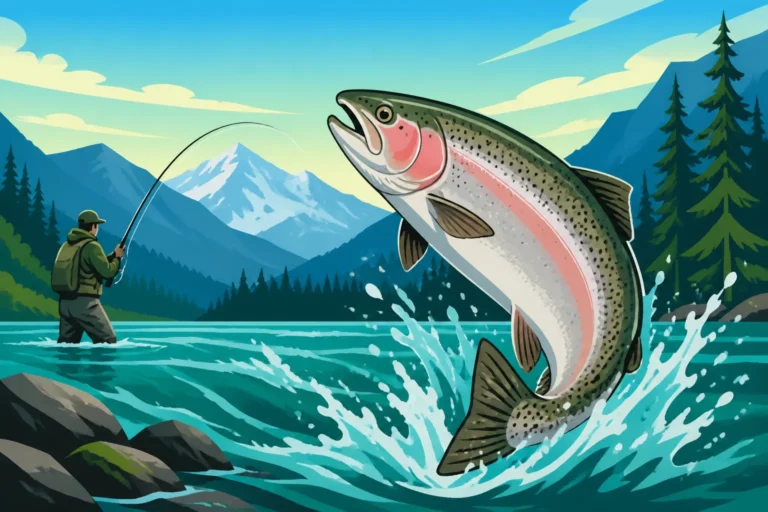
- Rainbow Trout: The Nechako boasts a healthy population of resident Rainbow Trout. These fish thrive in the river's varied habitat, providing year-round angling possibilities. They can range from pan-sized beauties to respectable fighters, especially in cooler waters.
- Bull Trout (Dolly Varden): Often mistaken for Dolly Varden, Bull Trout are a predatory char found in the Nechako system. They are known for their aggressive strikes and can grow to impressive sizes, particularly when preying on salmon eggs or smaller baitfish.
- Whitefish: Both Mountain Whitefish and Lake Whitefish are common throughout the Nechako. While not typically targeted by sport anglers, they provide a fun challenge on light tackle and can be excellent eating fish.
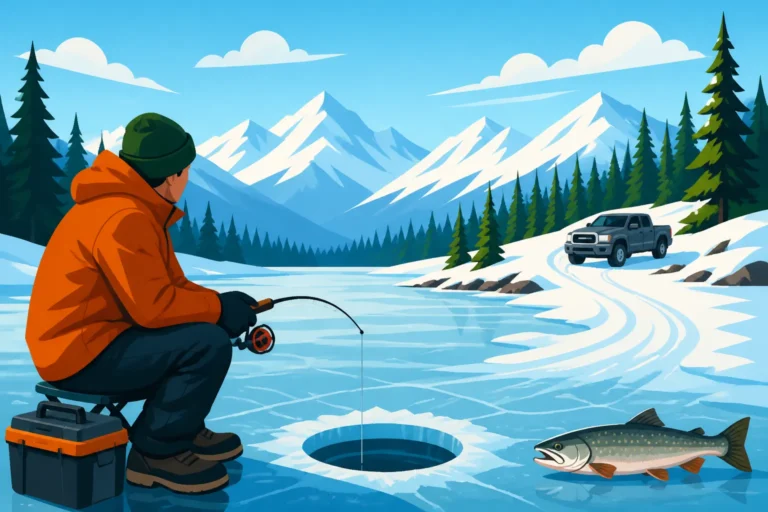
- Burbot: This unique freshwater cod species, also known as "ling" or "freshwater ling," inhabits the deeper, cooler sections of the Nechako. They are primarily nocturnal bottom dwellers and can offer a surprising fight, particularly during winter.
- White Sturgeon: While the Fraser River is far more famous for its colossal White Sturgeon, the Nechako, especially closer to its confluence with the Fraser, does hold a population of these ancient giants. Catching a Nechako sturgeon is a rare and truly memorable experience, requiring specialized gear and strict catch-and-release practices.
Seasonal Changes and Water Management
The Kenney Dam's operation significantly influences the Nechako's water levels and temperatures, directly impacting fish migration and angling conditions. During the summer months, water releases from the reservoir can keep the river colder than it might naturally be, which can affect salmon runs. Conversely, during periods of low natural flow, the dam can supplement water, maintaining a more stable environment.
Anglers need to be aware of these fluctuations. Before heading out, always check the current water levels and discharge rates, which are often available through BC Hydro or local fishing reports. High water can make wading dangerous and fishing challenging, while extremely low water can concentrate fish but also make them more wary. Understanding the seasonal impact on fish behavior is also critical. Spring brings hungry trout, summer heralds the salmon migrations, and fall often offers a prime combination of both. Winter fishing, especially for species like Burbot and even some hardier trout, is also possible if conditions allow. For a broader understanding of how different species behave throughout the year, checking a guide like "BC Fishing Seasons by Month" can be incredibly insightful.
Prime Nechako River Fishing Hotspots
The Nechako is a long river, and its character changes significantly as it flows eastward. To make your fishing adventure successful, it's helpful to break it down into key sections, each with its own charm and target species.
Upper Nechako From Vanderhoof to Prince George
This section of the river, roughly encompassing the stretch from Vanderhoof eastward towards Prince George, tends to be more accessible and less influenced by the direct tidal effects of the Fraser. It's often where anglers focus on resident trout populations and the initial pushes of salmon.
Vanderhoof itself, often called "The Geographical Centre of British Columbia," provides excellent access. Riverside Park in Vanderhoof, for instance, offers easy bank access and a boat launch, making it a popular starting point. Just upstream and downstream from Vanderhoof, you'll find numerous gravel bars, slow runs, and deeper pools that hold Rainbow Trout and Bull Trout throughout the year. Spring and fall are particularly productive for trout here. Fly fishing with streamers or nymphs, or spin casting with small spoons and spinners, can yield good results.
Further east towards Prince George, the river continues its meandering course, often through agricultural land and forests. Public access can be found at various road crossings and bridge abutments. Areas around Fort Fraser and Isle Pierre often provide good spots, though it's always wise to check local maps or ask at a tackle shop in Vanderhoof for the most up-to-date access information. These upstream sections are the first to see the salmon runs, particularly Chinook and Coho, as they push into the system. Early season salmon can be found holding in deeper pools or along current seams, resting before continuing their journey. This is a great area for those who prefer less crowded fishing, offering a more serene experience.
Middle Nechako Around Prince George and Confluence
As the Nechako approaches Prince George, it takes on a different character, becoming wider and often deeper, eventually merging with the mighty Fraser River. This confluence zone is a major highway for migrating salmon and presents unique opportunities, and also challenges.
Around Prince George, several parks and informal access points line the river. Cottonwood Island Park, for example, offers walking trails along the river, providing shore access to various runs and eddies. This area is particularly hot during the salmon runs. As Chinook and Coho make their way up the Fraser, they often pause and stage in the cooler, clearer waters of the Nechako before committing to its upstream journey. Fishing the seams where the Nechako's flow meets the Fraser's, or targeting the deeper pools and cut banks just inside the Nechako, can be incredibly productive.
Bar fishing, a popular technique on many BC salmon rivers, can be effective here, especially during peak salmon migration. Anglers anchor in suitable spots or cast heavy rigs from shore, presenting roe or large spoons. Drift fishing with cured roe or large artificial baits is also a go-to method. Due to the convergence of two major rivers, the currents can be powerful, and understanding river safety, along with using adequate gear, is paramount. Many local guides, some found easily through services like FishingBooker, specialize in navigating these complex waters and putting you on the fish during these prime windows. For those interested in the bigger picture, delving into "Fraser River Fishing Guide" can offer valuable context on the larger salmon runs influencing the Nechako.
Targeting Key Species and Seasons
Knowing which fish to target and when is crucial for a successful Nechako River fishing trip. Each species has its peak season and preferred conditions.
Salmon Fishing Strategies for Chinook and Coho
Salmon fishing on the Nechako, particularly for Chinook and Coho, is undoubtedly one of its biggest draws. These powerful fish offer thrilling battles and are highly sought after.
- Chinook Salmon: Known as "Kings" for a reason, Chinook are the largest of the Pacific salmon. They typically start entering the Nechako system from mid-July through August, peaking in late August and early September. They prefer deeper, faster water and often hold in substantial pools or along pronounced current seams. For tactics, bar fishing with heavy tackle is a popular and effective method, especially in the wider sections near Prince George. Anglers will use large weights to hold their bait (often cured roe or even whole anchovies) on the bottom, allowing the scent to disperse. Drift fishing with roe bags, large artificial baits like Berkley PowerBait, or even large spoons and spinners can also entice a strike. When targeting these magnificent fish, remember to check "Chinook Salmon Fishing in BC" for more in-depth techniques and regulatory details, as regulations can be highly specific for this species.
- Coho Salmon: Coho, often called "Silvers," are celebrated for their aggressive strikes and acrobatic fights. They usually arrive in the Nechako system a bit later than Chinook, with runs typically from late August through September and into October. Coho often prefer slightly shallower, faster water than Chinook and can be found in riffles, tail-outs of pools, and along brushy banks. Fly fishing for Coho can be incredibly rewarding, using aggressive streamer patterns in chartreuse, pink, or blue. For spin anglers, casting and retrieving small to medium-sized spoons (like Gibbs-Delta Koho or Blue Fox Vibrax spinners) is highly effective. Drift fishing with roe or small artificial worms is also popular. Light to medium-heavy gear is usually sufficient for Coho, allowing for a more sporting fight. For a deeper dive into techniques tailored for these energetic fish, refer to "Coho Salmon Fishing in BC".
Trout and Char Opportunities for Rainbow and Bull Trout
Beyond the spectacular salmon runs, the Nechako River offers fantastic year-round opportunities for resident trout and char. These species provide consistent action, especially when salmon aren't present or during closed seasons.
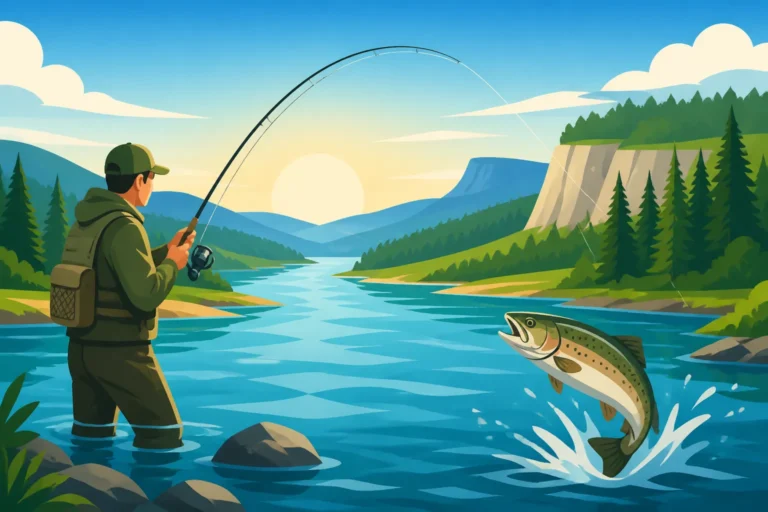
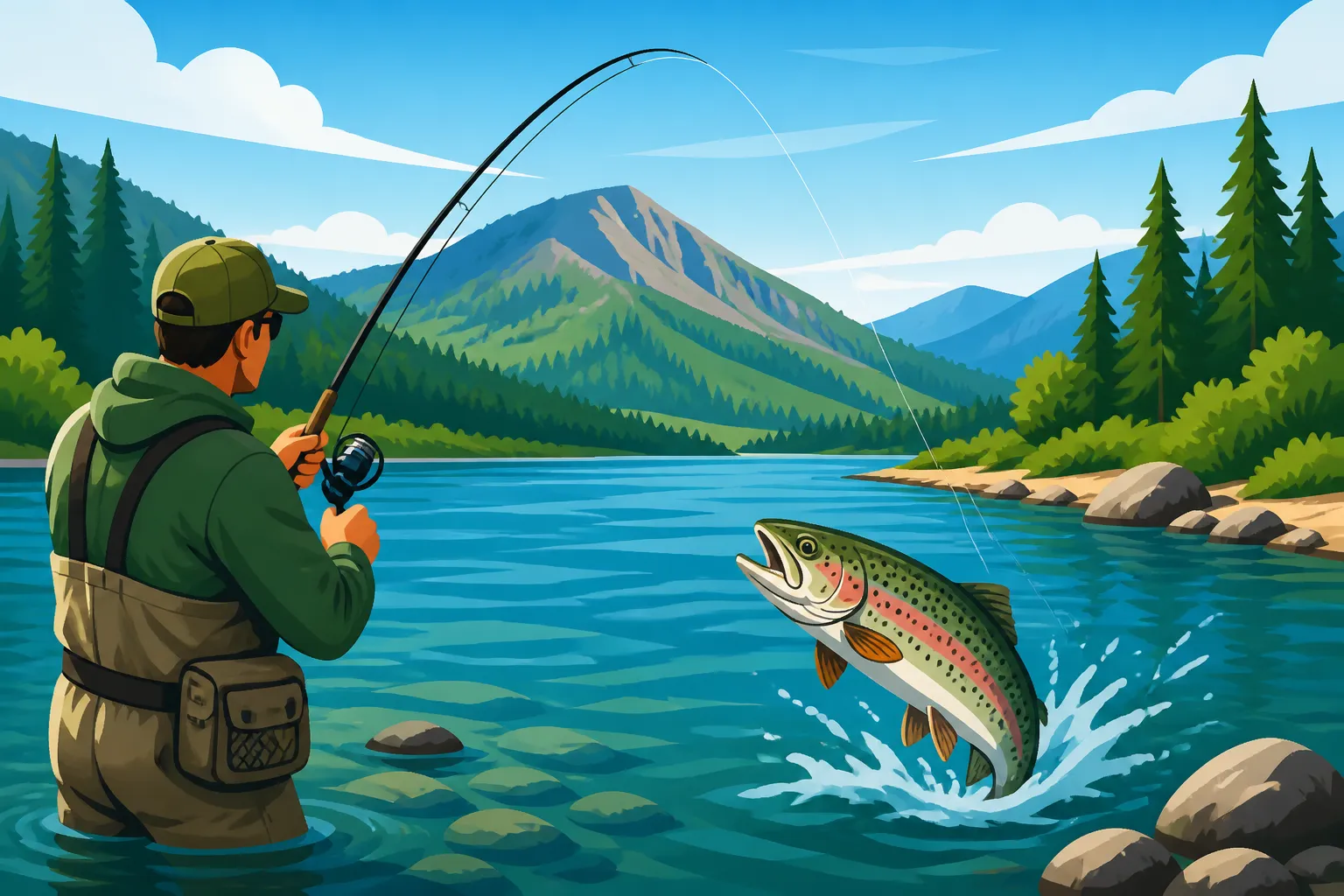
- Rainbow Trout: The Nechako's Rainbow Trout population is robust, with fish ranging from 10 to 20 inches, and sometimes larger. They are found throughout the river, often holding in seams, riffles, and structure like submerged logs or undercut banks. Spring (April-June) and fall (September-November) are prime times, as water temperatures are cooler, and insects are active. Fly fishing is incredibly popular for Rainbows, with techniques ranging from nymphing (using stoneflies, caddis, mayfly imitations) in deeper runs to dry fly fishing during hatches. Spin anglers can find success with small inline spinners, spoons, or even small jigs tipped with a worm or PowerBait. For additional techniques that translate well from lakes to rivers, consider reading "How to Catch Rainbow Trout in BC Lakes".
- Bull Trout: These predatory char are often found in the same waters as Rainbow Trout but tend to prefer deeper, cooler water and will readily consume smaller fish, salmon eggs, or even juvenile salmon. They are active year-round but are particularly opportunistic during salmon spawning, when they gorge on eggs. Large streamer patterns (such as sculpins or flesh flies) on a fly rod, or casting larger spoons, jerkbaits, or soft plastics that imitate baitfish on a spin rod, are effective methods. Bull Trout offer a powerful fight, and their striking coloration makes them a prized catch. Remember that Bull Trout are often managed with more restrictive regulations, so always consult the current "BC Fishing Regulations Explained" before targeting them.
Other Species: Whitefish, Burbot, and Sturgeon
While salmon and trout often steal the spotlight, the Nechako's other residents provide unique angling opportunities and can offer a pleasant surprise.
- Whitefish: Both Mountain and Lake Whitefish are abundant. They are bottom feeders, often found in moderate currents over gravel or sand. While not commonly targeted, they offer excellent sport on light tackle. Small nymphs, tiny spoons, or simple bait rigs with a worm or piece of corn fished on the bottom can catch them. They put up a respectable fight and are delicious pan-fried.
- Burbot: These peculiar, freshwater cod-like fish are typically found in the deeper, cooler sections of the river, especially during the colder months. They are mostly nocturnal. Anglers targeting Burbot often use glow-in-the-dark jigs tipped with bait (like a piece of fish or shrimp) fished directly on the bottom after dark. It's a niche fishery but can be very rewarding for those willing to brave the cold.
- White Sturgeon: Catching a White Sturgeon on the Nechako is a truly special event. While not as concentrated as in the lower Fraser, they do inhabit the lower reaches of the Nechako, especially near its confluence with the Fraser. These ancient fish are enormous and require extremely heavy tackle, specialized bait (often salmon parts), and considerable patience. Sturgeon fishing is almost exclusively catch-and-release, and proper handling is critical for their survival. If you are serious about targeting these giants, a guide is highly recommended, and researching "White Sturgeon Fishing on the Fraser River" will give you an idea of the commitment involved, as similar principles apply. Many guides listed on FishingBooker specialize in sturgeon fishing and can often adapt to Nechako opportunities if conditions are right.
Essential Gear and Techniques for the Nechako
Equipping yourself properly for the Nechako River is critical, as conditions and target species vary. A well-prepared angler will have a much more enjoyable and successful trip.
Rods, Reels, and Line Recommendations
Matching your gear to your target species and fishing style is paramount. You wouldn't use a delicate fly rod for a monster Chinook, nor a heavy conventional setup for a small trout.
- Trout and Whitefish (Light Tackle): For resident Rainbow Trout and Whitefish, a 6 to 7.5-foot light to medium-light spinning rod paired with a 1000-2500 size spinning reel is ideal. Spool it with 4-8 lb monofilament or braided line. For fly anglers, a 3-5 weight fly rod, 8.5 to 9 feet long, with a floating line is perfect for casting nymphs, dry flies, and smaller streamers.
- Coho Salmon (Medium Tackle): For the acrobatic Coho, a 7.5 to 9-foot medium to medium-heavy spinning or casting rod (rated for 10-20 lb line) is excellent. Pair it with a 3000-4000 series spinning reel or a baitcasting reel with good drag. Use 10-15 lb monofilament or 20-30 lb braided line with a fluorocarbon leader of 10-15 lb test. Fly anglers will want a 7-9 weight fly rod, 9-10 feet long, capable of casting larger streamers and sink-tip lines if needed.
- Chinook Salmon (Heavy Tackle): These powerful fish demand serious gear. An 8.5 to 10.5-foot medium-heavy to heavy conventional or spinning rod, rated for 15-30 lb line, is appropriate. Match this with a robust baitcasting reel (like an Ambassadeur 7000 or equivalent) or a large, powerful spinning reel (5000 series and up) with a smooth, strong drag. Spool with 20-30 lb monofilament or 40-65 lb braided line, always with a strong 20-40 lb fluorocarbon or monofilament leader. For bar fishing, even heavier custom rods and reels might be used to handle massive weights and powerful fish.
- Sturgeon (Extreme Heavy Tackle): If you're serious about the rare Nechako sturgeon, you'll need specialized gear, usually a 7-9 foot heavy-duty sturgeon rod, paired with a large conventional reel (e.g., Penn Fathom or Shimano Tekota) spooled with 80-150 lb braided line, and heavy leaders. This is gear typically provided by a specialized guide.
Lures, Baits, and Flies
The choice of terminal tackle is as varied as the fish themselves, and having a good selection is crucial.
- For Trout and Whitefish:
- Lures: Small inline spinners (Mepps, Panther Martin, Blue Fox Vibrax sizes 0-2), small casting spoons (Kastmaster, Little Cleo ¼-⅜ oz), small jigs (1/16-1/8 oz) in white, black, or olive.
- Baits: Worms (dew worms, nightcrawlers), PowerBait (salmon eggs, trout nuggets), cured roe.
- Flies: Nymphs (Prince Nymph, Hare's Ear, Pheasant Tail), dry flies (Elk Hair Caddis, Adams, Parachute Adams), small streamers (Woolly Bugger, Sculpzilla).
- For Coho Salmon:
- Lures: Spoons (Gibbs-Delta Koho, Croc, Pixie ¼-½ oz) in chartreuse, pink, blue, or silver. Spinners (Blue Fox Vibrax, Mepps Aglia sizes 3-5) in similar colors. Small jigs (½-1 oz) with plastic tails.
- Baits: Cured salmon roe (roe bags), small pieces of prawn or shrimp.
- Flies: Large streamers (Coho Bugger, Andre's Wiggle Jig, Popsicle) in bright colors (pink, chartreuse, purple).
- For Chinook Salmon:
- Lures: Large spoons (Gibbs-Delta Kitimat, Gator, Kroc ¾-1.5 oz) in brass, copper, silver, or bright colors. Large spinners (Blue Fox Vibrax #6-8). Large plugs (Kwikfish, Flatfish).
- Baits: Cured salmon roe (large chunks or roe bags), whole or cut baitfish (herring, anchovies), pieces of salmon belly.
- For Burbot: Jigs (½-1 oz) tipped with a piece of fish or shrimp, fished on the bottom. Glow-in-the-dark presentations are often effective.
Always use single, barbless hooks for salmon and steelhead, as it's often a regulation and significantly improves the survival rate of released fish. This is a critical point mentioned in "BC Fishing Regulations Explained".
Wading and Boating Considerations
Accessing the Nechako can involve a mix of shore fishing, wading, and boating, each with its own set of safety and equipment considerations.
- Wading: Many sections of the Nechako are wadable, especially during lower flows. Good quality waders (neoprene for colder weather, breathable for summer) and sturdy wading boots with felt or rubber soles (and often studs for extra grip) are essential. Always use a wading belt for safety. Be mindful of sudden drop-offs, strong currents, and slippery rocks. A wading staff can be an invaluable safety tool.
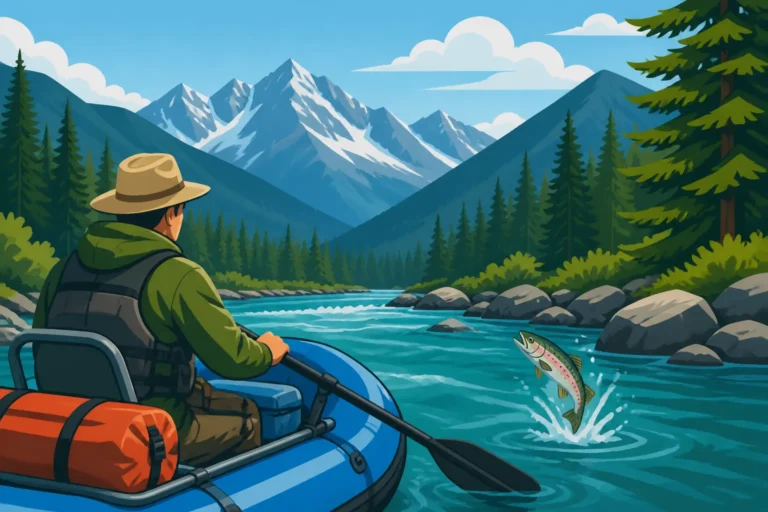
- Boating: Boating opens up vast stretches of the Nechako that are inaccessible by foot. Jet boats are commonly used for salmon fishing due to their ability to navigate shallow sections and strong currents, particularly near the Fraser confluence. Drift boats or rafts are excellent for floating longer sections, offering a quiet approach to various runs and pools, especially for fly fishing. Always adhere to "BC Boating Laws for Anglers" and carry all required safety equipment, including life jackets for everyone on board. If you're using a boat for the first time on a new river, it’s always a good idea to go with someone experienced or hire a guide.
Navigating Regulations and Conservation
Fishing in British Columbia comes with a responsibility to understand and adhere to the regulations. This ensures sustainable fisheries for future generations. Ignoring these rules can lead to significant penalties.
Licenses and Stamps
First and foremost, before you even cast a line, you absolutely must have the correct fishing license. For freshwater fishing on the Nechako River, you'll need a valid BC Freshwater Fishing License. If you plan to target salmon, you'll also need a mandatory Freshwater Salmon Conservation Stamp, which is purchased in addition to your basic license. This stamp directly contributes to salmon conservation efforts, so it's money well spent.
It’s crucial to know the difference between resident and non-resident licenses, as costs vary significantly. Kids under 16 often have exemptions for the basic license, but they still might need to adhere to specific salmon stamp requirements if retaining salmon. The regulations can change annually, sometimes even mid-season, so always consult the latest official synopsis. For a complete breakdown, your go-to resource should be the "British Columbia Fishing License Guide for 2026", which will clarify all age, residency, and species-specific requirements.
Catch Limits and Special Rules
Beyond the license, understanding species-specific catch limits (bag and possession limits) and any special regulations for the Nechako River itself is non-negotiable. British Columbia employs a complex system of regulations that can vary not only by region but also by specific river sections, species, and even time of year.
For the Nechako, common special regulations might include:
- Bait Bans: Certain sections or times of year may have bait bans in place, requiring the use of only artificial lures or flies.
- Single Barbless Hooks: This is a widespread regulation across BC for salmon and steelhead, designed to minimize harm to released fish. Always crimp down your barbs or use hooks that are manufactured barbless.
- Gear Restrictions: There might be limitations on the number of hooks, types of lines, or specific methods allowed (e.g., no snagging).
- Retention vs. Catch-and-Release: Some species, or specific runs of species (especially Sockeye or Steelhead), may be designated as "catch-and-release only" to protect vulnerable populations. For example, if you encounter sturgeon, they are strictly catch-and-release.
The "BC Bag and Possession Limits by Species" document will provide the overarching rules, but always supplement this by checking the official BC Freshwater Fishing Regulations Synopsis for any area-specific closures or restrictions impacting the Nechako. These notices are frequently updated and are your best source for real-time information.
Conservation Practices
As anglers, we are stewards of the resource. Practicing responsible conservation isn't just about following rules; it's about ethical angling and ensuring healthy fish populations for generations to come.
- Catch and Release Best Practices: If you're practicing catch and release, handle fish minimally and gently. Keep them in the water as much as possible. Avoid dragging them onto banks or rocks. Use wet hands when handling. Remove hooks quickly and cleanly. If a fish is deeply hooked, cut the line as close to the hook as possible.
- Avoid Spawning Beds: During spawning seasons, identifiable by redds (depressions in the gravel where eggs are laid), avoid wading through or fishing directly over these areas. Disturbing spawning fish or their nests can have severe impacts on future populations.
- Pack It In, Pack It Out: Leave no trace. Take all your garbage, discarded fishing line, and anything else you brought with you. Better yet, pick up any litter you find.
- Report Poaching: If you witness illegal fishing activity, report it to the Report All Poachers and Polluters (RAPP) line. This is crucial for protecting BC's fisheries.
- Respect Private Property: Always be aware of land ownership and respect private property boundaries. Stick to designated public access points.
The Nechako River is a precious resource. By being informed, responsible, and ethical, we can all contribute to its health and ensure it remains a fantastic fishing destination for years to come. Checking the "Reading the BC Freshwater Fishing Regulations Synopsis" can empower you to stay on the right side of the law and be a responsible angler.
Planning Your Nechako Adventure
A successful fishing trip to the Nechako River involves more than just knowing where to cast. Thoughtful planning regarding access, amenities, and potential professional assistance can make all the difference.
Access Points and Facilities
The Nechako River flows through a relatively accessible part of central British Columbia, with several towns and communities along its banks. However, much of the river is bordered by private land, so identifying public access points is key.
- Vanderhoof: This town is often the primary hub for anglers exploring the upper Nechako. Riverside Park offers excellent public access, including a boat launch, picnic areas, and walking trails. It’s also home to tackle shops and grocery stores where you can stock up on supplies. There are also several informal access points under bridges or at various road allowances upstream and downstream from Vanderhoof that local anglers know about, but these may not always be well-marked.
- Prince George: As the largest city in northern BC, Prince George provides extensive amenities. Closer to the Nechako-Fraser confluence, you'll find numerous parks like Cottonwood Island Park, which offers shore access and trails along the river. There are multiple boat launches on the Fraser River that allow access to the lower Nechako. Prince George also boasts several sporting goods stores, bait and tackle shops (like Total Outdoors), and a wide range of accommodation and dining options.
- Campgrounds and Lodging: Throughout the region, you’ll find provincial parks and private campgrounds that can serve as excellent bases for your fishing trip. Check BC Parks for options, many of which offer direct or nearby river access. For those preferring more comfort, hotels and motels are available in Vanderhoof and Prince George.
Before heading out, use online mapping tools to identify potential public access points, look for any recent reports on river conditions, and if possible, speak with local tackle shop owners. They often have the most current information on productive spots and good access.
Hiring a Guide for Nechako River
For many anglers, especially those visiting for the first time or wanting to specifically target challenging species like Chinook or sturgeon, hiring a local guide is an investment that pays dividends. Guides possess invaluable local knowledge, expertise in current conditions, and often specialized equipment.
- Benefits of a Guide: A good Nechako guide will know the river intimately – where the fish are holding, what baits or flies they prefer, and how to navigate safely. They can also provide all the necessary gear, often tailored to the specific techniques used on the Nechako. This means less gear for you to transport and worry about. Perhaps most importantly, they understand the often-complex local regulations and conservation practices, ensuring you have a legal and ethical trip. This local knowledge is invaluable, especially when trying to understand the nuances of a river like the Nechako which can be less publicized than the Fraser or Skeena.
- Finding a Reputable Guide: When you're looking for someone with intimate knowledge of the Nechako's ever-changing currents and prime fishing spots, checking services like FishingBooker can connect you with highly-rated local experts. You can filter by species, trip duration, and even read reviews from previous clients, helping you find a guide who specializes in the Nechako and its unique challenges. Don't forget to check FishingBooker for guides who offer both float trips and shore-based excursions, tailored to your preferred fishing style. Before booking, have a clear discussion about what's included (gear, bait, snacks, fish cleaning), what isn't (license, stamps), and what to bring. You can learn more about how to make an informed choice by reading "How to Choose a BC Fishing Charter". While the Nechako is mostly river guiding, the principles for choosing a good professional are the same.
Safety and Preparedness
The wilderness of British Columbia is stunning, but it demands respect. Safety should always be your top priority when fishing the Nechako.
- River Conditions: The Nechako can be unpredictable. Water levels can rise or fall quickly, currents can be strong, and the riverbed can be uneven. Always check water levels before wading or launching a boat. If you’re unsure about wading conditions, err on the side of caution.
- Wildlife Awareness: You are in bear country. Carry bear spray and know how to use it. Make noise while walking, and keep food secured. Other wildlife, such as moose and deer, are common.
- Weather: Mountain weather can change rapidly. Dress in layers, including waterproof outer shells. Bring extra dry clothes. Carry a first-aid kit, a headlamp, fire-starting materials, and sufficient food and water.
- Communication: Cell service can be spotty or non-existent in remote areas. Consider carrying a satellite messenger or a VHF radio, especially if boating. Always let someone know your float plan, including where you're going and when you expect to return.
- Boating Safety: If you're operating a boat, ensure it's in good working order, you have enough fuel, and all required safety equipment is on board. Have a designated sober operator.
A little preparedness goes a long way in ensuring your Nechako River fishing adventure is memorable for all the right reasons.
Here's a quick overview of target species and methods on the Nechako River:
| Target Species | Best Season | Primary Location | Recommended Techniques | Key Gear |
|---|---|---|---|---|
| Rainbow Trout | Spring, Fall, Year-round | Upper/Middle river, runs, pools | Fly fishing, Spin casting | Light spinning/fly rod, small lures/flies |
| Chinook Salmon | Late Summer, Early Fall | Middle/Lower river, deep pools | Bar fishing, Drift fishing | Heavy conventional gear, roe, spoons |
| Coho Salmon | Fall (Late Aug-Oct) | Middle/Lower river, riffles | Spin casting, Fly fishing | Medium spinning/fly rod, spoons, streamers |
| Whitefish | Year-round | Throughout, moderate currents | Bottom fishing, Light spin | Light tackle, worms, small nymphs |
| Bull Trout | Year-round | Throughout, deeper pools | Streamer fly, Larger lures | Medium-heavy gear, baitfish imitations |
| White Sturgeon | Summer (rare) | Lower river, deep holes | Specialized bottom fishing | Extreme heavy tackle, fish bait (Guide) |
| Burbot | Winter, Night | Deep pools | Bottom jigging (often at night) | Medium-heavy gear, glow jigs, fish bait |
Disclaimer
Fishing in British Columbia involves inherent risks. Always check the most current regulations, conditions, and advisories before heading out. The information provided here is for general guidance only and should not replace official sources or professional advice. Always prioritize your safety and practice responsible angling.