Best multi-day float trips on BC rivers
There’s something truly magical about hitting the reset button, stepping away from the daily grind, and immersing yourself completely in the wild. For many anglers, the ultimate expression of this freedom is a multi-day float trip down one of British Columbia’s incredible rivers. But let's be honest, dreaming about it is one thing, and actually figuring out the logistics for such an adventure is a whole different ballgame. It can feel overwhelming trying to choose the right river, understand the regulations, and pack for days away from civilization. That's exactly why I've put together this comprehensive guide – to help demystify the process and inspire you to plan your unforgettable BC river journey.
Why Multi-Day Float Trips Are the Ultimate BC Fishing Adventure
A multi-day float trip isn't just a fishing expedition; it's an experience that weaves together the thrill of the catch with the peace of untouched wilderness. It's about more than just landing a fish; it's about the entire journey, the nights spent under starry skies, and the quiet camaraderie forged on the river.
Unplugging and Immersing Yourself in Wilderness
In our hyper-connected world, true escape feels increasingly rare. Multi-day float trips offer a profound opportunity to disconnect from screens and reconnect with nature on an entirely different level. Imagine waking up to the sound of a rushing river, the smell of pine, and the anticipation of a day spent drifting through breathtaking landscapes. You’re not just passing through; you’re living in it, even if just for a few days.
This immersion allows for a deeper appreciation of the ecosystems you’re fishing. You see the subtle changes in the river, observe wildlife in their natural habitat – perhaps a bear foraging on the bank, eagles soaring overhead, or deer drinking from the water's edge. It's a primal experience that recharges the soul and reminds you of the simple beauty of the natural world, far from cell service and email notifications. It's a truly restorative journey for both body and mind.
Accessing Untouched Fishing Waters
One of the biggest draws of a multi-day float trip is the unparalleled access it grants to sections of rivers that are simply unreachable by vehicle. This means fewer crowds, less pressured fish, and a genuine sense of discovery as you drift into pristine pools and runs. You're fishing waters that haven't seen a lure or fly in days, or even weeks, depending on the river and its remoteness.
These trips allow you to systematically fish miles of prime habitat, moving from one productive spot to the next without having to pack up and drive to a new location each day. You get to intimately learn a stretch of river, understanding its nuances and how fish hold in different conditions. This can lead to incredible fishing opportunities for species like wild steelhead, massive salmon, or ancient sturgeon, making the effort of planning and executing such a trip incredibly rewarding.
Top BC Rivers for Multi-Day Float Trips
British Columbia is blessed with an abundance of world-class fishing rivers, and many of them lend themselves perfectly to multi-day float adventures. The choice often depends on what species you’re targeting, your desired level of remoteness, and the time of year.
The Mighty Skeena River and Its Tributaries
The Skeena River system in northern BC is legendary, revered worldwide for its incredible salmon and steelhead runs. A multi-day float here is often considered a pilgrimage for serious anglers. Tributaries like the Bulkley River and the Kispiox River are particularly famous for their robust steelhead populations, offering challenging yet incredibly rewarding fishing.
Floating the Skeena or its major tributaries usually involves drift boats or rafts, moving slowly downstream, fishing prime holding water as you go. The landscape is absolutely stunning, with towering mountains, dense forests, and wildlife around every bend. Timing is crucial here; early fall is often prime for aggressive coho salmon and incoming steelhead, while later into the fall offers some of the best opportunities for trophy steelhead. Understanding the nuances of the season and specific regulations, such as those covered in BC Steelhead Season Dates, is paramount for success.
Fraser River: Sturgeon and Salmon Epicenter
Closer to Vancouver, the Fraser River offers a completely different, but equally compelling, multi-day float experience. While much of the lower Fraser is accessible by jet boat for day trips, the middle and upper stretches, or even multi-day drifts on specific tributaries, can offer unique camping and fishing adventures. The Fraser is famous for its prehistoric white sturgeon, offering the chance to hook into truly massive fish that require immense effort and skill to bring to the boat for a quick photo and release. You can learn more about the rules for these majestic fish in BC Fraser River Sturgeon Catch and Release Requirement.
Beyond sturgeon, the Fraser hosts incredible runs of all five species of Pacific salmon. Imagine spending a few days drifting, anchor fishing for Chinook salmon in deep pools, or casting for aggressive coho in side channels. Camping on one of the Fraser's countless sandbars is a quintessential BC experience, with huge skies and the sound of the vast river flowing past your tent. It's less about remote wilderness and more about experiencing the sheer power and abundance of one of Canada's most important rivers.
Remote Northern Rivers: Dean and Thompson
For the truly adventurous, British Columbia offers a number of incredibly remote rivers that demand a significant commitment but reward anglers with unparalleled wilderness experiences and some of the finest fishing on the planet. The Dean River, for instance, accessible usually by float plane, is famed for its strong, acrobatic wild steelhead. A multi-day float here is an intense, immersive journey, often involving jet boats to move upriver, then drifting back down.
Similarly, the Thompson River is renowned for its specific run of powerful summer-run steelhead. While parts are road-accessible, a multi-day float allows you to cover more ground and reach less-pressured areas. These trips are not for the faint of heart; they require careful planning, robust gear, and often the expertise of experienced guides who know these challenging waters inside and out. The rewards, however, are often once-in-a-lifetime encounters with some of the strongest freshwater fish in the world and an unforgettable connection to pristine nature. It’s definitely worth looking into the specific nuances of BC Thompson River steelhead regulations if you’re considering this incredible challenge.
Planning Your BC Multi-Day Float Trip: Essential Considerations
Planning a multi-day float trip is an undertaking that requires meticulous attention to detail. It’s not like heading out for a day trip; you’re responsible for everything from your shelter to your food, and most importantly, your safety.
Choosing Your Vessel: Rafts, Drift Boats, and Canoes
The type of vessel you choose will largely depend on the river you’re floating, the species you're targeting, and your personal comfort level and experience. Each has its advantages and disadvantages.
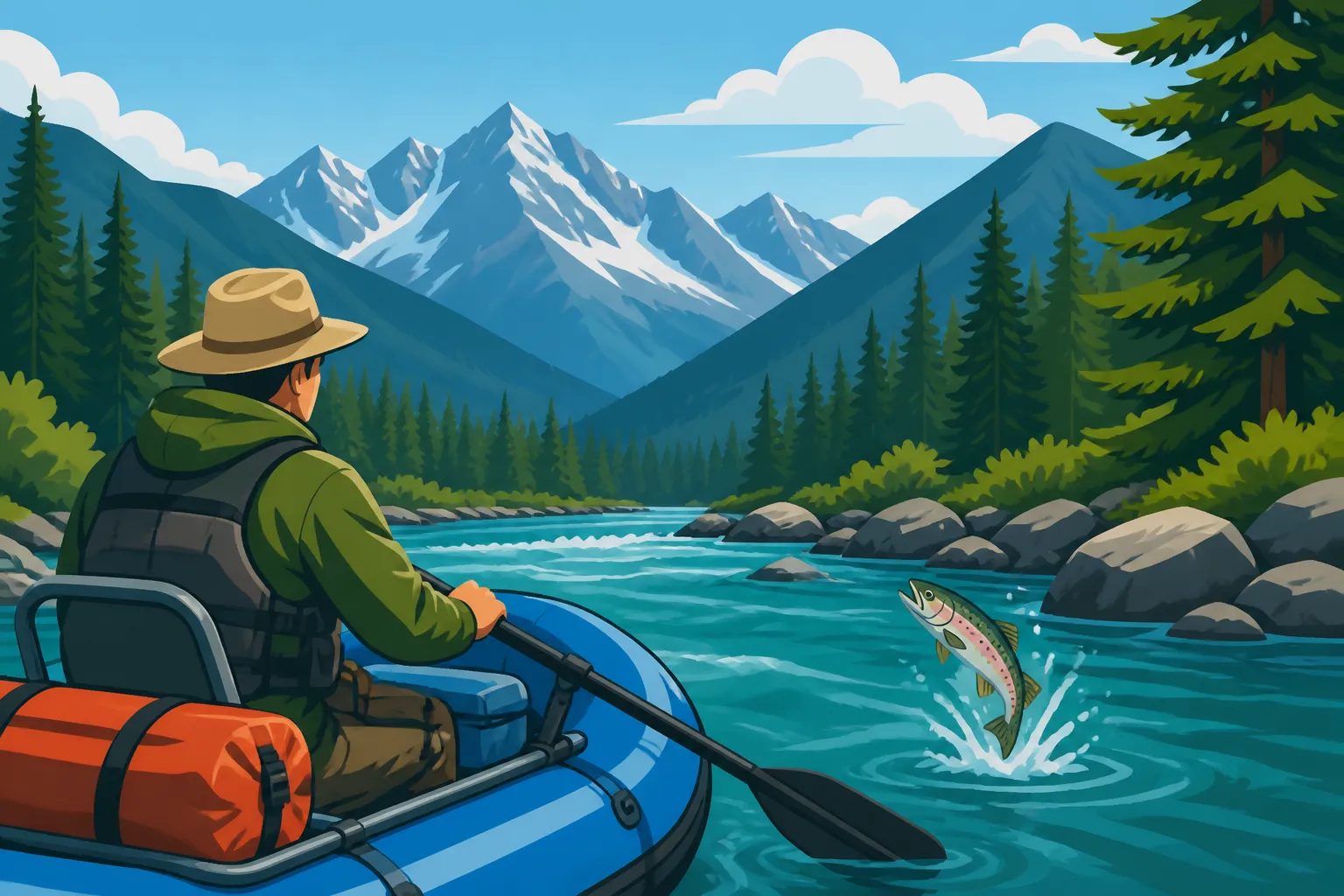
Rafts are often the most stable and forgiving option, especially on larger, faster, or more braided rivers like the Skeena. They can carry a lot of gear, making them ideal for longer trips with multiple people, and they handle rocky sections or rapids well. Their stability is a huge plus when fighting large fish or navigating challenging currents. However, they can be slower to row and less maneuverable in precise fishing situations compared to a drift boat.
Drift boats are purpose-built for river fishing. They are highly maneuverable, allowing anglers to precisely work specific runs and pockets. Their flat bottom designs allow them to navigate shallower waters, and their stability is excellent for standing and casting. They are generally faster to row than rafts, which can be an advantage when covering long stretches. On the downside, they have less storage space than rafts and can be more susceptible to damage on very rocky rivers. Many guides, especially for steelhead rivers, prefer drift boats for their efficiency and fishing advantages.
Canoes are a classic choice for smaller, calmer rivers or lakes with connecting river sections. They offer a quiet, intimate experience, perfect for stealthy approaches to fish. They are lightweight and can be portaged relatively easily. However, they carry less gear, are less stable than rafts or drift boats, and are generally not suitable for fast water, large rapids, or rivers where you might hook into very large, powerful fish like sturgeon or ocean-run salmon. They are a great option for exploring quieter interior lakes and their feeder streams, but less common for the big, brawling salmon and steelhead rivers.
Gear, Logistics, and Safety on the River
Beyond your fishing tackle, what you pack and how you plan your trip is crucial for a successful and safe multi-day float.
Camping Gear: Think durable, waterproof, and compact. You'll need sturdy tents, comfortable sleeping bags rated for potentially cold nights, and insulated sleeping pads. A reliable stove and cooking system are essential, along with a cooler for food. Pack cooking utensils, plates, and mugs. Remember, you’ll be carrying everything, so efficiency is key. For longer trips, consider how to re-supply if needed.
Personal Gear: Layered clothing is a must, as BC weather can change quickly. Waterproof outer layers (jacket and pants) are non-negotiable. Sturdy river shoes or wading boots are important, as are camp shoes for comfort. Don't forget sunscreen, bug spray, a headlamp, and a first-aid kit.
Safety Equipment: This is paramount. Every boat needs appropriate PFDs (personal flotation devices) for all occupants. A throw bag, rescue rope, and bailer are essential. Carry a satellite communication device like a Garmin inReach or a satellite phone, as cell service is often non-existent in remote areas. A whistle, knife, and bear spray are also critical. Always let someone know your float plan, including put-in and take-out points, and estimated return time. Familiarize yourself with Life Jacket Requirements for BC Boaters before you even launch.
Food and Water: Plan your meals carefully, opting for nutrient-dense, easily prepared foods. Bring more water than you think you’ll need, or a reliable water filter/purifier. Dehydrated meals can save weight and space.
Permits and Licenses: Always, always ensure you have the correct fishing license for the waters you’ll be fishing – whether it's freshwater, tidal, or requires specific stamps like a salmon conservation stamp or a steelhead conservation surcharge stamp. Consult resources like the British Columbia Fishing License Guide for 2026 and Reading the BC Freshwater Fishing Regulations Synopsis. Additionally, some areas might require park permits or special use permits for camping or launching. Check with BC Parks or relevant land management agencies well in advance. And crucially, stay informed about BC Fishery Notices and In-Season Closures, Explained as regulations can change frequently.
Guided vs. Self-Guided Adventures
This is a big decision, especially for a multi-day float trip. Both options offer distinct experiences.
Self-Guided: This option is usually more budget-friendly and offers the ultimate in freedom and flexibility. You set your own pace, choose your own camps, and fish exactly how and where you want. However, it demands a high level of experience in river navigation, outdoor survival, and local fishing knowledge. You're responsible for all the gear, food, shuttle arrangements, and safety. This is best suited for experienced backcountry adventurers and anglers who are intimately familiar with the specific river they plan to float.
Guided: For many, especially those new to multi-day floats or unfamiliar with BC's complex river systems, a guided trip is often the best choice. Guides provide all the necessary river gear (boats, safety equipment), excellent meals, and typically a comfortable camp setup. More importantly, they bring invaluable local knowledge of the river, its fish, and current conditions. They handle all the logistics, including shuttles and permits, allowing you to focus purely on the fishing and the experience. Guides also prioritize your safety and can react effectively to unforeseen circumstances. Many reputable BC fishing charters and guides, often found on platforms like FishingBooker, specialize in these multi-day adventures and can customize a trip to your preferences. They often have access to prime put-in and take-out spots and understand the intricate BC Fishing Regulations Explained for various species and stretches of water.
What to Expect: Life on a Multi-Day Float Trip
So, you’ve planned everything, chosen your river, and perhaps even booked a guide. What does life actually look like on a multi-day float trip in BC?
Daily Routine and Fishing Opportunities
A typical day on a multi-day float trip starts early, usually with the sun rising over the river. After a quick, hearty breakfast and coffee, camp is packed up, and you're back on the water, often by 8 or 9 AM. The day is then spent slowly drifting downstream, with frequent stops to fish prime runs, pools, and riffles. Your guide (if you have one) will position the boat, providing instruction and spotting fish, or you'll be navigating and casting on your own.
Lunch is usually a riverside affair, a chance to stretch your legs and refuel amidst stunning scenery. The afternoon continues with more drifting and fishing, perhaps focusing on different techniques or targeting specific species as conditions change. You might spend hours swinging flies for steelhead, drifting bait for sturgeon, or casting spinners for aggressive coho. The beauty is the constant movement and discovery of new water. By late afternoon or early evening, a suitable campsite is chosen, and the process of setting up camp, preparing dinner, and enjoying the evening begins. It’s a rhythm dictated by the river and the fish, an experience that quickly erases the memory of city life.
Camp Life and Wilderness Etiquette
Camp life on a multi-day float trip is simple, rustic, and incredibly rewarding. Tents are usually pitched close to the river, offering spectacular views. Dinners are often prepared over a campfire or on a portable stove, and taste infinitely better after a full day on the water. Evenings are for sharing stories, tying flies, or simply soaking in the quiet of the wilderness. Stargazing away from light pollution is often a highlight.
Practicing "Leave No Trace" principles is absolutely critical. This means packing out everything you pack in, including all garbage and food scraps. Human waste needs to be properly managed (cat holes or portable toilets are often used). Fires should only be built in designated areas or where permissible and completely extinguished. Respecting wildlife by maintaining distance and storing food properly to avoid attracting bears is essential. We are guests in these wild spaces, and it’s our responsibility to leave them as pristine as we found them. Understanding rules like BC Fishing Regulations Explained extends to how we interact with the environment around the river, not just the fish in it.
Comparing BC Float Trip Rivers
Here’s a quick overview of some popular rivers for multi-day float trips in BC to help you decide:
| River System | Primary Species | Best Time of Year | Difficulty/Experience | Key Features |
|---|---|---|---|---|
| Skeena (Main & Tributaries: Bulkley, Kispiox) | Steelhead, Chinook, Coho | Late Summer to Fall | Moderate to Advanced | World-class wild steelhead, remote wilderness, diverse salmon runs. |
| Fraser (Lower to Mid-sections & select tributaries) | White Sturgeon, Chinook, Sockeye, Coho | Spring (sturgeon), Summer-Fall (salmon, sturgeon) | Beginner to Moderate | Giant sturgeon, massive salmon runs, sandbar camping, accessible. |
| Dean River | Wild Steelhead, Chinook | Summer | Advanced | Highly remote, challenging, legendary for hot steelhead. |
| Thompson River | Steelhead | Fall | Advanced | Famous for powerful summer-run steelhead, beautiful canyon scenery. |
| Elk River (Kootenays) | Cutthroat, Rainbow, Bull Trout | Spring-Fall | Easy to Moderate | Fly fishing paradise, stunning mountain views, good for canoes/rafts. |
Disclaimer
Please be aware that fishing regulations in British Columbia can change frequently and vary by region, species, and time of year. Always consult the official BC Freshwater Fishing Regulations Synopsis or the Marine Tidal Waters Regulations and relevant Fishery Notices before heading out on any fishing trip. The information provided here is for general guidance only and should not be considered a substitute for official government sources. Stay safe and fish responsibly!