Elk River Trout Fishing
The Elk River, snaking through the stunning Kootenay Rockies of southeastern British Columbia, presents a truly unique and often challenging experience for any angler seeking out wild trout. Many hopeful anglers arrive eager for epic dry fly action, only to be met with finicky fish or tricky currents, which can be a real frustration if you’re not prepared for its specific demands. This comprehensive guide will equip you with the knowledge needed to unlock the Elk River's secrets, from understanding its resident trout species to mastering the techniques that lead to success on its fabled waters.
Why the Elk River is a Fly Angler's Paradise
The Elk River isn't just another beautiful stream; it's a living legend in the fly-fishing world, especially for those who dream of casting dry flies to rising trout. Its pristine, cold waters, fed by snowmelt and rain, carve a path through breathtaking mountain scenery, offering not just exceptional fishing but an immersive wilderness experience that's hard to beat. However, its reputation means it draws keen anglers from all over, making the fish quite educated and the pursuit often a rewarding test of skill and patience.
A World-Class Dry Fly Fishery
What really sets the Elk River apart, particularly during the warmer months, is its incredible dry fly fishing. Imagine standing in crystal-clear water, surrounded by towering peaks, watching a perfectly presented fly disappear in a subtle sip or an explosive splash from a wild trout. That's the magic of the Elk. The river boasts prolific insect hatches throughout the spring, summer, and fall, providing a smorgasbord for its resident trout. From early season stoneflies to consistent caddis and mayfly emergences, there's almost always something happening on the surface.
This abundance of natural food means the trout are often looking up, creating fantastic opportunities for sight fishing. However, these fish are not easily fooled. Years of angling pressure have made them wary, demanding precise casts, delicate presentations, and a keen eye for subtle rises. It’s a place where your casting accuracy and understanding of insect behavior will be truly put to the test, but the payoff for cracking the code is immense and incredibly satisfying.
The Kootenay's Emerald Gem
Flowing through the Elk Valley in the heart of British Columbia's Kootenay region, the river is more than just a fishery; it's an integral part of a vibrant ecosystem nestled between the Canadian Rockies. The backdrop of rugged mountains, lush forests, and abundant wildlife adds another layer to the angling experience, making every cast feel like a true escape into nature. This incredible natural setting is a huge part of its allure, drawing those who appreciate both the sport and the scenery.
The river's headwaters begin high in the Rocky Mountains, flowing south and then west before joining the Kootenay River near Lake Koocanusa. This long journey through diverse landscapes contributes to its rich aquatic life and varied fishing conditions, from narrow, turbulent stretches in the upper reaches to wider, more meandering sections downstream. Exploring these different environments is part of the adventure, offering new challenges and rewards around every bend.
Identifying Your Quarry: Trout Species in the Elk River
While the Elk River is primarily known for its Westslope Cutthroat Trout, it’s also home to other fascinating species that capture the hearts of anglers. Each species has its own unique characteristics, preferred habitats, and fishing nuances, making the experience dynamic and requiring adaptable techniques. Understanding who you're casting to is the first step toward a successful day on the water.
The Elusive Westslope Cutthroat Trout
The Westslope Cutthroat Trout ( Oncorhynchus clarkii lewisi ) is undoubtedly the star of the Elk River. These beautiful fish are recognized by the distinctive red or orange slash marks under their lower jaws, hence the "cutthroat" name. They typically range from 12 to 20 inches, though larger specimens are certainly caught, especially earlier in the season. What makes them so beloved by fly anglers is their eagerness to rise to a well-presented dry fly, often in swift currents or along seam lines.
They prefer cold, clear, well-oxygenated water, making the Elk River ideal habitat. Westslope Cutthroat are opportunistic feeders, consuming a wide variety of insects, both aquatic and terrestrial. You'll often find them tucked into eddy lines, behind rocks, or along undercut banks, waiting for food to drift by. Their conservation is paramount in this region, and responsible angling practices, particularly strict catch and release, are crucial to maintaining their healthy populations.
Bull Trout – The River's Apex Predator
Sharing the waters with the cutthroat are the impressive Bull Trout ( Salvelinus confluentus ), a species that demands respect and careful handling. These char are distinctly different from the cutthroat, characterized by their olive-green to bluish-grey bodies with scattered pale yellow or pinkish-red spots. Unlike the cutthroat, Bull Trout are predatory, often feeding on smaller fish, including other trout, as they grow larger. They can reach significant sizes in the Elk, sometimes exceeding 25 inches and putting up an incredible fight.
Bull Trout are a species of special concern in many areas, including British Columbia, and fishing for them comes with very specific regulations. Many sections of the Elk River are designated as catch and release only for Bull Trout, with strict gear restrictions often in place. It's absolutely critical for anglers to familiarize themselves with the current BC Freshwater Fishing Regulations Synopsis to ensure they are compliant and doing their part to conserve these magnificent fish. They tend to prefer deeper, colder pools and structure, often lurking near the bottom, waiting to ambush prey.
Rainbow Trout – A Smaller, Feistier Cousin
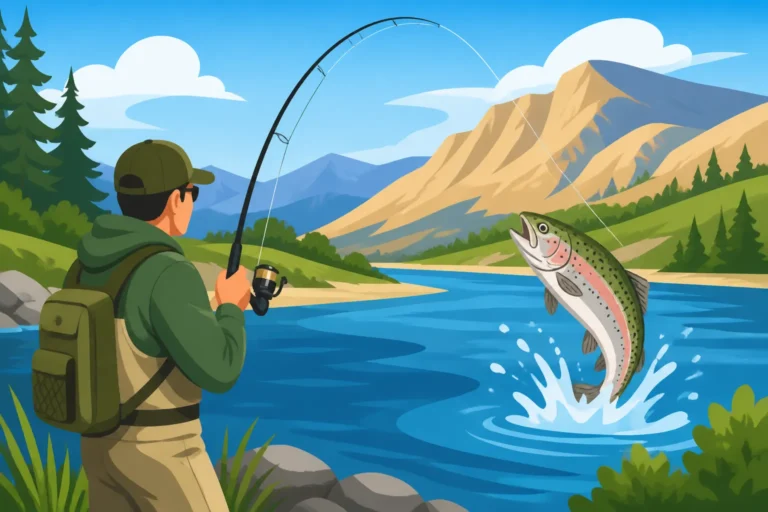
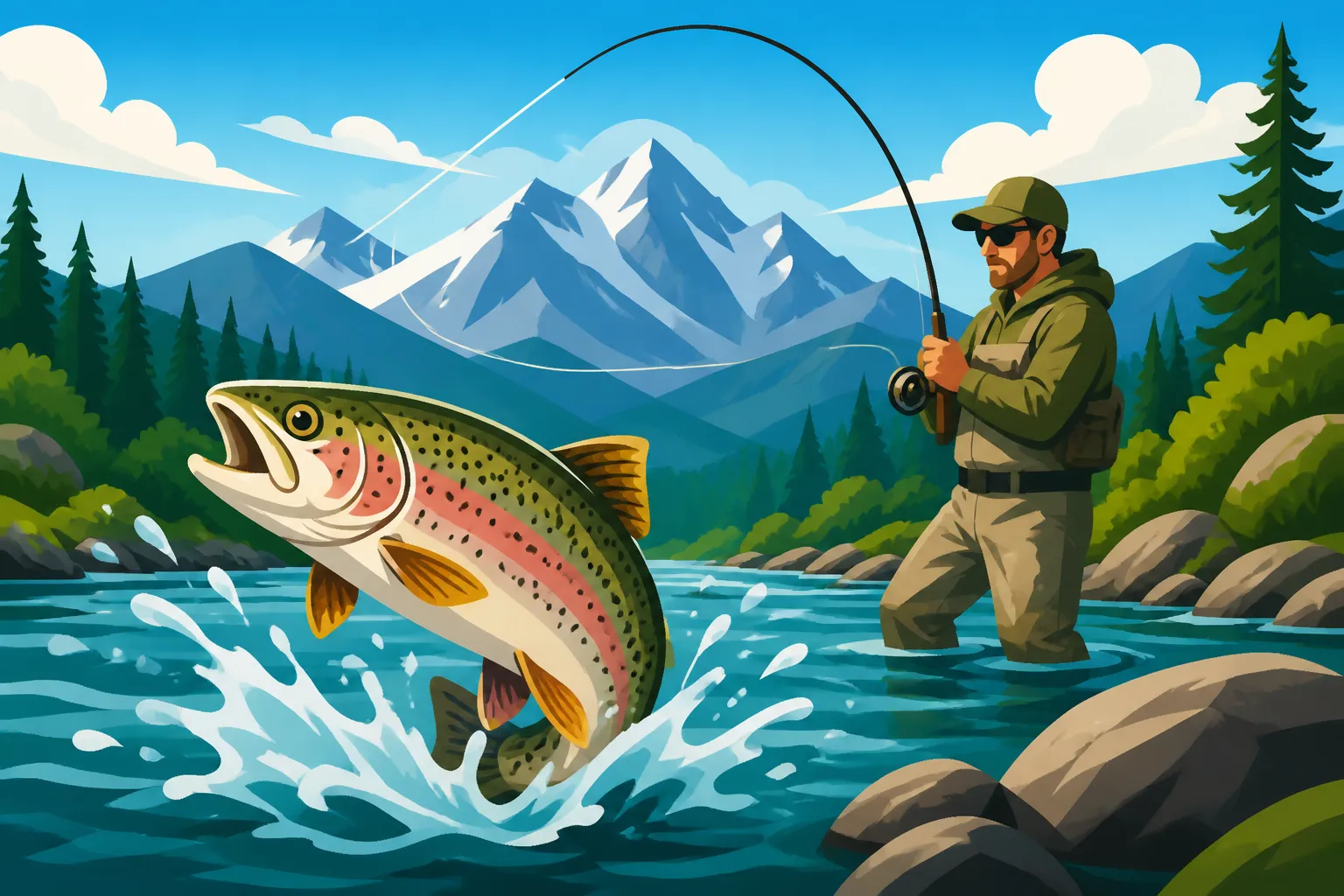
While not as abundant or as large as the Westslope Cutthroat in many sections of the Elk, Rainbow Trout ( Oncorhynchus mykiss ) do inhabit parts of the river system. These spirited fish, known for their iridescent stripe along their sides, offer a different kind of challenge. They are often found in similar habitats to cutthroat, especially in areas with good oxygenation and insect activity.
In the Elk River, the Rainbow Trout you'll encounter are typically smaller than the trophy-sized ones found in some of BC's larger lakes or other river systems. However, what they lack in size, they often make up for in fighting spirit. They are strong swimmers and can make impressive jumps when hooked, adding an exciting dimension to your angling day. Targeting them often involves similar dry fly or nymphing techniques used for cutthroat, though they can sometimes be a bit pickier. If you're looking for bigger rainbows, you might explore techniques described in guides like How to Catch Rainbow Trout in BC Lakes, but for the Elk, it's about appreciating the wild, smaller specimens.
Timing is Everything: Best Seasons and River Conditions
The Elk River is a four-season fishery in spirit, but in reality, specific windows offer the most productive and enjoyable trout fishing. Understanding the river's annual cycles, from the powerful spring runoff to the crisp fall spawns, is key to planning a successful trip. The conditions can change dramatically, dictating not only where the fish are but also what they're willing to eat.
Spring Run-off and Early Season Opportunities
Spring on the Elk River is a period of dramatic transformation. As the snowpack in the Rockies begins to melt, the river swells, often turning high and murky from late May through early June. This "run-off" period can be incredibly challenging for anglers due to fast currents and reduced visibility. However, it's not without its opportunities. As the river slowly begins to drop and clear, typically towards mid-June, the fishing can explode. The water, though still strong, becomes more accessible, and large stonefly hatches can trigger aggressive feeding from the cutthroat.
This early season, right as the clarity improves, often produces some of the biggest fish of the year. The trout, having survived winter, are hungry and less selective than they will be later in the summer. Focusing on larger nymph patterns or streamers fished close to the banks and in slower seams can be highly effective. It’s a time for heavier leaders and strong tippet, as the powerful currents and potentially larger fish demand robust gear. Always check current river levels and clarity before heading out, as conditions can vary wildly year to year and even week to week. You can find detailed information on these seasonal changes in resources like BC Fishing Season Dates and Closures.
Summer Dry Fly Extravaganza
When the Elk River settles into its summer flows, usually from late June through August, it becomes the celebrated dry fly destination it’s famous for. The water is often gin-clear, providing exhilarating sight-fishing opportunities but also making the trout incredibly wary. This is prime time for prolific hatches of various caddis, mayflies, and even terrestrials like grasshoppers and ants.
Anglers will often spend their days stalking individual rising fish, making precise casts with delicate leaders and tiny dry flies. The challenge here isn't necessarily finding fish, but fooling them. Presentation becomes paramount, with drag-free drifts being the holy grail. Low light conditions, early mornings, and late evenings, often bring the most consistent dry fly action, but hatches can occur throughout the day. It’s a truly immersive experience that requires patience, observation, and a refined touch.
Fall – Big Fish and Spawning Colors
As summer transitions into fall, typically September and October, the Elk River takes on a new character. Water temperatures begin to cool, and the river sees a decrease in insect hatches, but an increase in the size and aggression of the fish. This is a prime time for targeting larger Bull Trout, as they become more active in preparation for their spawning migration. The cutthroat also become more opportunistic, often willing to chase larger streamer patterns as they fatten up for winter.
The fall colors that blanket the valley are breathtaking, adding a visual spectacle to the angling adventure. While dry fly fishing might be less consistent than in summer, nymphing and streamer fishing can be incredibly productive. Focus on deeper pools, structure, and areas where baitfish might be present. Be mindful that during spawning periods, some areas might have temporary closures or stricter regulations to protect vulnerable fish. This beautiful season offers the chance for truly memorable fish, but also reinforces the importance of ethical angling and conservation.
The Angler's Arsenal: Gear, Flies, and Techniques for Success
Fishing the Elk River effectively means having the right tools and knowing how to use them. This isn't a one-size-fits-all fishery; the clear water, varied currents, and particular feeding habits of its trout require a thoughtful approach to gear and technique. Being prepared for different scenarios will drastically increase your chances of success and enjoyment.
Essential Fly Rods and Reels
For the primary target, Westslope Cutthroat, a 9-foot 4 or 5-weight fly rod is your all-around workhorse. This length and weight provide enough backbone for fighting fish in current, while still allowing for delicate presentations required for finicky dry fly eaters. It’s versatile enough to handle most dry flies, nymphs, and smaller streamers. Many anglers even prefer a 3-weight for the ultimate delicate touch on smaller flies and lighter tippet.
If you plan on specifically targeting larger Bull Trout, especially with heavier streamers or in faster, deeper water, a 6 or 7-weight rod offers the necessary power to cast larger flies and subdue bigger fish. Pair these rods with a reliable reel that has a smooth drag system. While the Elk River trout aren’t typically going to strip all your backing, a good drag is essential for cushioning runs and protecting light tippets. Having a few spare spools with different line types (floating, sink-tip) can also be incredibly useful for adapting to changing conditions. You'll find many general tips for packing gear in guides like What to Bring on a BC Fishing Charter.
Must-Have Fly Patterns
The Elk River has a diverse insect population, so a well-stocked fly box is crucial. Here are some categories and specific patterns you’ll want to have:
- Dry Flies: These are often the stars of the show.
- Stoneflies: Golden Stone Nymph, Pat's Rubber Legs (nymph), and larger dry patterns like the Chubby Chernobyl or Stimulator (especially in yellow or orange) are critical for early season and during specific hatches.
- Caddis: Elk Hair Caddis (various sizes, tan, olive, grey) is a year-round producer. X-Caddis and Goddard Caddis are also excellent.
- Mayflies: Parachute Adams, Purple Haze, Blue Winged Olives (BWO), Green Drakes, and March Browns are all important depending on the hatch. Carry them in various sizes.
- Terrestrials: Hoppers (Dave’s Hopper, Madam X), Ants, and Beetles can be deadly during summer and early fall, especially along grassy banks.
- Nymphs: Even when fish are rising, a well-placed nymph can often entice a strike.
- Stonefly Nymphs: Pat's Rubber Legs, Copper John (brown, black) in sizes 8-14.
- Mayfly Nymphs: Pheasant Tail Nymph, Hare's Ear Nymph in sizes 14-20.
- Caddis Larva/Pupa: Caddis Larva (green, tan), Girdle Bug.
- Streamers: Essential for targeting larger, more aggressive fish like Bull Trout and opportunistic Cutthroat.
- Sculpin Patterns: Sculpzillas, Articulated Sculpins.
- Baitfish Imitations: Woolly Buggers (black, olive, brown), Clouser Minnows, and other flashier patterns can trigger aggressive strikes.
- While specifically for steelhead, many patterns mentioned in Fly Patterns for BC Steelhead Rivers can be adapted for larger trout streamers on the Elk.
Mastering the Drift: Techniques for Success
The clear, often swift currents of the Elk River demand precision and a thoughtful approach to presentation.
- Dry Fly Presentation: This is often about subtlety. Aim for drag-free drifts, where your fly floats naturally with the current, as if it were unattached. This often means using an "upstream mend" to control your line and keep the fly drifting correctly. For especially wary fish, long, delicate leaders and fine tippets (5x or 6x) are a must.
- Indicator Nymphing: When fish aren't rising, or when targeting deeper runs, nymphing under an indicator is highly effective. The key is to get your flies down to the fish’s feeding lane, which might require split shot or heavier tungsten-bead nymphs. Adjust your indicator depth to match the water depth, and mend your line to ensure a natural drift.
- Streamer Stripping: For Bull Trout and aggressive Cutthroat, stripping streamers can be incredibly exciting. Cast across or slightly upstream, let the fly sink, and then retrieve it with varying strip speeds and pauses. Experiment with different retrieves until you find what triggers a chase. Target deeper pools, current seams, and structure where these predators might be lurking.
Navigating the Elk: Access, Guiding, and Planning Your Trip
Planning an Elk River fishing trip involves more than just selecting flies; it's about understanding how to get there, where to fish, and whether a guide might be the best option for your experience level. British Columbia is vast, and knowing the local nuances can save you a lot of time and potential frustration.
Public Access Points and Wading
The Elk River flows through a mix of private and Crown (public) land. While there are numerous public access points, respectful angling is paramount. Popular areas for access include:
- Fernie Area: The town of Fernie itself offers several easy-to-reach spots, including municipal parks and bridges. Just outside of town, there are designated access points for wading and drift boat launches. These spots are often busy, especially during peak season, but they provide a good starting point for exploring.
- Sparwood and Upstream: Moving upstream towards Sparwood, you'll find more remote access, often requiring some bushwhacking or walking through designated public access trails. These areas can offer a more solitary experience and hold some fantastic fish, but knowledge of the terrain and careful navigation are essential.
- Downstream Sections: Below Fernie, the river changes character, becoming wider and sometimes slower. Access here can be a bit more challenging, often involving navigating private land (always ask for permission!) or finding specific government access points.
Always be aware of private property boundaries and respect landowners. Parking responsibly, packing out all your trash, and leaving no trace are non-negotiable aspects of fishing these beautiful waters. Wading can be challenging due to the Elk's rocky bottom and strong currents, so sturdy wading boots with good grip (felt or studded rubber) and a wading staff are highly recommended for safety.
The Value of a Guided Experience
For first-time visitors, or those looking to maximize their time on the water, hiring a local guide is an investment that pays dividends. An experienced Elk River guide knows the river intimately: where the fish are holding, what flies are working, how to approach tricky runs, and, critically, how to navigate the complex regulations and access points. They can put you on fish faster, teach you specific techniques for the river, and often have private access or drift boat permits for areas you might not otherwise reach.
Many reputable outfitters operate in the Fernie area, offering full-day or multi-day guided trips. Companies like FishingBooker list various guides and charters in the region, allowing you to compare options and find a guide that fits your style and budget. They provide gear, flies, and lunch, allowing you to focus purely on the fishing. A guided trip isn't just about catching fish; it's about learning the river, understanding its nuances, and gaining local insights that can inform your future trips. For those interested in exploring different guided options across the province, the Best Fishing Charters in British Columbia guide offers a broader perspective.
Accommodation and Local Amenities
The town of Fernie is the primary hub for amenities and accommodation when fishing the Elk River. It offers a range of lodging options, from cozy B&Bs and motels to larger hotels and vacation rentals. You’ll also find numerous restaurants, pubs, and grocery stores to stock up on supplies.
For fly fishing specific needs, there are several excellent local fly shops in Fernie, such as Fernie Fly Shop or Elk River Guiding Co. These shops are invaluable resources for up-to-the-minute river conditions, recommended flies, and local advice. They can also assist with purchasing your mandatory BC Fishing License and any necessary stamps or surcharges. Make sure to buy your license before you head out, as fishing without one can result in significant penalties.
Protecting Our Waters: Elk River Conservation and Regulations
The Elk River is a precious resource, and its wild trout populations are sustained by careful management and the conscientious efforts of anglers. Understanding and adhering to the regulations isn't just about avoiding fines; it's about ensuring that future generations can enjoy the same incredible fishing experiences we do today. Conservation is a shared responsibility that allows rivers like the Elk to thrive.
Understanding Catch and Release
For Westslope Cutthroat and particularly for Bull Trout, the Elk River is largely a catch and release only fishery. This policy is fundamental to maintaining healthy, self-sustaining populations of wild trout. Proper catch and release techniques are vital to ensure the highest survival rates for the fish you encounter.
Here are some key practices:
- Minimize Fight Time: Land the fish as quickly as possible without overstressing it.
- Keep Fish in Water: Avoid removing the fish from the water entirely. This helps protect their delicate slime coat and gills.
- Wet Hands: Always wet your hands before handling a fish to prevent removing its protective slime layer.
- Barbless Hooks: Using barbless hooks (or crimping down barbs on existing hooks) makes hook removal much easier and less damaging. This is often a mandatory regulation in BC Catch and Release Only Waters.
- Gentle Release: Support the fish in the current until it regains its strength and swims away on its own. Never toss or drop a fish back into the water.
Anglers using services listed on platforms like FishingBooker will find that guides are experts in these practices and can teach you the best ways to handle fish gently.
Key Regulations and Licencing
Fishing in British Columbia is subject to provincial and federal regulations, and these can be quite specific to individual rivers, lakes, and even sections of a river. Before you even think about casting a line in the Elk River, it is absolutely crucial to consult the current BC Freshwater Fishing Regulations Synopsis. This document is your bible for understanding what’s allowed and what’s not.
Some critical points to be aware of for the Elk River often include:
- License Requirements: Everyone over the age of 15 needs a valid basic freshwater fishing license. Depending on what you're targeting, additional stamps or surcharges might be required.
- Gear Restrictions: There are often restrictions on gear type, such as fly-fishing-only sections, mandatory single barbless hooks, and bans on bait.
- Bag and Possession Limits: While much of the Elk is catch and release, be aware of any specific limits if retention is permitted for certain species in certain areas.
- Seasonal Closures: Certain sections of the river or specific species might have seasonal closures to protect spawning fish or during periods of high water temperature when fish are vulnerable.
- Species-Specific Rules: Bull Trout, in particular, often have very strict rules regarding retention and handling. Make sure you can correctly identify your catch. You can also explore guides like Bull Trout in BC's Interior Rivers for more in-depth information.
The regulations can change annually, so never rely on old information. Always check the official BC government fishing regulations website or visit a local tackle shop like those in Fernie for the most up-to-date information before each trip.
Disclaimer
Please remember that fishing regulations and conditions can change rapidly. Always consult the official British Columbia Freshwater Fishing Synopsis and local fishery notices before planning and embarking on any fishing trip. The information provided in this guide is for general informational purposes only and should not be considered legal advice. Stay safe, fish ethically, and respect the natural environment.